When Your Dinner Fights Back
We like to think of our kitchens as safe spaces, where the most dangerous thing might be a dull knife or a hot pan. The truth is that some of the foods sitting in our refrigerators right now could kill us if we don't treat them with respect. We’re not talking about exotic jungle fruits or rare mushrooms, but household staples like kidney beans, potatoes, and cassava. The difference between a nutritious meal and a trip to the emergency room often comes down to temperature, timing, and technique. Here are twenty foods that are deadly if not cooked correctly.
1. Red Kidney Beans
Raw kidney beans contain phytohaemagglutinin, a lectin that sounds like something from a chemistry textbook because it basically is. Just four or five raw beans can trigger violent nausea and vomiting within hours. You need a rolling boil for at least ten minutes, as the FDA notes that slow cookers often don't reach temperatures high enough to destroy this toxin.
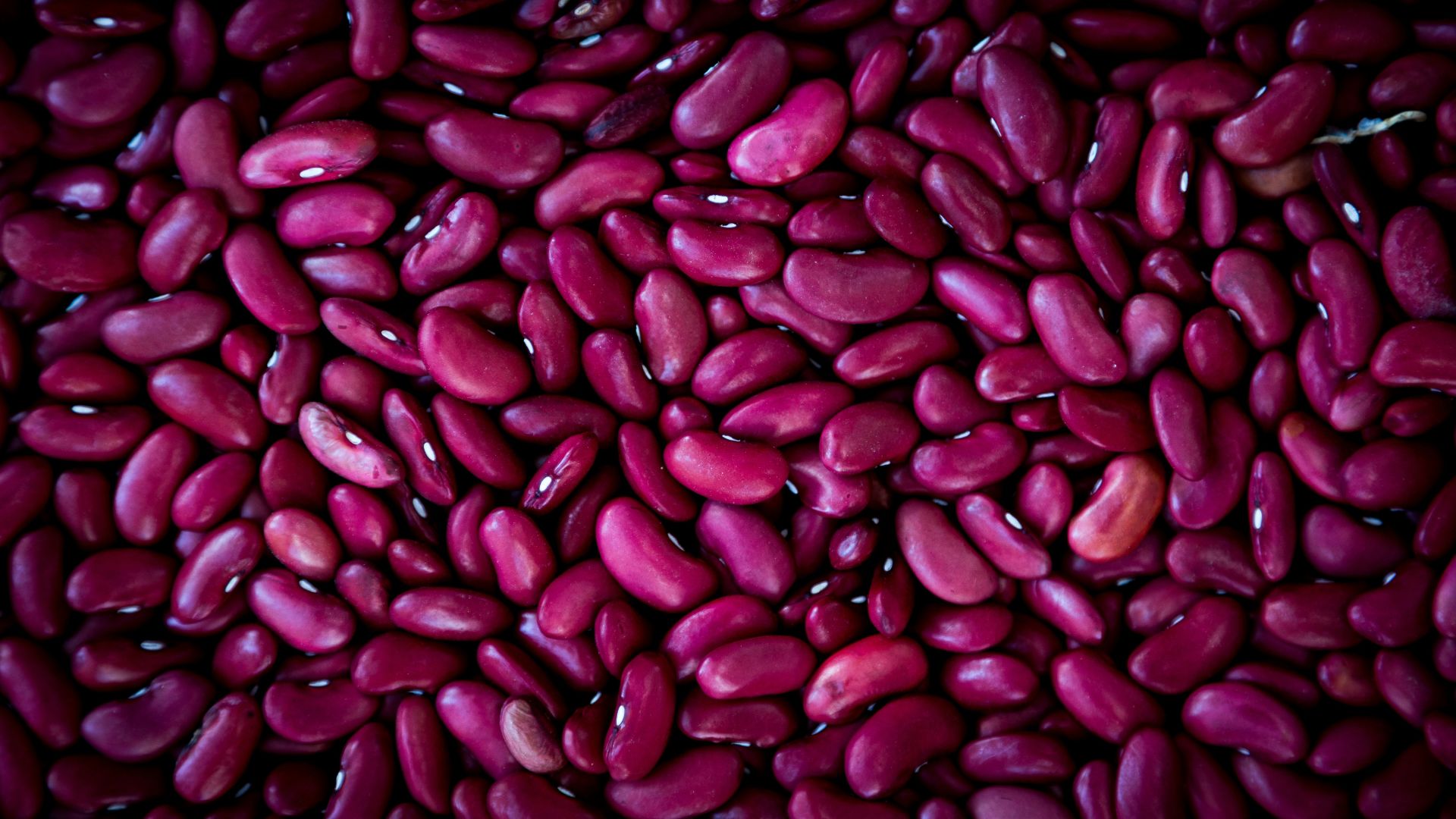 Volodymyr Hryshchenko on Unsplash
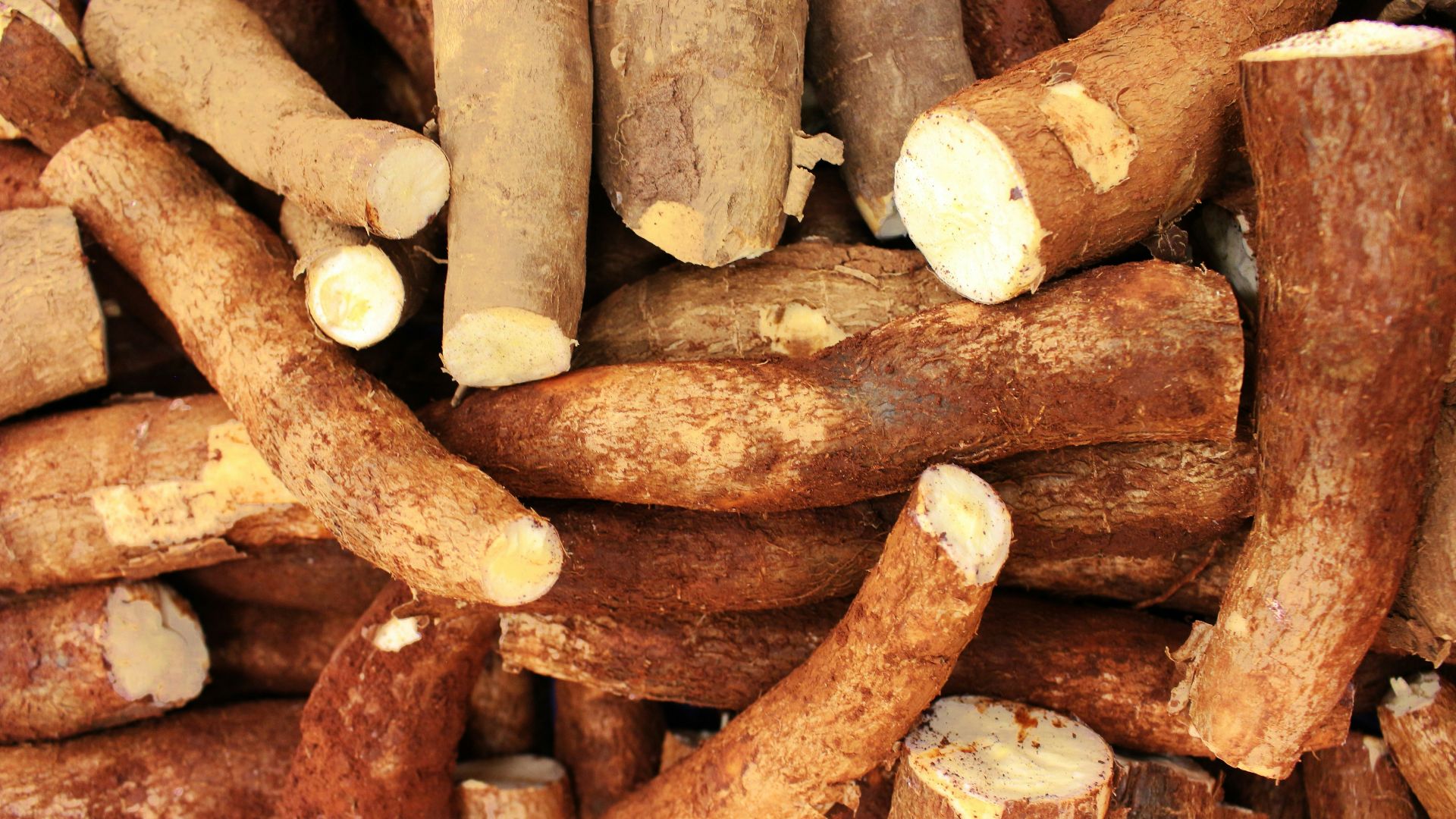
2. Cassava (Yuca)
Cassava contains cyanogenic glycosides that convert to hydrogen cyanide when consumed raw. Sweet varieties have lower levels, but bitter cassava can contain up to 400 milligrams per kilogram—enough to kill. Traditional preparation methods involve soaking, fermenting, and cooking, which reduces cyanide content to tolerable levels.
3. Elderberries
Raw elderberries, along with the leaves, stems, and roots, contain glycosides that produce cyanide. The berries need heat to become the immune-boosting superfood everyone raves about. The symptoms of elderberry poisoning—nausea, vomiting, diarrhea—appear quickly.
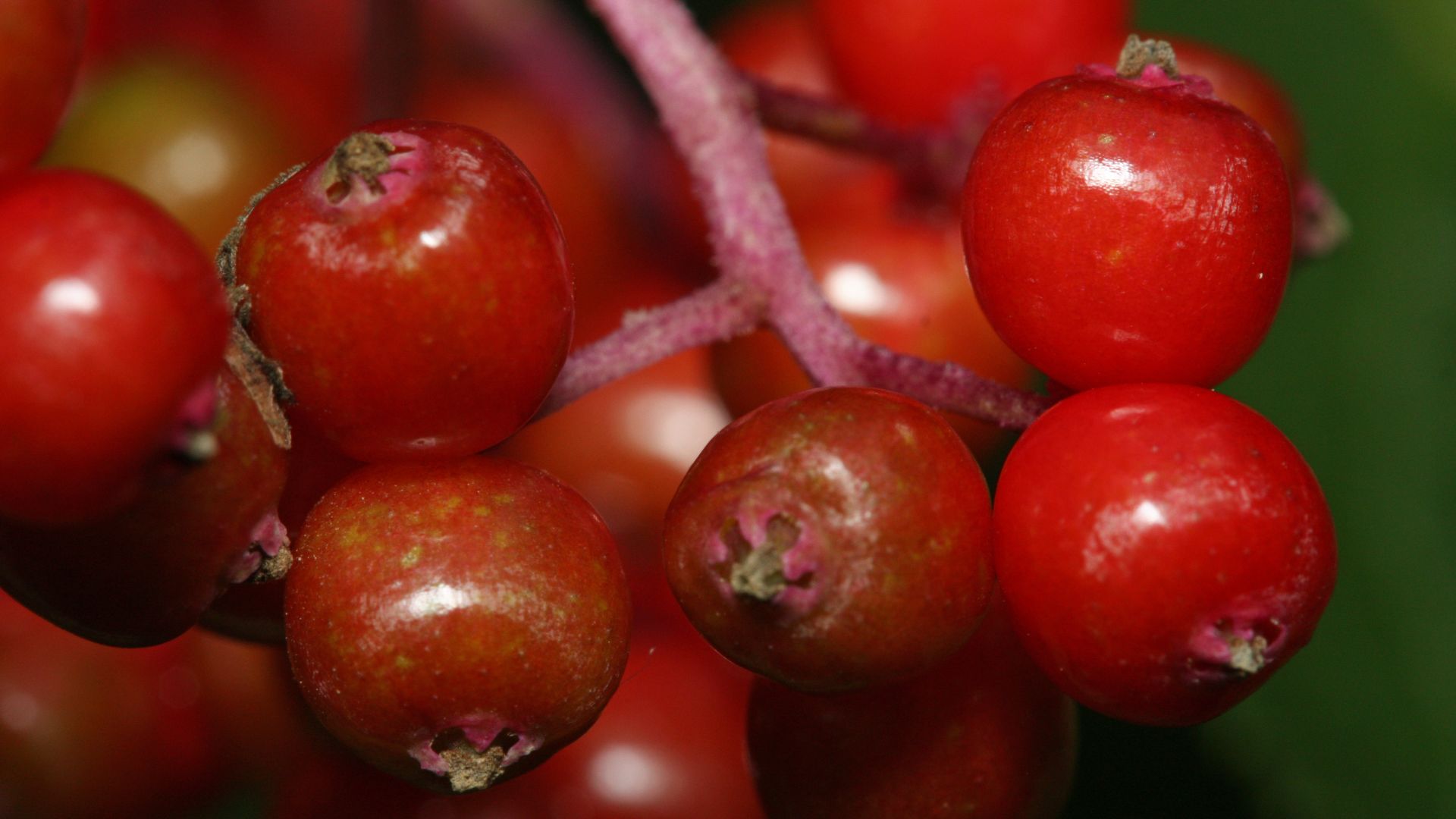 Walter Siegmund (talk) on Wikimedia
4. Potatoes (Green Ones)
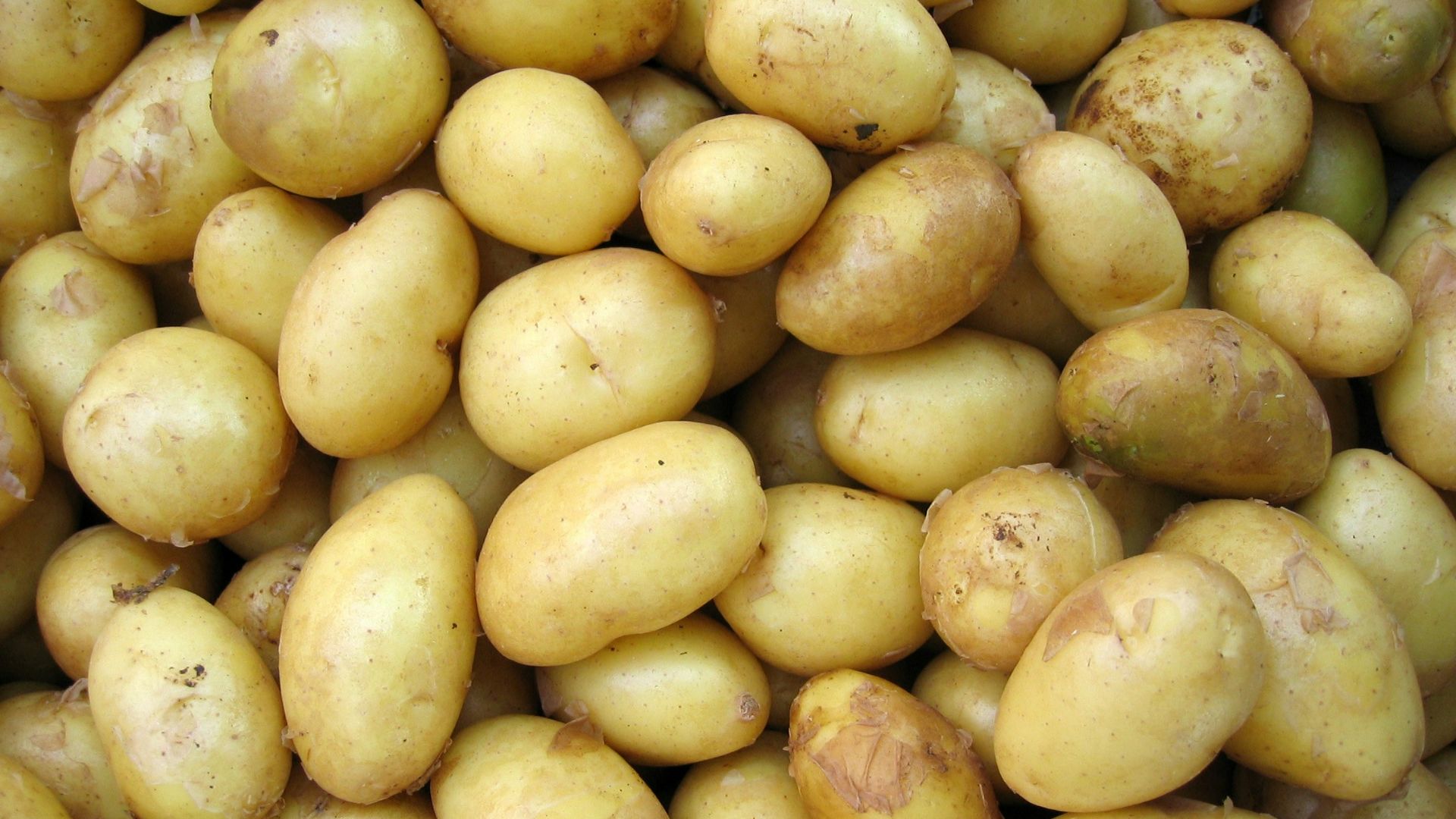
When potatoes turn green or sprout, they're producing solanine and chaconine, toxins that cause serious gastrointestinal distress and don’t disappear when cooked. The only solution is to cut away all green portions generously or throw the whole thing out.
5. Mushrooms (Wild Varieties)
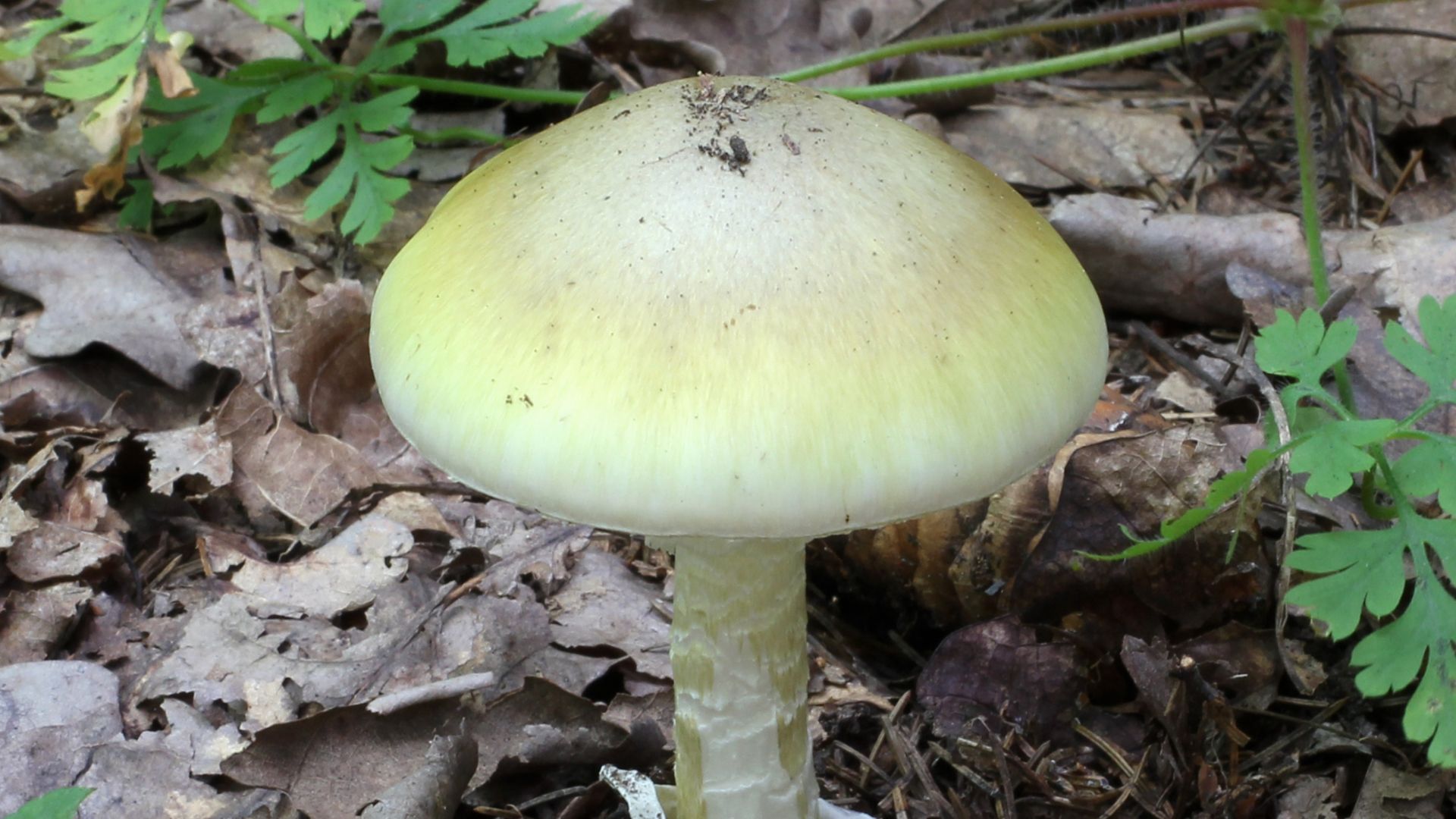
Not all mushrooms are dangerous, but the deadly death cap mushroom contains toxins that remain stable even when cooked thoroughly. Other wild mushrooms, like morels, contain hydrazine toxins that cooking does neutralize. Hundreds of poisonings occur annually, many from foraged mushrooms that people assumed were safe varieties.
 George Chernilevsky on Wikimedia
6. Rhubarb Leaves
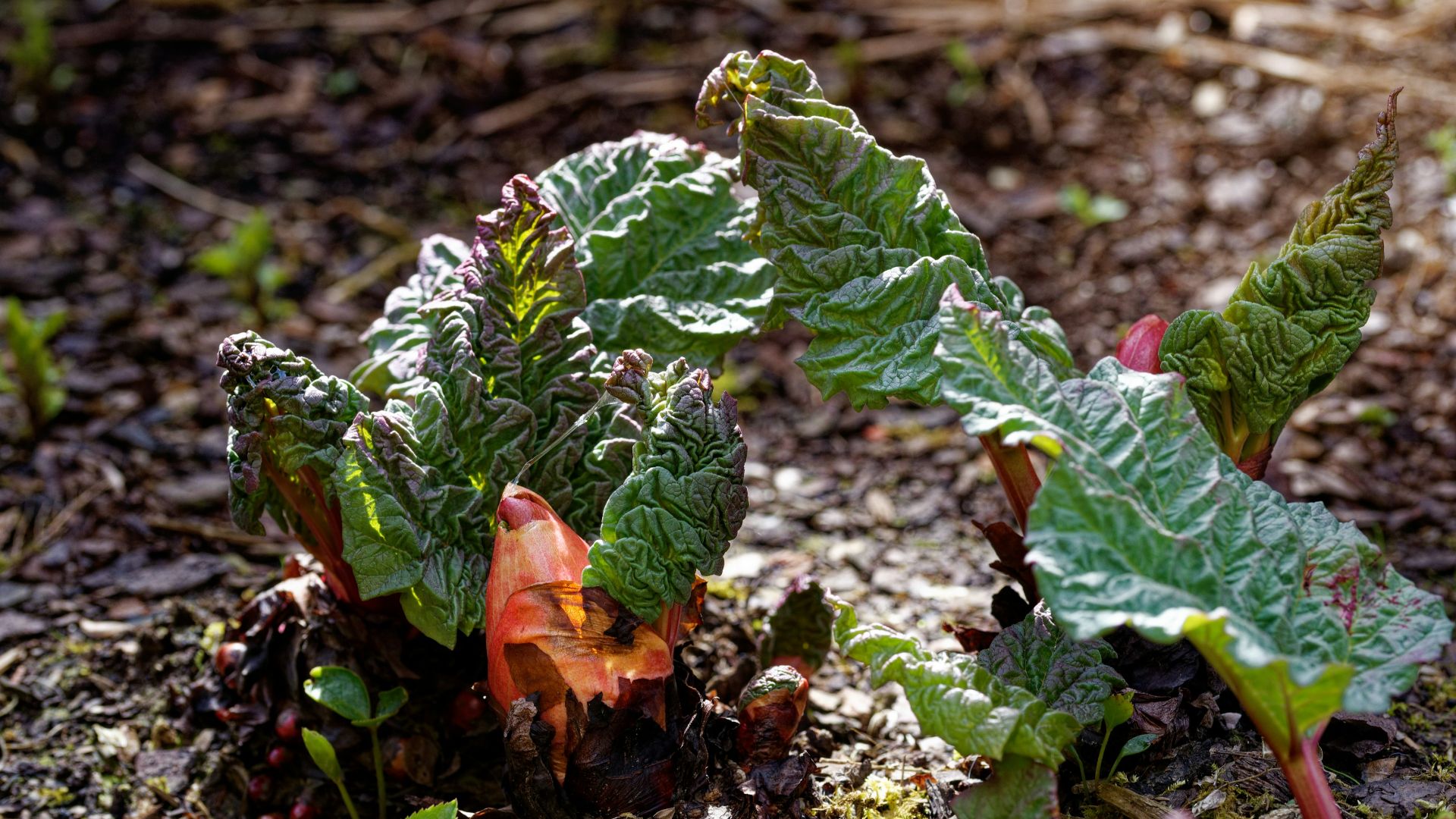
The stalks make lovely pies, but the leaves contain compounds that cause burning in the mouth and throat, as well as breathing difficulties and potentially kidney failure. You'd need to eat quite a bit to reach a lethal dose, which seems improbable until you remember that people have juiced them or added them to soups.
7. Ackee Fruit
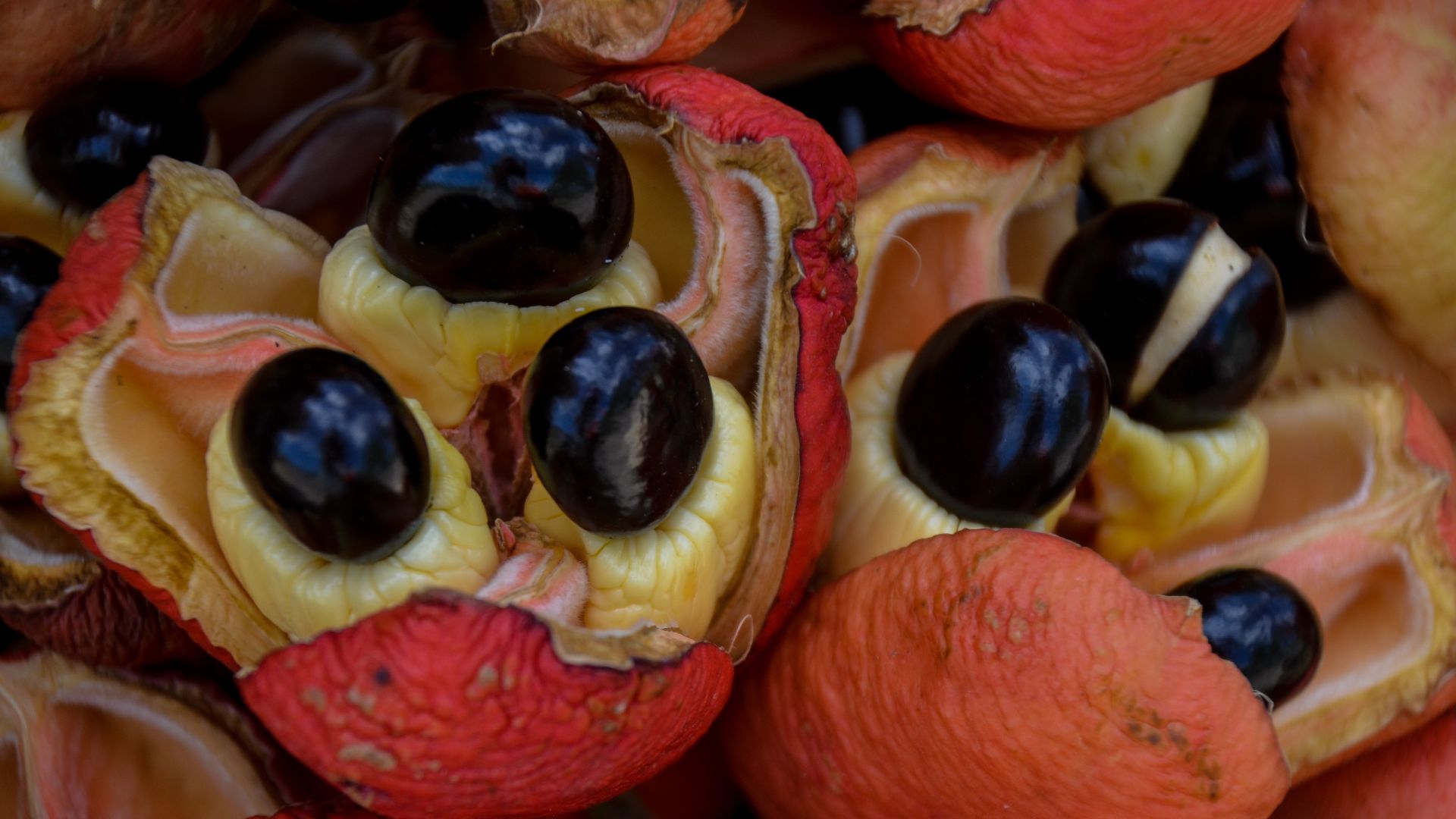
Jamaica's national fruit contains hypoglycin A and B, which cause vomiting when the unripe fruit is consumed. The fruit must ripen fully on the tree until it naturally opens and exposes the black seeds. Then you remove those seeds and the red membrane completely.
 Ralf Steinberger from Northern Italy and Berlin on Wikimedia
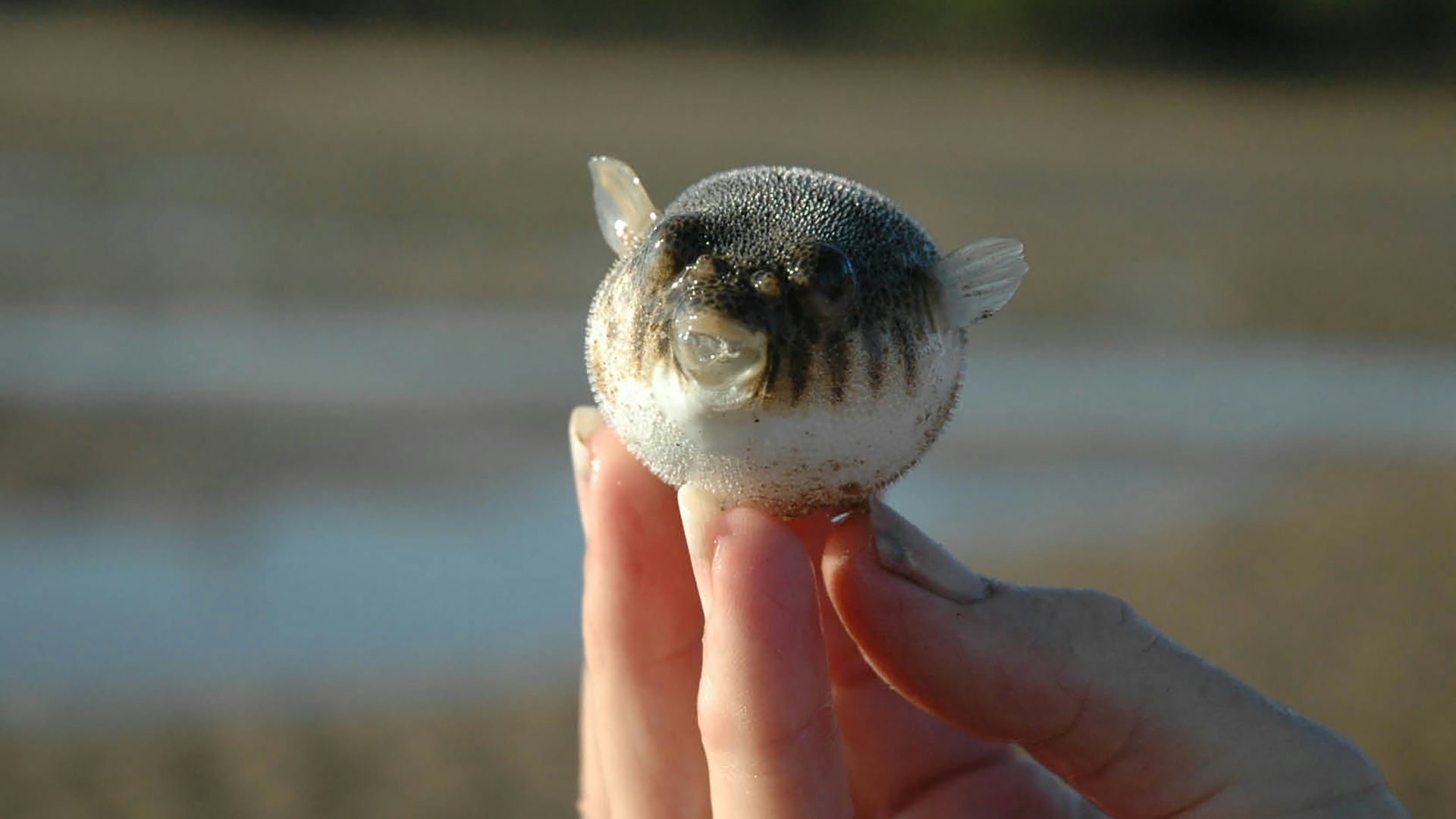
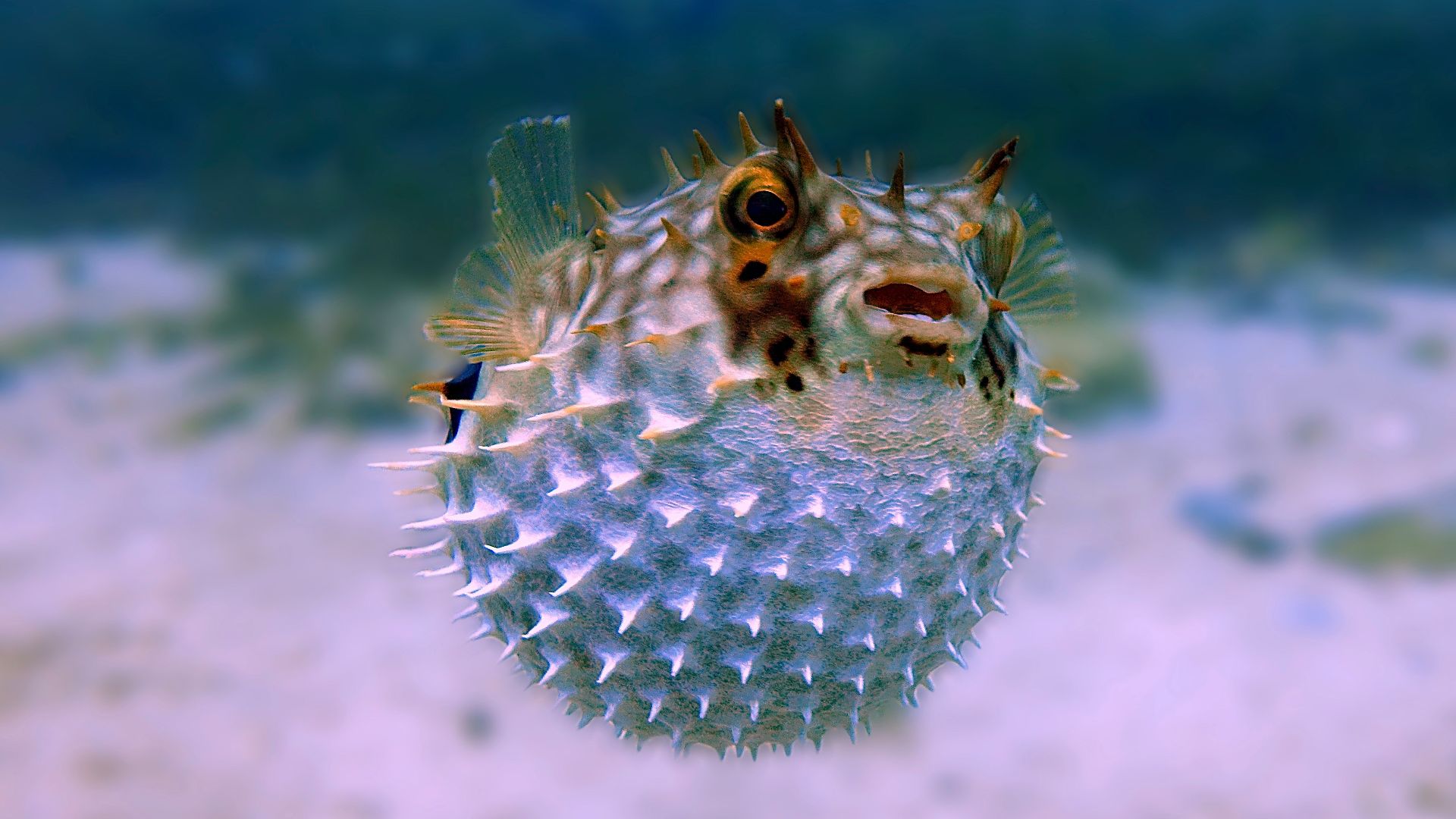
8. Fugu (Pufferfish)
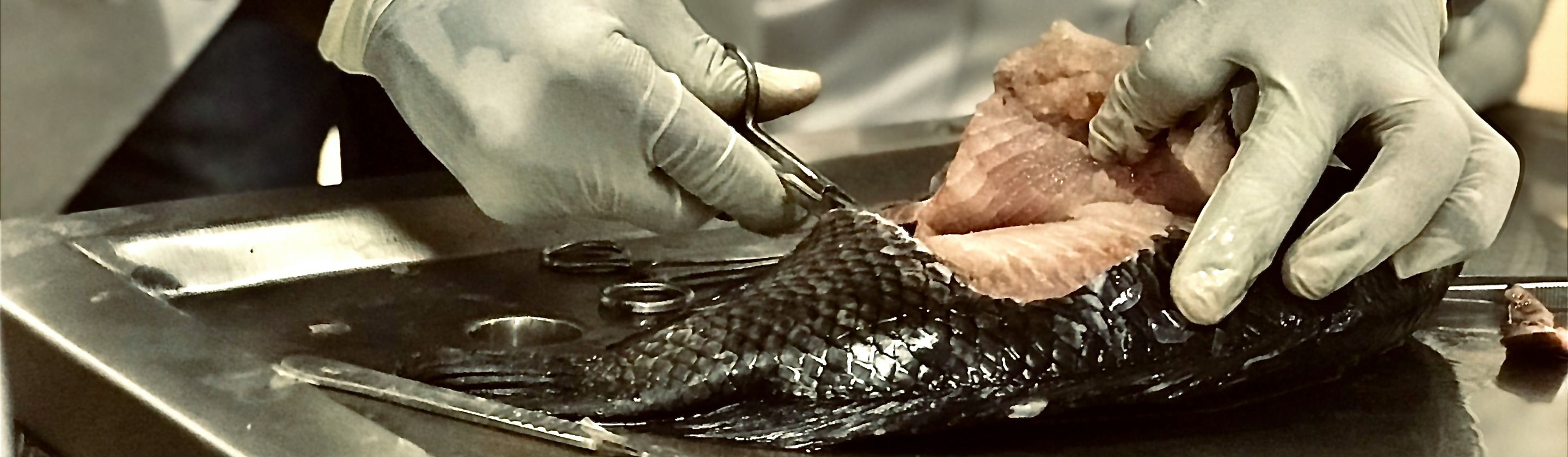
Japanese chefs train for years to prepare this delicacy because tetrodotoxin, the poison it contains, has no antidote. The fish must be prepared by licensed specialists who know exactly which organs contain lethal doses. Even cooking doesn’t neutralize it.
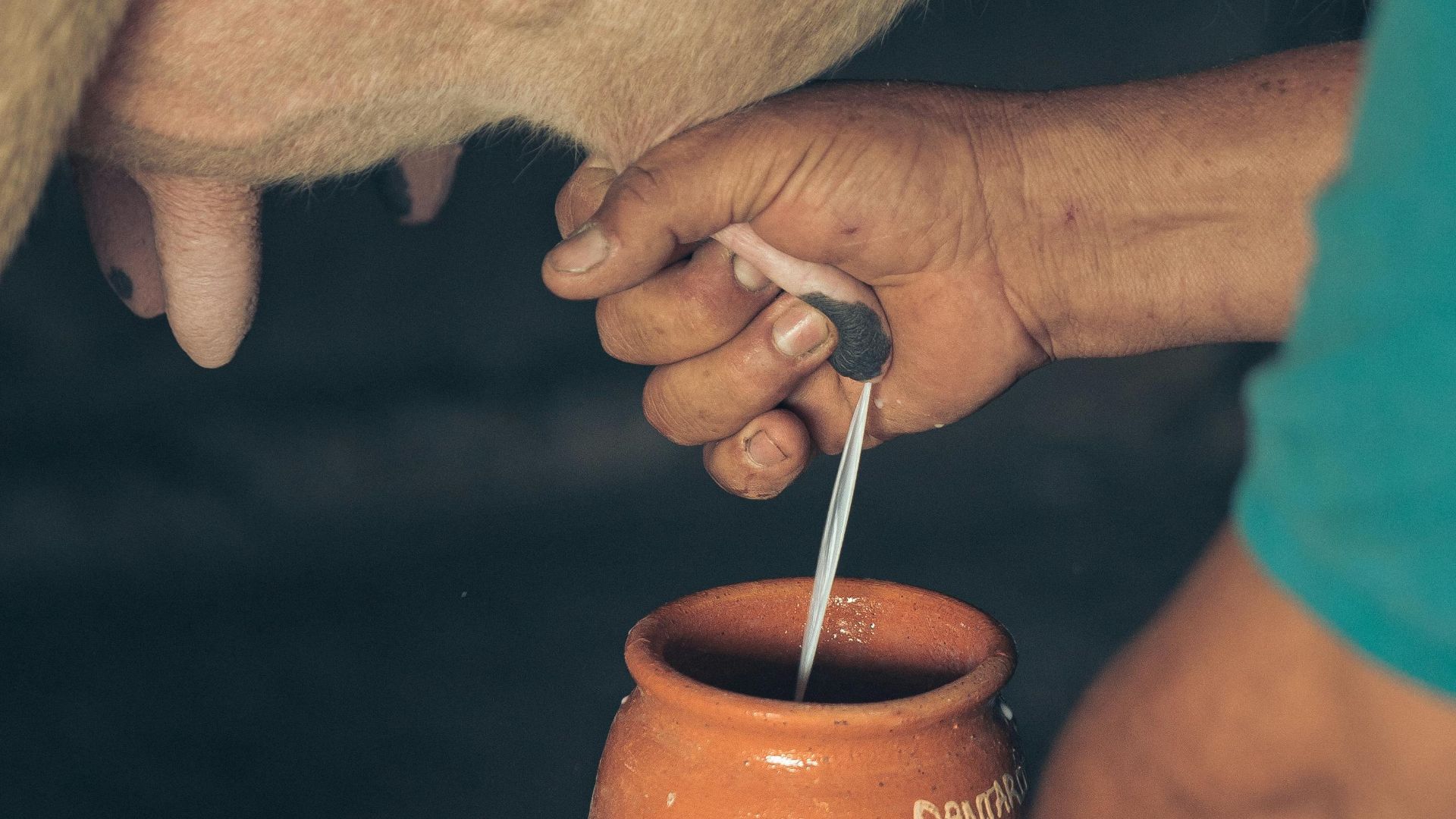
9. Raw Milk and Unpasteurized Dairy
Listeria, Salmonella, E. coli, and Campylobacter all thrive in raw milk. Pasteurization involves heating milk to 161°F for 15 seconds to kill these pathogens. The CDC reports that raw milk causes 150 times more hospitalizations than pasteurized milk, despite representing a tiny fraction of dairy consumption.
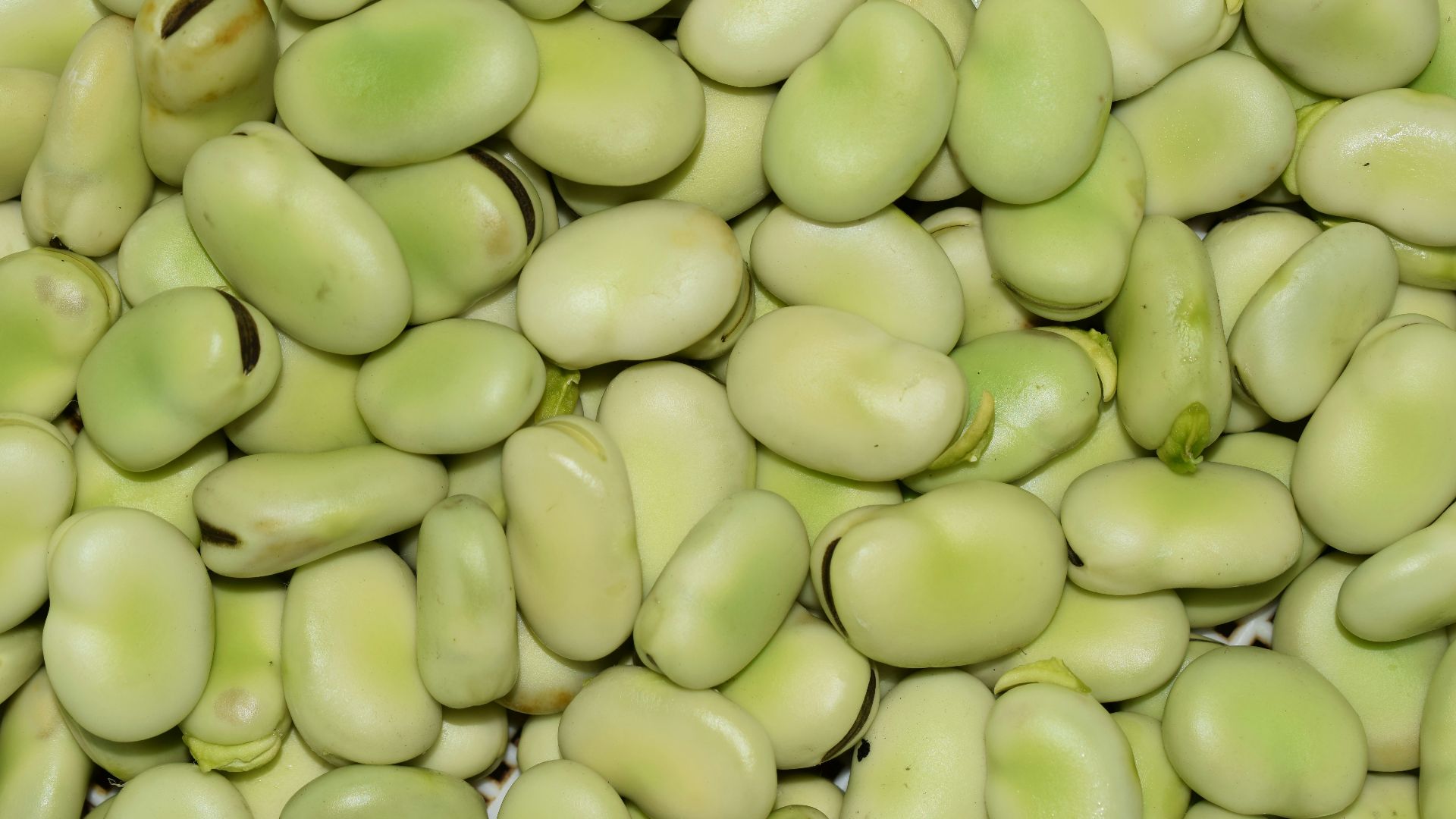
10. Lima Beans
Raw lima beans can release enough cyanide to cause serious illness. The United States sets limits on the cyanide content of commercially sold lima beans. Proper cooking reduces cyanide to safe levels. Those pale green beans in succotash should be treated seriously.
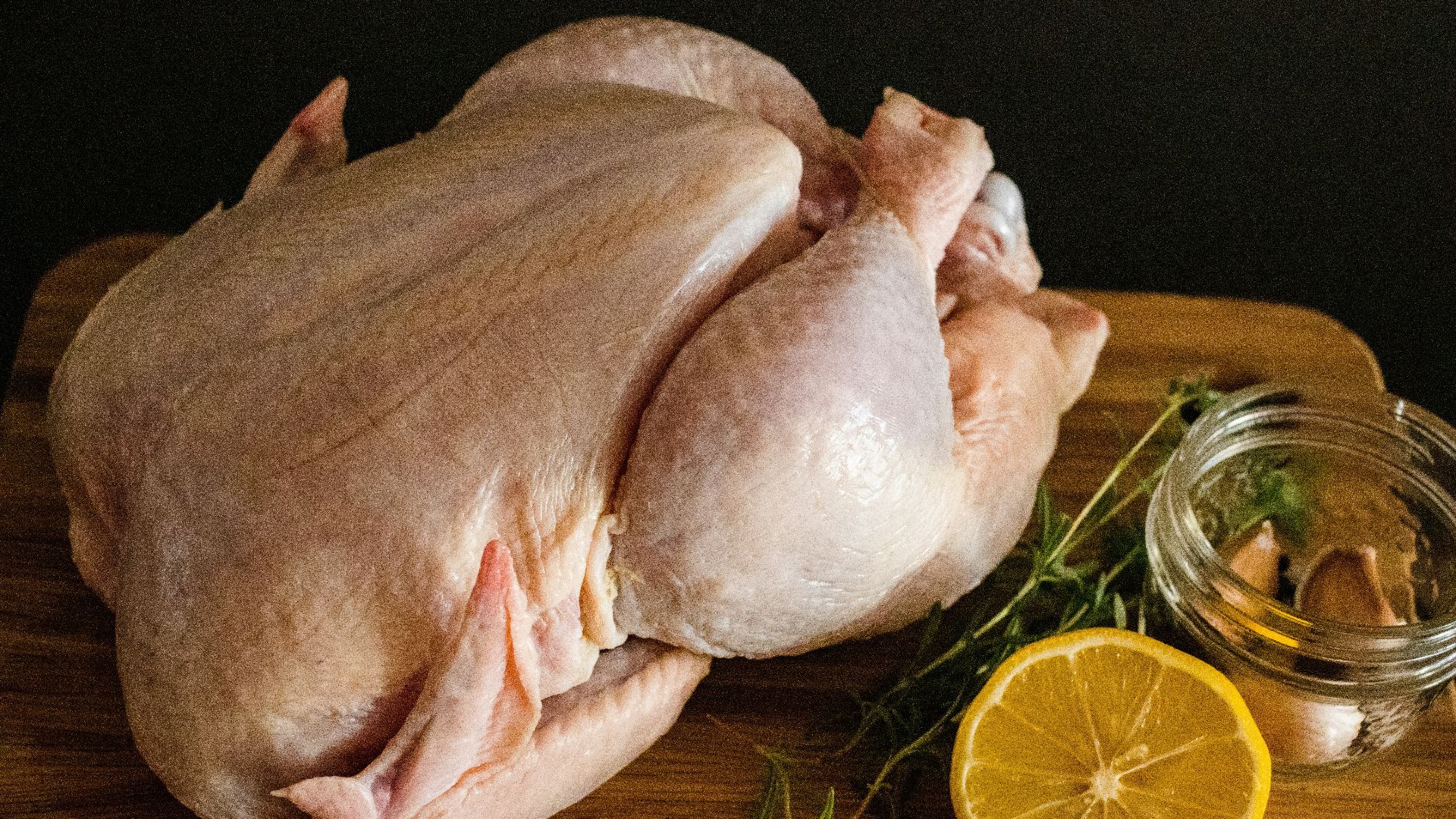
11. Chicken and Poultry
Salmonella and Campylobacter contaminate most raw chicken. Cooking to an internal temperature of 165°F kills these bacteria. Undercooking leaves you vulnerable to severe food poisoning with symptoms lasting up to a week, so watch that cross-contamination in the kitchen.
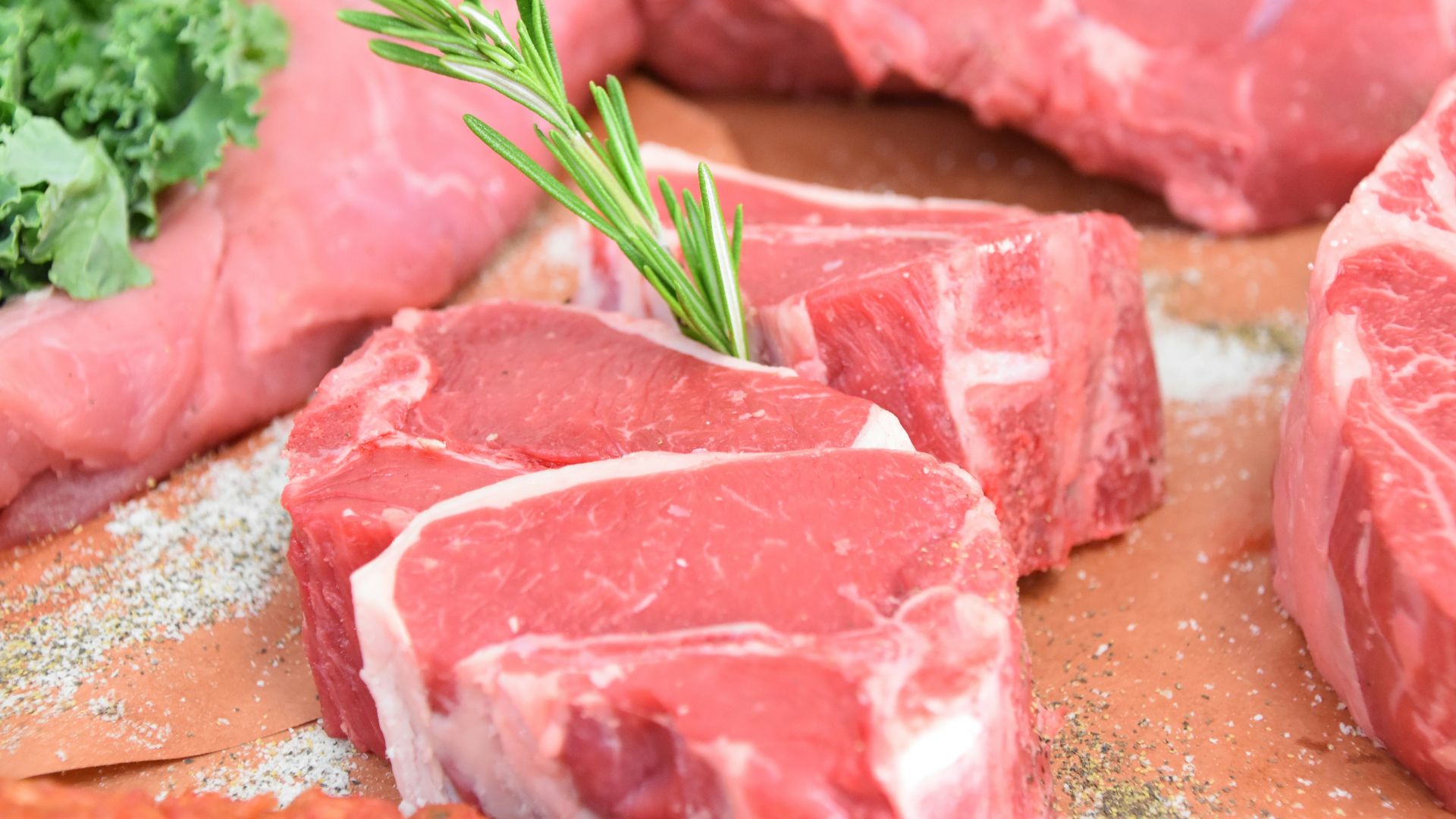
12. Pork
Trichinella spiralis, a parasitic roundworm, once made undercooked pork genuinely dangerous. Modern farming practices have nearly eliminated trichinosis in commercial pork. Even so, pork needs to reach 145°F in order to kill it.
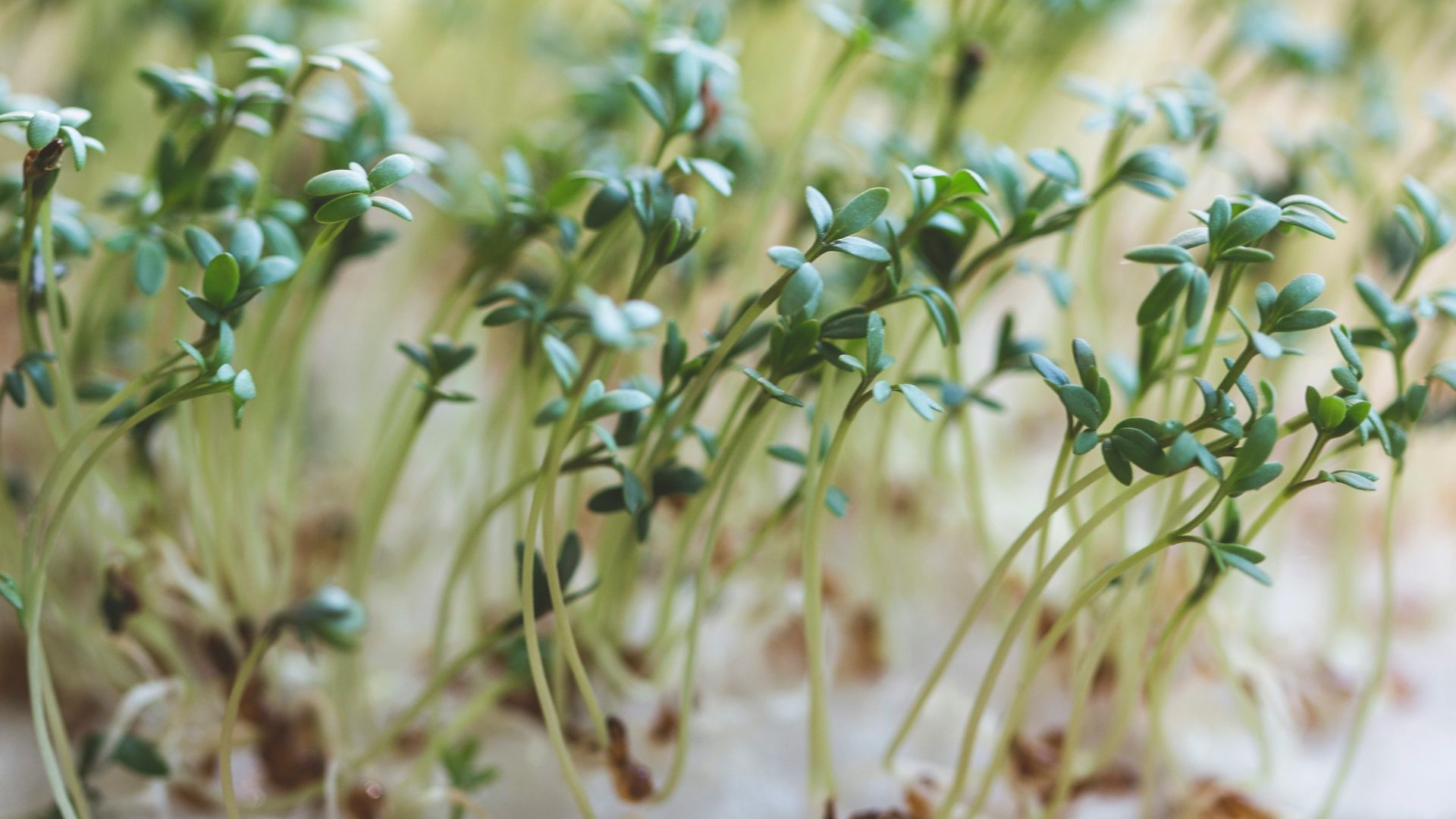
13. Raw Sprouts
Alfalfa, bean, and other sprouts grow in warm, humid conditions perfect for bacterial growth. Salmonella and E. coli outbreaks linked to sprouts occur regularly. Most people eat sprouts raw in sandwiches and salads, which explains the persistent problem.
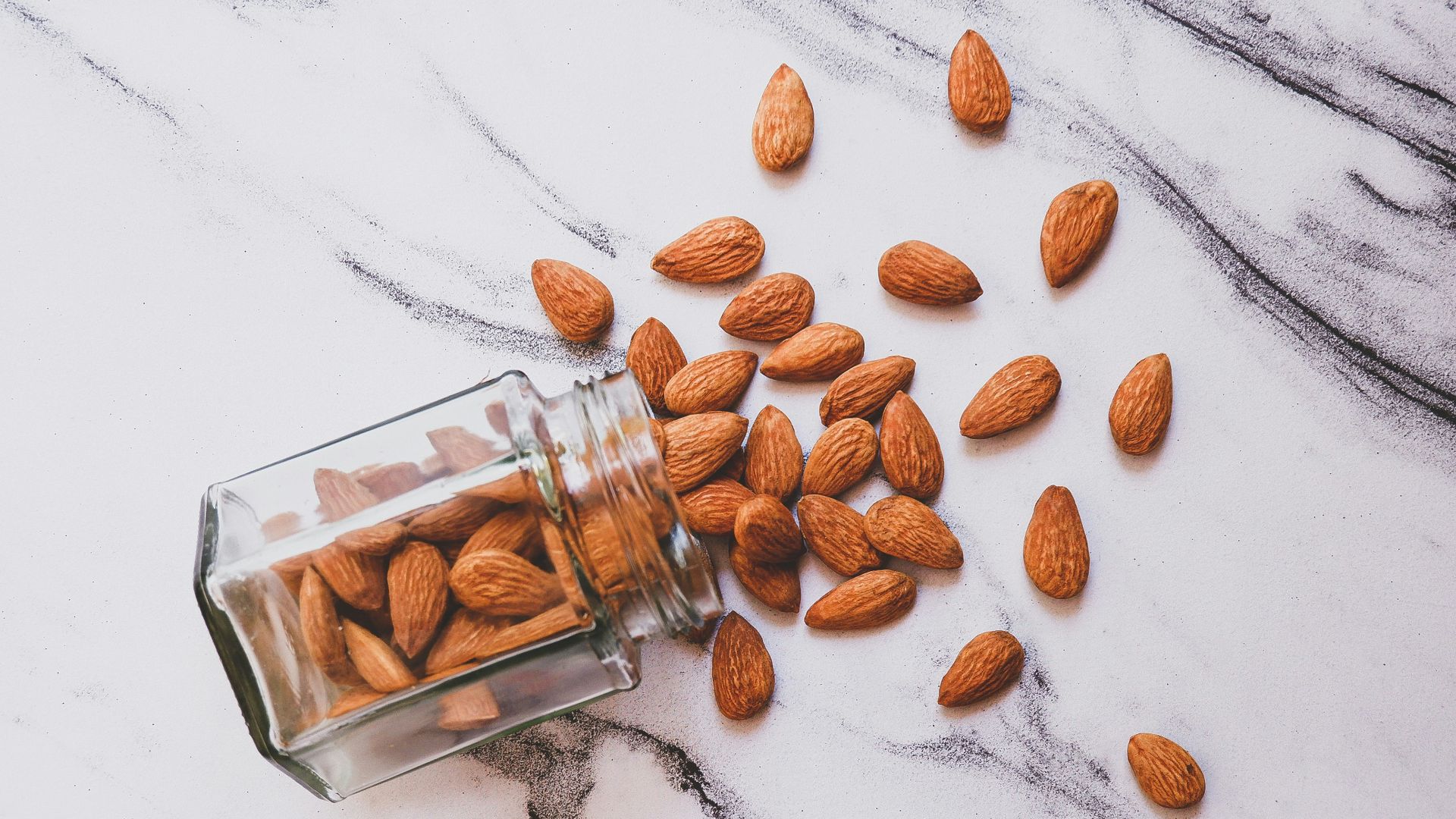
14. Bitter Almonds
Sweet almonds are fine raw. Bitter almonds contain amygdalin, which breaks down into cyanide. Just 50 bitter almonds can kill an adult. Processing and cooking destroy the toxin, which is why bitter almond flavoring exists, in which the cyanide has been removed.
15. Hot Dogs and Deli Meats
Listeria monocytogenes grows even in refrigerated conditions. Pregnant women who contract listeriosis face a 20% chance of fetal death or neonatal death. These ready-to-eat meats should be heated until steaming before consumption to avoid issues.

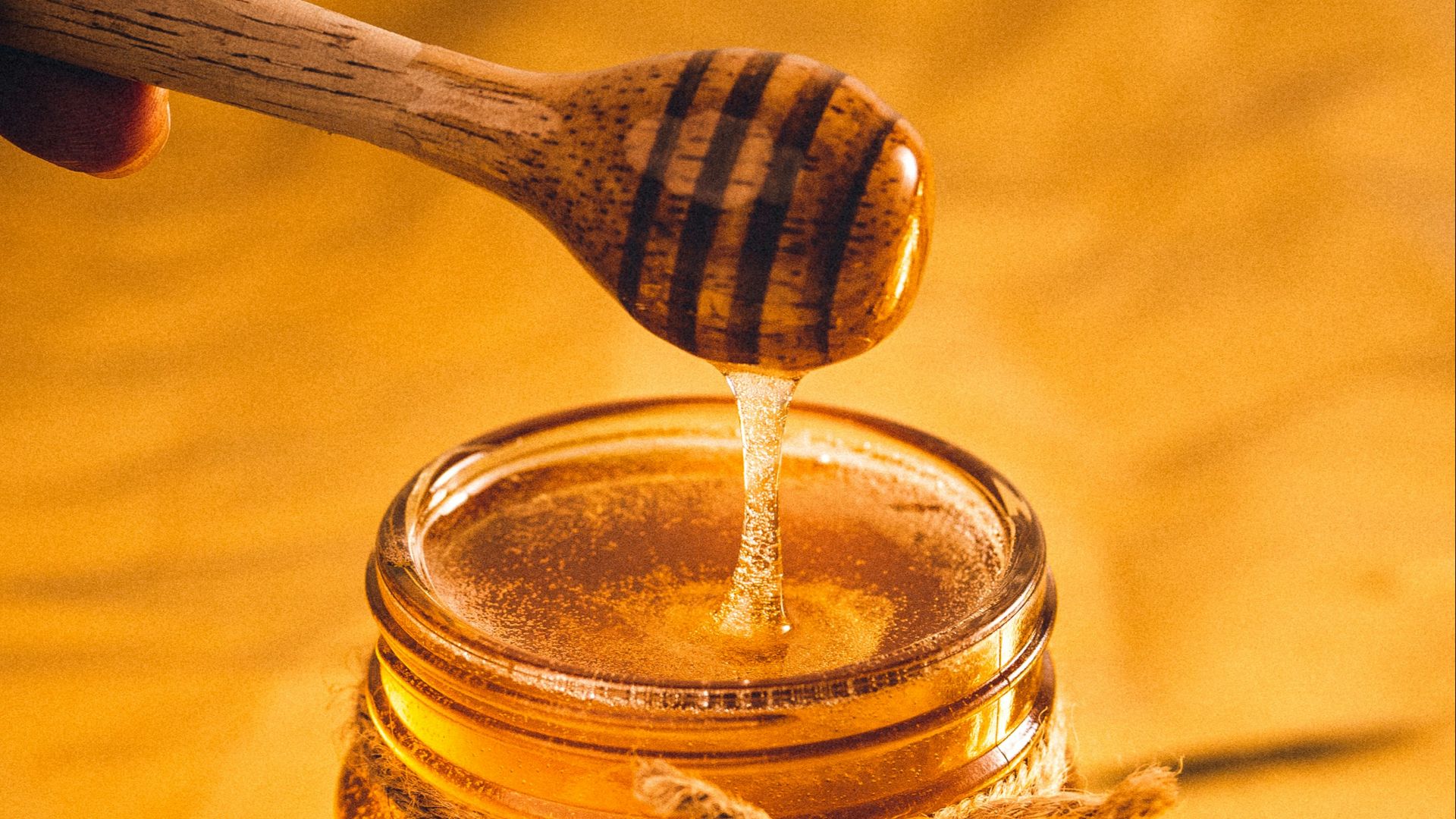
16. Honey (for Infants)
Clostridium botulinum spores survive in honey. Adult digestive systems handle them fine, but infant digestive systems are underdeveloped and less acidic, allowing the spores to germinate and produce botulinum toxin, causing infant botulism.
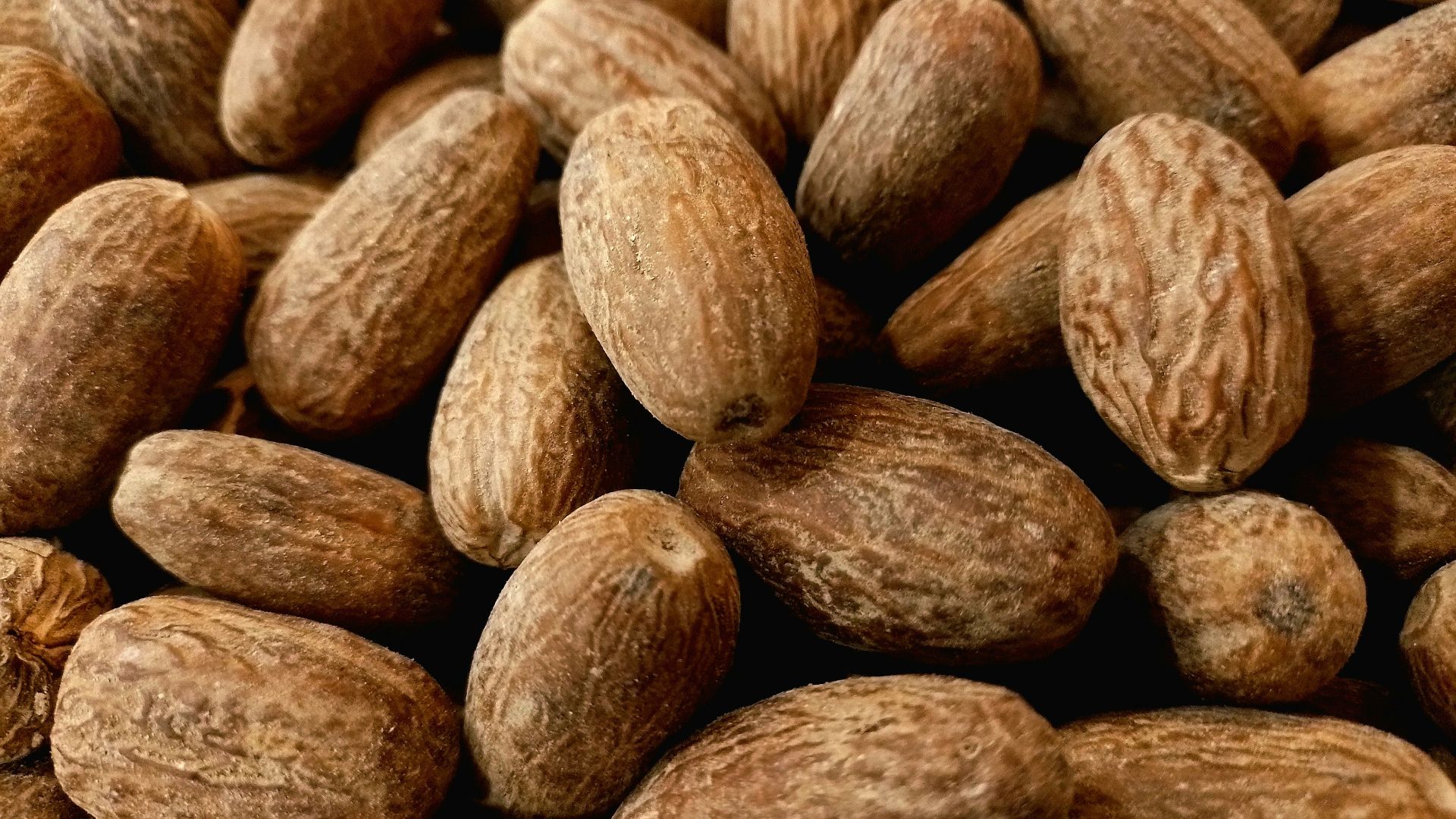
17. Nutmeg
Whole nutmeg contains myristicin, which causes hallucinations, nausea, dizziness, and severe discomfort in large quantities. We're talking tablespoons, not the pinch you add to eggnog. Still, cases occur, and cooking doesn't eliminate it.
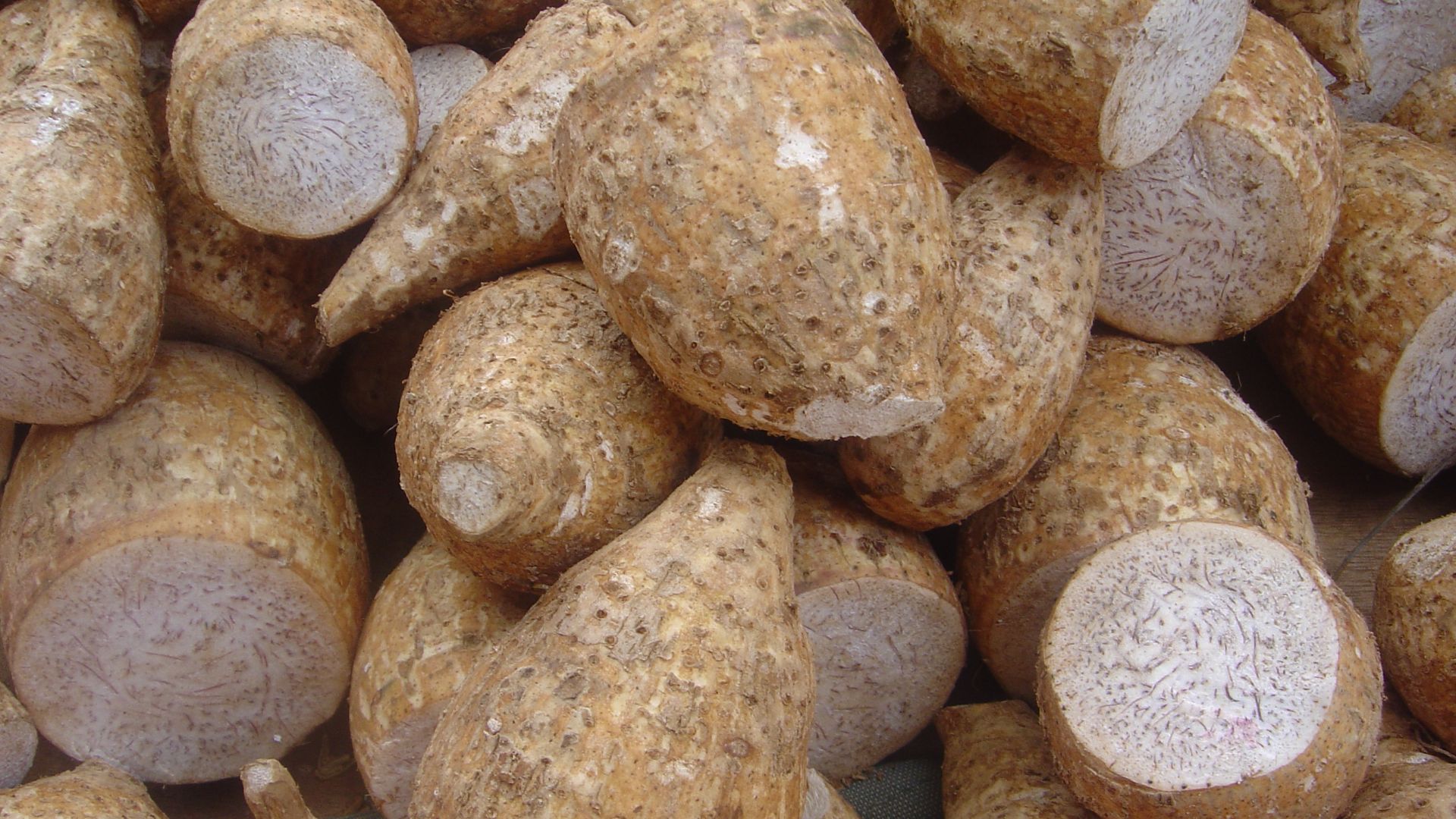
18. Taro
This starchy root contains calcium oxalate crystals that cause intense burning and swelling of the mouth and throat if consumed raw. The crystals look like microscopic needles under a microscope, which explains the sensation. Cooking breaks down these crystals completely.
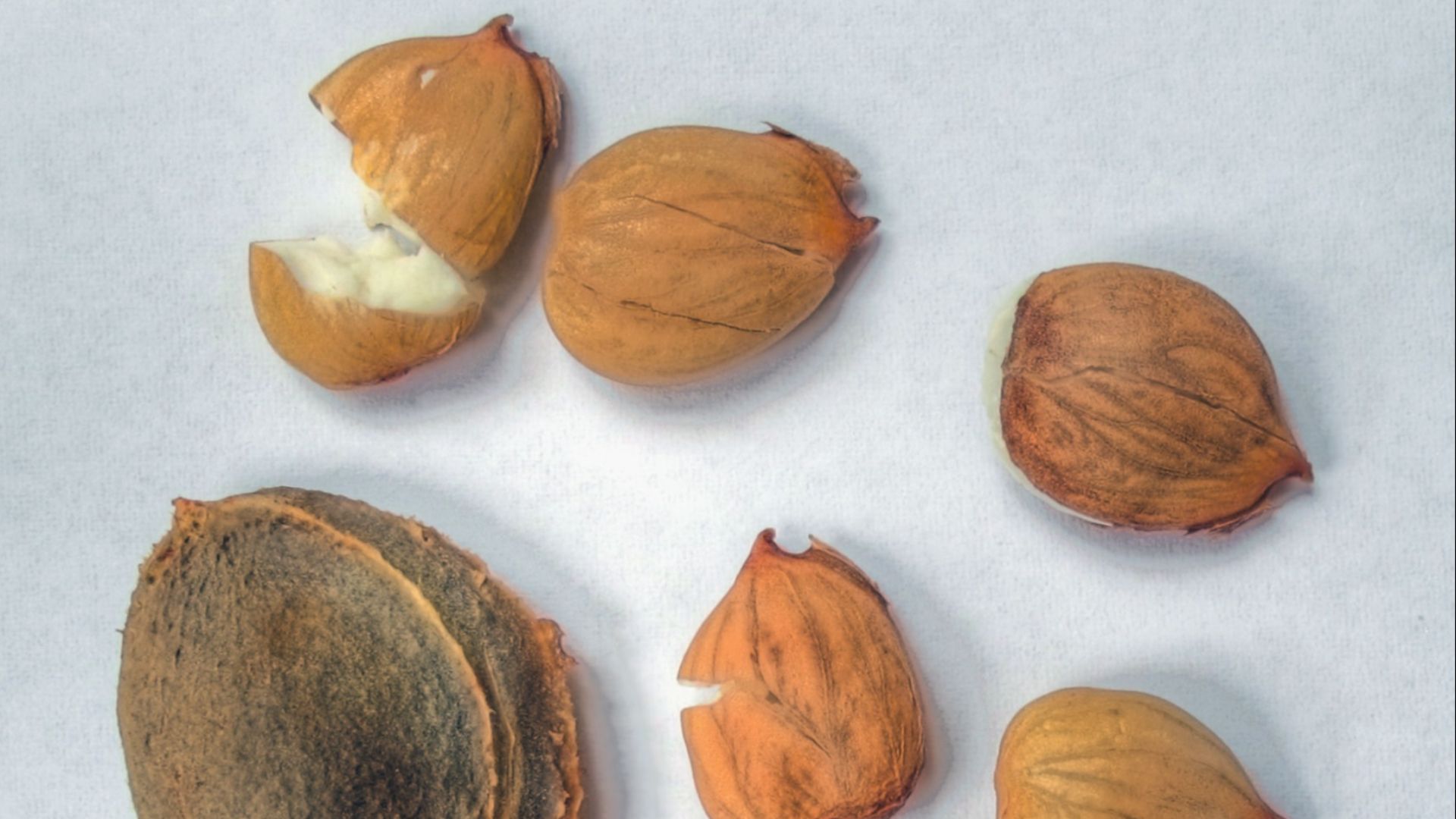
19. Apricot Kernels
The seeds inside apricot pits contain amygdalin, the same cyanide-producing compound found in bitter almonds. Alternative medicine proponents sometimes tout apricot kernels as cancer cures, but the European Food Safety Authority considers more than half a large kernel or three small kernels unsafe for adults.
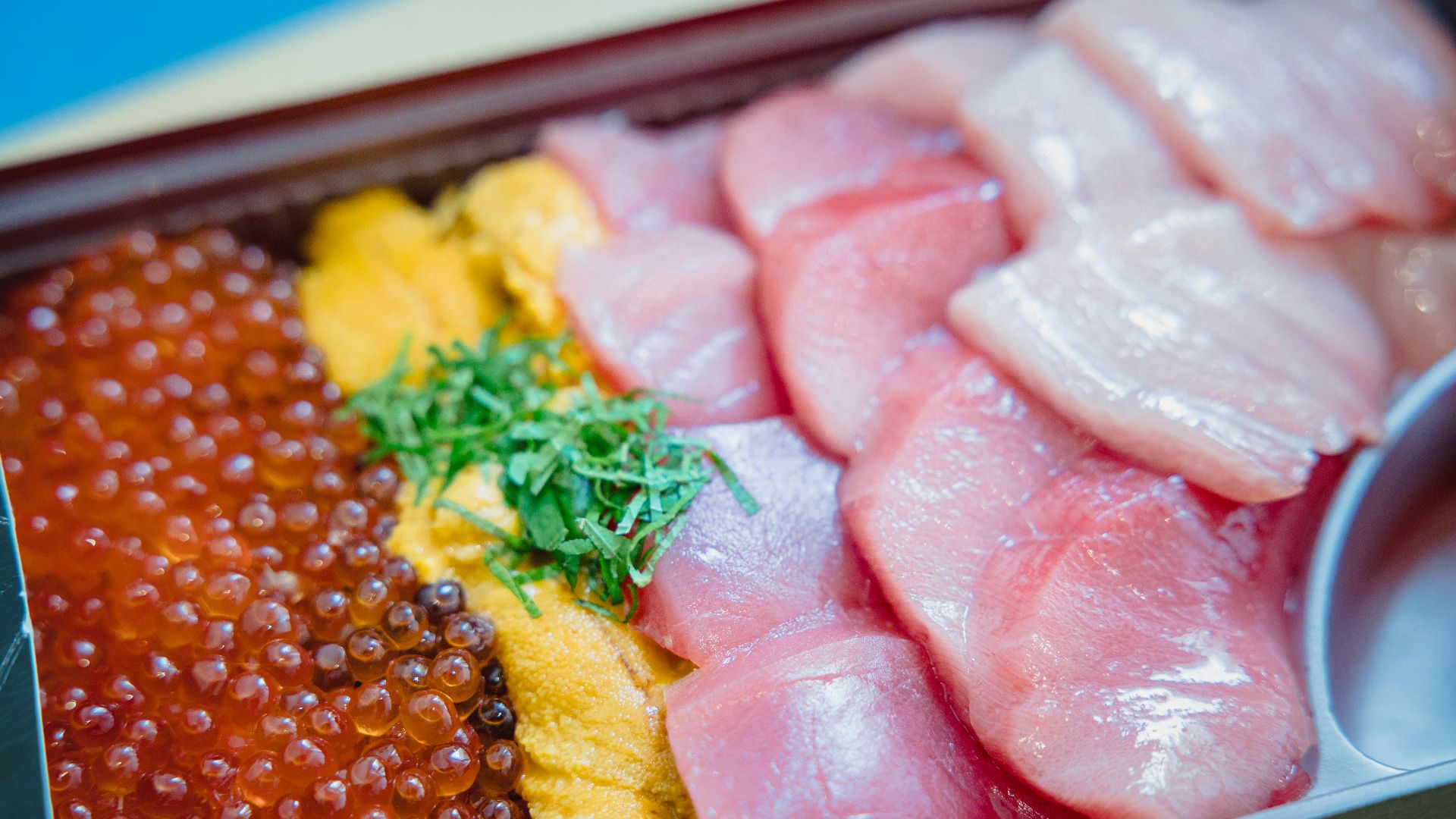
20. Raw Seafood
Sushi enthusiasts might bristle at this inclusion, but the fact remains that raw fish can harbor parasites. Freezing fish at -4°F for seven days or -31°F for 15 hours kills parasites, which is why sushi-grade fish is frozen. Truly raw, never-frozen fish carries genuine parasite risk.
KEEP ON READING
20 Foods You Can't Eat Without Teeth