Sugar Isn't the Only Thing Your Teeth Dislike
It's no surprise that candy has a pretty bad rep: it's sugary, it's sometimes sticky, and it'll feed the bacteria that cause tooth decay. And yet, sweets aren't the only thing that can hurt your oral health; in fact, plenty of everyday foods can exacerbate the problem. Plus, how long you're snacking on these foods matters, too, as prolonged exposure can spell out bad, bad news (and probably a hefty bill from your dentist). From crackers and dried fruit to soda and even seemingly wholesome snacks, you might want to watch out for these 20 foods if you want to protect that perfect smile of yours.
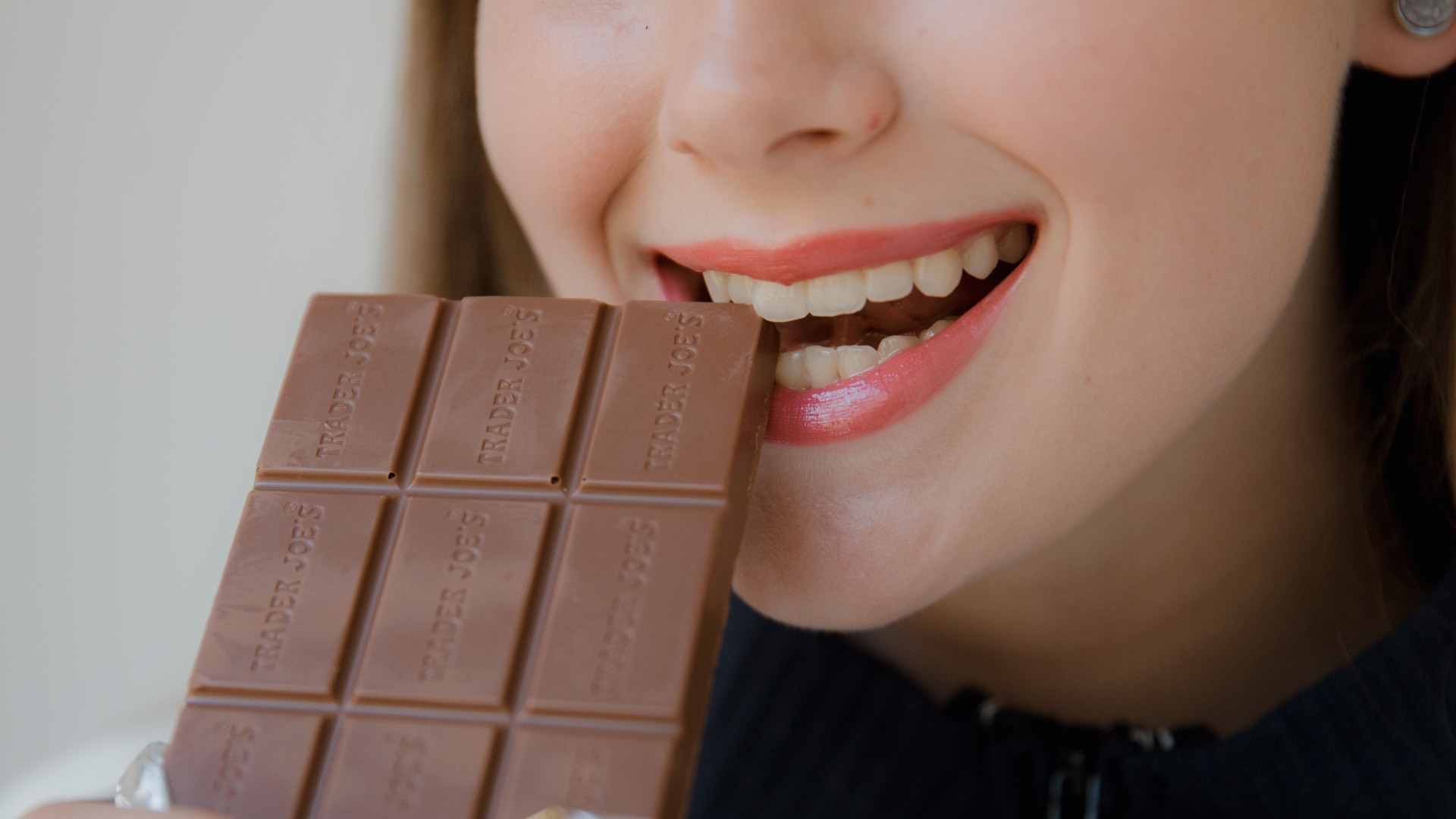
1. Potato Chips
Potato chips technically aren't really sugary, but they're loaded with starch that breaks down into simple sugars as you chew. Their small fragments can also lodge between teeth and remain there long after you've finished the bag. Frequent chip snacking gives oral bacteria more opportunities to produce the acids involved in tooth decay.
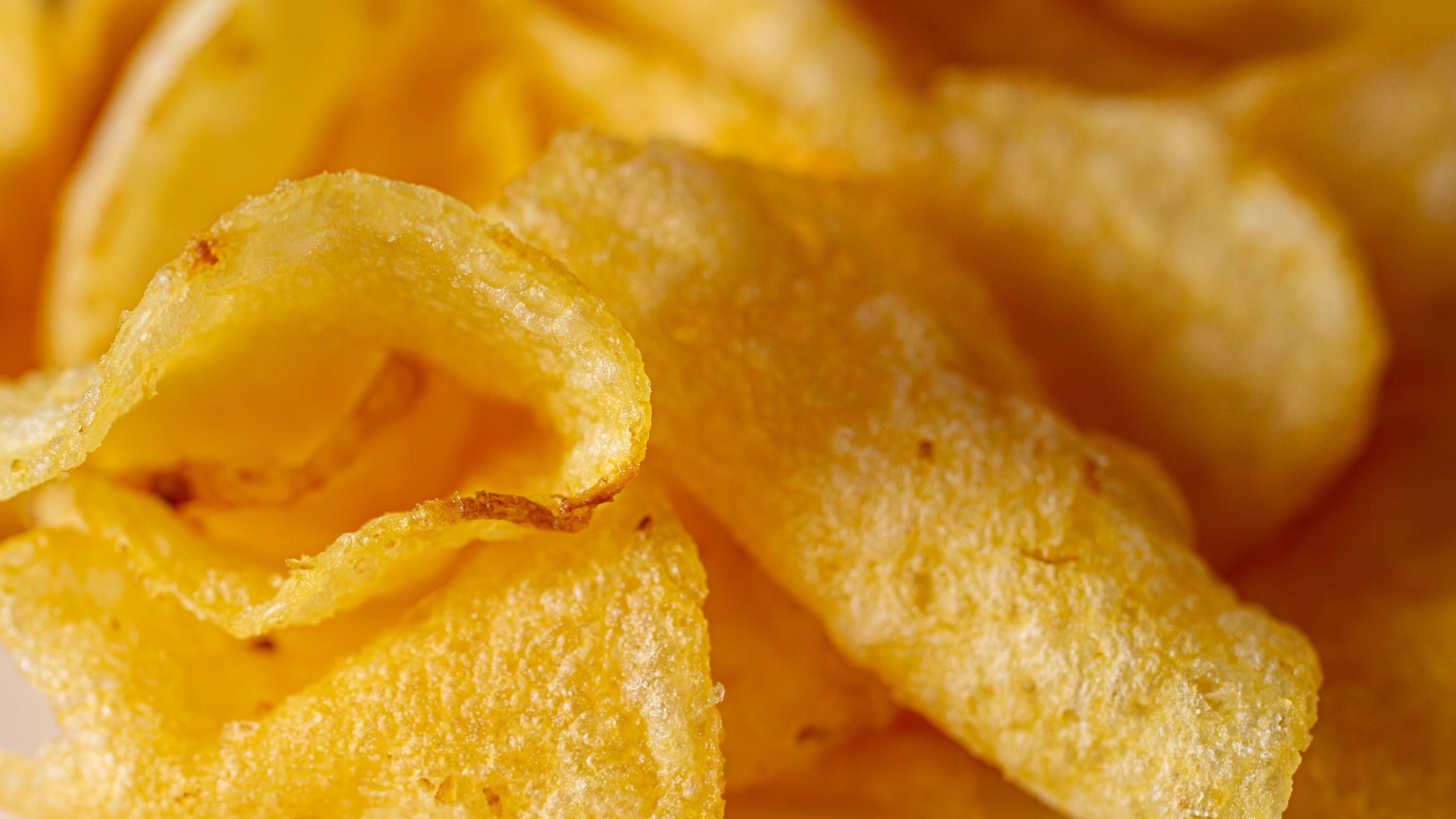
2. White Bread
As you chew, soft white bread can turn into a sticky paste, allowing bits to cling to grooves and spaces around your teeth. From there, its refined starches are quickly broken down into sugars that cavity-causing bacteria can use. That doesn't mean you have to swear off bread entirely, though; eating it as part of a meal is generally less troublesome than repeatedly snacking on it throughout the day.
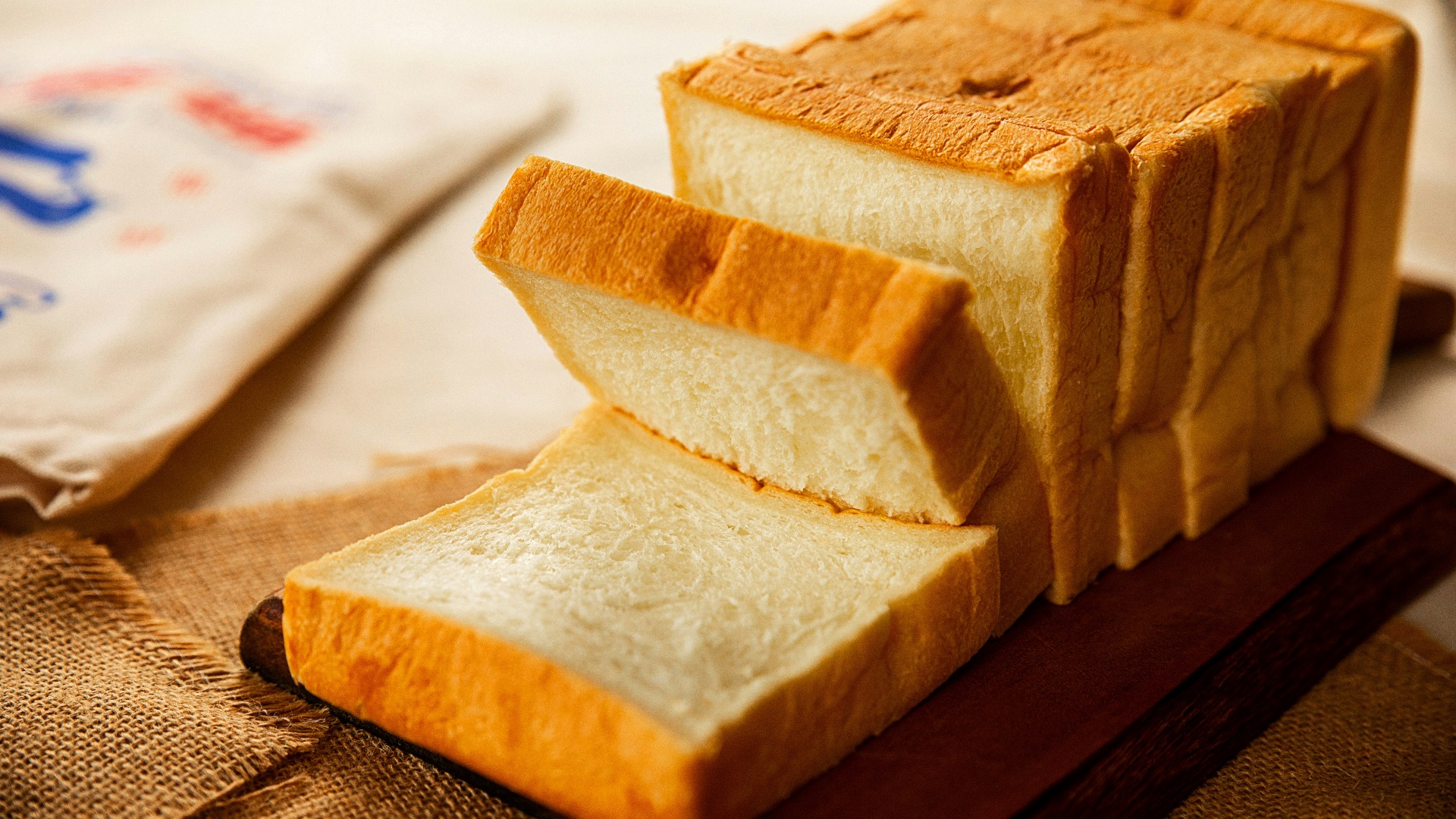
3. Crackers
Plain crackers might seem harmless because they aren't particularly sweet, but many are made primarily from refined flour. Once chewed, those carbohydrates can break down rapidly and leave starchy residue around your teeth. Crackers that stick to molars or get trapped between teeth can then allow bacteria to grow until they're finally brushed or rinsed away, so always practice good oral hygiene.
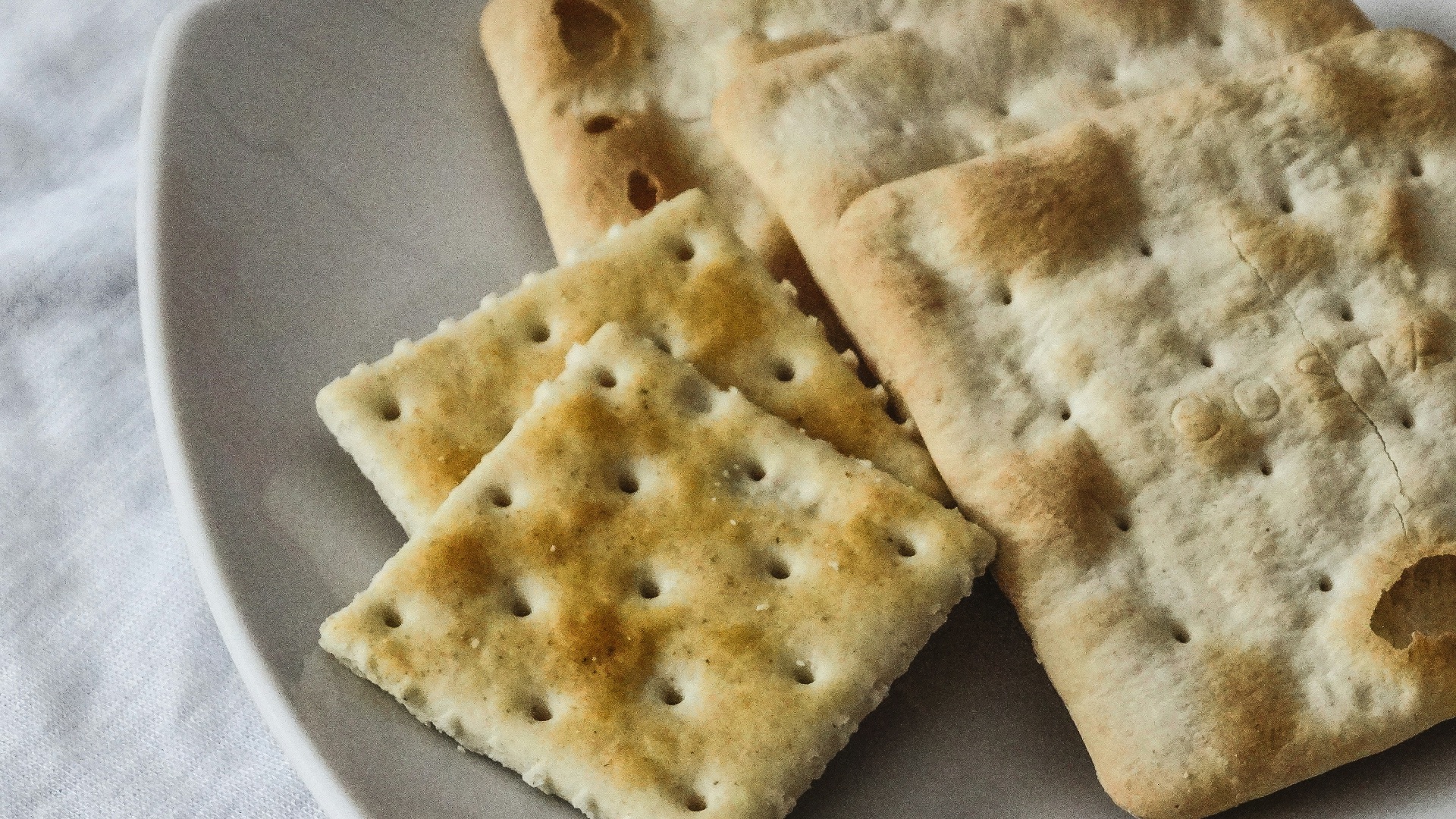
4. Dried Fruit
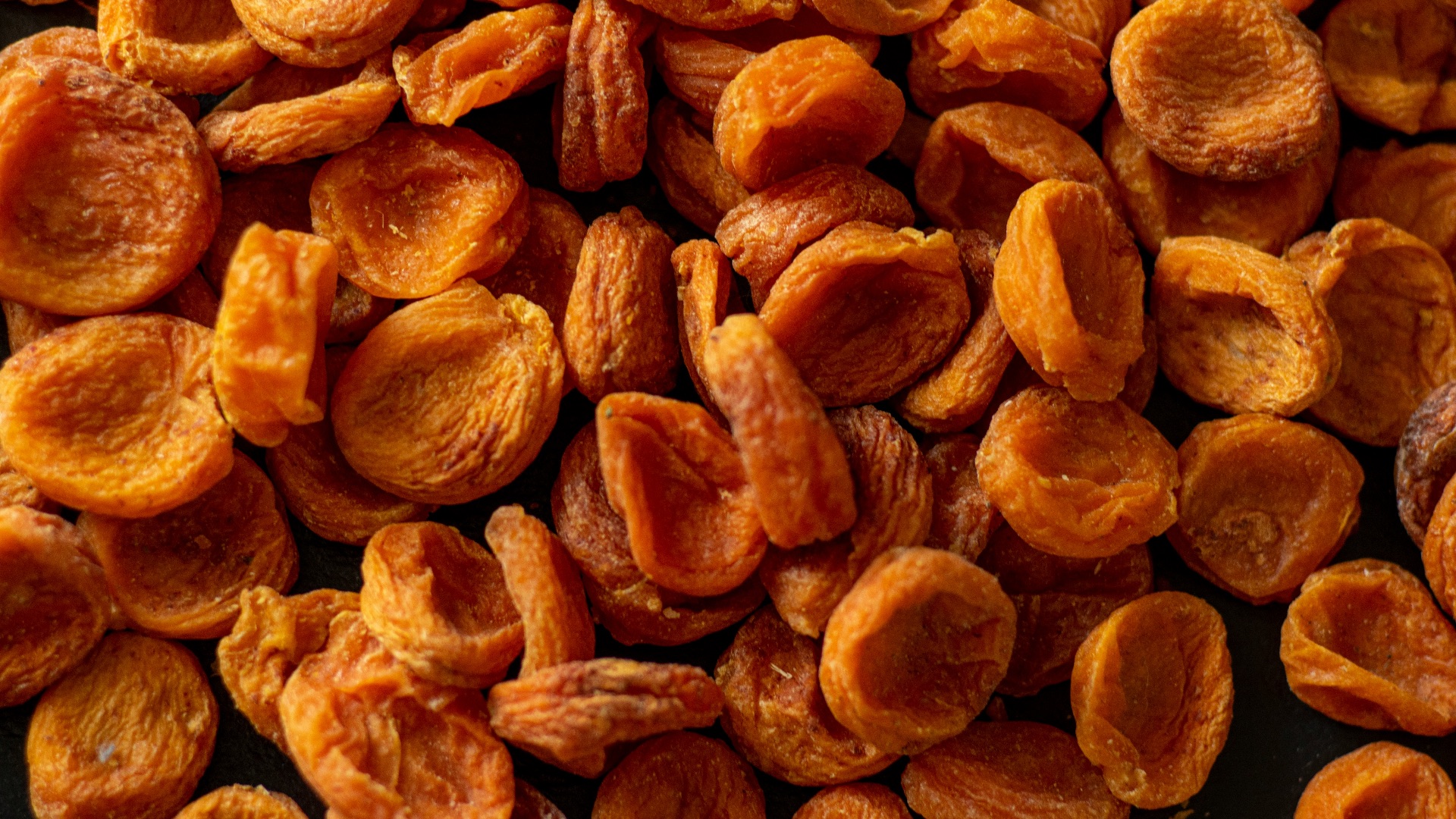
Raisins, dates, dried apricots, and similar snacks all contain concentrated natural sugars because much of the fruit's water has been removed. Their chewy, sticky texture also makes them more likely to stay on your teeth than fresh fruit. That combination can prolong the amount of time sugar remains in contact with enamel.
5. Soda
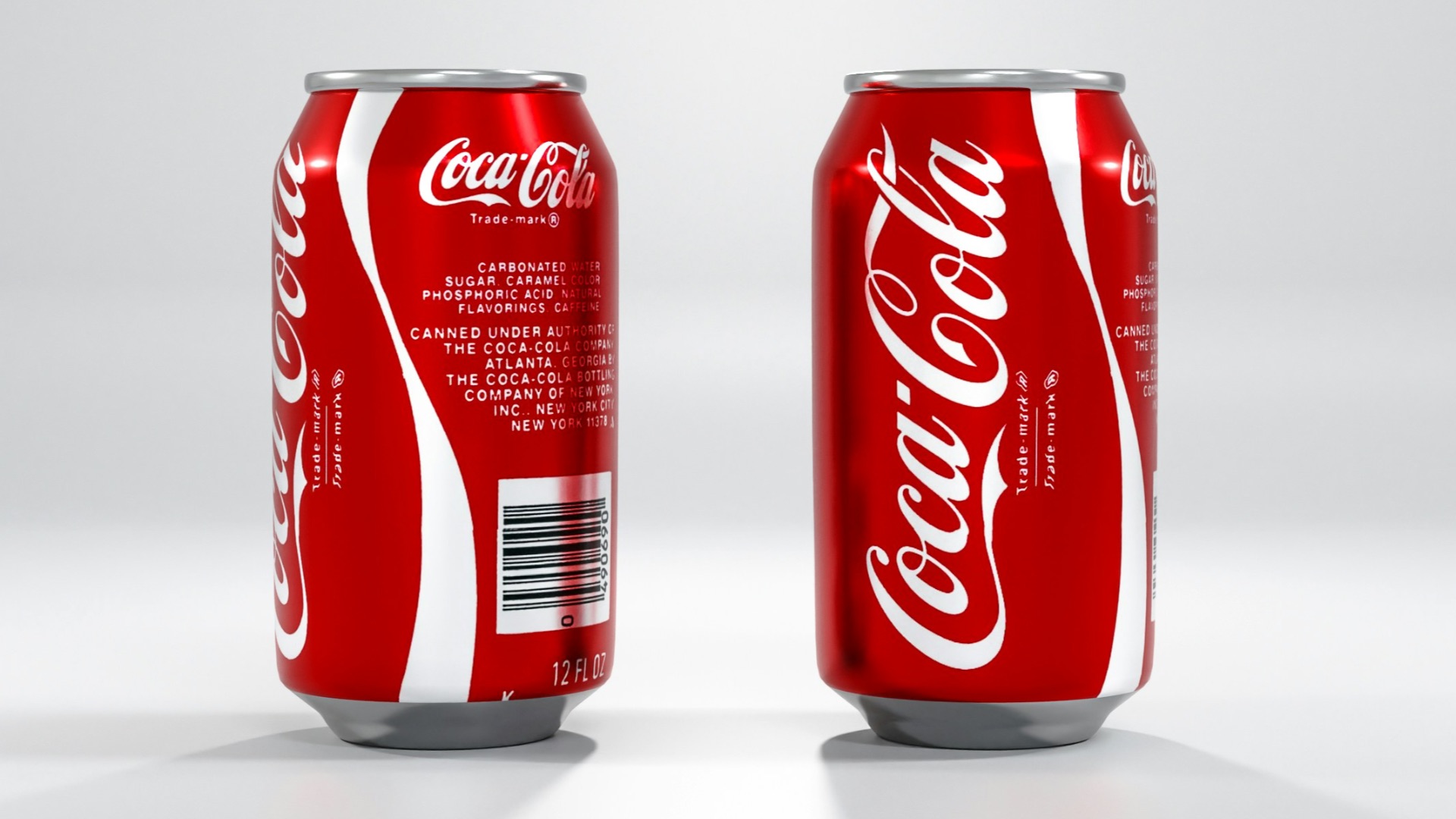
Regular soda combines two factors dentists would rather your teeth encounter less often: sugar and acidity. This is because bacteria can feed on the sugar, while the drink's acids can contribute to enamel erosion independently. Sipping soda over a long period can be particularly troublesome because your teeth are repeatedly exposed to that sugar-acid combination.
6. Sports Drinks
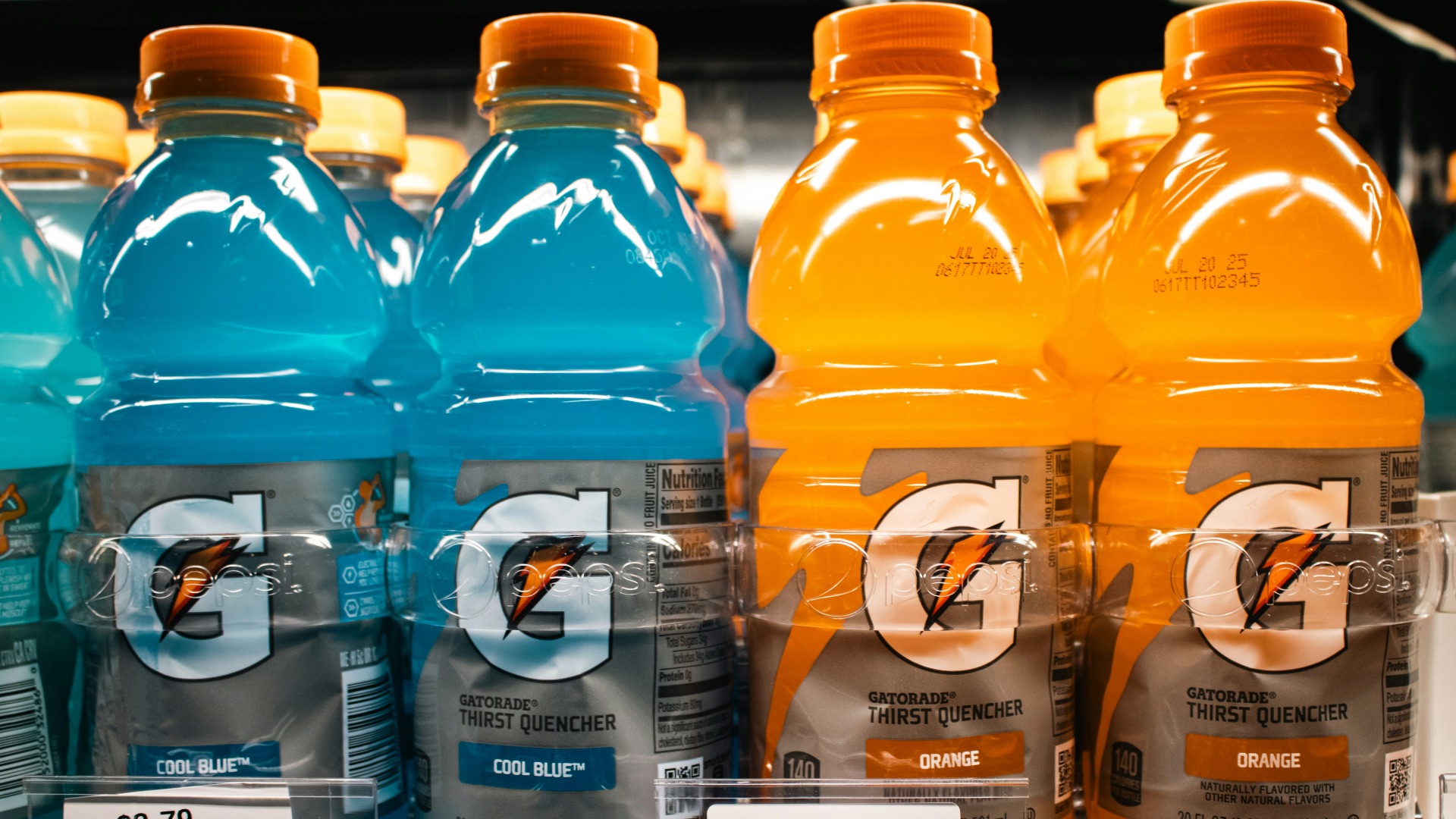
Sports drinks are marketed around exercise and hydration, which might sound healthy, but many varieties actually contain considerable amounts of added sugar. They're often acidic as well, which can further hurt your enamel when consumed frequently.
Unless you're doing prolonged or demanding exercise that calls for them, it's better to stick with ordinary water.
7. Fruit Juice
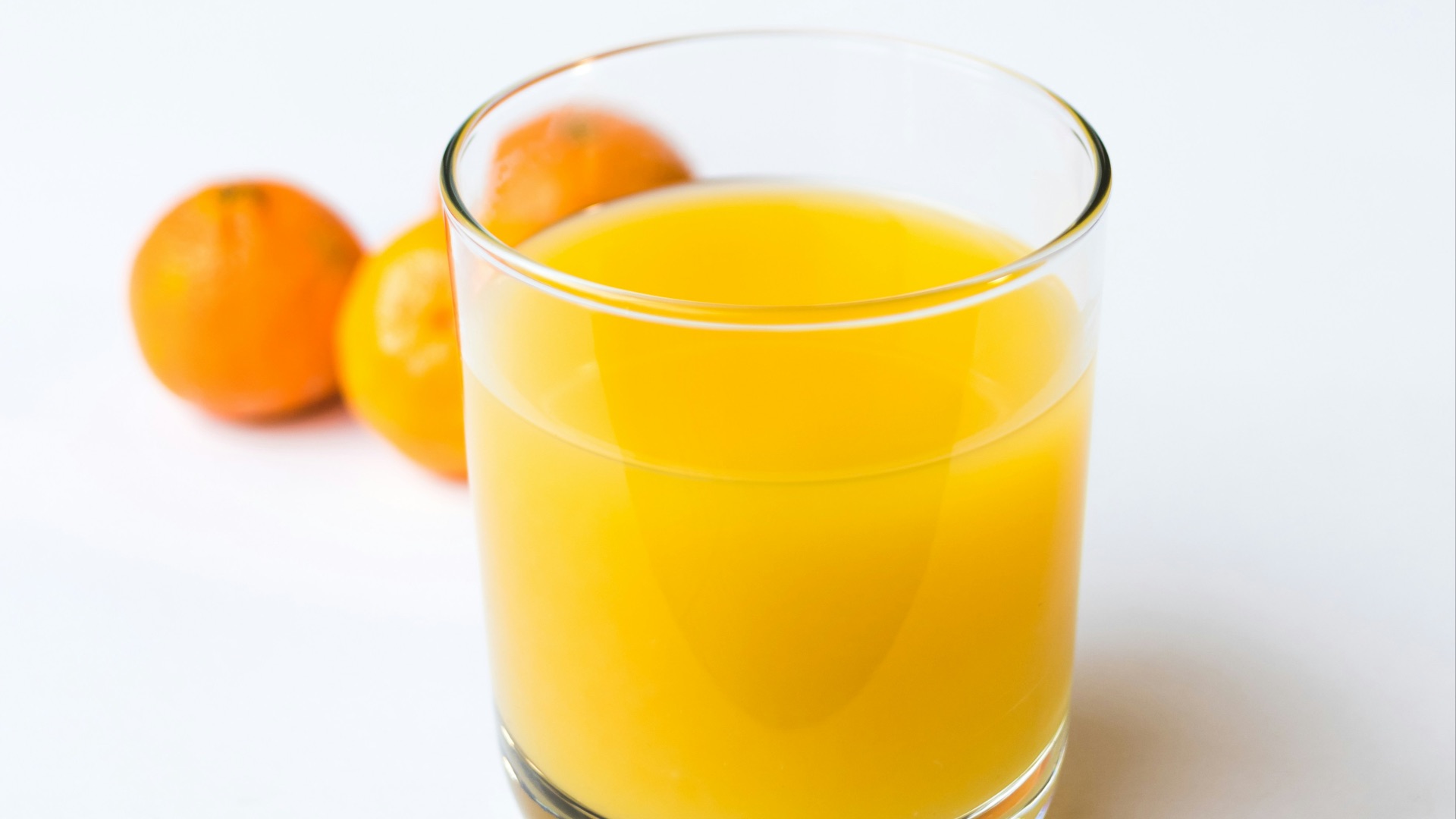
A glass of juice may contain vitamins and minerals, but removing most of the fruit's structure (and fibers) makes its sugars easier to consume in large quantities. Many juices are acidic, especially citrus-based options, so your enamel can be exposed to that sugar-acid combination you're better off avoiding. Slowly sipping juice throughout the morning also only extends that exposure.
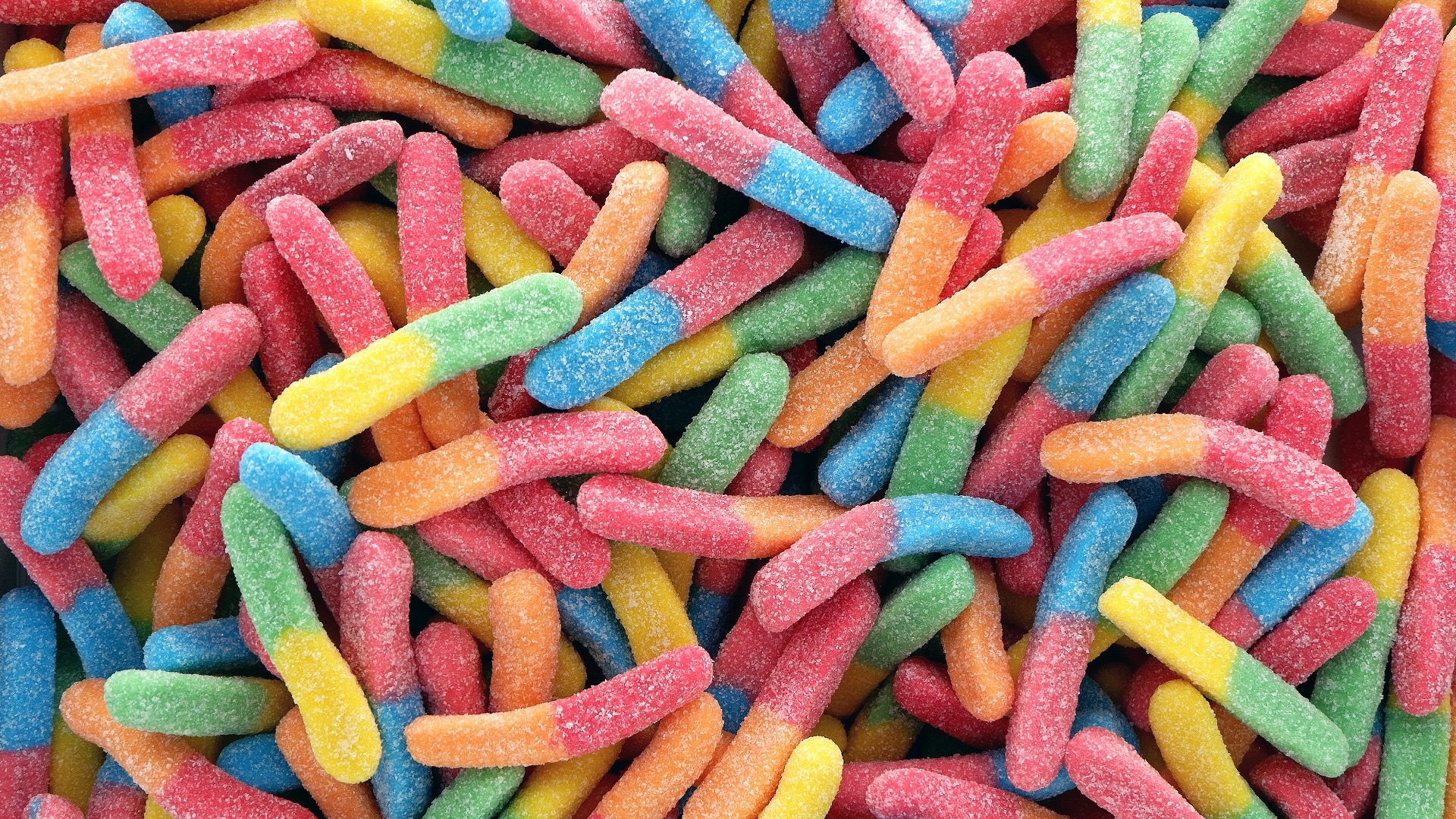
8. Gummy Snacks
Fruit gummies and similar chewy snacks might sound healthier than candy because they're sold with "real fruit flavors" or added vitamins. From a dental perspective, though, their sugar content and sticky consistency can create many of the same problems as gummy candy. Pieces can become wedged into the grooves of molars, where saliva may have difficulty clearing them quickly, allowing bacteria to feed and grow.
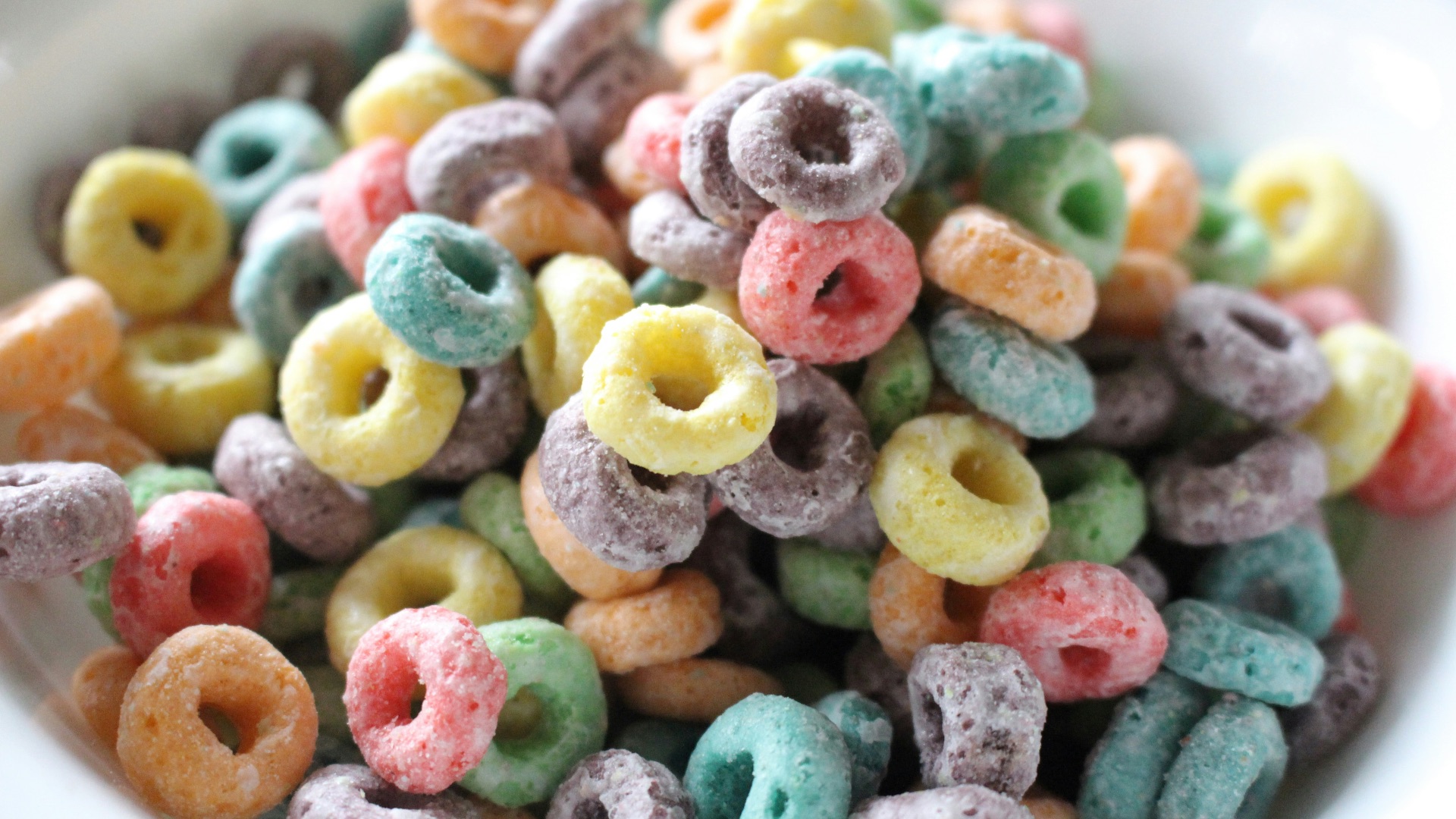
9. Sweetened Breakfast Cereal
Starting the day with a bowl of sugary cereal can leave your teeth coated with easily fermentable carbohydrates. Worse: some cereals can also stick in the crevices of your molars once they've been chewed, which will only allow bacteria to grow until you clean them out. If you regularly graze on dry cereal between meals, your teeth may experience repeated acid-producing periods throughout the day.
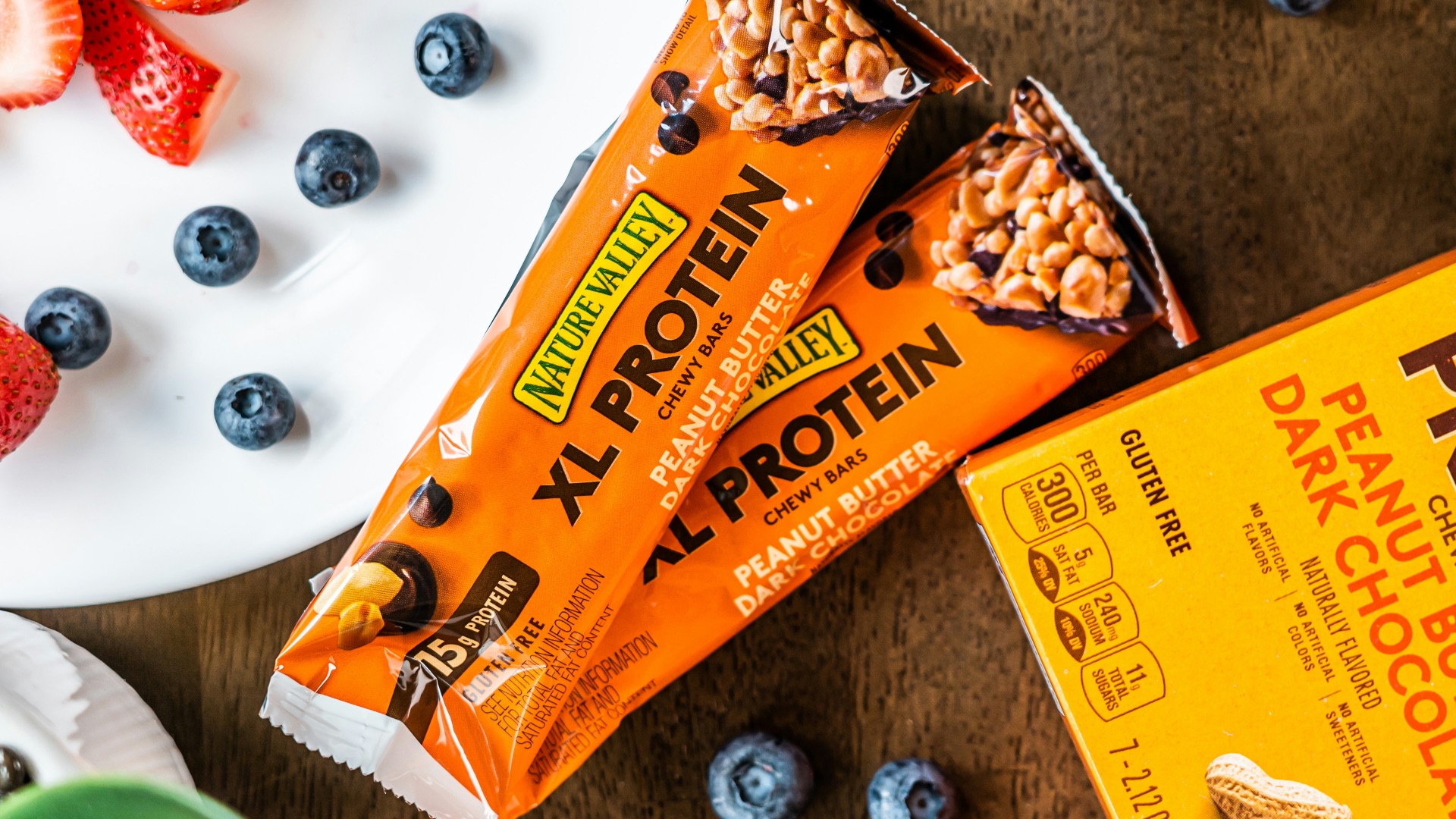
10. Granola Bars
Granola bars vary widely, but many contain syrups, honey, dried fruit, chocolate, or other sources of added and concentrated sugar that spell out disaster for your teeth. Plus, their dense, chewy consistency can unsurprisingly leave food particles clinging to teeth well after the snack is gone. Always make sure to check the ingredient list to distinguish a healthy oat bar from one that's pretty much a dessert!
 Hybrid Storytellers on Unsplash
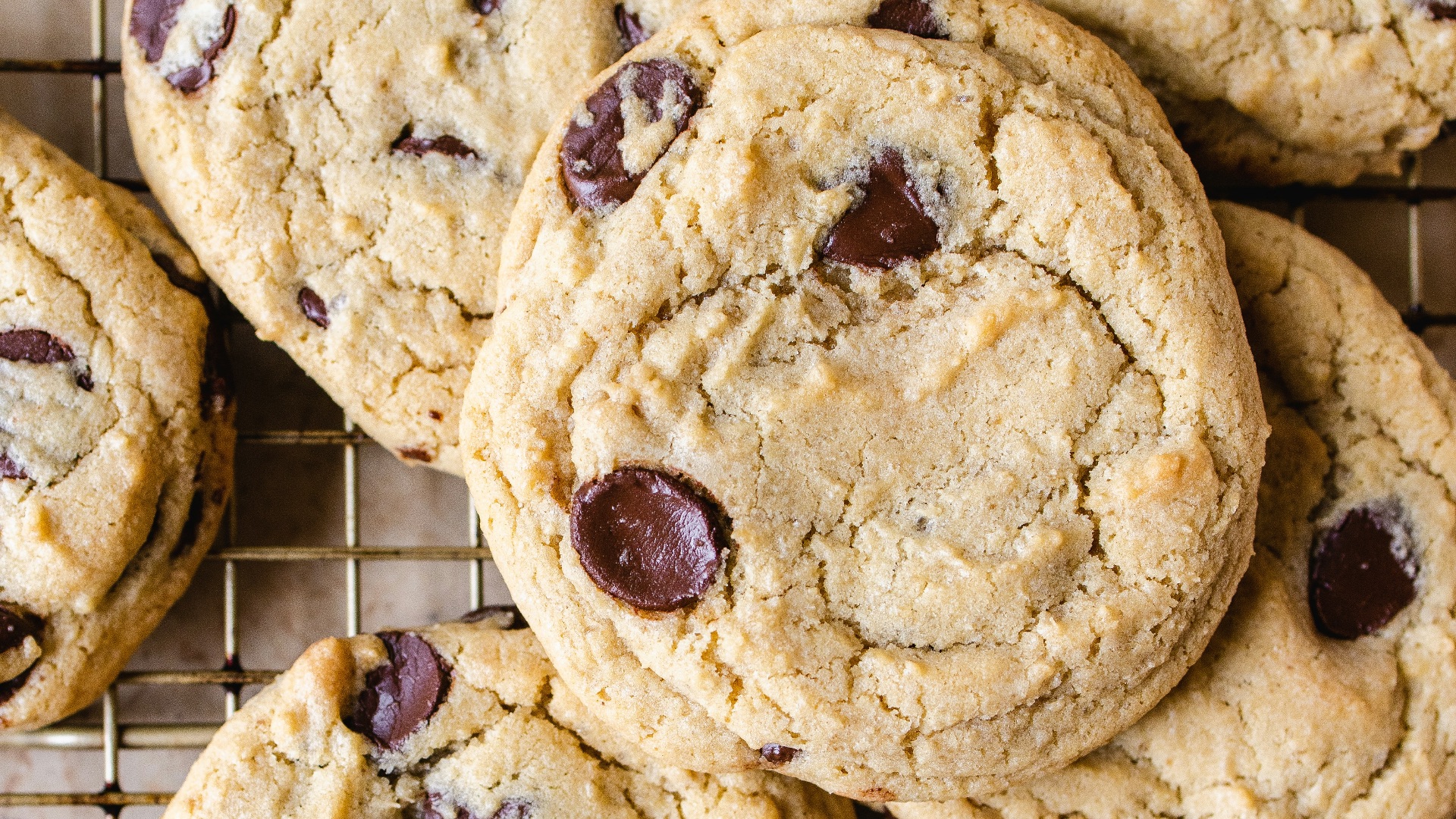
11. Cookies
Since cookies are often made with both sugar and white flour, they supply cavity-causing bacteria with plenty of refined carbohydrates. Crumbly varieties can also scatter pieces into spaces between teeth and along the gumline, which only makes things much worse. Having one with a meal might be okay, but snacking on them throughout the day can create repeated acid attacks on your poor teeth.
12. Cake
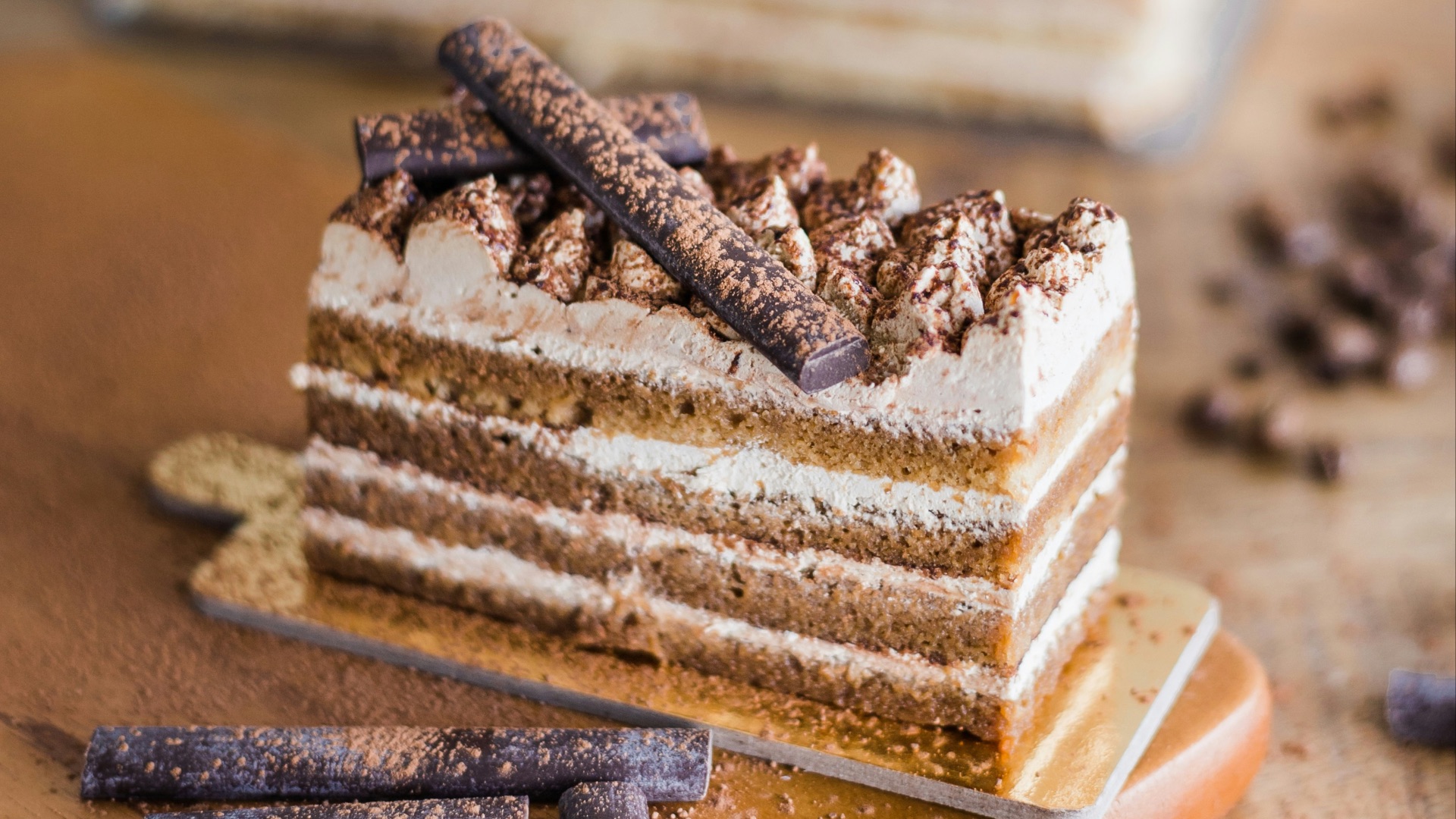
Like cookies, cake combines refined flour and lots of sugar, while frosting adds another concentrated source of sweetness. Soft crumbs from a seemingly harmless slice can remain in the grooves of your teeth, especially if the cake is moist or topped with sticky icing. The occasional birthday cake isn't likely to determine your dental health by itself, but you should probably still cut back on it in general.
13. Caramel
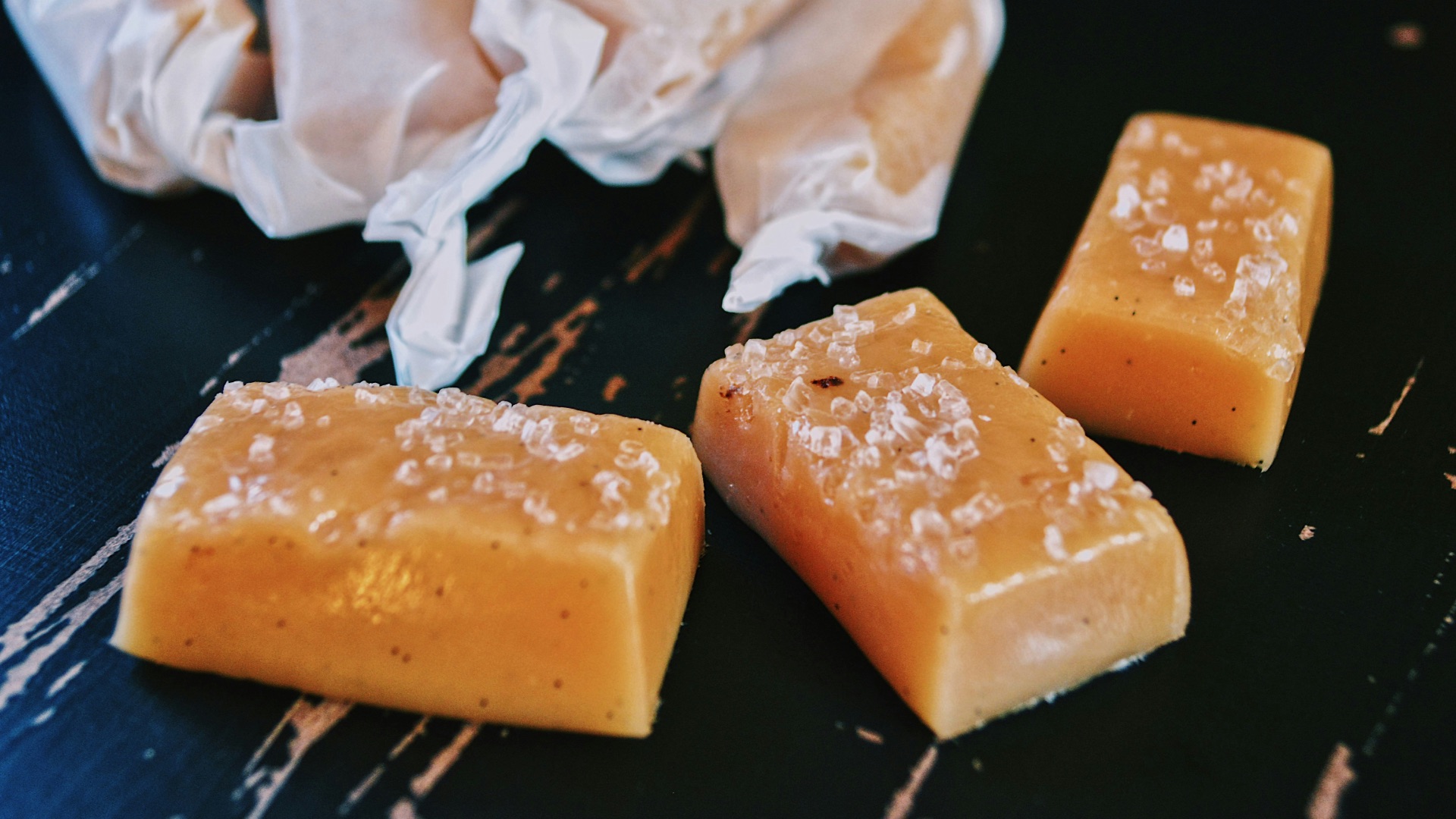
Caramel's extremely tacky texture is part of what makes it especially difficult for teeth:
it can cling to enamel and remain trapped in pits and spaces after you've stopped eating. It's also a pain to try and get it out with your tongue! Plus, because it contains a large amount of sugar, bacteria have plenty of stuff to feed on while those remnants remain in your mouth.
14. Ice Cream
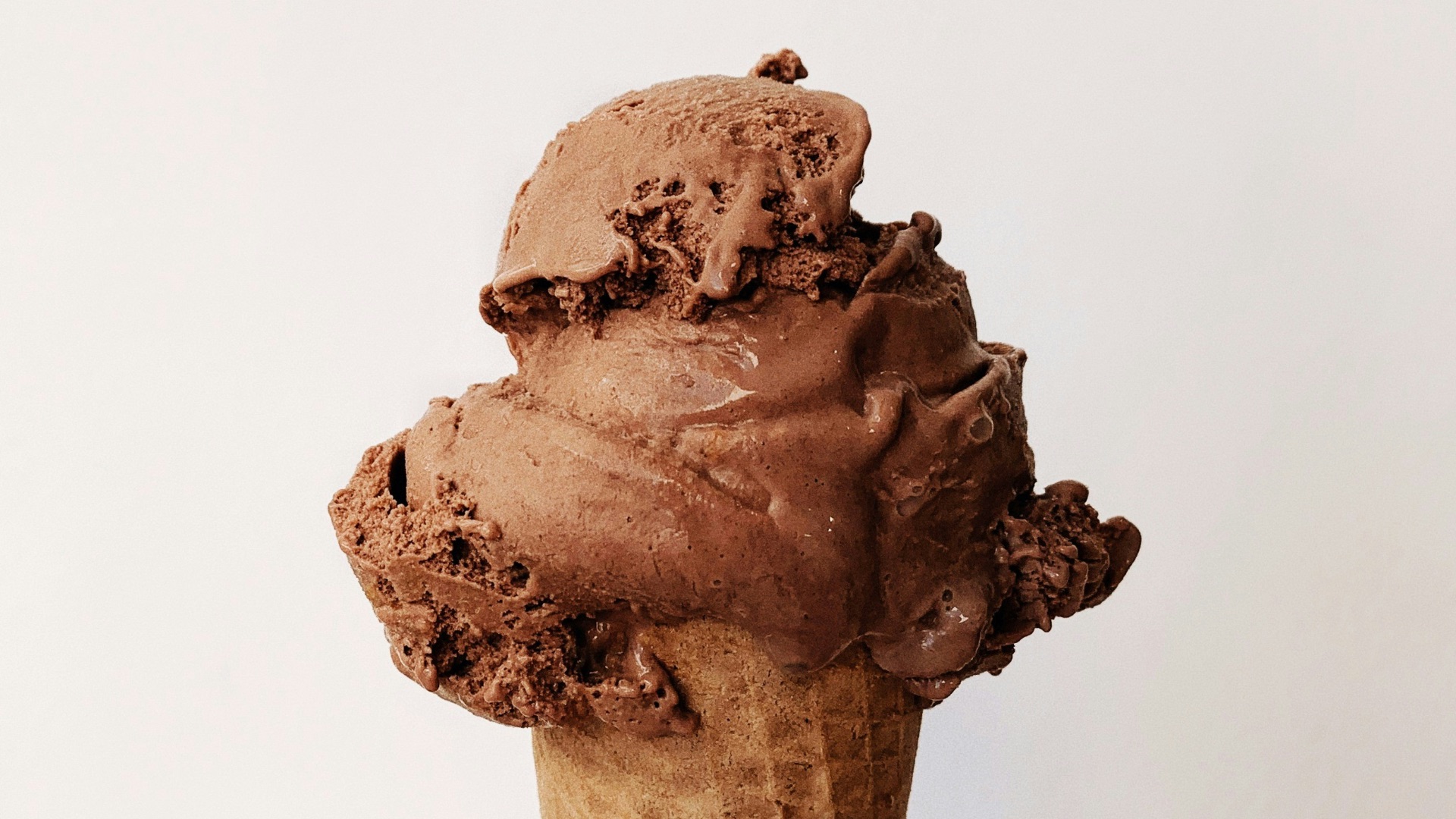
Ice cream might melt quickly, but that doesn't mean its sugars immediately vanish from your mouth. Unless you're snacking on healthy sorbet (and quick to rinse your mouth afterwards), sweetened varieties expose your teeth to readily available carbohydrates, and toppings such as caramel, cookie pieces, or candy only kick up the total amount. The bigger concern is regular consumption, so definitely don't make it an everyday dessert.
15. Sweetened Coffee Drinks
A plain cup of coffee might seem harmless, but it's very different from a large drink loaded with flavored syrup, whipped topping, and caramel drizzle. Some specialty coffees contain substantial amounts of sugar, and since people often sip them slowly over an hour or longer, that drinking pattern only ends up repeatedly supplying oral bacteria with carbohydrates.

16. Sweet Tea
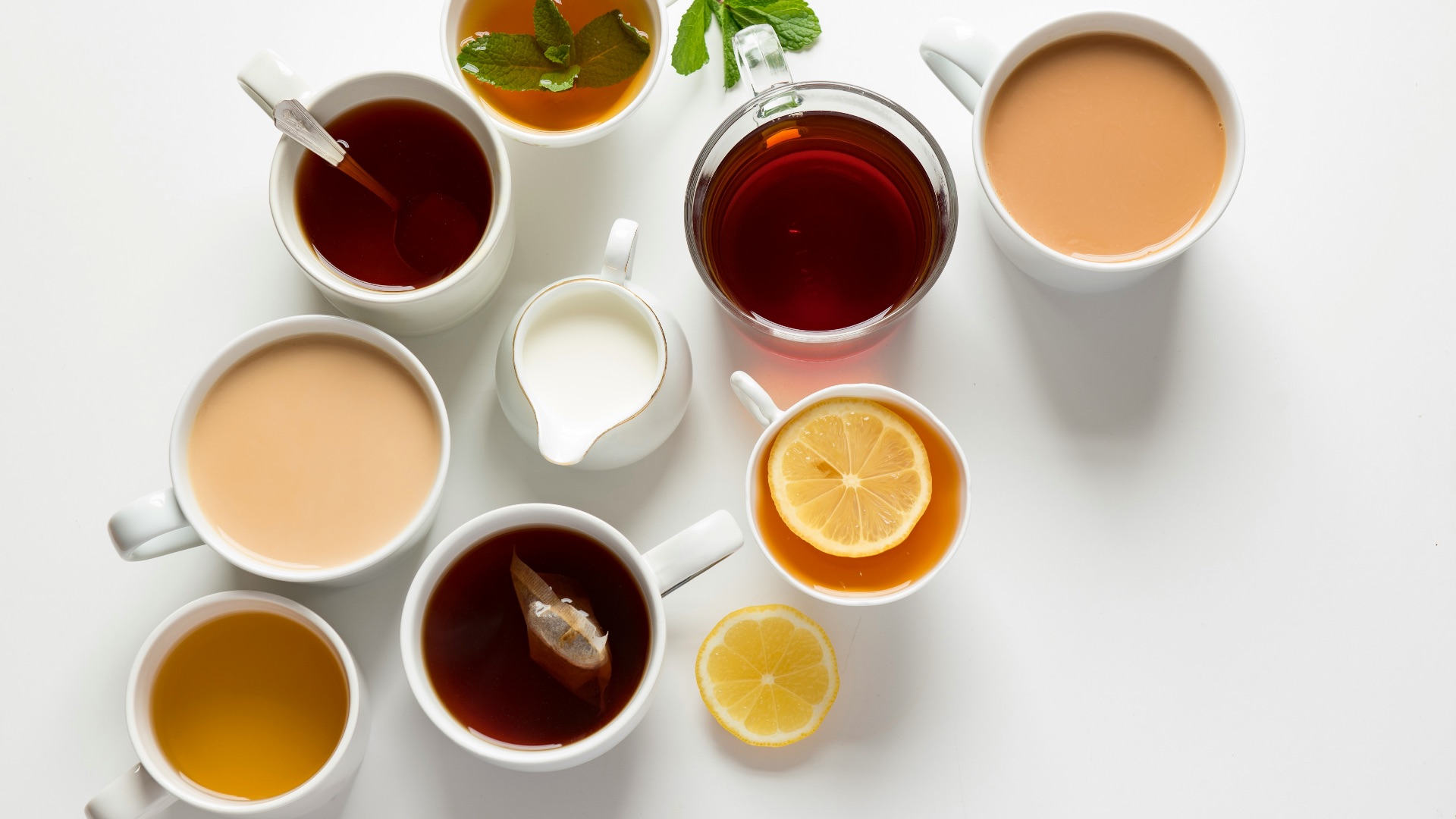
Tea itself doesn't automatically cause cavities, sure, but adding several spoonfuls of sugar or sweetened milk changes the equation considerably. Bottled and restaurant-style sweet teas can contain pretty high amounts, and they're often consumed gradually.
Each sip restarts the mouth's response to that sugar, extending the amount of time your teeth spend in an acidic environment.
17. Sticky Rice and Other Refined Starches
Contrary to what you might think, foods don't need to taste sweet for their carbohydrates to do some damage to your teeth. Sticky rice, refined noodles, and similar starch-heavy foods can still stick to tooth surfaces while enzymes in saliva begin breaking their starches into sugars. That's why you should always make sure to maintain good oral hygiene to help remove any leftovers that might otherwise linger.
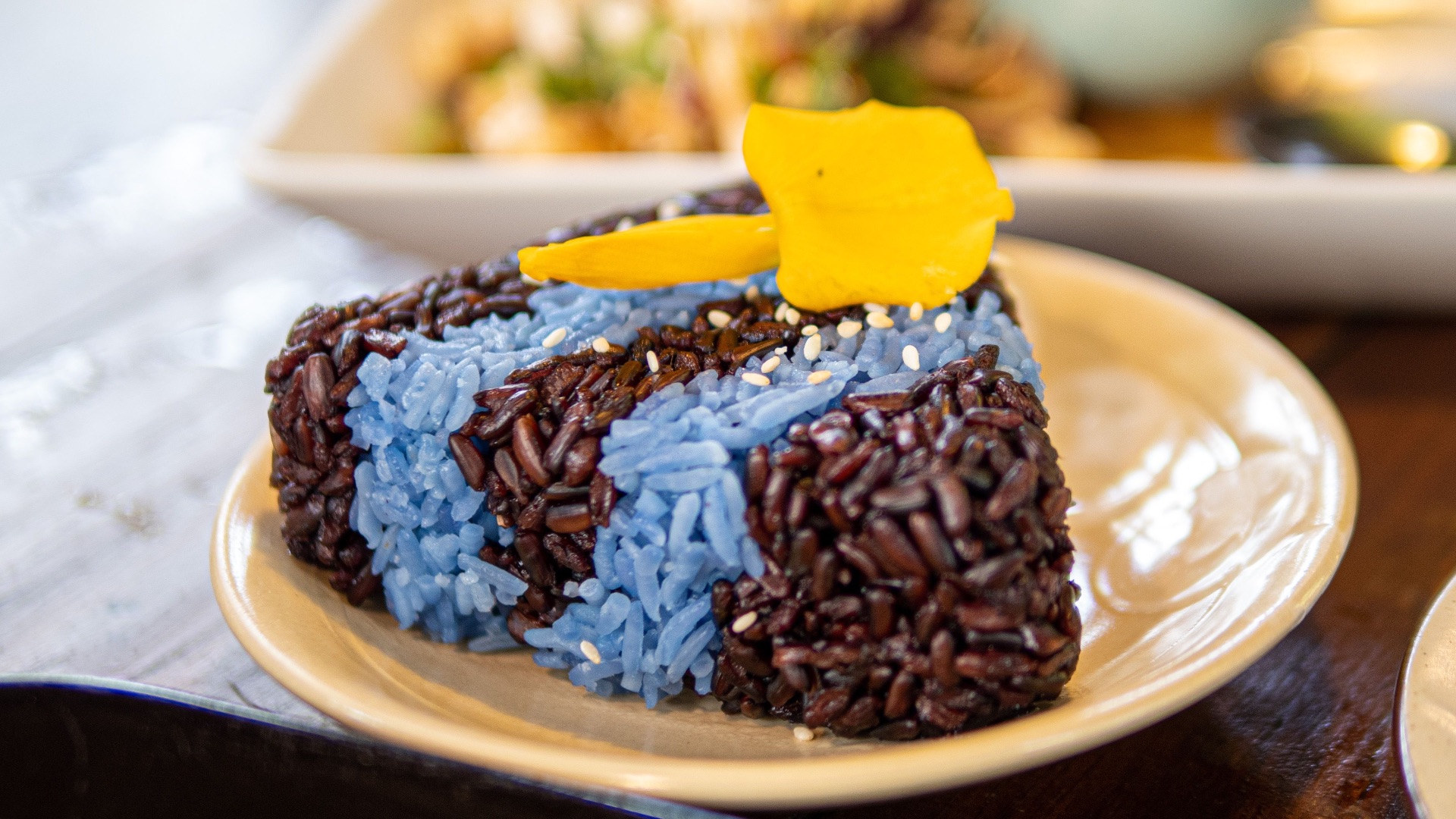 Likeboss lertpongsaporn on Pexels
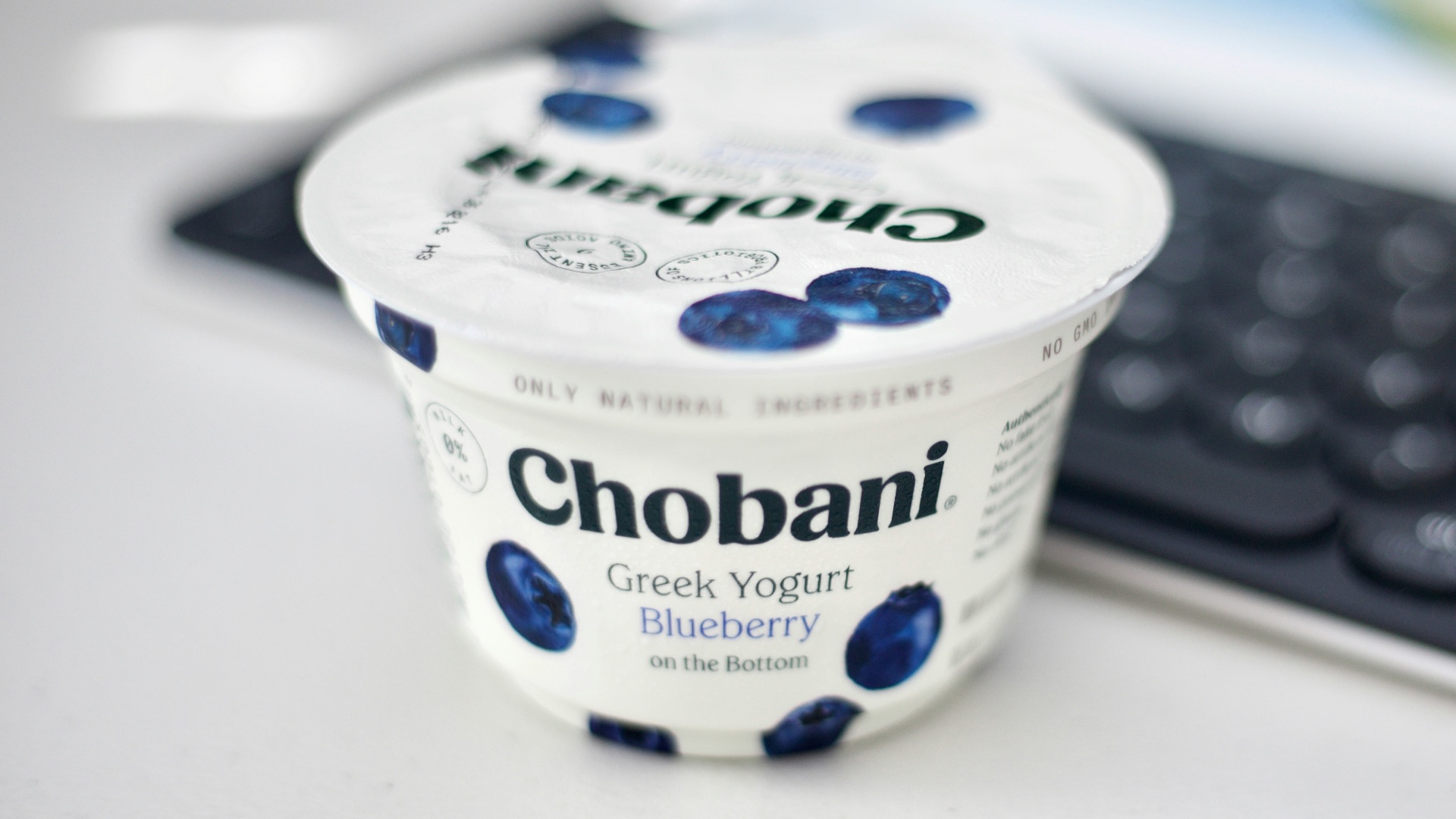
18. Flavored Yogurt
Yogurt can provide calcium and protein, and it might sound healthy, but flavored varieties sometimes contain whopping amounts of added sugar. Products with fruit preparations, syrups, or dessert-inspired flavors tend to be way sweeter than plain versions as well. To err on the safer side, choosing unsweetened yogurt and adding fresh fruit yourself can reduce the amount of added sugar your teeth encounter.
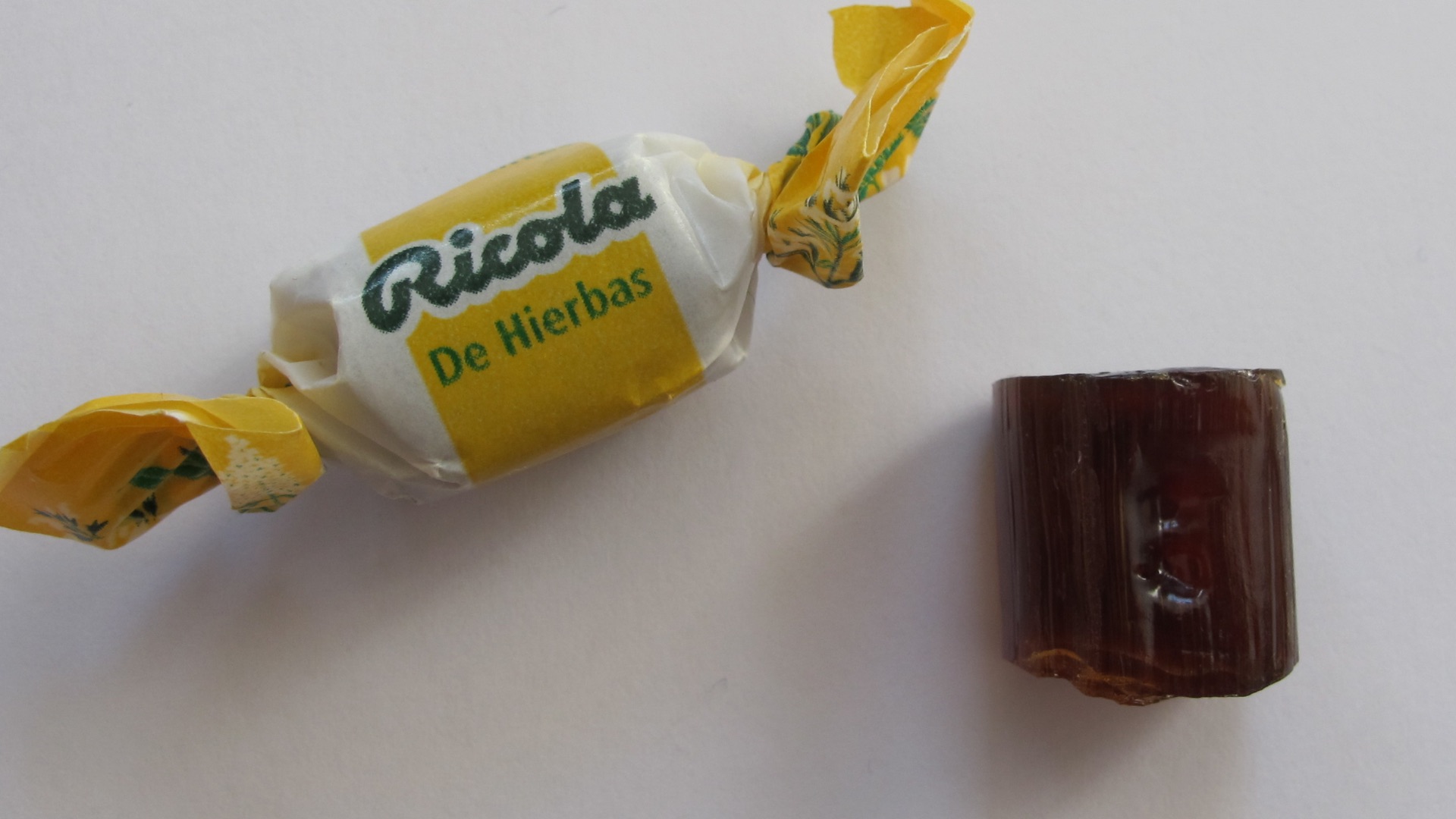
19. Cough Drops and Throat Lozenges
While cough drops are easy to think of as medicine rather than traditional candy, many standard lozenges are essentially hard sweets with active ingredients added. And since they're designed to dissolve slowly, those sugars keep bathing your teeth for several minutes at a time. If you need to use these drops frequently, go for the sugar-free varieties—they can be a much more tooth-conscious choice.
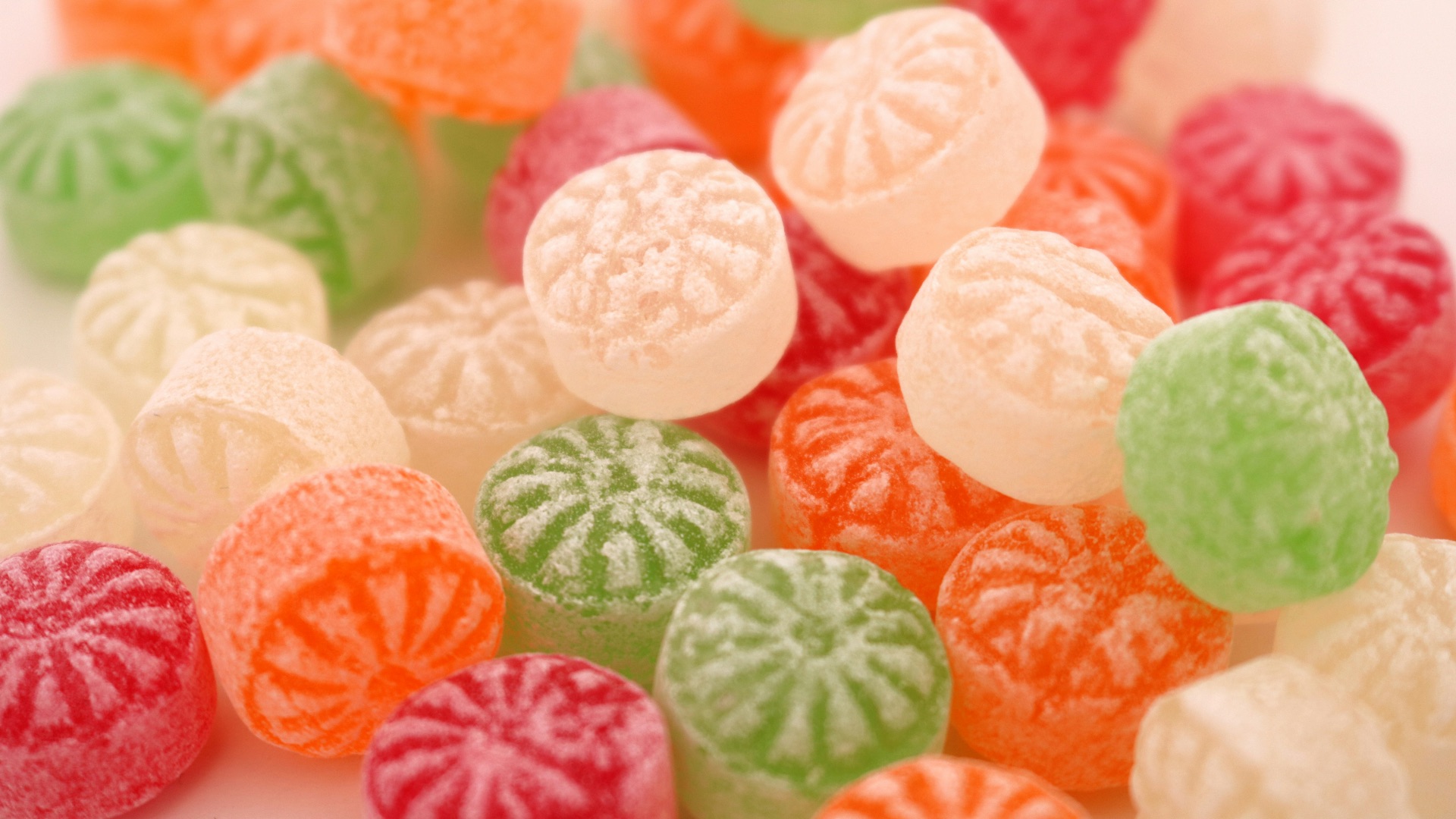
20. Hard Candy
Unsurprisingly, hard candies are a no-no if you want healthy teeth.
These solid varieties in particular (as opposed to gummy ones) dissolve slowly, giving teeth prolonged exposure to sugar, and biting them also puts considerable force on your enamel and molars. When it comes to decay risk, remember: how long and how often your teeth encounter sugar matters just as much as how much you eat at once.
KEEP ON READING

The Most Popular Signature Dishes Around the World