Restaurants That Became Family Favorites
Long before delivery apps, QR codes for menus, and endless fast-casual choices, each American family had a dependable collection of diners, cafeterias, drive-ins, and steakhouse chains they returned to repeatedly. Some were inexpensive diners with blue plate specials, while others made an ordinary family dinner feel like a special occasion. Several are still operating, although others now survive mainly in photographs, memories, and stories about favorite dishes. Here are 20 American restaurants your grandparents loved.
1. Howard Johnson’s
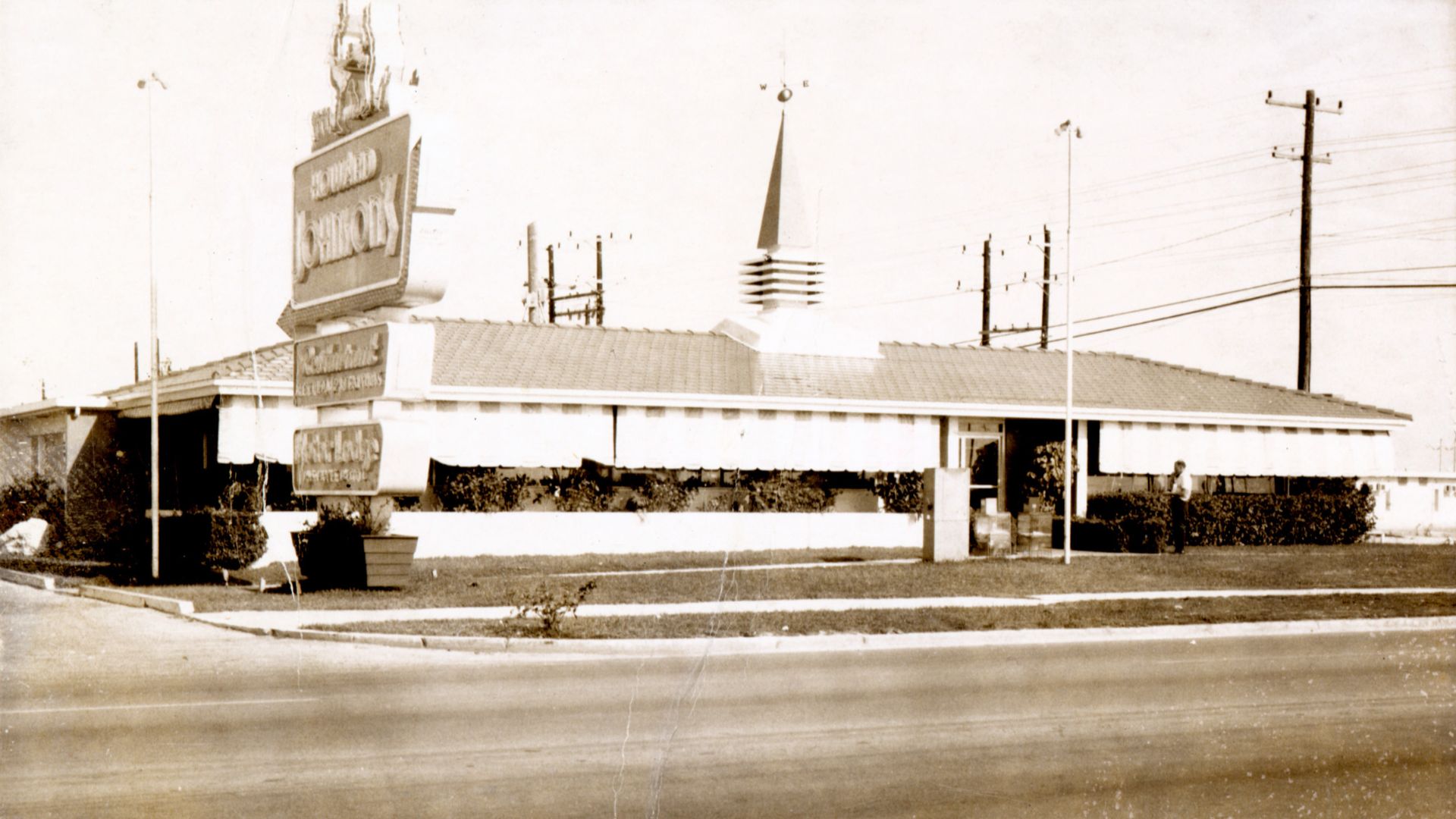
Howard Johnson's became one of the country's best-known roadside restaurant brands during the postwar travel boom, eventually appearing alongside highways across the nation. Families knew they could expect familiar meals, ice cream, and the chain's distinctive orange roofs. As interstate travel changed and competition increased, the restaurants slowly disappeared, with the final location closing recently in 2022.
 Florida Keys--Public Libraries on Wikimedia
2. Horn & Hardart
Horn & Hardart's Automats gave diners the unusual experience of selecting prepared dishes from small glass-fronted compartments after inserting coins. The concept started in Philadelphia in the early 20th century and reached New York City in 1912, becoming especially popular with urban workers and families.
3. Woolworth’s Lunch Counter
For generations, a shopping trip downtown could include lunch right inside a Woolworth store. Woolworth's lunch counters also hold an important place in civil rights history because segregated locations became targets of sit-in protests, most famously in Greensboro in 1960.
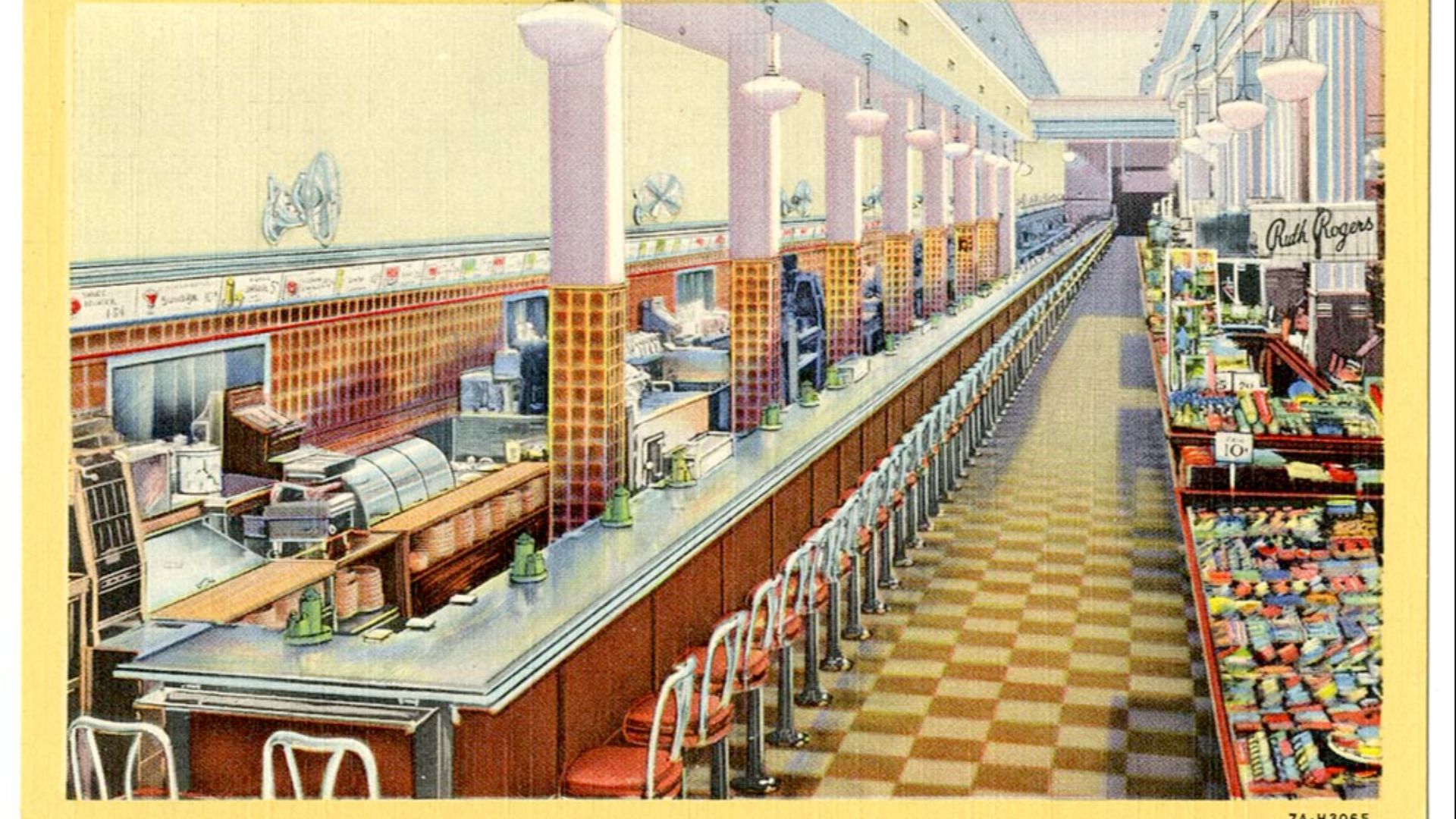 California Historical Society Digital Collection on Wikimedia
4. A&W Restaurants
A&W began serving root beer in California in 1919 and became closely associated with America's fast-growing drive-in culture. Frosty mugs, burgers, hot dogs, and car-side service made it especially appealing to families and young drivers.
5. Big Boy
Bob Wian opened the first restaurant associated with Big Boy in Southern California in 1936, and its double-decker hamburger later became the chain's signature item. The recognizable Big Boy mascot helped make the restaurants easy to spot as regional operators expanded the brand. Many families treated it as a beloved and dependable destination for burgers, breakfasts, and desserts.
6. White Castle
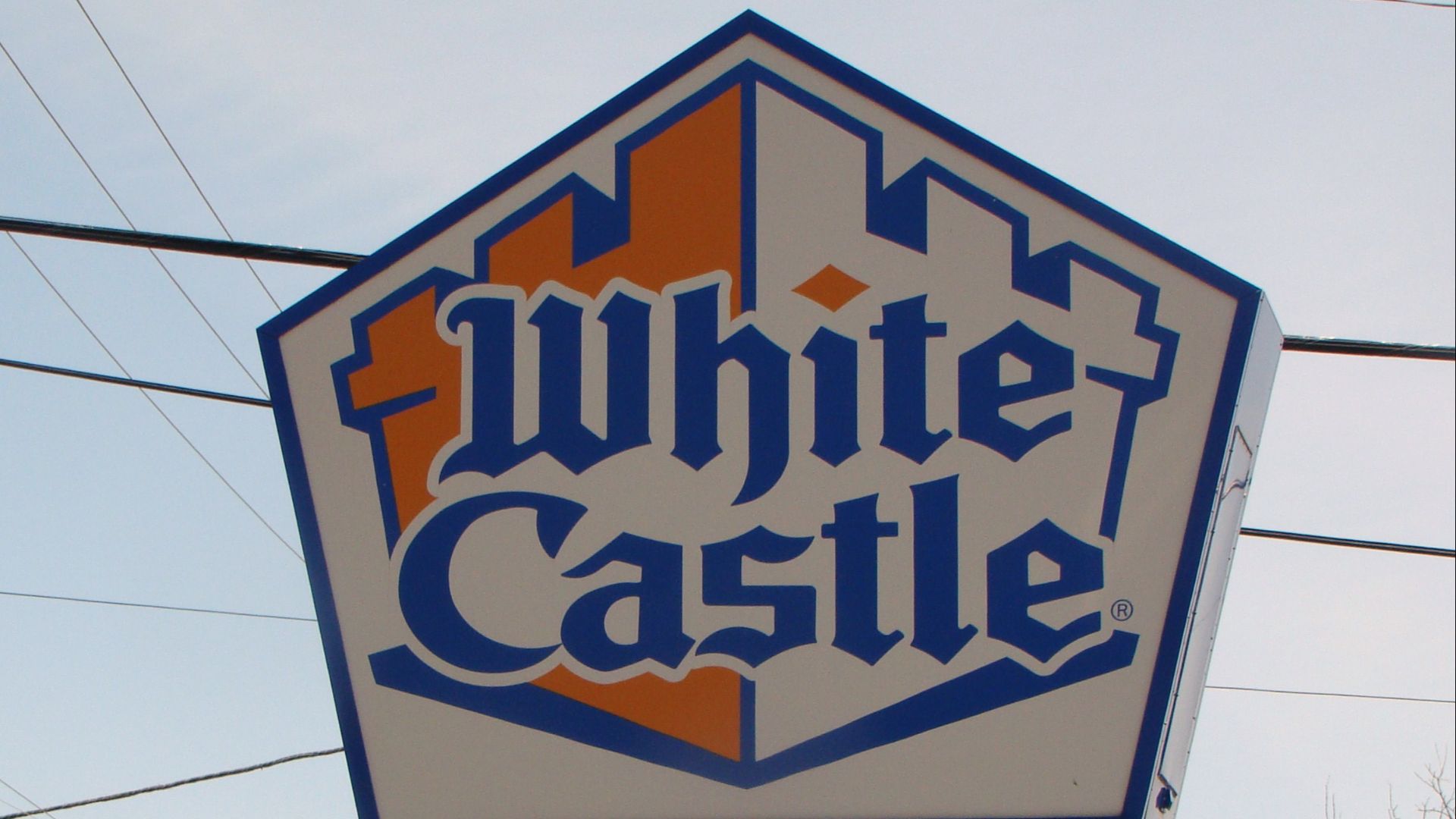
Founded in Wichita, Kansas, in 1921, White Castle contributed to the establishment of the standardized hamburger chain decades before modern fast food became dominant. Its small square sliders were inexpensive enough that customers could easily order several at once.
7. Friendly’s
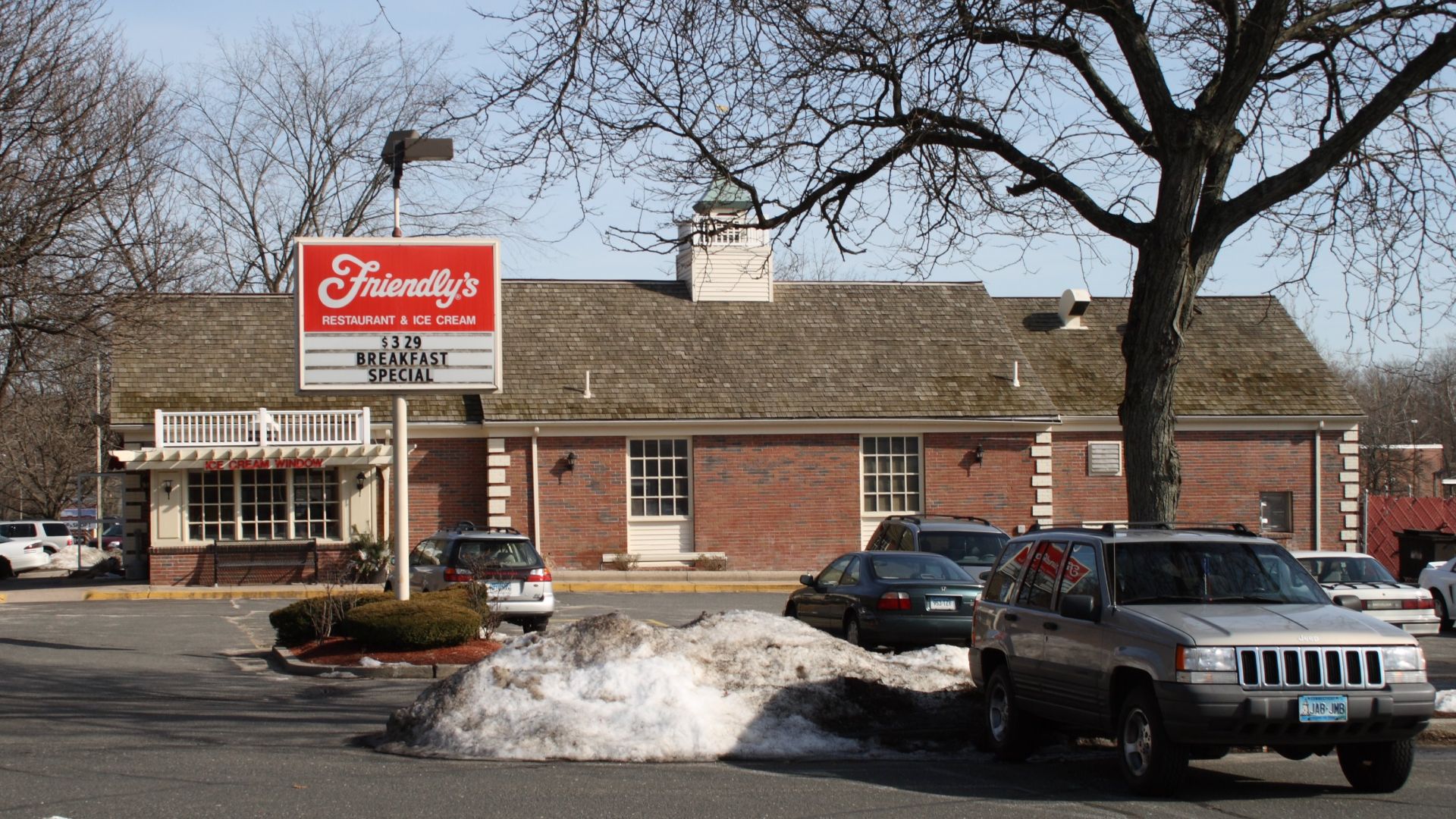
Friendly's began as an ice cream shop in Springfield, Massachusetts, in 1935 before growing into a broader family restaurant chain. Burgers, sandwiches, breakfast foods, and elaborate ice cream desserts made it useful for both full sit-down meals and quick treats.
8. Dairy Queen
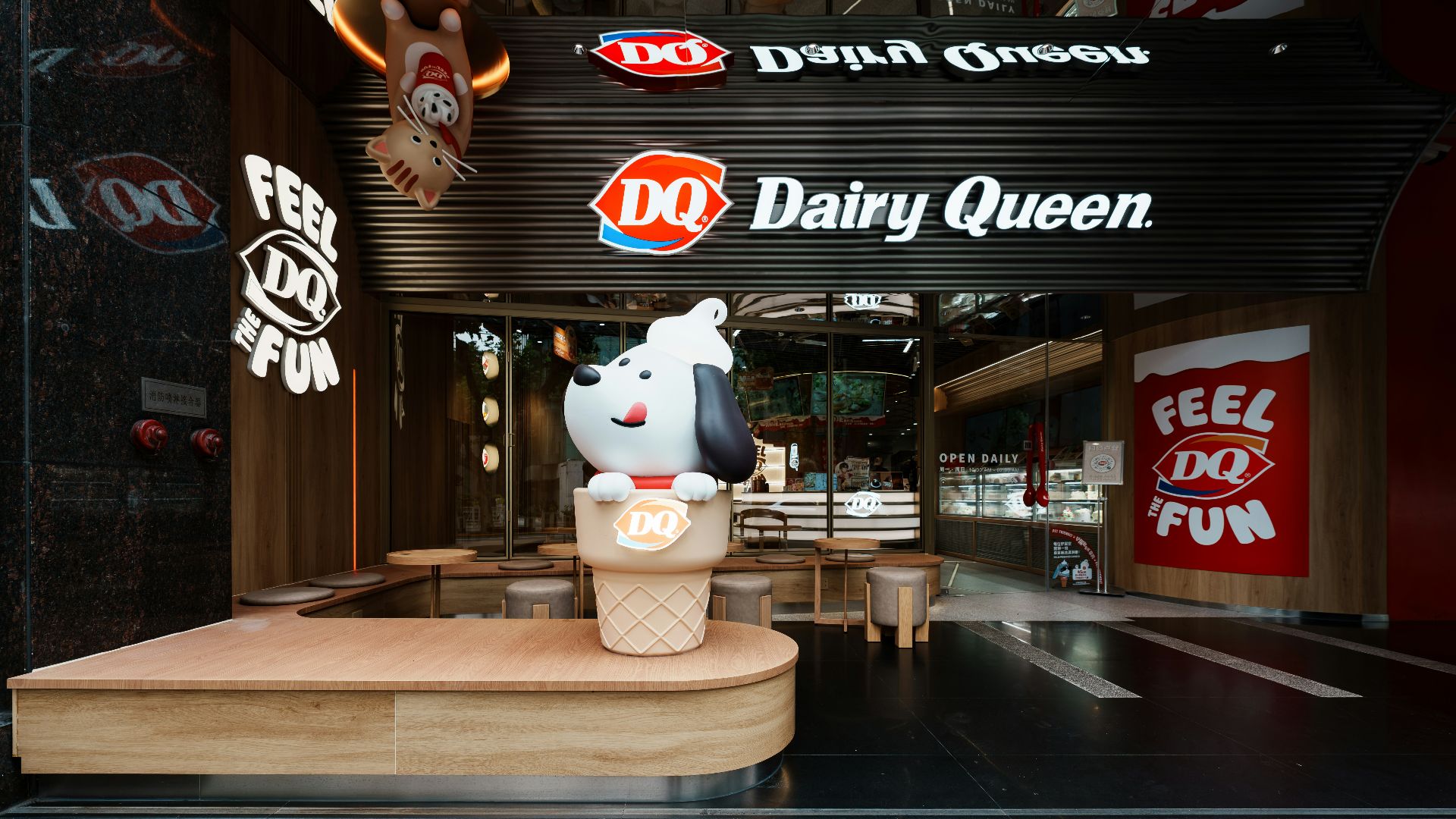
The first Dairy Queen opened in Joliet, Illinois, in 1940, helping popularize soft-serve frozen treats in communities across the nation. Although menus eventually expanded to include burgers, chicken, and other hot foods at many locations, frozen desserts remained the primary attraction.
9. Denny’s
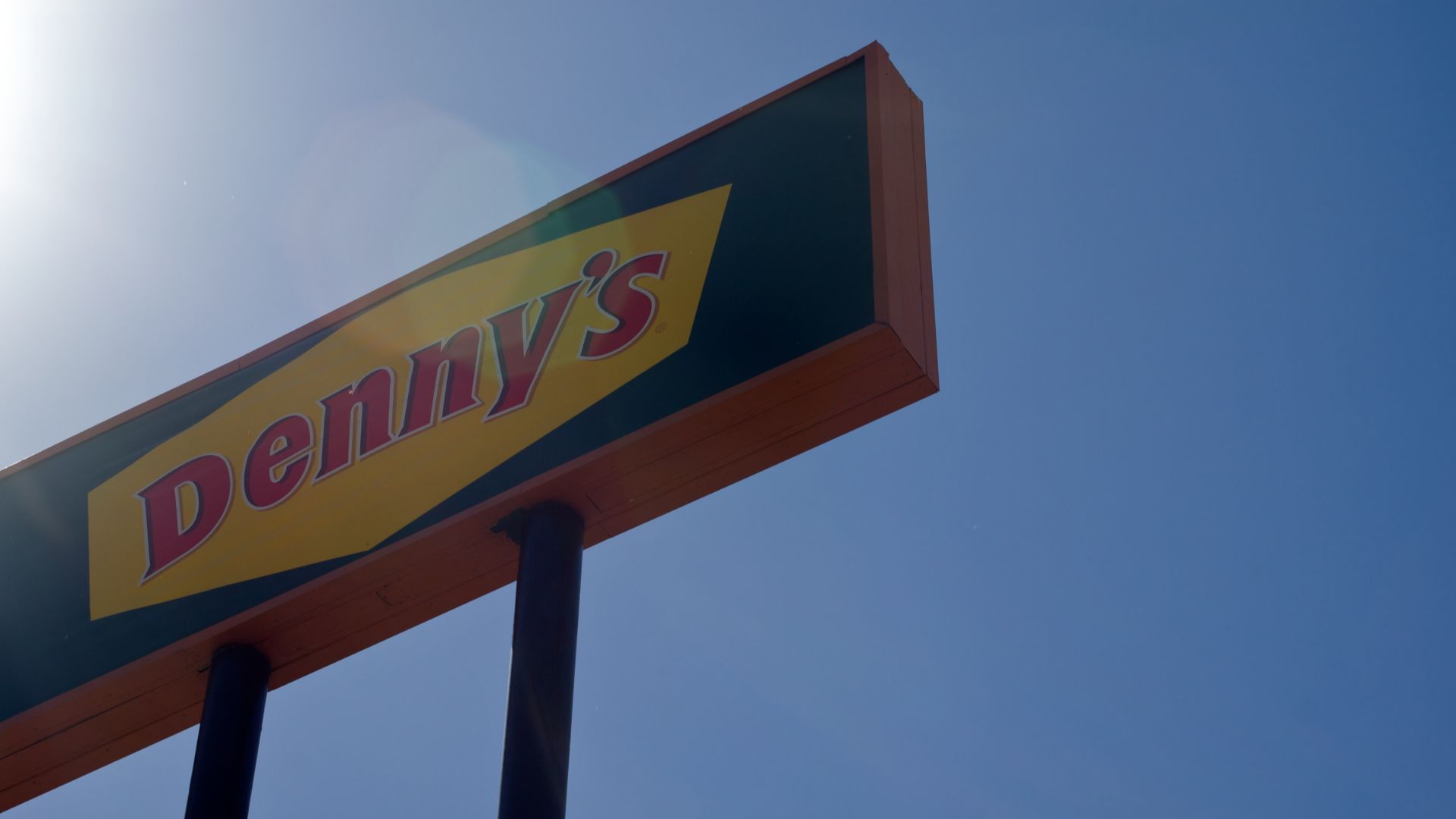
Denny's began in California in 1953 as Danny's Donuts before evolving into the coffee-shop-style chain diners recognize and enjoy today. Its late hours and large menu made breakfast available well beyond the traditional morning schedule.
10. IHOP
The first International House of Pancakes opened in the Los Angeles area in 1958, specializing in breakfast at a time when family dining chains were rapidly expanding. Pancakes naturally became the main attraction, but omelets, French toast, and lunch options broadened its appeal. Its casual format made an inexpensive restaurant breakfast feel like an outing.
11. Shoney’s
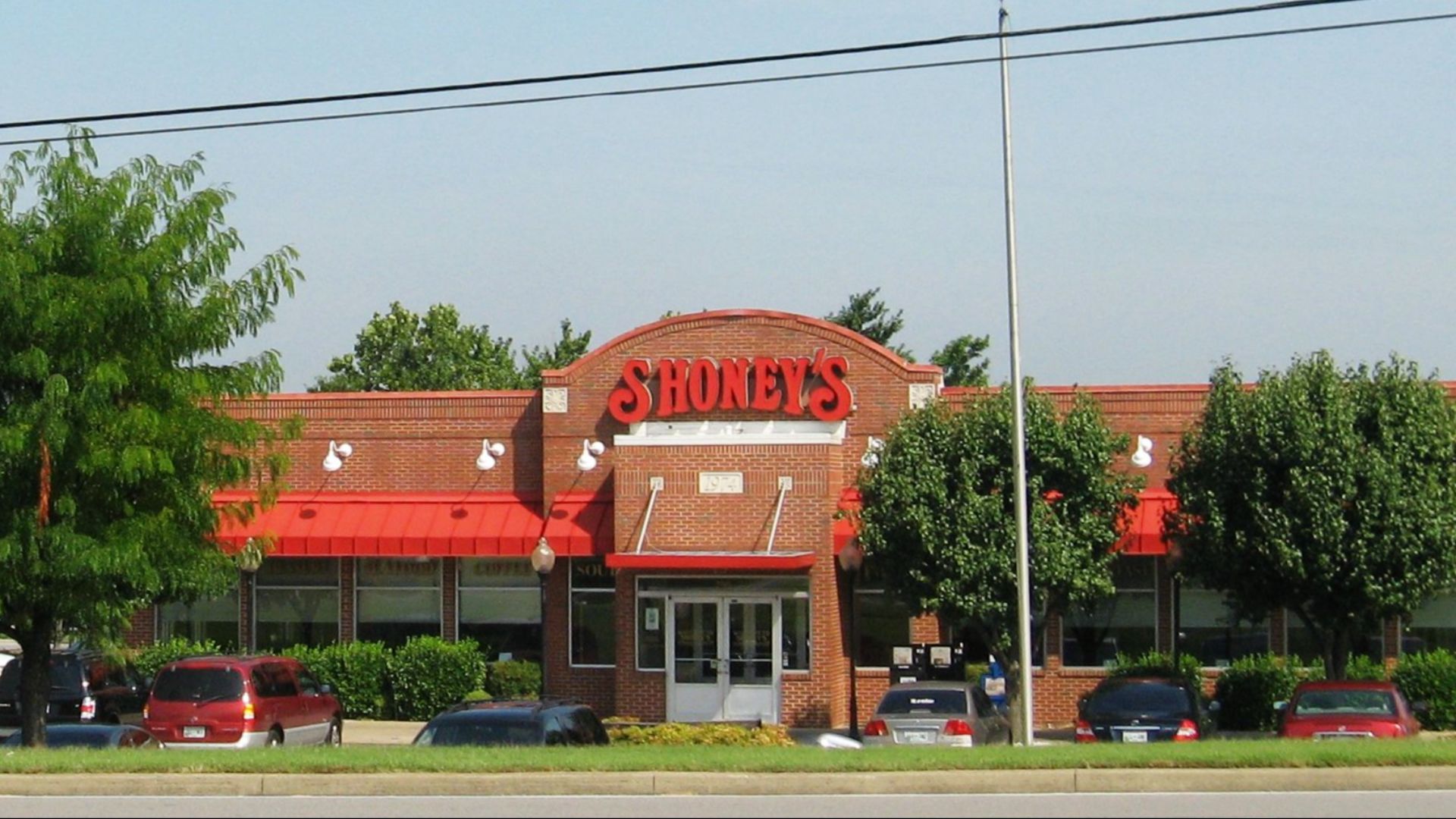
Shoney's traces its beginnings to a West Virginia drive-in opened in 1947, which later became affiliated with the Big Boy restaurant system. Over time, Shoney's developed its own identity and spread throughout much of the South and Southeast.
 Ed!(talk)(Hall of Fame) on Wikimedia
12. Bob Evans
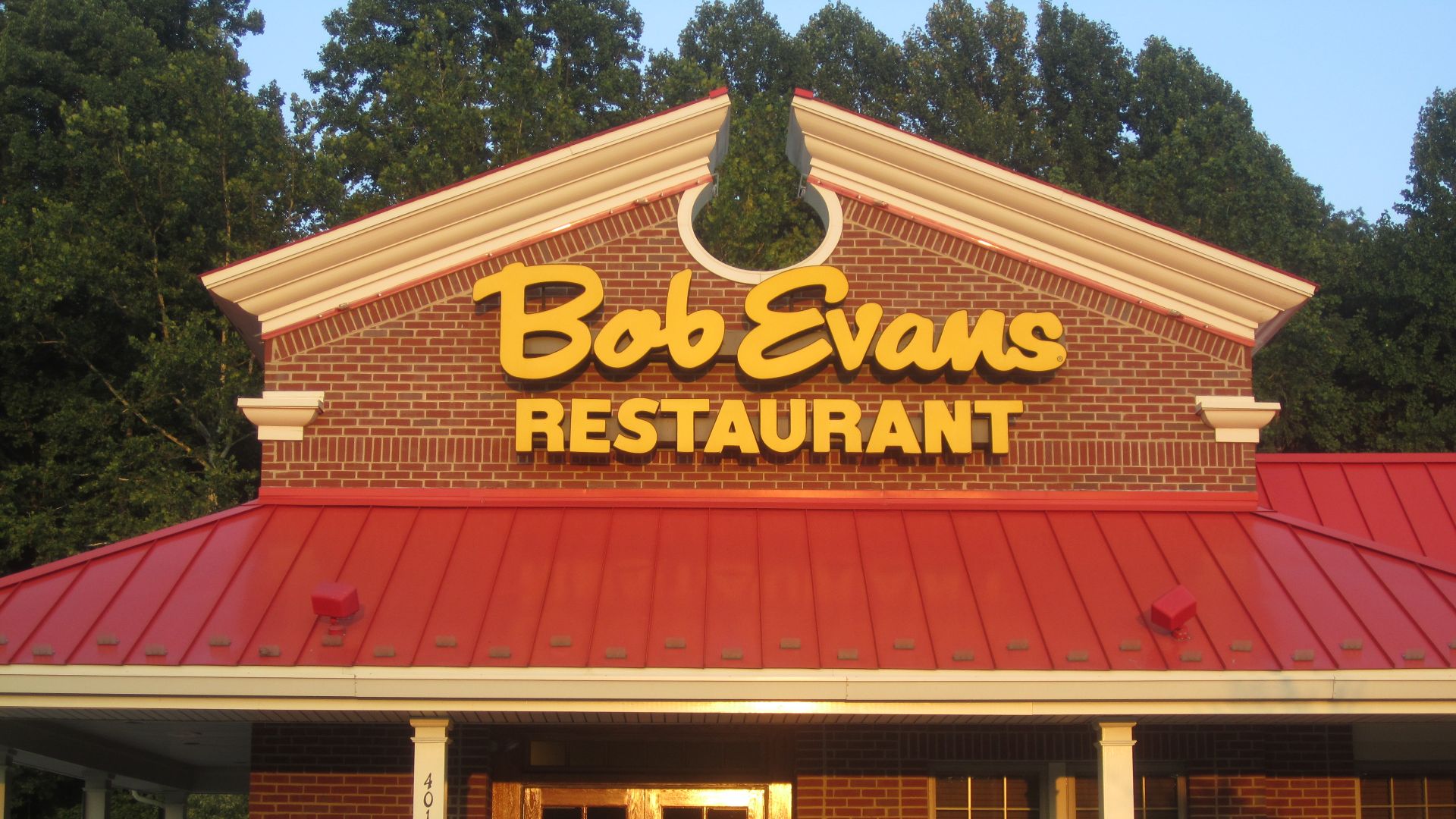
Bob Evans built his restaurant business around the country-style food and sausage associated with his Ohio farm. Diners enjoyed breakfast platters, biscuits, meatloaf, and other homestyle dishes that helped give it lasting multigenerational appeal.
13. Steak And Ale
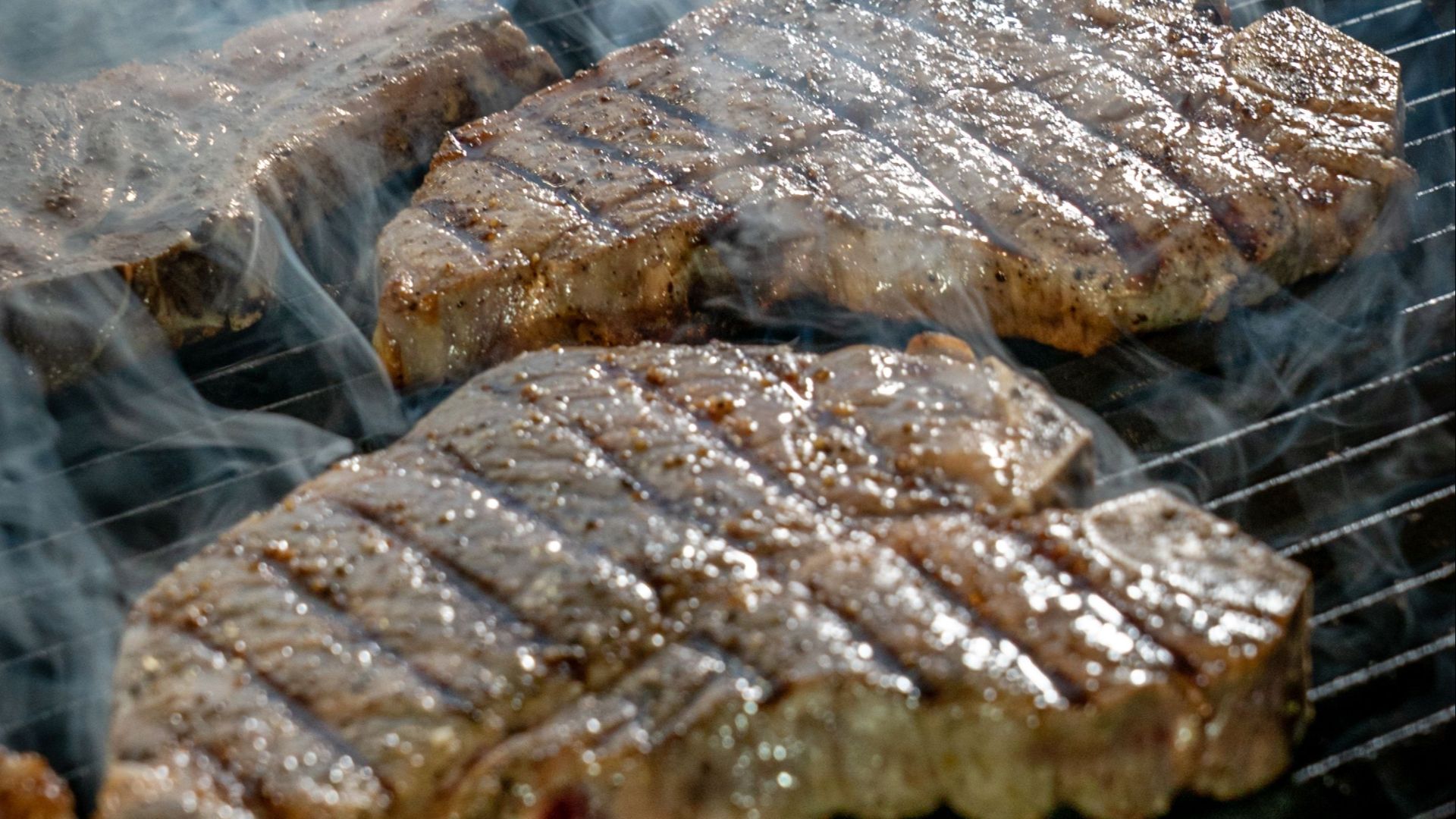
Norman Brinker founded Steak and Ale in Dallas in 1966 with the idea of offering a steakhouse experience at affordable prices. Its dimly-lit dining rooms, salad bar, and table service gave customers something more formal than a burger chain without requiring fine-dining budgets.
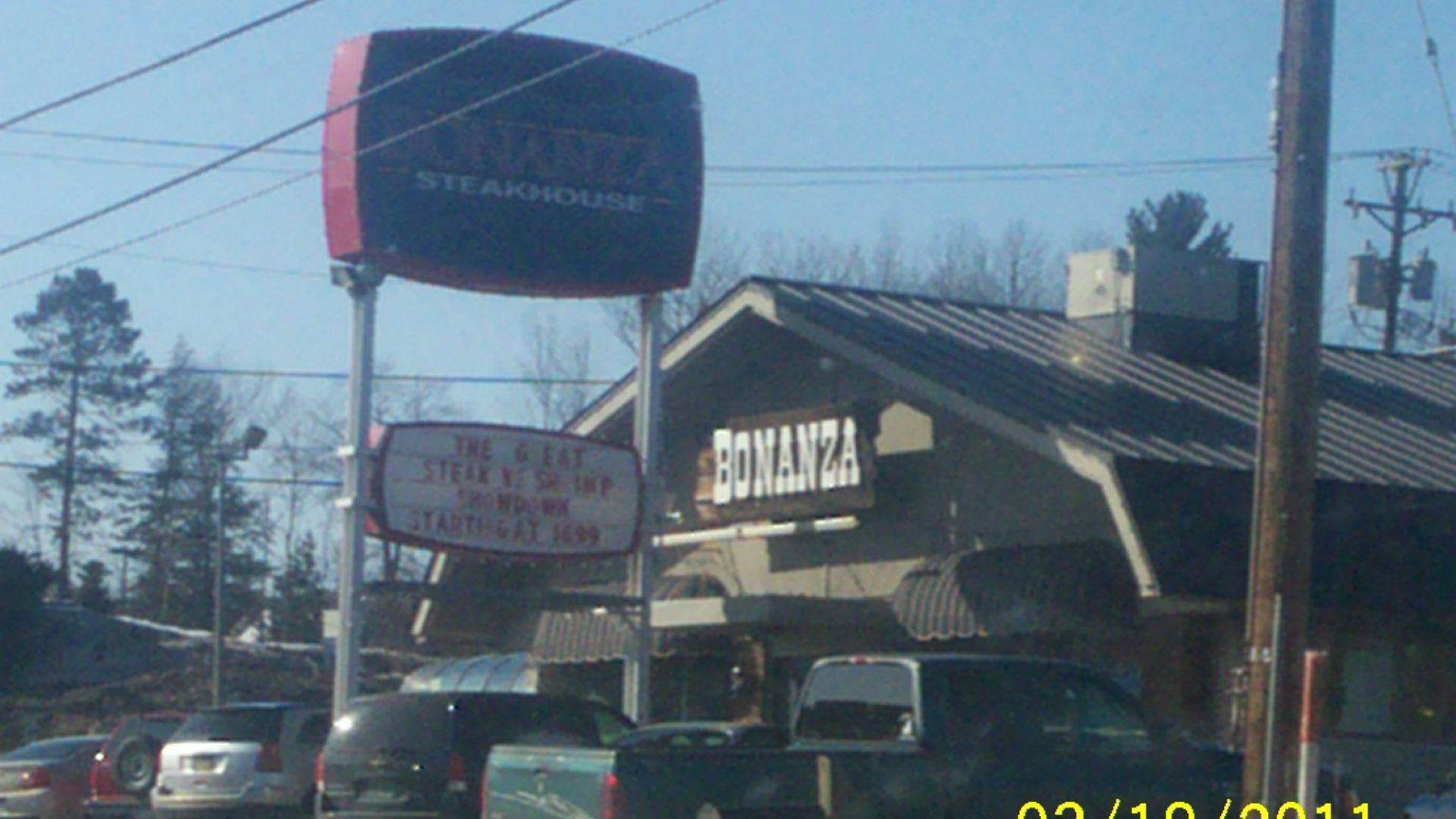
14. Ponderosa Steakhouse
Ponderosa was founded in Kokomo, Indiana, in 1965 and grew rapidly during an era when family steakhouses were experiencing a significant boom. Diners could order an affordable steak while also choosing from side dishes and, at many locations, generous buffet selections.
 Bobby P. from Oscoda, MI on Wikimedia
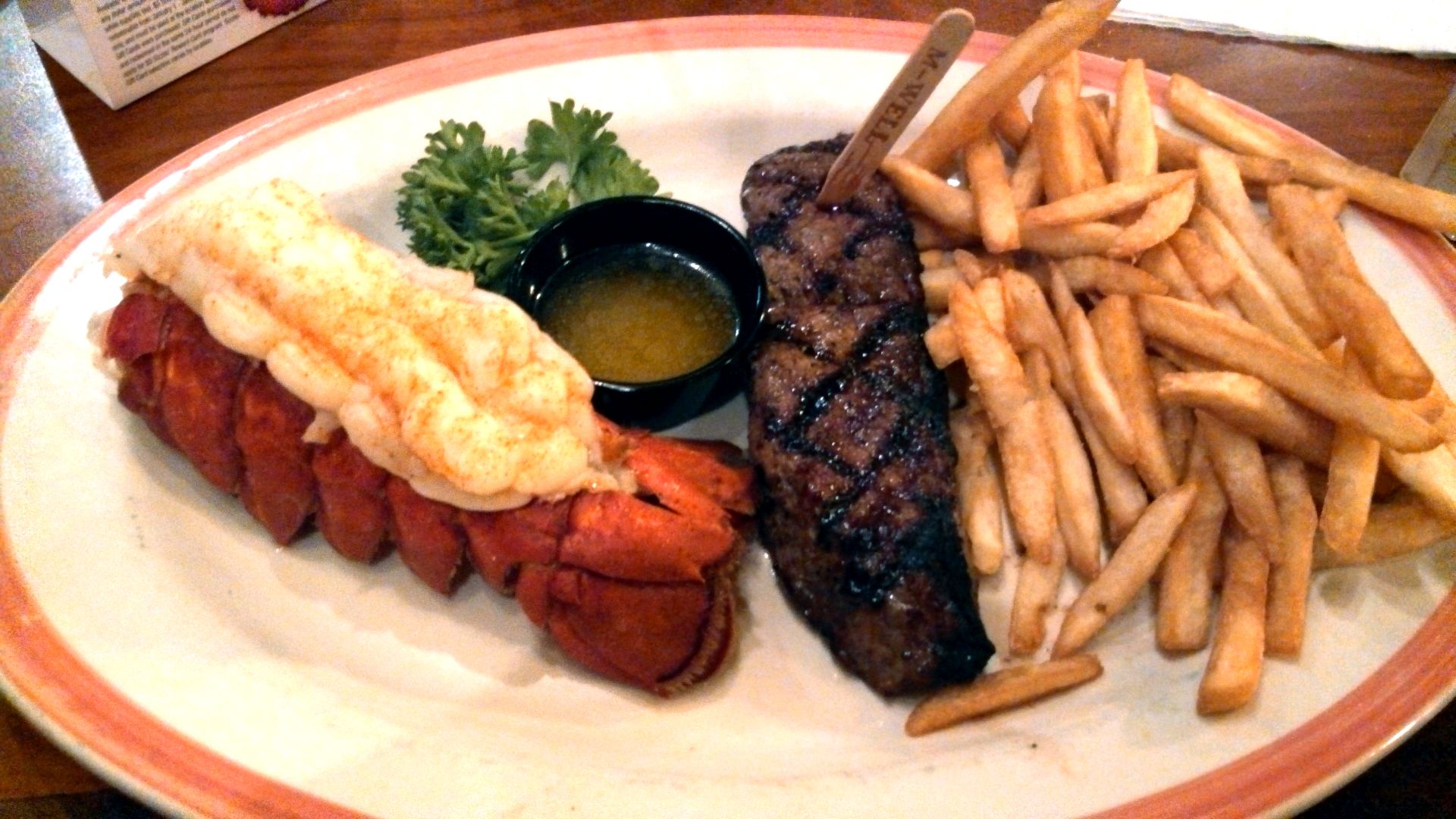
15. Sizzler
Sizzler opened its first restaurant in Culver City, California, in 1958 and built its reputation around reasonably priced yet elaborate steak dinners. Over the years, salad bars, seafood, chicken, and other choices expanded the menu beyond beef.
 Mark James Miller on Wikimedia
16. Luby’s
Luby's began in San Antonio in 1947 and became especially associated with cafeteria-style dining in Texas and neighboring states. Customers moved along a serving line choosing meats, vegetables, salads, breads, and desserts individually.
 Social Woodlands from USA on Wikimedia
17. Piccadilly Cafeteria
Piccadilly's roots date to Baton Rouge, Louisiana, in 1944, and the company became a familiar cafeteria name throughout much of the South. Diners could build their trays from crispy fried chicken, vegetables, salads, desserts, and other traditional beloved menu items.
18. Morrison’s Cafeteria
Morrison's Cafeteria began in Mobile, Alabama, in 1920 and eventually grew into a major Southern cafeteria chain. Its serving lines offered broad selections of meats, vegetables, breads, and desserts at prices designed for everyday dining.
19. Cracker Barrel
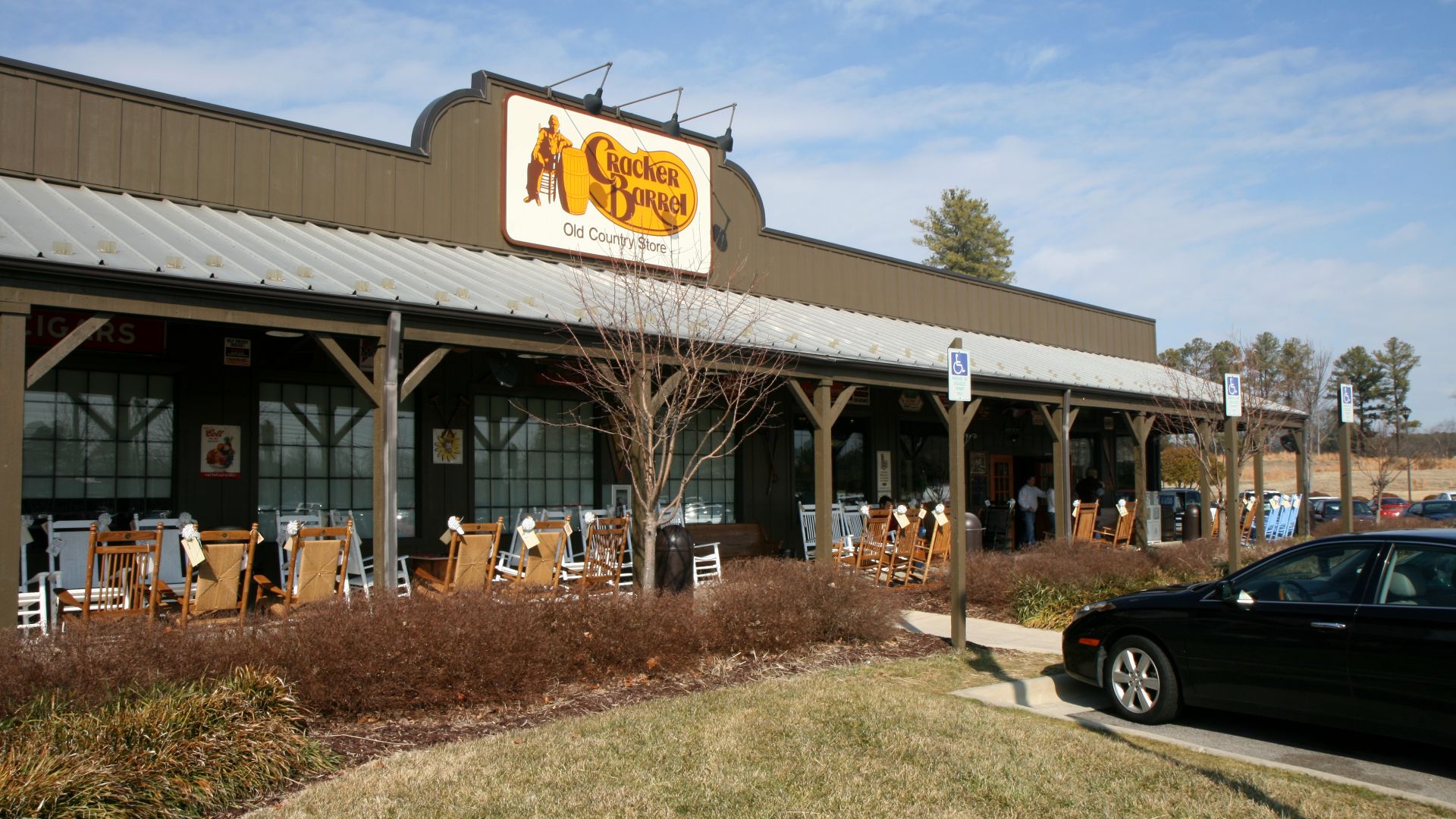
The first Cracker Barrel opened near Lebanon, Tennessee, in 1969, with founder Dan Evins targeting travelers on America's growing interstate highway system. Biscuits, breakfast plates, and Southern-inspired comfort foods helped establish its distinctive brand identity.
 Ildar Sagdejev (Specious) on Wikimedia
20. Golden Corral
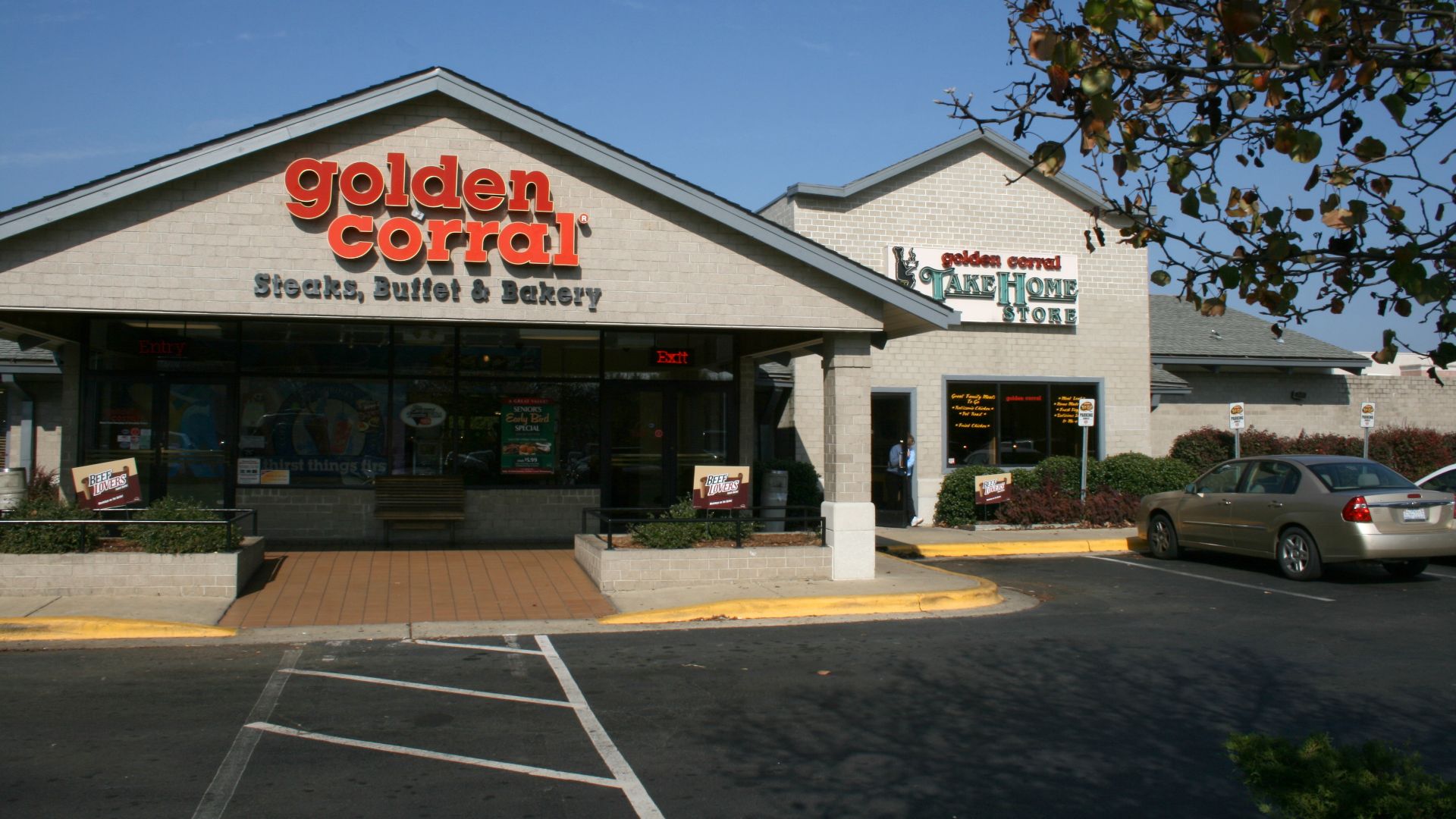
Golden Corral opened its first restaurant in Fayetteville, North Carolina, in 1973 and expanded during a time of strong demand for affordable family steakhouses. Generous choices and fixed-price dining made it extremely popular for famiies across generations.
 Ildar Sagdejev (Specious) on Wikimedia
KEEP ON READING