Old School Kitchen Wisdom Never Goes Out of Style
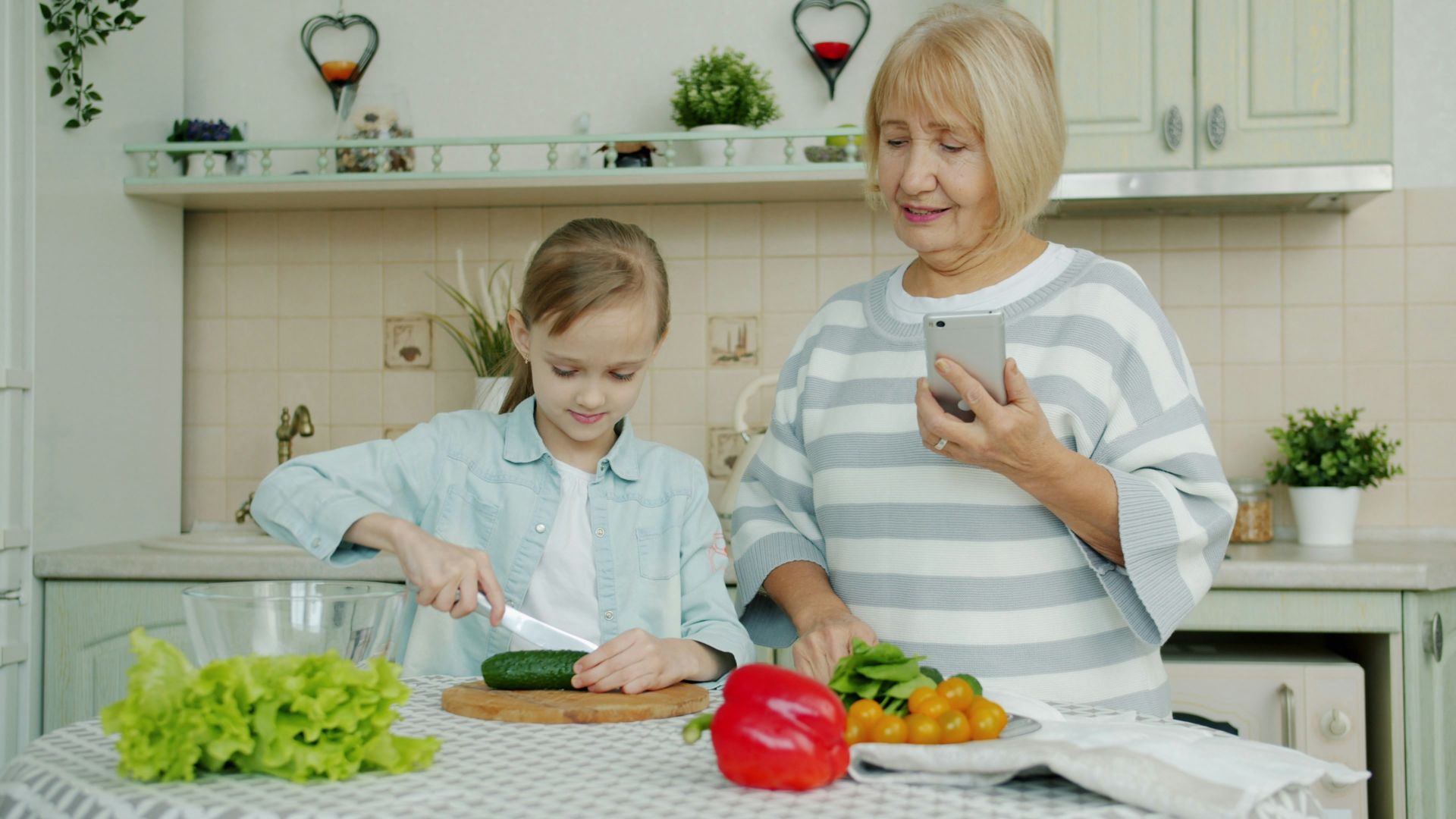
Grandma never owned a food processor with fourteen attachments, never scrolled through a recipe video mid-stir, and definitely didn’t need a couple of five-dollar words to help her understand when something was ready. It seems like she always had the ability to know when something was done, and more than that, we knew it would be tasty. As kids, this seemed like a magic trick; but as adults, we know now that Grammie had a mental textbook of cooking techniques taught to her by her mom, her mom’s mom, her mom’s mom’s mom… You get the idea. There’s so much we can learn by watching our family members run a kitchen, from gaining tips and tricks to taking a mental picture of their techniques. These 20 kitchen rules make cooking easier, help your food taste better, cut down on waste, and help you manage your time better. Pull up a stool. Grandma's about to teach class.
1. Mise en Place
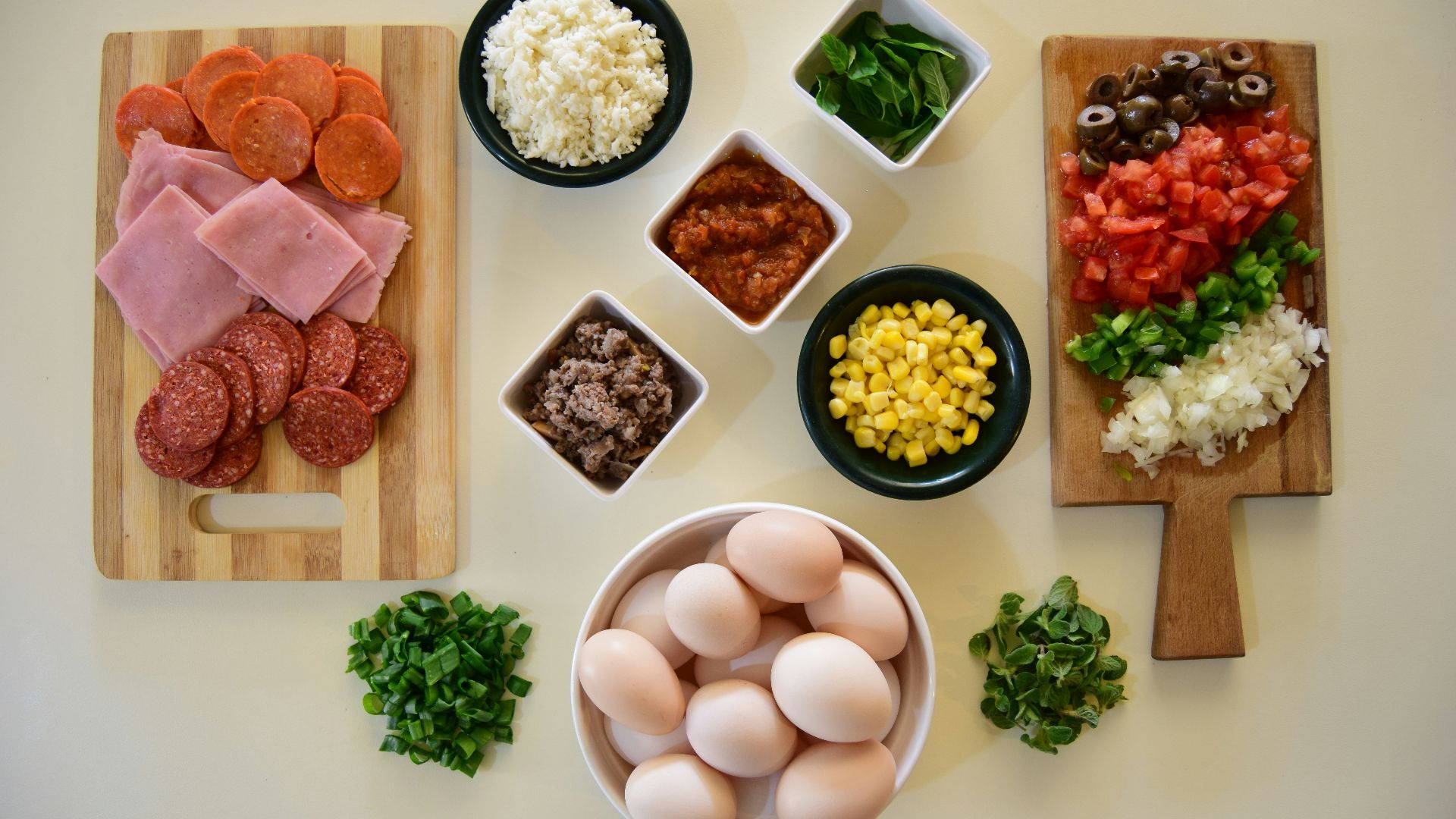
Nothing derails your dinner plans faster than realizing you missed an ingredient. To combat this mistake, read the whole recipe from start to finish. Once you know what goes into the meal, you can gather all the ingredients you need before you whip out the cutting board.
2. A Sharp Knife Is a Kind Knife
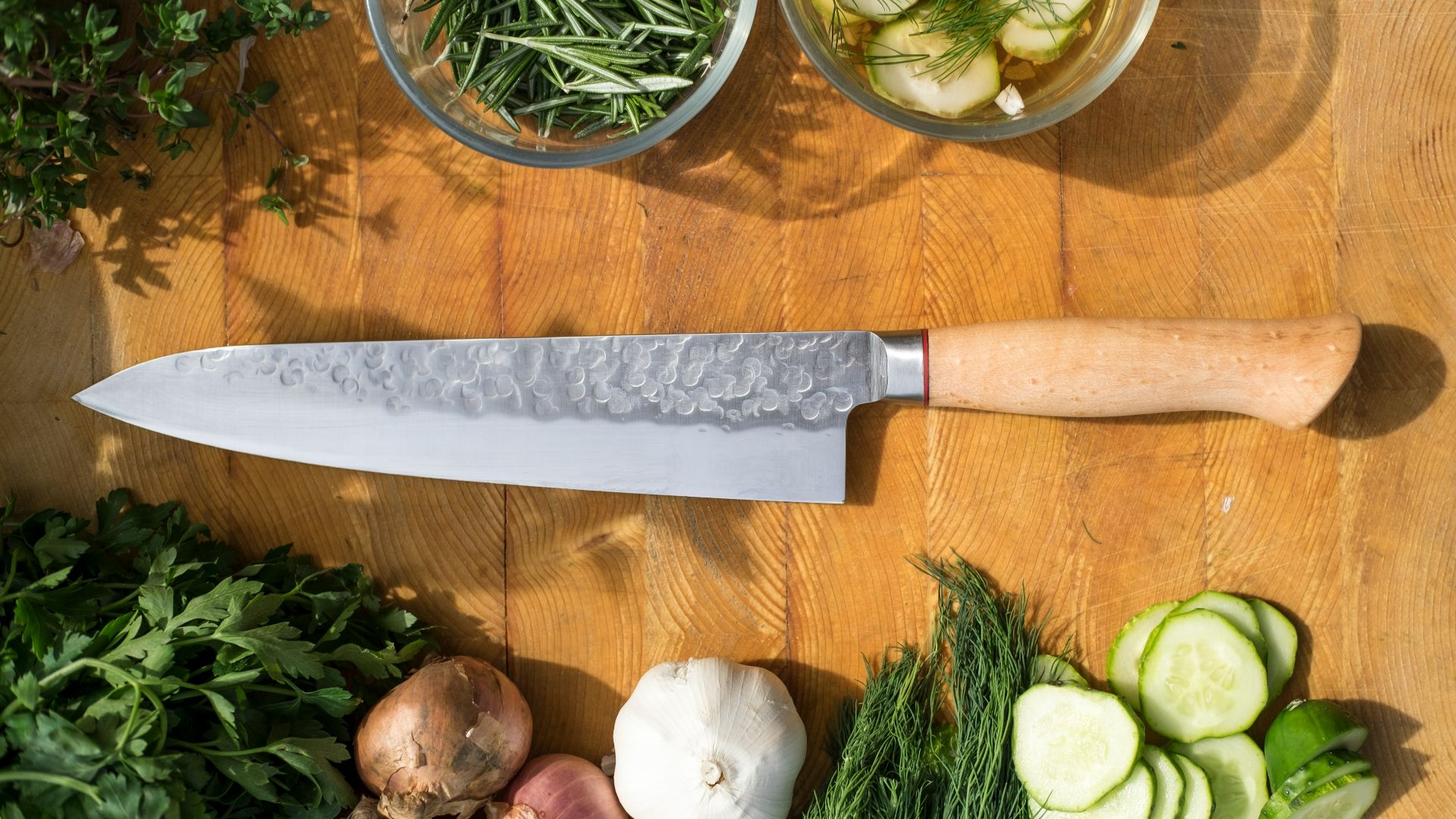
A sharp blade glides through food with barely any effort and gives you far more control than a dull one ever could. Dull knives slip. Invest in a knife sharpener and one or two high-quality knives. You’ll thank yourself later.
3. Cut It Even, Cook It Even
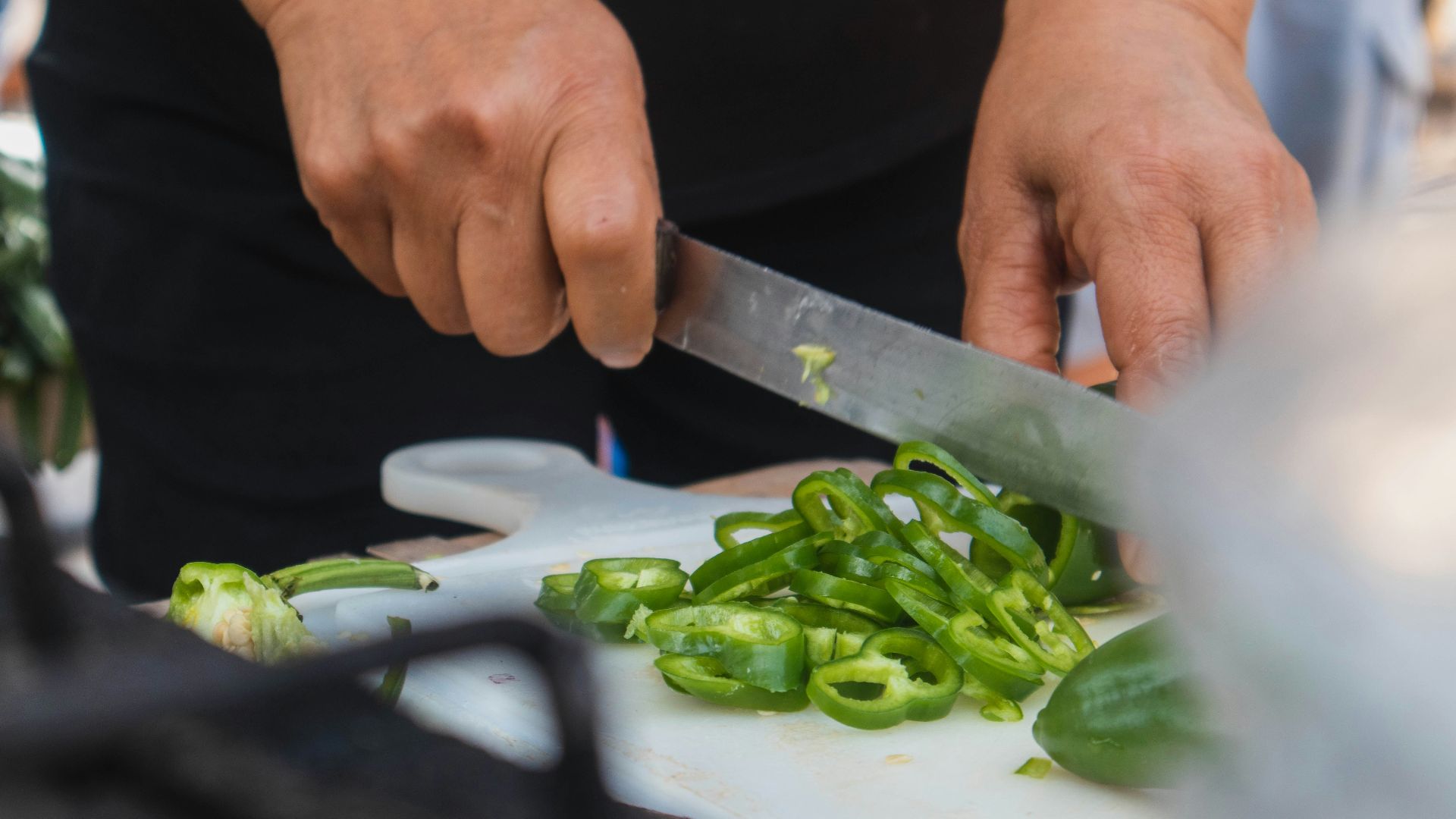
We’re not looking for perfection here, but obviously pieces that are roughly the same size cook at roughly the same speed. This means you won't end up with mushy little scraps swimming next to stubbornly raw chunks. A little consistency in your knife work pays off.
4. Season Little By Little
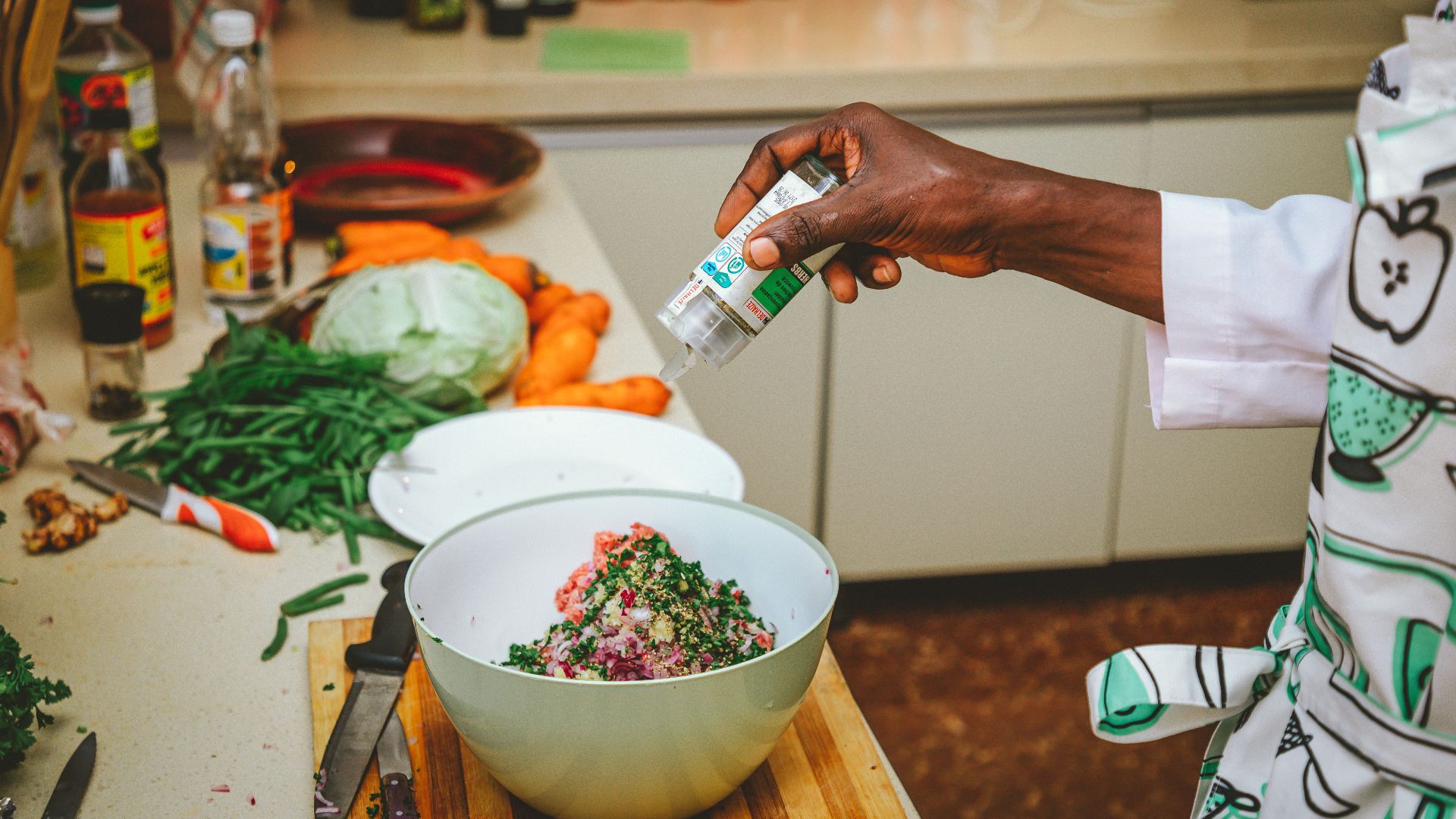
Dumping all your salt in right before serving doesn't leave much room for error. Instead, add seasoning throughout your cooking process and taste before adding more. This is especially important for soups, sauces, and stews, since they reduce as they simmer, and every flavor, salt included, gets more concentrated the longer that liquid cooks away.
5. Taste Constantly
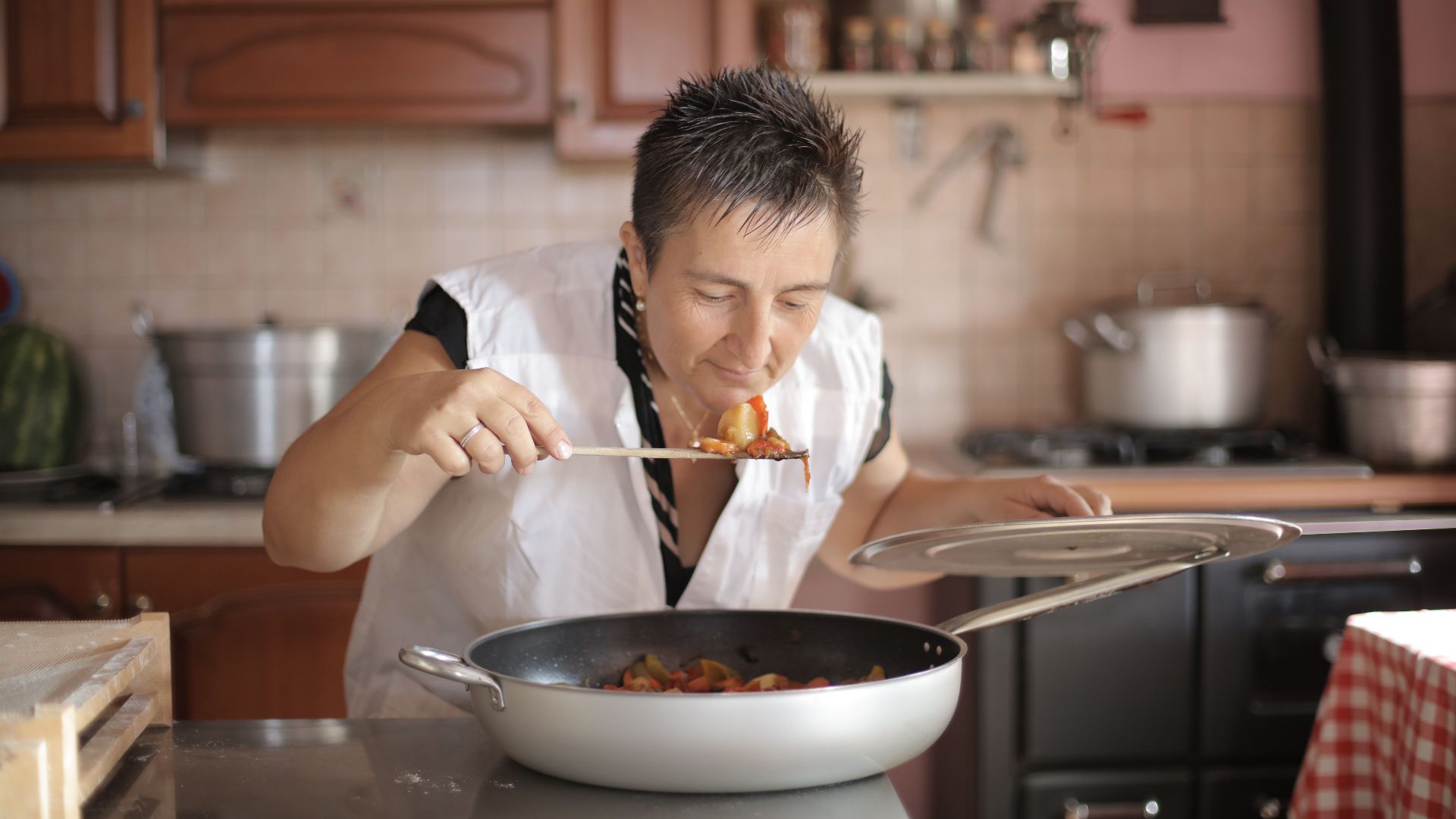
When it's safe to sample, tasting as you go will teach you more in thirty seconds than any recipe ever could. One spoonful tells you the sauce needs salt. Another tells you the soup could use a splash of acid. It’s an easy way to make sure everything tastes exactly as it should.
6. Warm Your Aromatics
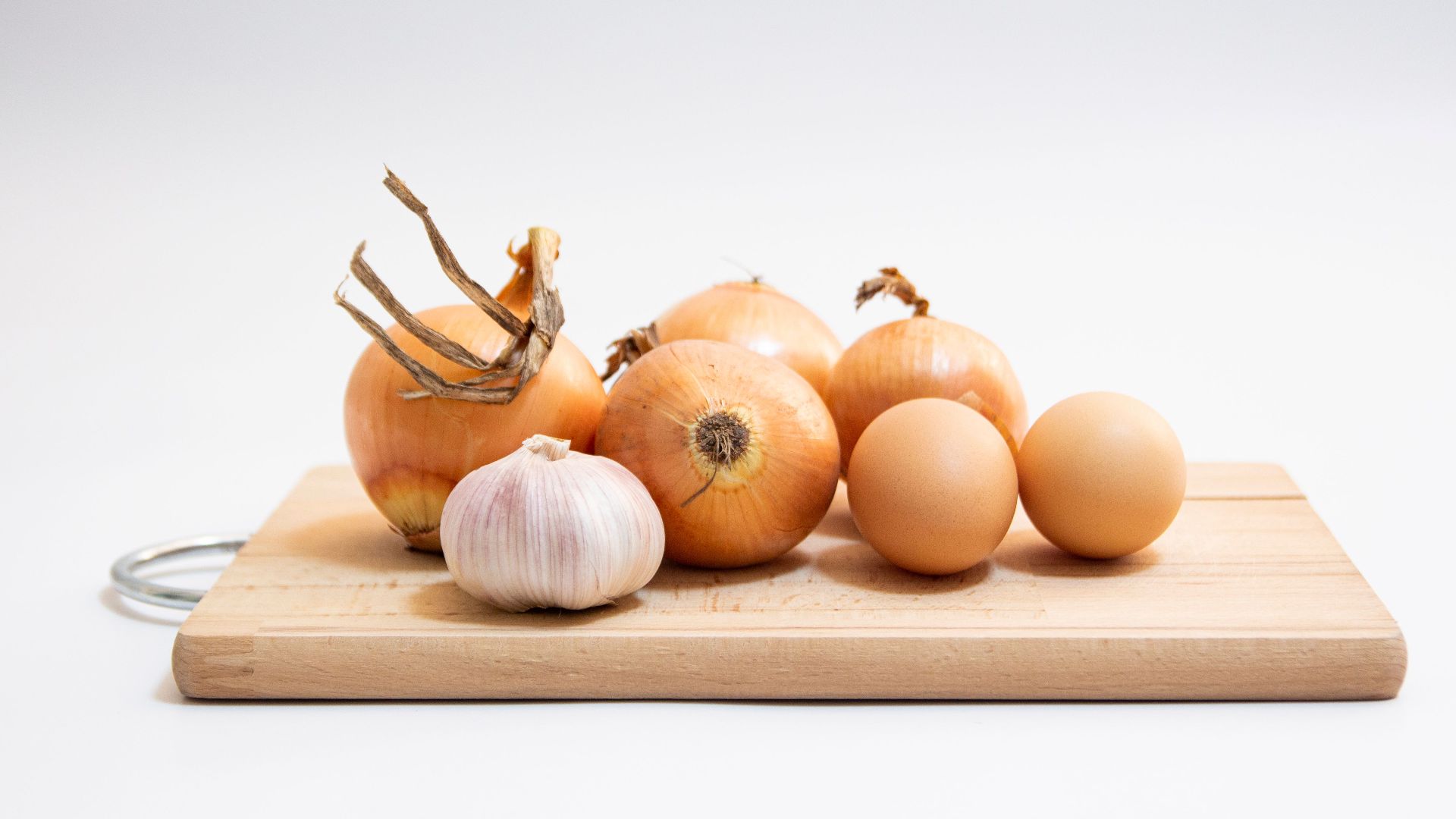
Onions, garlic, celery, carrots, ginger, peppers- these are the unsung opening act of most great dishes. Giving them a few extra minutes in the pan before the main ingredients arrive makes the most out of their capabilities.
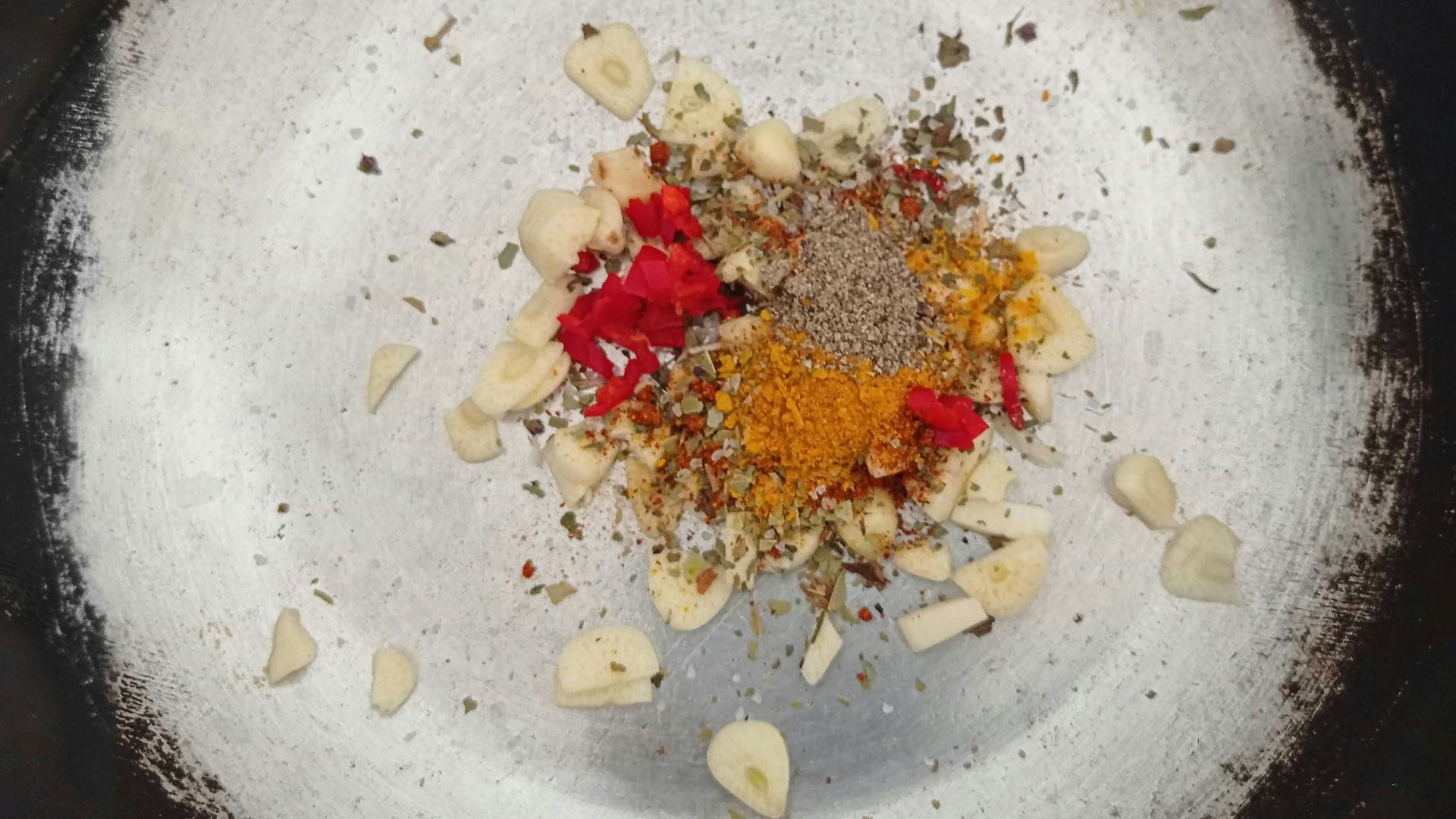
7. Toast Your Spices
Dried spices wake up when they're warmed before any liquid hits the pan. That short blast of heat helps their aroma spread through the dish in a way that just adding them at the end never quite achieves. Stay close to the stove, though. Finely ground spices can go from fragrant to bitter and burnt in a matter of seconds.
8. Use The Right Heat
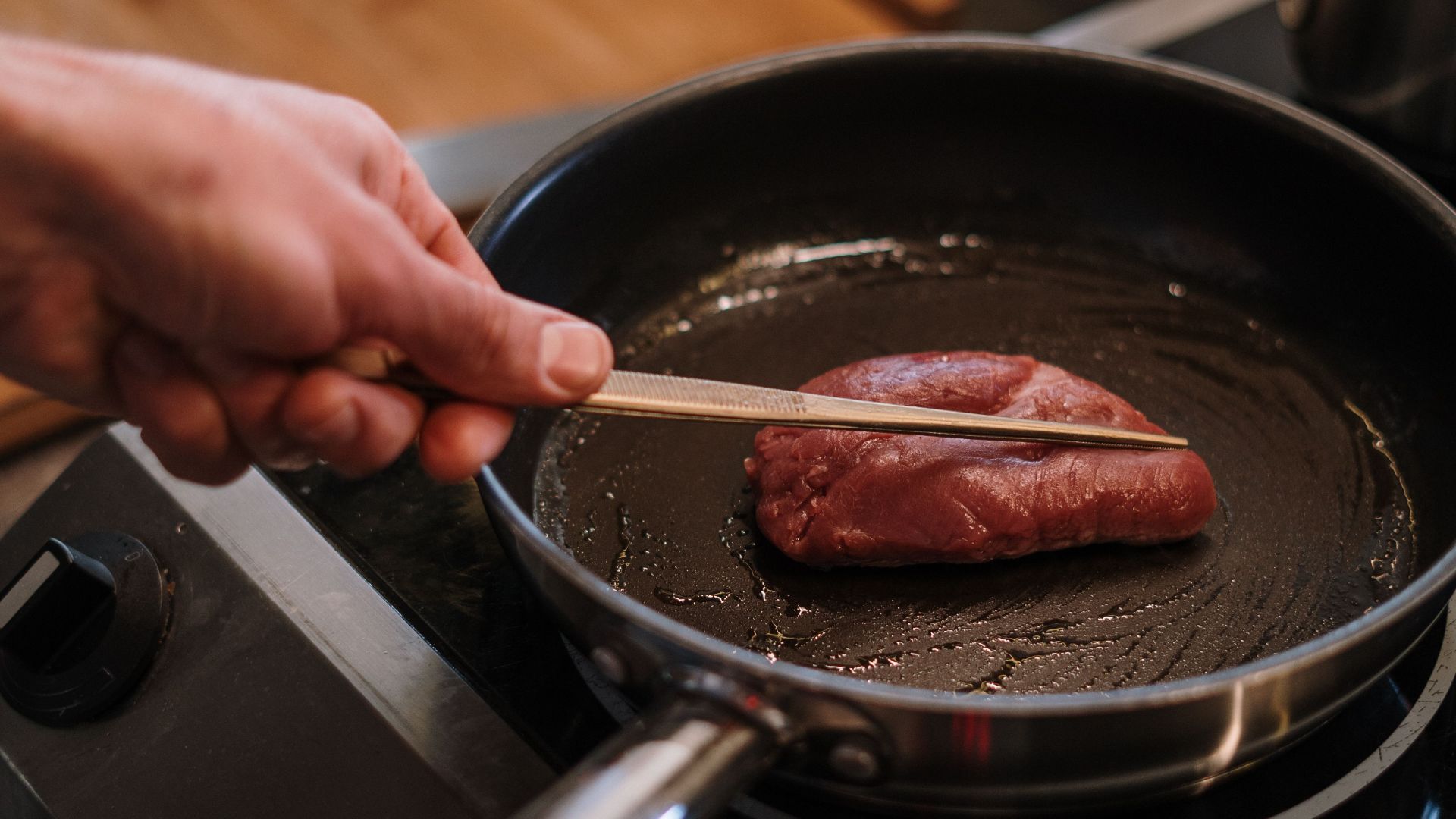
If you're chasing a proper sear, a properly preheated pan is what turns meat and vegetables golden brown instead of that slightly soggy texture you keep getting. Browning builds flavor and texture you can't fake any other way. That said, some recipes intentionally start in a cold pan, so just make sure to follow the instructions.
9. Pat It Dry
Wet surfaces have to steam away before real browning can even begin. Take a moment to pat meat or vegetables dry before searing, and you'll give yourself a real shot at building that deep, browned crust.
10. Don’t Cram The Pan
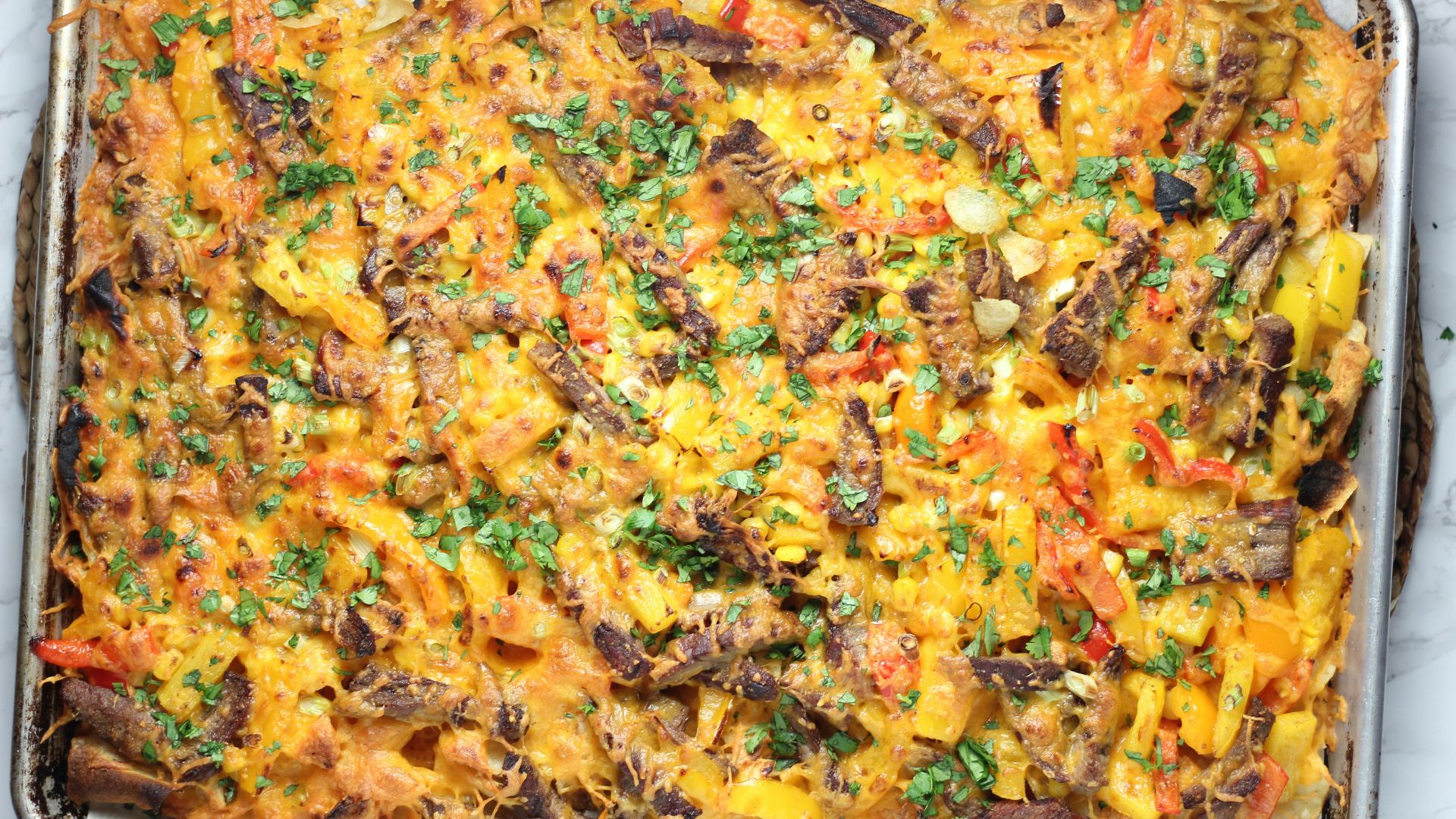
Sure, it’s more efficient to do everything at once, but it won’t taste as good. Overcrowding traps moisture with nowhere to go. Cook in batches when you need to. Crisp, browned edges are worth the extra few minutes.
11. Never Waste the Bits
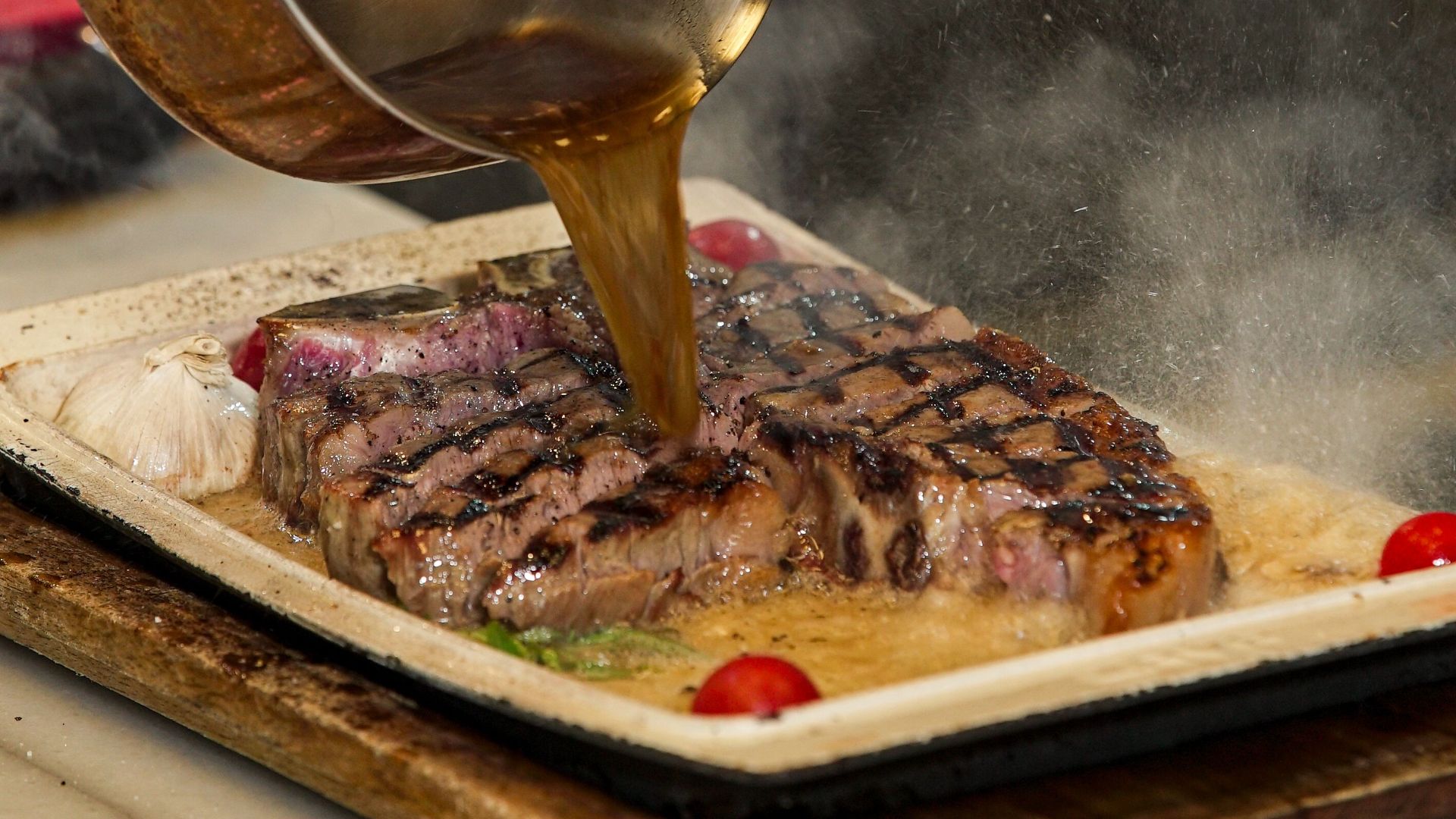
Those crusty brown bits stuck to the bottom of the pan after searing meat or vegetables are where the flavor’s at. Add a splash of broth, scrape the pan loose, and let it simmer for a minute or two. Congratulations, you've just made a pan sauce.
12. Save The Pasta Water
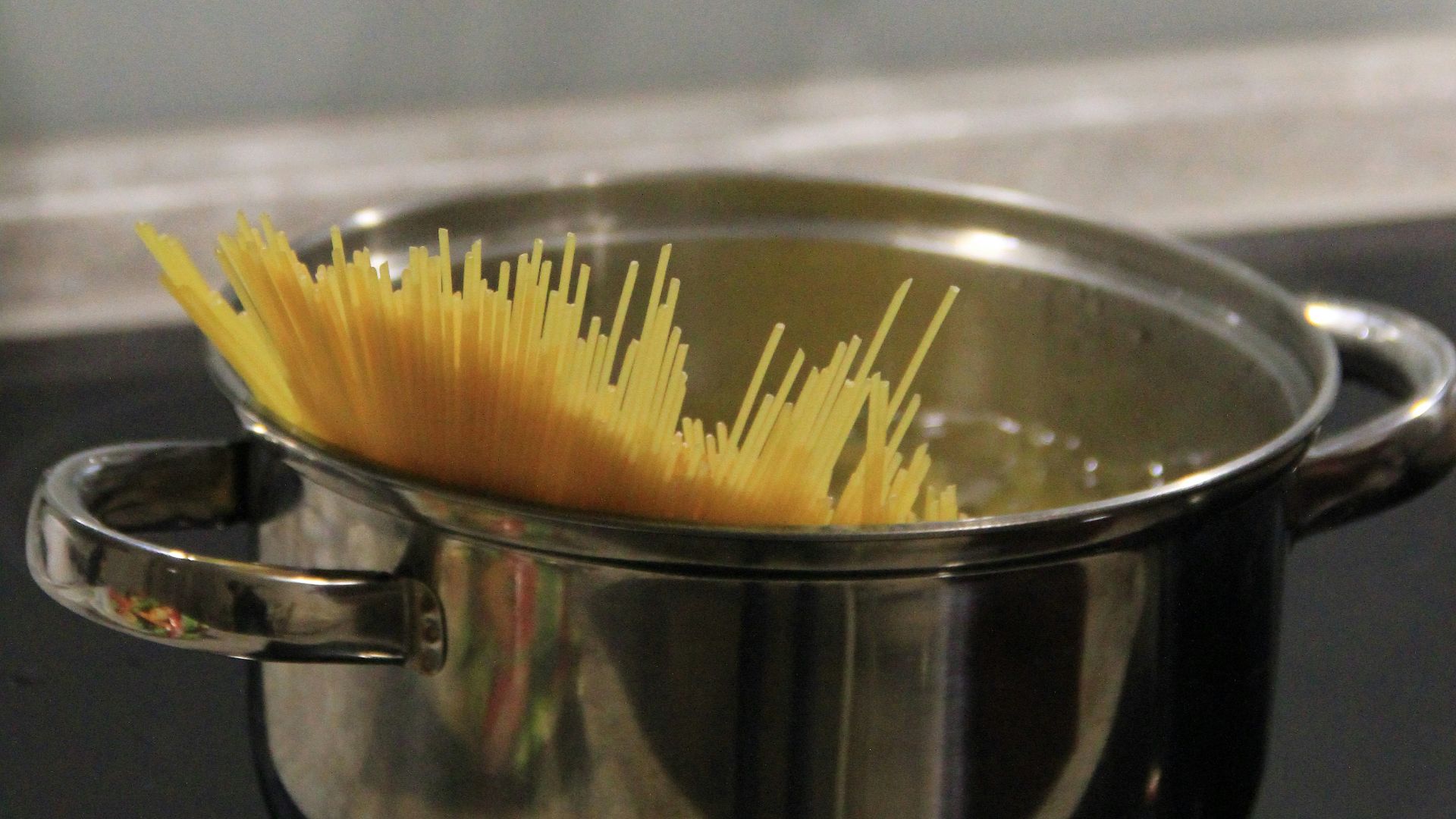
Before you drain your pasta, scoop out a cup of that starchy, cloudy water and set it aside. That starch helps loosen a sauce and coaxes fat and water into working together. This is a huge help for homogenizing cheesy, buttery, or oily sauces. A small splash at the end helps everything cling to the noodles.
13. Baking Rewards Precision
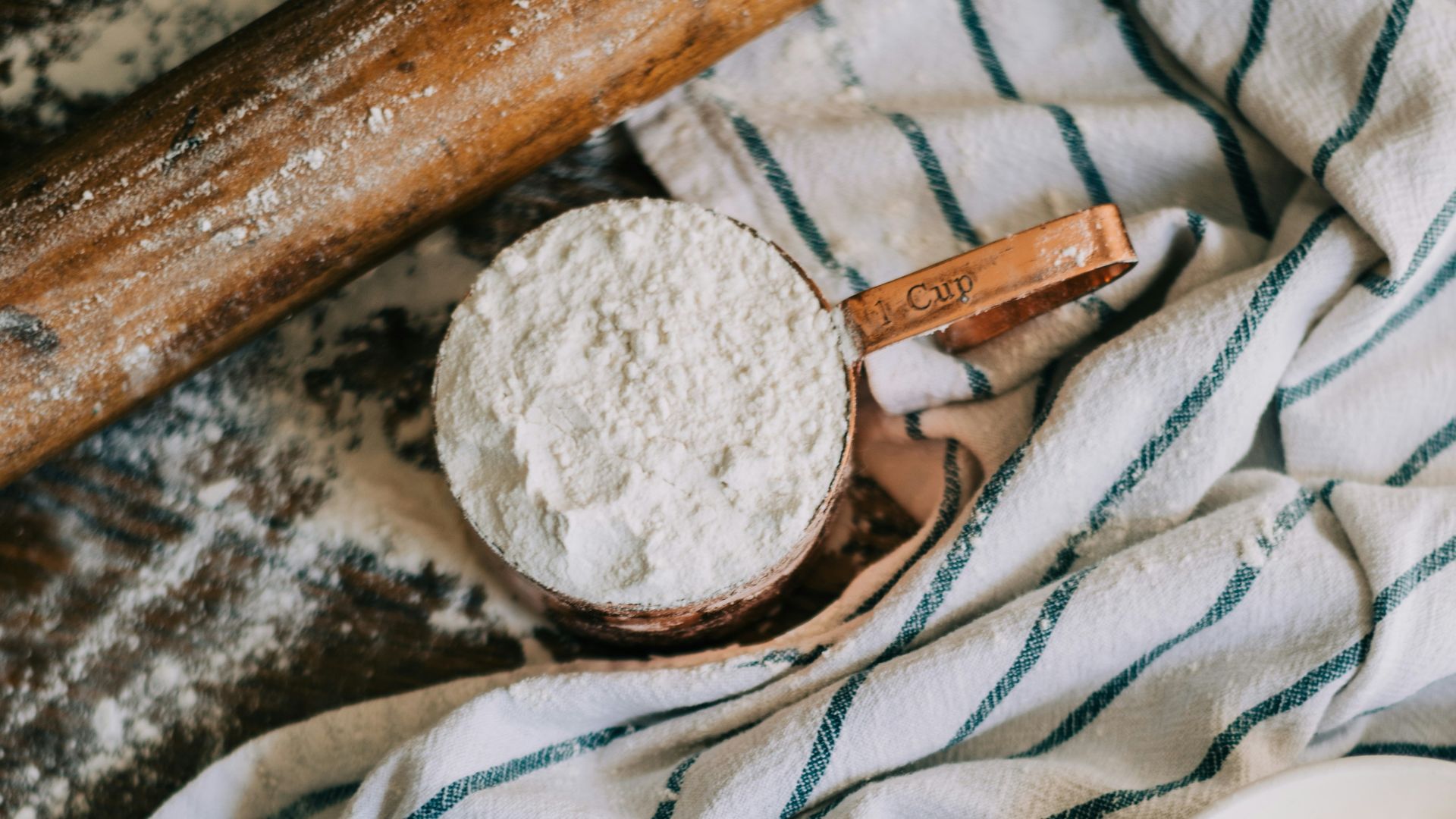
Dinner gives you plenty of room to improvise, a little more of this, a little less of that. Baking is far less forgiving, and flour is the sneakiest ingredient to overmeasure. Your food scale is your best friend, but spooning flour into a measuring cup also works.
14. Preheating
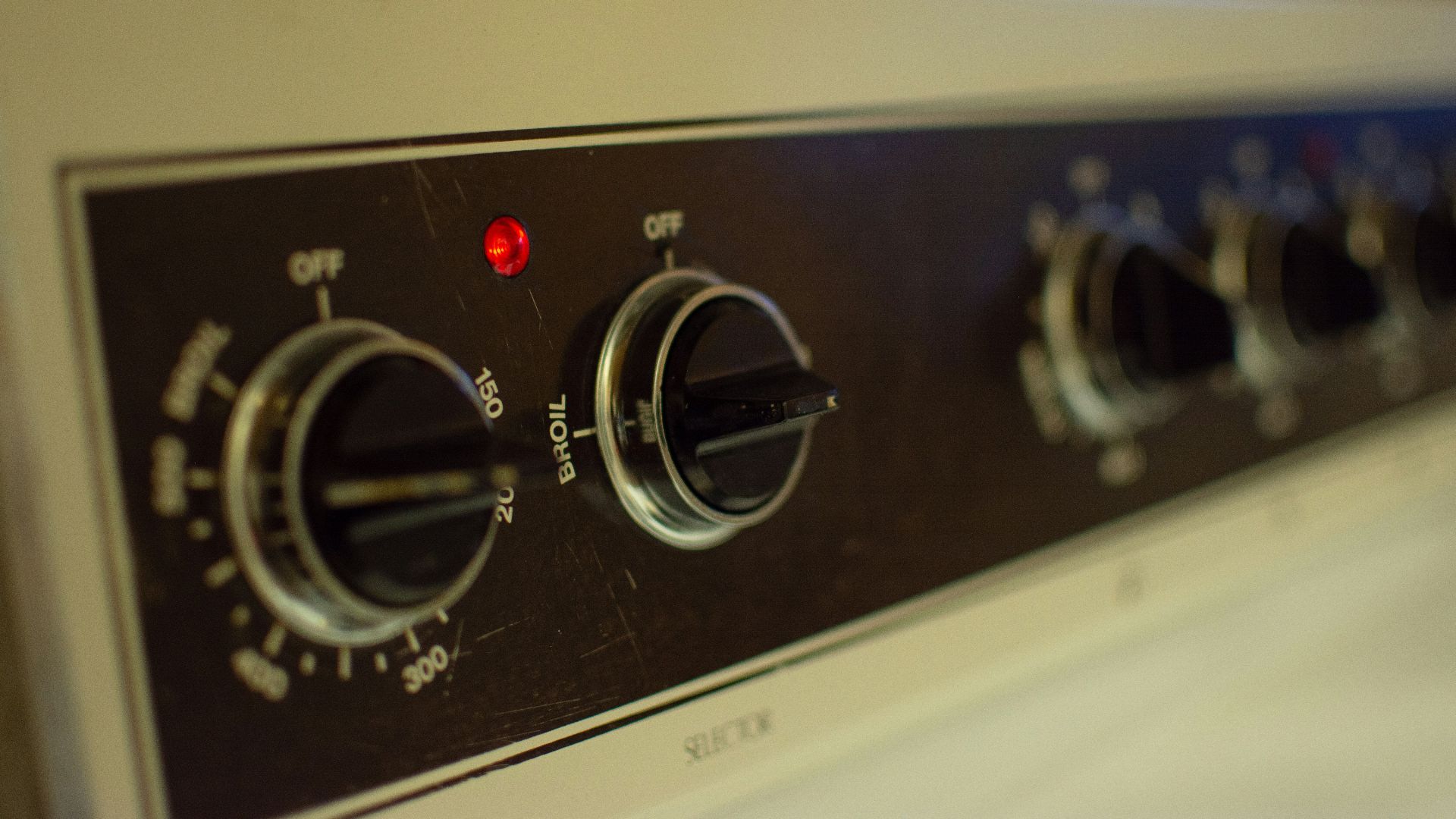
When a recipe tells you to preheat the oven, that’s when you preheat the oven. Not before, not after. Giving your oven a chance to get to temperature before adding your dish affects how baked goods rise, spread, brown, and cook through evenly.
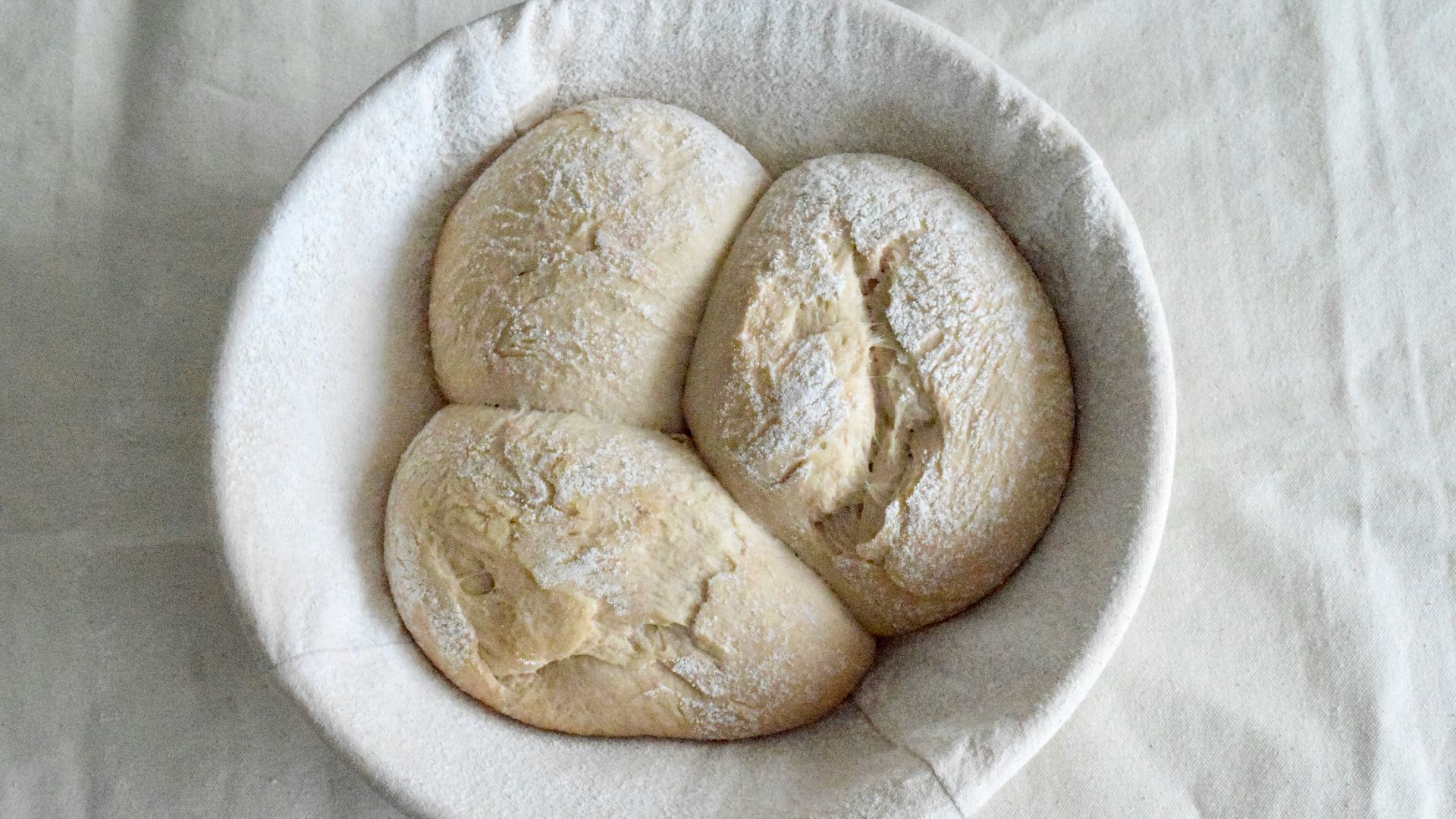
15. Let Stubborn Dough Rest
Sometimes dough just needs to be left alone. If bread, pizza, tortilla, or pastry dough keeps snapping back every time you try to stretch or roll it, take a break. You’ll find the dough to be more malleable.
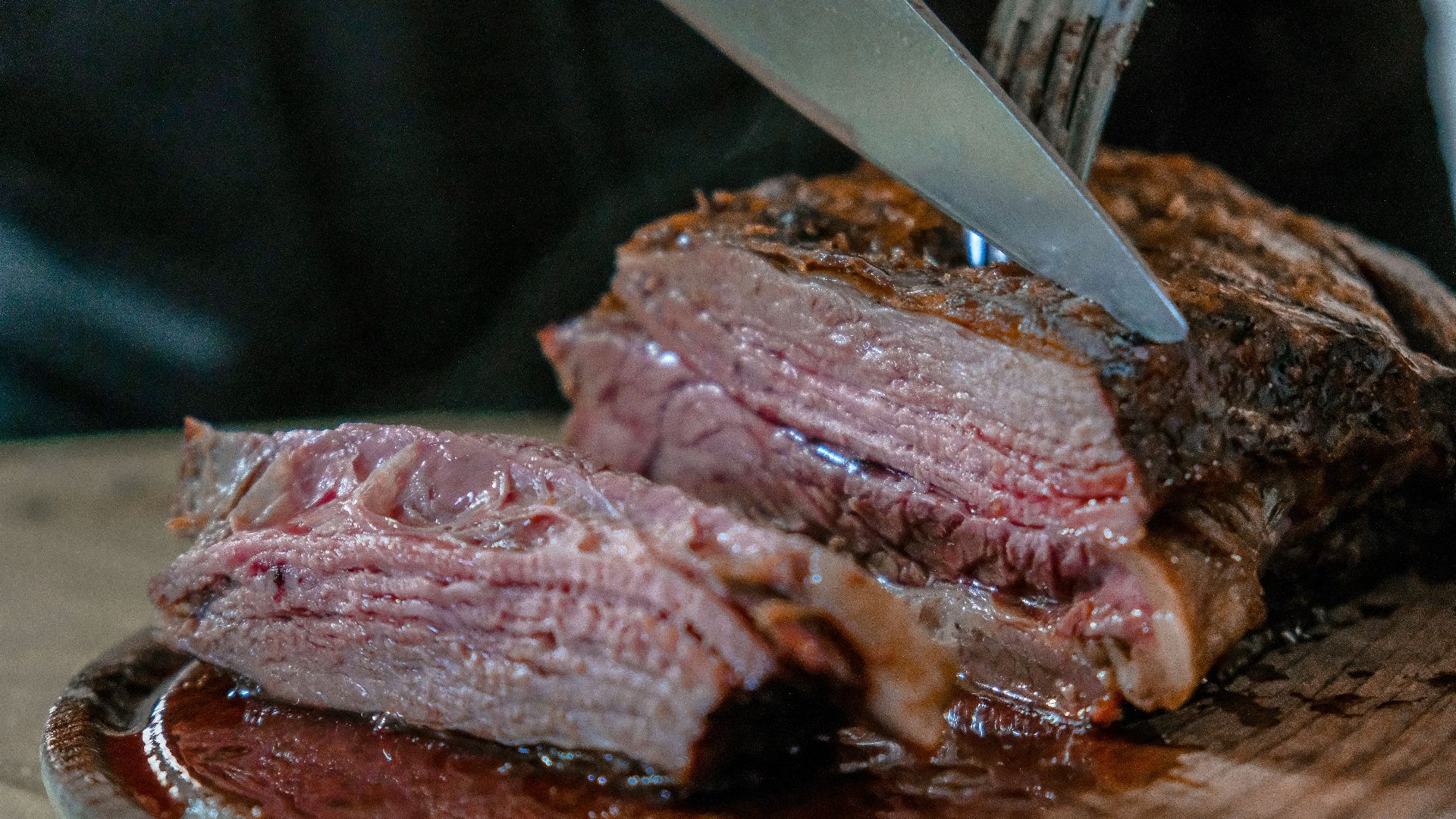
16. Rest Your Meat
Letting meat rest before you slice it is an important part of the cooking process. When you do this, carryover cooking continues while the meat cools slightly, and that temperature drop is what keeps the juices from flooding out the moment your knife hits the cutting board.
 José Ignacio Pompé on Unsplash
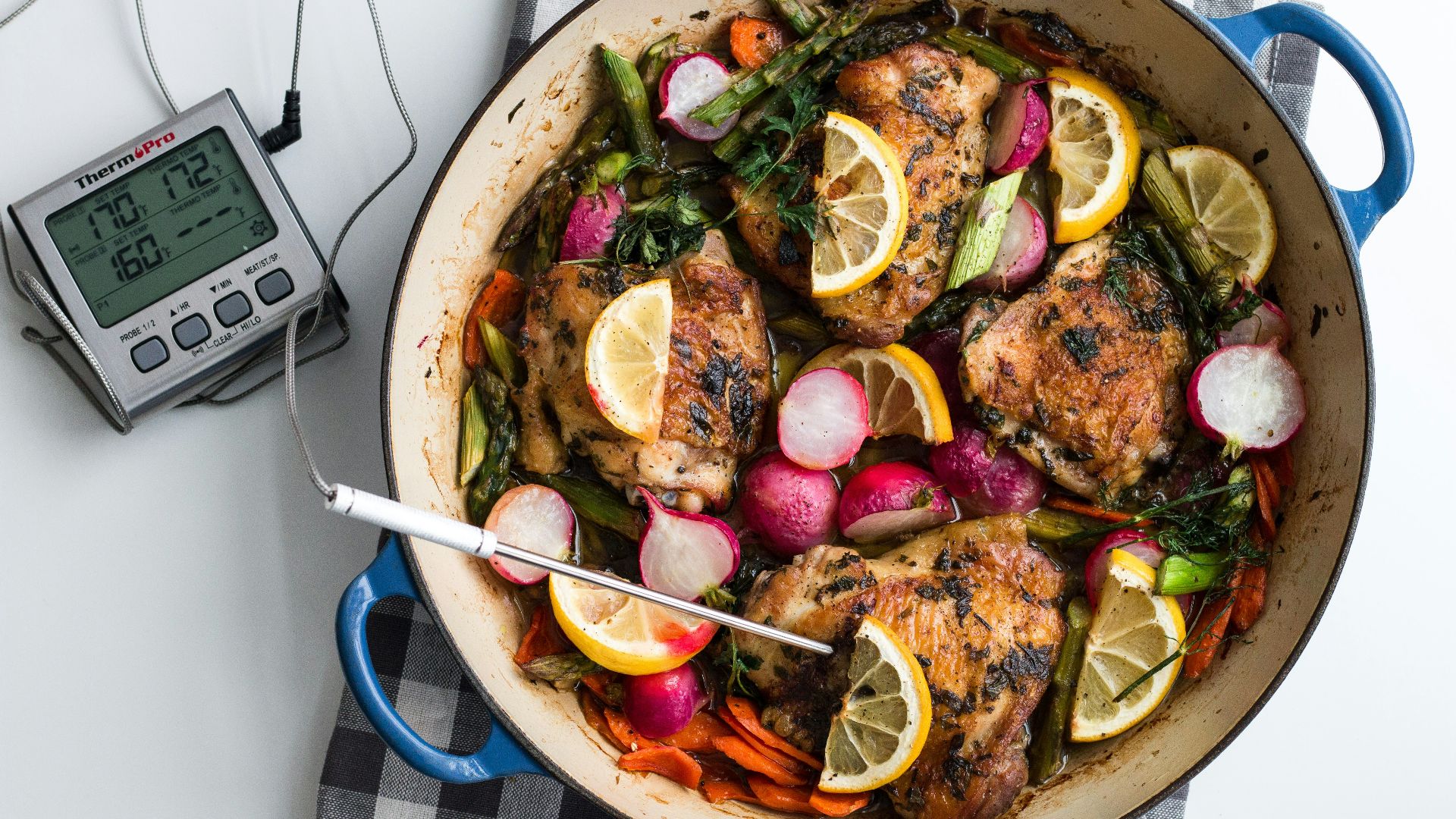
17. Trust the Thermometer
Color is a terrible way to judge whether meat is safe to eat, so let a food thermometer do the guessing for you. Whole cuts of beef, pork, veal, and lamb should hit at least 145°F with a three-minute rest. Ground meats need to reach 160°F. Poultry should always hit 165°F. We promise you, it’s worth it to check.
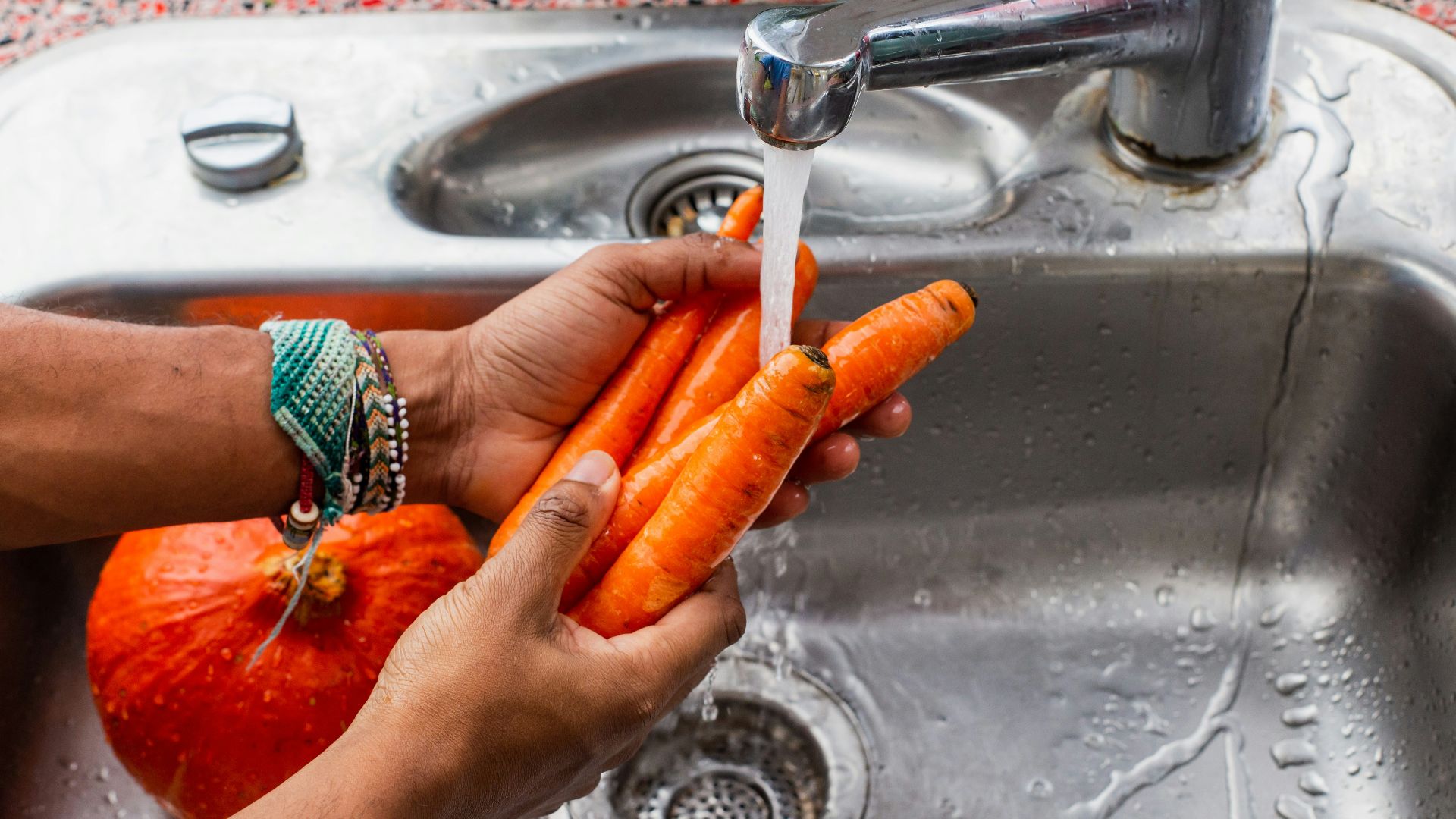
18. Rinse Your Produce
Fresh fruits and vegetables should get a good rinse under running water before you eat or prepare them. Cutting through an unwashed surface can carry whatever was on the outside straight into the food itself.
19. Don’t Rinse Your Chicken
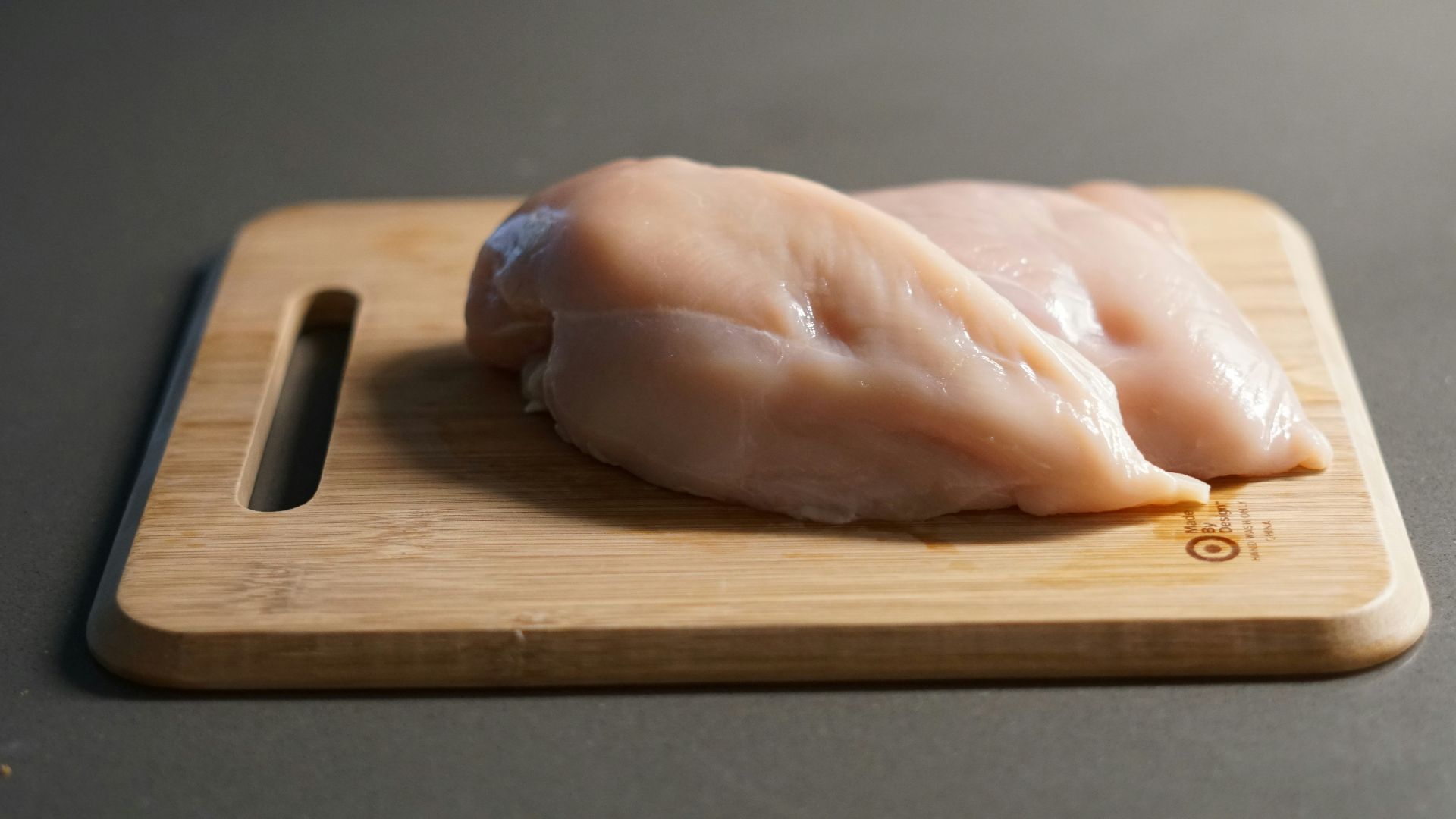
This is the one Grandma habit worth retiring for good. Rinsing raw chicken doesn't make it any safer, and the splashing water can actually spread bacteria across your sink, counters, utensils, and nearby food. As always, make sure to wash whatever touched the raw meat as soon as you can.
20. Refrigerate Your Leftovers
Letting dinner sit out for hours after eating is never a good idea. Once you’ve finished your meal, your next step is to get any excess food into the refrigerator. The usual rule is that any perishables need to get into the fridge within two hours.
KEEP ON READING

The Most Popular Chocolate Bars in the USA

The Most Popular Candies in the USA

20 Annoying Foods That Get Stuck In Your Teeth