We’ve all come home from the grocery store and immediately shoved everything into the fridge without thinking twice. It’s easy to assume that if it came from the store and isn't shelf-stable, it goes in the fridge, but this assumption is wrong. Some foods not only survive at room temperature; they thrive there, developing fuller flavors and better textures that the cold actively destroys. The science behind this might surprise you, and your taste buds will definitely thank you for paying attention.
Tomatoes Turn Mealy and Flavorless in the Cold
Tomatoes stored below 55°F suffer what scientists call "chilling injury," where cold temperatures damage their cell membranes and cause irreversible changes to their structure. Refrigeration below 10-12°C damages tomato cell membranes, halting ripening processes and flavor biosynthesis, resulting in a mealy texture and bland taste.
According to a study from the Andalusian government that analyzed tomato varieties at different temperatures, tomatoes stored at 10°C (typical refrigerator temperature) showed rapid aging, weight loss, and clear signs of damage. The minimum recommended temperature to preserve tomatoes is 13°C, which is far higher than any household fridge.
Store your tomatoes stem-side up on the counter, away from direct sunlight. Once they're ripe, use them within a few days. If you've got overripe ones heading toward spoilage, refrigerate them as a last resort and use them in cooked dishes where texture matters less.
Chocolate Develops a Gray Film and Loses Its Snap
That white or gray film you sometimes see on chocolate that's been refrigerated is called "bloom." And while it's harmless, it's also a sign that something's gone wrong with how the chocolate was stored. Cold temperatures cause the cocoa butter to separate and rise to the surface, creating that unappealing appearance and a grainy texture.
Chocolate also absorbs odors intensely. Store it near onions or fish in the fridge, and you'll taste that in your chocolate later. The ideal storage temperature for chocolate is between 65-68°F in a dark, dry place. A pantry works perfectly. Keep it in an airtight container once opened to prevent it from absorbing ambient odors and moisture.
The flavor of chocolate is also more pronounced at room temperature. Cold chocolate tastes muted because lower temperatures reduce your ability to detect its complex flavor compounds. Let refrigerated chocolate sit at room temperature for at least 30 minutes before eating if you want to actually taste what you paid for.
Stone Fruits and Avocados Stop Ripening Entirely
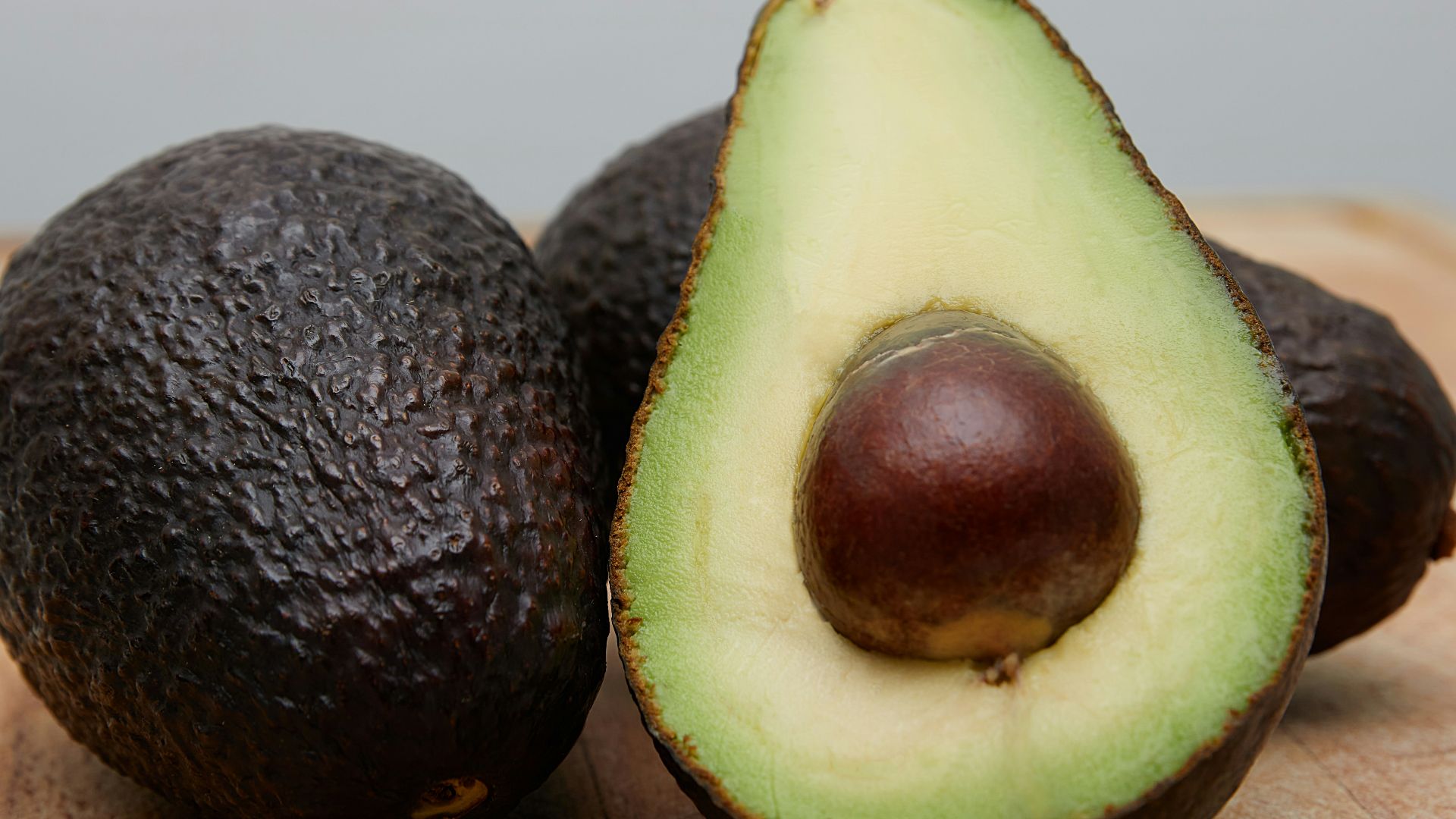
Peaches, nectarines, plums, and apricots all need warmth to finish ripening. Cold temperatures halt the production of ethylene gas, which drives the ripening process. Put an underripe avocado in the fridge, and it'll never develop the creamy texture that makes it useful.
Store these fruits on the counter where they can ripen naturally. You'll know an avocado is ready when it yields to gentle pressure. Peaches should smell sweet and feel slightly soft. Once they've reached peak ripeness, you can refrigerate them for a few extra days if needed, though they'll still taste better at room temperature. The texture won't be quite as good cold, yet it beats letting them rot on the counter.
Bananas similarly need room temperature to ripen properly. Refrigeration stops the process and turns their skins brown prematurely. You can slow ripening by wrapping plastic around the stems to reduce ethylene gas release, yet refrigeration just makes everything less appealing.