Sauced And Smoked
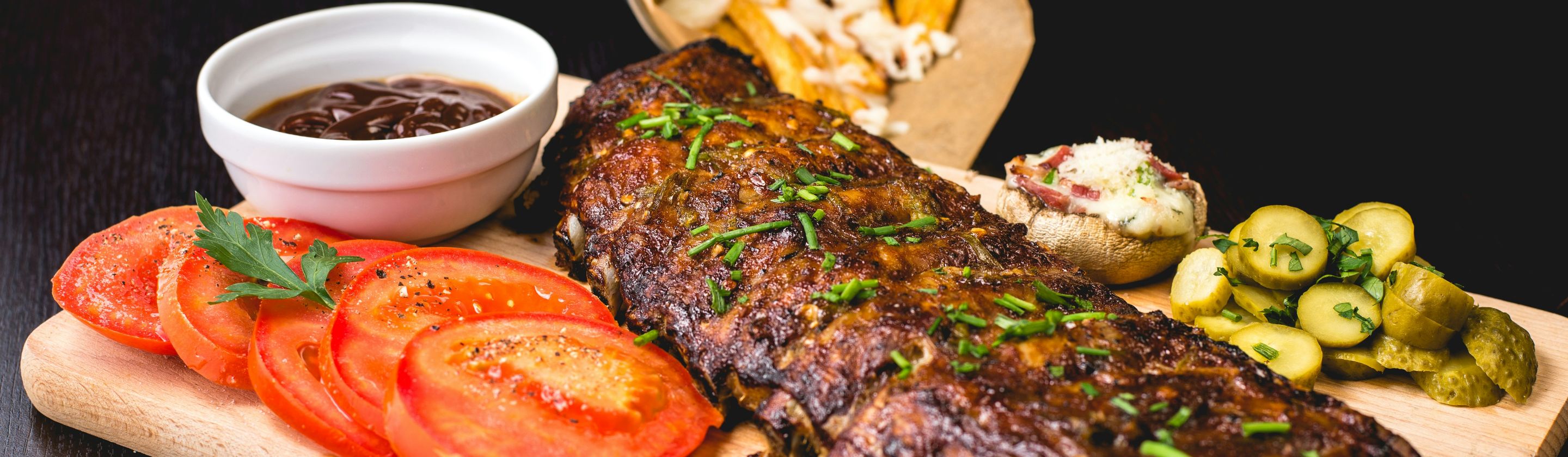
Ribs got popular in America because poor cuts of meat became delicious when you knew what to do with them. That change required seasoned knowledge passed down through generations of pit masters who understood their regions intimately. Kansas City developed one answer. Memphis found another. Texas went a completely different direction. Let's look at all the best ways to dress up a saucy rib, and the best ways to do a dry rub.
1. Kansas City BBQ Sauce
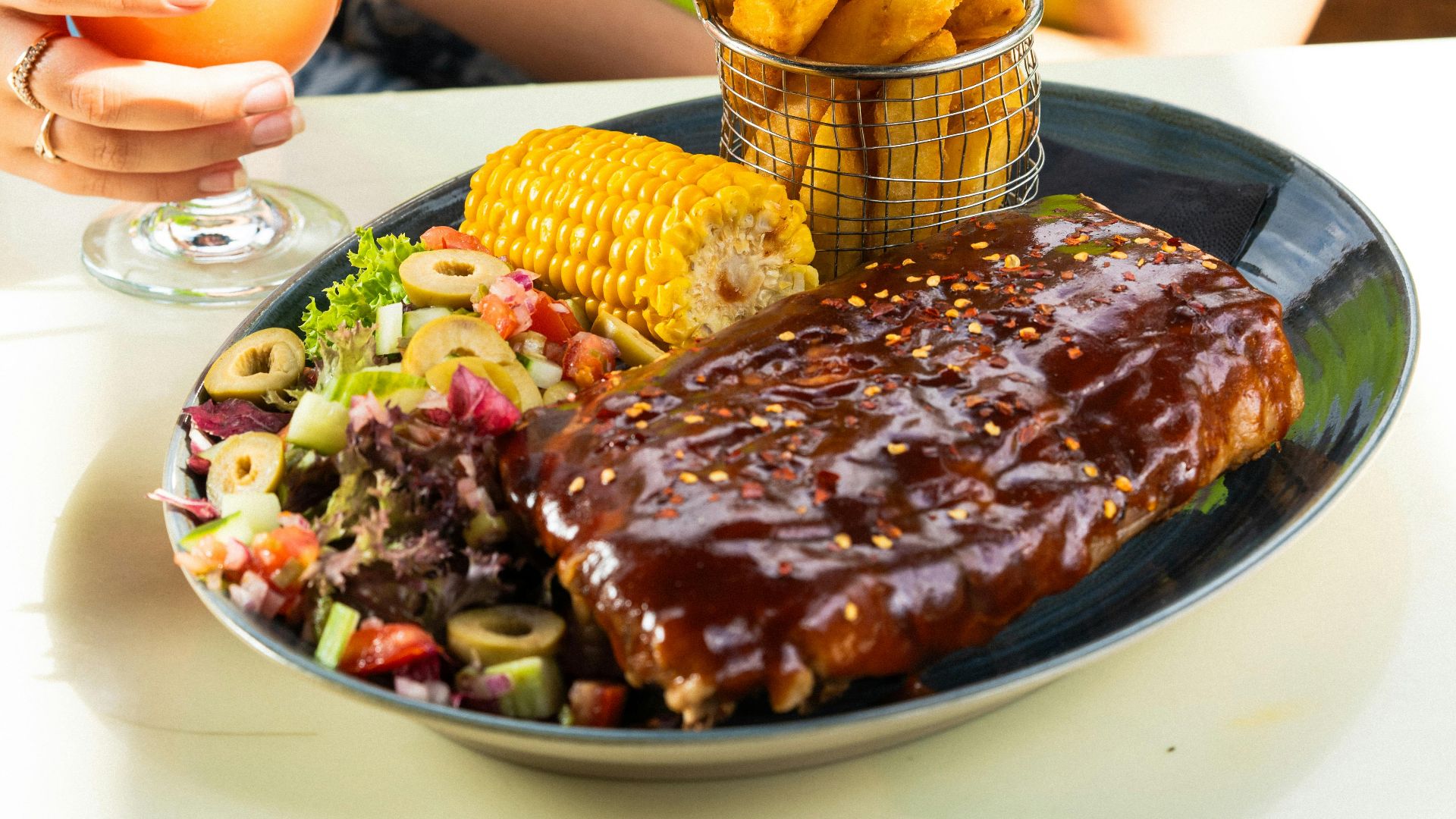
This thick, molasses-based sauce defines American barbecue for millions. Born in the early 1900s, when Henry Perry opened Kansas City's first barbecue stand, it became the standard against which all other sauces are measured. The signature sweetness comes from brown sugar.
 Elizabeth from Lansing, MI, USA on Wikimedia
2. Memphis-Style BBQ Sauce
Starting with the texture sets Memphis sauce apart—it's noticeably thinner than Kansas City's, allowing it to penetrate meat rather than just coat it. The vinegar-forward formula with less sugar means it won't burn during long cooking times.
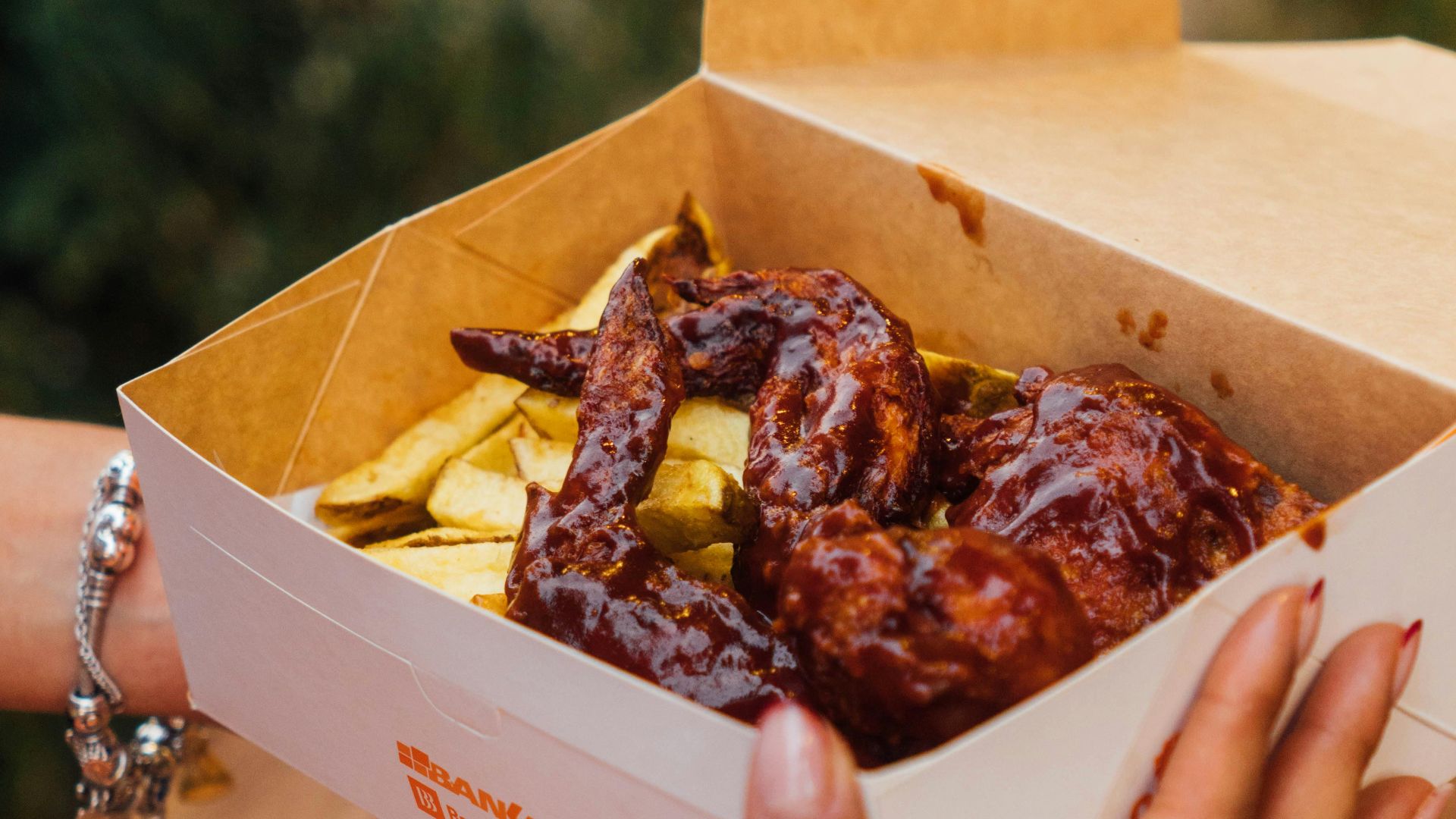
3. Carolina Mustard Sauce
South Carolina's Midlands region created something entirely different from typical red barbecue sauces. Yellow mustard forms the base, mixed with vinegar, brown sugar, and spices to craft a tangy, sharp profile that cuts through the richness of pork beautifully.
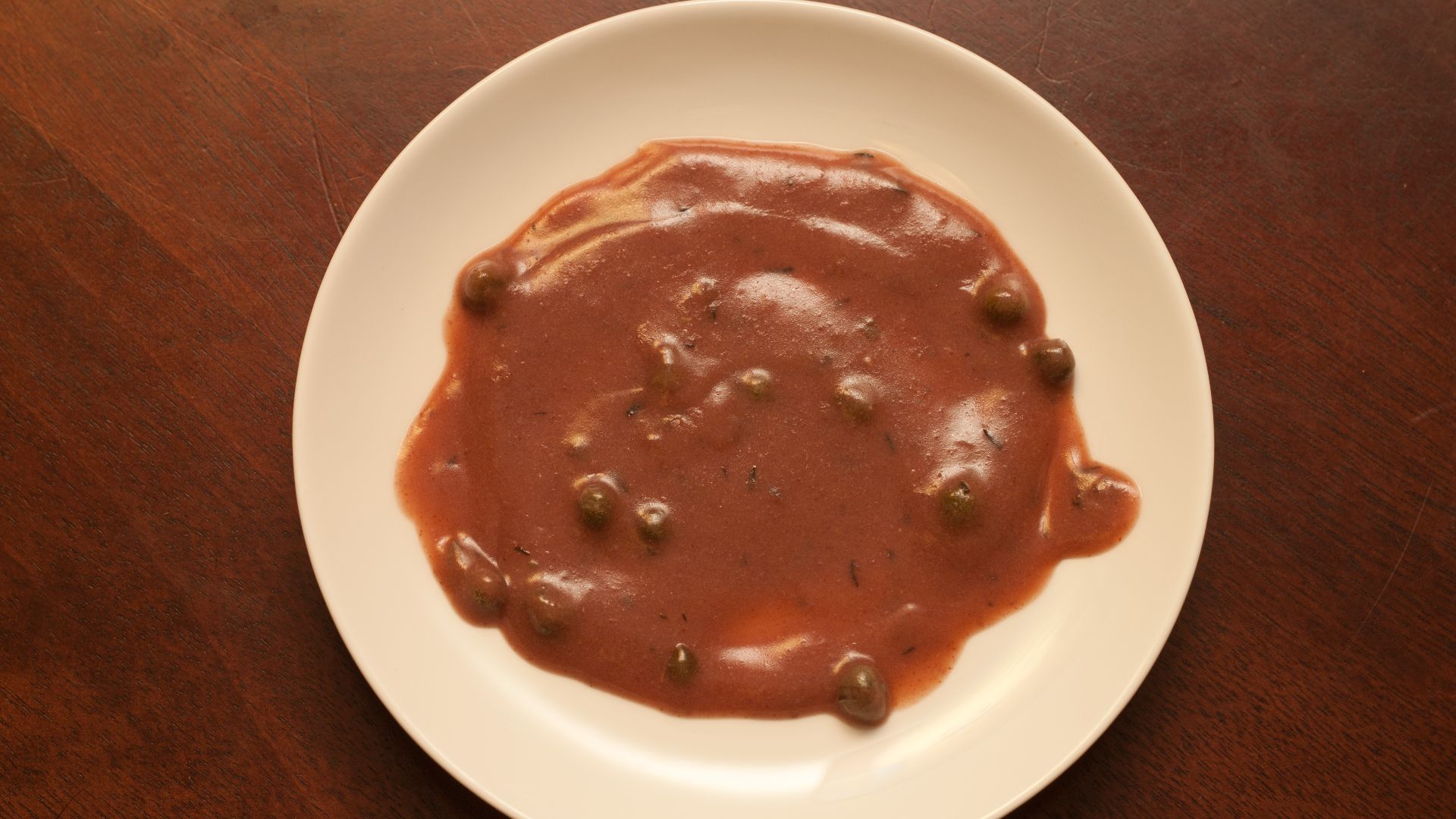
4. Texas Mop Sauce
Unlike finishing sauces, it's applied every 30–45 minutes throughout the cooking process to build flavor layers and maintain moisture. Worcestershire sauce, butter, and beef stock create a savory base with minimal sugar, preventing burning during extended cook times.
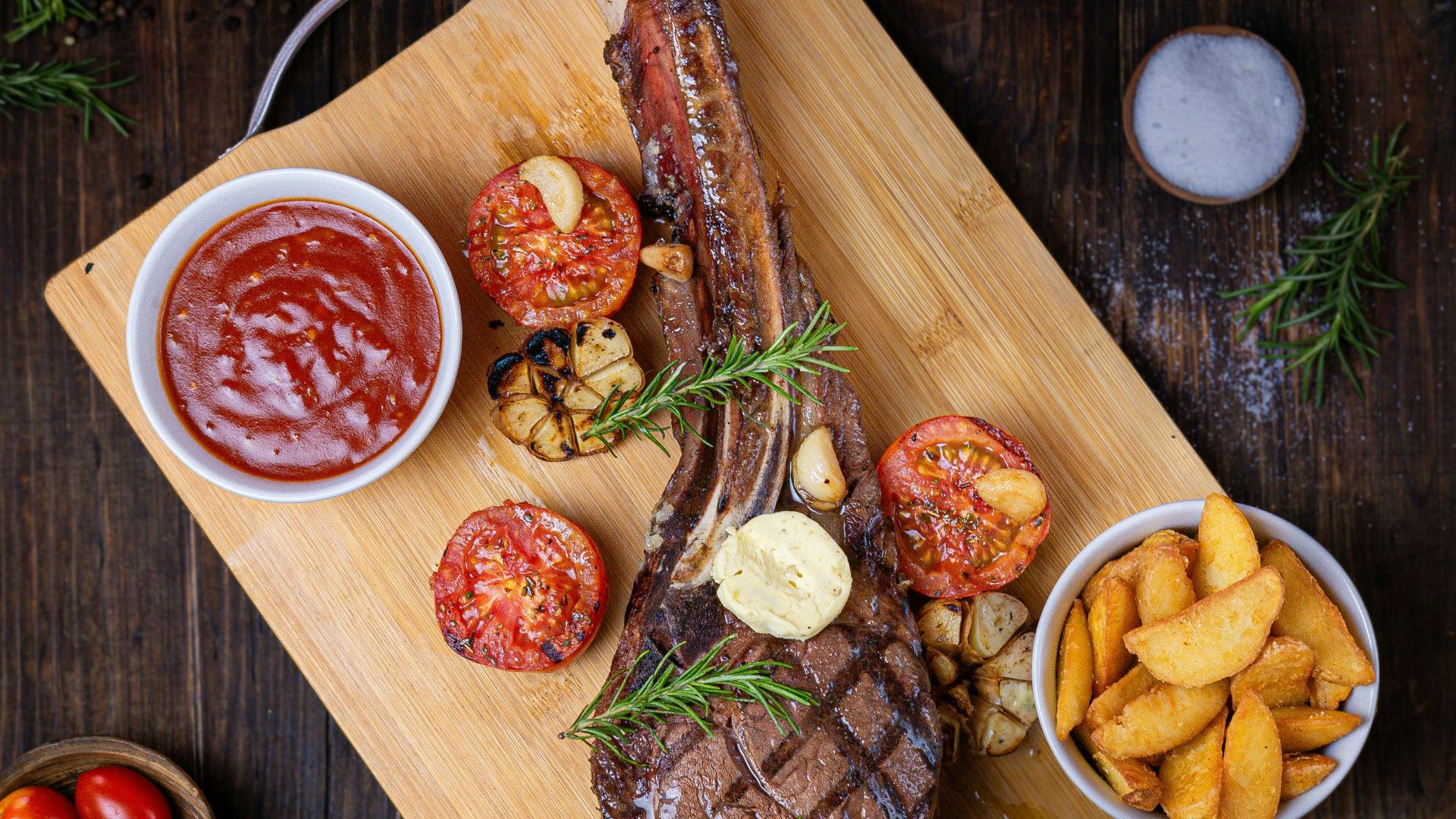
5. Alabama White Sauce
Big Bob Gibson created this mayonnaise-based sauce in 1925, shocking the barbecue world with something that looked completely wrong but tasted completely right. Mayonnaise, apple cider vinegar, horseradish, and black pepper form a tangy, creamy sauce that's particularly stunning on smoked ribs.
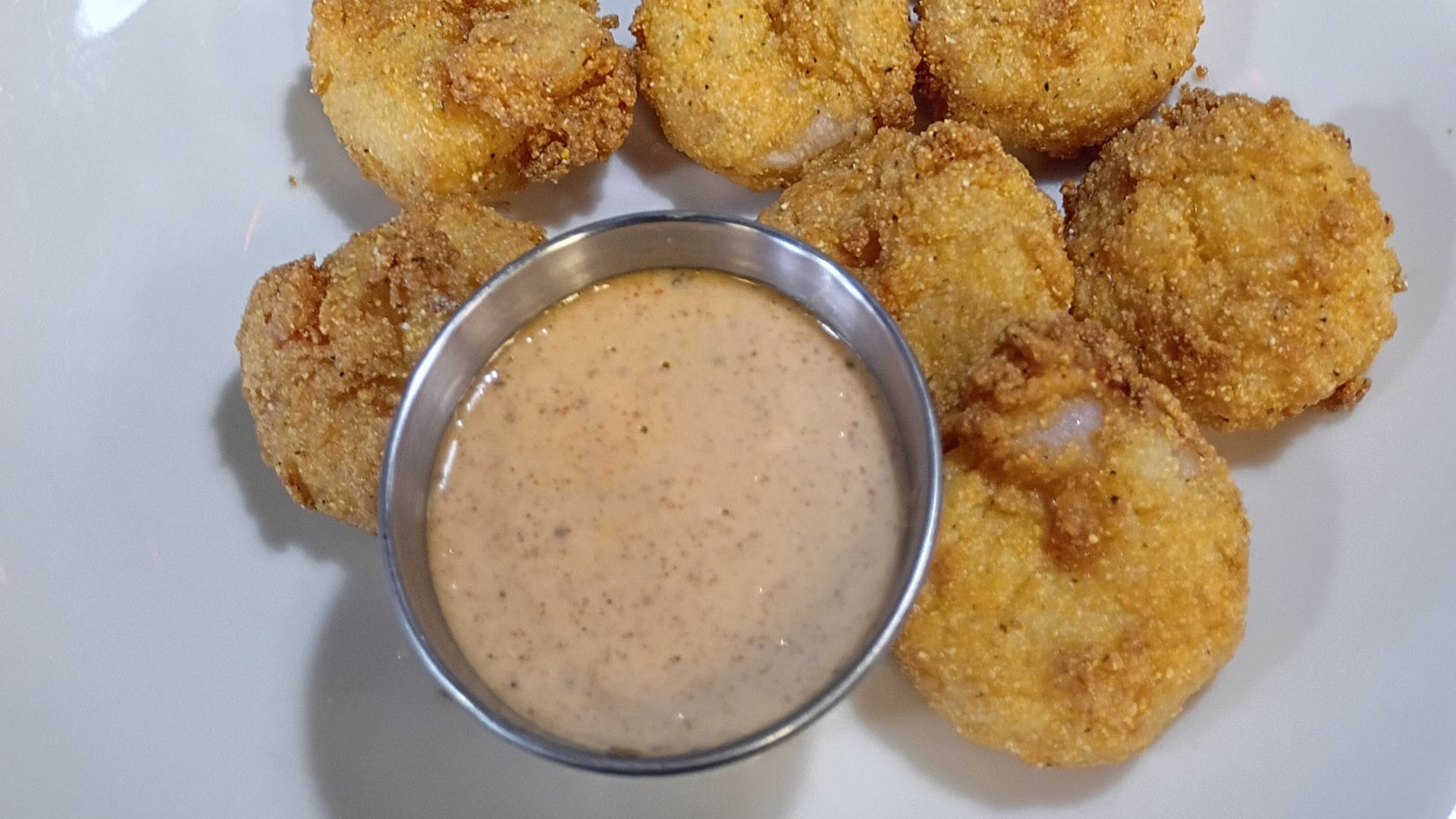
6. St. Louis-Style BBQ Sauce
Tomato sauce forms the base, sweetened moderately with molasses and brown sugar, then sharpened with more vinegar than KC sauce uses. This balance emerged from St. Louis's position as a river city with influences from both North and South.
 Whitebox at English Wikipedia on Wikimedia
7. Eastern Carolina Vinegar Sauce
It's all about simplicity. Vinegar, red pepper flakes, salt, and black pepper, nothing more. Eastern North Carolina pit masters, who have cooked whole hogs over wood coals since the colonial era, wanted something that enhanced pork without competing with the smoke flavor.
8. Honey Bourbon BBQ Sauce
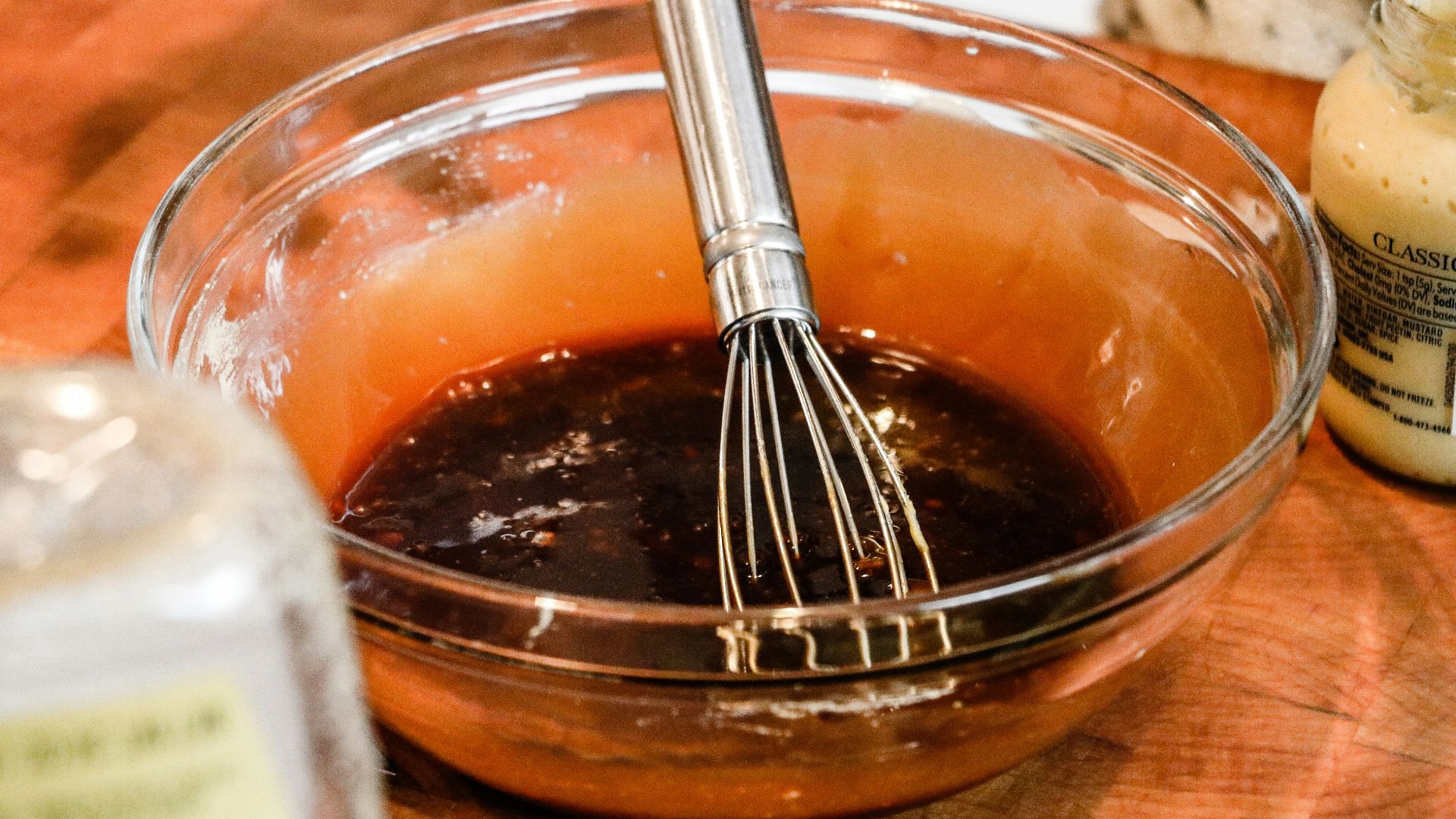
Honey Bourbon BBQ Sauce blends sticky sweetness with a warm bourbon kick, creating a glossy glaze that caramelizes perfectly on ribs. The honey adds natural richness, while smoked spices round it out. Brush it on during the final grill minutes for maximum flavor.
9. Spicy Brown Sugar BBQ Sauce
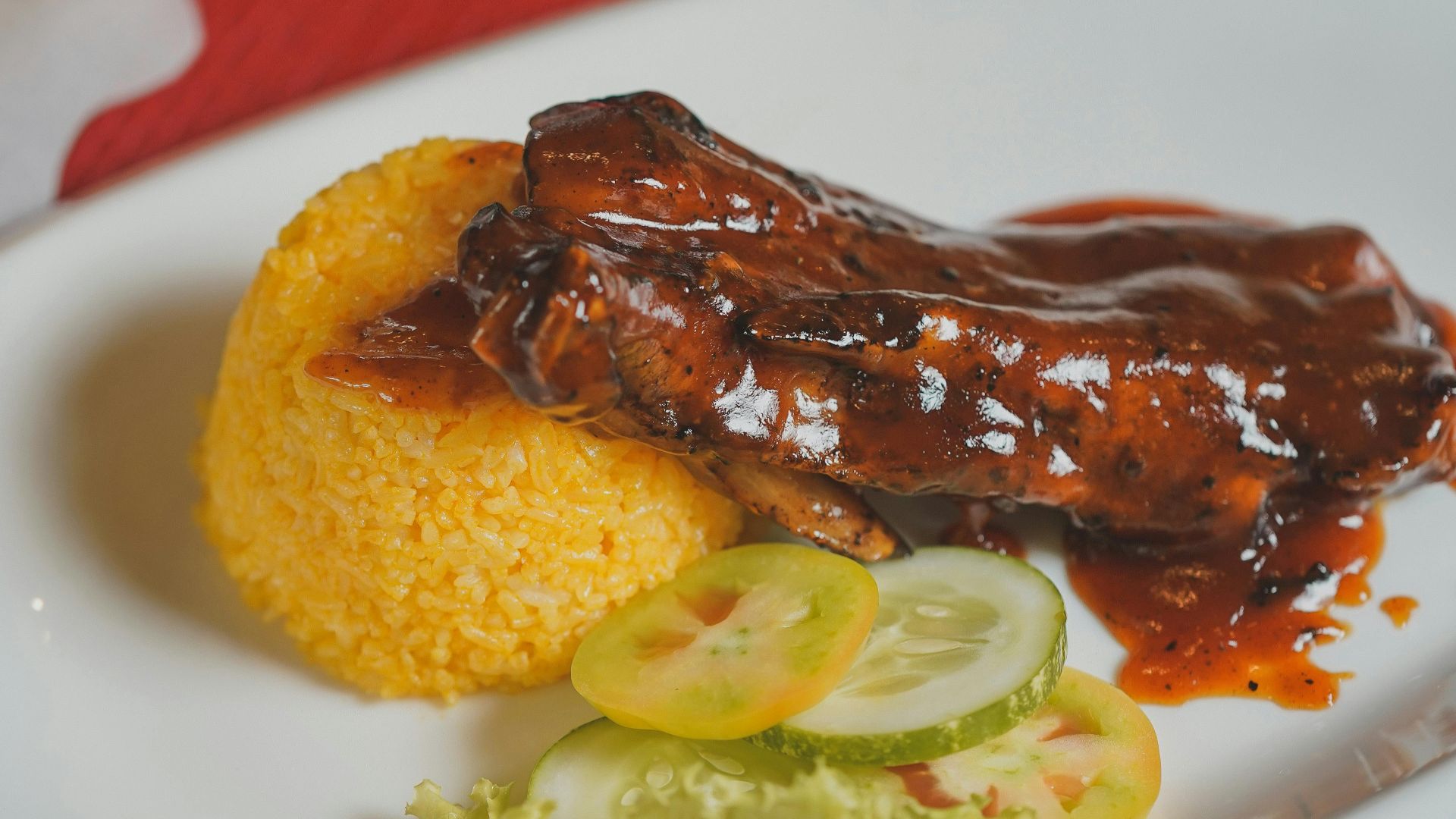
Heat and sweetness battle for dominance in this sauce, creating the kind of balanced intensity that keeps people reaching for another rib. Cayenne pepper, chili powder, and sometimes fresh jalapeños provide the fire, while a touch of honey smooths out the edges.
 David Jackmanson from Melbourne, Australia, Australia on Wikimedia
10. Smoky Chipotle BBQ Sauce
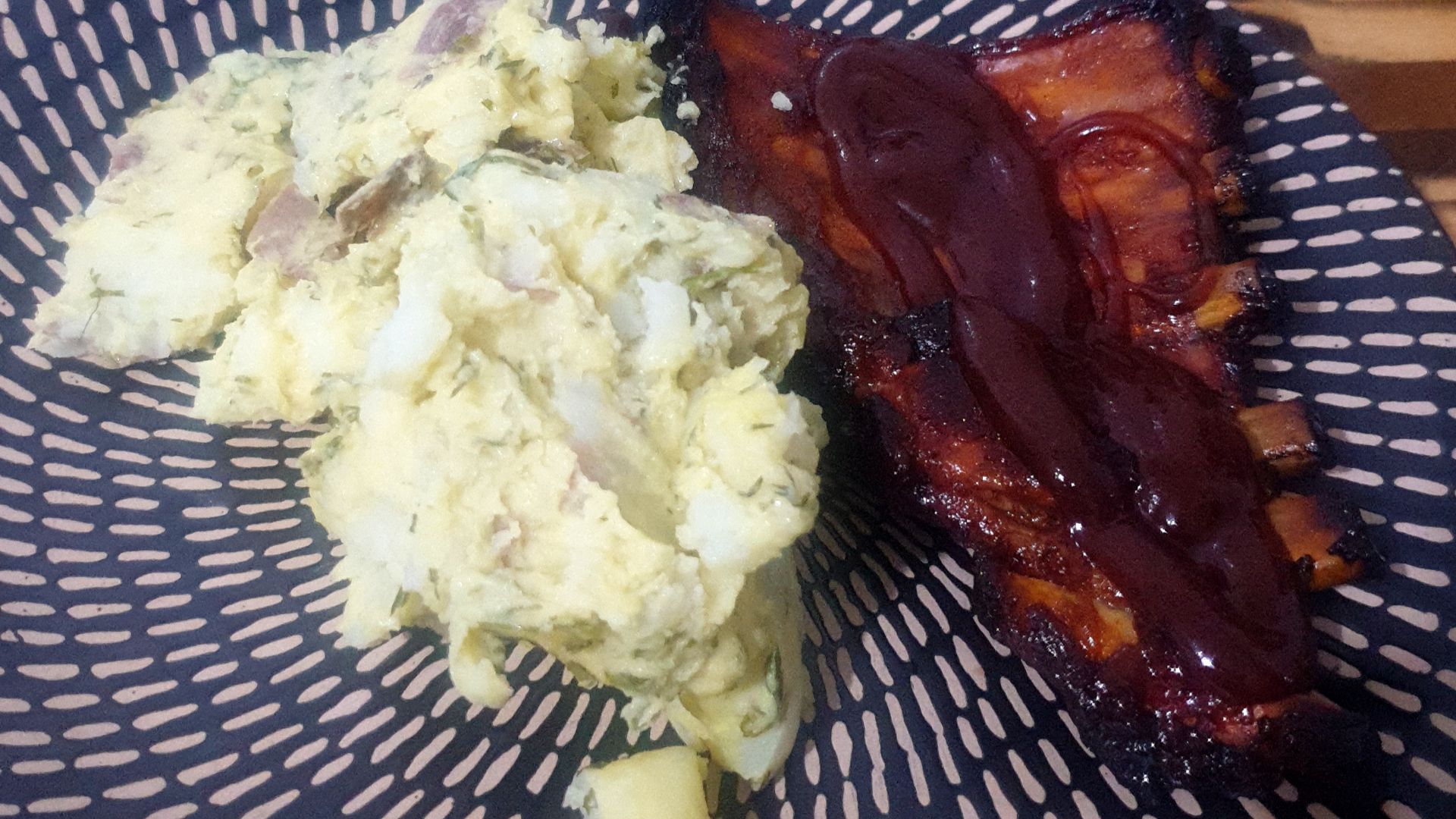
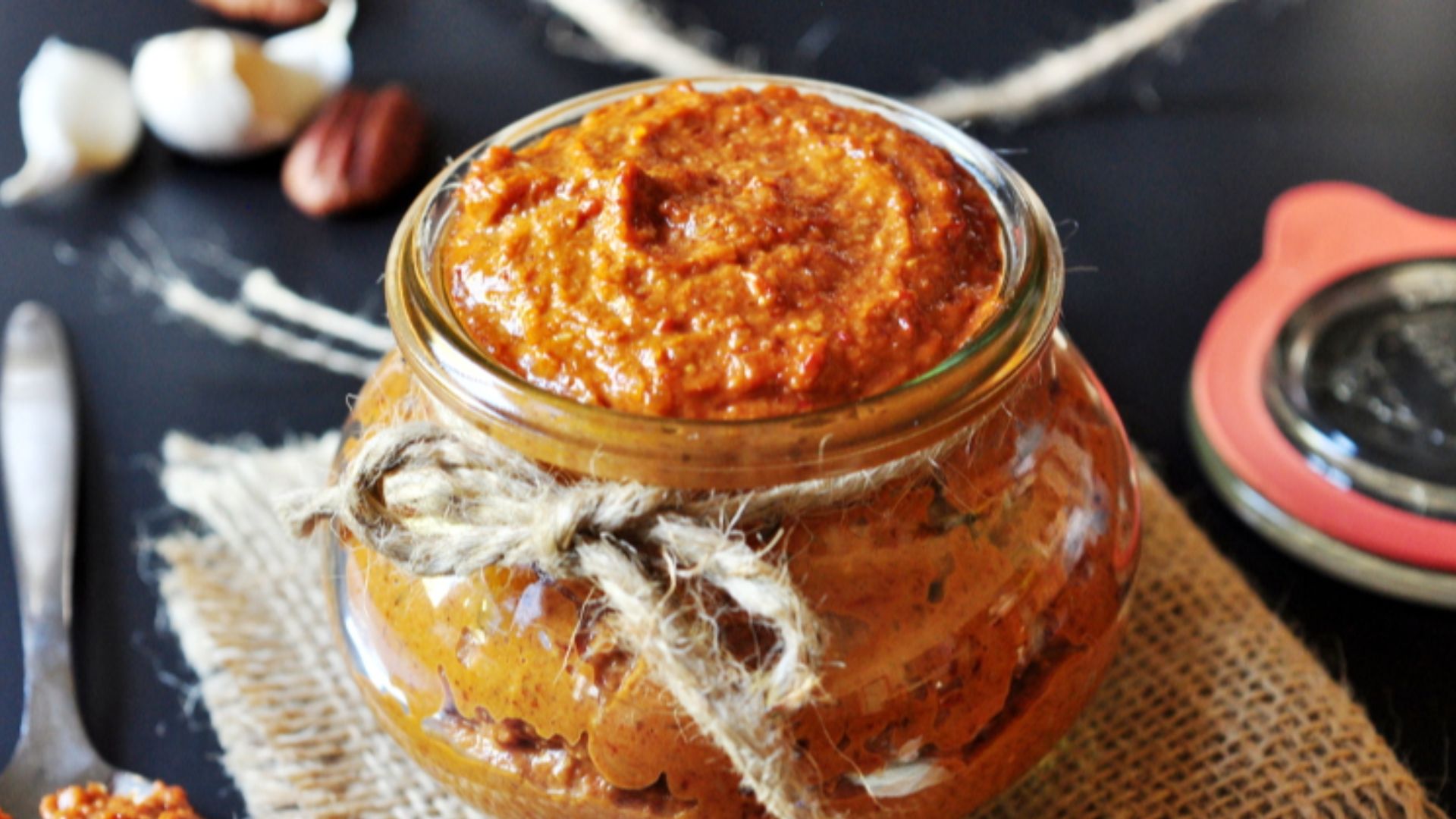
Chipotle peppers—smoke-dried jalapeños—bring a double dose of smokiness that intensifies what the pit already provides. Mexican influence on American barbecue culture shows clearly here, with adobo sauce, cumin, and lime juice joining tomato and molasses bases.
 Sharon Chen from Austin, United States on Wikimedia
1. Memphis Dry Rub
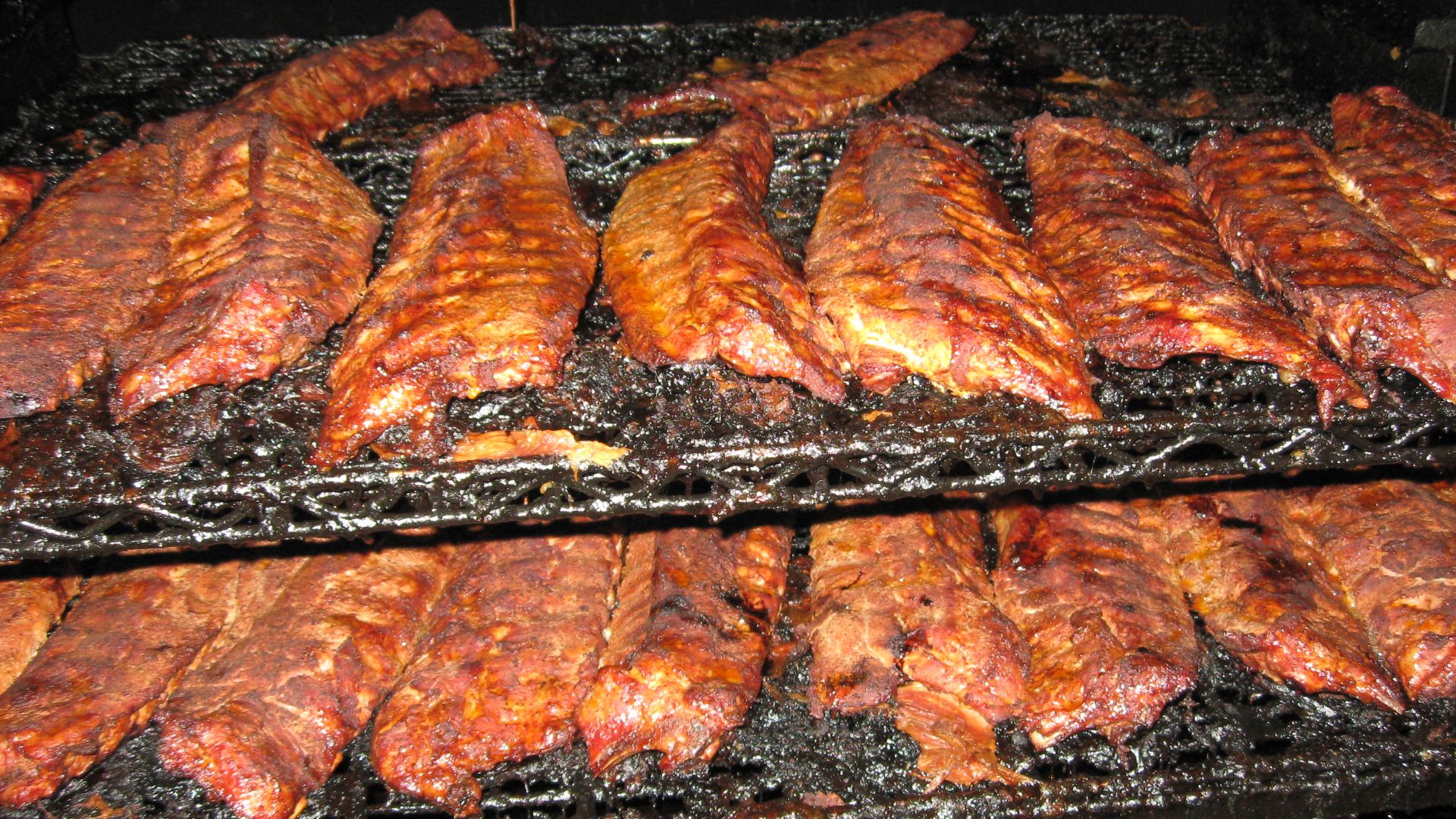
Rendezvous restaurant's Charlie Vergos refused to sauce his ribs in 1948, sparking a Memphis tradition that proved barbecue didn't need liquid to achieve perfection. The rub builds complexity through layering: paprika for sweetness and color, garlic and onion powders for savory depth.
 Southern Foodways Alliance on Wikimedia
2. Texas-Style Beef Rib Rub
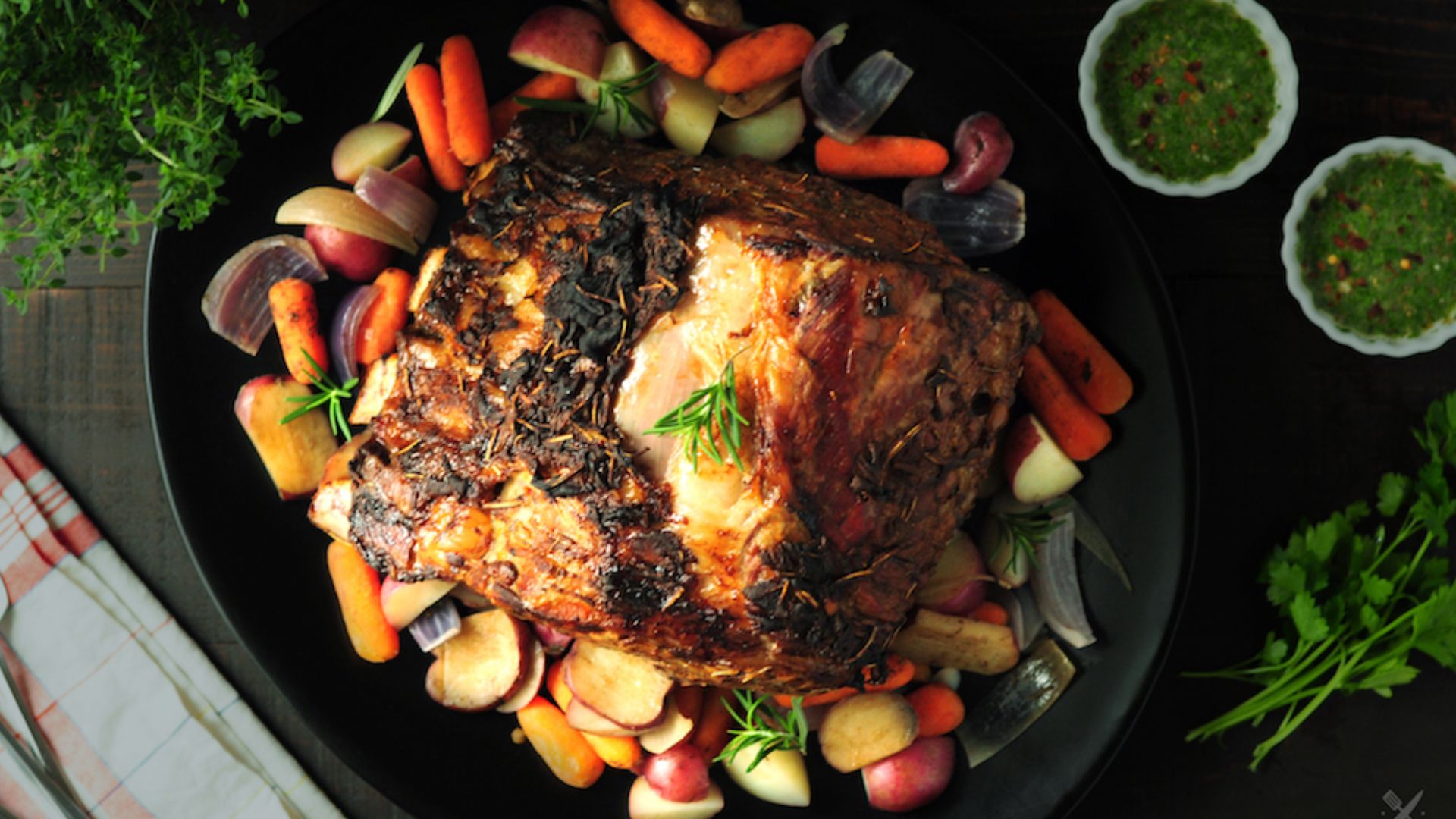
If you're working with prime beef ribs where marbling runs thick and the meat costs a fortune, why would you mask it with fifteen spices? Central Texas answered this question with brutal simplicity: coarse black pepper and kosher salt, period.
 Sharon Chen from Austin, United States on Wikimedia
3. Kansas City Sweet Rub
The mahogany crust on championship Kansas City ribs doesn't happen by accident—it requires brown sugar, making up nearly fifty percent of the rub's composition. Paprika provides the red-brown color, while chili powder, garlic, onion, and celery salt build savory layers beneath the sweetness.
4. Competition-Style Pork Rub
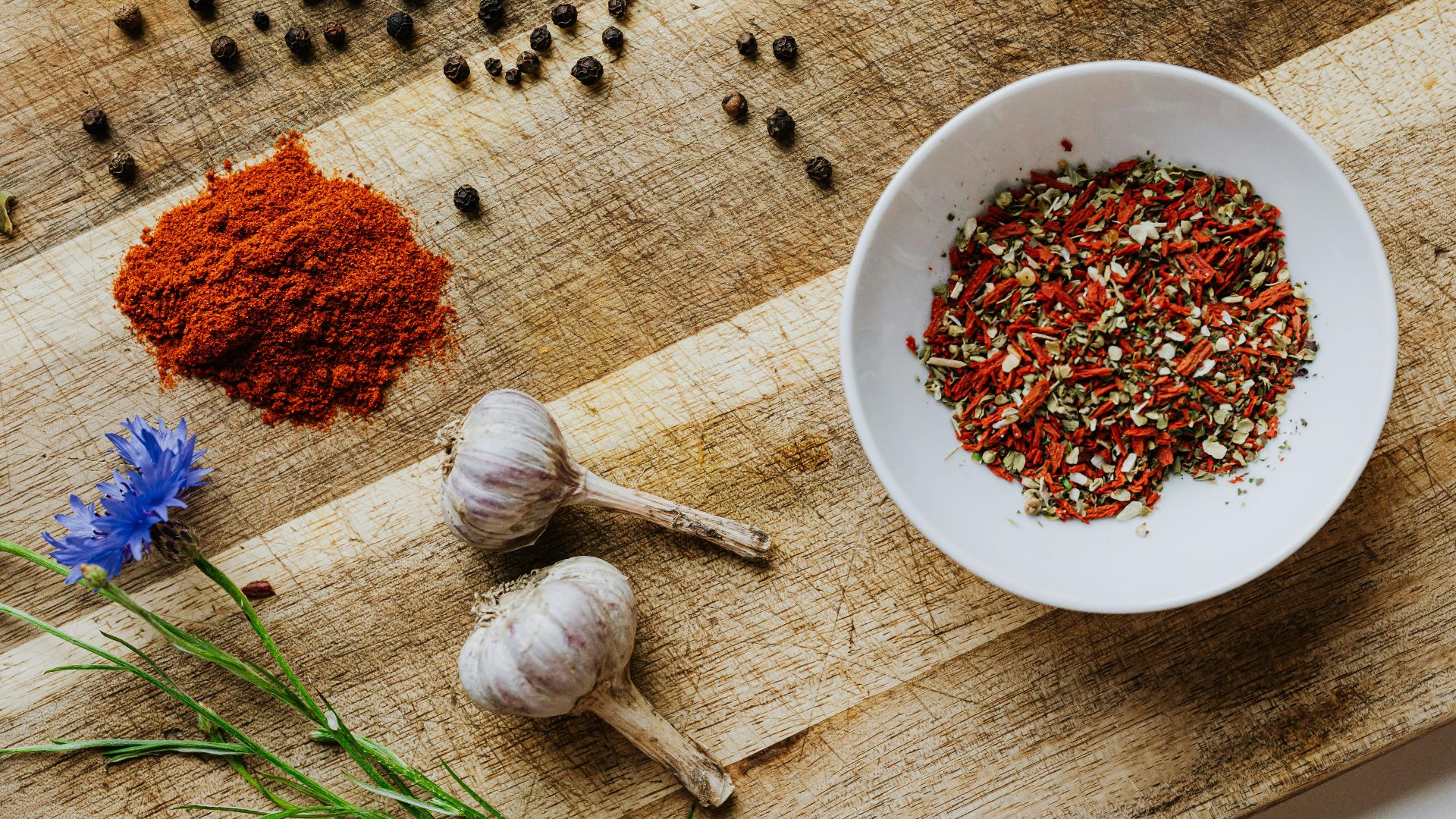
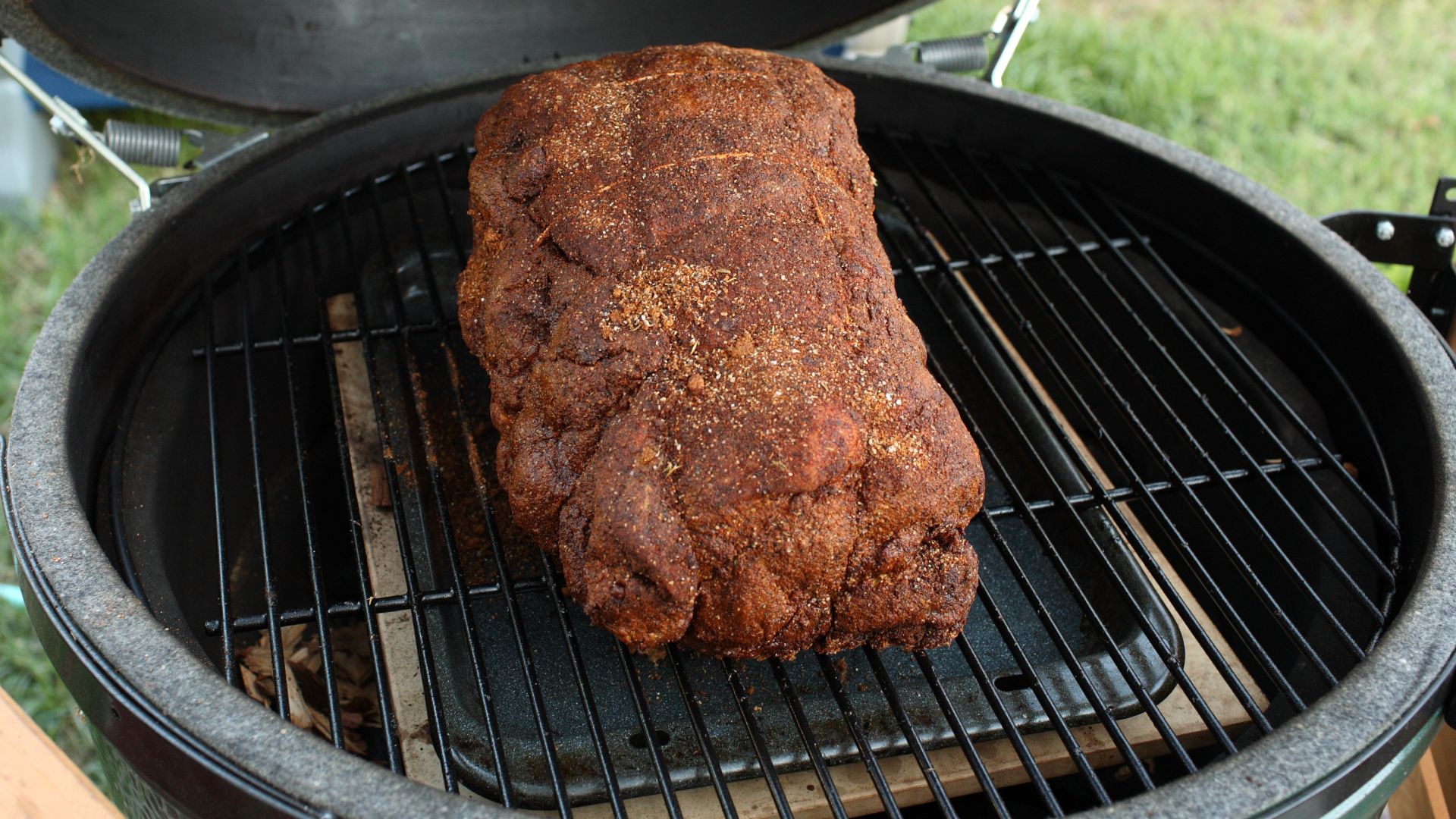
When thousands of dollars ride on a single rack of ribs, every ingredient choice becomes strategic rather than traditional. Turbinado sugar's larger crystals craft a better bark texture than brown sugar's fine grind, while layering black pepper, white pepper, and cayenne builds heat.
 Mfield, Matthew Field, http://www.photography.mattfield.com on Wikimedia
5. Brown Sugar And Paprika Rub
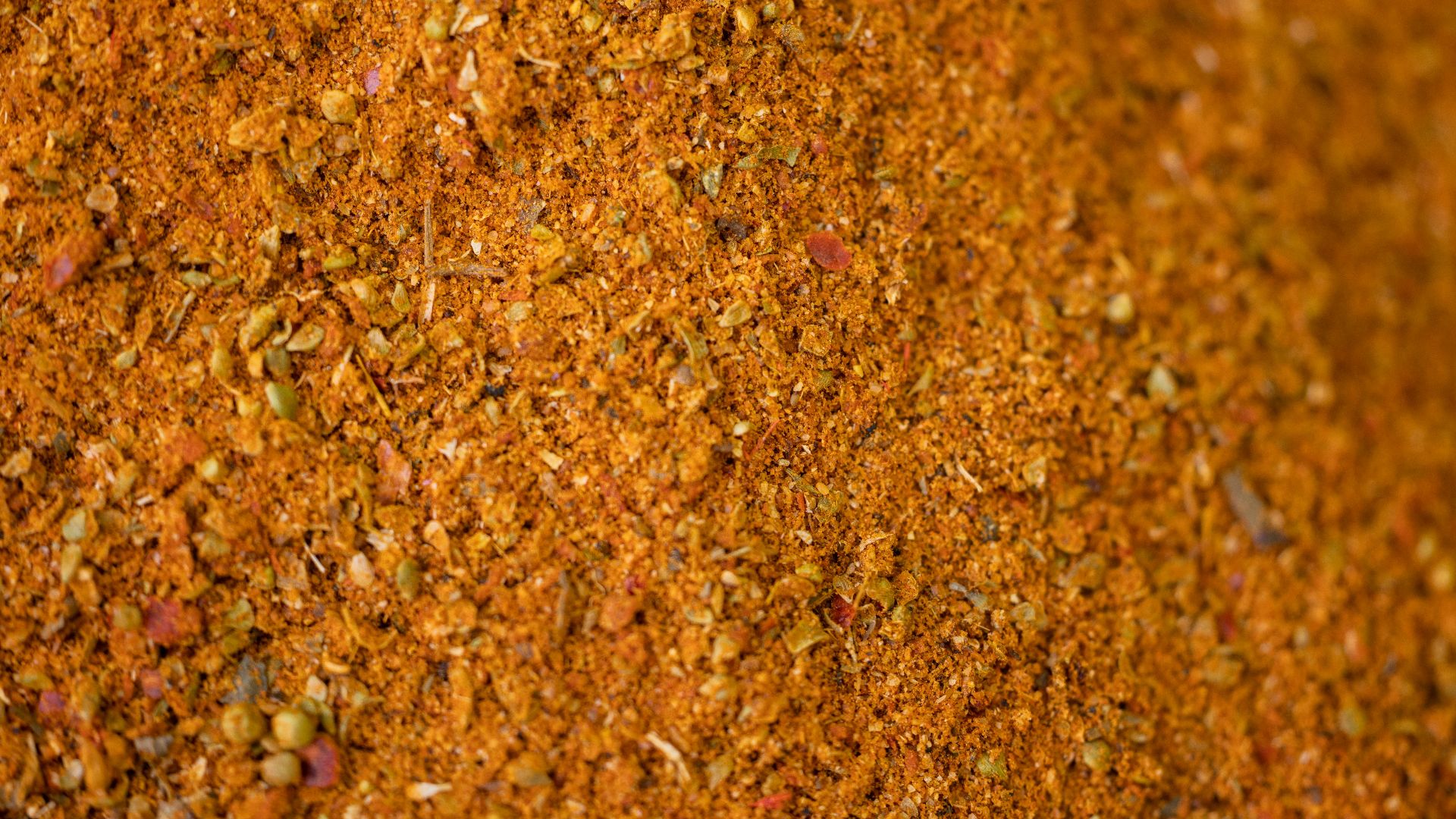
Sometimes the most reliable performer isn't the flashiest. This two-ingredient foundation (plus supporting players) delivers consistently excellent ribs without drama or complexity. Garlic and onion powders appear at about one-quarter the paprika amount, rounding out flavor without announcing themselves.
6. Coffee And Chili Rub
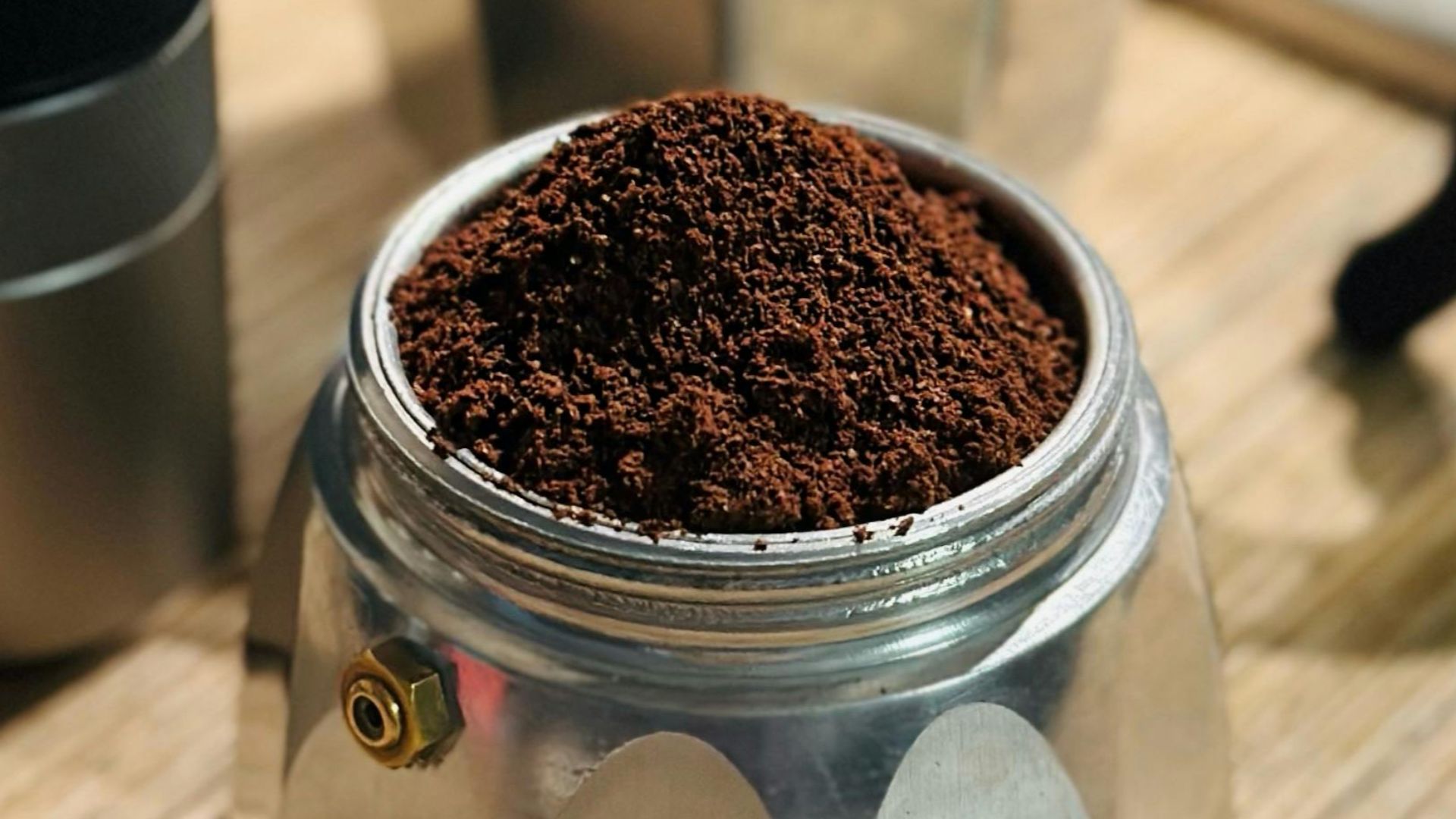
The first time judges at the American Royal saw ribs with an almost black bark in the 1990s, they were skeptical until they tasted them. Finely ground coffee gives colors and flavors impossible to achieve with traditional spices.
7. Sweet And Smoky Rub
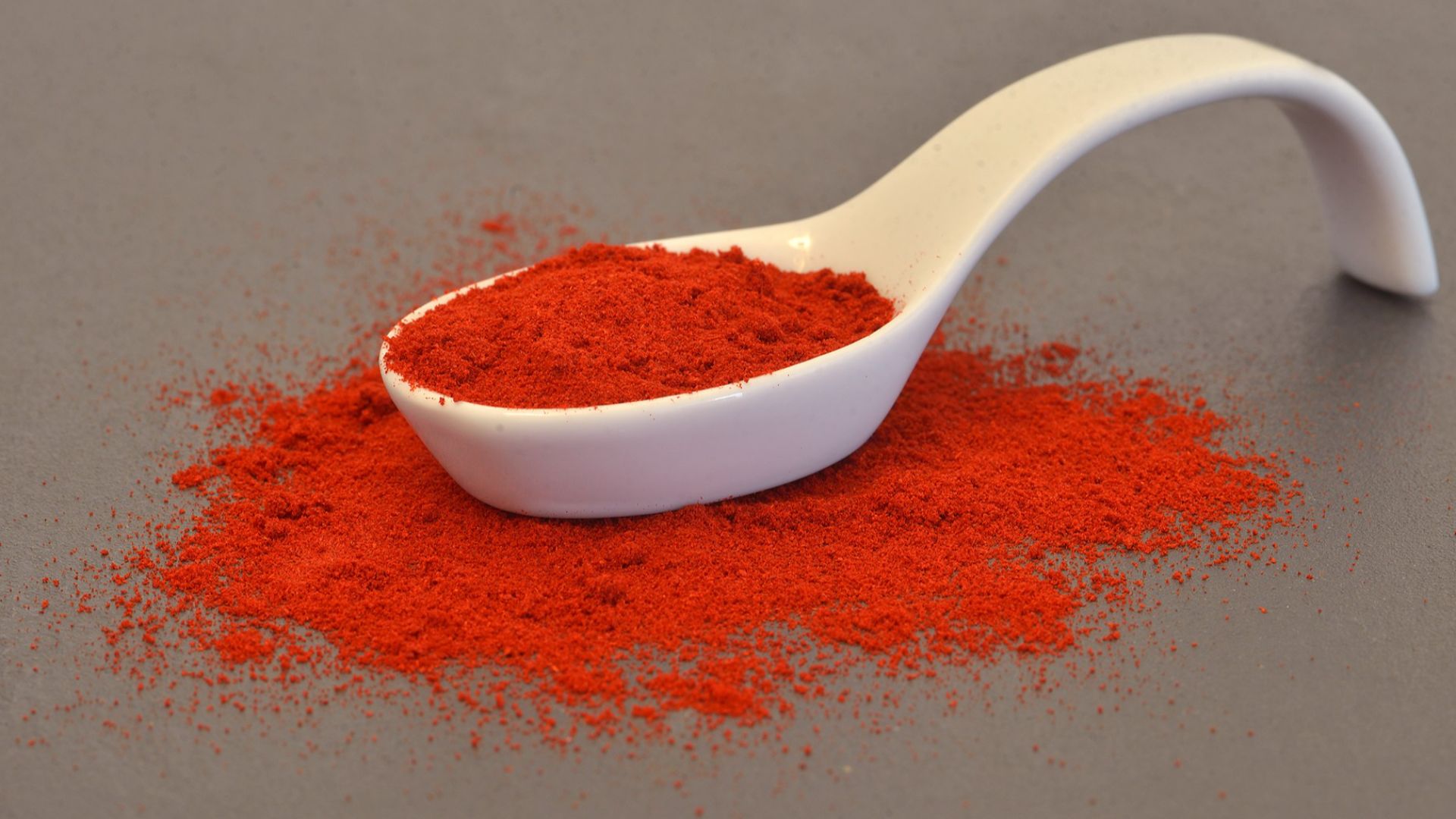
Gas grill owners face a fundamental problem: how to get smoke flavor without a stick burner or charcoal smoker? This rub solves it through Spanish pimentón—paprika smoke-dried over oak fires—which brings authentic wood flavor regardless of your cooking method.
8. Peppery Garlic Rub
Most American rubs lean sweet, catering to the national preference for barbecue that tastes like candy, but this blend takes a different path entirely. Black pepper leads the charge with an assertive bite, followed by granulated garlic that provides texture.
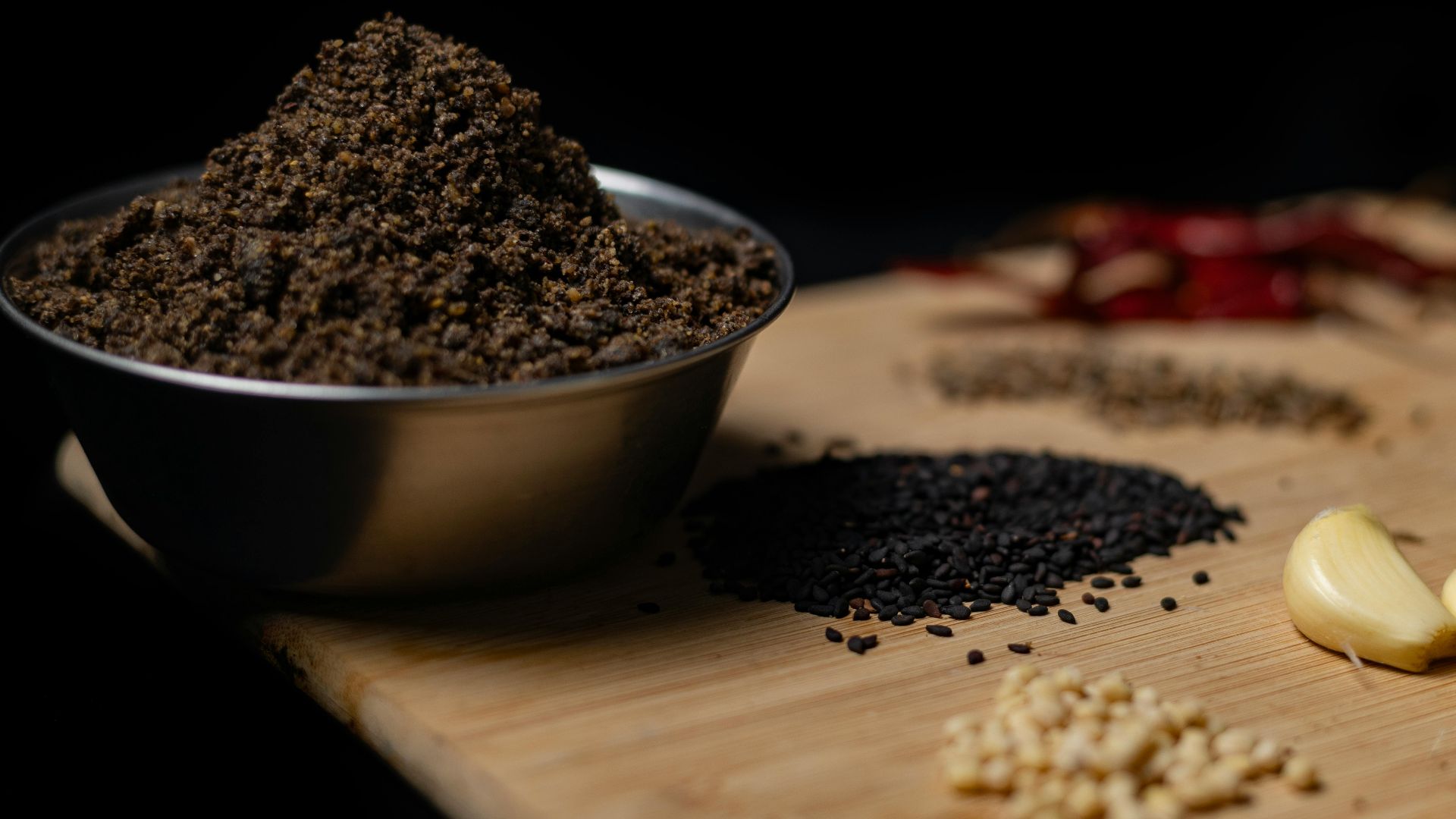
9. Maple Brown Sugar Rub
Vermont pit masters looked at their state's signature product and asked the obvious question: Why aren't we putting this on ribs? Maple sugar introduces woodsy complexity that regular sugars cannot match, with subtle notes that complement smoke as if they were designed together.
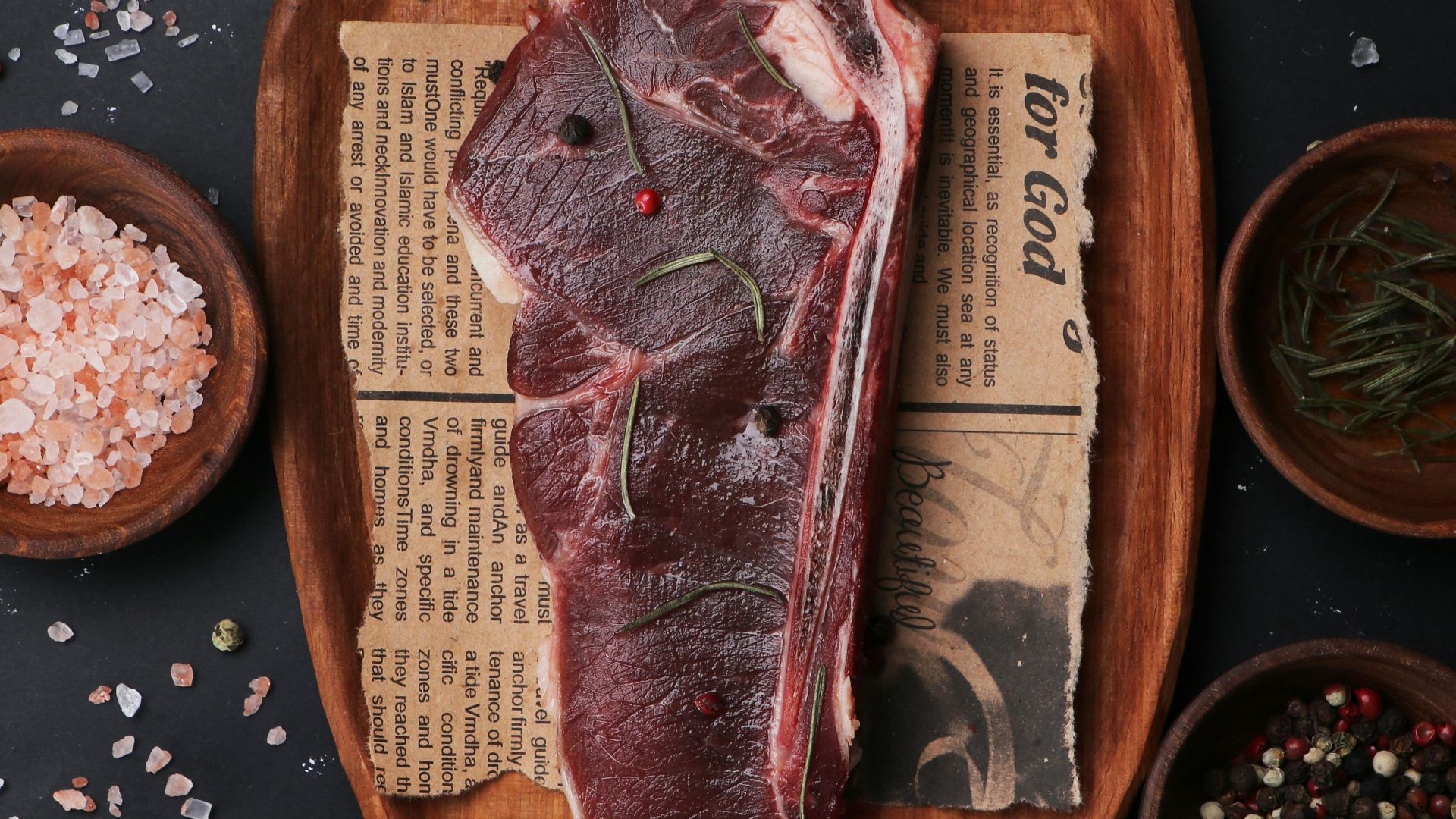
10. Cayenne And Cumin Rub
Where Texas barbecue tradition meets New Mexico chile culture, you find ribs coated in this heat-forward blend that tastes like the border itself. The cumin ratio requires precision—too much, and the ribs taste like tacos, too little, and you've wasted the ingredient.
KEEP ON READING

The Most Popular Signature Dishes Around the World