Decoration Or Disaster
Nobody thinks much about that little piece of citrus until it's brown and shriveled, and suddenly, your expensive cocktail looks like it came from a gas station. The difference between great garnishes and terrible ones isn't complicated, but it changes everything about how your drink tastes, smells, and looks. Here are the 10 worst garnishes you don't want, and 10 amazing ones that level up your experience.

1. Wilted Mint
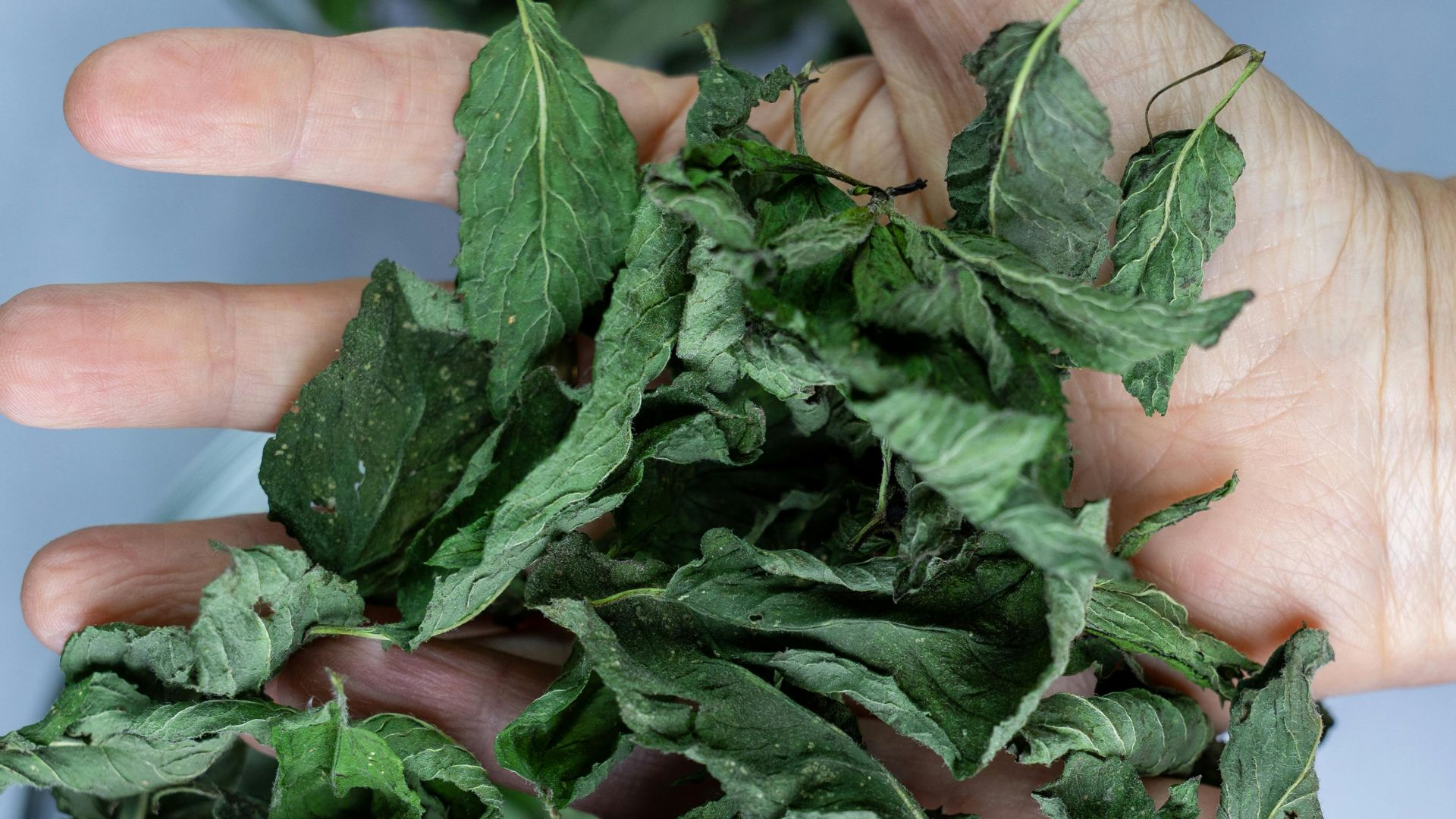
You're handed a mojito crowned with limp, browning mint leaves that look like they've been through a war. As mint deteriorates, it develops unpleasantly bitter, "spoiled" flavors that contaminate your drink rather than enhance it.
2. Glitter Or Edible Dust
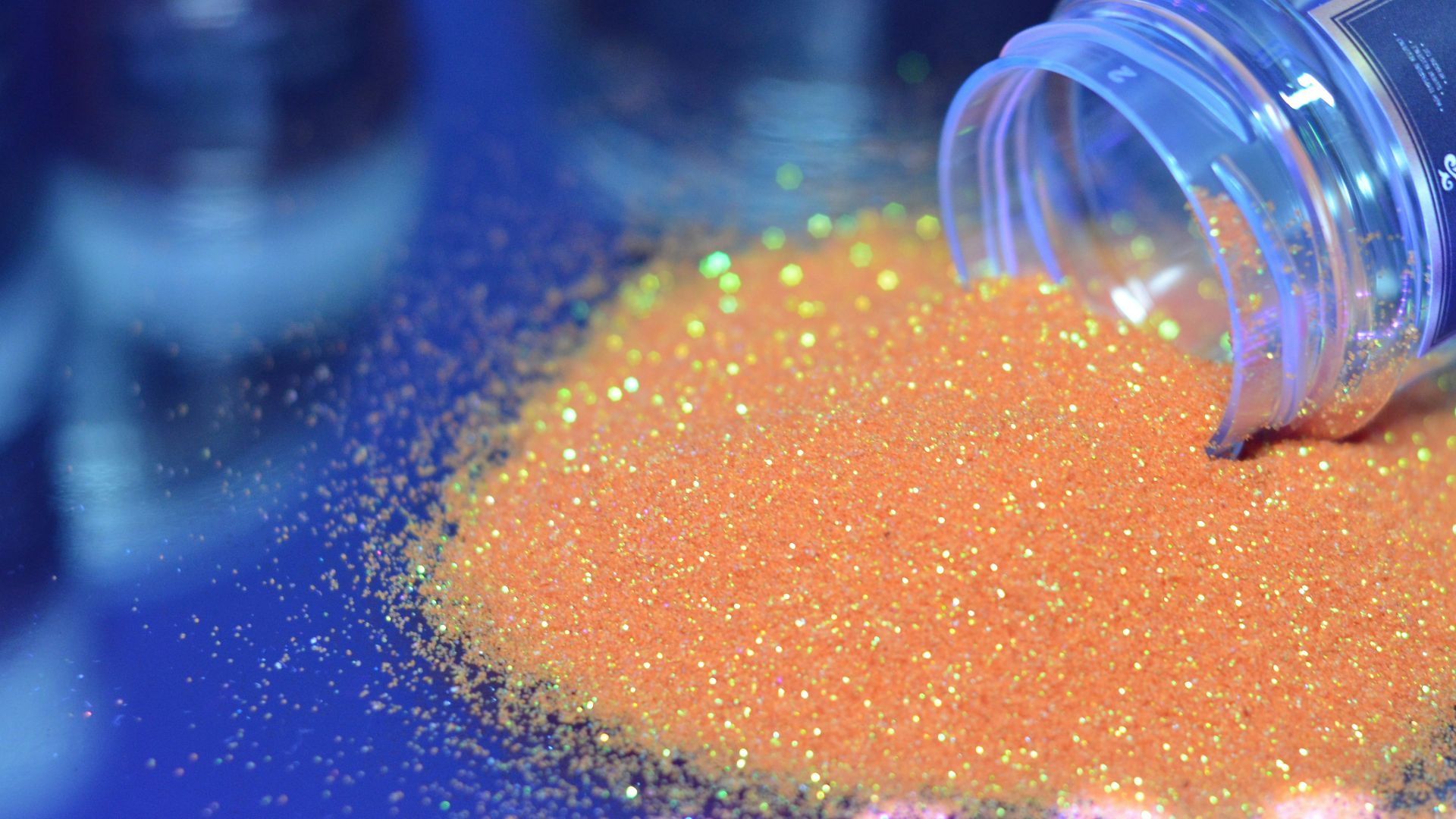
At first glance, edible dust promises drama and sparkle. In reality, it often floats awkwardly, clumps together, or leaves a gritty coating on the tongue. This garnishing option distracts from aroma and balance, making the drink feel gimmicky.
3. Oversized Fruit Skewers
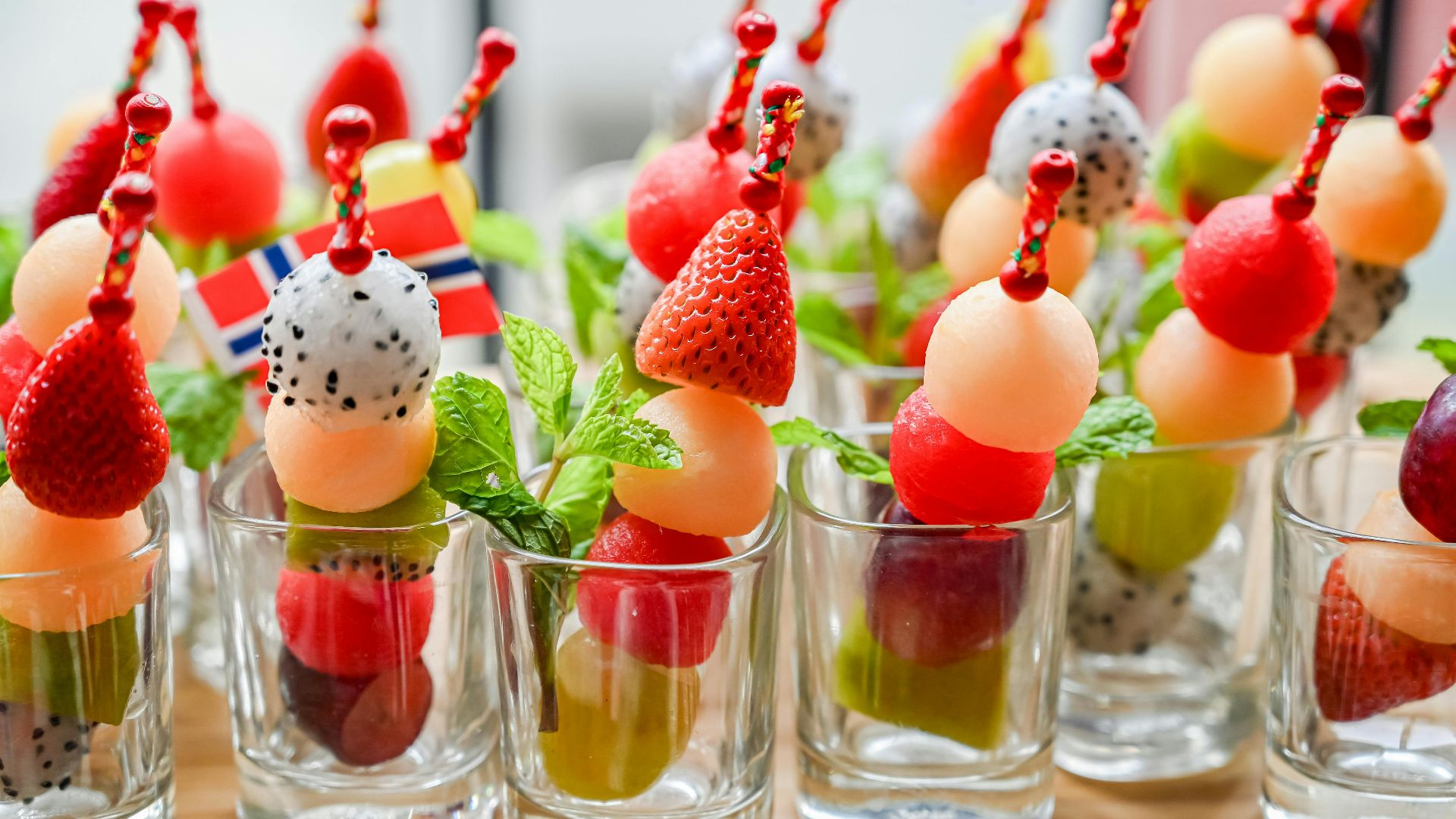
Oversized Fruit Skewers became fashionable in the 19th century, when bartenders competed by adding excessive amounts of fruit, but functionality got lost in the showmanship. The practical problems are immediate: oversized skewers don't fit in the glass properly, and are awkward to handle.
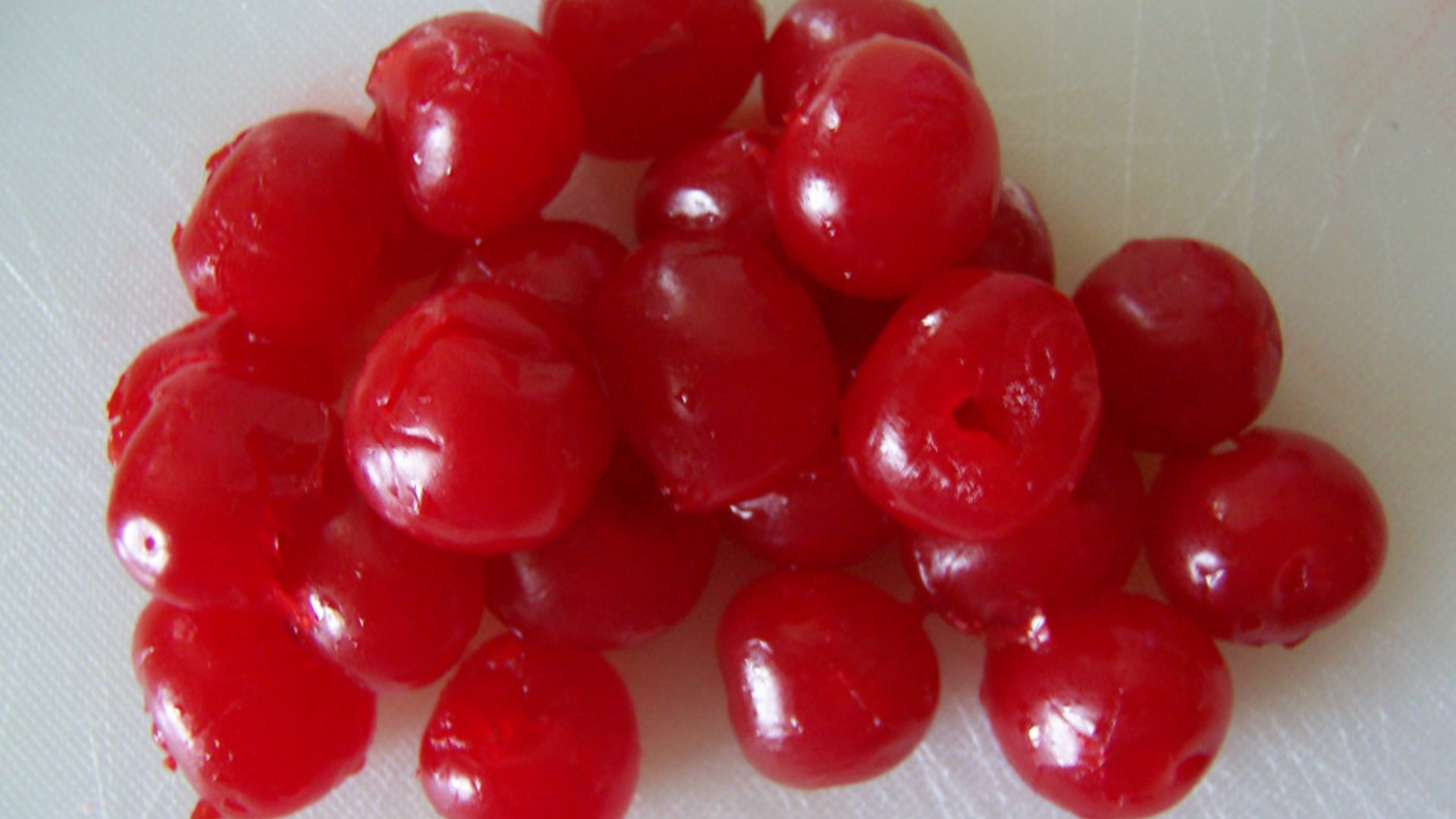
4. Stale Maraschino Cherries
Bright red commercial maraschino cherries are American knockoffs of authentic Luxardo cherries, loaded with high fructose corn syrup, artificial flavors, and preservatives that make them more candy-like. The original maraschino cherries, invented by Luxardo in 1905, were fresh cherries preserved in maraschino liqueur.
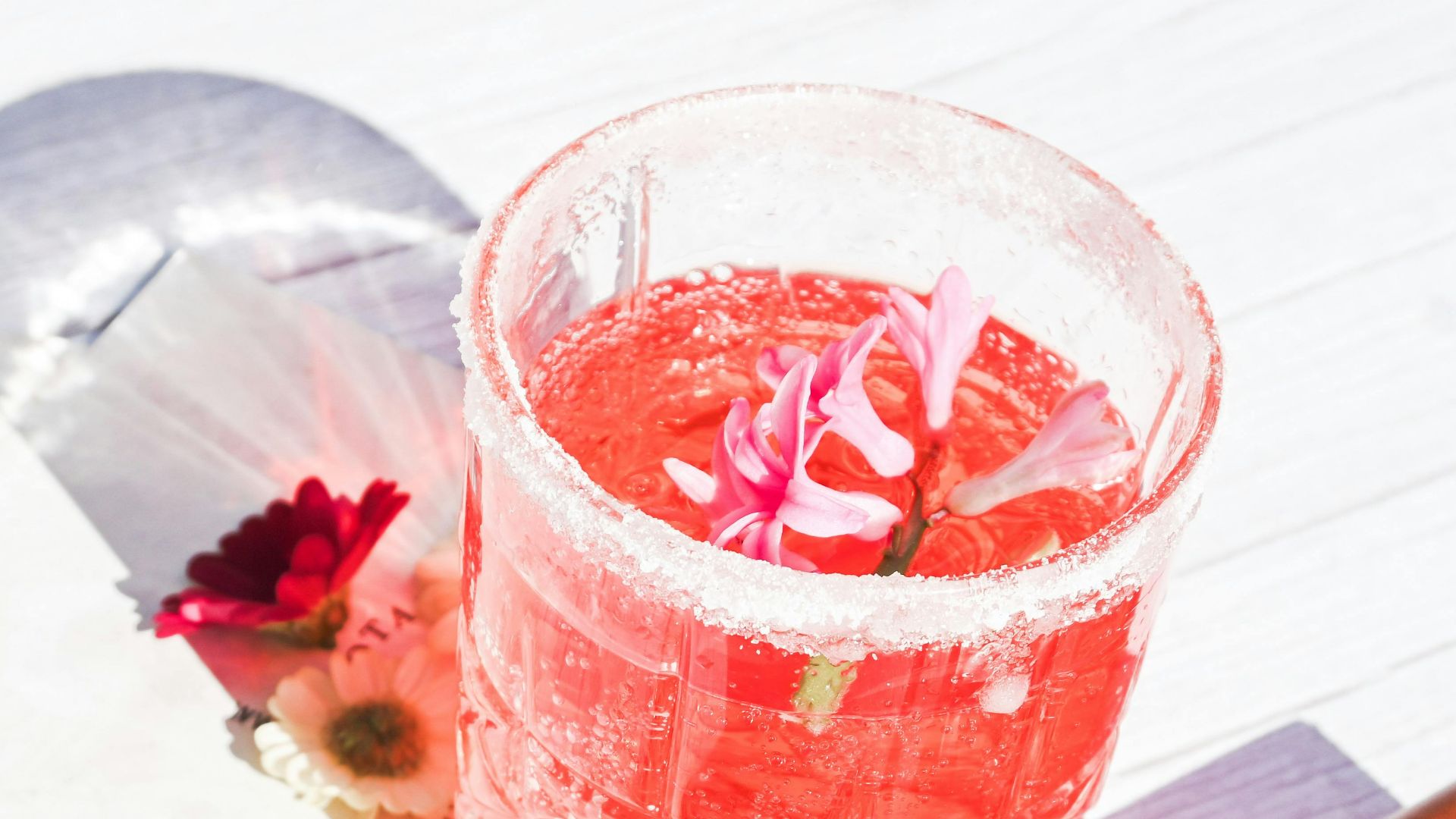
5. Non-Edible Flowers
Not all flowers belong in your drink, and mistaking decorative blooms for edible ones creates genuine safety hazards. While edible varieties like violets, pansies, orchids, lavender, roses, and hibiscus add beautiful visual appeal and delicate flavors, many flowers are toxic.
6. Soggy Celery Stalks
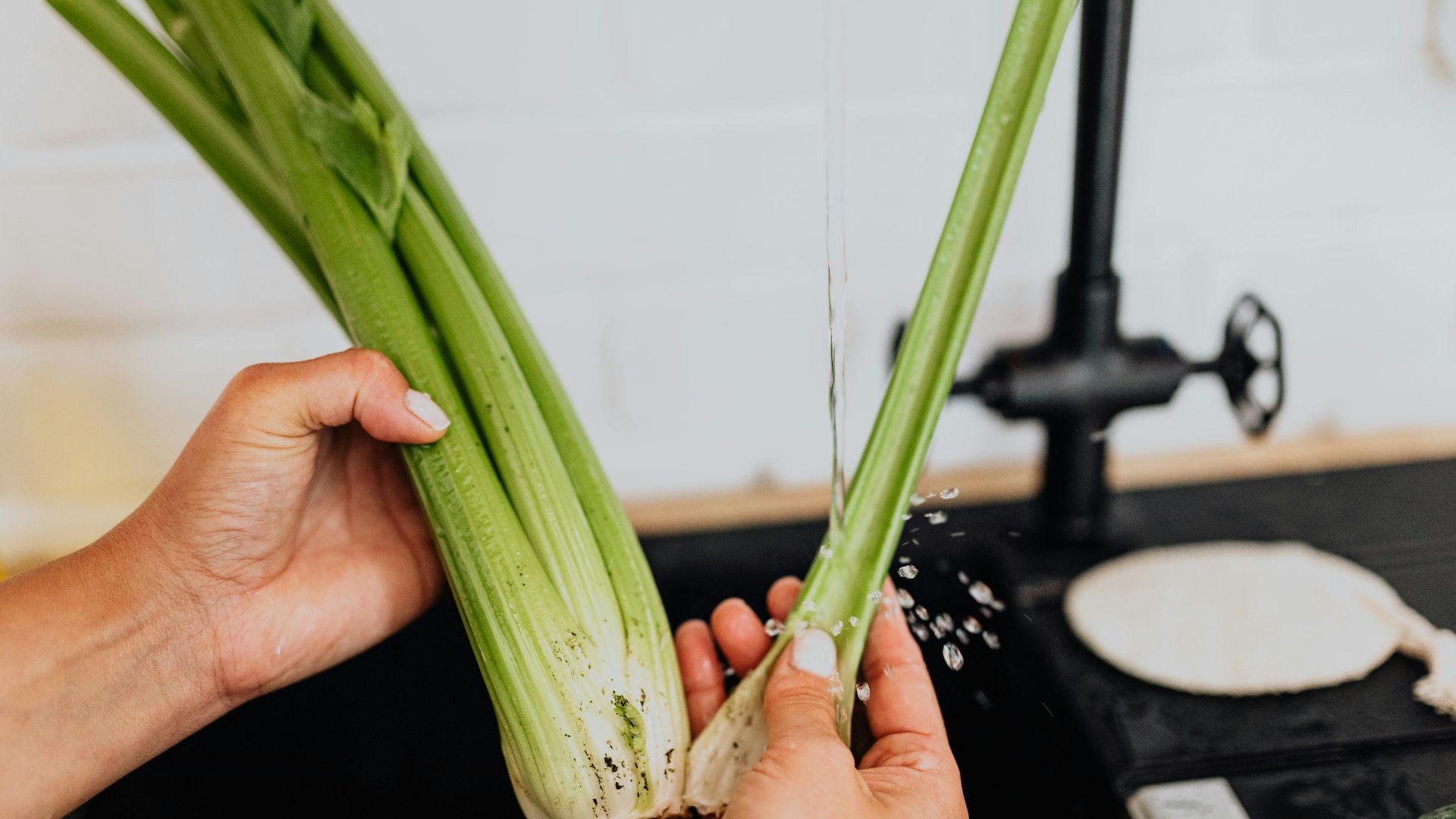
Beyond signature cocktails, celery garnishes have limited applications—and when they're wilted or waterlogged, they become completely unappealing. Former bartenders recount the depressing sight of limp celery stalks bobbing in brunch cocktails, creating an unappetizing visual that undermines even well-crafted drinks.
7. Pre-Cut Citrus Wheels (Days Old)
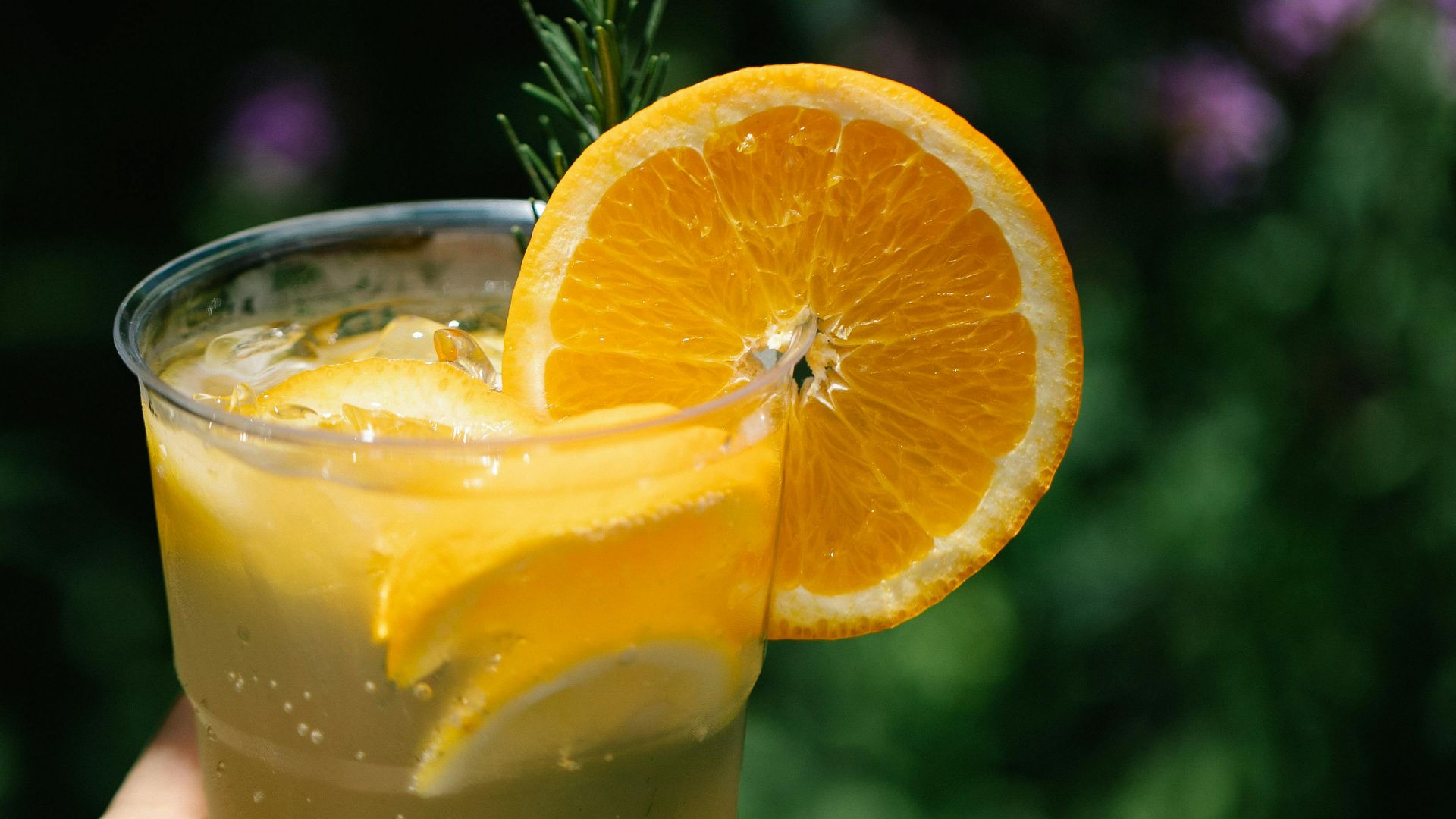
Freshness separates professional bartenders from amateurs, and nowhere is this more apparent than with citrus garnishes. Pre-cut lemon, lime, and orange wheels lose their vibrancy within hours, developing dried edges, faded colors, and diminished aromatic oils that make them practically worthless.
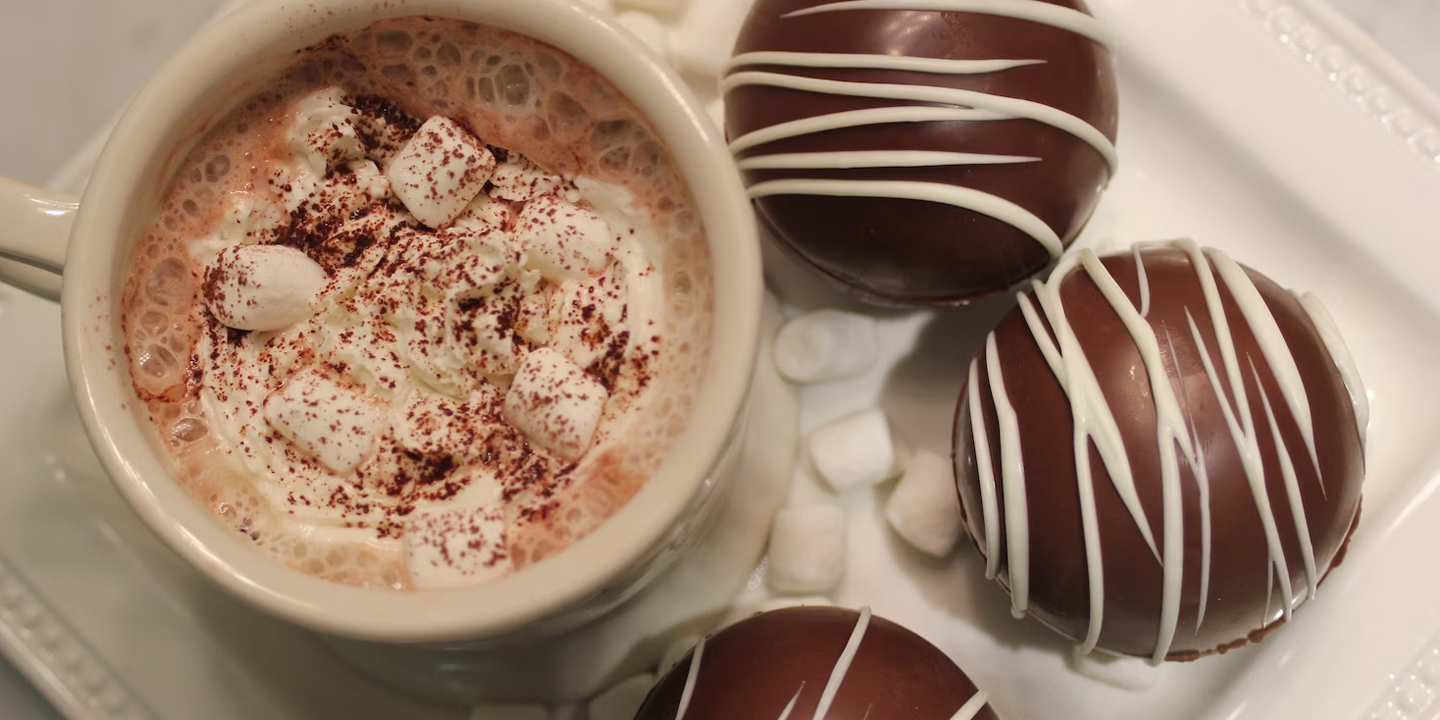
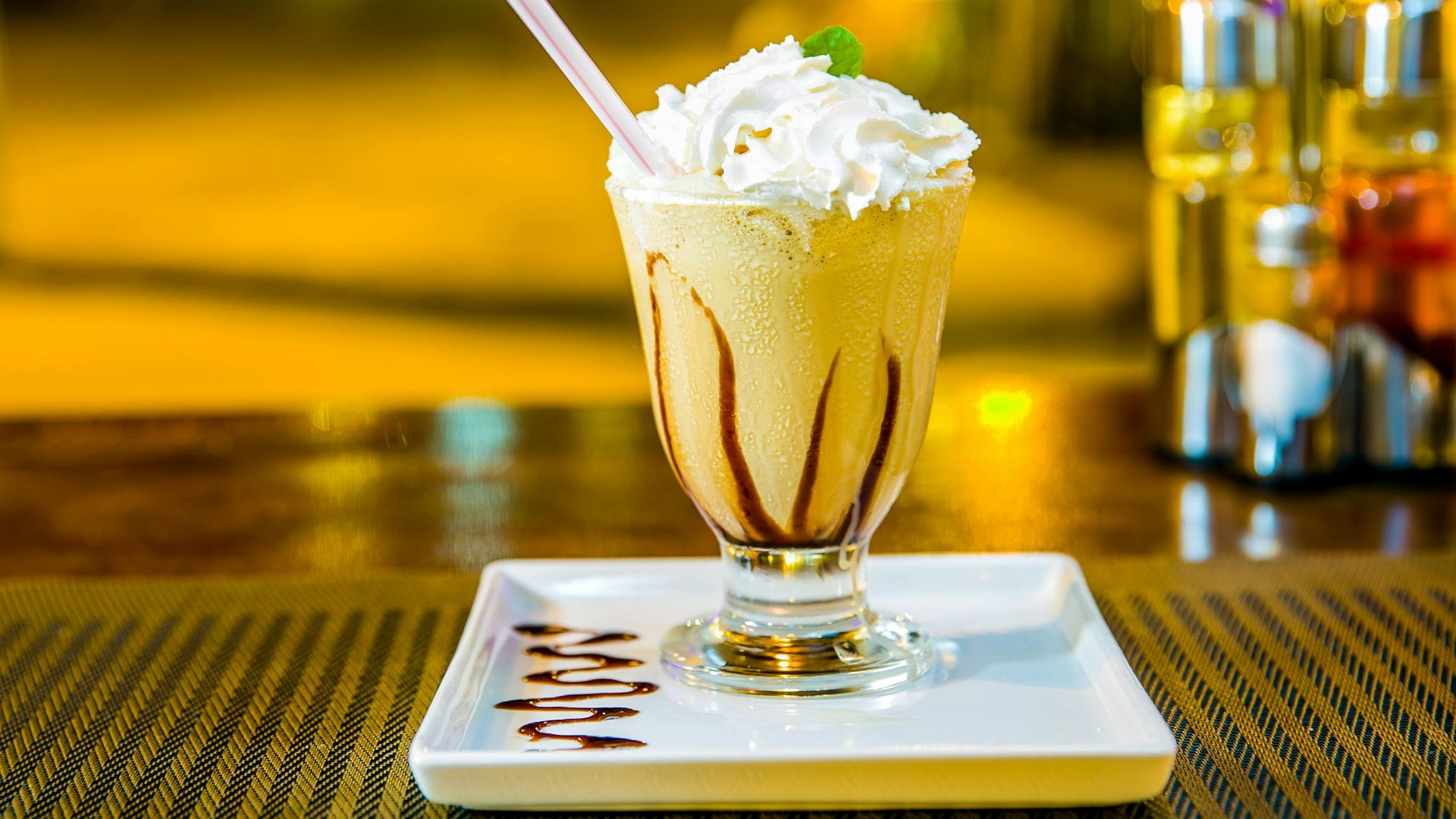
8. Excessive Whipped Cream
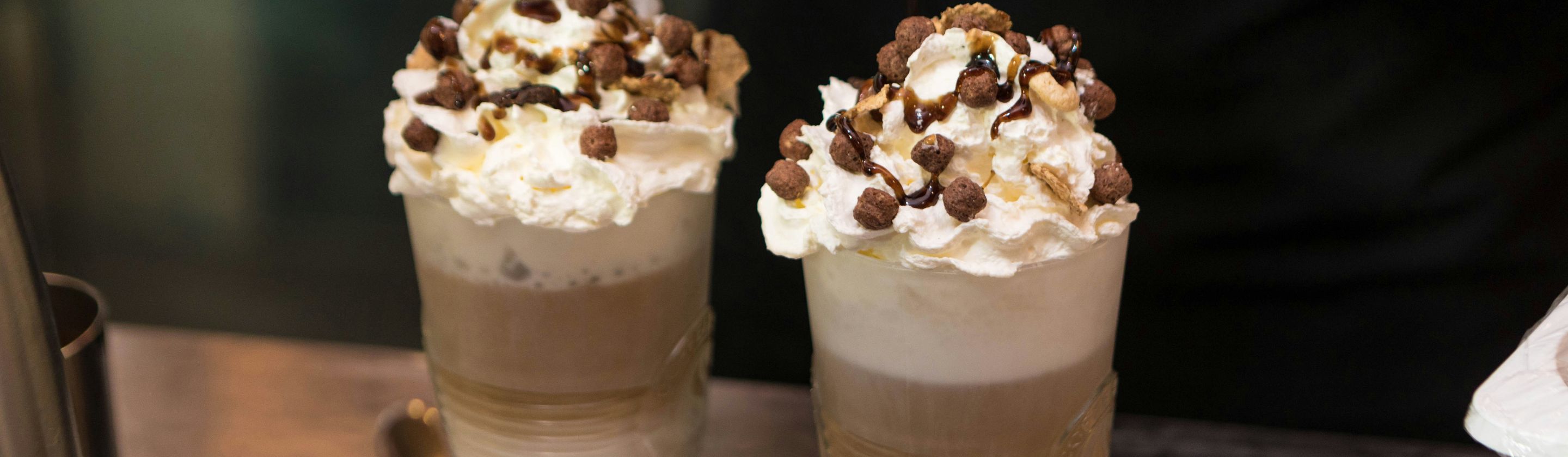
While whipped cream has legitimate applications in certain creamy cocktails and dessert drinks, excessive amounts turn beverages into sugar-laden confections that overwhelm the carefully balanced flavors underneath. Customers can't actually reach their drink without getting that cream everywhere.
9. Gimmicky Plastic Toys
The cocktail renaissance somehow spawned a bizarre trend of adorning drinks with plastic dinosaurs, action figures, hotel room keys, and other completely non-functional trinkets. These non-biodegradable garnishes contribute to pollution and environmental harm, spending seconds in your drink before becoming permanent landfill residents.

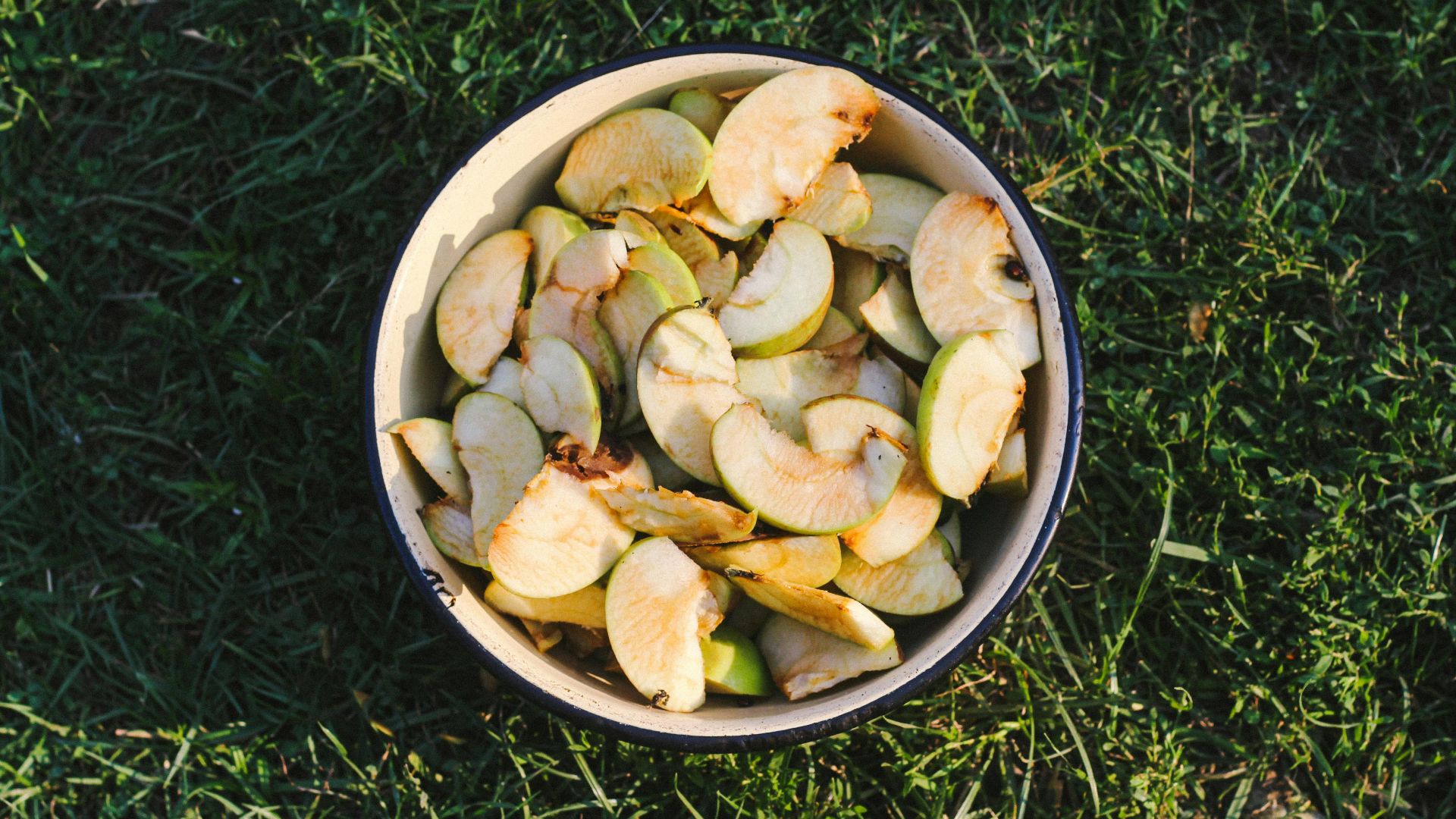
10. Brown Apple Slices
Nothing screams "amateur hour" quite like oxidized apple slices turning an unappetizing brown color in your cocktail. When apple or pear slices are cut and exposed to air without proper treatment, enzymatic browning crafts an unappealing visual. Garnish preparation requires attention to timing.
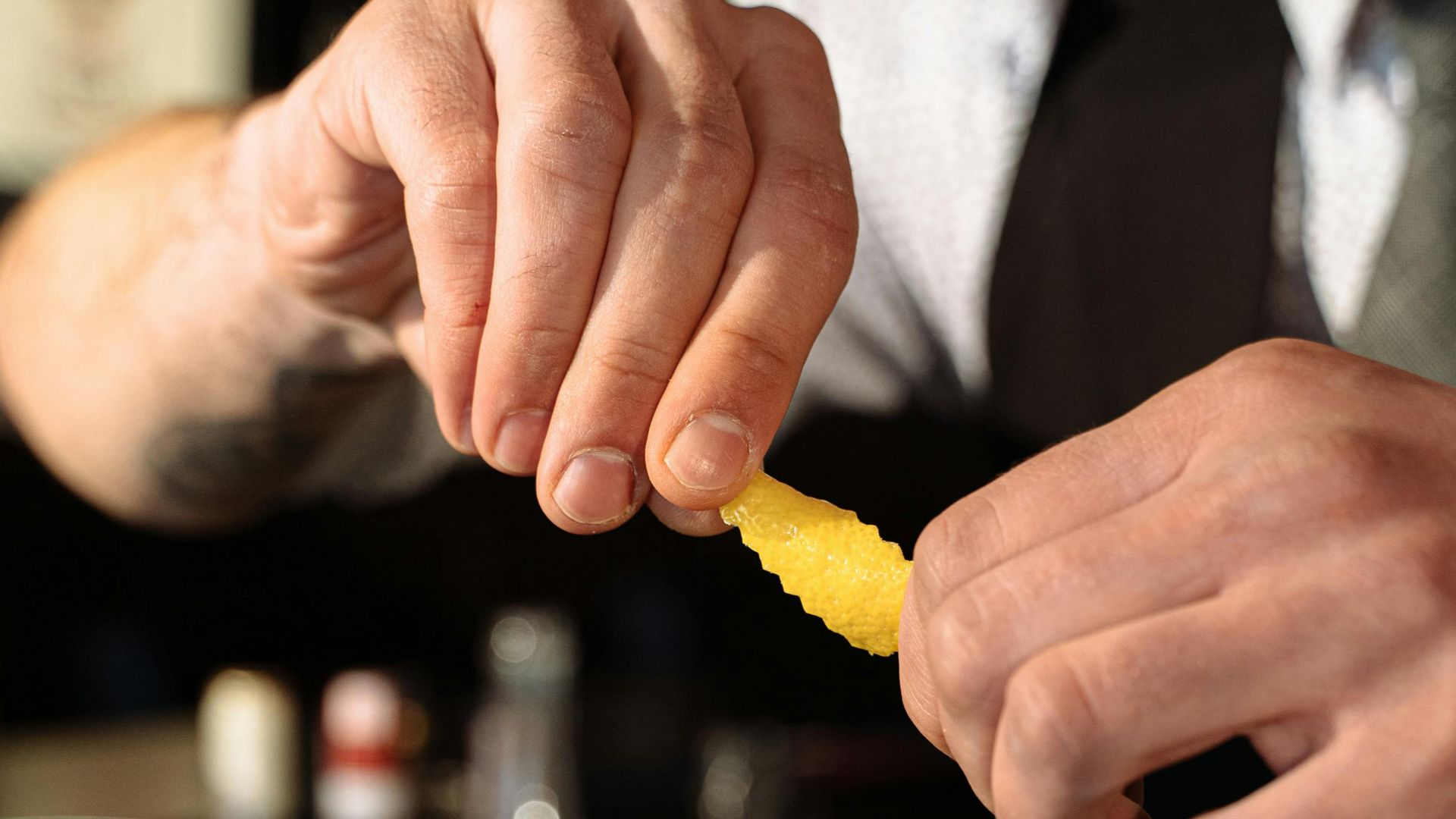
1. Lemon Twist
The lemon twist reigns supreme as mixology's most versatile and essential garnish. When you peel a thin strip of lemon, avoiding the bitter white pith, and twist it over your drink, you're releasing essential citrus oils that enhance the botanicals of gin.
 Antoni Shkraba Studio on Pexels
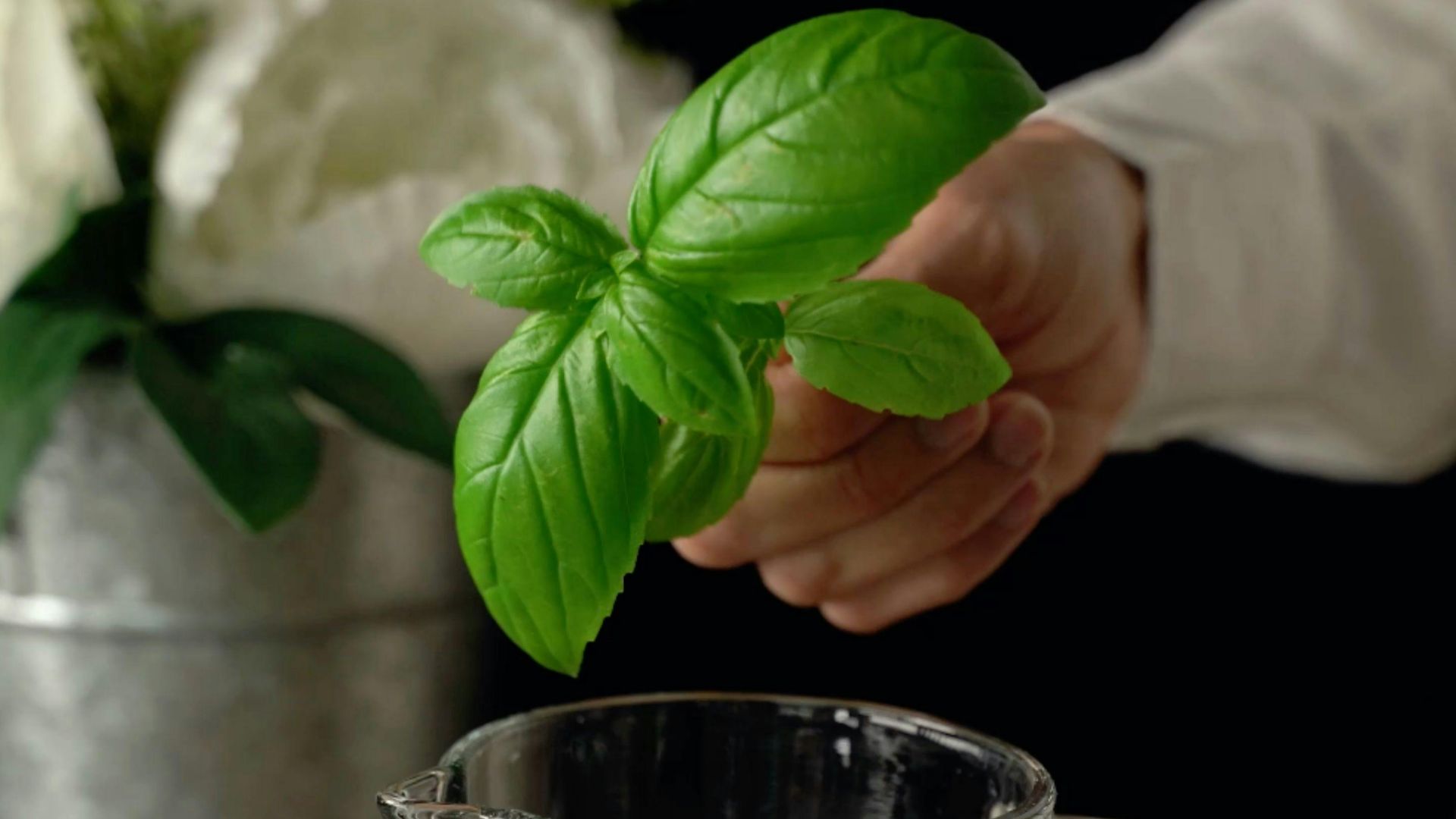
2. Fresh Basil Leaves
Those vibrant green leaves aren't just pretty. They uplift your cocktail through powerful aromatics that engage multiple senses simultaneously. Apparently, basil wilts faster than hardier herbs like rosemary, so bartenders wrap it in moist paper towels and place it in plastic bags.
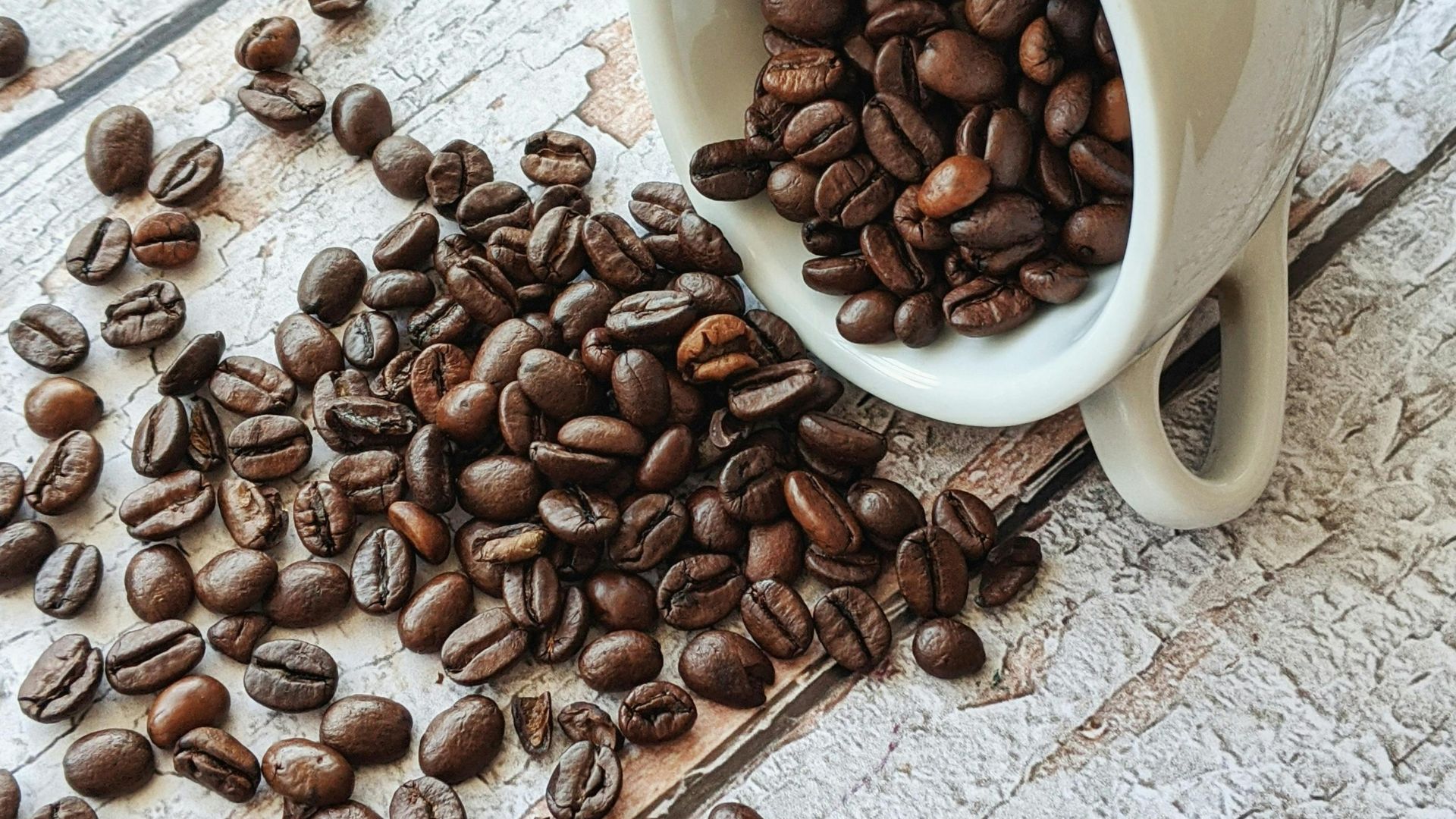
3. Coffee Beans
Just a few beans provide visual contrast and depth, reinforcing flavor expectations before the first sip and signaling a bold, caffeinated profile done right. Often used in espresso martinis, they enhance the drink’s roasted notes without altering texture or sweetness.
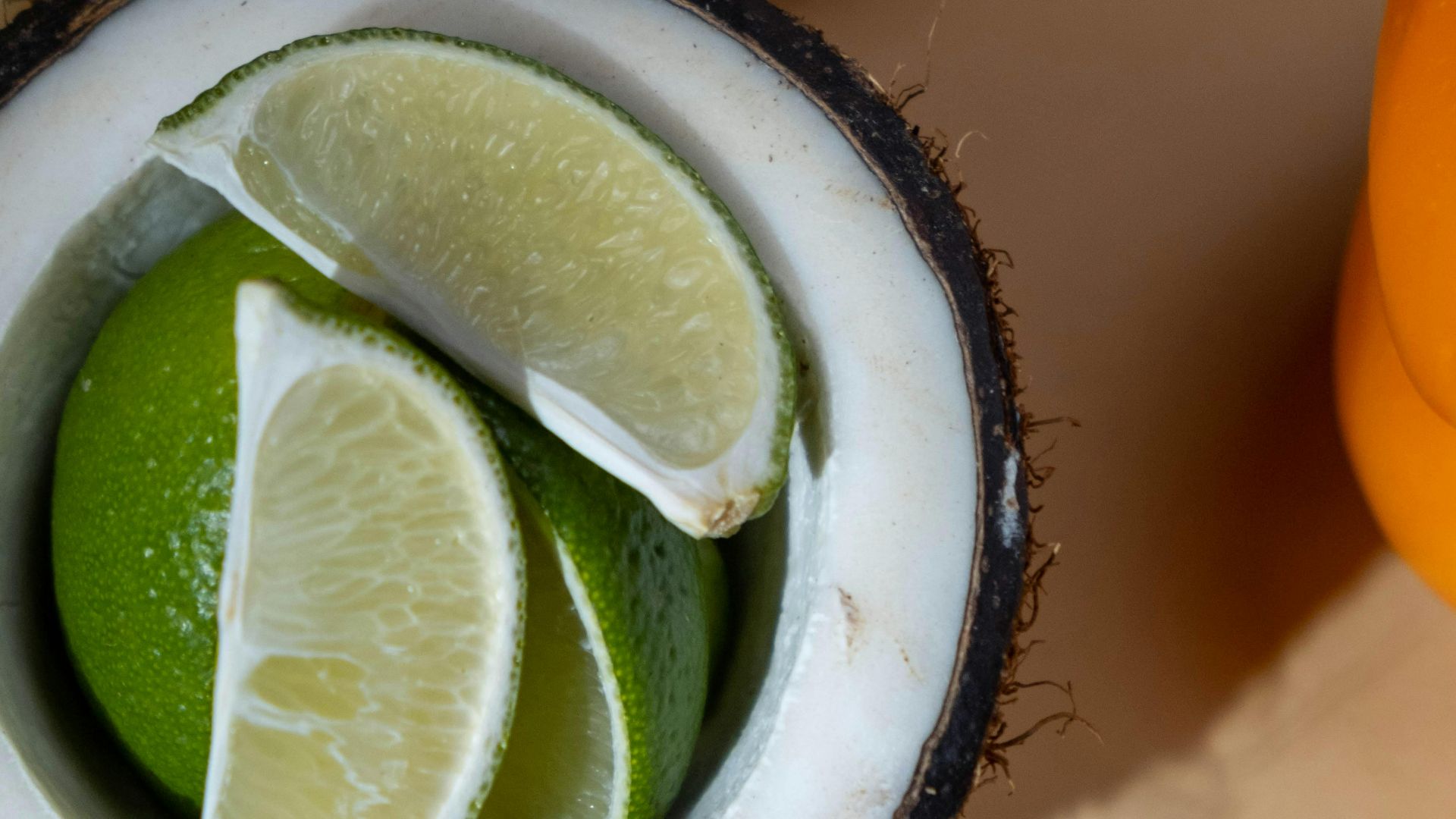
4. Lime Wedges
No home bar or professional establishment can function without lime wedges. The bright acidity of lime balances the bitterness of quinine in gin and tonics, while margaritas remain fundamentally incomplete without that signature lime garnish on the rim.
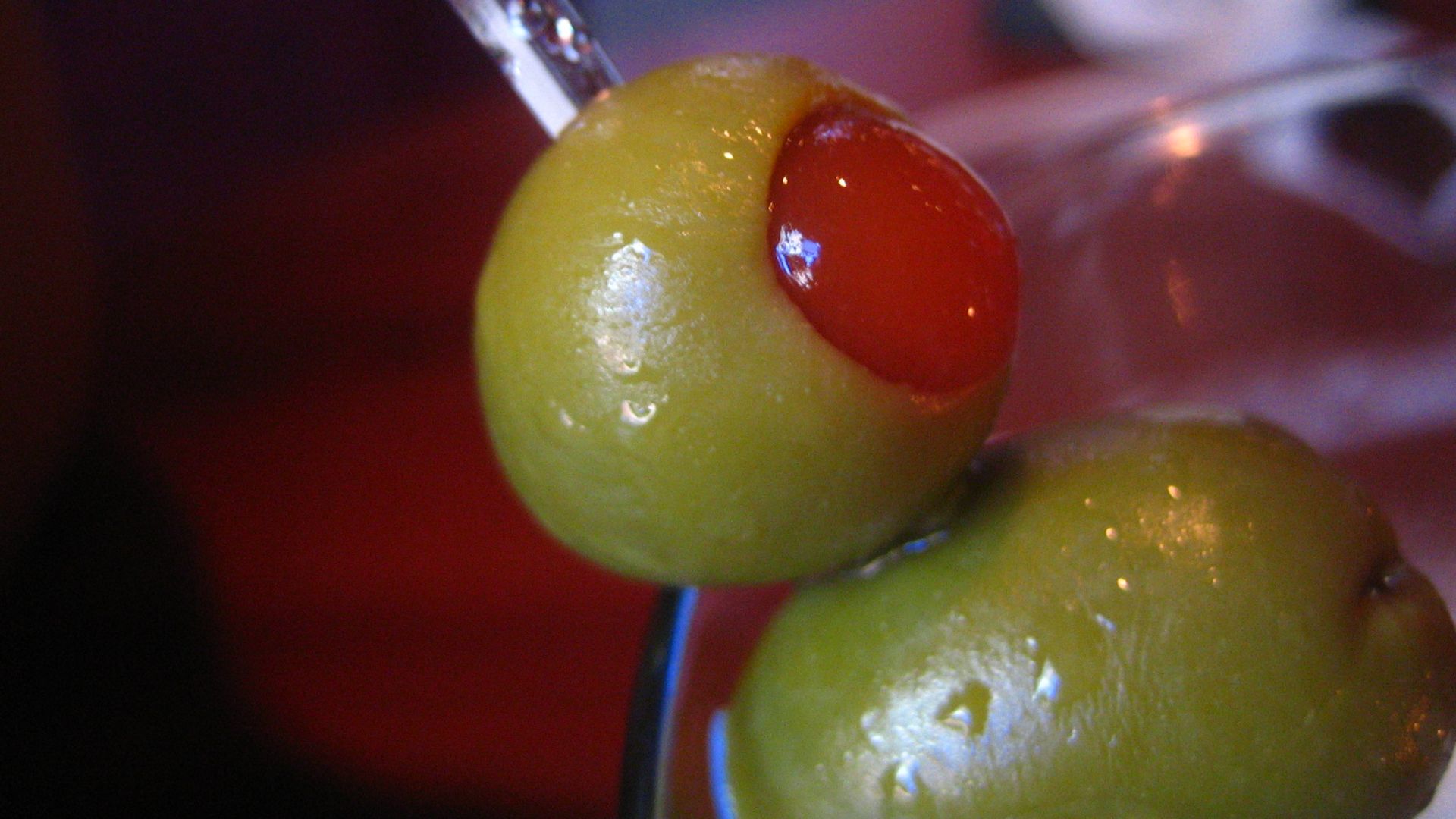
5. Green Olives
Even if you're not a Martini enthusiast, green olives remain one of the most essential garnishes any well-rounded bar must stock. Bartenders note that olives add an important salty, savory contrast that balances the dryness of properly made Martinis.
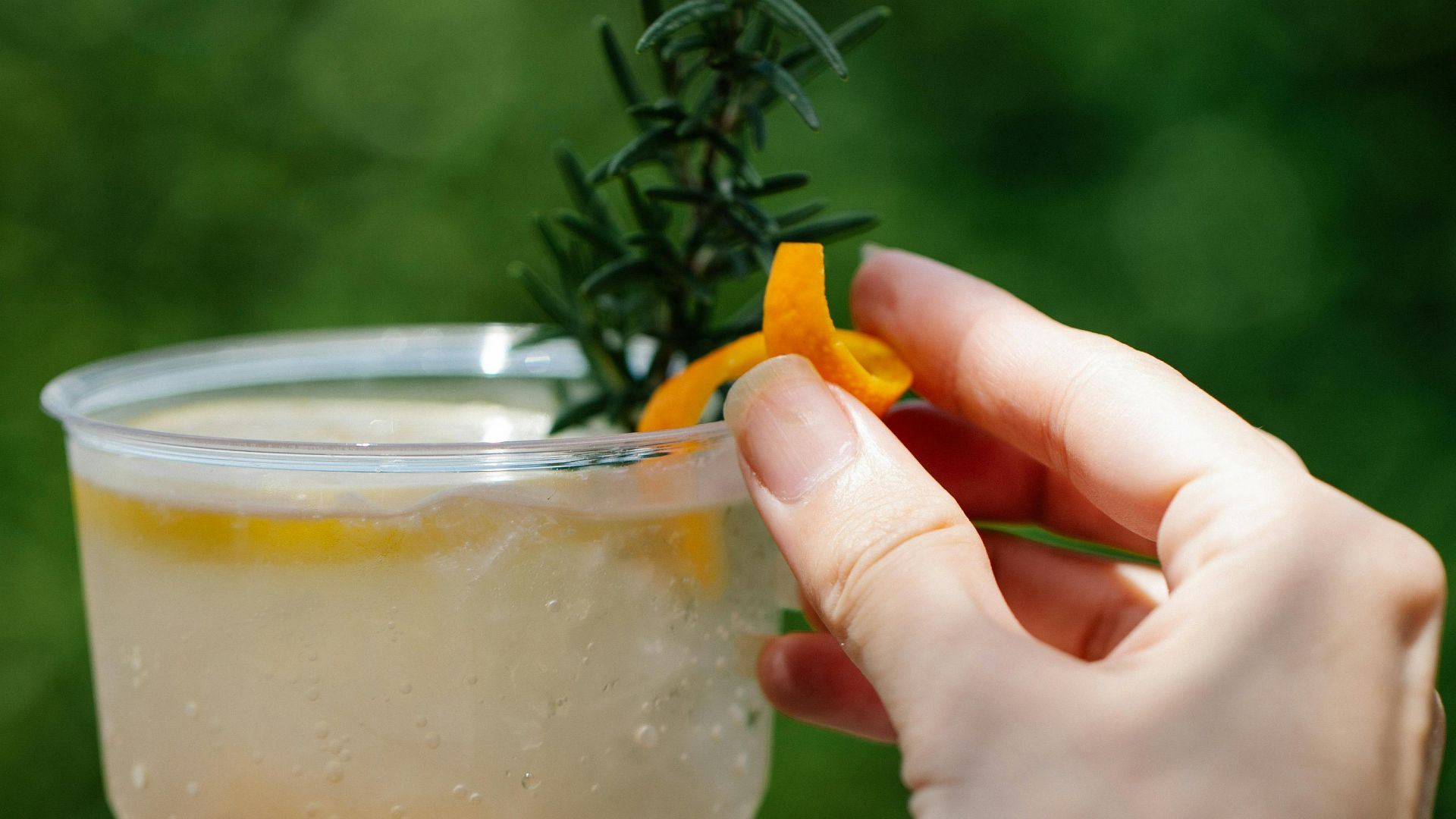
6. Orange Peel
The orange twist stands as an irreplaceable garnish for whiskey drinks. The technique involves peeling thin strips with sharp knives or channel knives, carefully avoiding the bitter white pith, then twisting them over the cocktail to release fragrant essential oils.
7. Fresh Rosemary
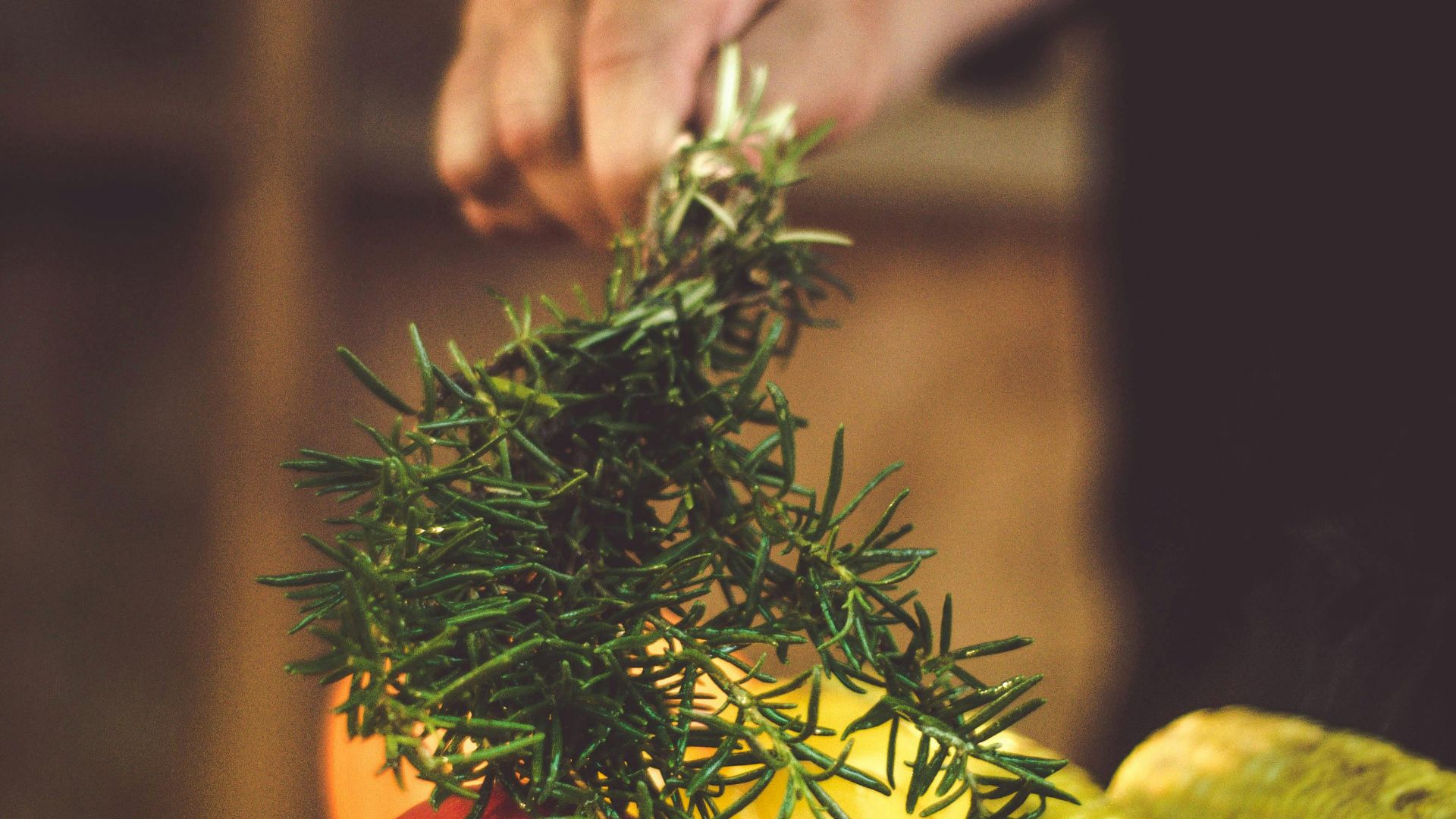
This aromatic herb has become surprisingly popular in modern mixology. Rosemary sprigs work beautifully, their distinctive fragrance adding herbal complexity that complements spirits' botanical profiles. Lightly torch rosemary sprigs to intensify their fragrance, or gently bruise the leaves to release essential oils before garnishing.
8. Cucumber Ribbons
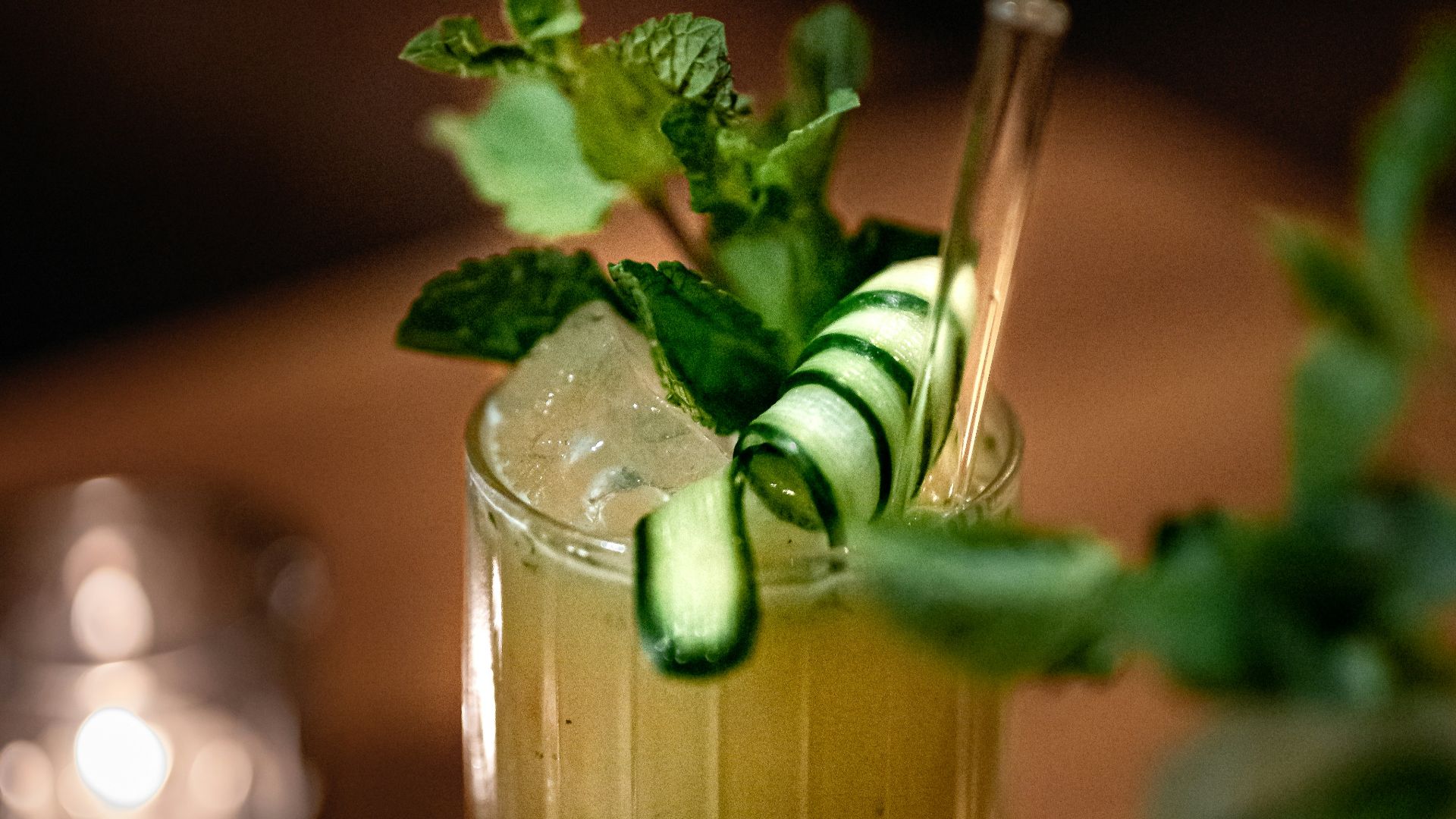
Cucumbers' overall firmness allows them to be carved into various shapes, but ribbons remain the most popular and visually striking option for cocktail applications. The crisp flavor of cucumber provides clean, refreshing notes. These balance botanical spirits without overpowering delicate flavor profiles.
9. Cocktail Onions
The Gibson emerged as a Martini variation using most of the same ingredients, but swapping olives for cocktail onions changes the entire flavor profile. Professional bartenders emphasize choosing small cocktail onions for ease of use and proper proportion in the glass.
 Eugenezinovyev (talk) on Wikimedia
10. Cinnamon Stick
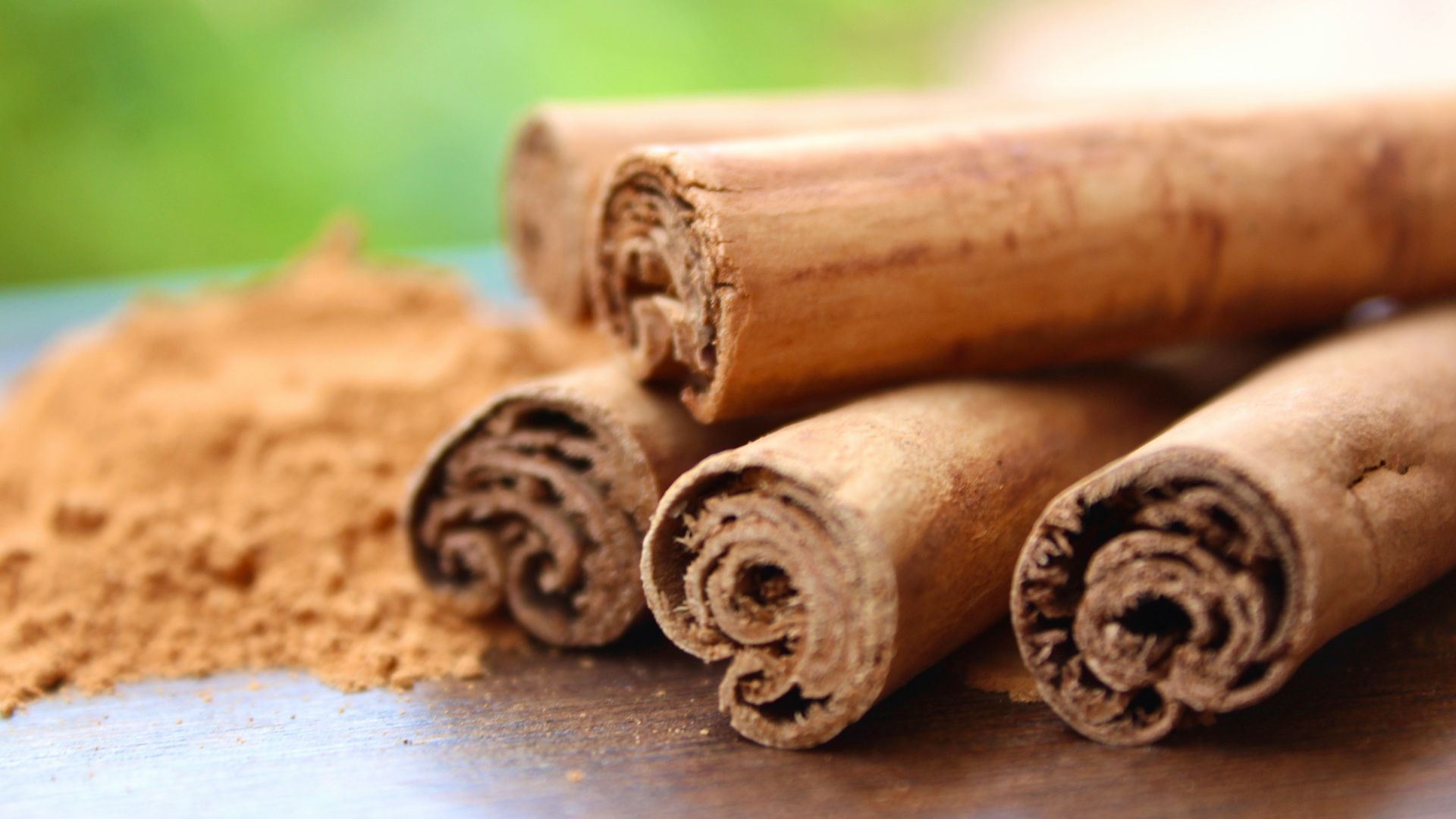
Warm and aromatic, a cinnamon stick brings subtle spice and visual appeal to a cocktail. As it sits, it gently infuses the drink with comforting notes that complement apple-based cocktails. The same also doubles as a natural stirrer.
KEEP ON READING
Happy Hour: The 20 Best Foods For Social Snacking