The Country Of Fine Dining: How France Completely Dominated The Culinary Scene
Those famous culinary terms you know—sauté, mise en place, chef de cuisine, à la carte—come from French. That's not a coincidence. For over three centuries, France has wielded an almost supernatural grip on fine dining, convincing the entire world that haute cuisine begins and ends with French technique.
While other countries have ancient, sophisticated food traditions, none managed to export their culinary philosophy quite like France did. They didn't just cook exceptional food; they built an entire system, created the vocabulary, and established the standards that every serious chef still follows today.
This is the story of how one country turned cooking into an art form and then made sure everyone else knew it.
The Sun King's Dining Room Changed Everything
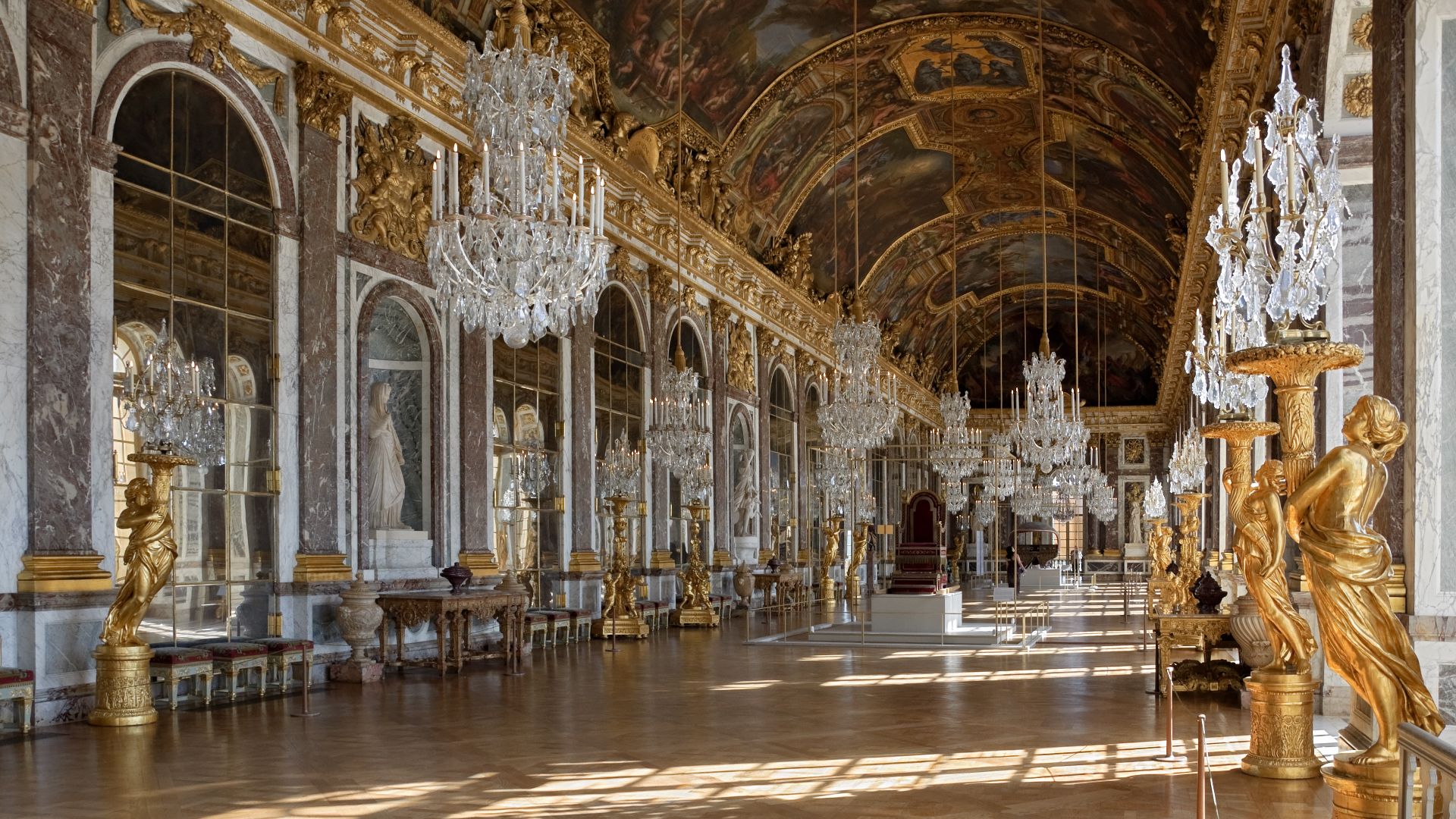
When Louis XIV turned Versailles into the center of European culture in the 1660s, he didn't just build a palace—he built a stage. Dinners became theater, sometimes lasting five hours with dozens of courses. The king employed hundreds of kitchen staff, and suddenly, being a chef wasn't just a job; it was a prestigious career.
François Massialot, one of Louis's chefs, wrote cookbooks that spread French techniques across Europe like wildfire. Aristocrats everywhere wanted to eat like the French court, and they needed French chefs to make it happen. But here's where it gets interesting: the French Revolution in 1789 accidentally supercharged French cuisine's global reach.
When guillotines started dropping, aristocrats fled, but their chefs? They had nowhere to go. Suddenly, these highly trained cooks who'd been working in private kitchens opened public restaurants. The restaurant as we know it—a place where anyone with money could order from a menu—was essentially a French invention born from political chaos. By 1804, Paris had over 500 restaurants, while London had barely any.
The Encyclopedia That Conquered Kitchens
 Unknown authorUnknown author on Wikimedia
Enter Georges Auguste Escoffier, the man who basically wrote the bible. In 1903, his “Le Guide Culinaire” standardized French cooking into a system any trained chef could follow. He organized kitchens into stations, created the brigade system still used today, and codified the "mother sauces" that culinary students worldwide memorize.
Escoffier didn't just cook; he built an empire of methodology. He worked at London's Savoy Hotel and later the Ritz Paris, training generations of chefs who scattered across the globe, spreading French technique like missionaries.
Meanwhile, the Michelin Guide launched in 1900—yes, by the tire company—to encourage people to drive to distant restaurants and wear out their tires. Those stars became the ultimate culinary authority, and guess what kind of restaurants dominated the rankings? French ones.
The criteria themselves reflected French values: technique, presentation, consistency. Even today, some people believe that earning Michelin stars often means cooking French-style or French-inspired cuisine.
Even today, earning Michelin stars often means cooking French-style or French-inspired cuisine. France didn't just win the culinary game; they wrote the rulebook, trained the referees, and convinced everyone else that this was the only game worth playing.
KEEP ON READING

The Most Popular Signature Dishes Around the World