Cooking mistakes happen to everyone, even with dishes that seem simple at first glance. Some meals are surprisingly unforgiving, while others fail because people rush steps, use the wrong temperatures, or overlook small details that make a major difference. The good news is that most commonly ruined foods can be dramatically improved once you understand the techniques behind them.
Many kitchen disasters also come from habits passed around for years without much explanation. Dry meat, soggy textures, and dense baked goods often have very fixable causes that don't require professional training to correct. Once you know what usually goes wrong, these classic dishes become much easier to prepare successfully and consistently.
Scrambled Eggs
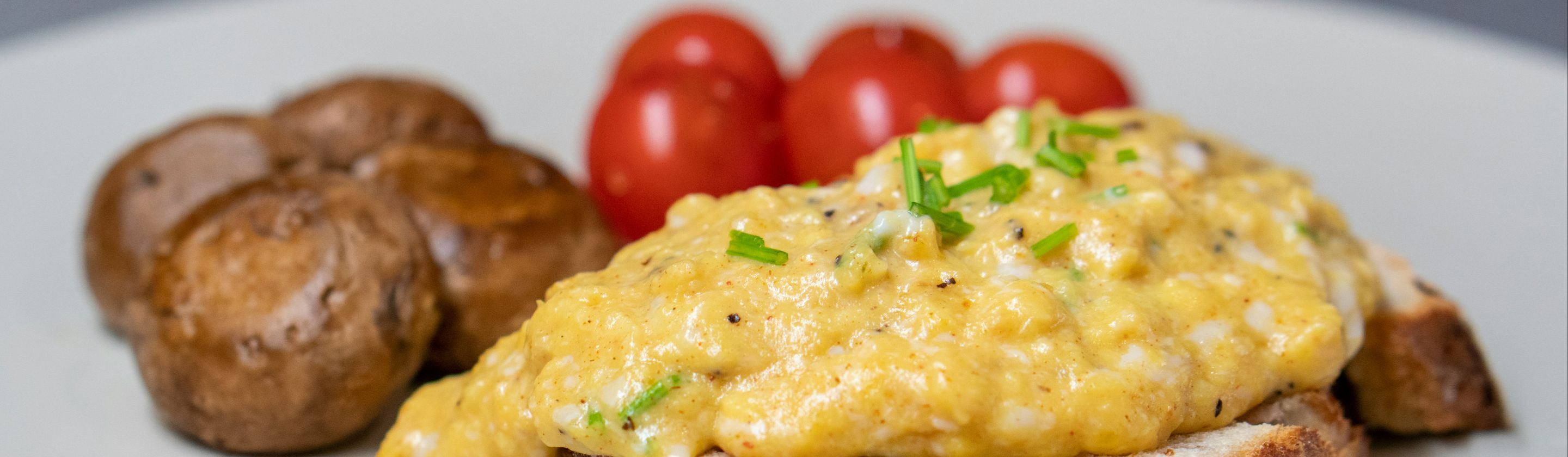
Scrambled eggs are one of the easiest foods to overcook because they continue cooking even after leaving the pan. Many people keep them over heat until they look finished, which usually creates a dry and rubbery texture. Lower heat gives the eggs time to cook more gently while keeping moisture inside the curds. Removing them from the pan slightly early also helps preserve softness.
Another common mistake is stirring too aggressively or constantly throughout cooking. Overmixing can break the eggs into tiny dry pieces instead of creating larger, softer curds with better texture. Letting the eggs sit briefly between stirs allows them to develop more naturally during cooking. A silicone spatula also works better than metal utensils because it moves the eggs more gently around the pan.
Seasoning matters more than many people realize when making scrambled eggs properly. Adding salt too late can leave the flavor uneven, while adding a small amount beforehand helps season the eggs more consistently throughout. Butter or cream can improve texture as well, but they won't save eggs cooked at excessively high heat. Simple adjustments usually make a dramatic difference with this dish.
Steak
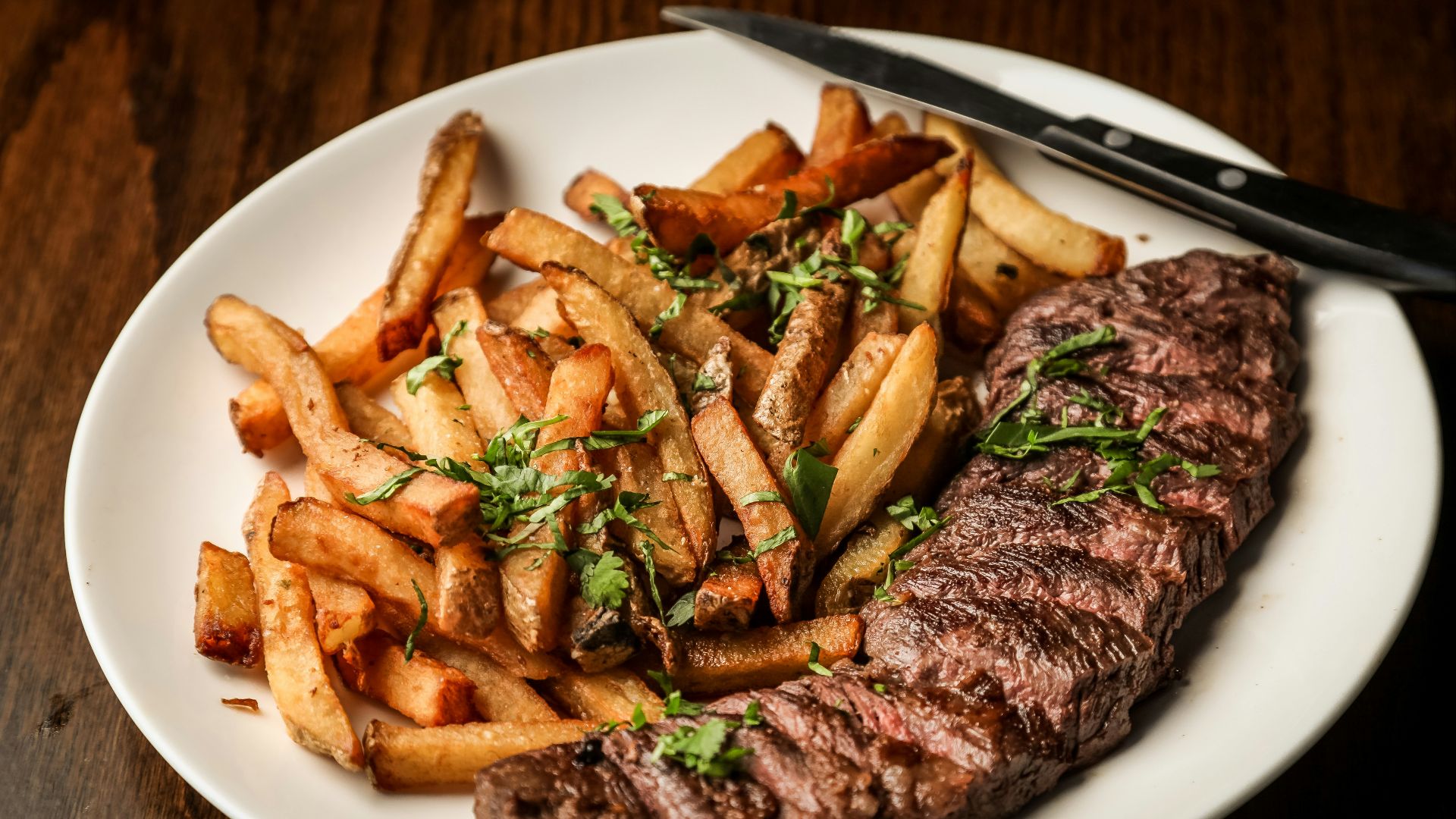
Steak often gets ruined because people rely only on cooking times instead of paying attention to temperature and thickness.
Different cuts cook at different speeds, so following the same timing for every steak rarely works consistently. Using a meat thermometer helps prevent overcooking and creates much more reliable results. Allowing the steak to rest after cooking is equally important because the juices need time to redistribute evenly.
Another frequent problem comes from cooking steak in pans that aren't hot enough. Without proper heat, the surface struggles to develop the browned crust that creates much of the flavor people expect from a good steak. Preheating the pan thoroughly before adding the meat helps create better caramelization almost immediately. Patting the steak dry beforehand also improves browning significantly.
Many people also flip the steak too frequently during cooking because they're worried about burning it. Constant movement interrupts the searing process and prevents a proper crust from forming on the outside. Letting the steak cook undisturbed for several minutes at a time produces better texture and color. Resting it afterward for at least five minutes also keeps more moisture inside once sliced.
Pancakes
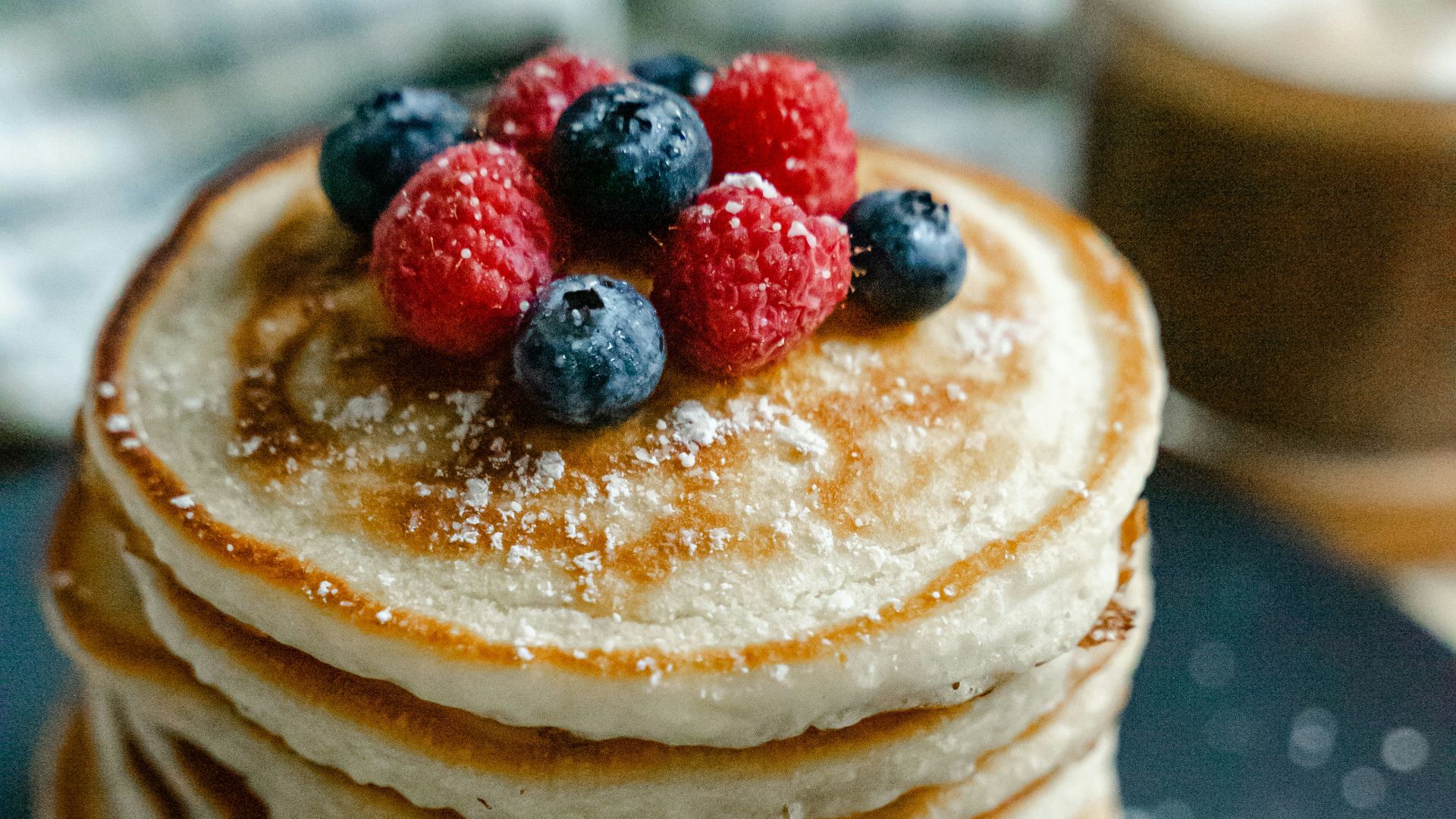
Pancakes frequently turn dense and chewy because the batter gets overmixed before cooking. Stirring too much develops gluten in the flour, which creates a tougher texture instead of the light softness most people want.
A few lumps in pancake batter are completely normal and usually disappear during cooking anyway. Mixing only until the ingredients come together creates noticeably fluffier pancakes.
Heat control is another major reason pancakes fail so often at home. If the pan is too hot, the outside browns too quickly while the center stays undercooked and gummy. Medium heat usually gives pancakes enough time to cook evenly without burning the surface. Waiting until bubbles form across the batter before flipping also helps prevent raw centers.
People sometimes flatten pancakes with a spatula while cooking because they think it helps them cook faster. Pressing them down actually forces air out of the batter and reduces the fluffy texture. Letting pancakes rise naturally creates a much softer interior with better structure overall. Fresh baking powder also matters because expired leavening agents can leave pancakes flat and heavy.
Cooking well usually comes down to understanding technique rather than simply following recipes word for word. Small adjustments in temperature, timing, moisture, or handling can completely change the final result of a dish. Once you learn why certain foods fail so often, it's much easier to avoid those mistakes in your own kitchen. Many meals that once felt frustrating can quickly become reliable favorites with just a few simple changes.
KEEP ON READING
Why You Should Never Eat Burnt Food

The Tantalizing Desert That Ended A Royal Dynasty
Why Salt Was Once Worth Fighting Over
20 'Kitchen-Speak' Phrases Most People Don't Know

How Can We Make Food Tourism More Sustainable?