Food trips can sound a little over-the-top before you take one, like the whole vacation is just a string of dinner reservations and bakery stops. In practice, the best food cities usually feel a lot more natural than that. They give you casual breakfasts, markets, coffee shops, neighborhood restaurants, and plenty of walking between meals. That’s part of what makes them so good for travelers who care about both food and how they feel while they’re away.
The highest-ranked foodie cities are being recognized for strong food scenes, local enthusiasm, affordability, and the range of places where travelers can eat well. For anyone who wants a trip that feels delicious without turning every meal into a production, Time Out’s 2026 food-city ranking is a useful place to start. It combines public opinion with expert input, which gives the list a little more real-world texture than a ranking built only around famous restaurants.
What Makes A City Worth Traveling For Food
Time Out ranked Lima, Bangkok, Mexico City, London, Barcelona, Ho Chi Minh City, Melbourne, Beijing, Athens, and Lisbon as the top 10 cities for food in 2026. The ranking was based on a survey of more than 24,000 locals, along with votes from Time Out food editors and critics. Locals were asked about their city’s food quality, affordability, and the kinds of food spots their city does especially well.
A city can have a few famous restaurants and still be a tricky place to eat day-to-day. Prices can be high, reservations can be a pain, and the best-known places don’t always tell the whole story. Time Out’s list gives space to what locals think about everyday eating, not just the restaurants that look impressive from far away. For travelers, that can make the ranking a lot less fussy.
These cities weren’t measured by nutrition standards, walkability, or public-health outcomes. A safer way to look at the list is through range, access, price, and the ability to shape a trip around different kinds of meals. The World Health Organization says healthy diets can take many forms, with core principles that include adequacy, balance, moderation, and diversity.
Where High-End Dining Meets Everyday Meals
Lima ranked first, and its reputation goes well beyond general food buzz.
The World’s 50 Best Restaurants named Maido in Lima the World’s Best Restaurant 2025, and the organization describes Maido as specializing in Nikkei cuisine, the fusion of Peruvian and Japanese flavors. Time Out also reported strong local scores for Lima’s food quality and affordability. That combination gives the city both fine-dining pull and a more practical appeal for travelers who don’t want every meal to be a splurge.
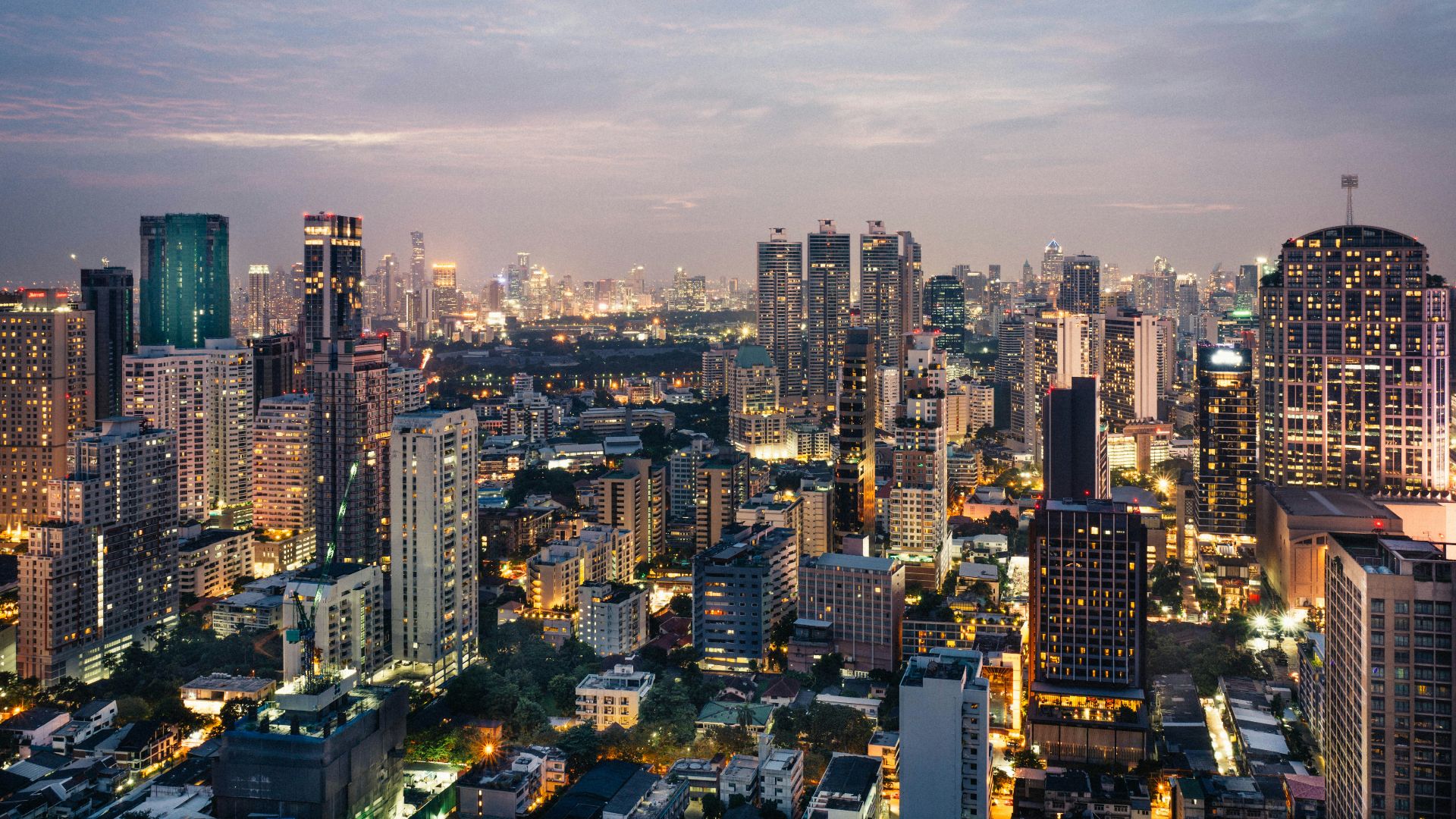
Bangkok ranked second, with street food and ambitious restaurant cooking sitting side by side. Michelin reported that Sorn became Thailand’s first restaurant to receive three Michelin stars in the 2025 Michelin Guide. The World’s 50 Best Restaurants also ranked Potong in Bangkok at No. 13 in 2025 and describes it as progressive Thai-Chinese cuisine. That gives Bangkok a wide food range, from serious dining rooms to the kinds of street-food meals that locals highlighted in Time Out’s ranking.
Mexico City ranked third, with Time Out reporting that 80% of locals rated the restaurant scene highly for quality. The same ranking said 73% of locals found eating and drinking out affordable. Quintonil in Mexico City ranked No. 3 on The World’s 50 Best Restaurants 2025 list. The organization describes its cooking as modern Mexican cuisine built around local ingredients and traditional techniques.
London and Barcelona show how varied a top food city can be. London ranked fourth, and Time Out reported that 96% of Londoners surveyed said eating out in the city is good or amazing, though only 42% agreed that it’s cheap to dine out there. Michelin also reported that, after its 2026 Great Britain and Ireland ceremony, London had 88 restaurants holding one, two, or three Michelin stars. Barcelona ranked fifth, with Time Out reporting that 82% of locals rated its food scene highly for quality and 80% of the expert panel voted for it as an exciting place to eat.
How Local Food Scenes Can Better Shape A Trip
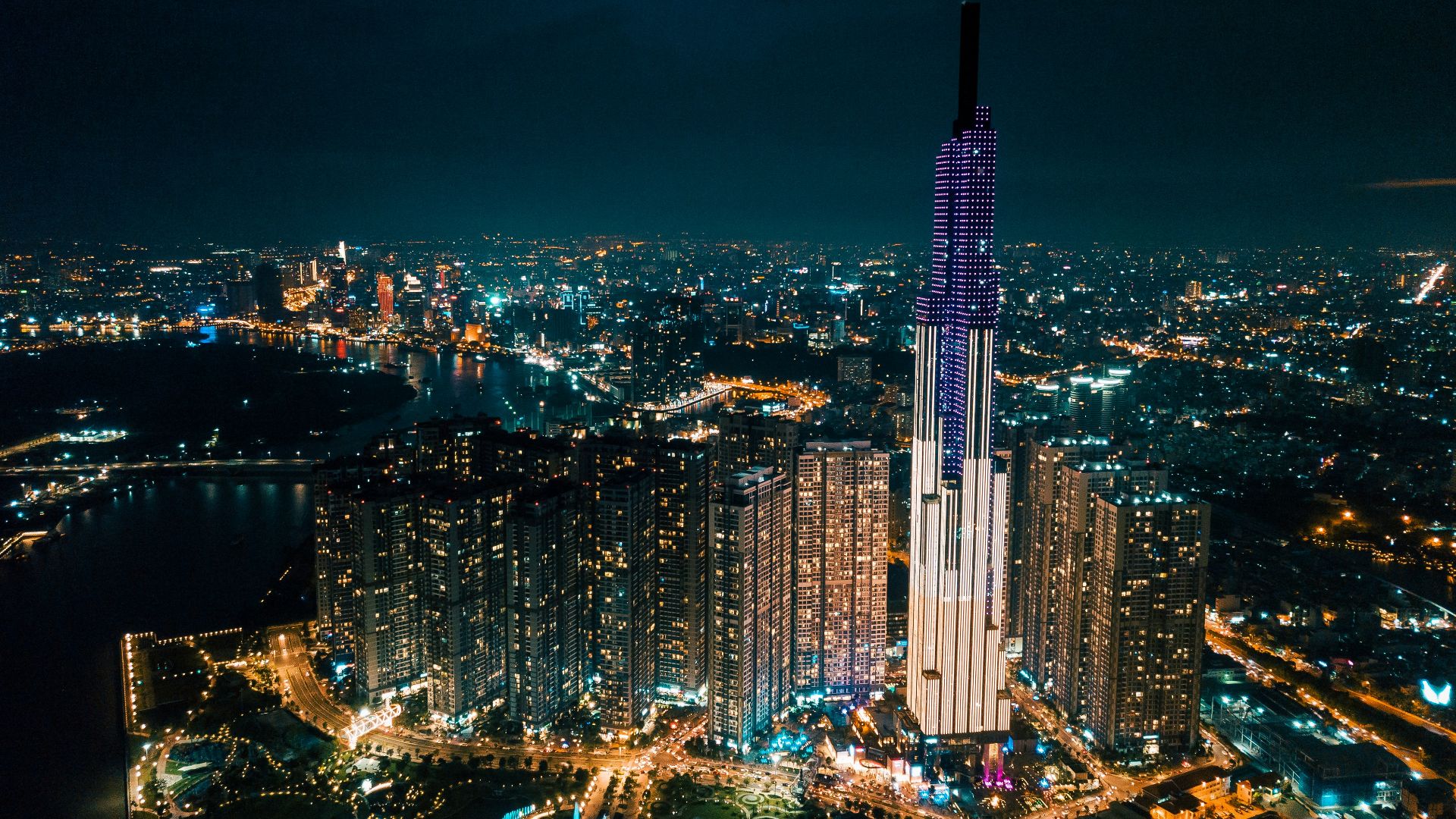
Ho Chi Minh City and Melbourne bring the more casual side of food travel into sharper view. Time Out reported that three-quarters of surveyed locals in Ho Chi Minh City said eating out there is good or amazing, with street food and coffee shops scoring strongly. Melbourne ranked seventh, and 94% of Melburnians surveyed rated eating out as good or amazing. Time Out also found that 79% of locals said cafes and coffee shops are what Melbourne does best.
Beijing, Athens, and Lisbon also show how much local food culture matters. Time Out reported that Beijing scored 82% for quality and 83% for affordability, with locals naming street food as its strongest culinary asset. Athens had strong expert support, with 80% of Time Out’s expert panel voting for it as an exciting place to eat, while locals pointed to coffee shops and family-run spots. Lisbon earned an 86% local food-scene rating, with bakeries and dessert spots standing out.
The real appeal of these cities is that they give travelers options. You can book the restaurant that made the ranking, follow what locals say they love, or just choose the place that looks good when you walk past. The strongest food cities work at different price points, in different neighborhoods, and at different levels of formality. That’s what makes Lima, Bangkok, Mexico City, London, Barcelona, Ho Chi Minh City, Melbourne, Beijing, Athens, and Lisbon stand out for foodies who want a trip that feels memorable and still easy to enjoy.