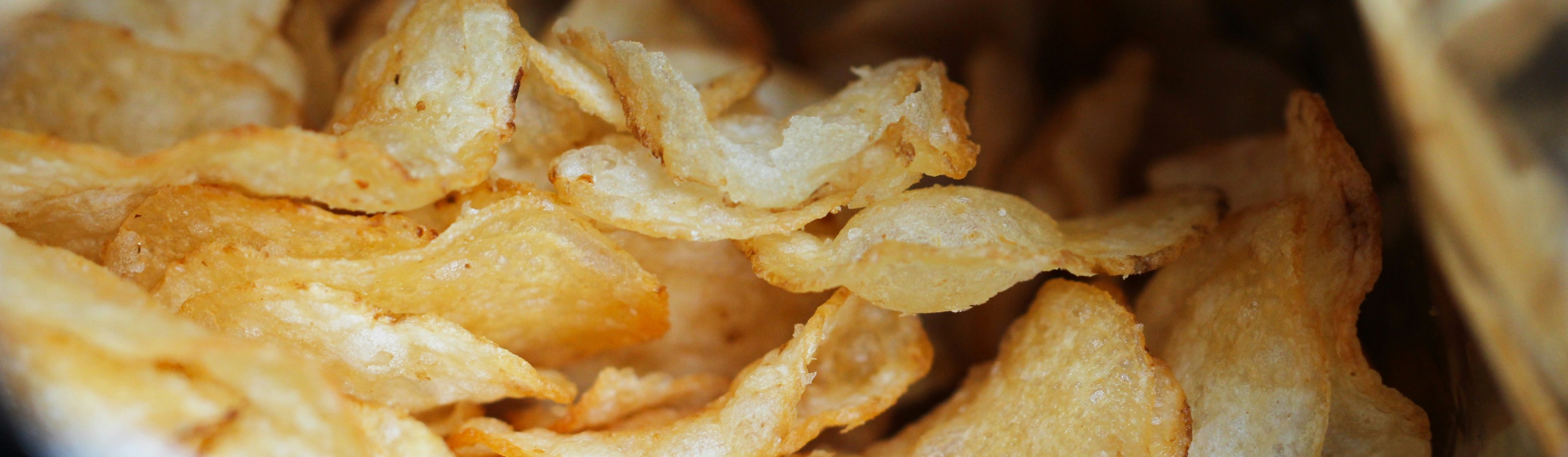
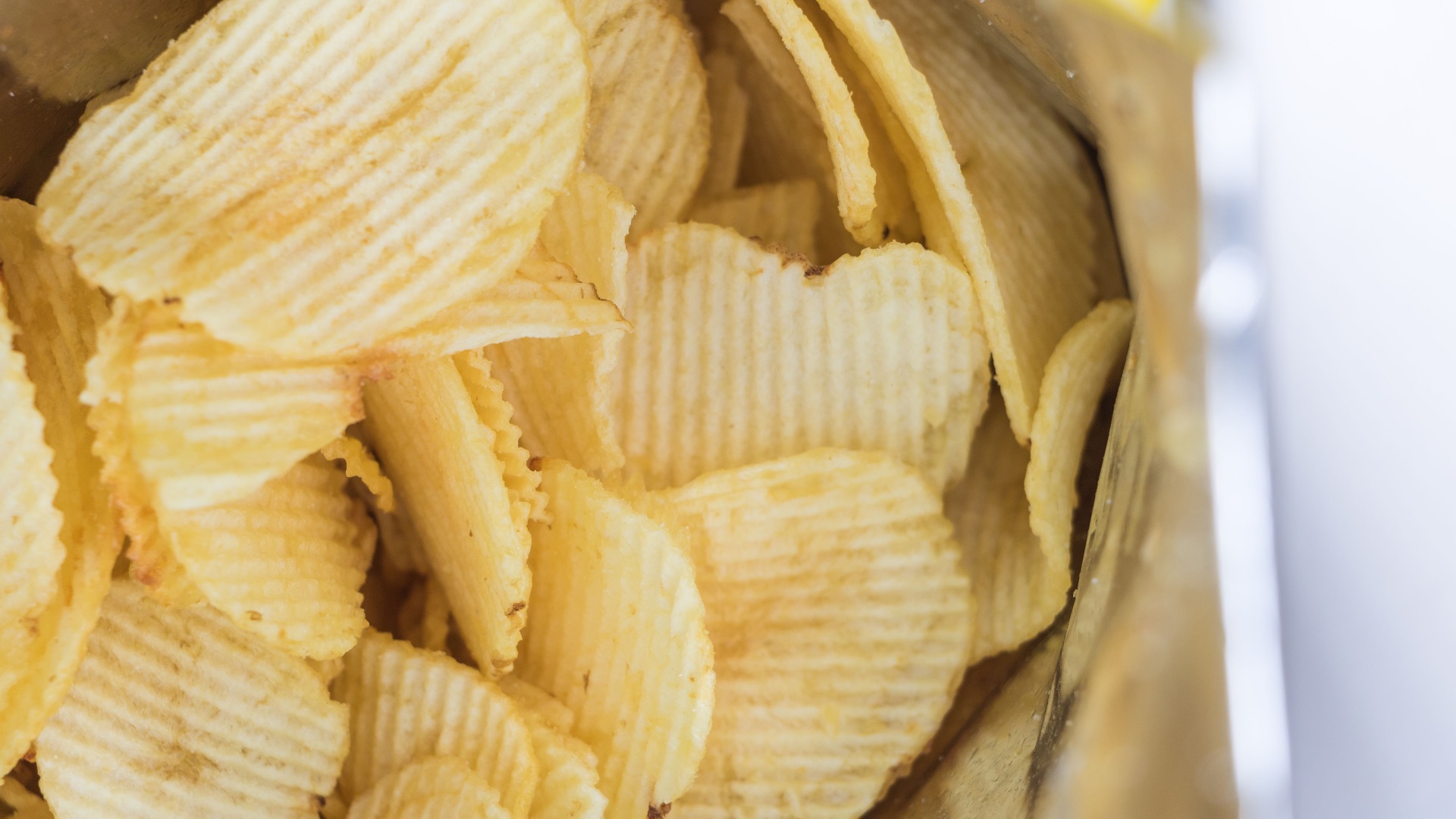
We've all been there: you open a bag of chips intending to have just a handful, and before you know it, you're staring at an empty bag with no real memory of how it happened. Chips are designed to be craveable, and food scientists have spent decades fine-tuning the perfect balance of salt, fat, and crunch to keep you reaching for more. It's not a lack of willpower that makes them so hard to resist; it's literally by design.
That said, you don't have to swear off chips entirely to get your snacking habits under control. A few simple adjustments to how, when, and where you eat them can make a surprisingly big difference. Whether you're trying to cut back for health reasons or you're just tired of finishing a family-sized bag in one sitting only to feel horrible about it afterward, these three tricks can help you slow down and actually enjoy your snacks instead of inhaling them.
Eat Them with Chopsticks
If you're not particularly skilled with chopsticks, this trick is going to work in your favor. Why? Well, the whole point is that picking up individual chips with chopsticks is a slow, somewhat frustrating process, and that's exactly what makes it effective. When eating becomes a little more effortful, you naturally consume less because you're forced to slow down and be more deliberate with each bite.
The friction of fumbling with chopsticks gives your brain more time to register that you're actually eating. Research has shown that it takes roughly 20 minutes for your stomach to signal fullness to your brain, which means the faster you eat, the more you're likely to overdo it before your body can catch up. Slowing down your snack pace, even artificially, helps close that gap.
There's a bonus here, too: this is genuinely great chopstick practice if you've been meaning to get better at using them. You might start the bag feeling clumsy, but by the time you've worked through a portion, your grip will have improved noticeably. Just make sure you resist the urge to give up and use your hands—that would defeat the purpose entirely, and the chips will still be there to tempt you.
Pour Into a Bowl Instead of Eating from the Bag
One of the easiest ways to overeat chips is to eat them straight from the bag, because there's no visual cue to tell you when to stop. Pouring a set amount into a bowl before you start snacking gives you a built-in portion boundary that the bag simply doesn't provide. Once the bowl is empty, that's your natural stopping point; you'll have to make a conscious decision to get up and refill it rather than mindlessly reaching in.
Portion awareness matters more than most people realize. Studies have found that people consistently eat more when food is served in larger containers, even when they intend to eat a modest amount. A bowl doesn't just limit how much you take; it also makes you more aware of how much you're eating because you can actually see it laid out in front of you.
For even better results, try using a smaller bowl so the portion looks more satisfying visually. It sounds simple, but presentation does influence how full you feel after eating. Pair that with eating slowly and putting the bowl somewhere you have to reach for it (rather than holding it in your lap), and you've turned a mindless habit into something much more intentional.
Keep Them Far Out of Reach (or Out of the House Entirely)
The most effective way to stop eating too many chips is to make getting to them inconvenient. If they're not in your home, you can't eat them on autopilot; you'd have to make an active trip to the store, which is often enough of a barrier to break the impulse. Keeping your kitchen stocked with more nutritious snack options means you're more likely to reach for those instead when a craving hits.
If you do buy chips, try storing them somewhere that requires a little effort to access, such as a high shelf, a cabinet you rarely open, or even the back of your pantry. Environmental design plays a significant role in eating behavior, and the less visible and accessible a food is, the less often you'll eat it. Out of sight really does tend to mean out of mind when it comes to snacking.
And if you need an extra nudge before tossing a bag into your grocery cart, try scanning the nutrition label before you commit. A single serving of chips (1 oz., or around seven to 15 chips, depending on the size) can contain upwards of 170 milligrams of sodium, yet most people eat far more than one serving in a sitting. Taking a moment to look at what's actually in the bag, including what kind of ingredients are added, can be a surprisingly effective reality check when you're weighing whether it's worth it.
Ultimately, curbing a chip habit isn't as hard as you might think; these three small changes alone can have a real impact on how much you eat without making snacking feel like a punishment. The goal is to give yourself a moment to pause and be intentional, because more often than not, that's all it takes to keep a handful from turning into the whole bag.
KEEP ON READING
You’re Storing Tomatoes Wrong in This Heat
You’re Storing Potatoes Wrong in This Heat
You’re Storing Peppers Wrong in This Heat
You’re Storing Carrots Wrong in This Heat