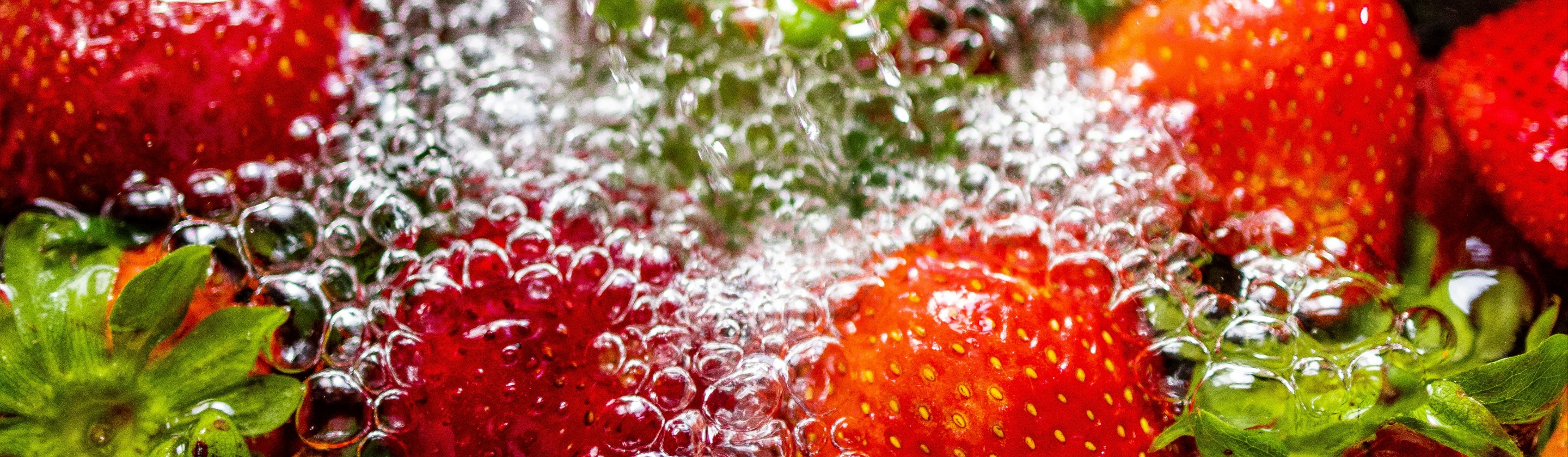
10 Common Produce-Washing Mistakes You Don't Want to Make & 10 Better Cleaning Tips
Are You Washing Your Produce Correctly?
Washing fruits and vegetables sounds simple enough, but this seemingly straightforward process actually trips a lot of people up. In fact, depending on your personal habits and rinsing methods, you could be making it less effective than you think. And if you're not washing your produce at all... ooh, boy. So, are you doing it right? Make sure you're avoiding these common mistakes when running your fruits and veggies under the sink water...
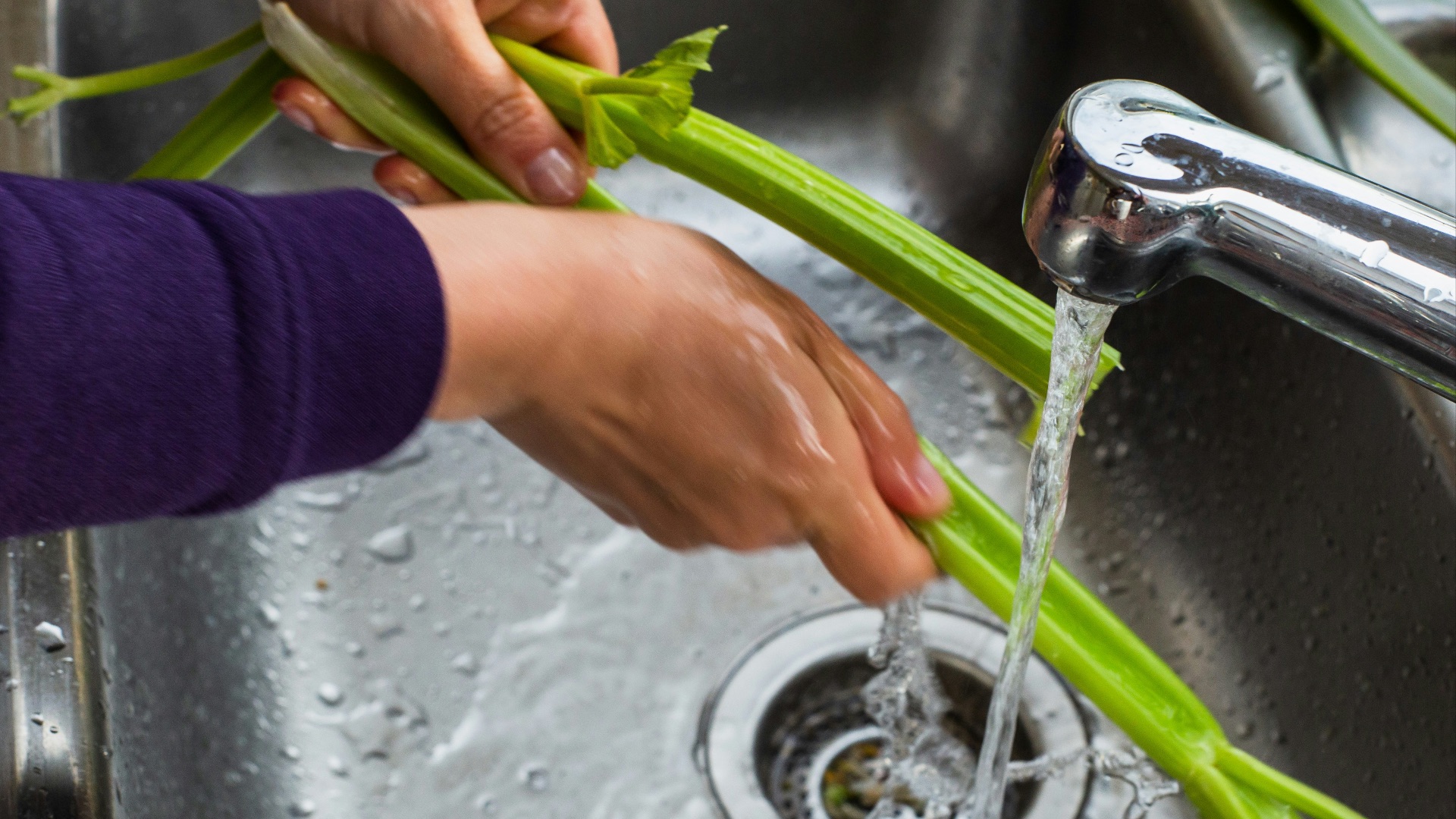
1. Washing Produce Too Far in Advance
Washing fruits and vegetables days before you plan to eat them can make them spoil faster, especially if they’re stored while still damp. Extra moisture encourages mold and soft spots, which can turn otherwise fresh produce into a waste-bin situation sooner than expected. It’s usually better to wash most produce right before using it, unless you’re intentionally prepping it and drying it very well.
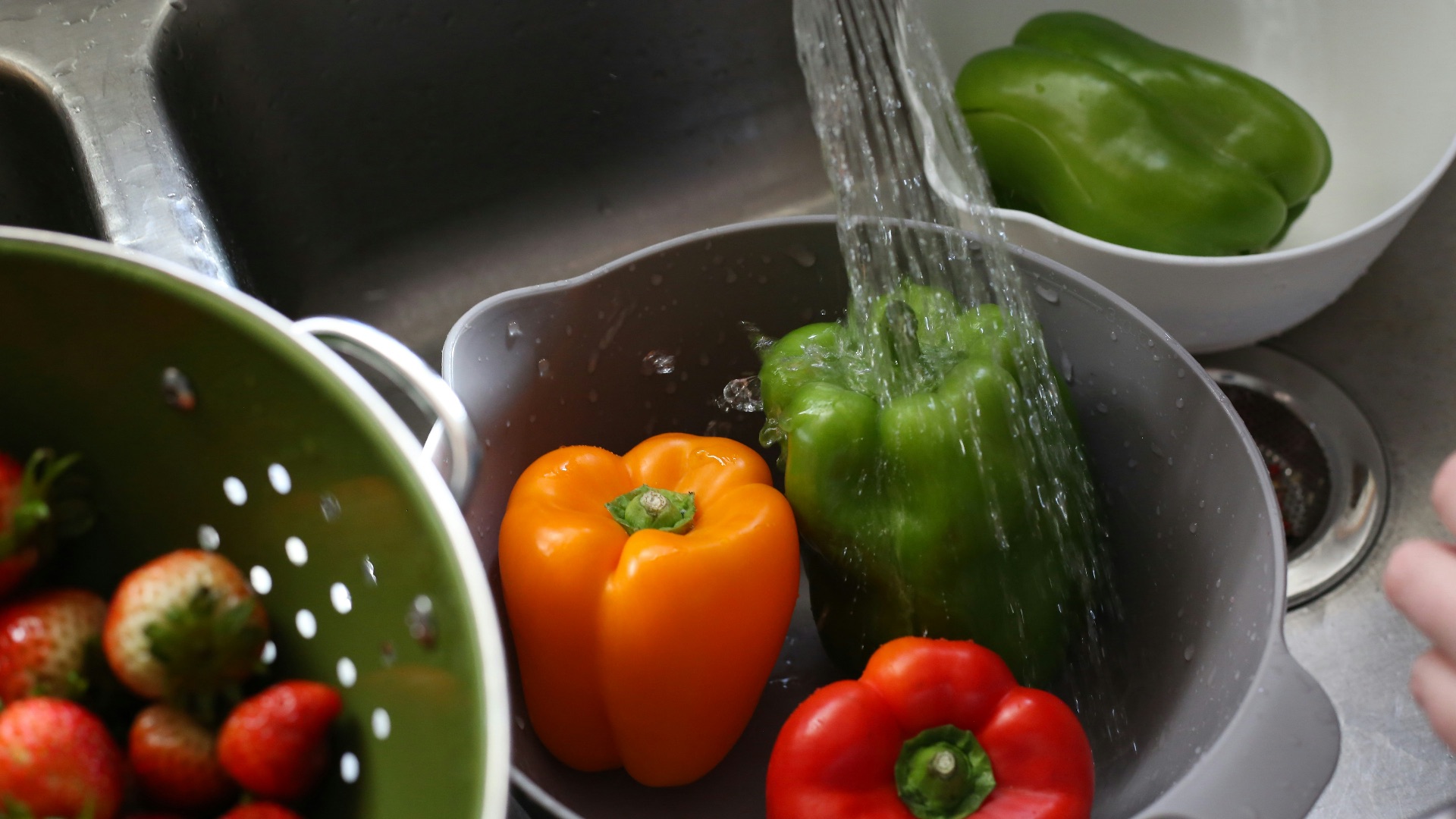
2. Skipping Produce with Peels or Rinds
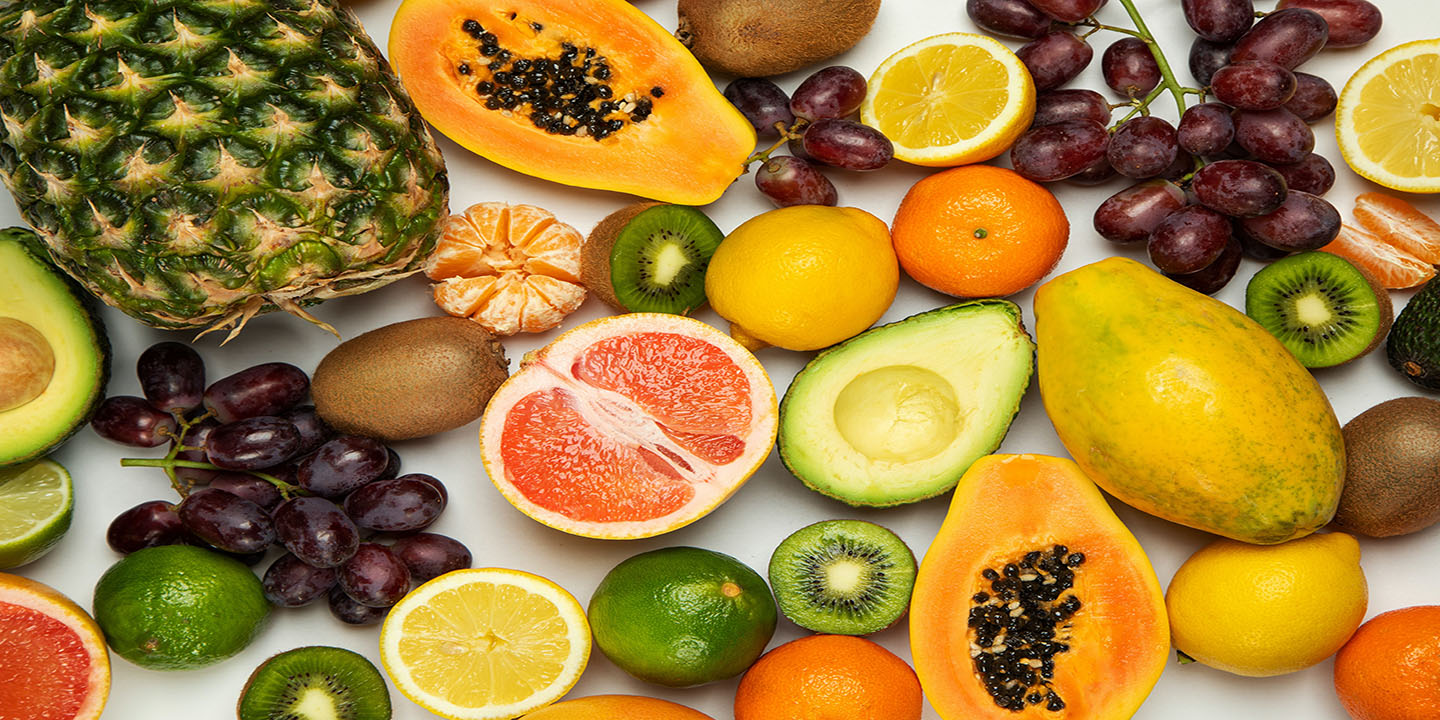
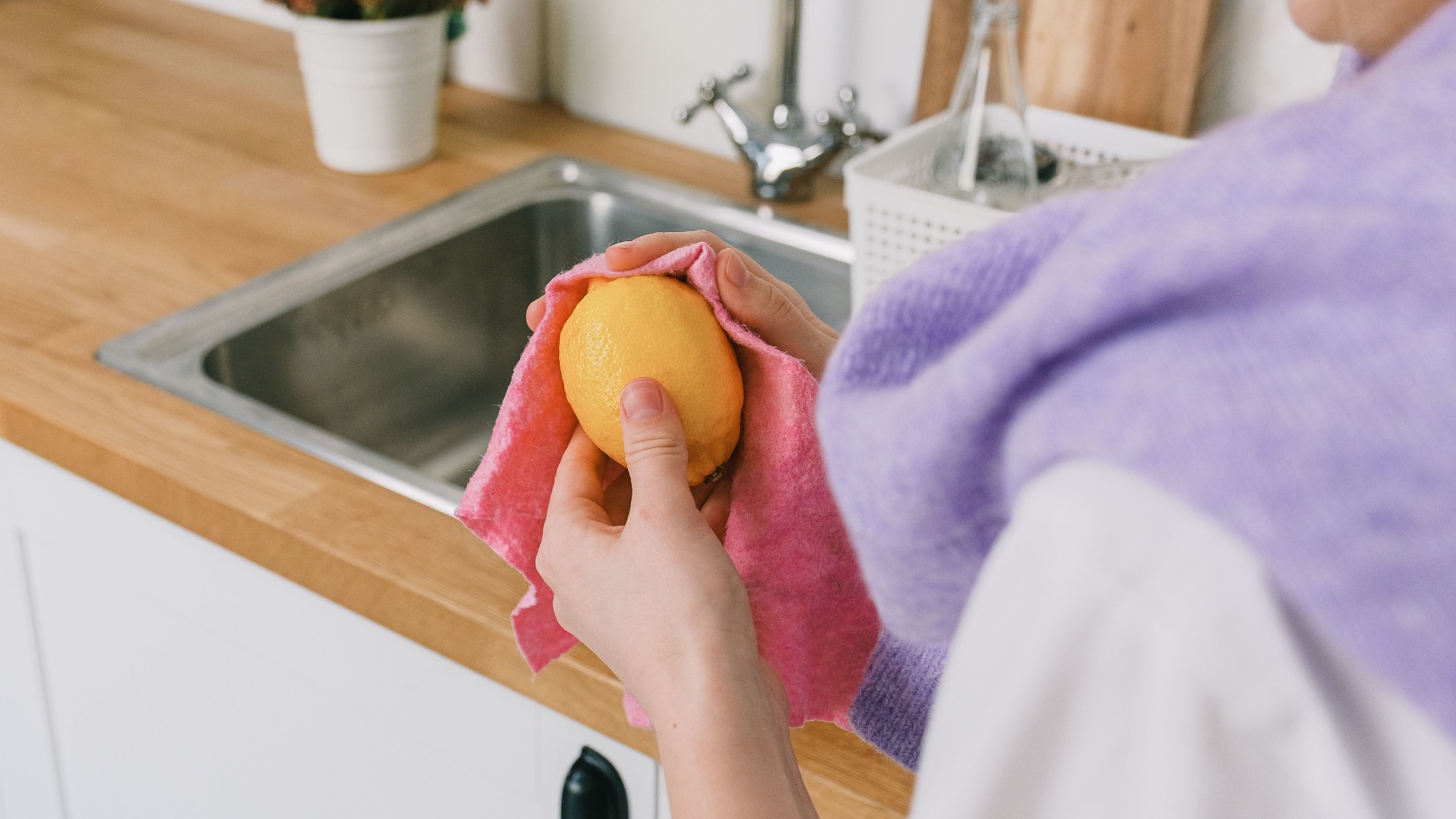
It’s easy to assume bananas, oranges, melons, and avocados don’t need washing because you don’t eat the outer layer. The problem is that your knife or hands can transfer germs from the peel or rind to the edible part inside. A quick rinse and scrub before cutting can help keep that surface grime from ending up in your food.
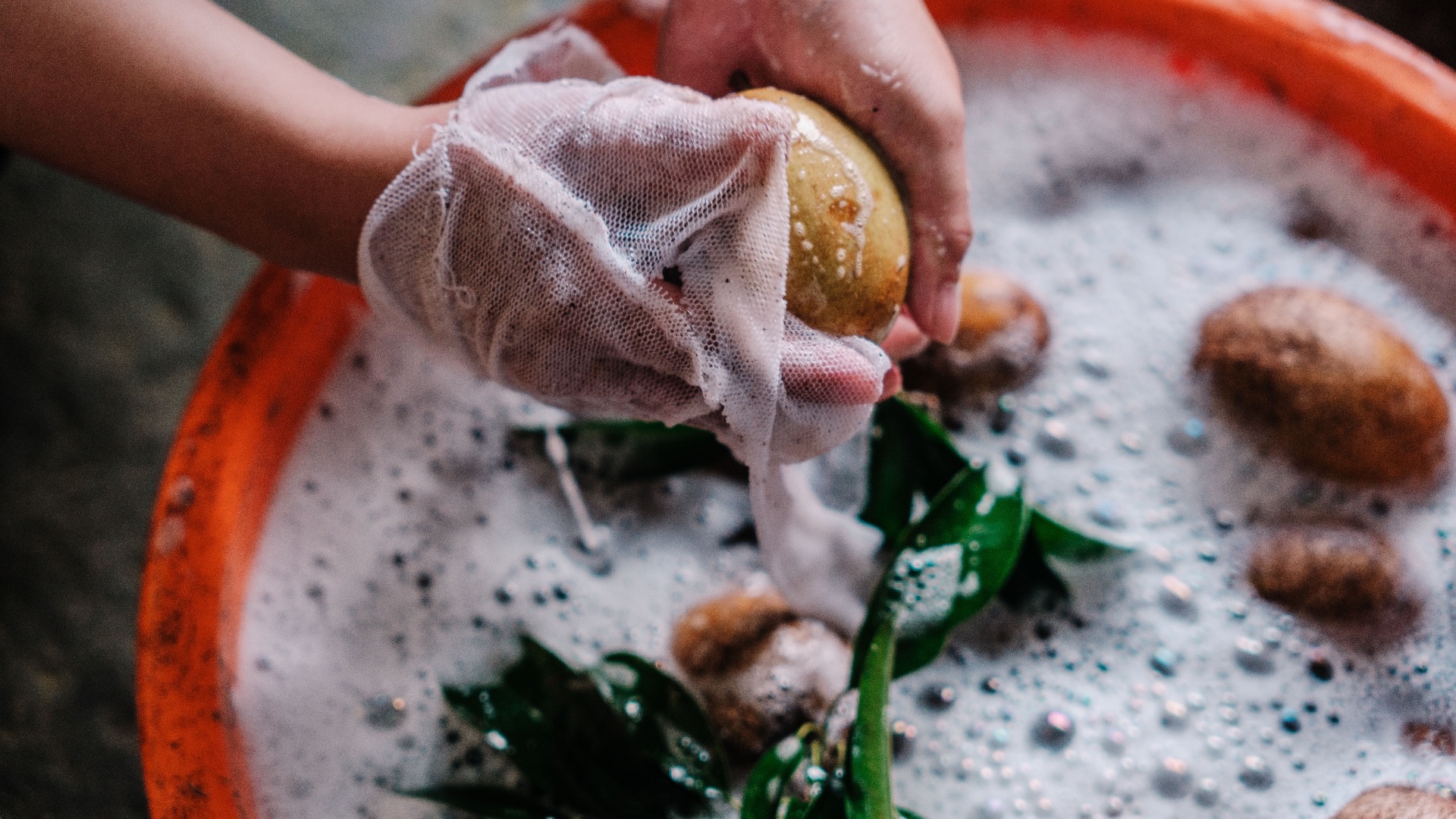
3. Using Soap or Dish Detergent
Soap might seem like it would make produce cleaner, but fruits and vegetables are porous and can absorb residues you weren’t meant to eat. Dish detergent is made for plates, pans, and utensils, not strawberries, lettuce, or apples. Plain running water is usually the safer and more appropriate choice for everyday produce cleaning.
4. Soaking Everything the Same Way
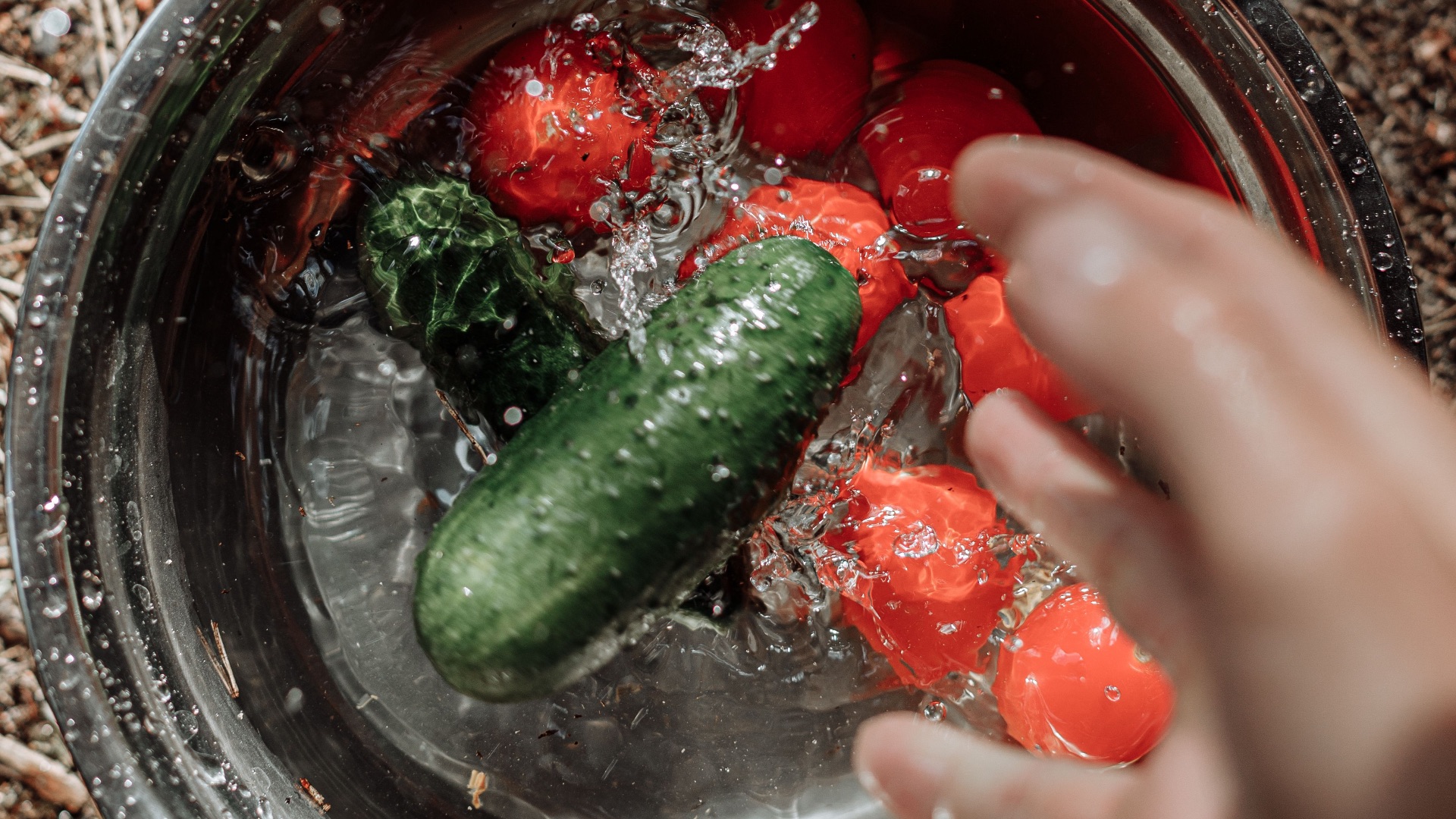
Some produce benefits from a brief soak, but treating every fruit and vegetable the same can backfire. Delicate berries can become waterlogged and mushy, while leafy greens may need more separation and movement to release trapped dirt. A one-size-fits-all approach often leads to either damaged produce or cleaning that doesn’t go far enough.
5. Forgetting to Wash Your Hands First
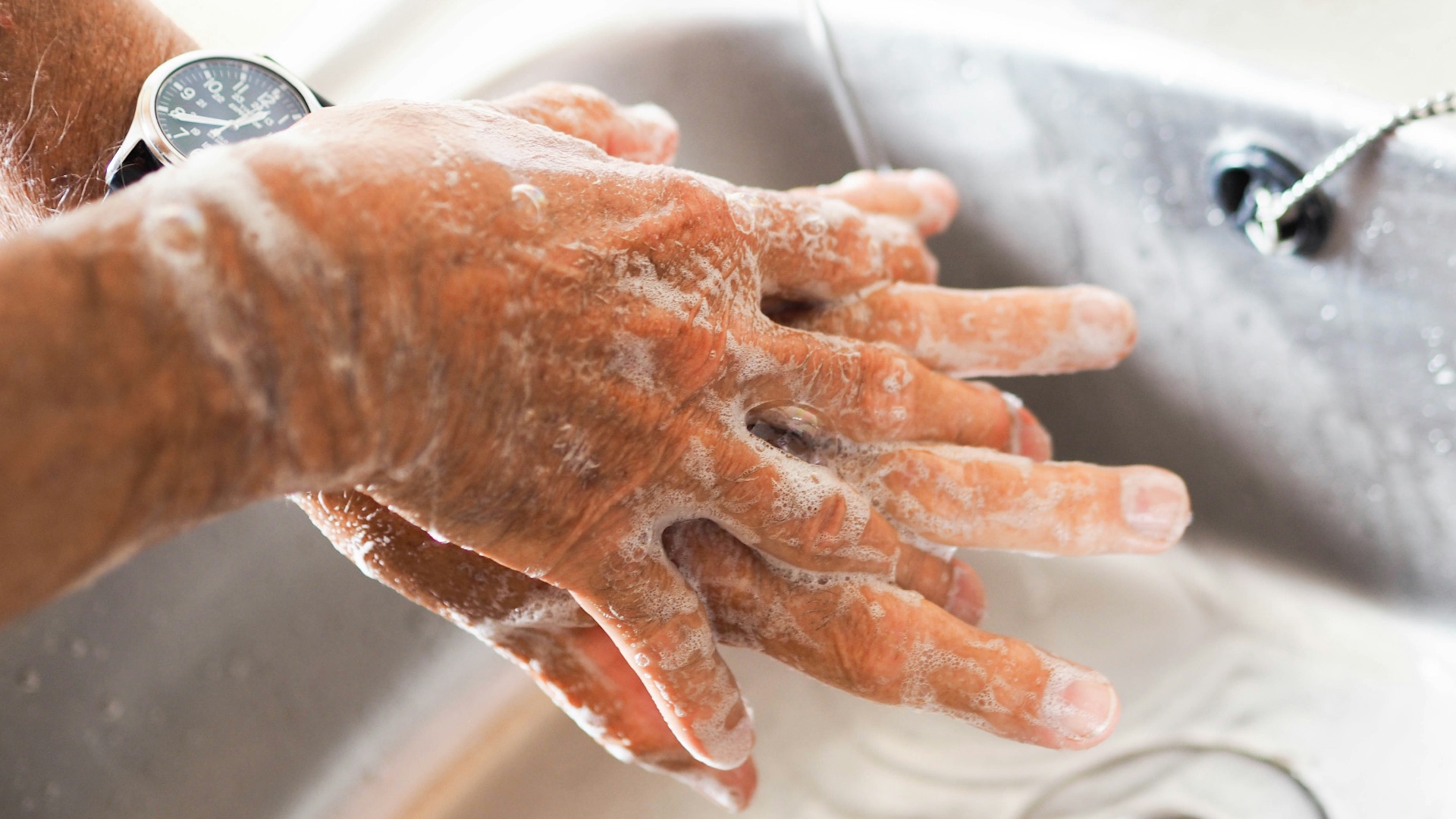
Even if you rinse your produce carefully, dirty hands can undo that effort in seconds. Your hands touch grocery bags, carts, counters, phones, and packaging before they ever touch the food. Washing your hands before handling produce helps prevent you from transferring new bacteria onto something you’re trying to clean.
6. Rinsing Bagged Greens Without Checking the Label
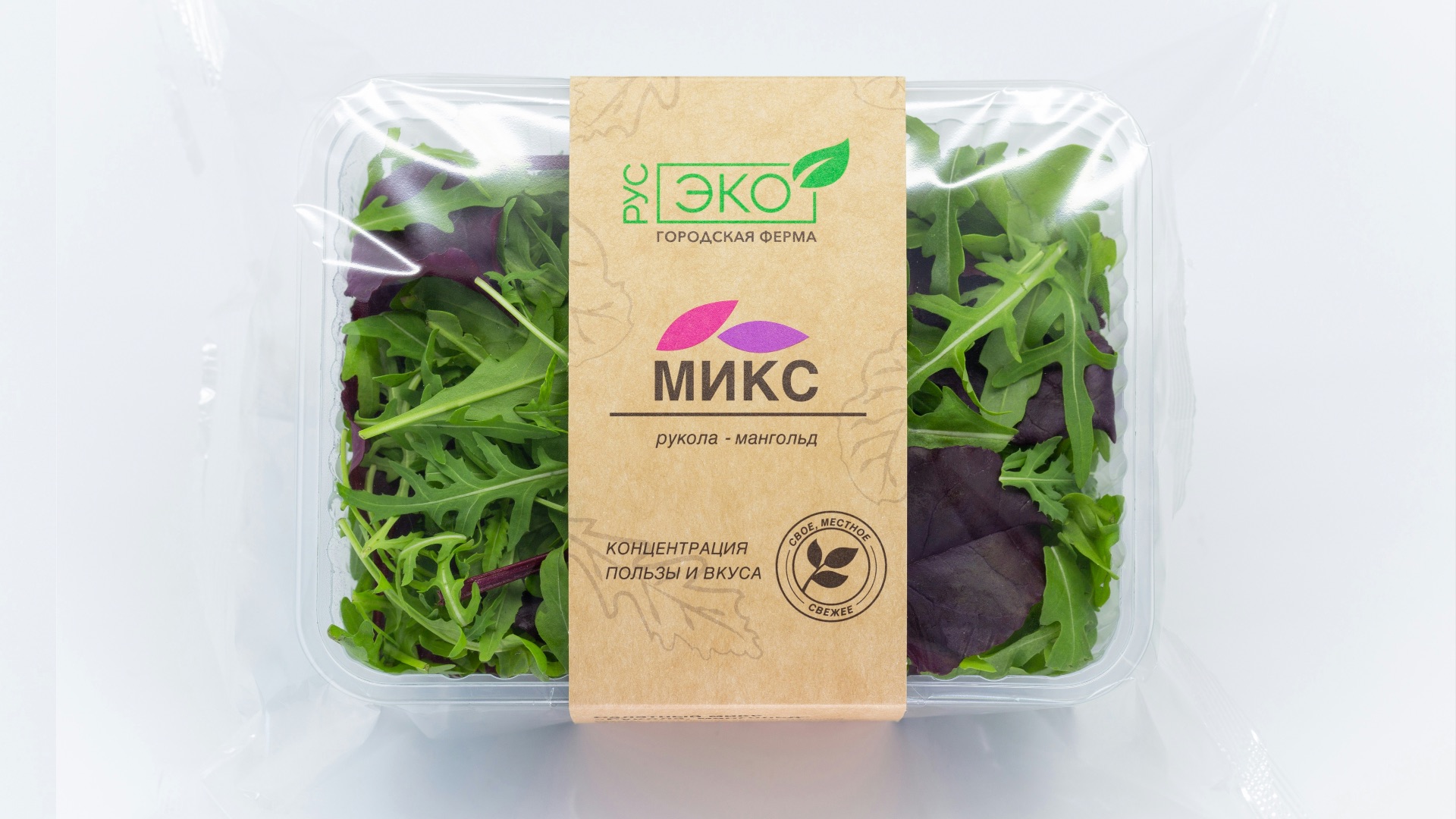
Not every bag of greens needs the same treatment, and ignoring the label can create unnecessary work or introduce new risks. Greens labeled “prewashed,” “triple washed,” or “ready to eat” have already been cleaned by the producer. Rewashing them in a sink or colander that isn’t perfectly clean may expose them to bacteria from your own kitchen.
7. Not Washing at All
Skipping the washing step entirely is one of the easiest mistakes to make, especially with produce that looks clean on the surface. Fruits and vegetables can pick up dirt, bacteria, and residue during growing, harvesting, shipping, and handling in stores. Even items that appear spotless can benefit from a proper rinse before they're eaten, cut, or cooked.
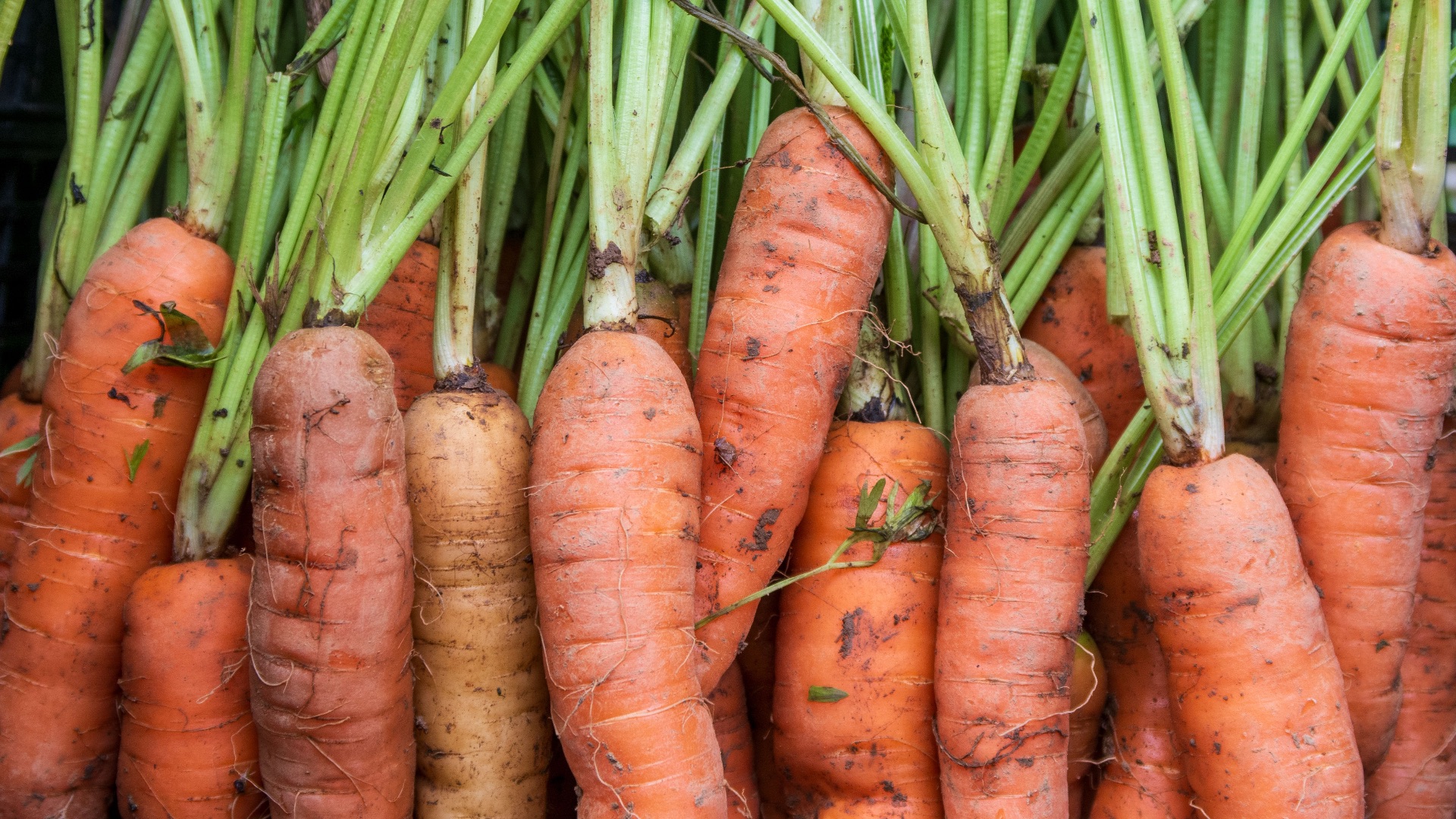
8. Washing Produce in a Dirty Sink
The sink may look clean, but it often holds bacteria from raw meat juices, dishes, sponges, and general kitchen use. Placing lettuce, herbs, or grapes directly in the basin can expose them to more contamination instead of reducing it. A clean bowl, colander, or freshly sanitized sink gives you a better starting point.
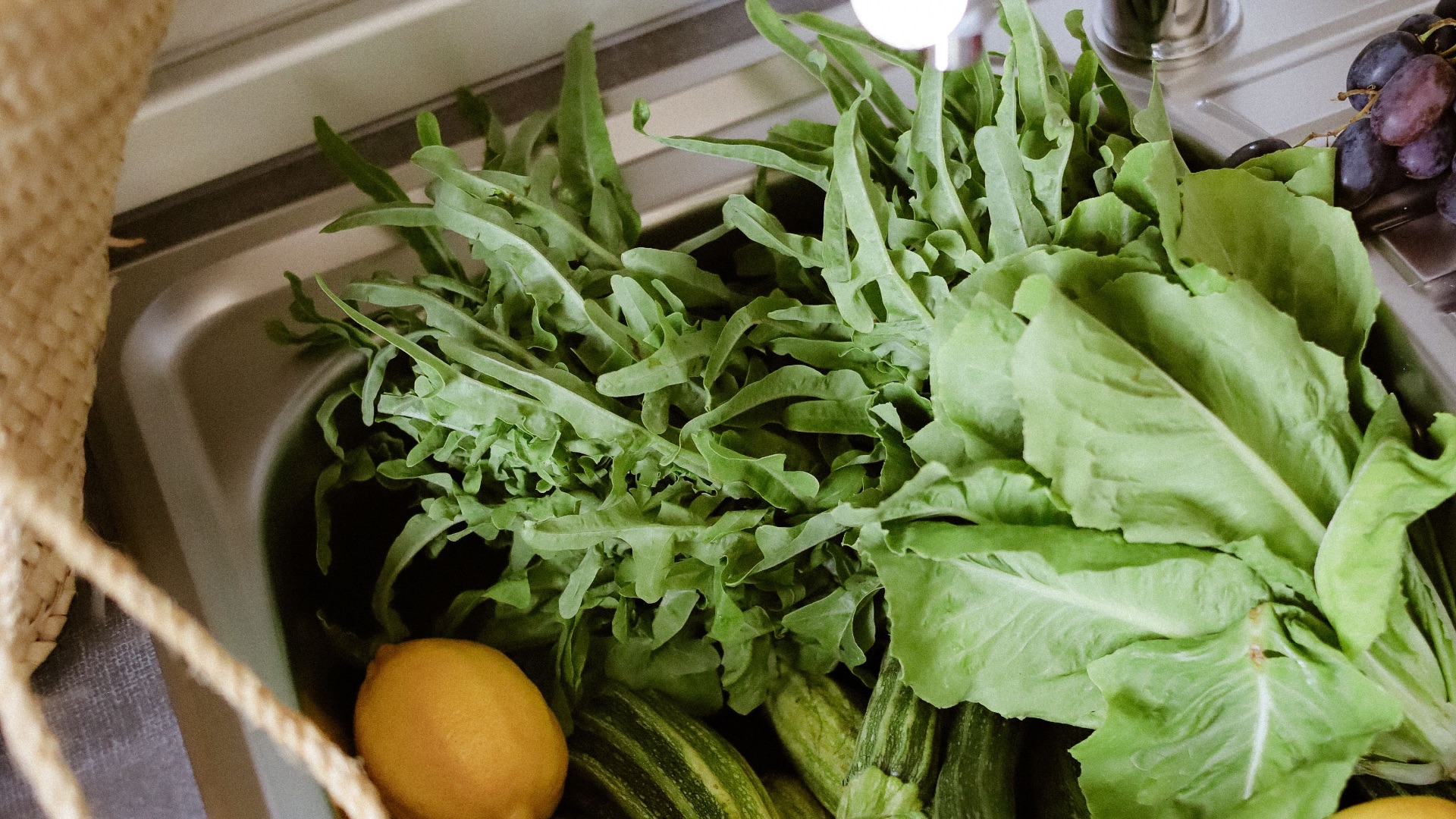
9. Ignoring Bruised or Damaged Spots
Bruises, cuts, and soft patches can create places where bacteria settle and spread more easily. Washing alone doesn’t always make damaged areas safe or pleasant to eat. Trimming away bruised sections before serving or cooking helps improve both safety and texture.
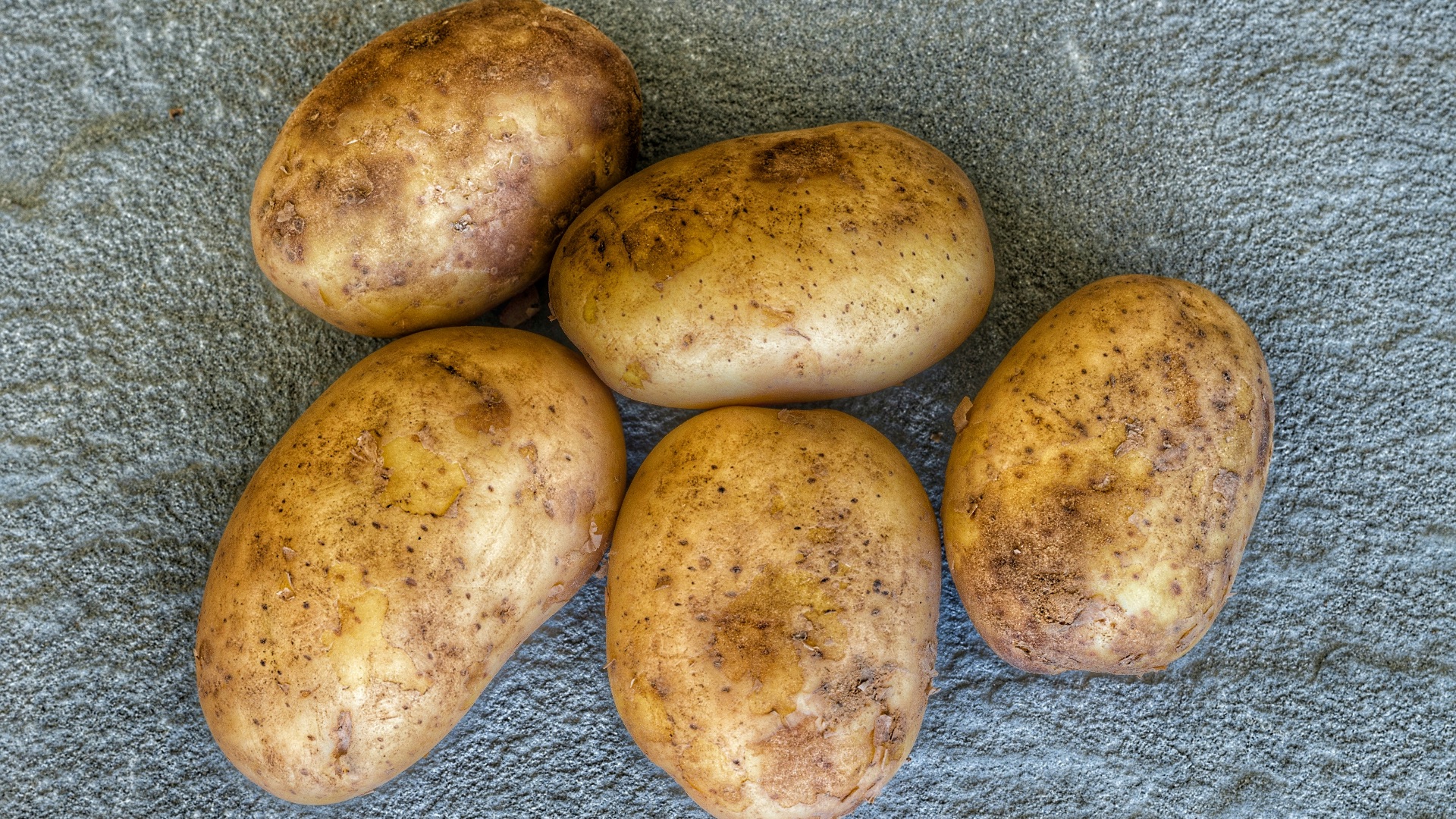
10. Drying Produce Carelessly or Not at All
Leaving produce wet after washing can dilute flavors, affect texture, and shorten storage life. Wet greens wilt faster, damp berries spoil quickly, and slick surfaces can make chopping less safe. Drying with a clean towel, paper towel, or salad spinner is a small step that makes a noticeable difference.
Now that the common mistakes are clear, how do you wash your produce correctly? Let's jump into that next so you know for next time.
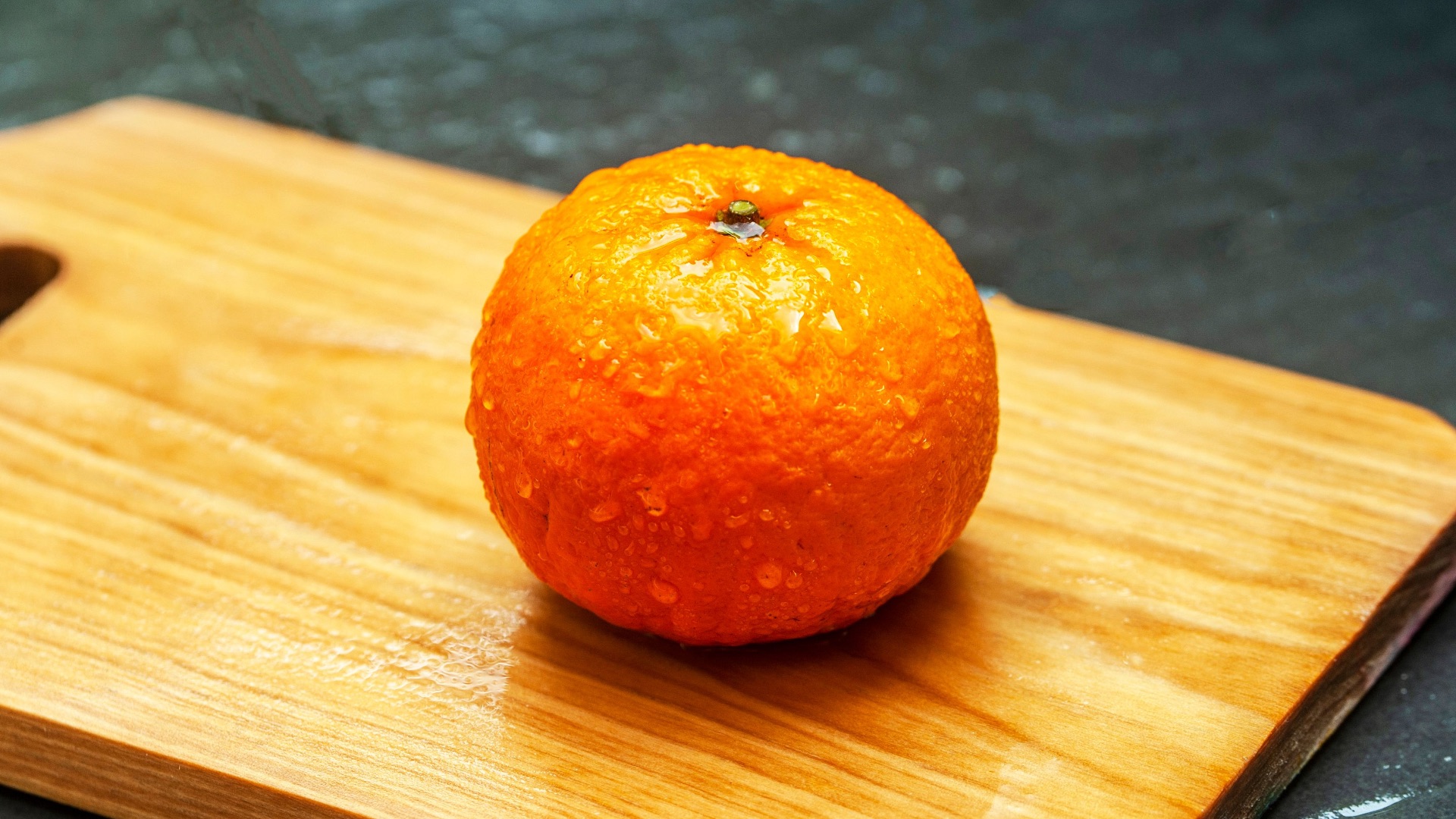
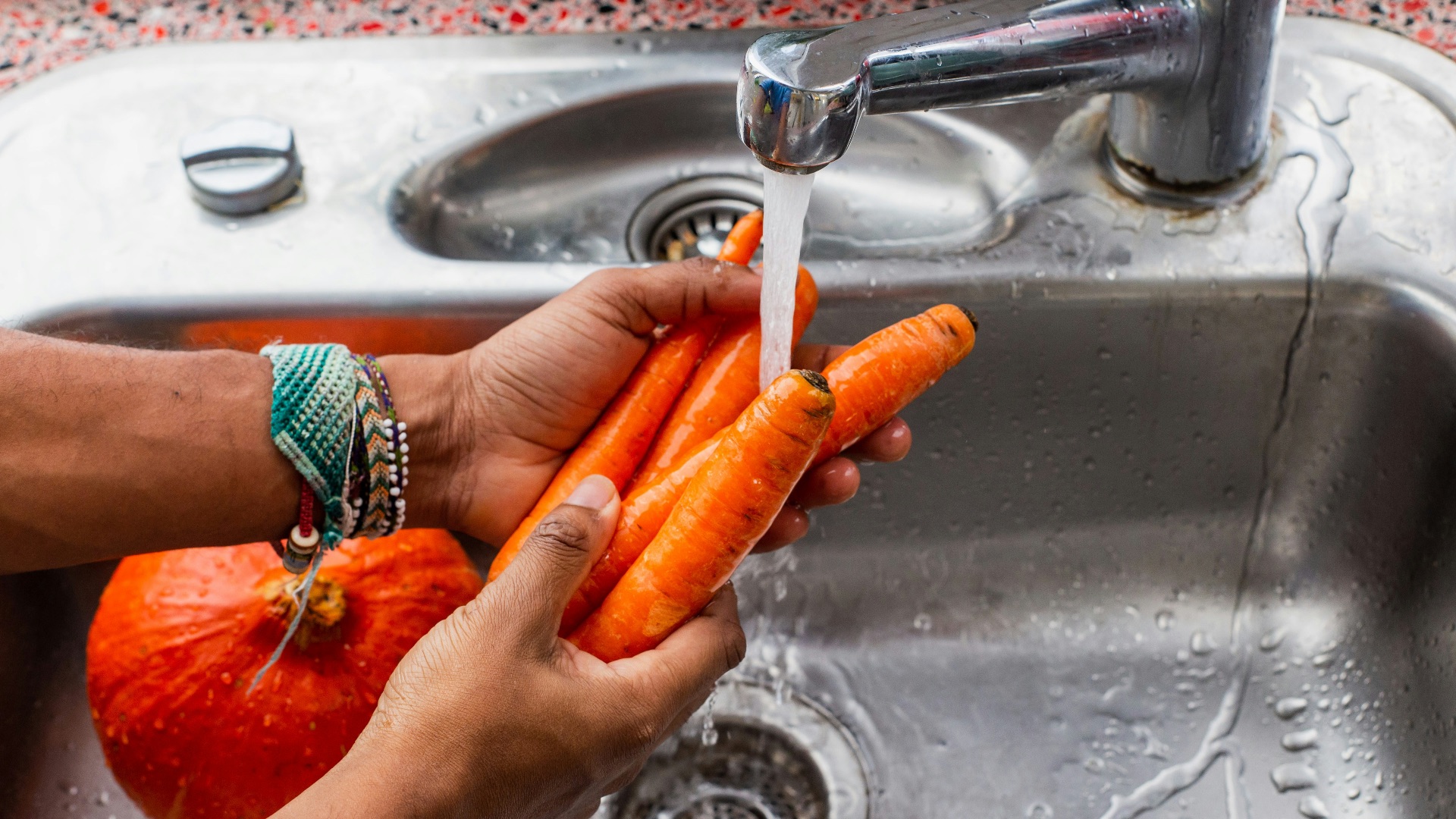
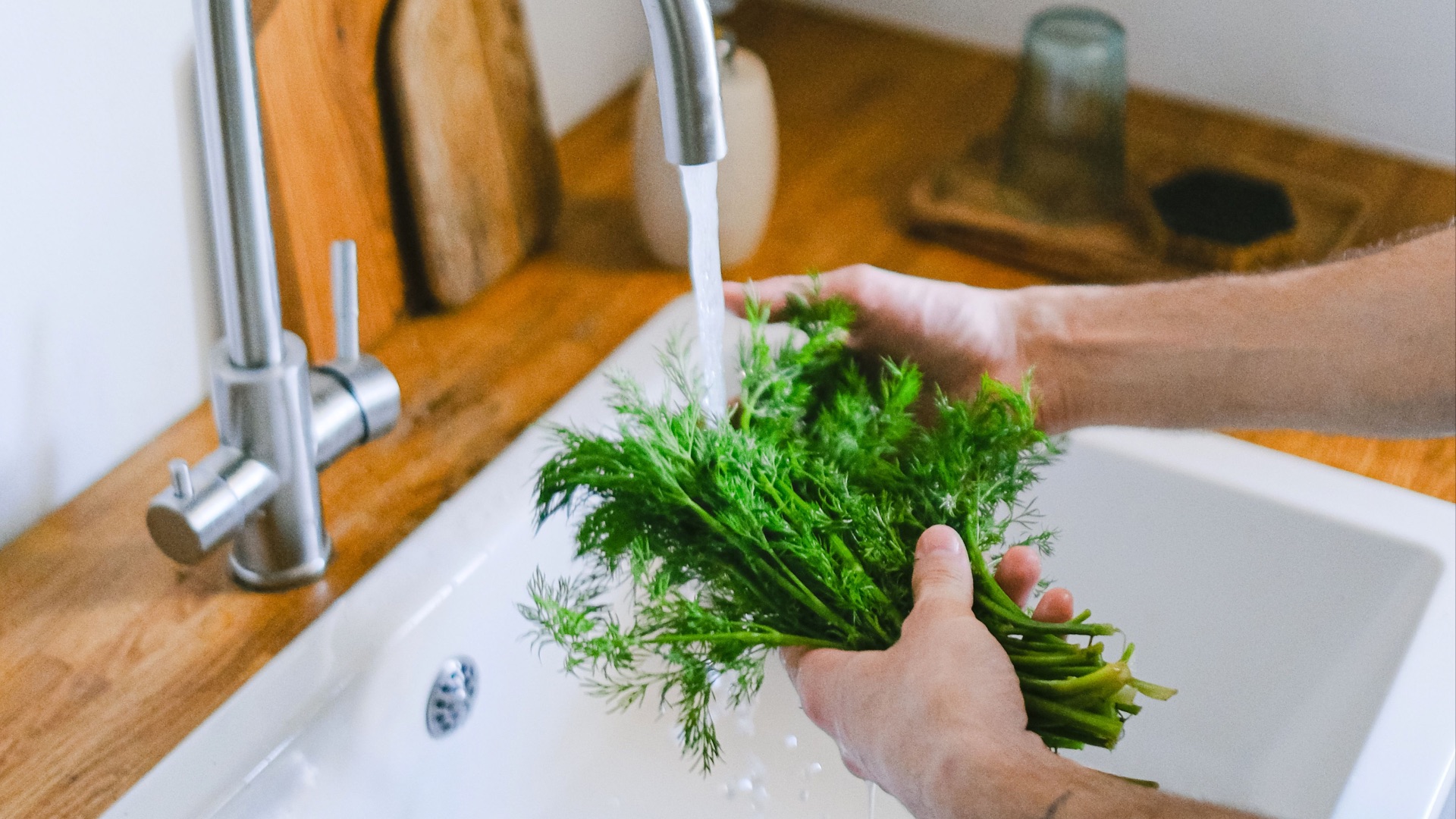
1. Wash Produce Under Running Water
Running water helps carry away dirt and residue instead of letting produce sit in the same cloudy water. Hold each item under the faucet while gently rubbing the surface with your fingers. For many fruits and vegetables, this simple method is the best everyday starting point.
2. Scrub Firm Produce with a Clean Brush
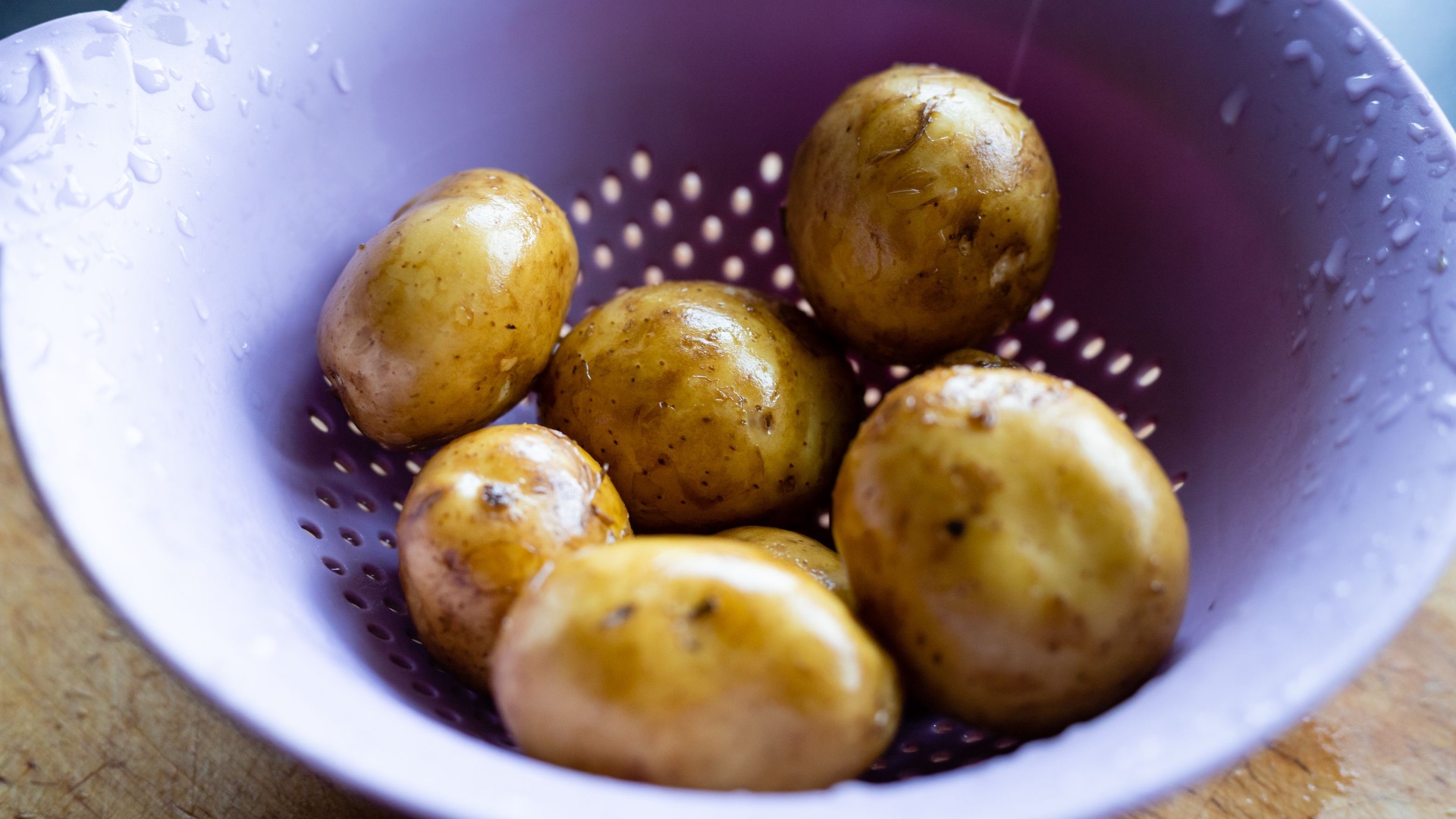
Potatoes, carrots, cucumbers, melons, and winter squash often need more than a light rinse. A clean produce brush can help remove dirt from rough, grooved, or waxy surfaces. Keep that brush separate from dish-cleaning tools so you’re not spreading grease or bacteria onto your food.
3. Separate Leafy Greens Before Washing
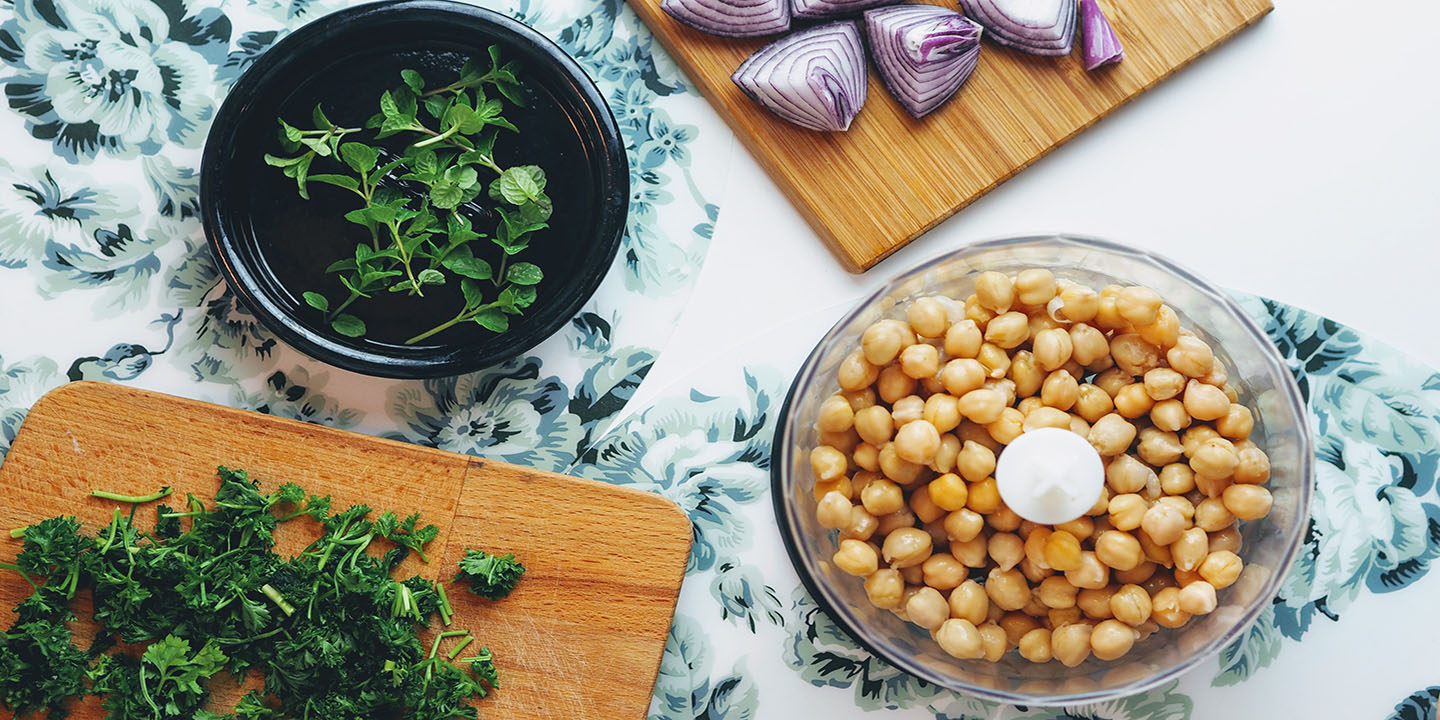
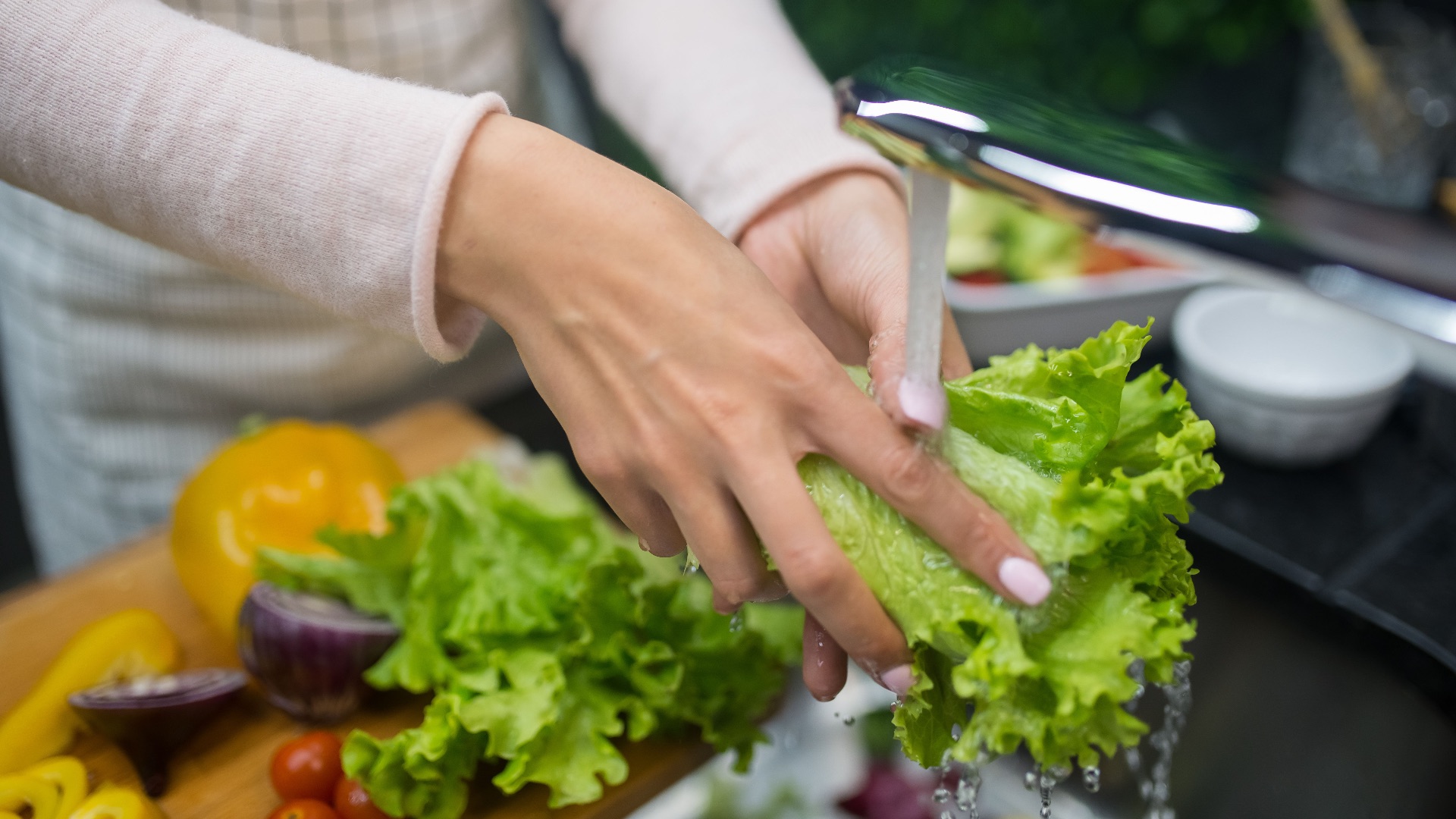
Lettuce, cabbage, kale, and other leafy vegetables can trap soil between layers. Pull the leaves apart and rinse them individually or swish them in a clean bowl of water before giving them a final rinse. This helps reach areas that a whole head of greens can hide.
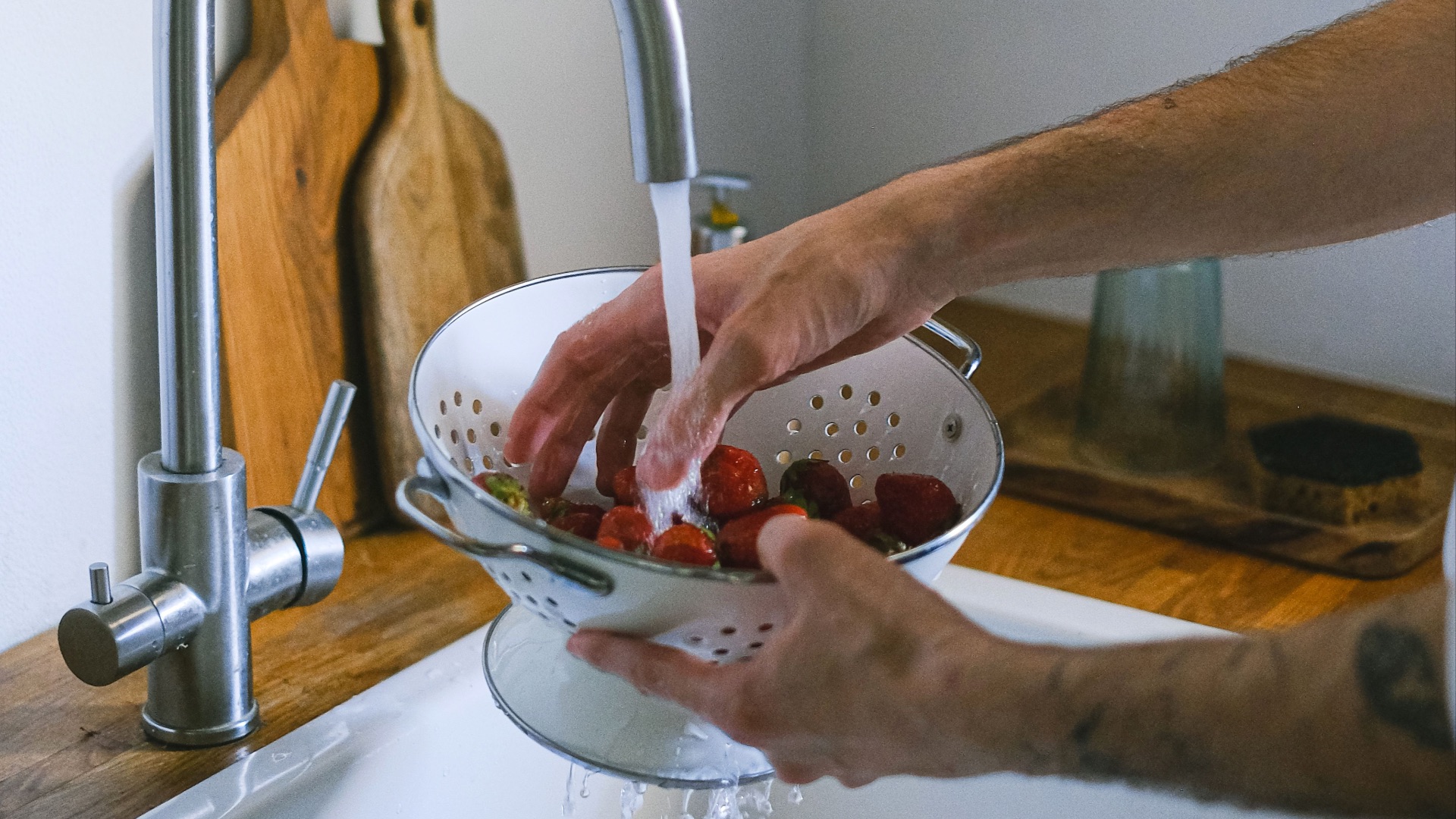
4. Treat Berries Gently
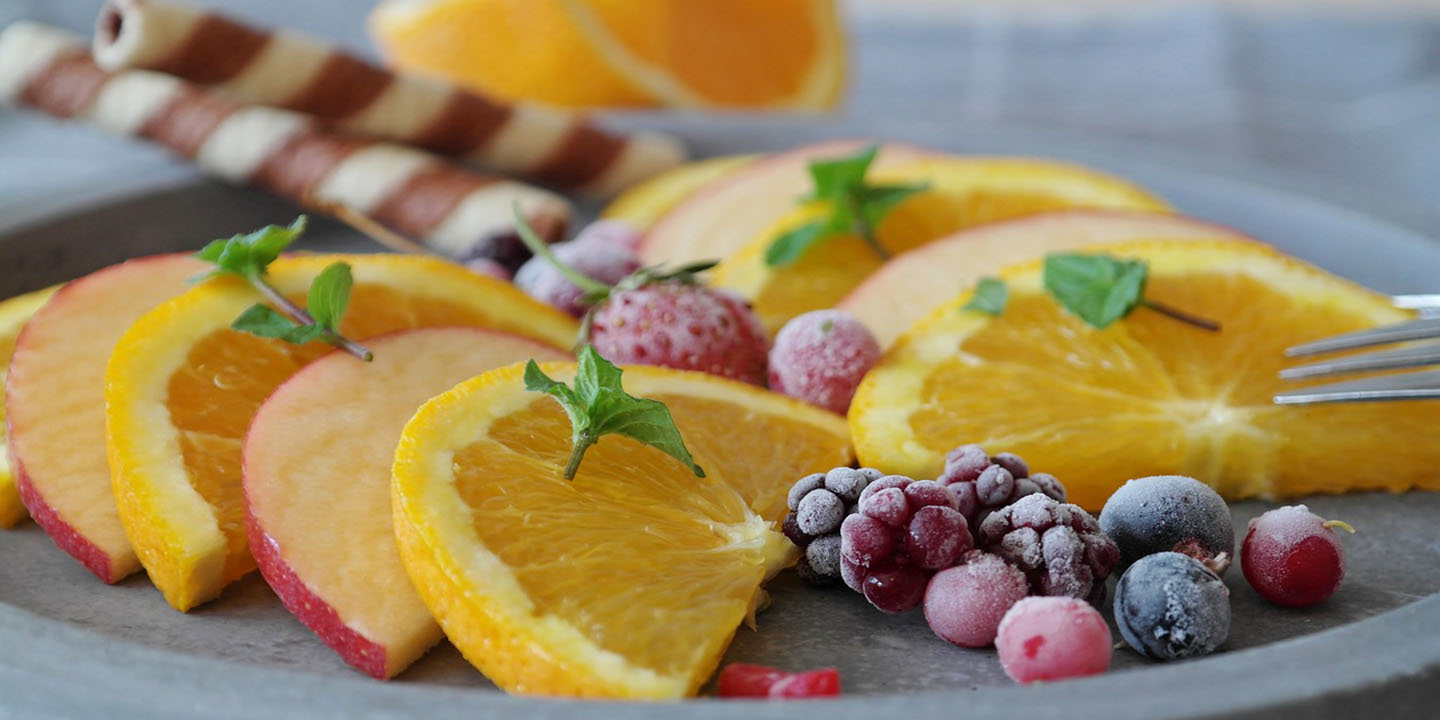
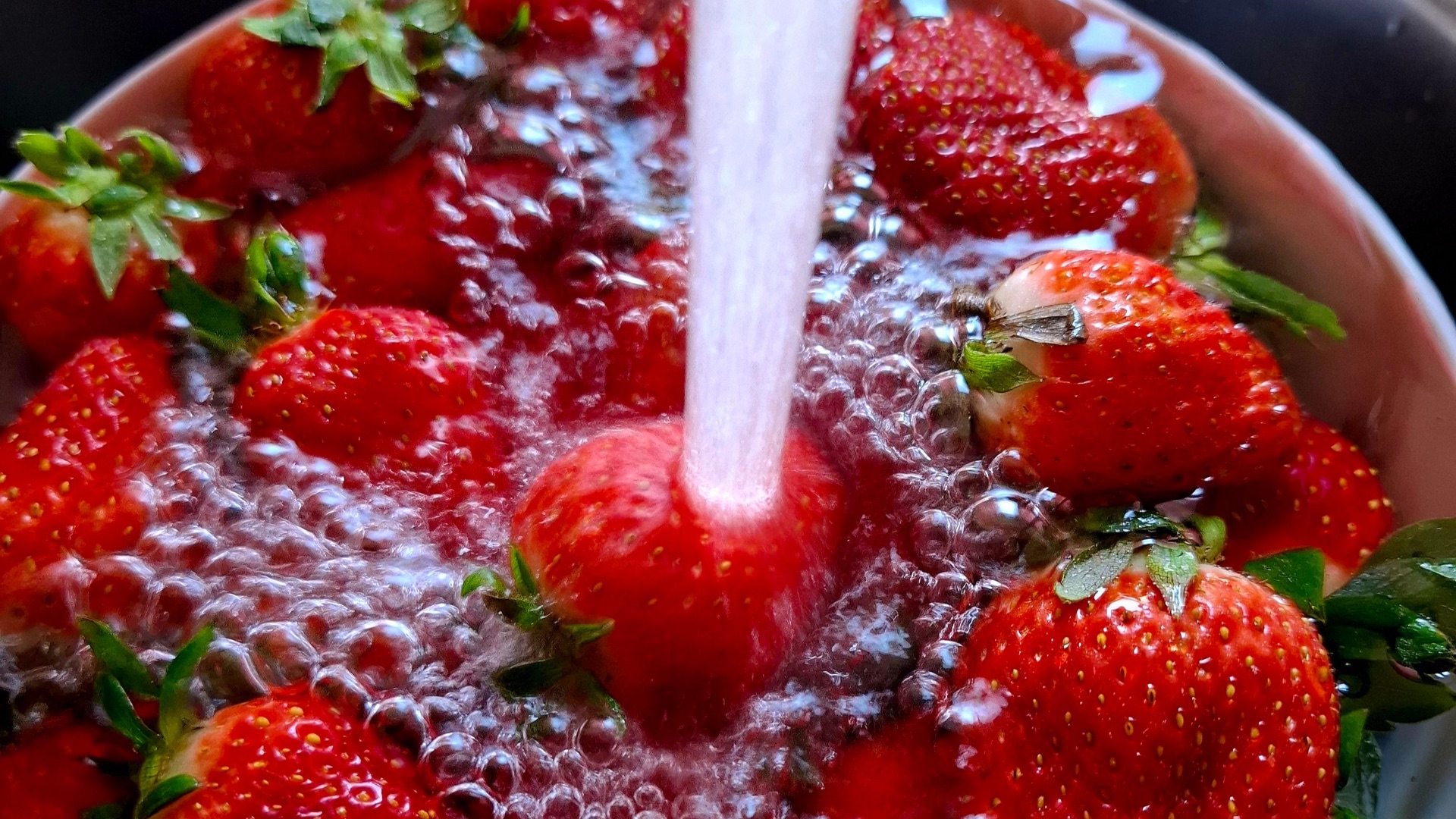
Berries are delicate, so aggressive rinsing can crush them or make them spoil faster. Place them in a colander and rinse them with a gentle stream of cool water shortly before eating or using them. Afterward, spread them on a clean towel and pat them dry instead of letting them sit in a wet pile.
5. Use Cool Water Instead of Hot Water
Hot water can soften produce, damage delicate skins, and affect texture before you even start cooking. Cool running water is usually enough to rinse away surface dirt without changing the quality of the fruit or vegetable. This is especially helpful for greens, berries, herbs, and anything you plan to eat raw.
6. Clean Your Tools Before You Start
Your colander, knife, cutting board, salad spinner, and produce brush all play a role in how clean your food stays. If those tools have old food residue or bacteria on them, freshly washed produce can become contaminated again. Taking a moment to clean your prep area makes the rest of the washing process more effective.
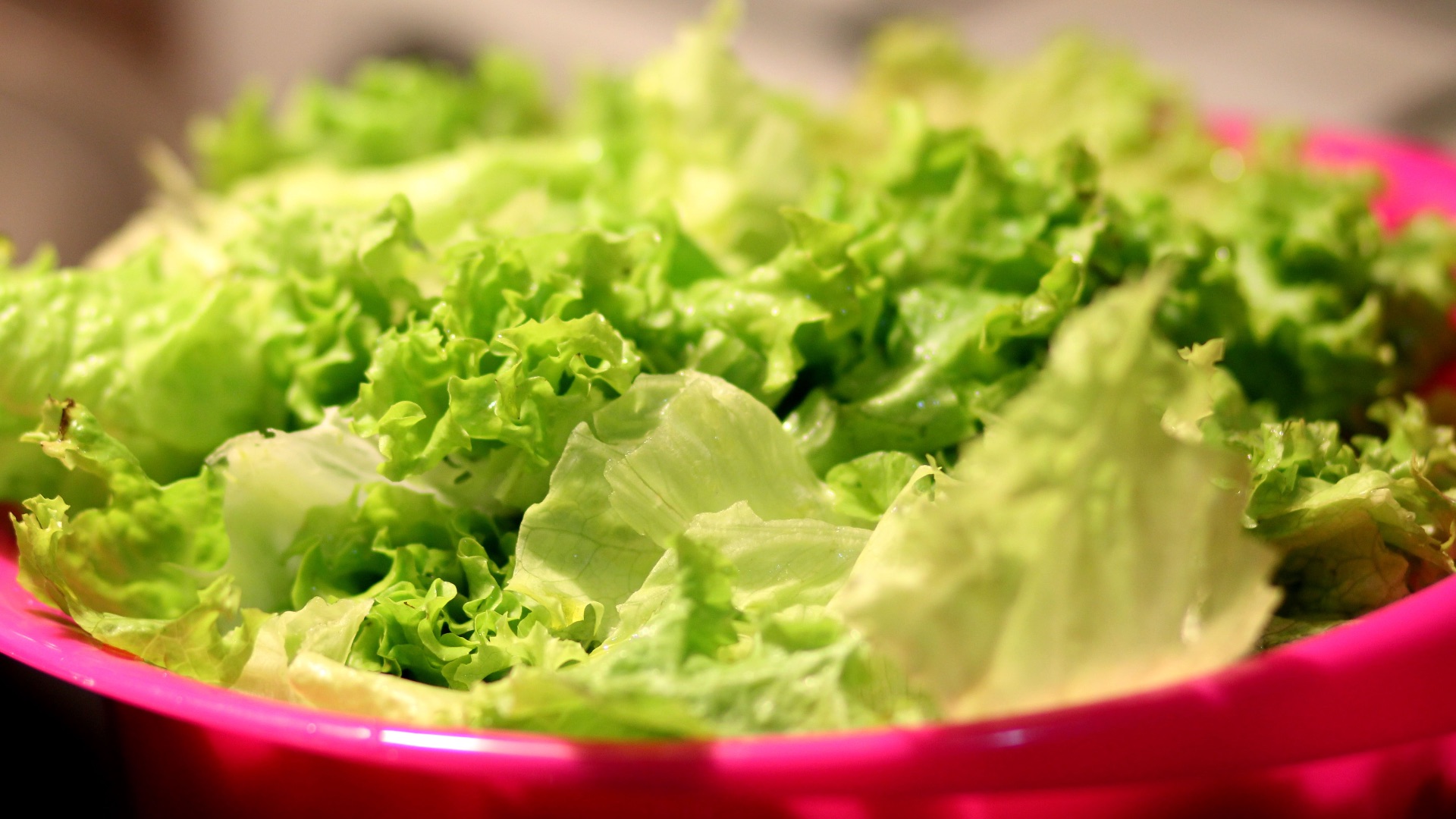
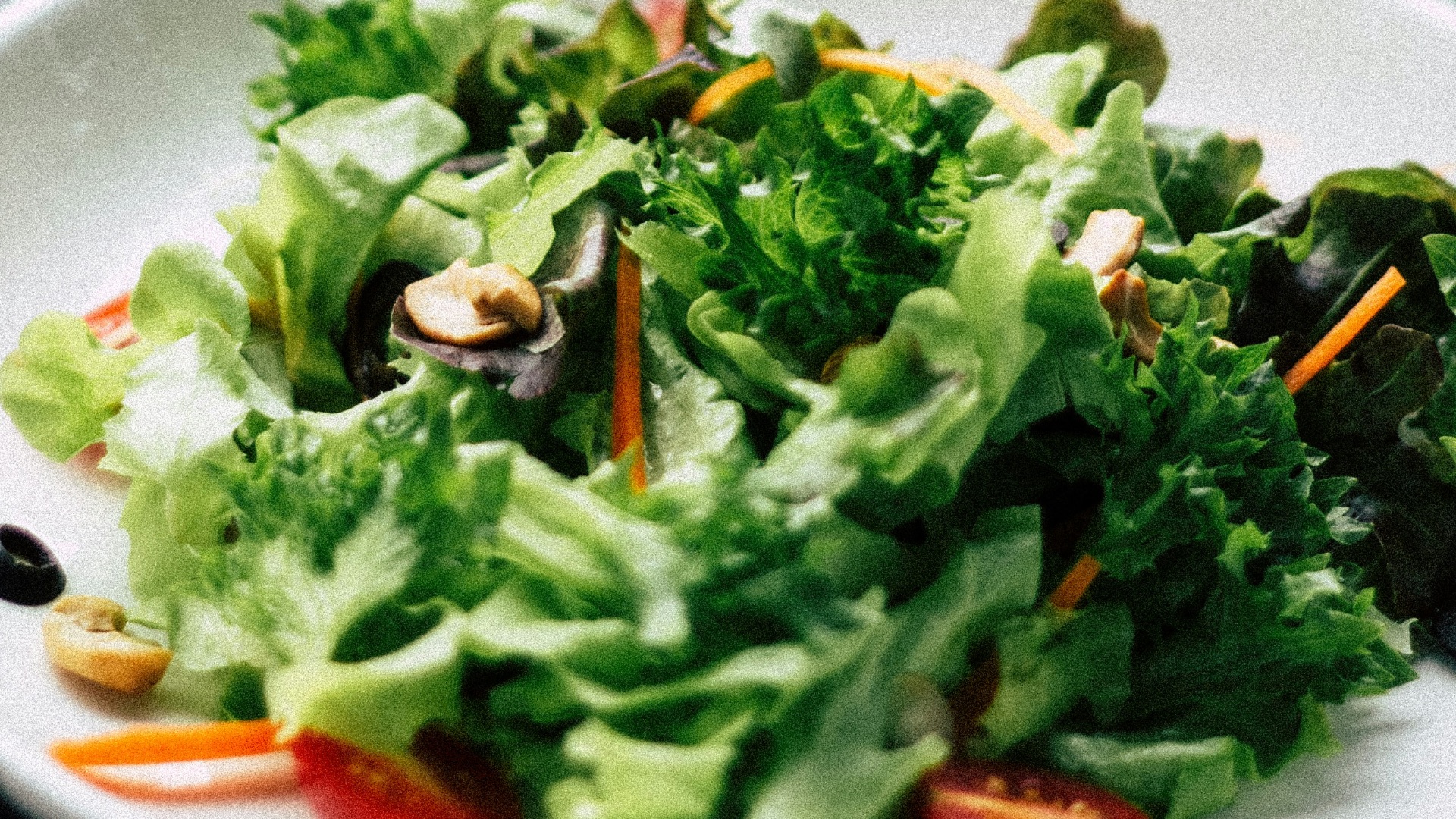
7. Dry Greens in a Salad Spinner
Leafy greens hold onto water in every fold and edge, which can make salads soggy and storage tricky. A salad spinner removes excess moisture more evenly than shaking the leaves by hand. Once the greens are dry, they’ll stay crisper and hold dressing better.
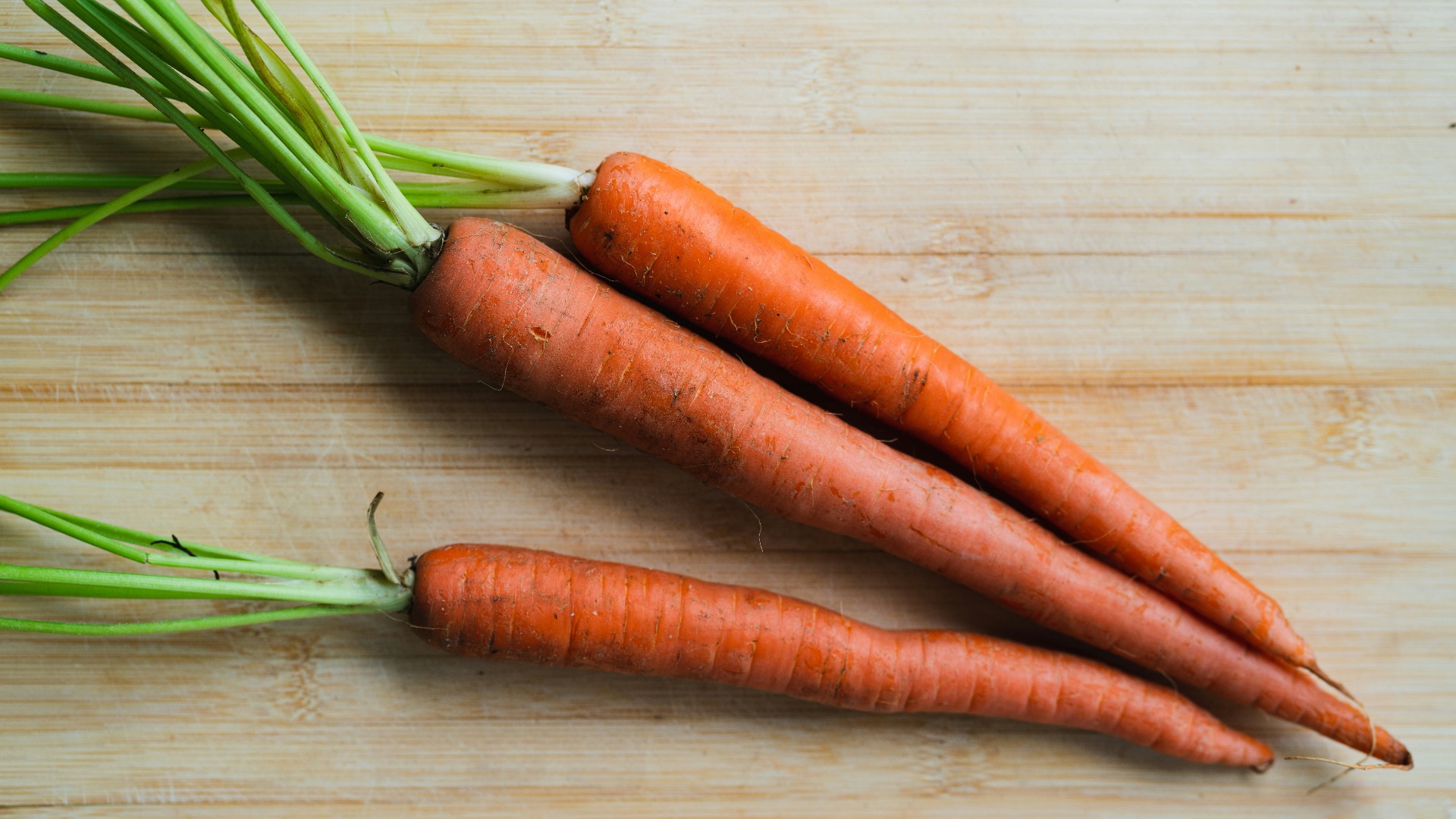
8. Trim After Washing When Possible
For many fruits and vegetables, washing before trimming helps keep dirt from moving into freshly cut surfaces. This is especially useful for items like celery, leeks, carrots, and cucumbers. Once they’re clean, you can trim, peel, slice, or chop them with less chance of dragging surface residue into the edible portions.
9. Pay Extra Attention to Produce Eaten Raw
Cooking can reduce some bacteria, but raw produce doesn’t get that extra safety step. Salads, fresh herbs, fruit trays, sandwich toppings, and raw snack vegetables deserve careful washing and drying. Since you’ll be eating them as they are, the cleaning step matters even more.
10. Store Washed Produce Only When It’s Fully Dry
Some produce can be washed ahead for convenience, but it needs to be dried thoroughly before going into the fridge. Use clean towels, paper towels, or a salad spinner to remove as much moisture as possible. Storing produce dry helps preserve texture, slow spoilage, and make your prep work more worthwhile.
KEEP ON READING

The Most Popular Signature Dishes Around the World