Many food combinations sound strange at first simply because people aren’t used to tasting those flavors together. Sweet ingredients mixed with salty foods or spicy elements paired with fruit can initially seem unbalanced until the flavors are actually experienced side by side. In reality, many unusual pairings succeed because they combine contrasting textures and complementary taste profiles in ways that feel surprisingly satisfying. Professional chefs often experiment with these combinations deliberately to create more complex and memorable dishes.
Food science also helps explain why certain unexpected pairings work so well together. Sweetness can soften bitterness, acidity can brighten heavy flavors, and salt often enhances sweetness more than people realize. Cultural traditions around the world have combined contrasting ingredients for centuries, even if some pairings seem unusual to outsiders at first glance. Once people become more open to experimenting, many unexpected combinations stop feeling strange very quickly.
Sweet And Salty Pairings Balance Each Other Perfectly
One of the best-known examples of sweet and salty balance is fries dipped into milkshakes. The salty crispness of hot fries contrasts strongly with the cold sweetness of the shake, creating a flavor combination many people enjoy more than either item separately. The contrast between temperatures and textures also makes the pairing feel more interesting while eating. Fast-food restaurants unintentionally helped popularize the combination over several decades.
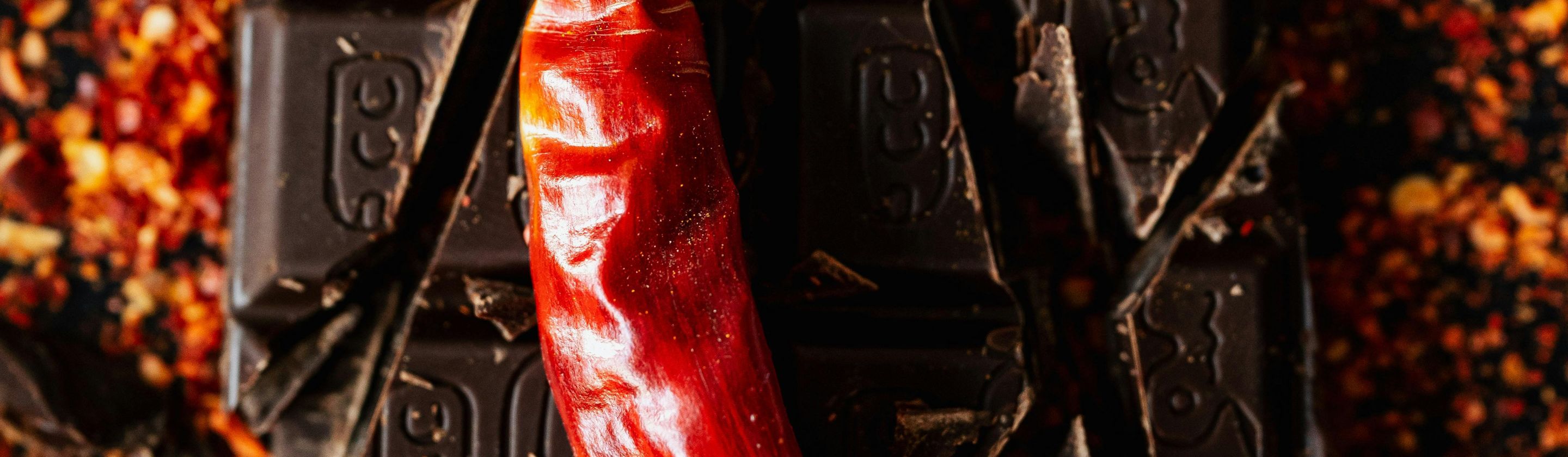
Chocolate paired with salty foods also works surprisingly well because salt enhances certain sweet flavors naturally. Chocolate-covered pretzels and sea salt brownies became popular partly because the salt prevents sweetness from becoming overwhelming. Even bacon has appeared in chocolate desserts and maple pastries with strong results. The smoky, salty flavor creates a richer balance against sugar-heavy ingredients.
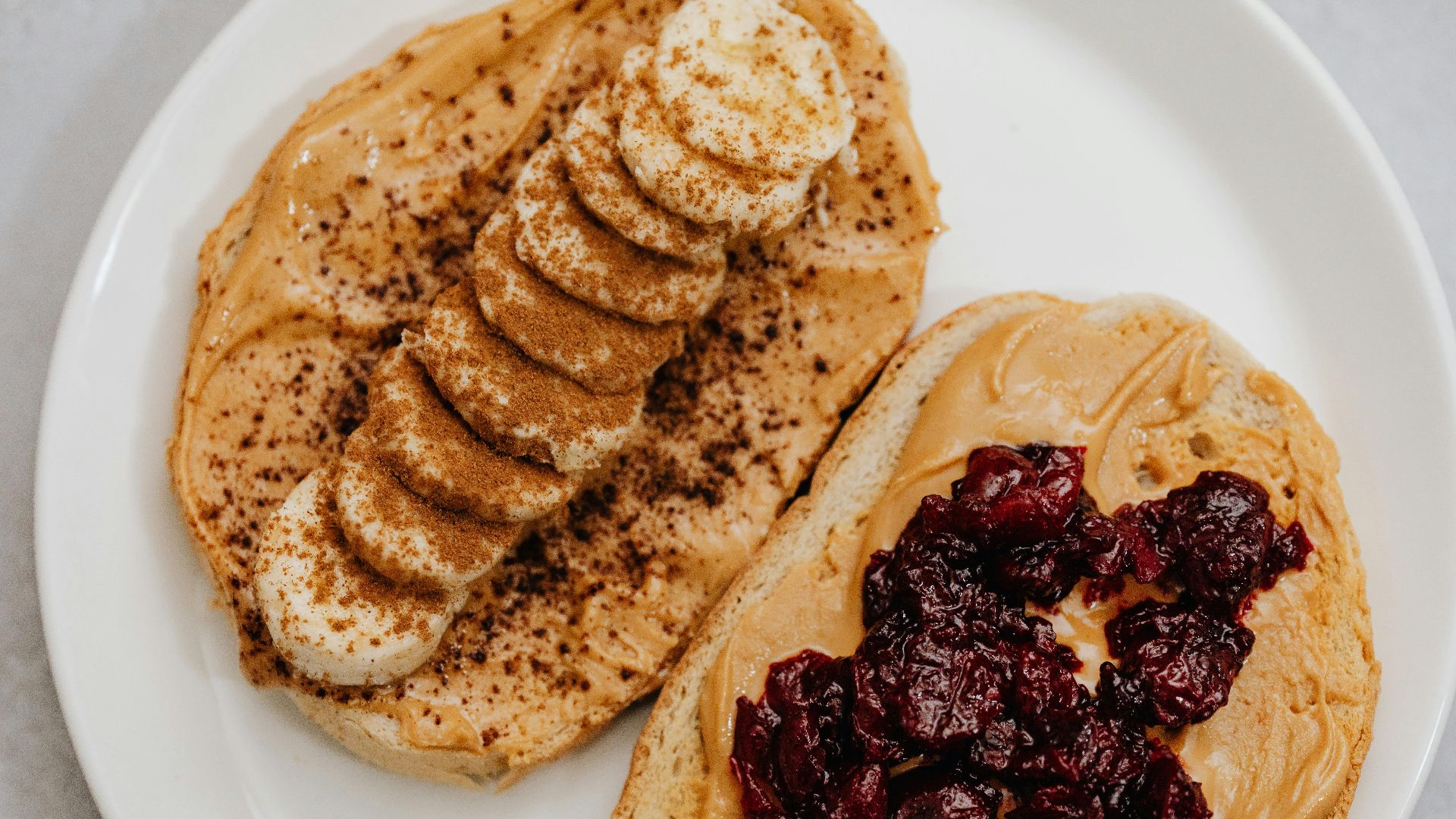
Peanut butter and pickles sound unusual to many people, but the pairing has gained attention for combining creamy, salty, and acidic flavors. The vinegar sharpness of pickles cuts through the heaviness of peanut butter while adding crunch at the same time. Some diners compare the balance to savory sandwiches that already rely on acidity for contrast. While the combination remains divisive, it continues attracting curious fans.
Fruit Often Works Well With Savory Ingredients
Fruit and cheese pairings appear frequently in both casual snacks and formal dining because sweetness balances richer dairy flavors effectively. Apples with cheddar cheese, watermelon with feta, and pears with blue cheese all combine contrasting flavor profiles successfully. The fruit provides freshness and acidity, while the cheese contributes saltiness and creaminess. Those combinations have remained popular across many culinary traditions for generations.
Pineapple on pizza remains one of the most debated food pairings, yet the contrast follows established culinary principles. The sweetness and acidity of pineapple help balance salty meats like ham or bacon while cutting through the richness of melted cheese. Similar sweet-and-savory combinations already exist in many global cuisines involving fruit and roasted meats. Much of the controversy surrounding pineapple pizza comes down to personal preference rather than flawed flavor balance.
Strawberries paired with balsamic vinegar may sound unusual initially, but the combination works because balsamic vinegar contains naturally sweet and acidic notes. The vinegar intensifies the fruit’s flavor while adding depth that plain sugar often cannot provide alone. Restaurants frequently use the pairing in salads and desserts because the balance feels refreshing instead of overly sweet.
Spicy And Creamy Foods Complement Each Other Naturally
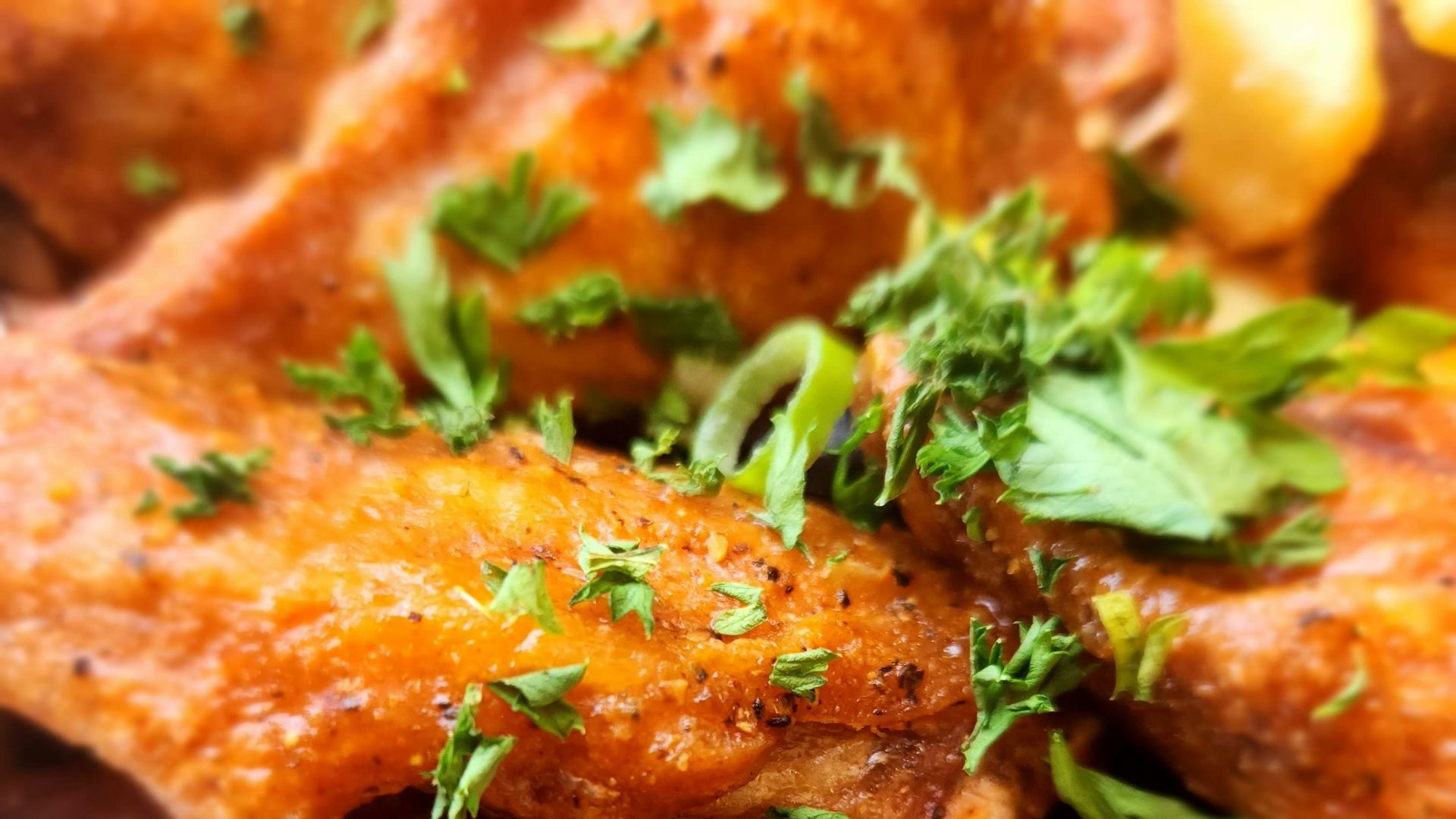 Praveen Kumar Nandagiri on Unsplash
Spicy foods often pair well with creamy ingredients because fat helps reduce the intensity of heat from chili peppers. That balance explains why spicy dishes frequently include sour cream, yogurt, cheese, or coconut milk. Buffalo wings with ranch dressing and spicy curries with yogurt sauces both rely on the same basic principle.
Hot honey on pizza has become increasingly popular because it combines sweetness, spice, and saltiness all at once. The honey softens spicy heat slightly while enhancing the savory flavor of cheese and cured meats. Pepperoni pizza especially works well with hot honey because the sweetness balances the salt and spice already present.
Ice cream with olive oil also surprises many people despite following familiar flavor patterns. Good olive oil contributes richness and slight bitterness that balance sweet vanilla ice cream effectively. Some chefs add sea salt alongside the oil to increase flavor contrast even further. Although it sounds unusual initially, the pairing highlights how small savory additions can improve desserts without overwhelming them.
Unexpected food pairings often succeed because strong contrasts create more balanced and interesting flavors than people expect at first glance. Sweet, salty, spicy, acidic, and creamy ingredients frequently work together when each element prevents another from becoming overpowering. Many combinations that sound strange initially are actually rooted in long-standing culinary traditions and basic food science principles. Trying unusual pairings with an open mind can sometimes lead to discovering entirely new favorite foods.
KEEP ON READING
Can You Have an Obsession with Eating Healthy?