Between Swig's "dirty sodas" and Crumbl's thousand-calorie cookies, Mormon cuisine has been making headlines in the past few years. In addition to these ultra-sweet indulgences (and a few Jello-based dishes that baffle the masses), one other dish popular in the Mormon corridor has been released from the salt flats of Utah: funeral potatoes. Creamy, crunchy, and comforting, let's take a closer look at this popular dish.
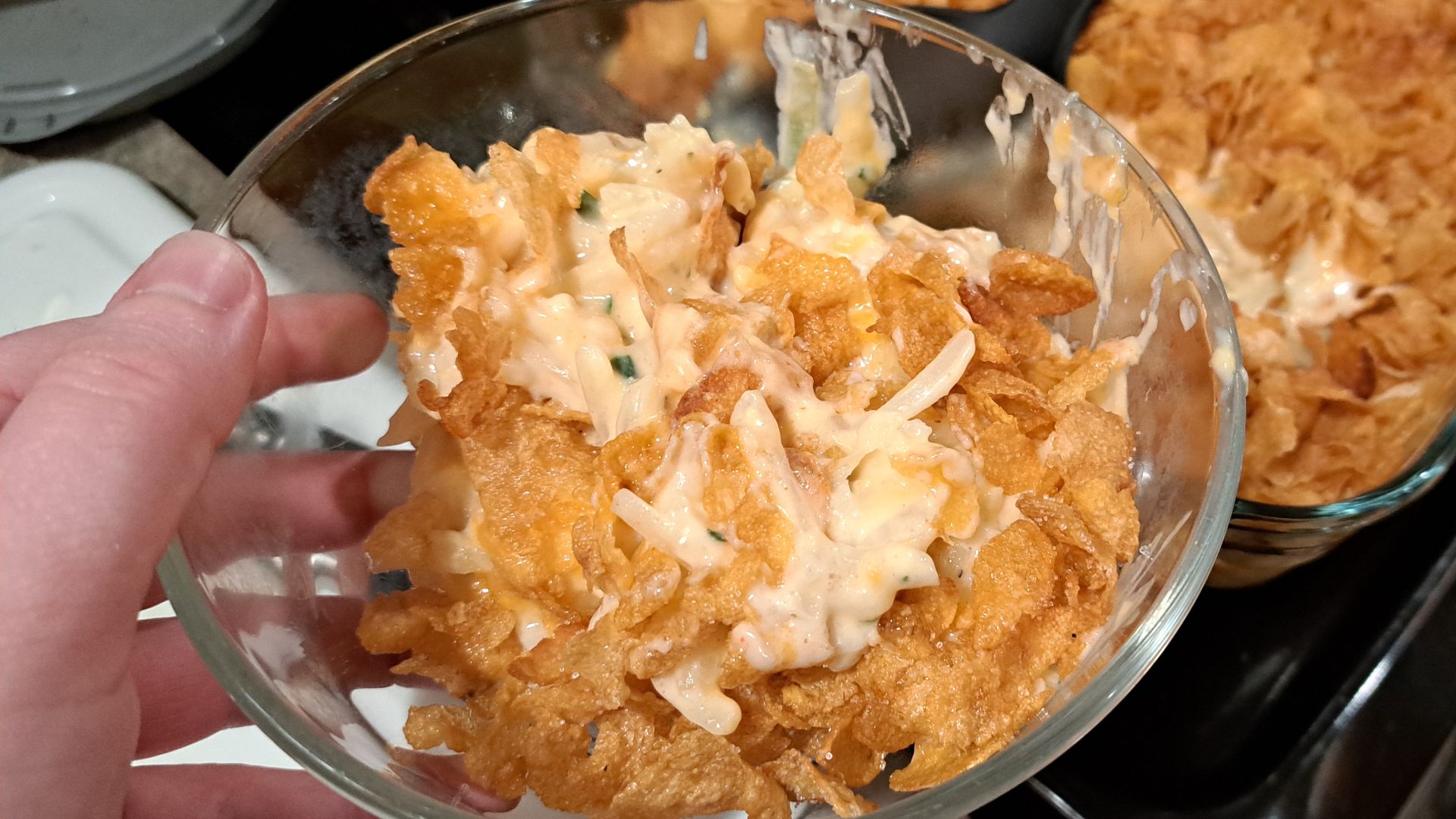
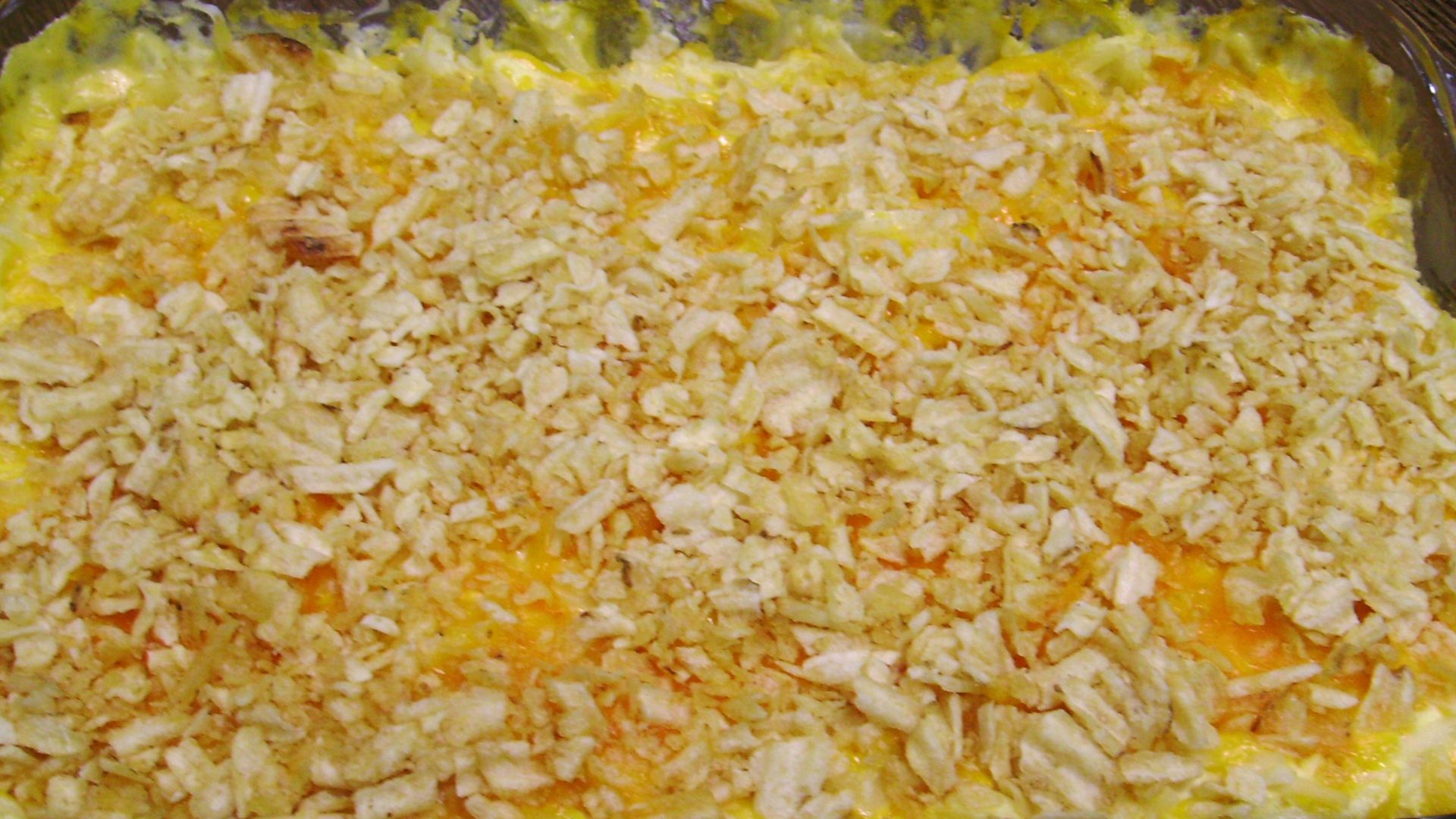
Funeral potatoes are a casserole dish similar to potatoes au gratin. Hashbrowns—typically frozen, but fresh if you're feeling fancy—are baked with creamy soup, cheese, butter, and sour cream. The dish is then topped with a layer of cornflakes for a satisfying crunch.
Mormon Foodways
Funeral potatoes are a warm, filling dish that's easy to make and store. For this reason, it is often served at post-funeral potlucks, common in the Church of Latter-day Saints. When you're grieving a loss, the last thing you want to do is cook; the burden of keeping mourners fed falls to the mourners themselves.
Due to years of famine and drought as they struggled to make a home in the desert, early Mormon pioneers foraged, butchered, and processed almost all their food themselves. This lead to a culture of resilience and self-sufficiency which still persists today. Cooking a meal "from scratch" is seen as not only a way for LDS influencers to brag to their secular peers, but also a way to uphold doctrine.
It's also important to remember that LDS families, both then and now, tend to be large. This means that they need to spend more money to keep everyone full. The focus was not only on feeding people, but feeding as many people as possible with whatever you had on hand.
Following the lean years of the Great Depression and wartime rationing, Mormon families began to include things like canned soup and gelatin mixes in their pantries. The convenience of shelf-stable, ready-made food allows families to prepare for times of need. To this day, many families maintain several months of food storage.
All this preamble leads us back to the popularity of Funeral Potatoes, which read like a handy checklist for Mormon foodways. Funeral Potatoes combine both convenience (canned soup) and self-sufficiency (potatoes can be grown at home). The majority of ingredients can be stockpiled in advance and helpings can be frozen for the future. They're also dense in carbs which will keep people full.
The History Of Funeral Potatoes
Funeral Potatoes were likely introduced sometime in the early 19th century. They were cooked up by the Relief Society, a women's organization based around community ministry and compassionate service. Cooking up a big batch of Funeral Potatoes to feed hungry mourners gave women a means to put their faith intro practice: bringing people together while showcasing their own self-reliance.
Contrary to the morbid name, Funeral Potatoes aren't exclusively served following someone's ascension to the kingdoms of glory. Baptisms, weddings, and other occasions for potlucks see these cheesy spuds served at abundance. It isn't uncommon for families to tuck into Funeral Potatoes on weekends, especially around the holidays.
When the Winter Olympics were held in Salt Lake City in 2002, athletes chowed down on Funeral Potatoes. They could even take the dish home in the form of a commemorative pin. Today, preppers can even buy frozen Funeral Potatoes in major grocery stores.
KEEP ON READING

The Best Gifts to Give To Any Baking Lover


10 Iconic Australian Foods You Need to Try