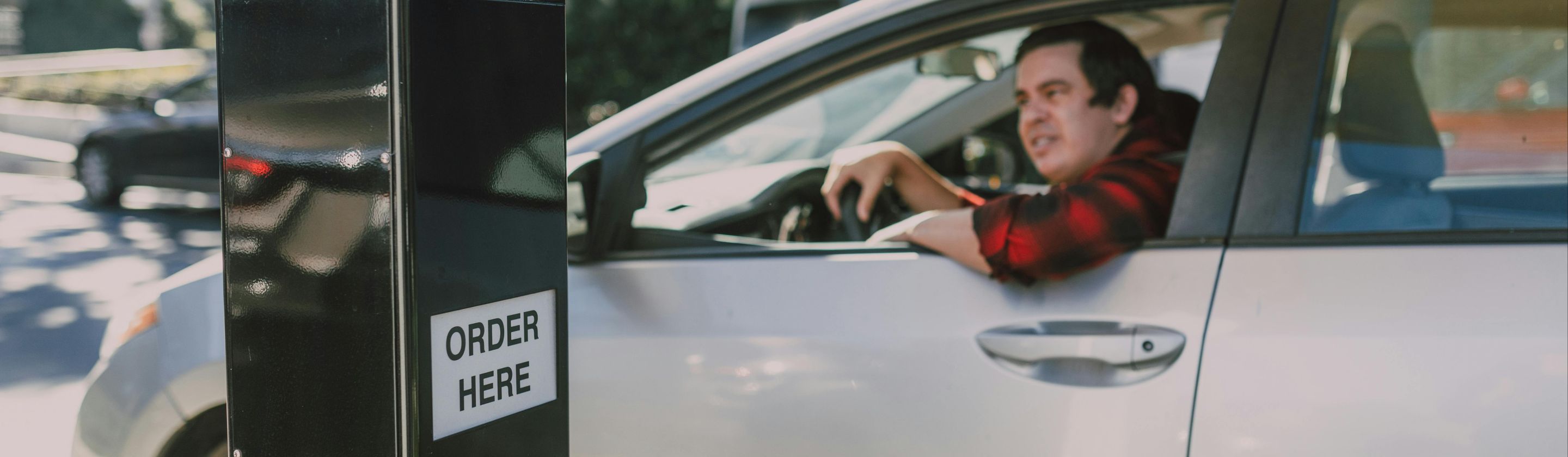
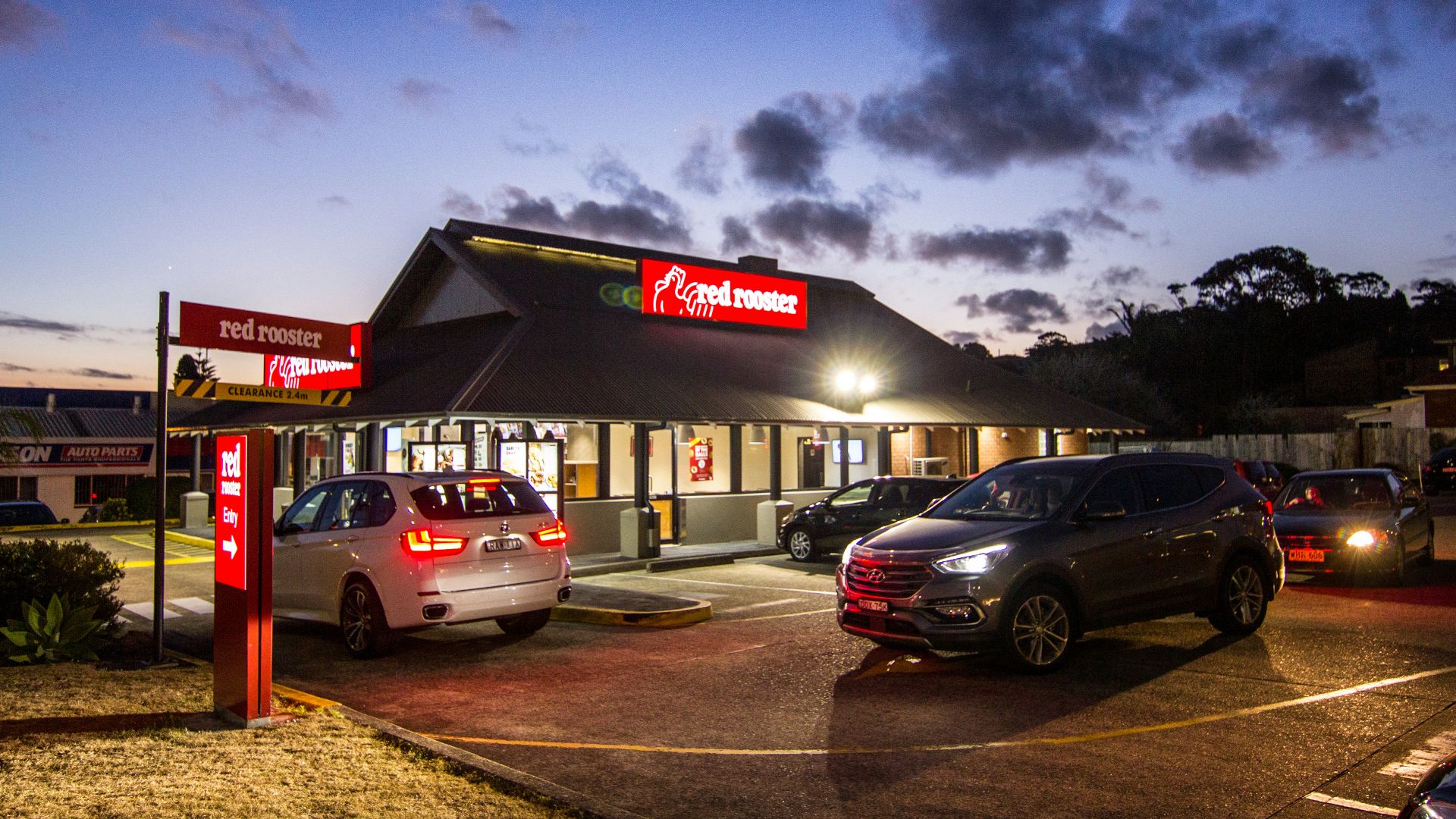
Pull up to almost any fast-food restaurant in America, and you'll see cars inching around the building, with drivers waiting for their turn at the speaker box. Americans visit drive-thru lanes about 6 billion times each year, a number that sounds absurd until you realize that over 75% of fast food restaurant sales in the U.S. now come from drive-thrus. We've become a nation that would rather wait in our cars than walk twenty feet to a counter.
We Don't Want to Get Out of Our Cars
47% of U.S. consumers would simply avoid going to a store that doesn't have a drive-thru. According to a survey by Dutch Bros, twice as many people prefer using the drive-thru to going in-store. The car has become our portable dining room, a sanctuary from human interaction.
There's something almost ritualistic about it. You know exactly what you're going to order before you even leave your driveway, and you've timed it so you hit Dunkin' between 9:15 and 9:30 when the line isn't insane yet. Convenience and faster service are the biggest reasons people prefer drive-thrus, cited by 78% and 47% of users respectively.
Different Generations, Same Addiction
You could be forgiven for assuming that Gen Z would be all about delivery apps and mobile ordering. In reality, Baby Boomers (55%) and Gen Z (48%) are most likely to use drive-thrus. The youngest and oldest generations have found common ground in the drive-thru lane, though for wildly different reasons. Boomers want comfort and accessibility without the hassle of parking and walking into a crowded restaurant. Gen Z wants instant gratification without unnecessary human contact.
Millennials, interestingly enough, are the holdouts. Only 21% of them regularly use drive-thrus, preferring delivery or mobile pickup instead. They're the generation that grew up with drive-thrus as background noise and now find them somehow quaint or inefficient compared to an app that brings food directly to their couch. Gen X sits in the middle at 43%, which tracks perfectly with their whole vibe of adapting to whatever's most practical at the moment.
Speed Is Relative
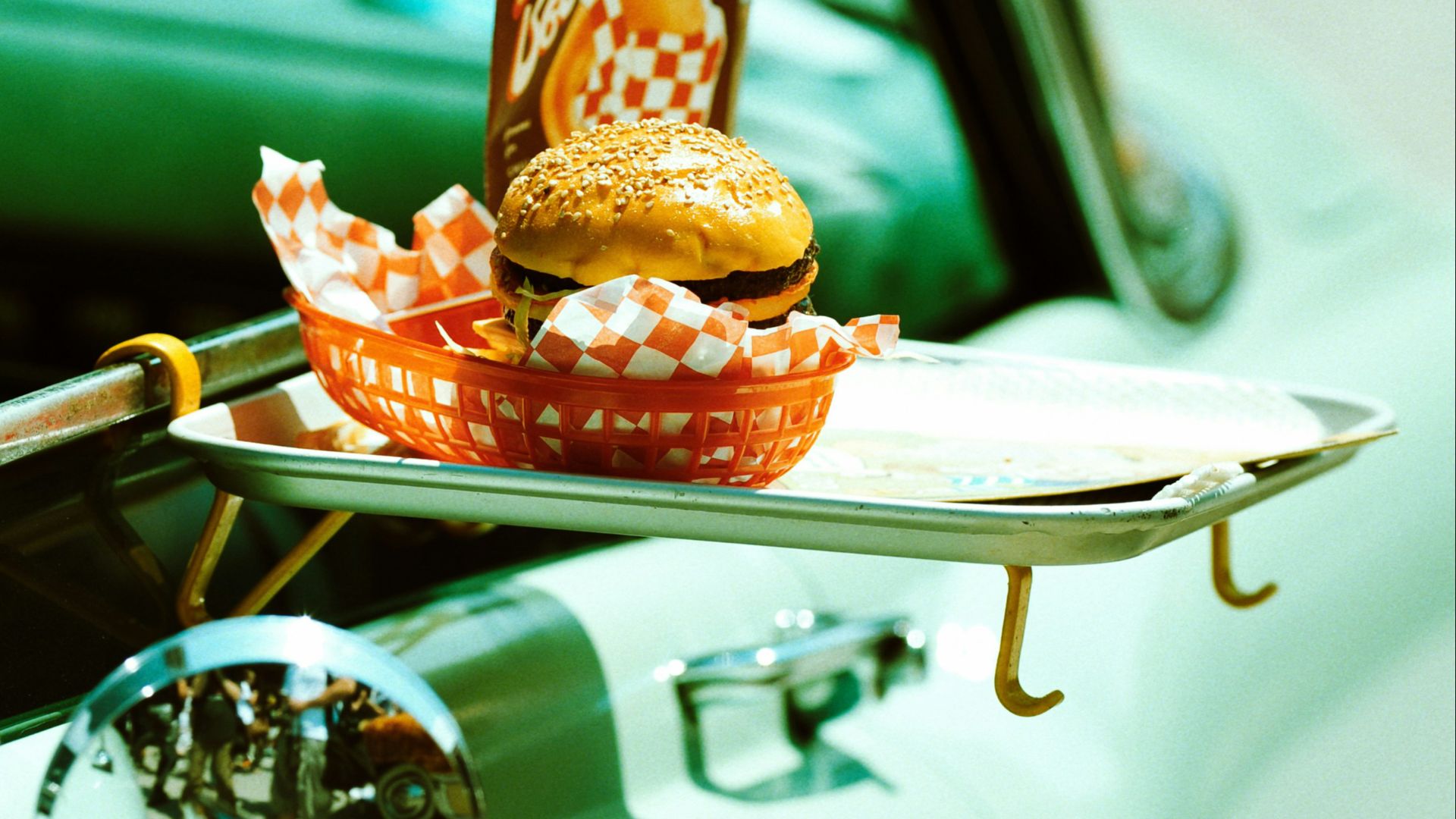
The average time for order completion in U.S. drive-thrus was approximately 6 minutes and 13 seconds as of 2024. Speed is the entire pitch of the drive-thru, though it's rarely about actual time saved but about perceived control and minimal friction.
Taco Bell consistently clocks the fastest times at around four and a half minutes. Chick-fil-A, despite having the slowest drive-thru in most surveys, also has the longest lines with an average of four cars. People will wait for Chick-fil-A in a way they won't for other chains, probably because their order accuracy is the best in the business and those outdoor employees with tablets make you feel like you're at a fancy valet service rather than a chicken joint.
Research from Kellogg found that post-pandemic, visits to stores with drive-throughs were only down 4% compared to 2019 levels. In stores without drive-throughs, visits were down nearly 50 percent. That gap tells you everything about what Americans actually want from their fast food experience: they want to stay in their cars.
We Judge Restaurants by Their Drive-Thrus
Wendy's introduced voice AI tech to assist customers with their order. Chick-fil-A and In-N-Out have employees roaming the drive-thru with handheld point-of-sale devices during rush hour, taking orders at your car window like you're dining at some sort of automotive restaurant.
The technology keeps getting more sophisticated because we've collectively decided that exiting our vehicles is too much to ask. One-third of people who prefer drive-thrus say they'll "always" choose that option when available. We've built our eating habits around the assumption that we never have to leave our cars. Honestly, we're fine with that.
KEEP ON READING
The 10 Best Fried Chicken Sandwiches & The 10 Worst
20 Iconic Cereal Mascots You'll Never Forget