
Pull a frozen dinner from the freezer, peel back a corner of the film, and three minutes later you're eating a full meal assembled in a factory, flash-frozen, and shipped across the country. We do this so routinely that we've stopped registering how strange it is. The temperature engineering, the shelf life, the compartmentalized tray that keeps everything from touching — all of it belongs to a vision of the future that people in the 1950s would have found genuinely thrilling. We just live in it now and mostly feel guilty about it.
The frozen dinner carries a peculiar double identity. We associate it with laziness, bachelor apartments, and nights when cooking felt like too much. We also reach for it with a kind of guilty comfort. That tension, between the mundane and the quietly miraculous, is worth sitting with.
A Product Born From War And Luck
The frozen dinner didn't emerge from a tidy eureka moment. Clarence Birdseye developed his flash-freezing technology in the 1920s after observing how Indigenous Inuit communities in Labrador preserved fish in the naturally frigid climate, finding that rapidly frozen food retained its texture and flavor in ways slow freezing never could. His patented double-belt freezer became the foundation of the modern frozen food industry, though for years most American homes didn't have freezers to put the product in.
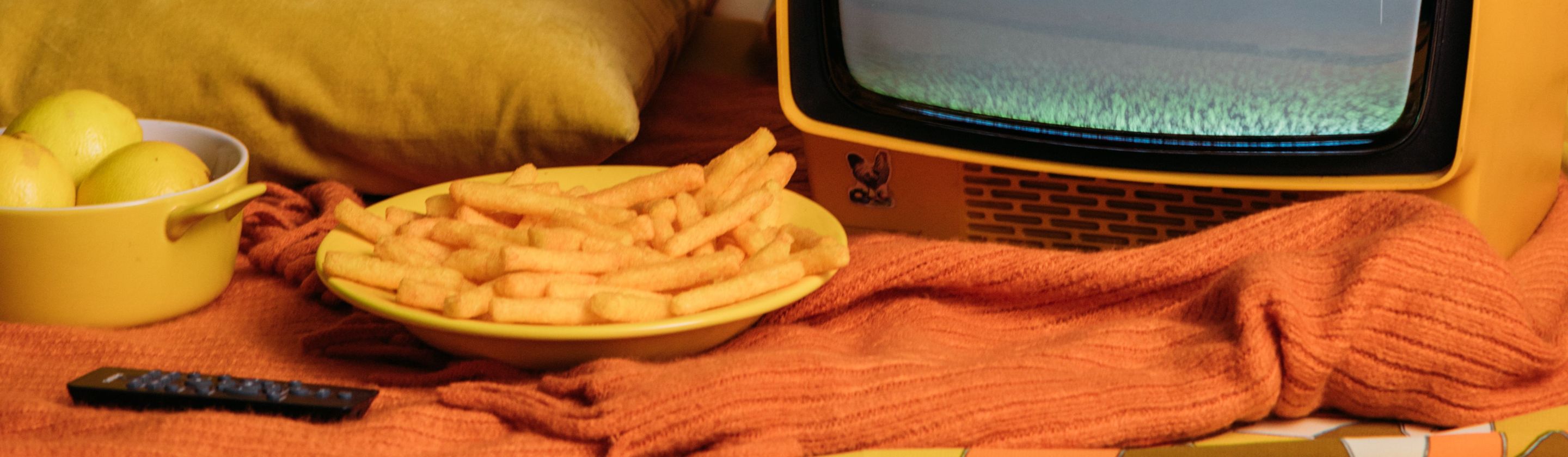
The technology found its first real audience in the military. Maxson Food Systems developed compartmentalized frozen meals for the U.S. Navy and later commercial airlines in 1945, calling them Strato-Plates. A precooked, shelf-stable meal on a tray was an aeronautical logistics solution before it was a consumer product. It reached supermarkets in television-set-shaped boxes under the Swanson name, reportedly because a 260-ton surplus of unsold Thanksgiving turkey in 1953 forced a creative pivot.
The timing was engineered by circumstance. In 1950, only 9% of U.S. households had a television; by 1955 that number had grown to more than 65%, and by 1960 it approached 90%. More married women were entering the workforce and spending less time on elaborate meal prep. Swanson sold more than 10 million units in its first full year of production and 25 million the year after.
The Futurism Was Always The Point
The early marketing of frozen dinners wasn't just selling convenience. It was selling a relationship with technology itself. The aluminum tray, the divided compartments, the oven-ready format — all of it signaled modernity in a way that mattered to a postwar America obsessed with progress. Eating a TV dinner in the 1950s meant participating in the future, the same way a microwave felt transgressive and faintly scientific when it first arrived in home kitchens. Research in Enterprise & Society found that as women entered the paid labor force in greater numbers through the 1980s, the microwave was culturally redefined as a domestic appliance. However, for years it carried the same futuristic charge the TV dinner originally had.
What's interesting is how that charge never fully dissipated. We still describe microwaving a meal as "nuking" it, a verb carrying the echo of something powerful and slightly irresponsible. The whole apparatus — the cold chain logistics, the flash-freezing that preserves cellular structure, the film packaging engineered for steam venting — remains genuinely sophisticated. Campbell Soup Company's microwave-safe trays in 1986 were one of many quiet engineering leaps embedded in a product we now treat as ordinary.
The industry the TV dinner founded is enormous. The U.S. frozen food market was valued at $84.63 billion in 2024 and is projected to reach $172.88 billion by 2033. That growth isn't nostalgia-driven. It's the same appeal that sold 25 million Swanson turkey dinners in 1955: people are busy, time is expensive, and a meal requiring almost no labor has genuine value in any decade.
The Guilt Is The Most Telling Part
We don't feel guilty about most genuinely futuristic things. Nobody apologizes for using GPS or ordering same-day delivery. The guilt that follows a frozen dinner is specific and cultural, rooted in how convenience food became coded as moral failure somewhere between its optimistic postwar debut and the food culture that developed around it. The frozen dinner promised liberation from the kitchen and delivered it, depending on who you asked. Mothers, whose labor during the postwar years had been mythologized into patriotic domestic performance, found in it something rarely offered before: relief.
That anger evolved into a broader cultural narrative in which cooking from scratch signals virtue, while heating a tray signals its absence. Food nostalgia is a documented psychological phenomenon: research in Cognition and Emotion found that food is a powerful elicitor of nostalgia and that food-evoked nostalgic experiences elevate comfort in measurable ways. The frozen dinner sits in a strange loop: an object of genuine affection and a symbol of something surrendered.
What the guilt reveals is that we've never fully resolved what the frozen dinner first asked in 1954: what do we want from food, and from the time we spend making it? A product that promises to answer that in three minutes is always going to feel like it's from the future, because we haven't finished arguing about the present.
KEEP ON READING
10 Most Hated Foods in the Entire World