Small Details Make a Big Difference
While a good meal can certainly make you return to a restaurant, food isn't the only thing that shapes your opinion. In fact, from the moment you walk through the door to the second the check arrives, dozens of small things can make or break the experience. A friendly, personable server (who actually remembers you!) might be one reason you'd come back. A dining hall that feels spacious, inviting, and most importantly, clean, is another. The best restaurants just seem to always get the basics right. Here are 20 little touches that can turn an ordinary dinner into something worth coming back for, again and again.

1. Greeting Guests Right Away
Few things feel more awkward than walking into a restaurant and standing near the entrance wondering whether anyone has noticed you. Even if the host can't seat you immediately, a quick greeting and acknowledgment makes things feel organized. Knowing someone will be with you shortly is far better than being left to figure things out yourself.

2. Bringing Water Without Making You Ask
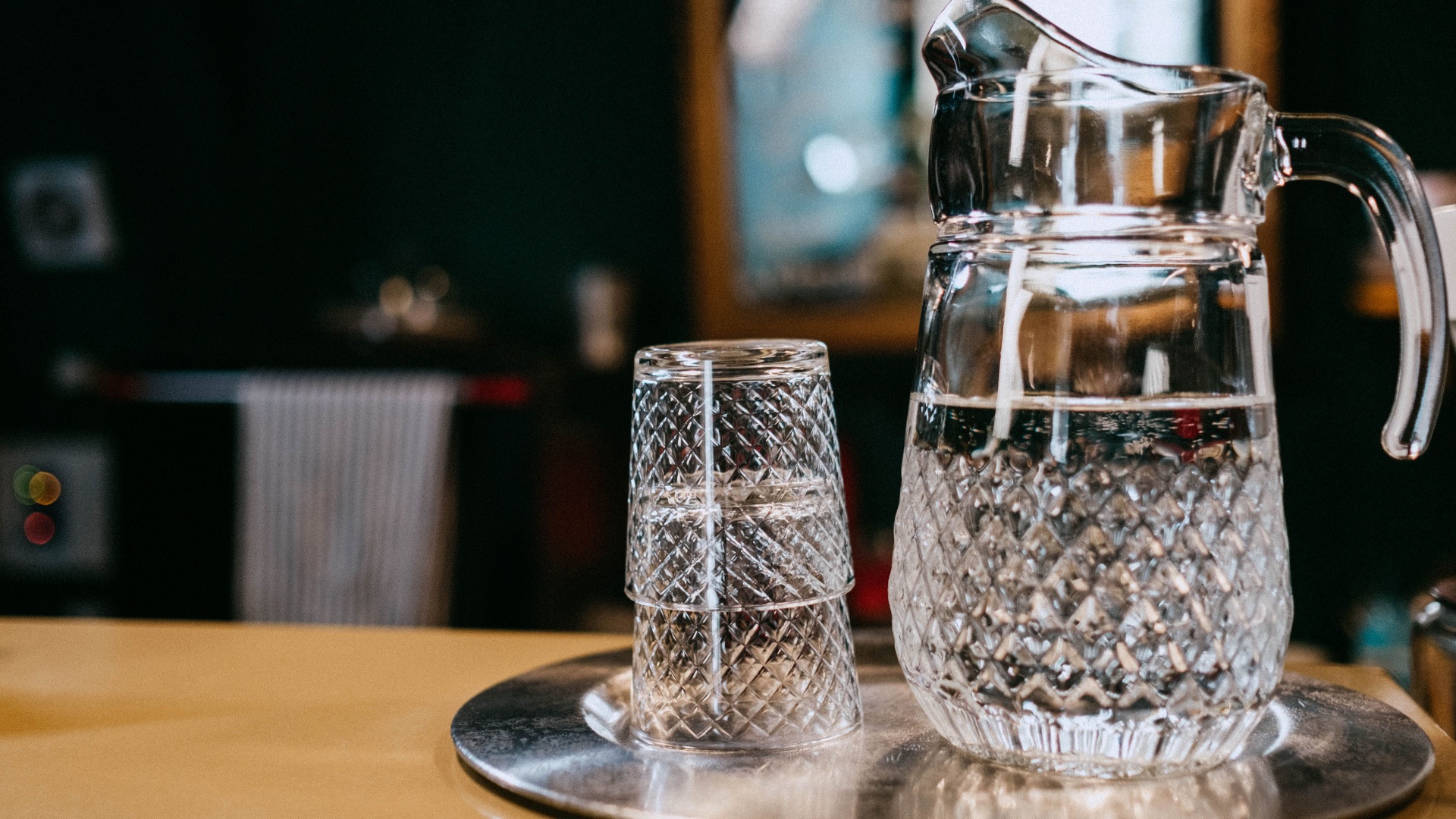
Having water arrive soon after you're seated is such a simple courtesy, yet it immediately makes the table feel taken care of. You're not stuck waiting until you've placed your entire drink order just to get something to sip. Regular refills throughout the meal are even better, especially when they're handled without constant interruptions.
3. Keeping the Tables Actually Clean
A spotless tabletop might seem like the bare minimum, but diners notice sticky surfaces, crumbs, smudged menus, and streaky glasses almost immediately. Cleanliness gives you confidence that the rest of the restaurant is being maintained with similar care. It also means you can settle in without having to ask someone to wipe down your table first.
4. Giving You Enough Time with the Menu
Servers who appear every 30 seconds asking whether you're ready can make ordering feel unnecessarily rushed. A little breathing room lets everyone read the menu, ask each other questions, and decide without pressure. Good timing means checking in when diners actually look ready rather than following a rigid schedule.
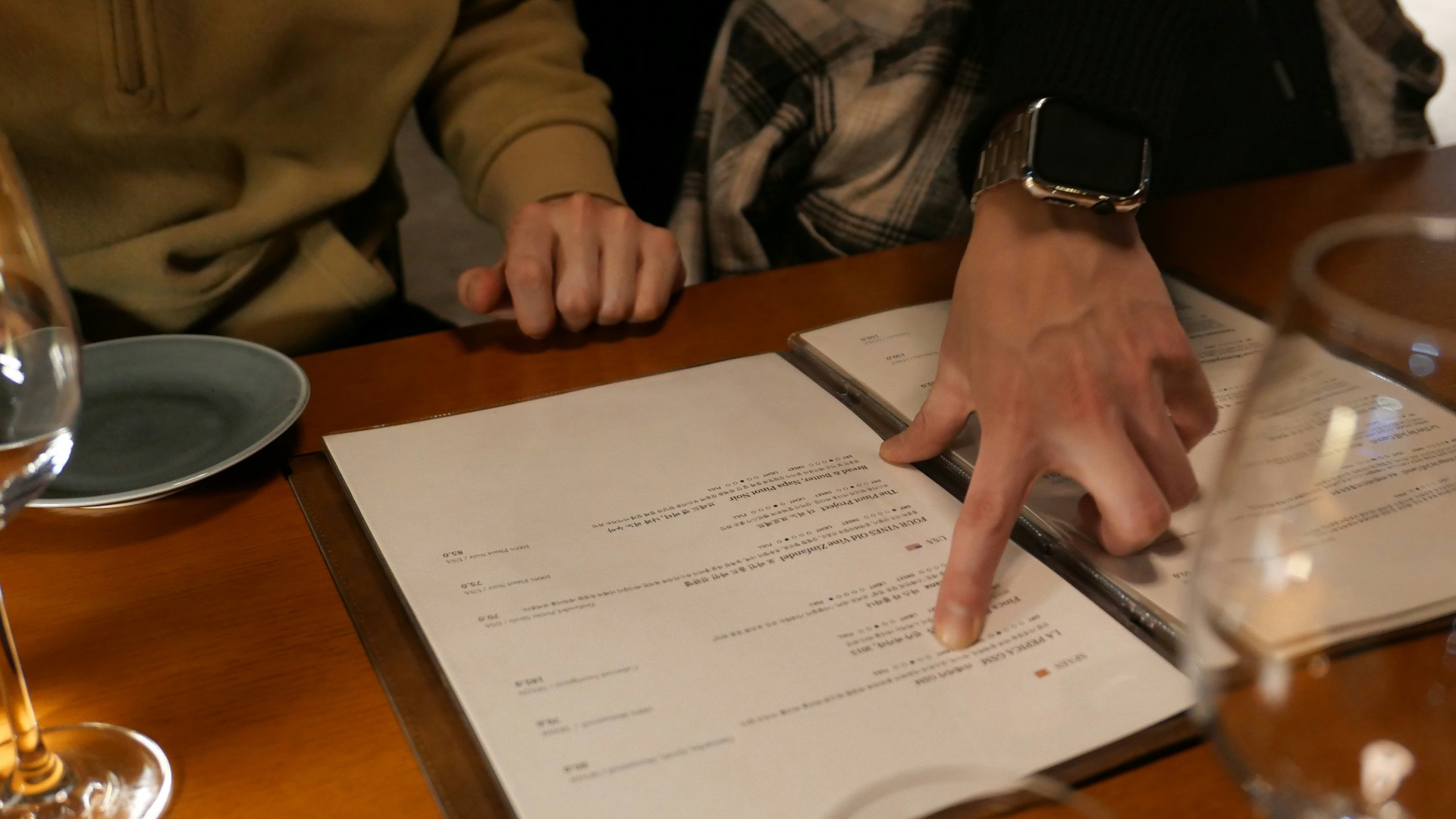
5. Knowing the Menu Well
It's reassuring when a server can explain how something is prepared, describe a sauce, or clarify what comes with an entrée without disappearing to ask someone else. That knowledge becomes especially useful when you're deciding between dishes or dealing with dietary restrictions. Confident answers make the ordering process smoother and help diners feel more comfortable with their choices.
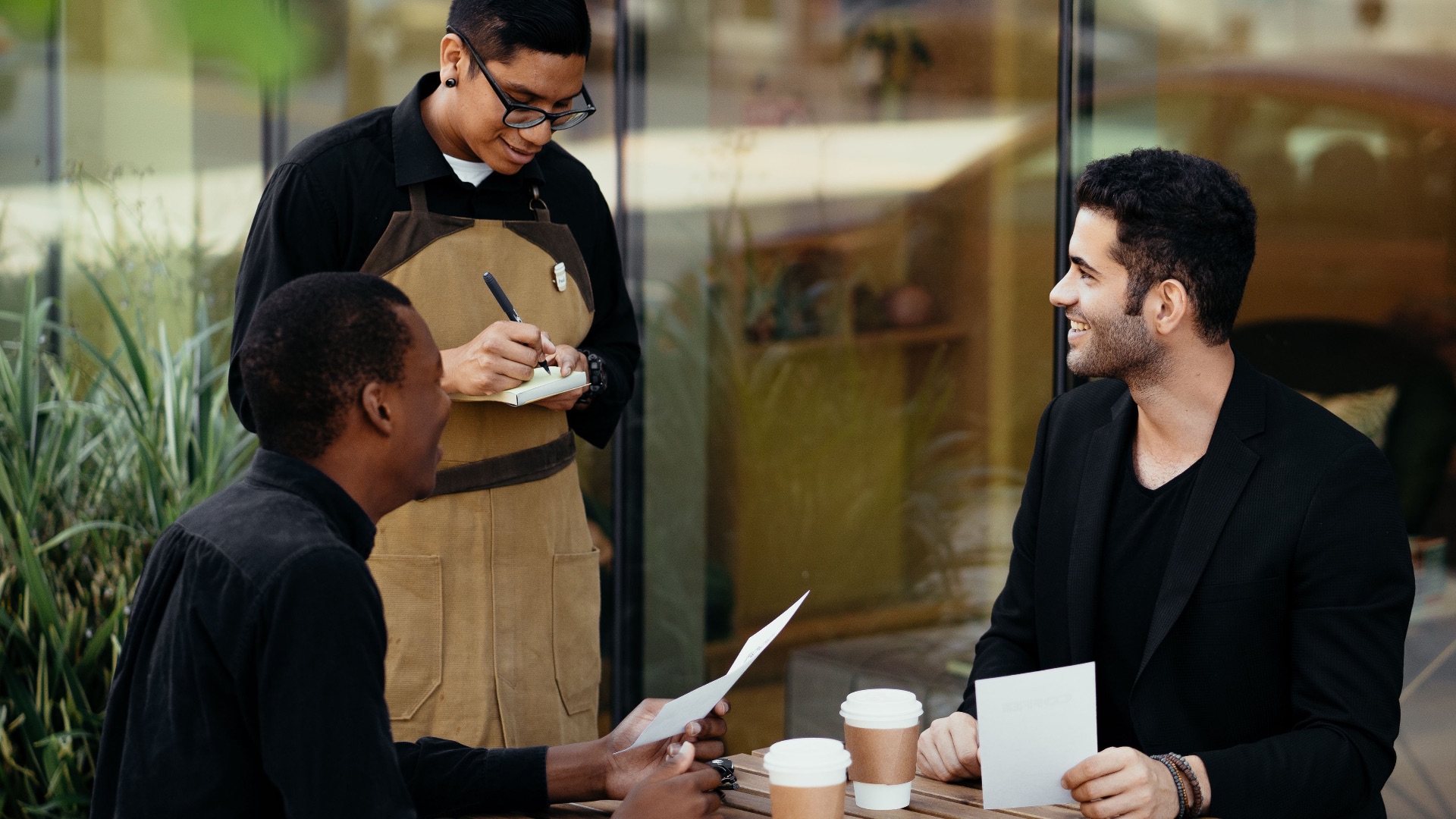
6. Mentioning What's Unavailable Early
Finding the perfect dish and ordering it only to learn that it's sold out can be surprisingly disappointing. Restaurants can avoid that frustration by mentioning unavailable items when guests first receive their menus. It only takes a few seconds and prevents people from getting attached to something they can't actually order.

7. Serving Everyone at Roughly the Same Time
Nobody wants to start eating while someone else at the table is still waiting for their meal. When dishes arrive together, everyone can settle into dinner instead of debating whether it's polite to begin. If one order is delayed, a simple explanation also goes a long way toward keeping the table informed.
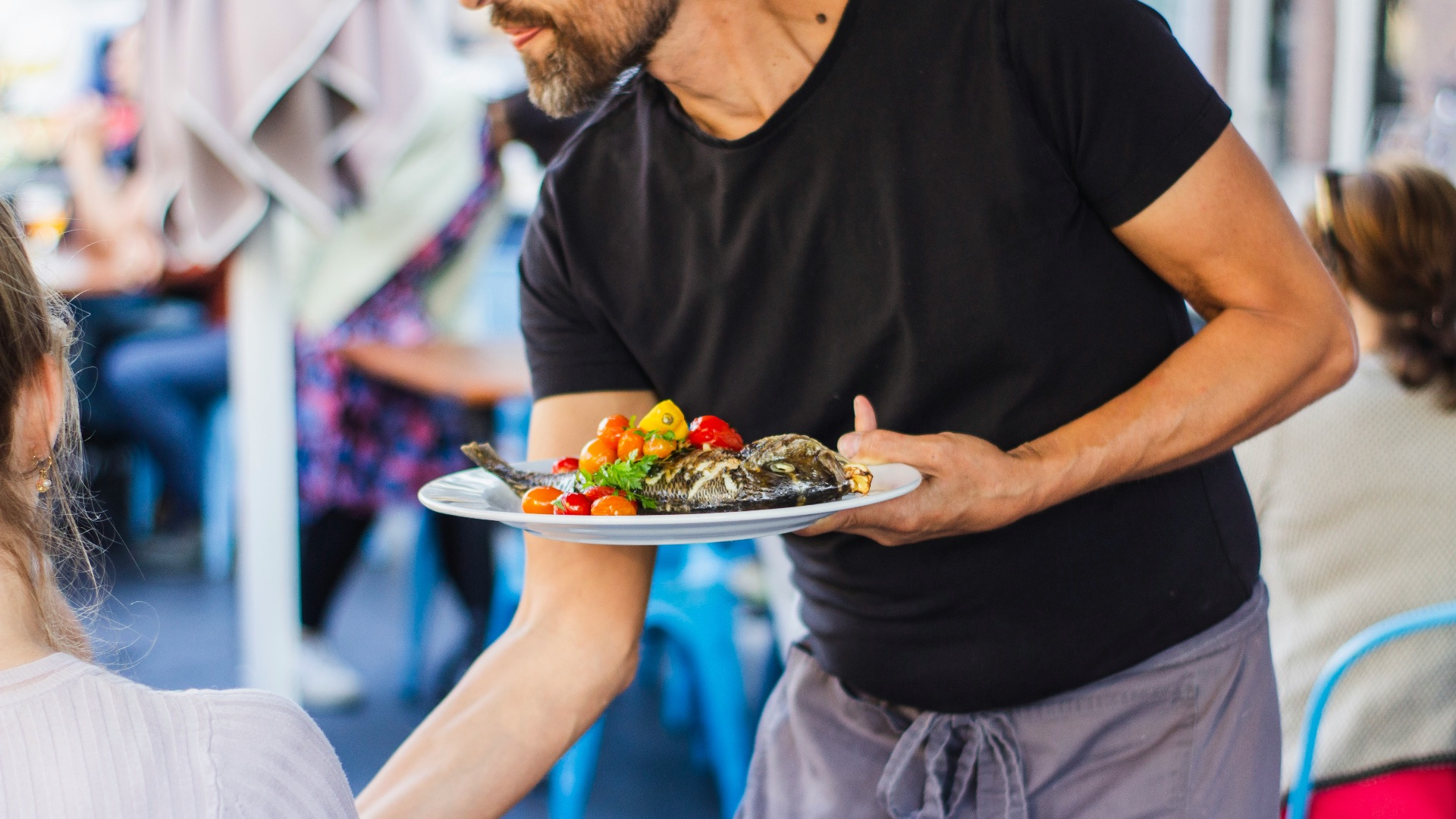
8. Getting the Little Modifications Right
Holding the onions or putting the dressing on the side isn't usually a huge request, which is exactly why it's frustrating when those details are ignored. Getting simple modifications correct shows that someone was actually paying attention. It can also matter considerably more when a change involves an allergy or dietary requirement.
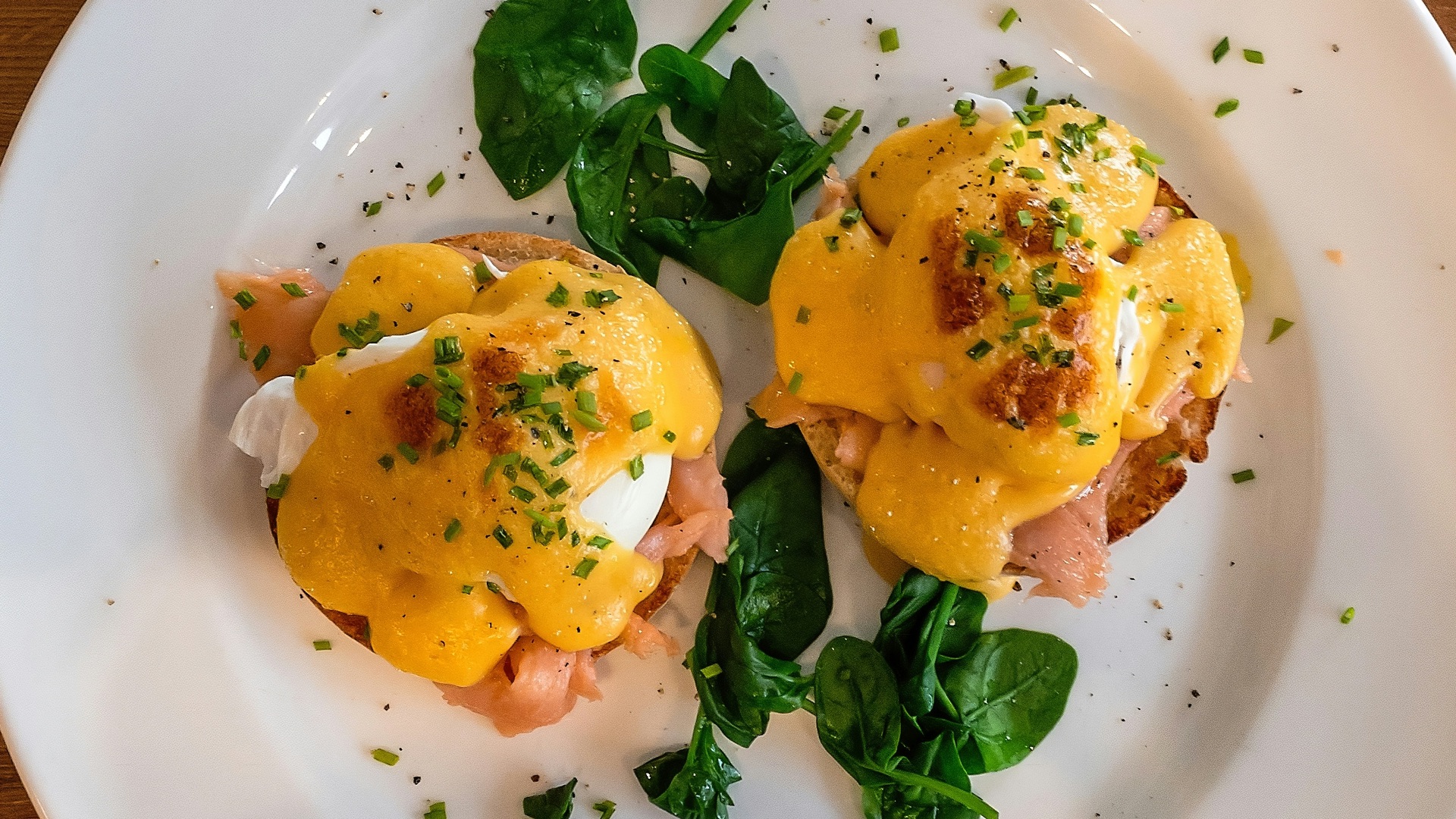
9. Clearing Empty Plates at the Right Time
There shouldn't be a collection of finished dishes sitting in front of you long after everyone has stopped eating. At the same time, whisking away one person's plate while everyone else is still finishing can make slower diners feel rushed. Attentive restaurants manage to clear the table without turning it into a noticeable production.
10. Music That Suits the Ambiance
The right music can complement a restaurant's atmosphere and make the dining room feel more inviting. Whether the setting is casual, elegant, lively, or intimate, a thoughtfully chosen playlist helps reinforce the overall experience without distracting from it. The best background music supports the mood while remaining quiet enough for diners to enjoy their conversations.
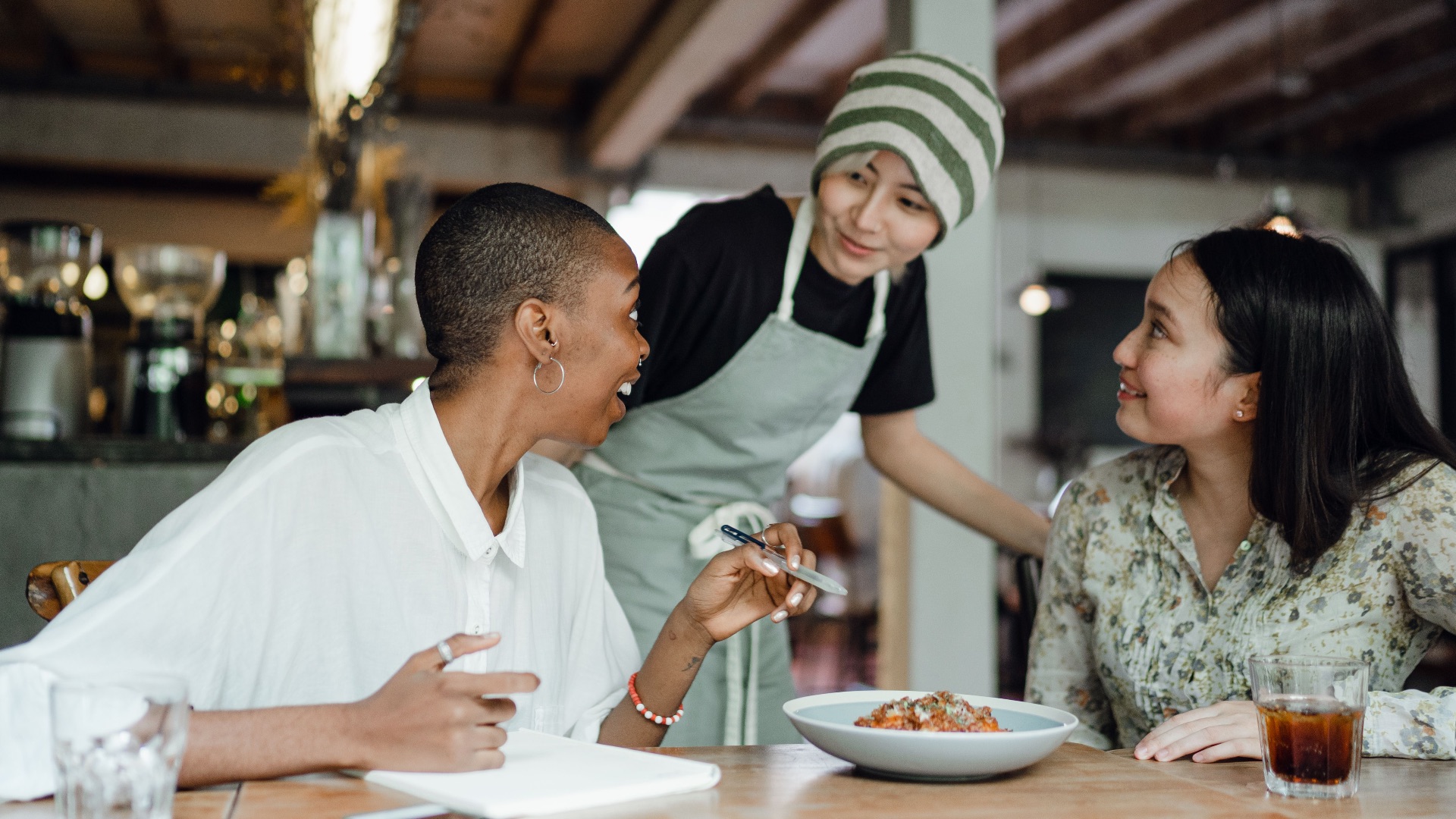
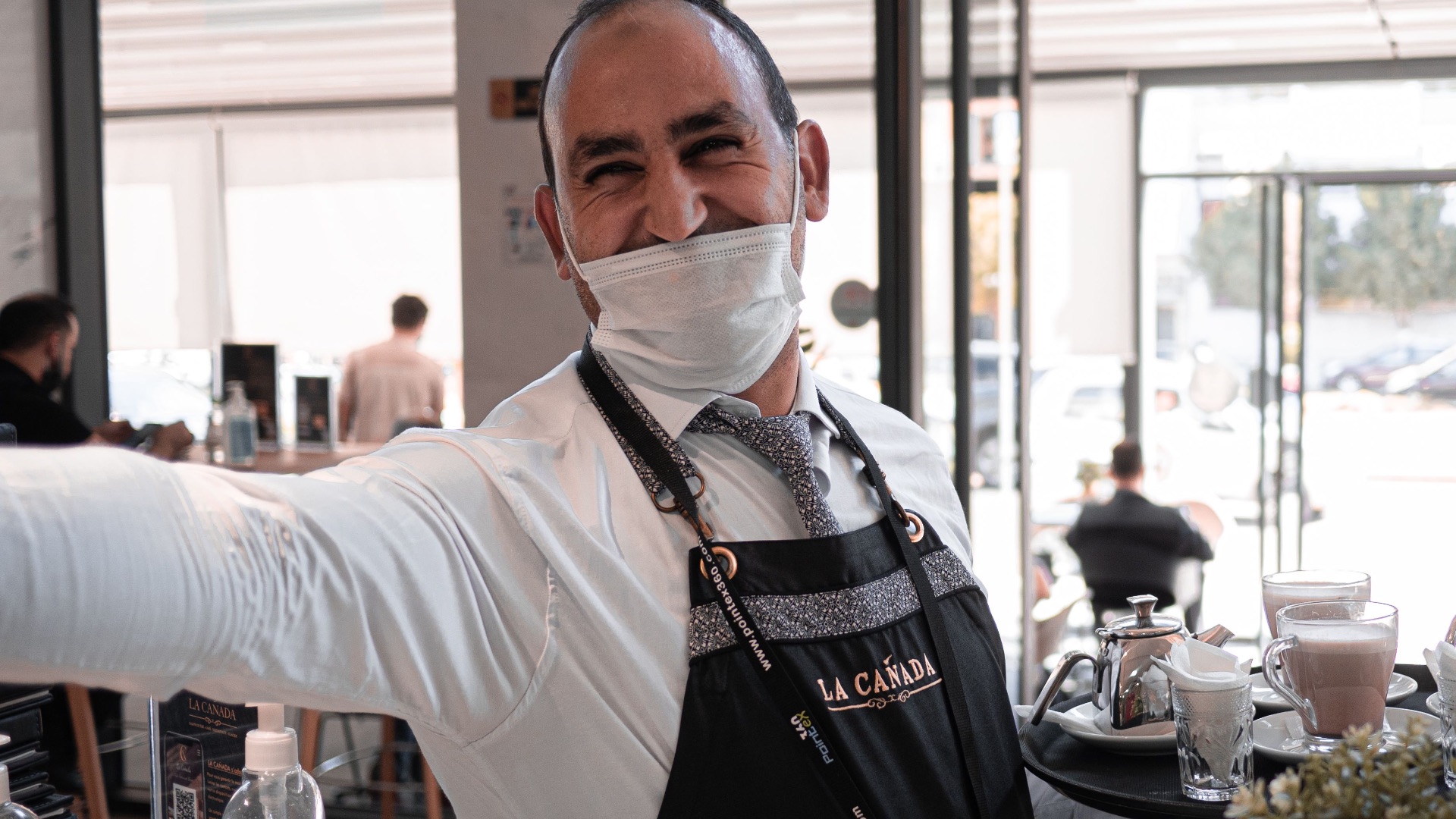
11. Having a Friendly, Personable Server
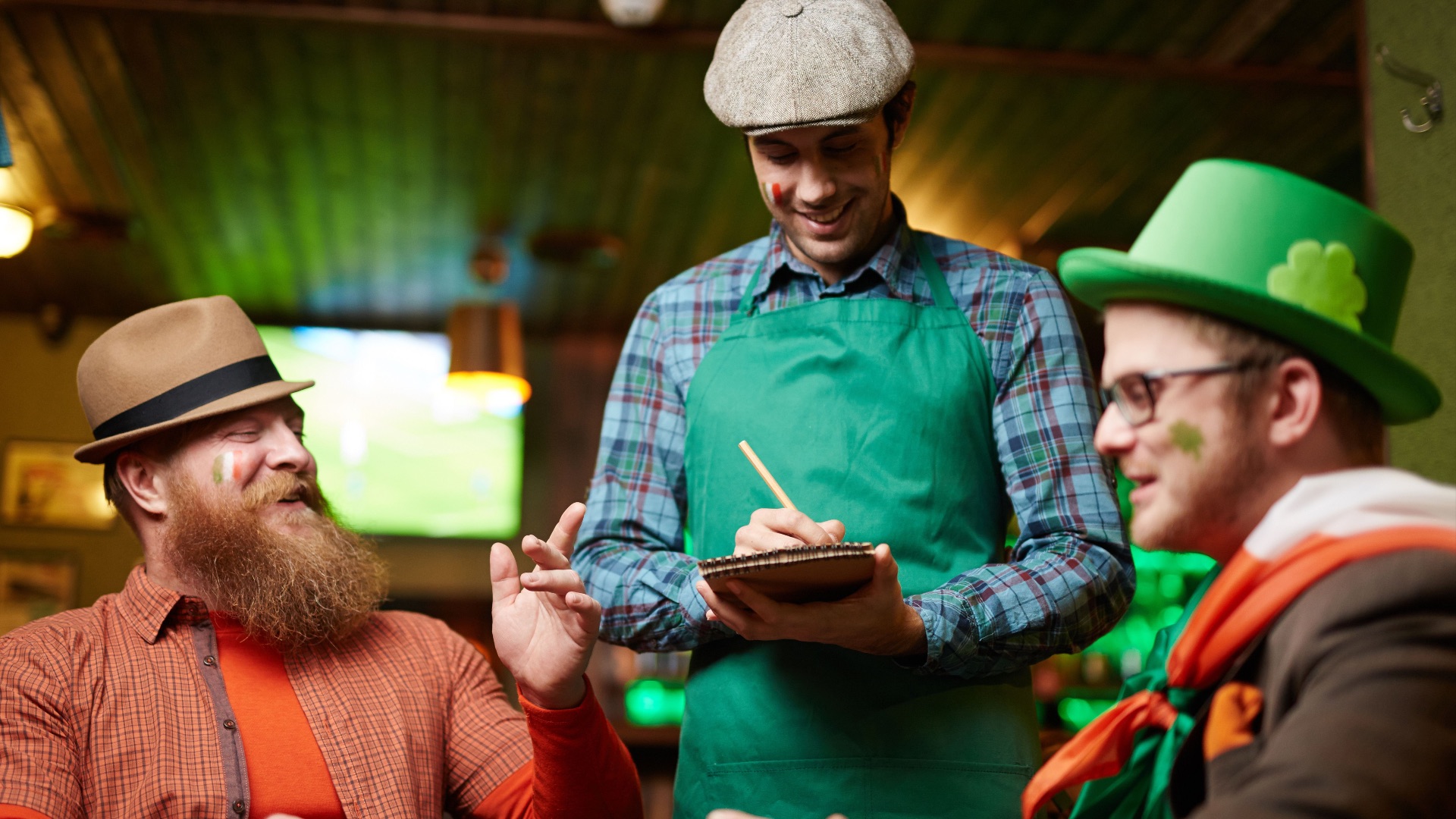
A server who’s warm, attentive, and easy to talk to can make the entire meal feel much more enjoyable. Remembering a small preference, offering a thoughtful recommendation, or adjusting their approach to match the table helps the experience feel more personal instead of routine. The best service still gives you space to enjoy your meal while making you feel like more than just another table number.
12. Giving Tables Enough Personal Space
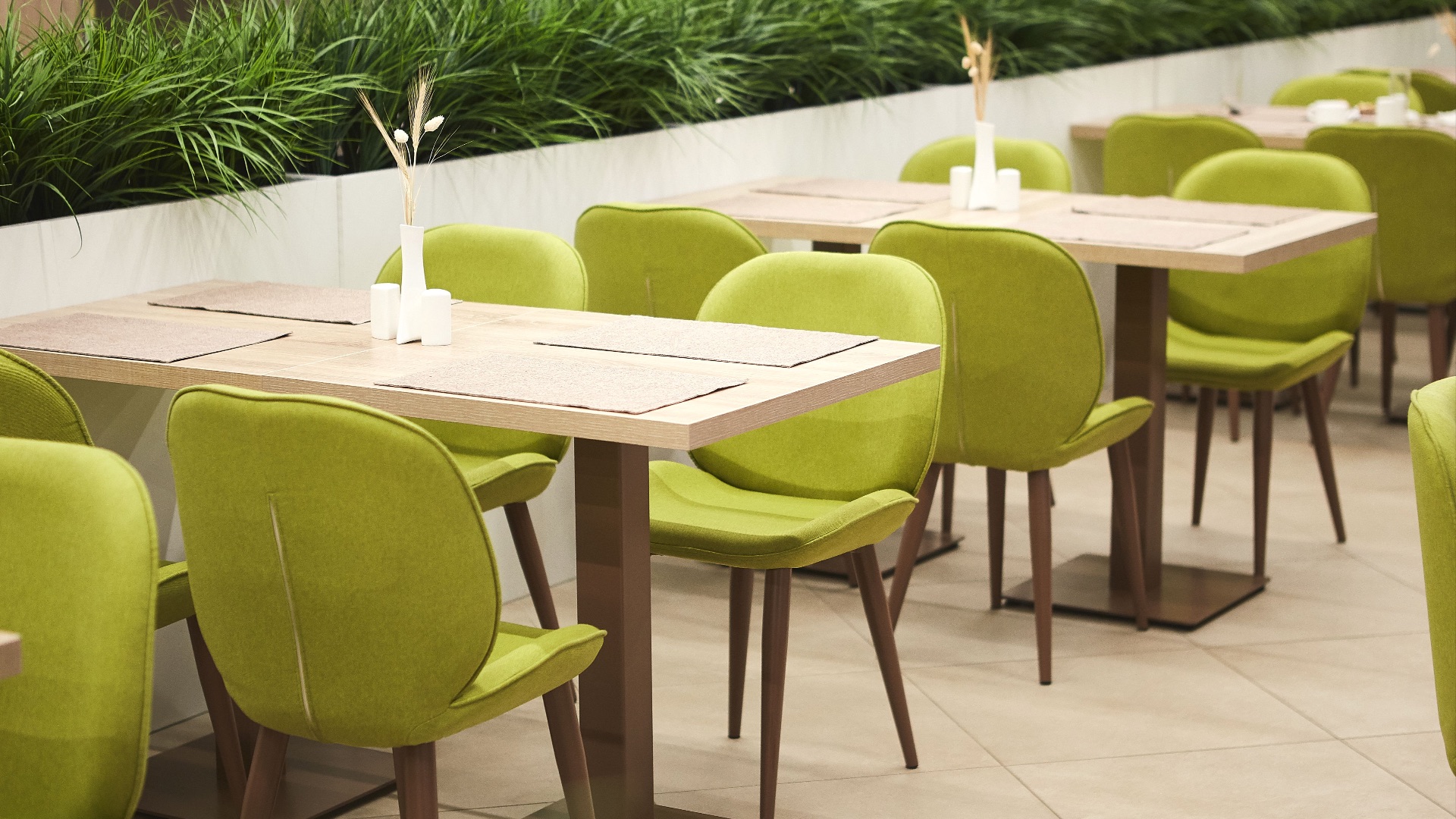
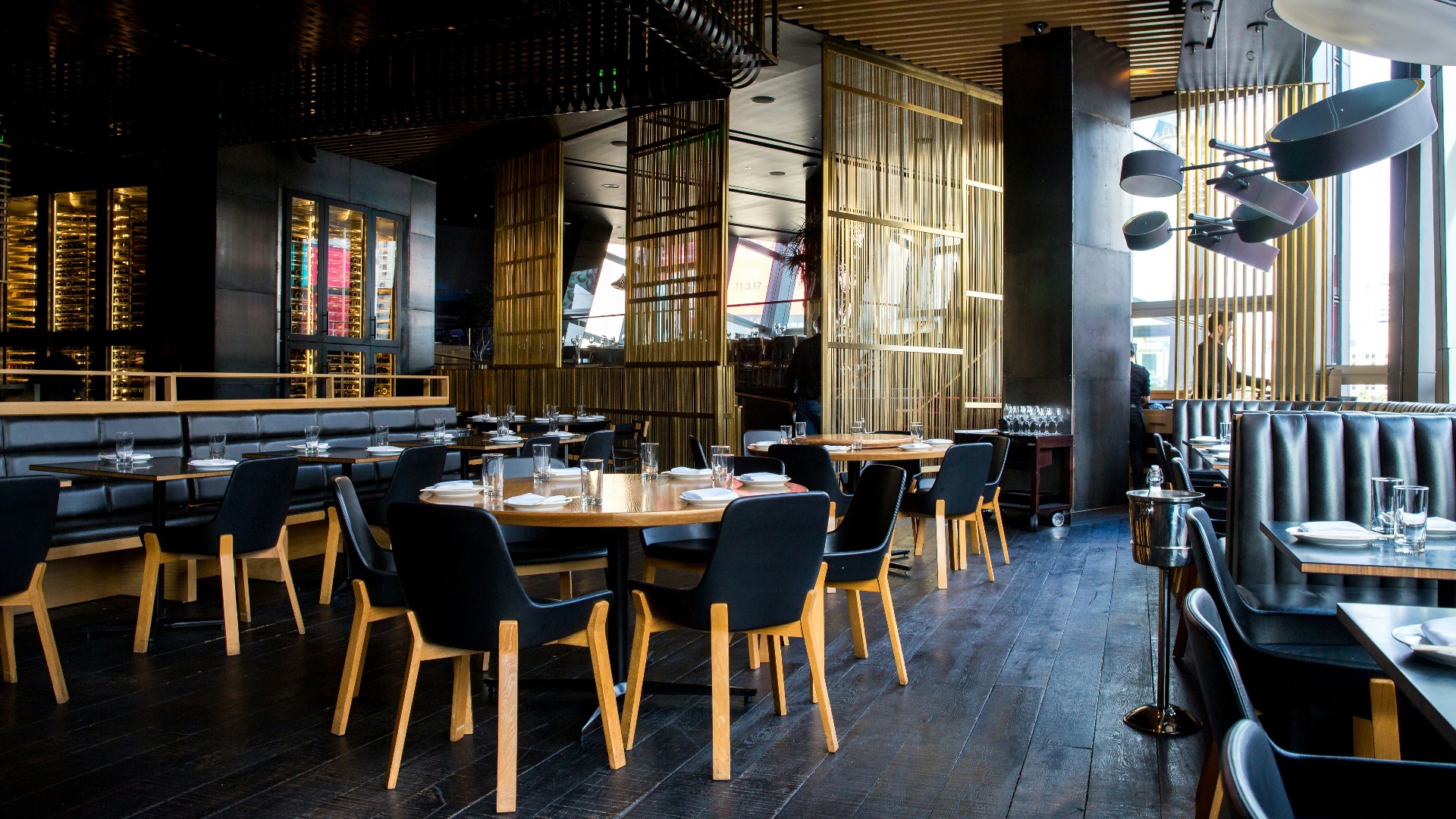
Packing in a few extra tables might increase capacity, but nobody enjoys feeling as though they're eating dinner with the strangers beside them. A little separation makes conversation more comfortable and gives servers room to move around without constantly brushing past chairs. Even modest restaurants feel more pleasant when the dining room isn't overcrowded.
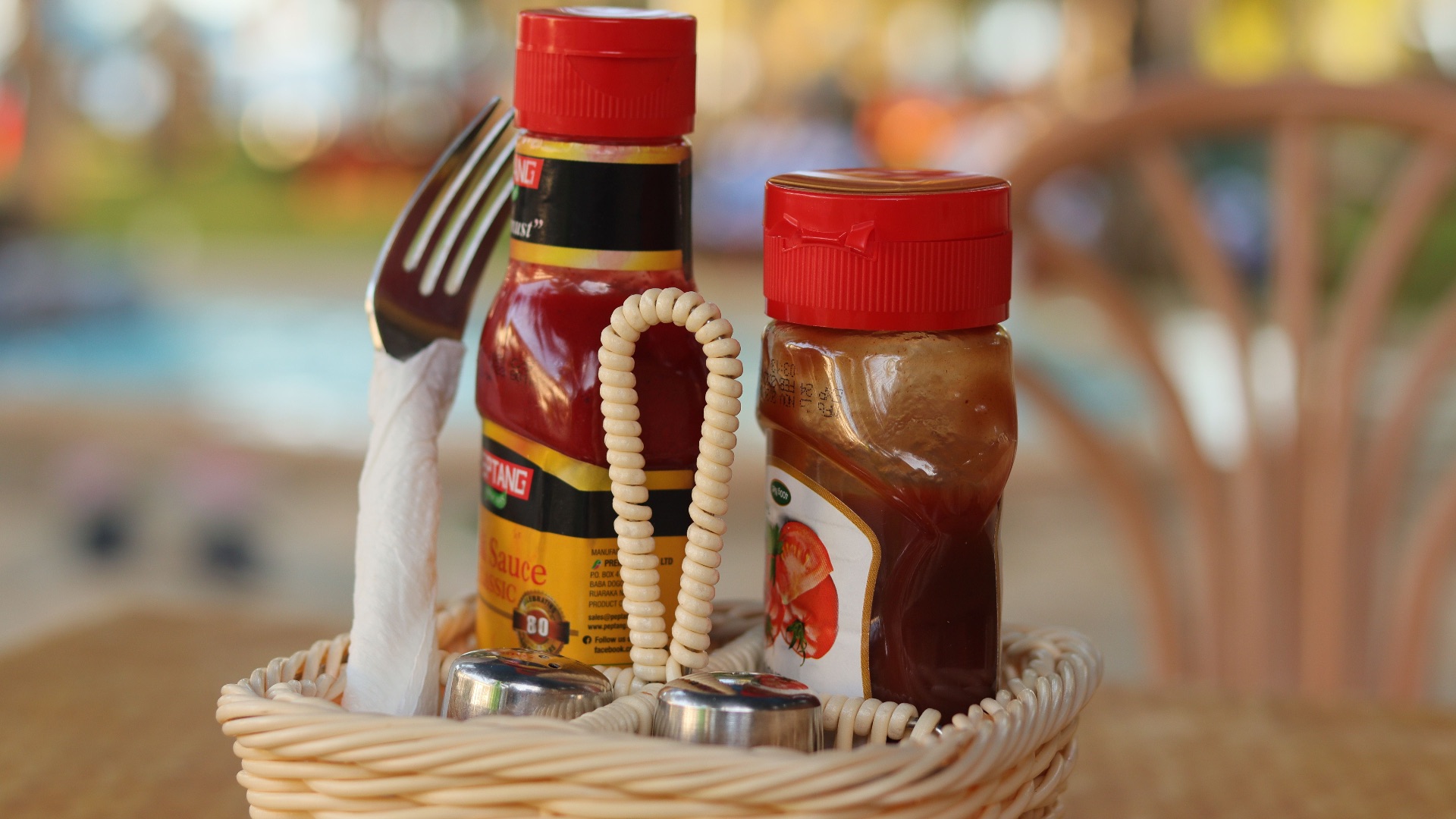
13. Bringing Condiments Before They're Needed
If a burger arrives without ketchup or coffee comes without the requested cream, the diner may end up watching the food cool while waiting for someone to return. Bringing common condiments and extras at the appropriate time avoids that problem altogether. It's a small example of anticipating what the table will probably need rather than reacting afterward.
14. Checking in Once the Food Arrives
A brief check-in shortly after everyone starts eating gives diners a chance to mention a missing side, incorrect order, or other problem while there's still time to fix it. The key is waiting long enough for people to actually taste their meals first. Done well, it feels attentive without forcing everyone into unnecessary conversation.
15. Keeping Restrooms Well Maintained
A restaurant can serve an excellent dinner and still leave a bad impression if the restroom is dirty, poorly stocked, or obviously neglected. Diners often see cleanliness there as a reflection of the establishment's overall standards. Regular checks for soap, paper products, overflowing trash, and general tidiness make an enormous difference.

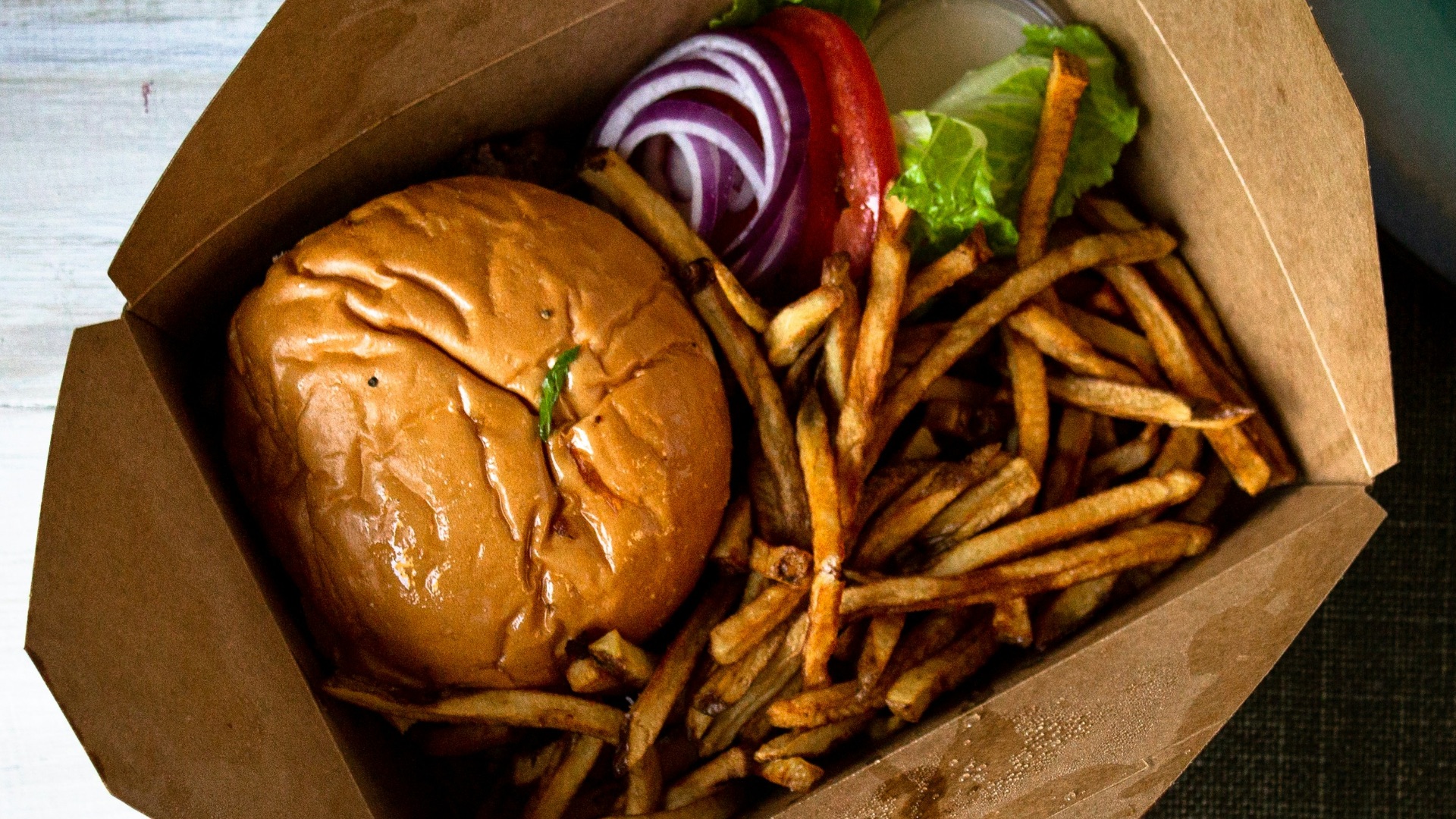
16. Helping You Pack Leftovers
When there's plenty of food left, a server who readily offers to pack it up for the customer makes the process so much smoother and is a small gesture that goes a long way. Bonus points if they include fresh sauce containers or packets for your food if your dishes happened to come with any.
17. Remembering Regular Customers
You don't need to be treated like a celebrity for recognition to feel nice. A host remembering your preferred table or a server recalling your usual drink can make a neighborhood restaurant feel especially welcoming. These little moments work best when they're natural rather than overly familiar.

18. Not Rushing You Out After the Last Bite
Unless there's a stated seating limit or a long line of waiting guests, diners generally appreciate a few minutes to finish drinks and wrap up conversation. Dropping the check prematurely, repeatedly clearing around the table, or hovering nearby can make people feel pushed out. Giving guests a reasonable amount of time creates a much more relaxed ending to the meal.

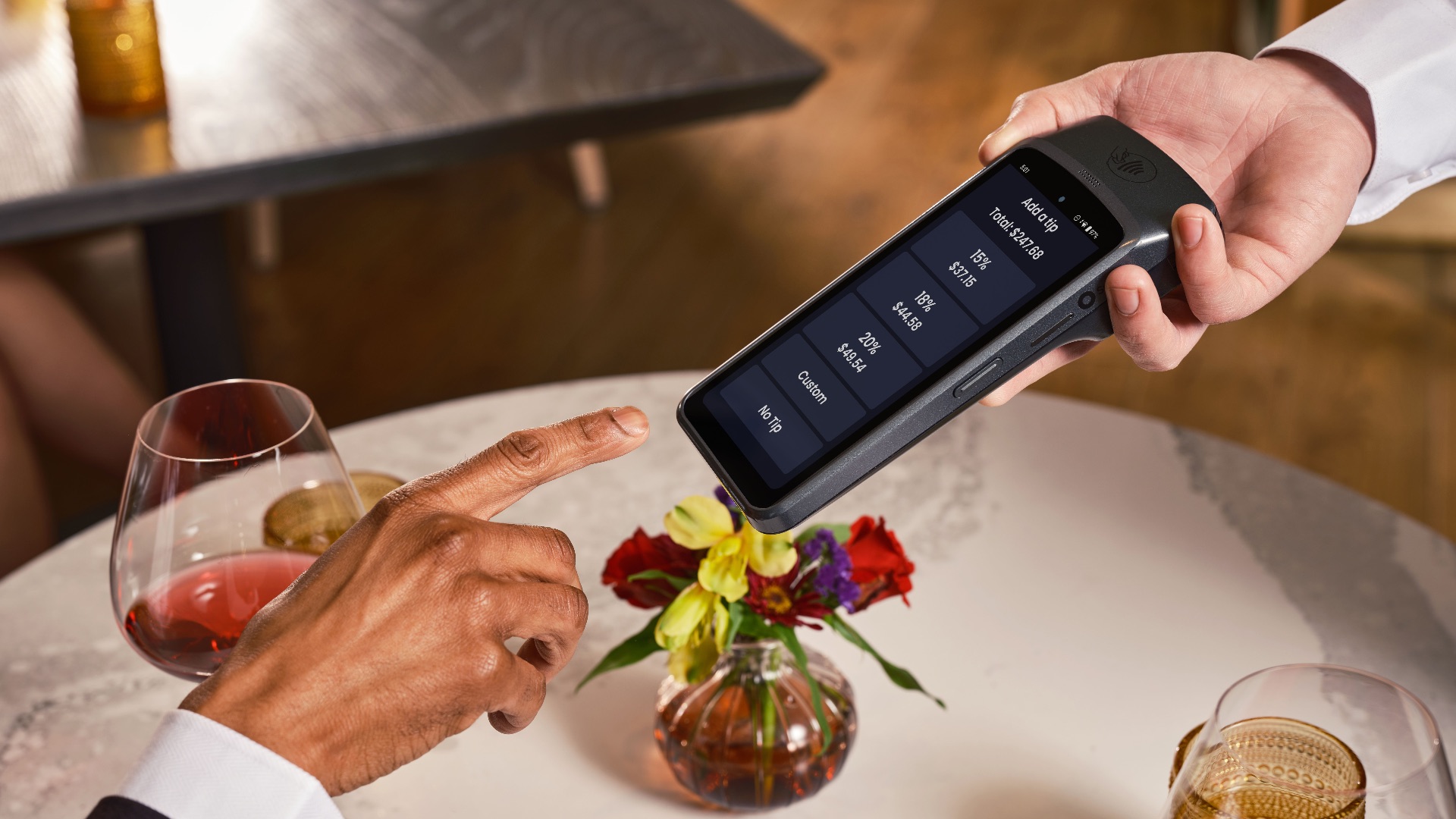
19. Making the Check Easy to Handle
The final few minutes shouldn't become the most complicated part of dinner. Bringing the check when requested, returning cards promptly, and handling split payments efficiently keeps everyone from sitting around long after they're ready to leave. Restaurants with convenient contactless or table-side payment options can make the process even smoother.
20. Thanking You on the Way Out
The dining experience isn't really over until you've left the building, which makes the final interaction worth getting right. A friendly thank-you from the host, server, or another staff member sends guests out on a positive note. It's an effortless gesture, but it can be the last thing you remember about the restaurant.
KEEP ON READING

20 Theme Park Snacks People Fly In Just to Eat

20 American Restaurants Your Grandparents Loved