10 “Healthy” Restaurant Options That Aren’t Worth Ordering & 10 That Actually Deliver
10 “Healthy” Restaurant Options That Aren’t Worth Ordering & 10 That Actually Deliver
Don't Be Fooled By Healthy-Sounding Menu Options
Restaurant menus are packed with meals that sound nutritious only because they contain words like “grilled,” “fresh,” “vegetable,” or “protein.” Yet you have to consider that preparation methods, portion sizes, sauces, added sugars, sodium, and saturated fat can completely alter the nutritional picture, while simpler choices may offer the protein, fiber, and produce you're looking for. Here are 10 "healthy" restaurant options that aren't worth ordering and 10 that actually deliver.
1. Crispy Chicken Salads
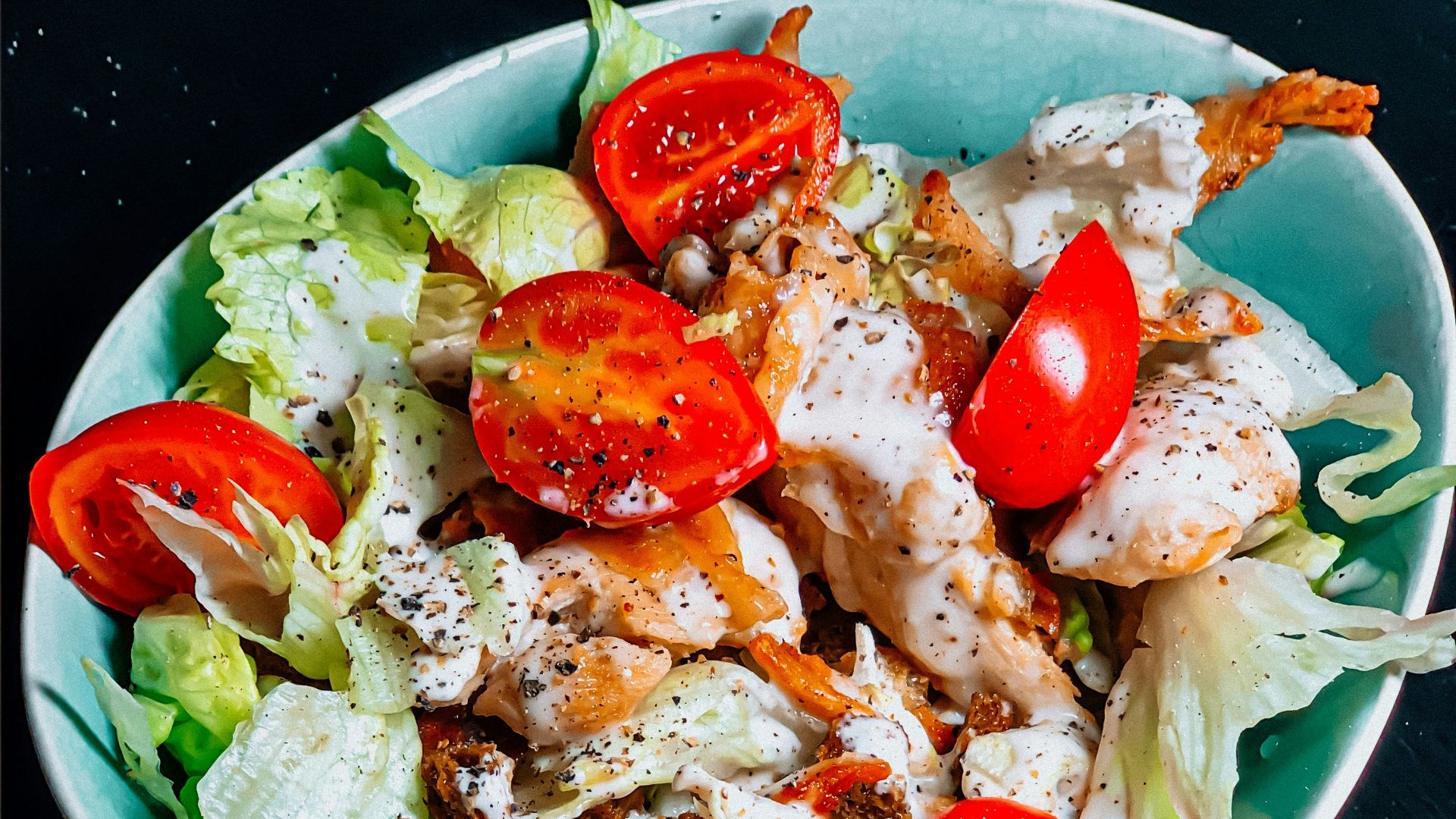
A salad that includes breaded, fried chicken can end up carrying far more calories, sodium, and saturated fat than its healthy image suggests. Cheese, bacon, croutons, and creamy dressing can add even more, so don't get fooled by the word "salad".
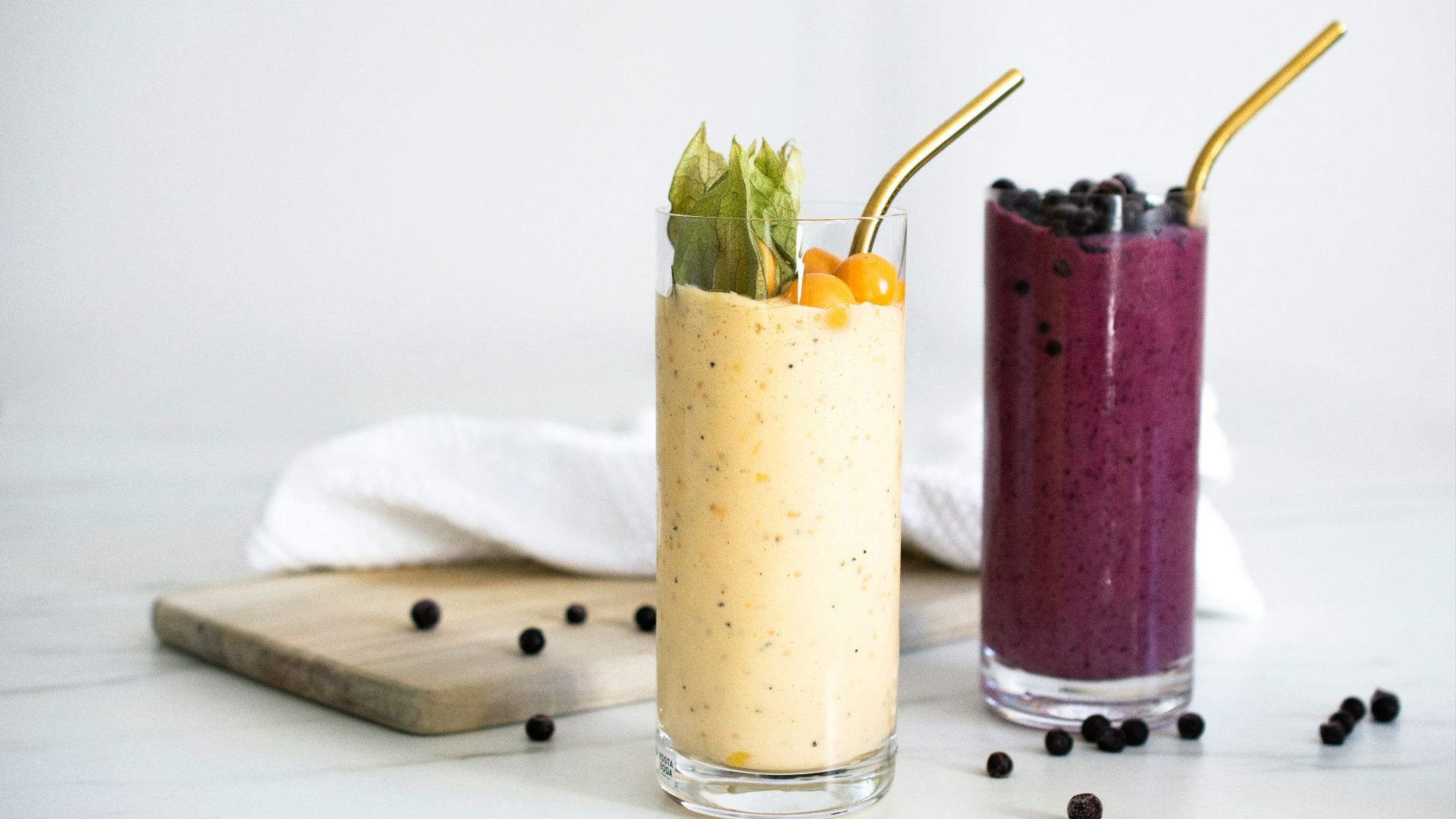
2. Oversized Restaurant Smoothies
Fruit sounds like an automatic win, but restaurant smoothies often have juice concentrates, syrups, sweetened yogurt, or other added sugars. Large portions can make it easy to drink far more calories than you’d expect from a beverage or receive in a healthy meal. A smaller smoothie made mostly with whole fruit and unsweetened ingredients is usually a smarter, healthier and more balanced choice.
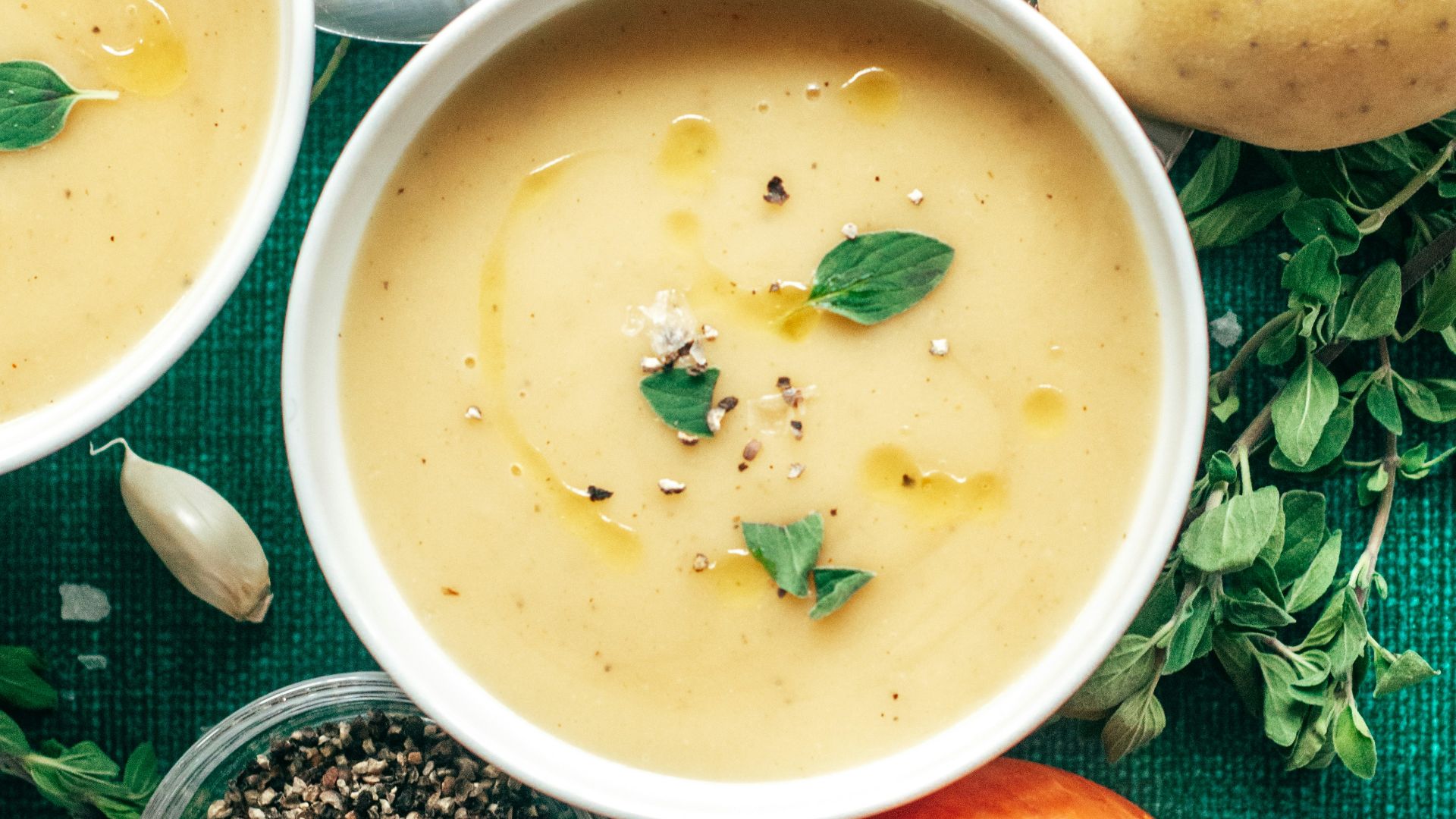
3. Creamy Vegetable Soups
The word “vegetable” can distract from what provides a soup its velvety texture. Cream, butter, cheese, and substantial amounts of sodium can turn dishes such as broccoli-cheddar or creamy tomato soup into heavier choices full of calories. If vegetables are the goal, broth-based versions typically provide them without quite as much saturated fat.
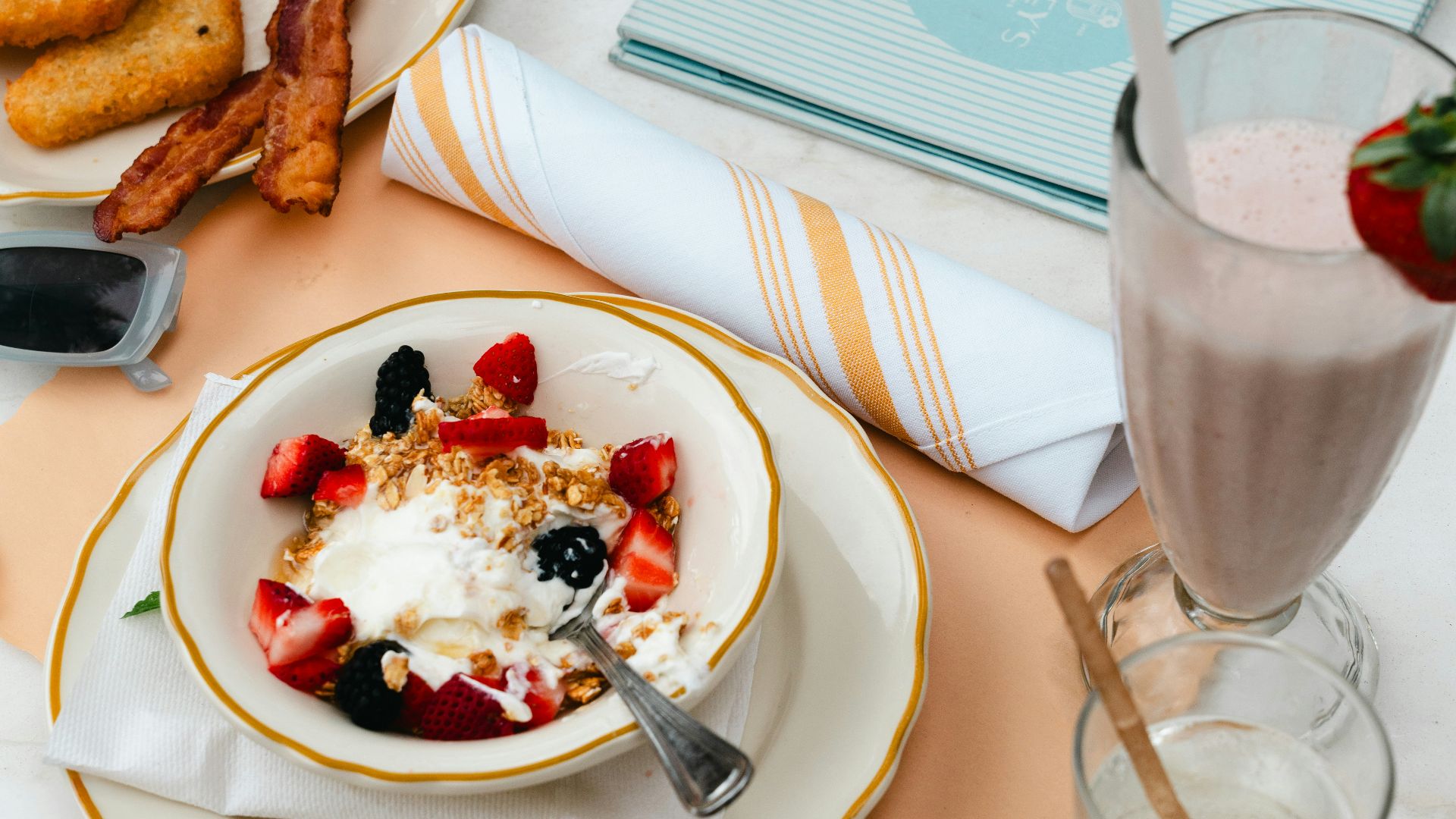
4. Restaurant Granola Parfaits
Yogurt, fruit, and granola look, sound, and feel healthy once combined, but restaurant parfaits can become surprisingly sweet. Flavored yogurt, sweetened granola, honey, syrups, and large serving sizes may push added sugar higher than you want.
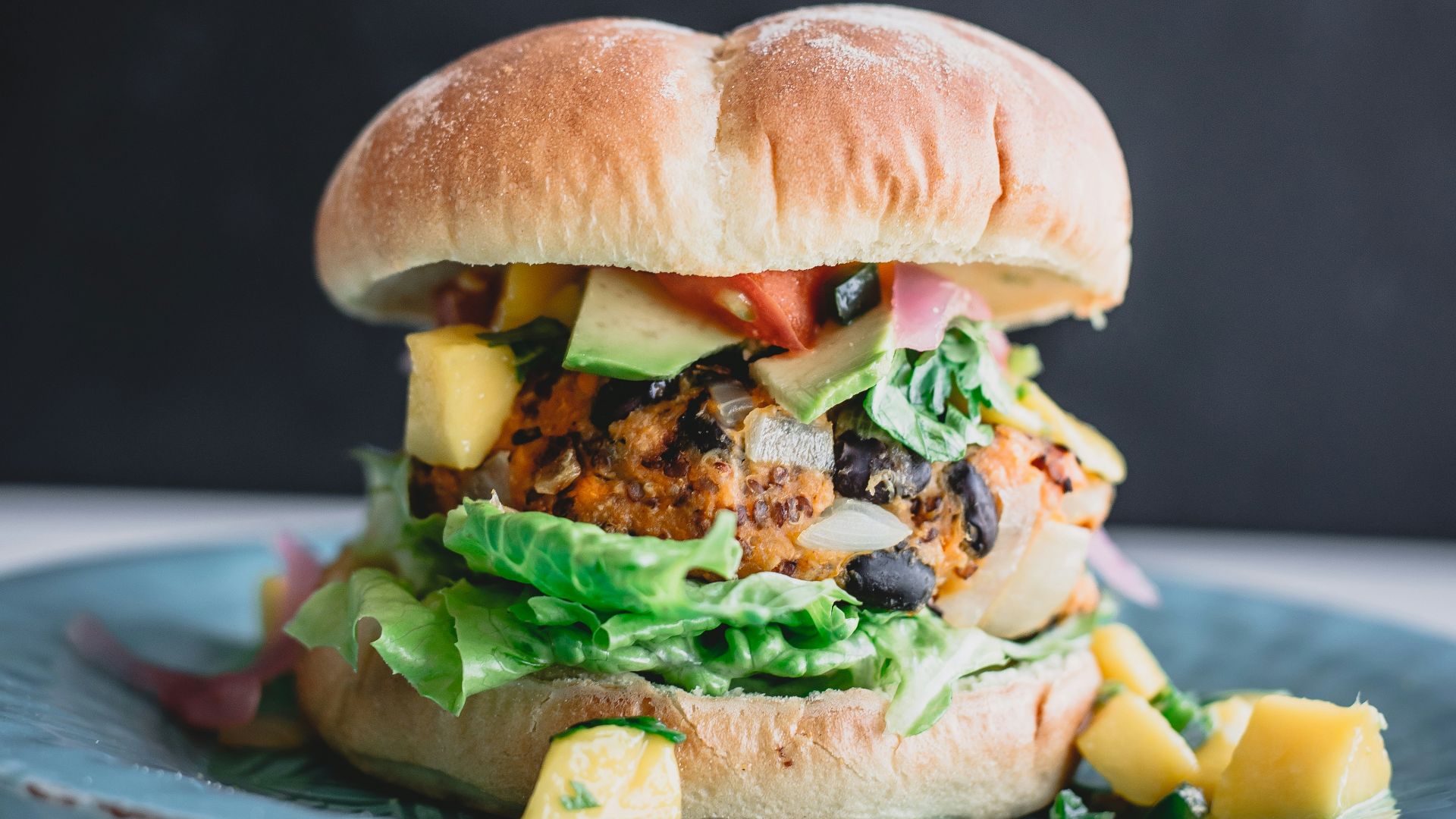
5. Loaded Veggie Burgers
Veggie burgers can be the most fraudulent item on a menu. A vegetable-based patty isn't automatically lighter than a traditional burger once the toppings are included. Cheese, mayonnaise-based sauces, fried onions, oversized buns, and salty condiments can significantly alter its nutrition. Check what comes with the burger rather than judging it entirely by the fact that the patty is meat-based.
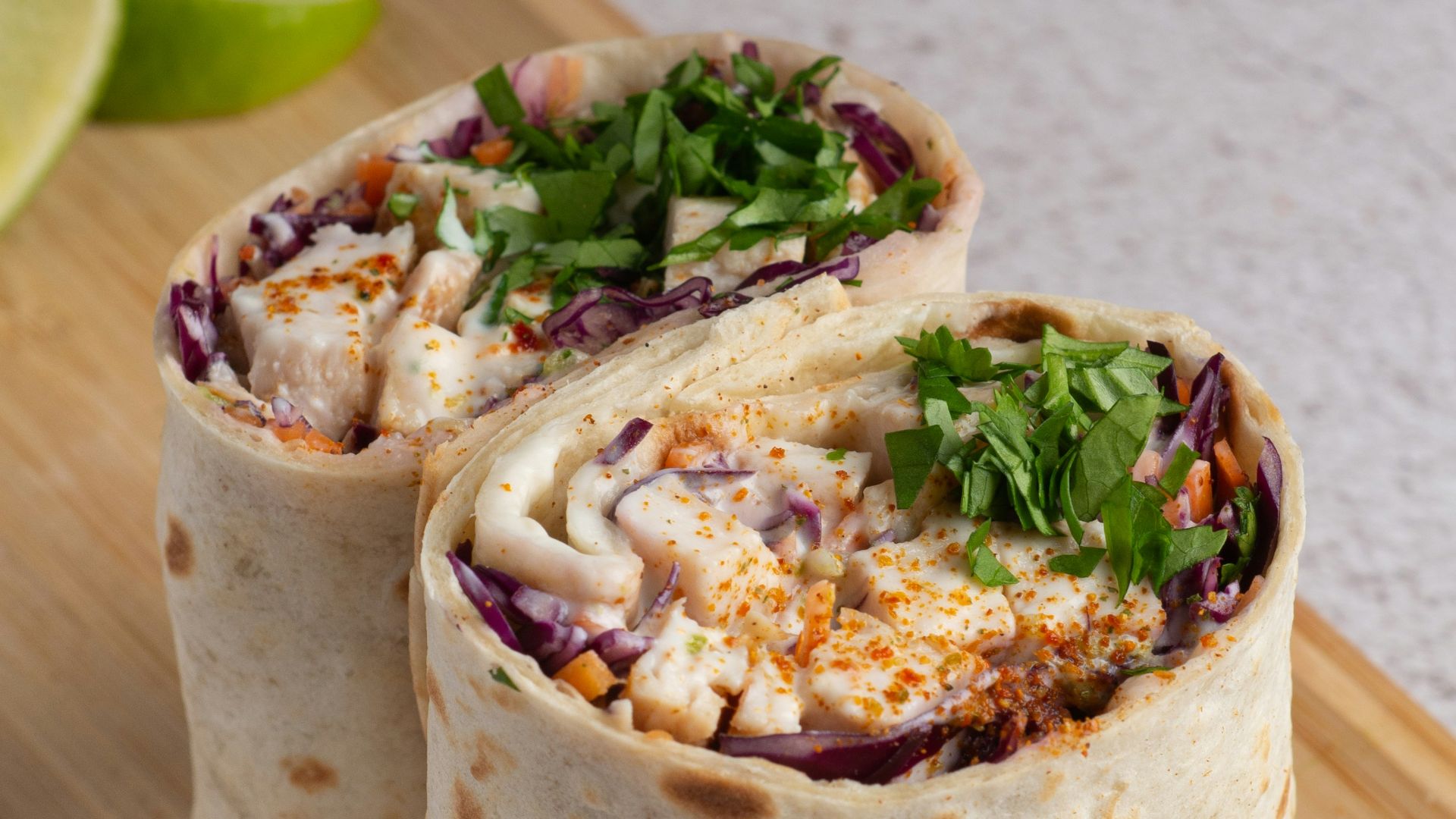
6. Giant Wraps
Wraps often receive a healthy reputation because they look lighter than sandwiches, but large tortillas can contribute substantial calories and refined carbohydrates before the filling is considered. Add cheese, creamy sauces, processed meats, or fried chicken, and the nutritional advantage becomes even smaller.
7. Sweetened Acai Bowls
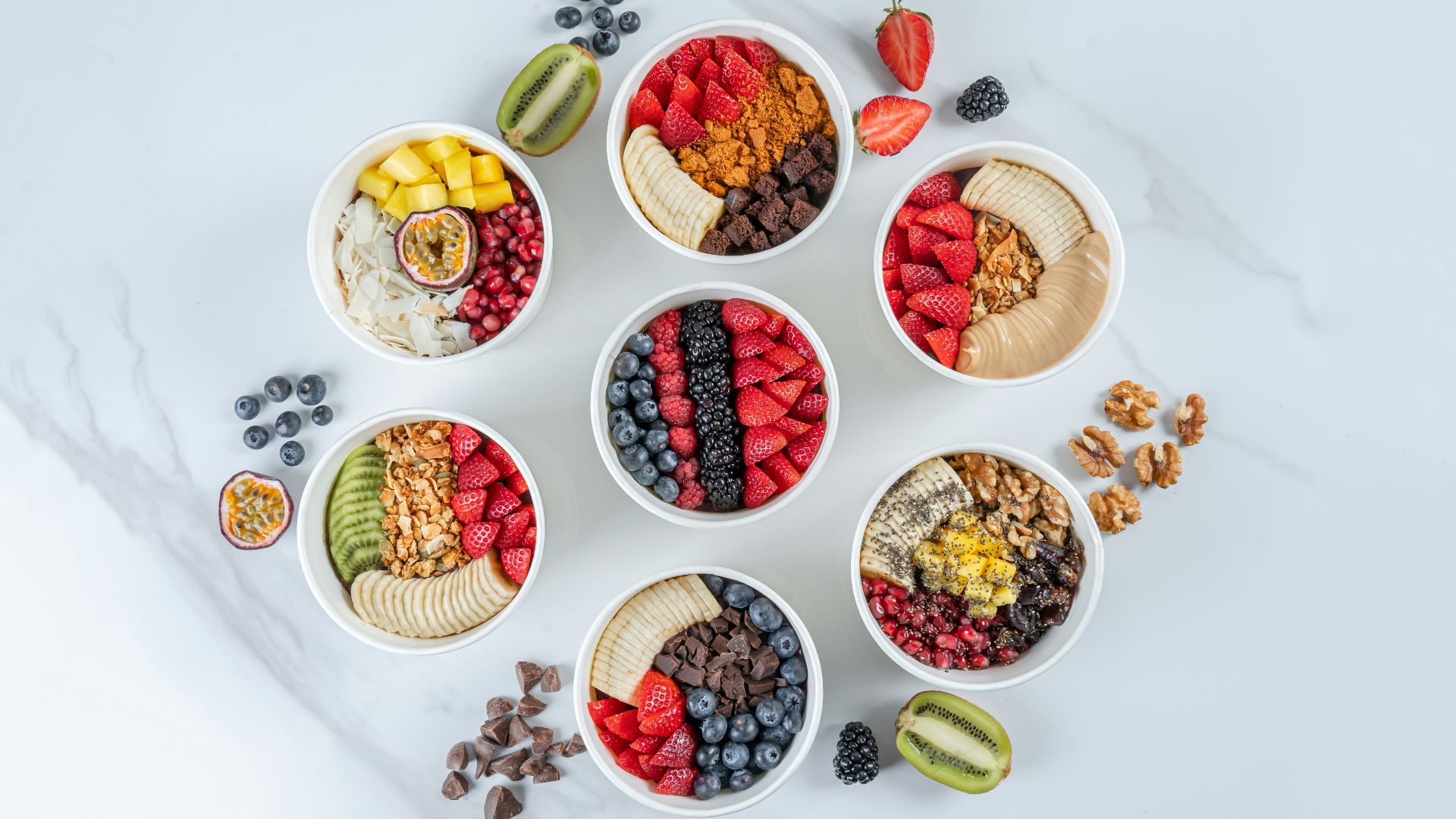
Acai can often fit easily into a nutritious meal, but restaurant bowls often include a host of sweetened purees, granola, honey, nut butter, and generous fruit portions. These ingredients can make the final serving exceptionally high in sugar and calories despite its healthy appearance. Choosing unsweetened bases and less toppings keeps the focus on the fruit.
8. Restaurant Caesar Salads
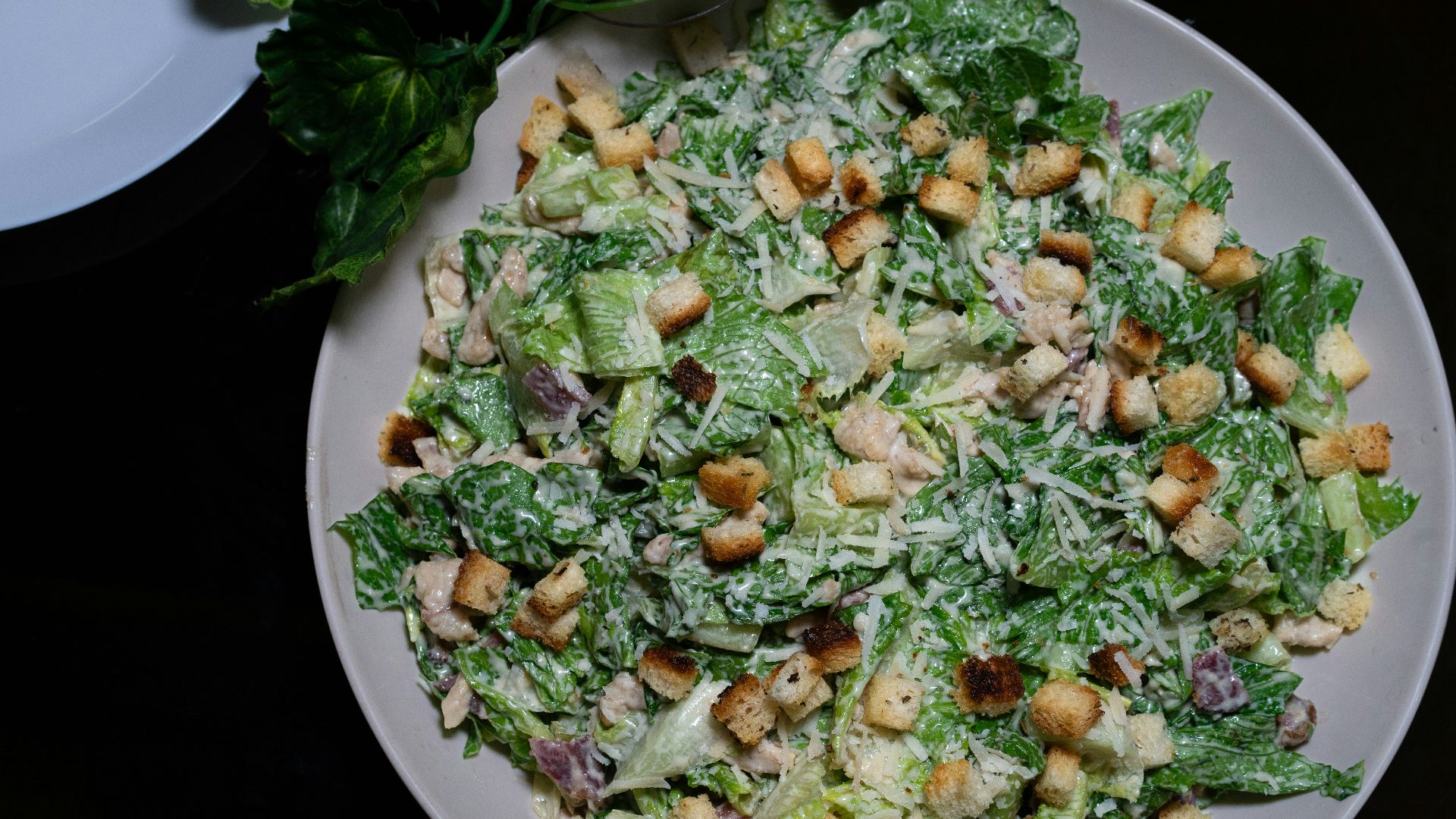
Romaine lettuce may be the foundation, but a classic Caesar salad can accumulate considerable sodium and saturated fat from dressing in addition to Parmesan, and croutons. Adding fried chicken only increases the total.
9. Vegetable Tempura
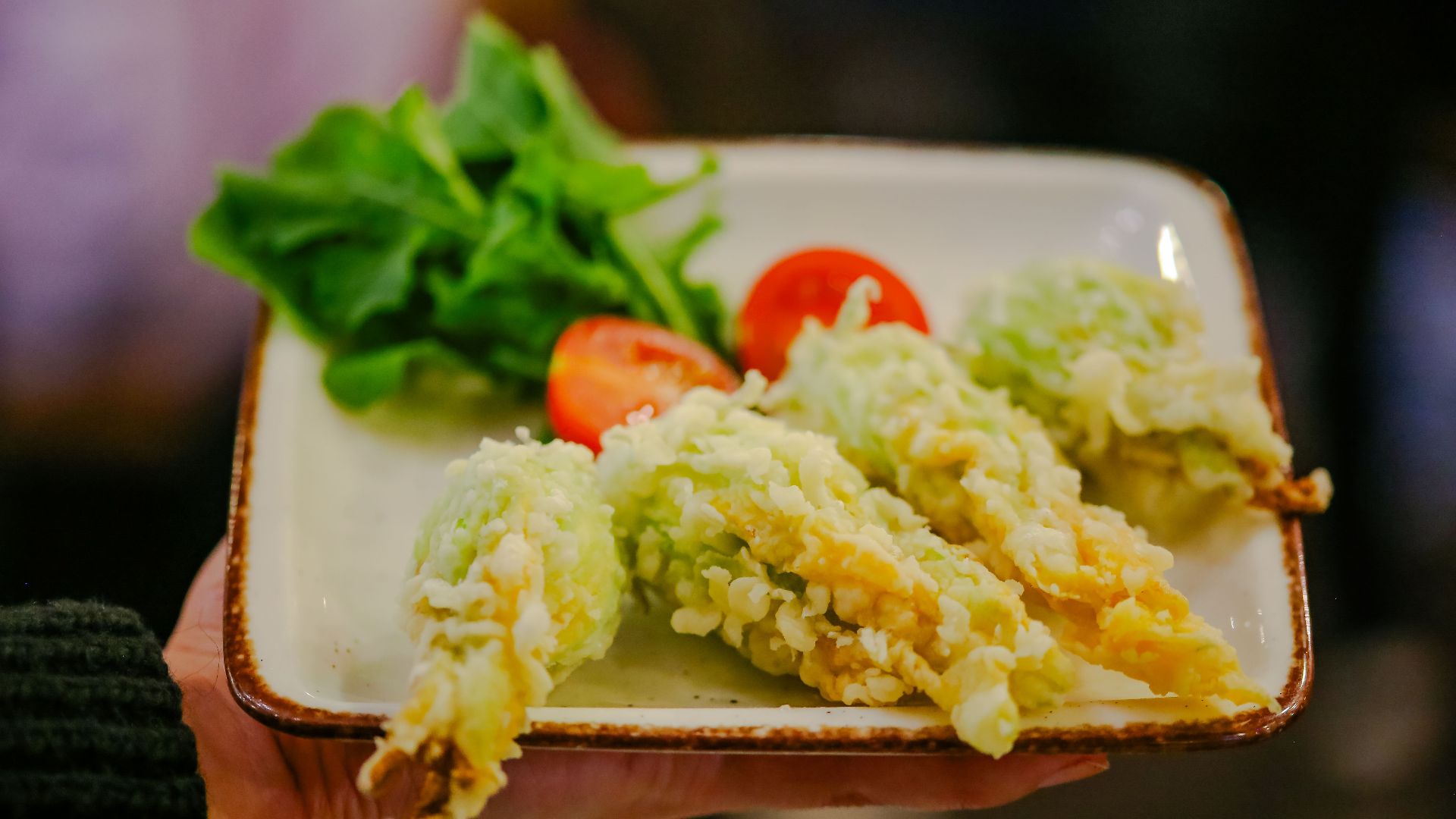
Vegetables don't lose their nutrients just because they're battered, but deep-frying alters the overall nutritional profile dramatically. Tempura batter absorbs unhealthy oil during cooking, adding calories and fat that wouldn't be present in steamed, grilled, or roasted vegetables.
10. “Healthy” Breakfast Muffins
Starting your day with a muffin isn't always a good idea. Bran, blueberry, or carrot muffins sound like sensible breakfast choices, although restaurant and bakery versions are often closer nutritionally to cake than whole-grain cereal. Be wary every time you're ordering.

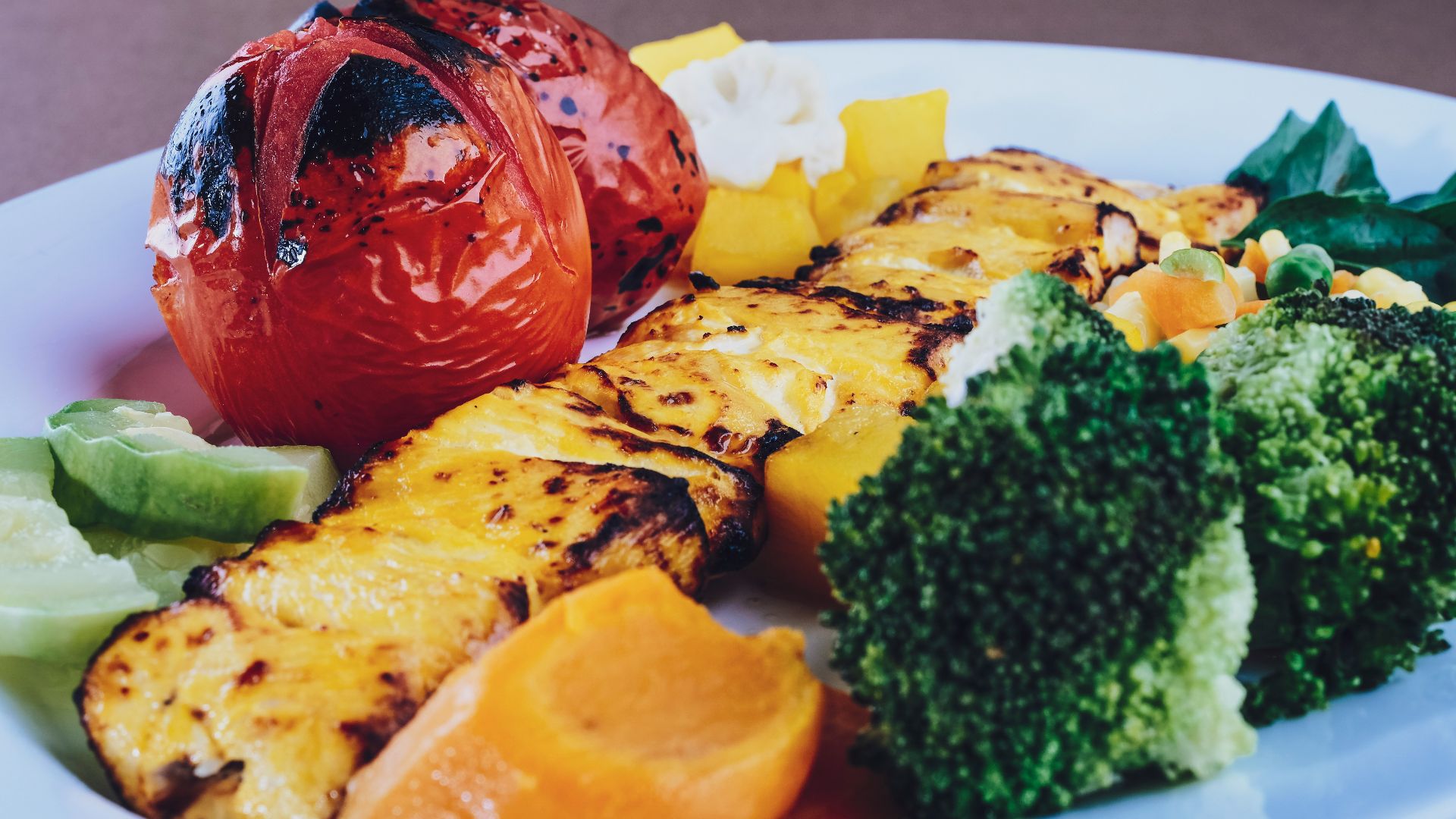
1. Grilled Fish With Vegetables
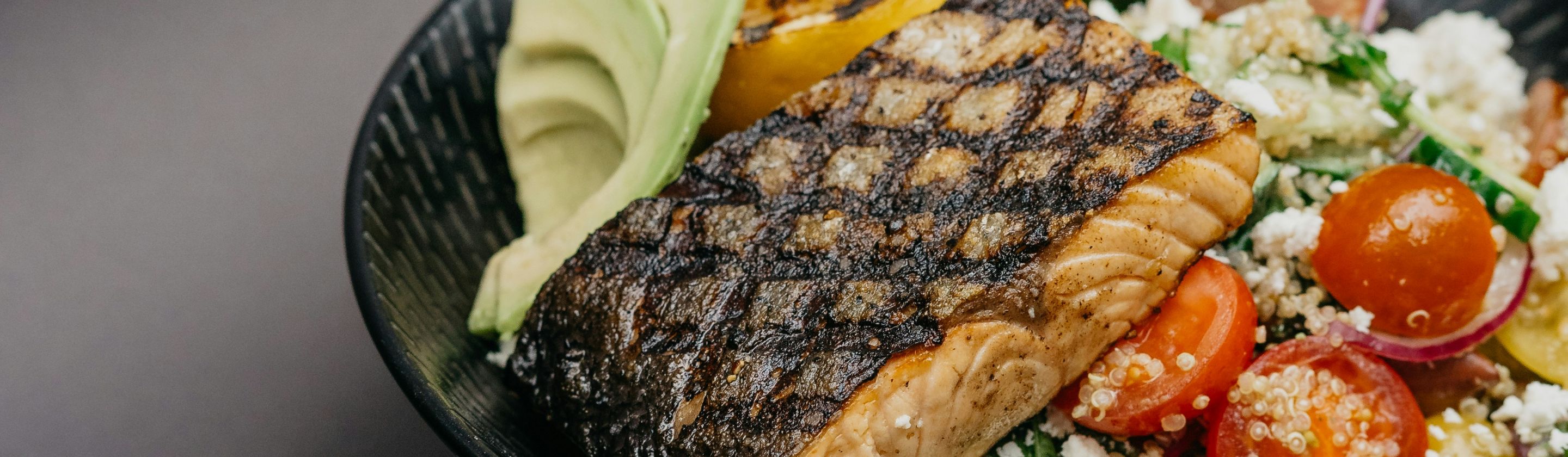
Grilled fish provides high-quality protein, and wide varieties also supply beneficial unsaturated fats, including omega-3 fatty acids. Enjoying it with steamed, roasted, or grilled vegetables, like carrots or broccoli, creates a filling meal without the need for heavy sauces.
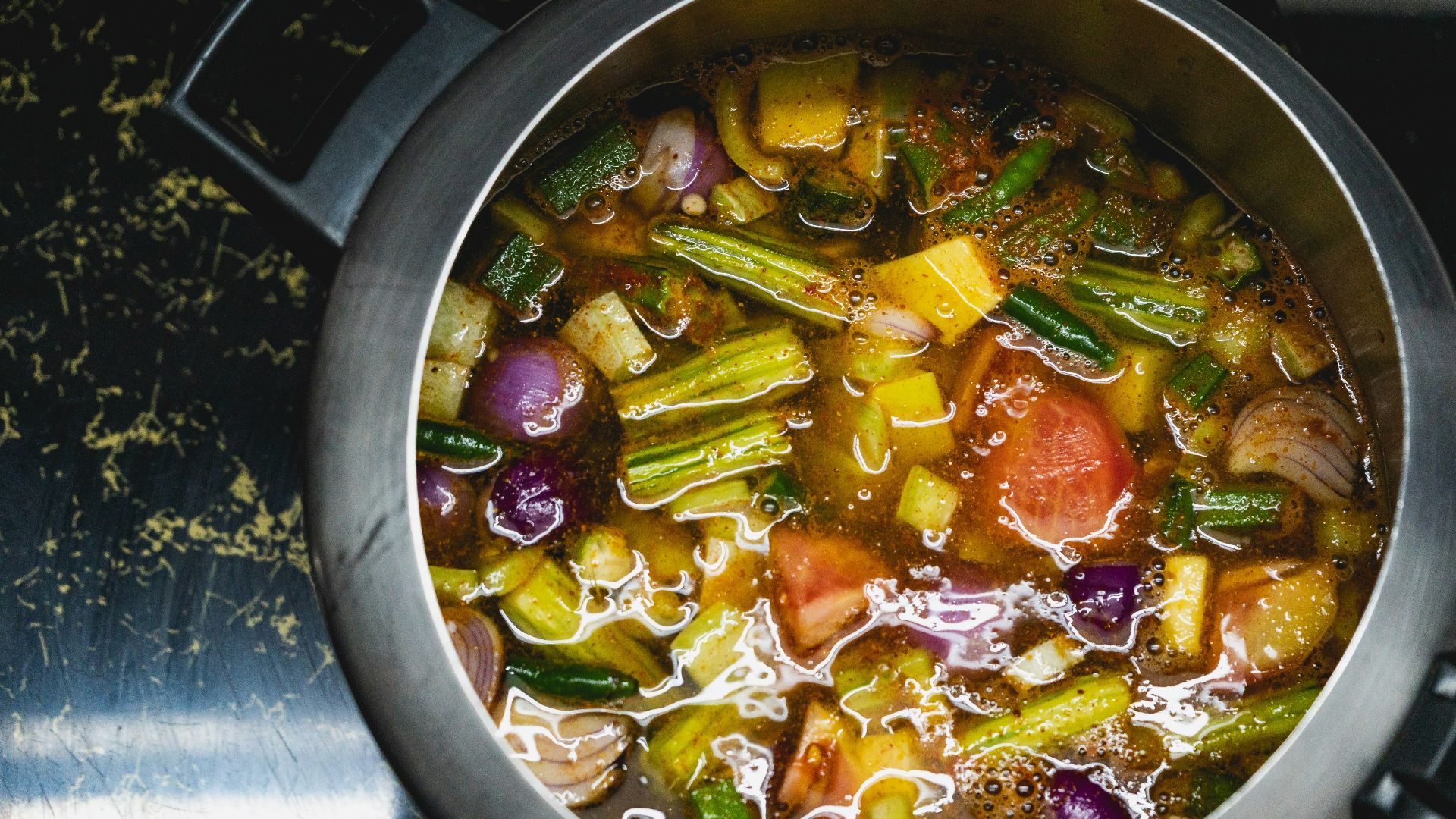
2. Broth-Based Vegetable Soup
A broth-based soup containing loads of vegetables can provide a satisfying and hearty first course without the saturated fat found in many cream-based alternatives. Beans, lentils, or lean chicken can make it more substantial by adding protein and fiber.
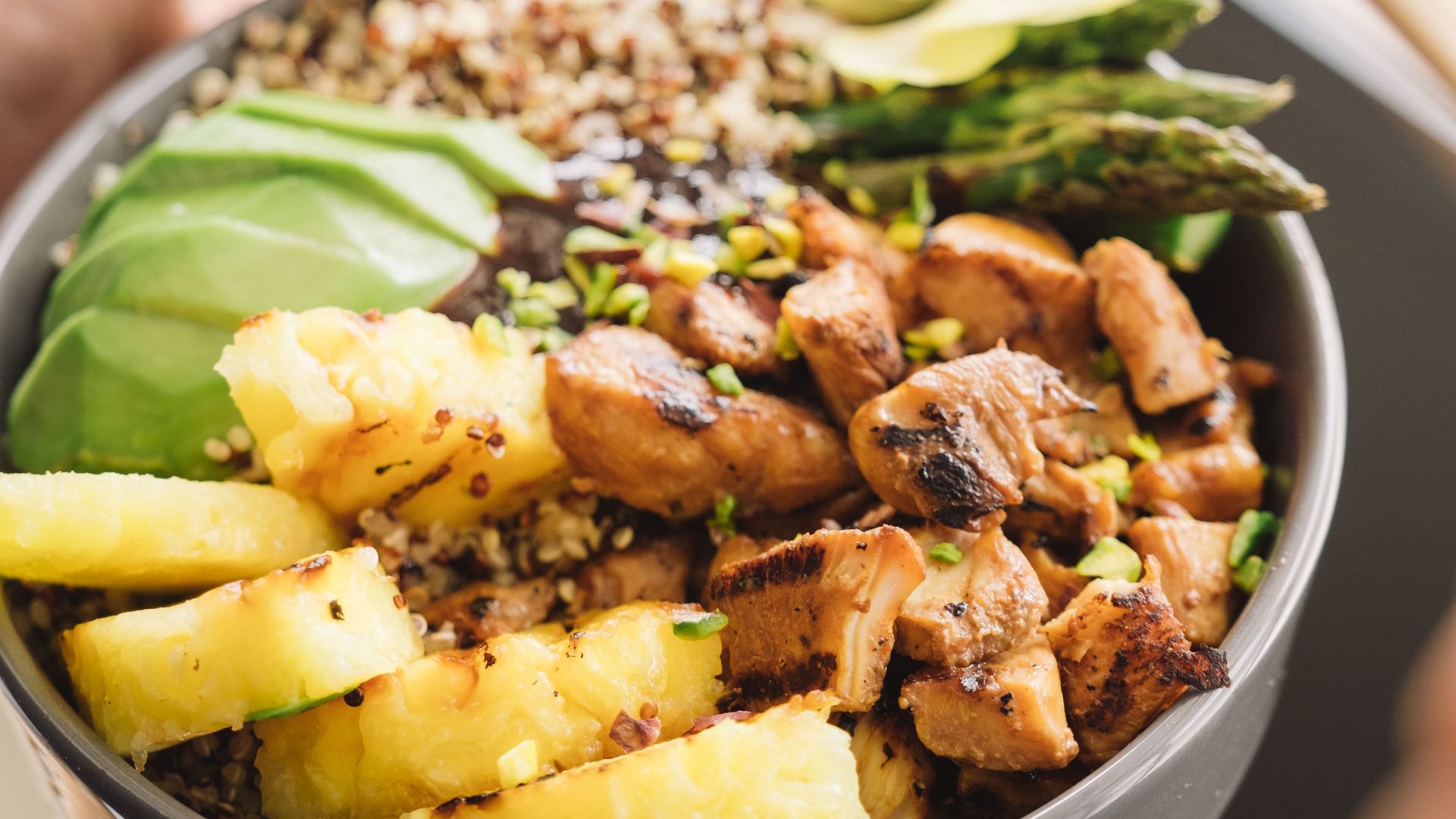
3. Grilled Chicken With Whole Grains
A plate of grilled chicken, brown rice, quinoa, or another whole grain delivers a straightforward combination of protein and complex carbohydrates. Including vegetables increases fiber, vitamins, minerals, and overall volume.
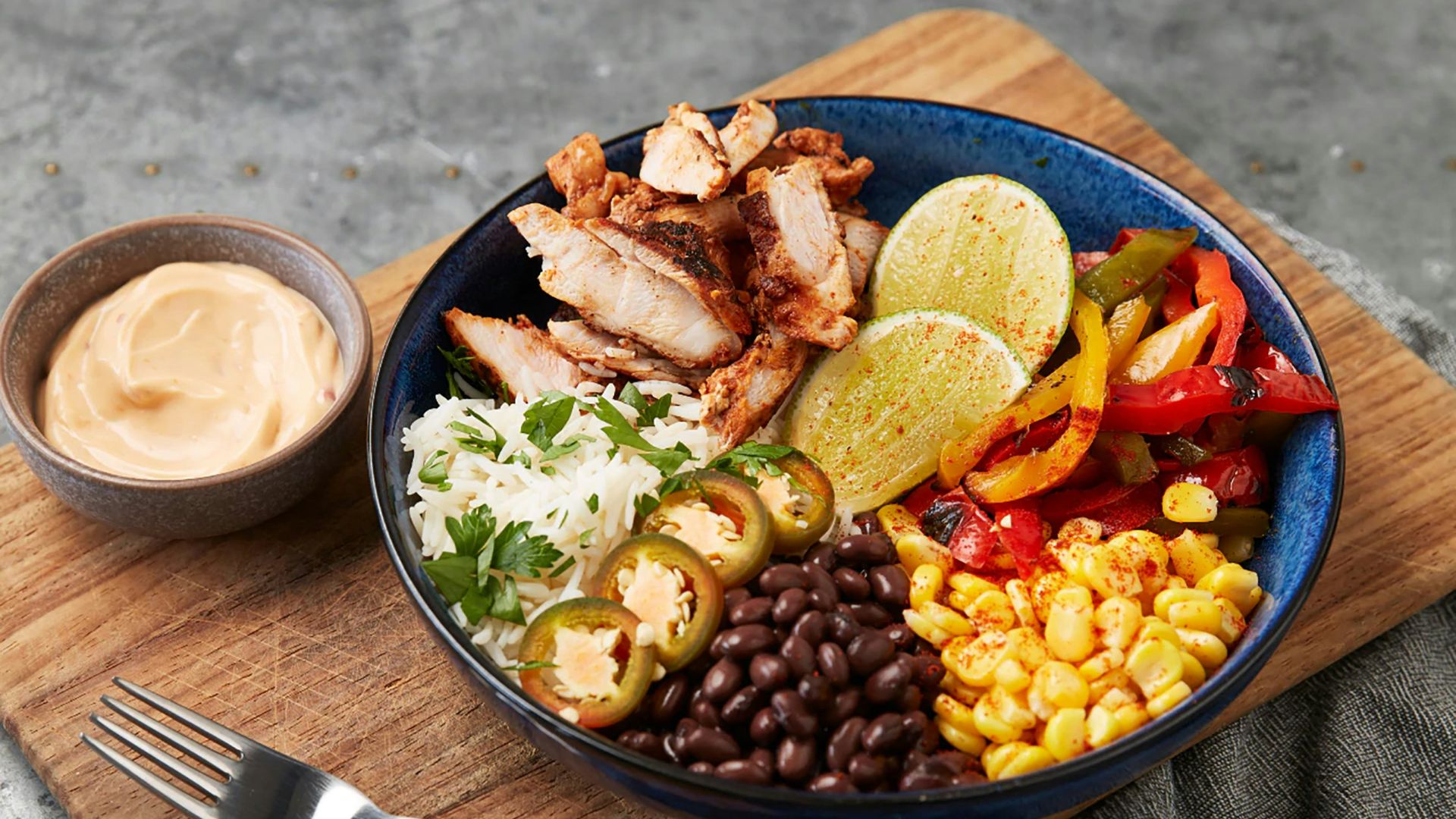
4. Bean-Based Burrito Bowls
A burrito bowl built around beans, vegetables, salsa, and a whole grain offers loads of fiber and plant-based protein. Eliminating or using less cheese, sour cream, and creamy sauces keeps saturated fat from climbing unnecessarily.
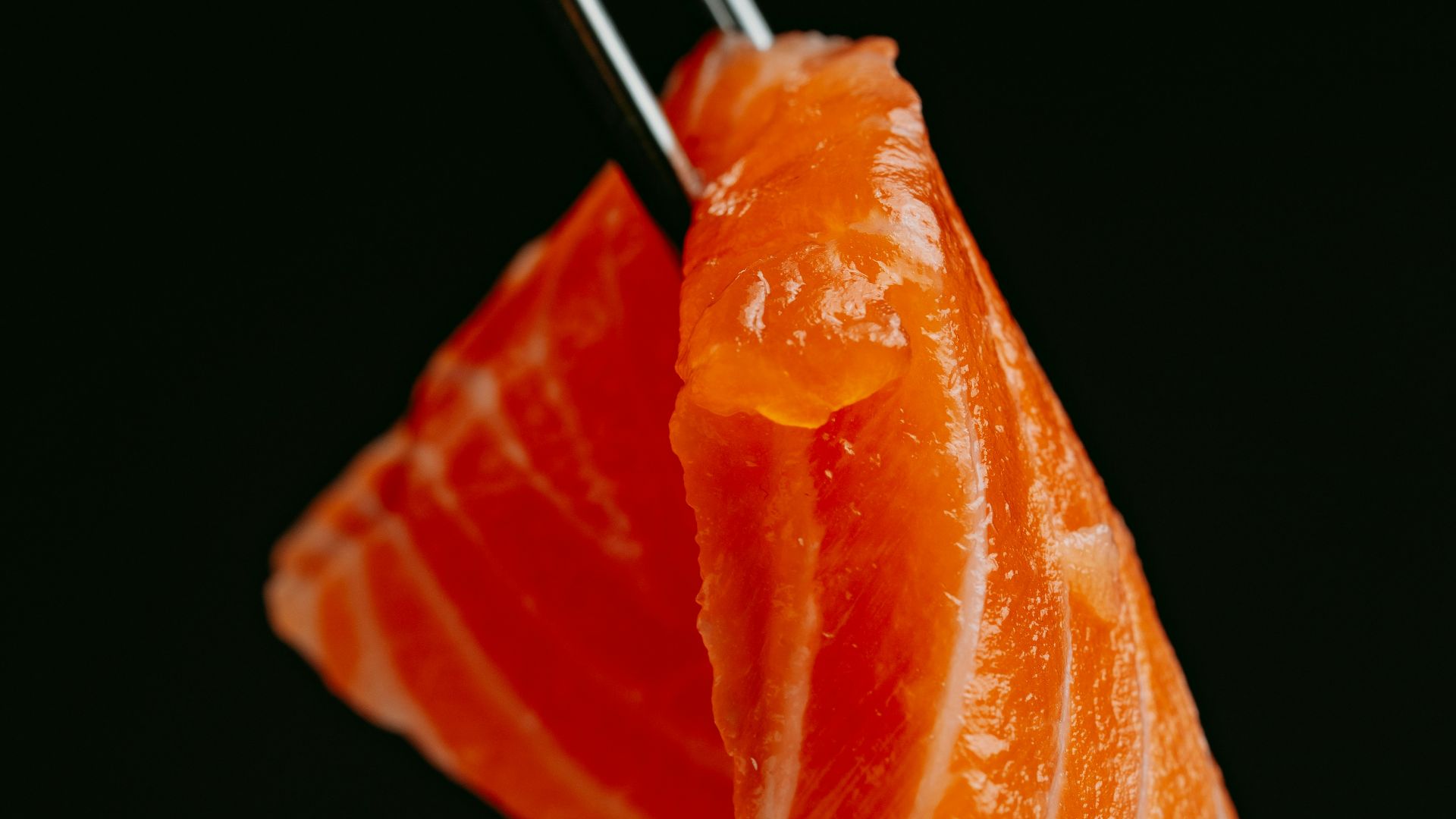
5. Sashimi With Simple Sides
Sashimi has protein without the fried coatings, sugary sauces, or large amounts of white rice found in the more elaborate sushi rolls. Soy sauce is high in sodium, so try using a small amount.
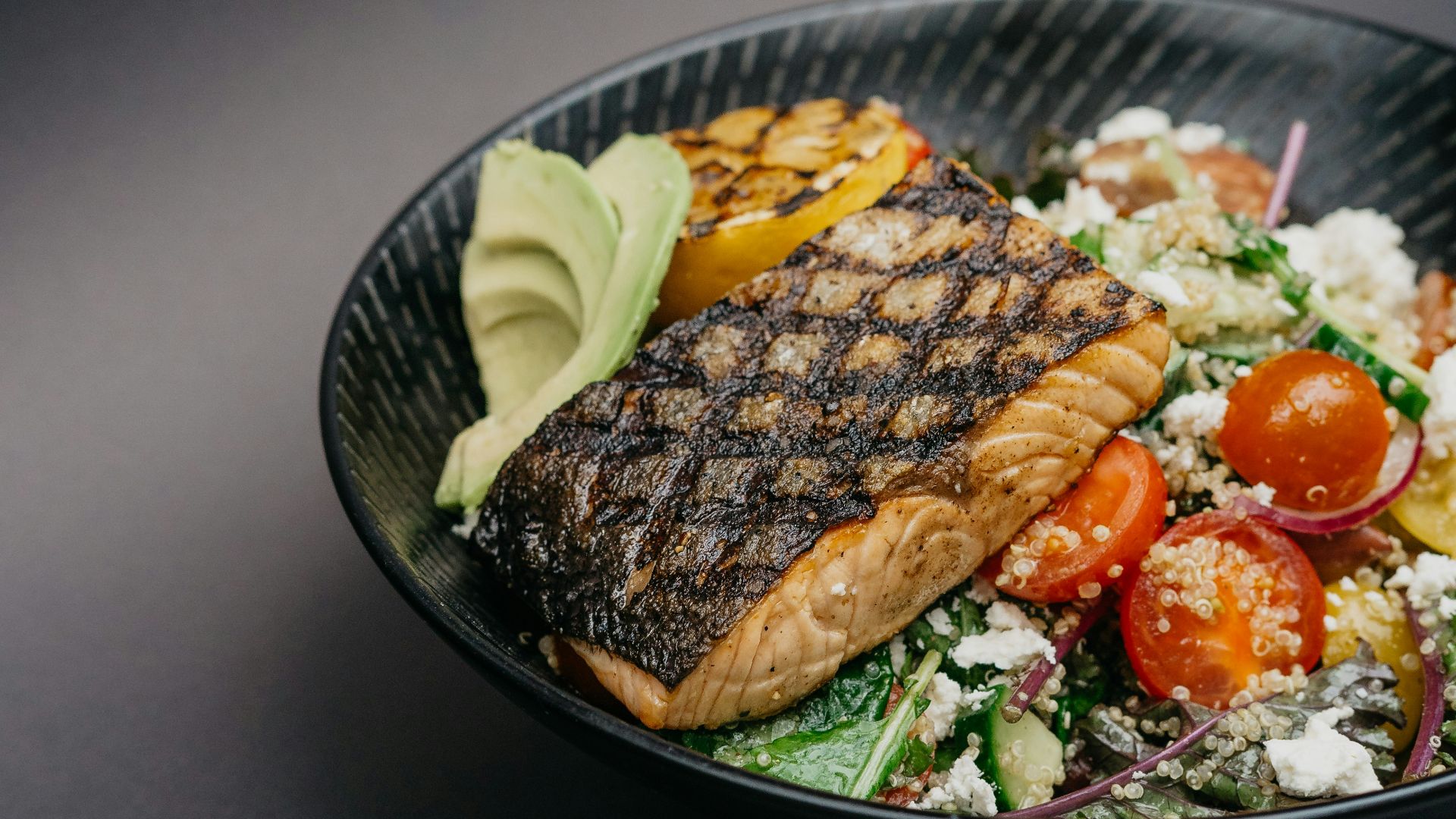
6. Greek Salad With Grilled Protein
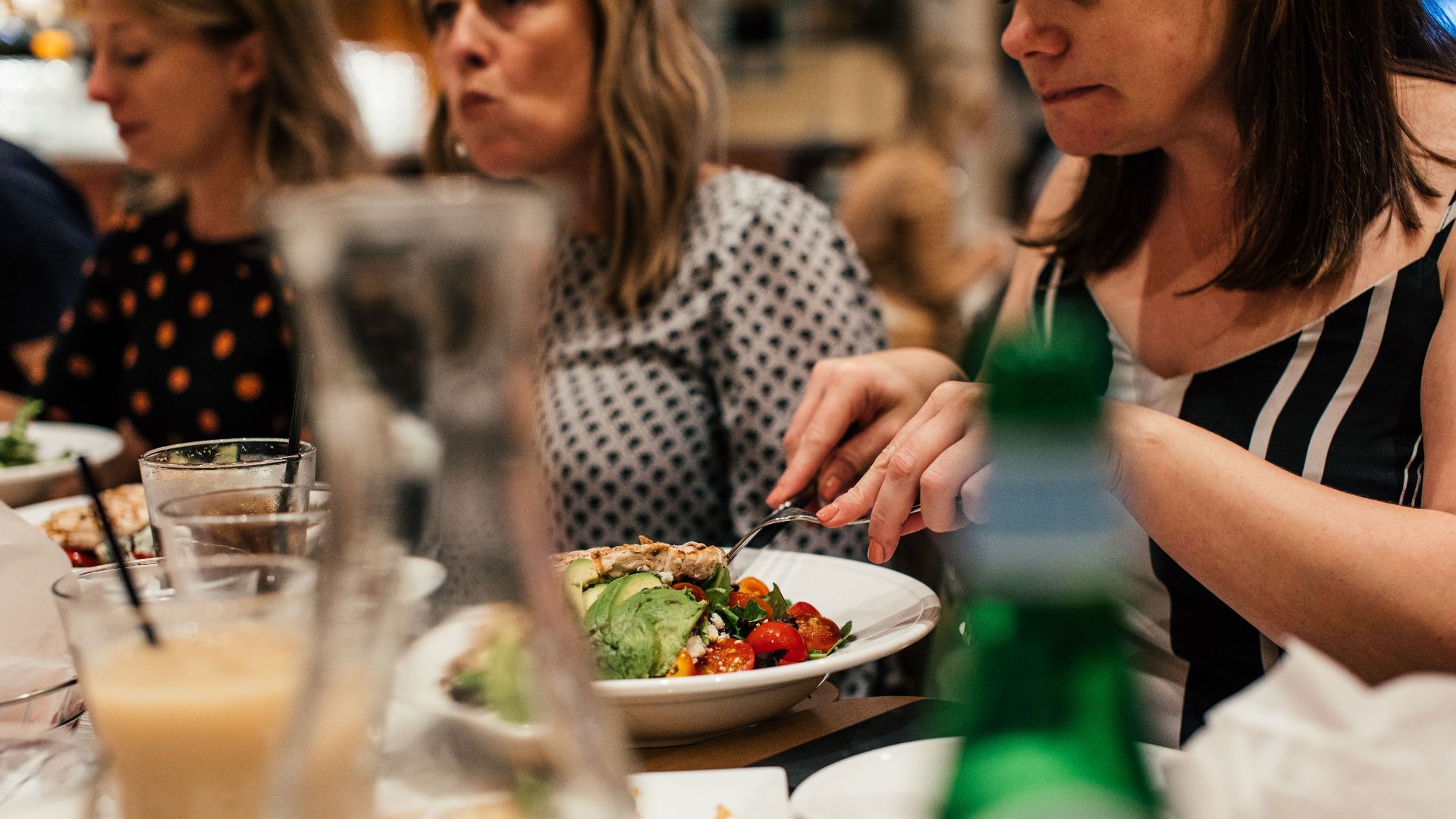
A Greek-style salad with tomatoes, cucumber, greens, and other vegetables provides lots of produce in one meal. Grilled chicken or fish can add protein without requiring breading. Feta, olives, and dressing can contain high levels of salt, so moderate portions help preserve the dish's nutritional advantages.
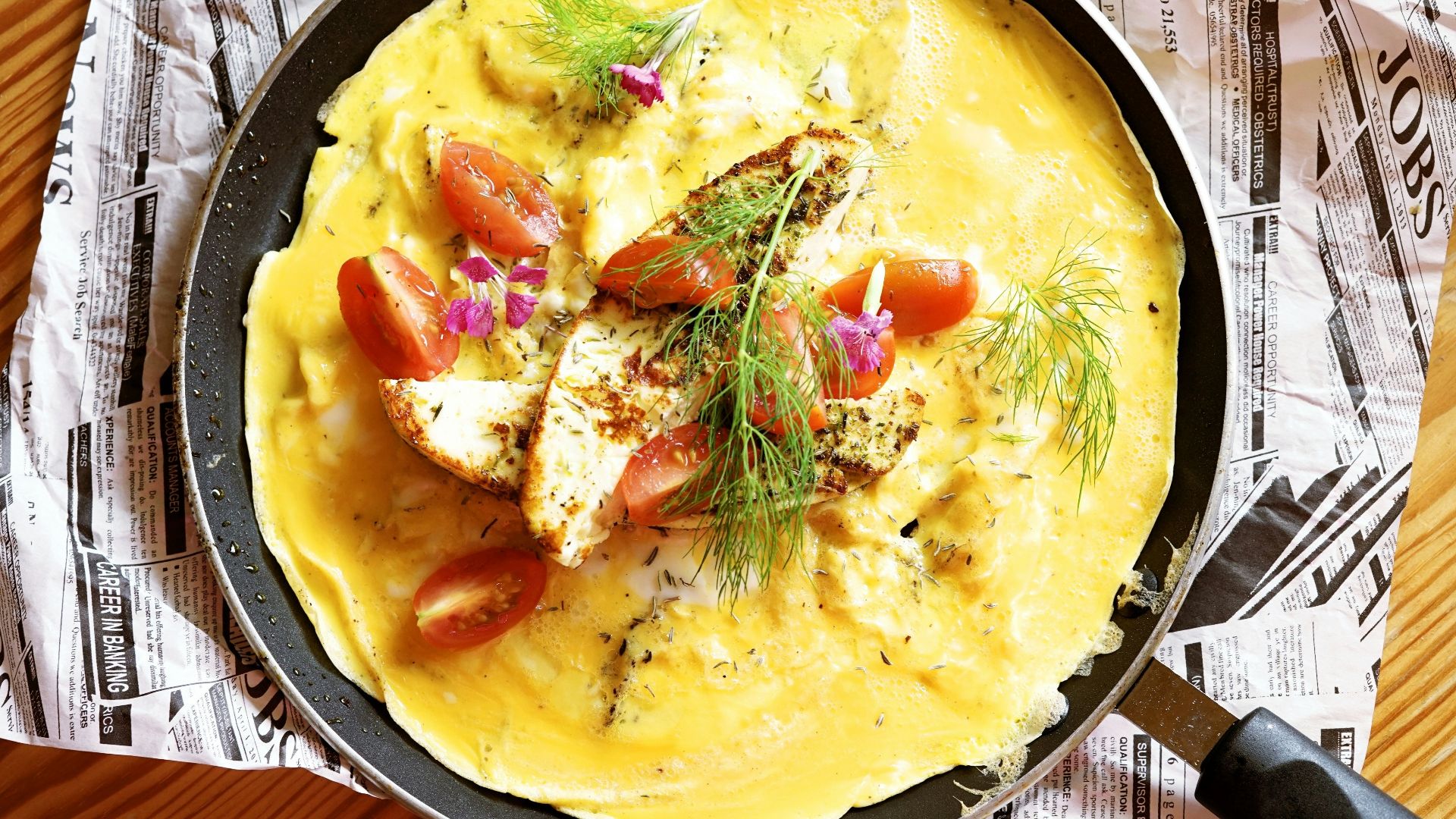
7. Vegetable Omelets
Eggs offer protein and several important nutrients, while an omelet makes it easy to add your favorite vegetables such as mushrooms, tomatoes, peppers, onions, or spinach. Choosing a moderate amount of cheese controls the saturated fat.
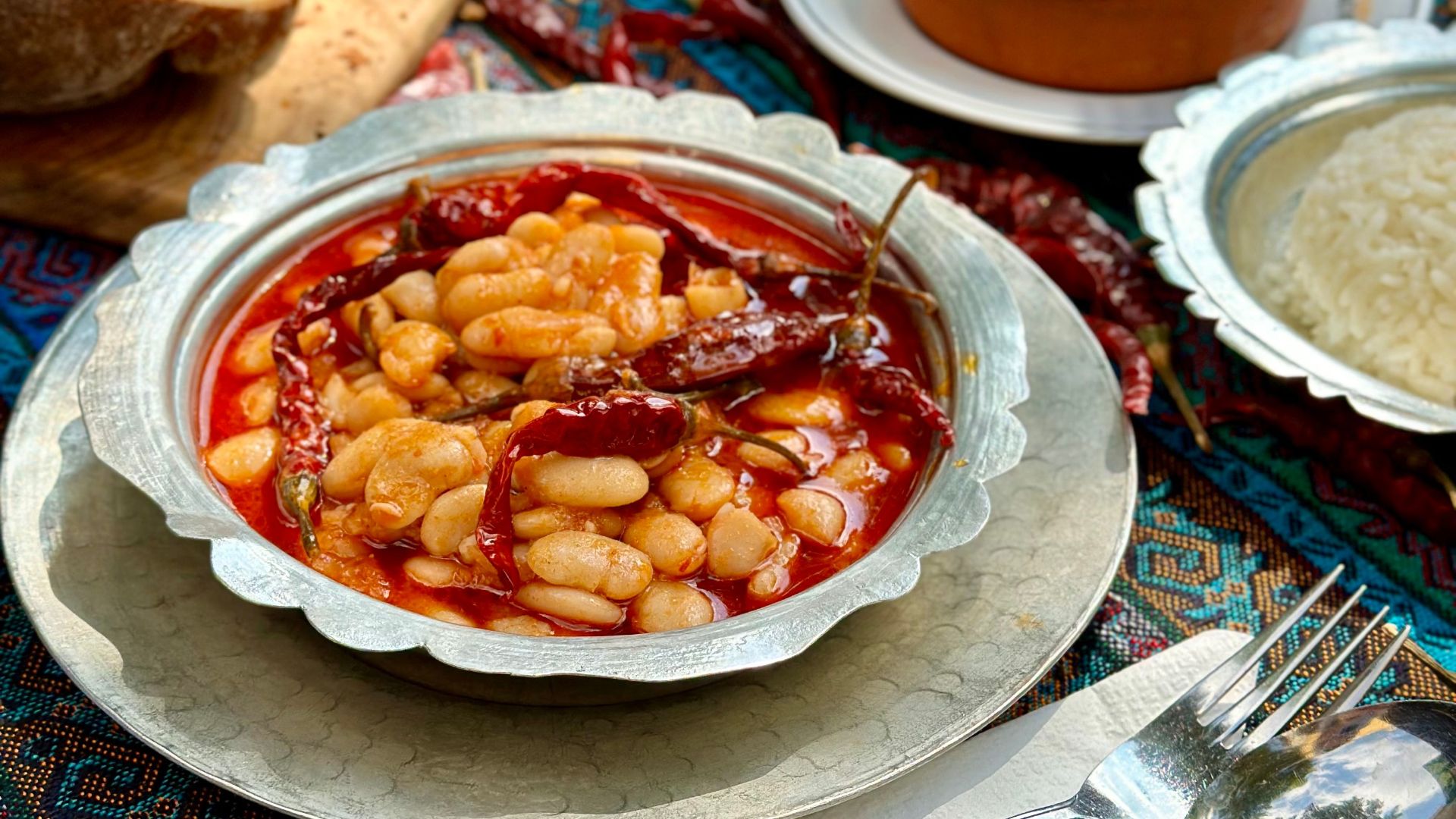
8. Lentil or Bean Entrées
Lentils and beans provide plenty of plant protein along with dietary fiber, helping make meals satisfying. Restaurant dishes such as lentil stews, bean bowls, or legume-based curries can therefore be genuinely nutritious choices.
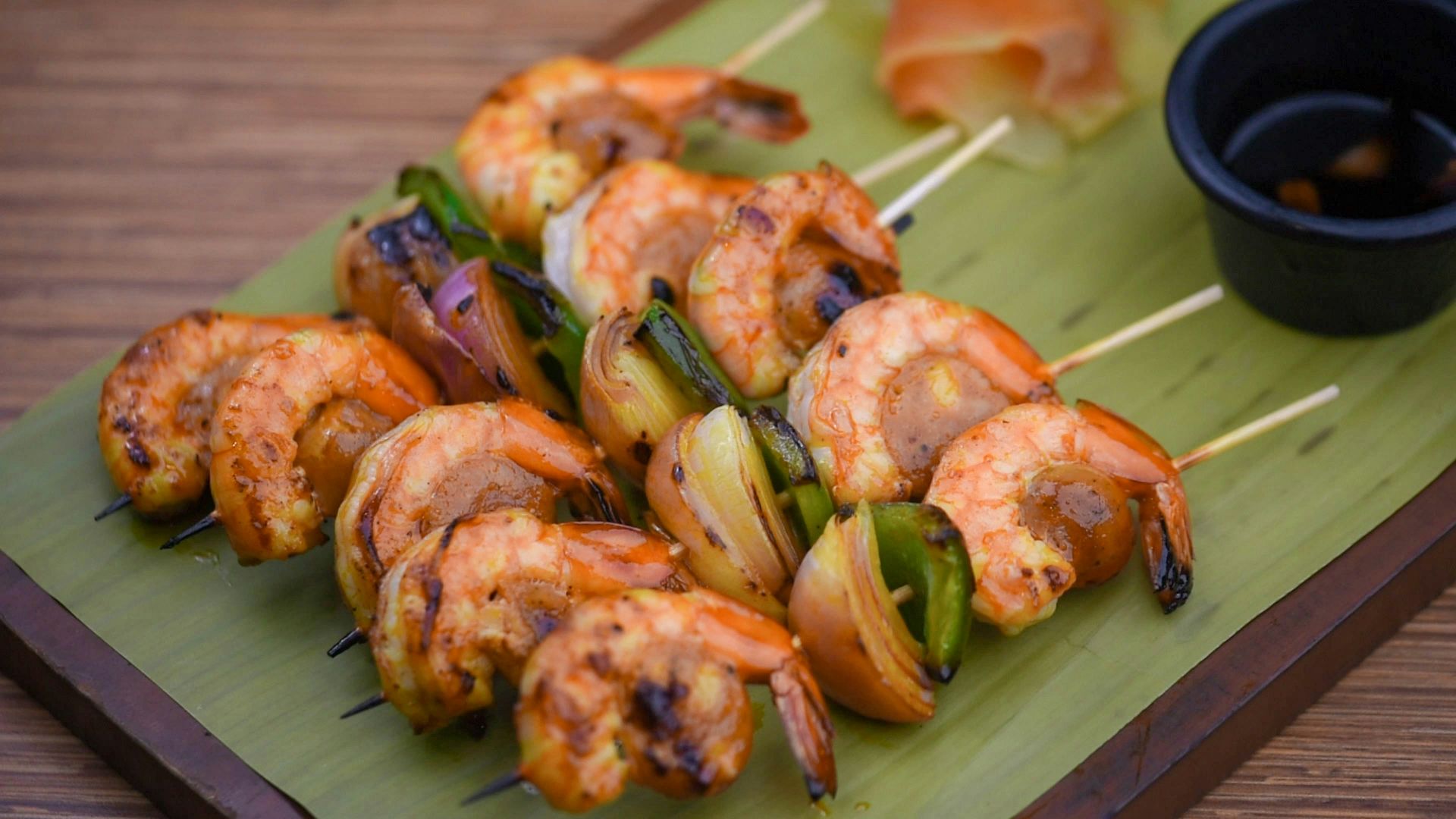
9. Grilled Shrimp Skewers
Shrimp is a lean source of protein, and grilled skewers can be an especially simple restaurant option when they're served without heavy sauces or glazes. Pair them with a baked potato, whole grain, or salad for a more complete plate.
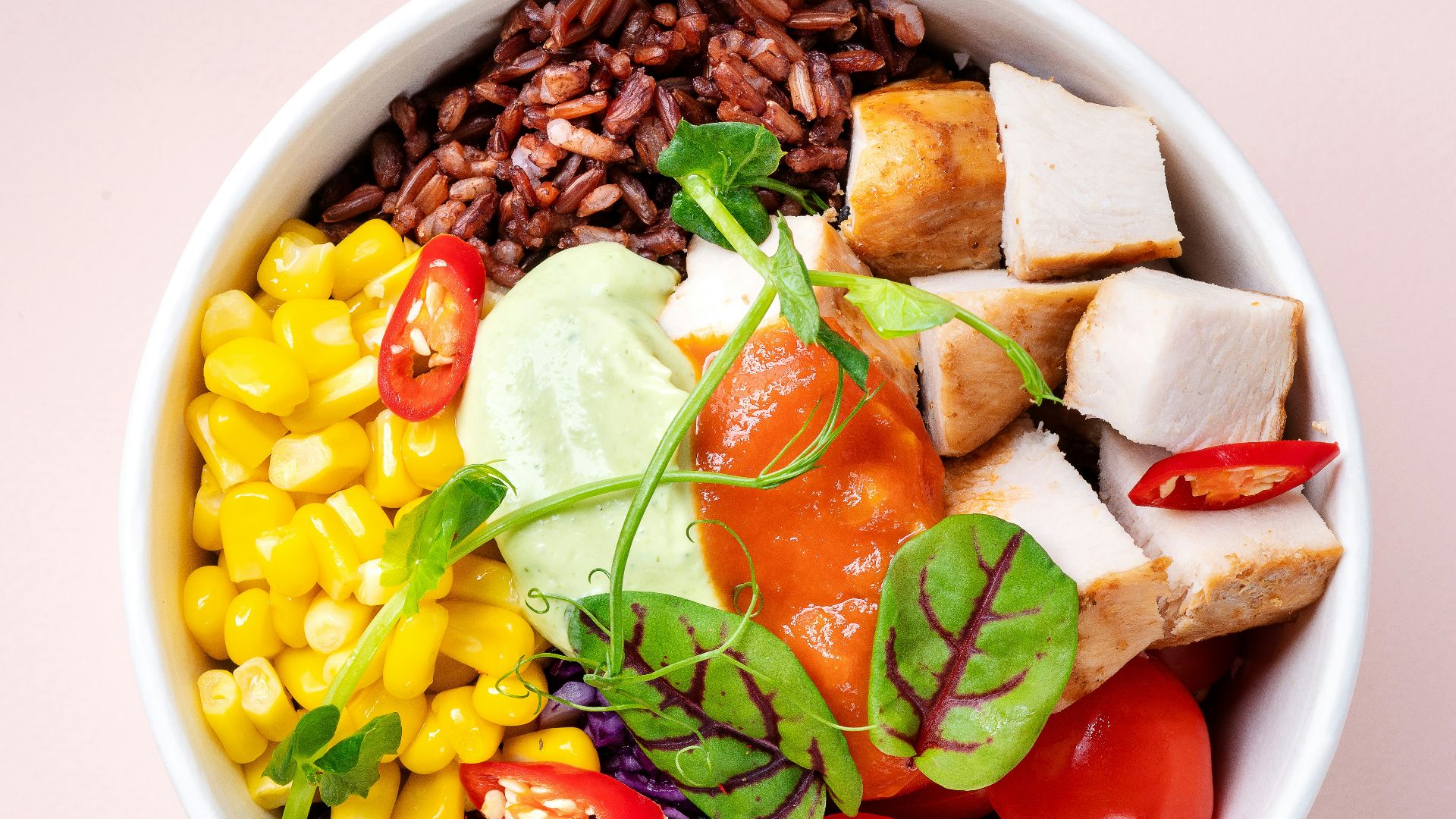
10. Build-Your-Own Grain Bowls
Customizable grain bowls provides control over what goes into a restaurant meal. Starting with whole grains or greens, then adding vegetables, beans or lean protein, and then finish with a modest amount of dressing is a healthy choice.
 David Foodphototasty on Unsplash
KEEP ON READING


20 Potluck Desserts That Always Disappear First
20 Classic Recipes Grandmas Just Do Best