You've probably experienced this yourself: standing in the grocery store, comparing prices between a bag of apples and a box of cookies, wondering why the food that's supposed to be good for you costs twice as much.
It's not your imagination. Fruits, vegetables, whole grains, and lean proteins consistently carry higher price tags than processed alternatives, and there's a web of interconnected reasons behind this frustrating reality that goes far deeper than simple supply and demand.
The Cost Of Growing Real Food
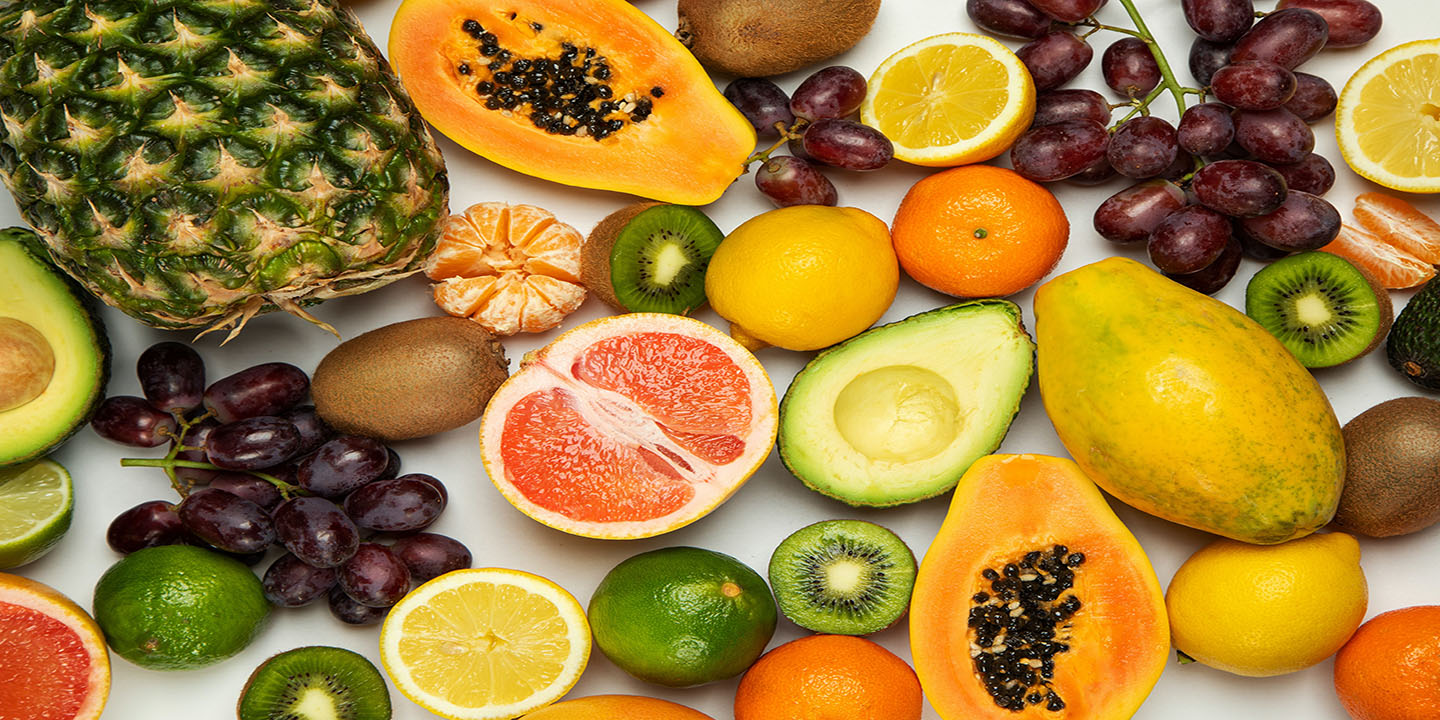
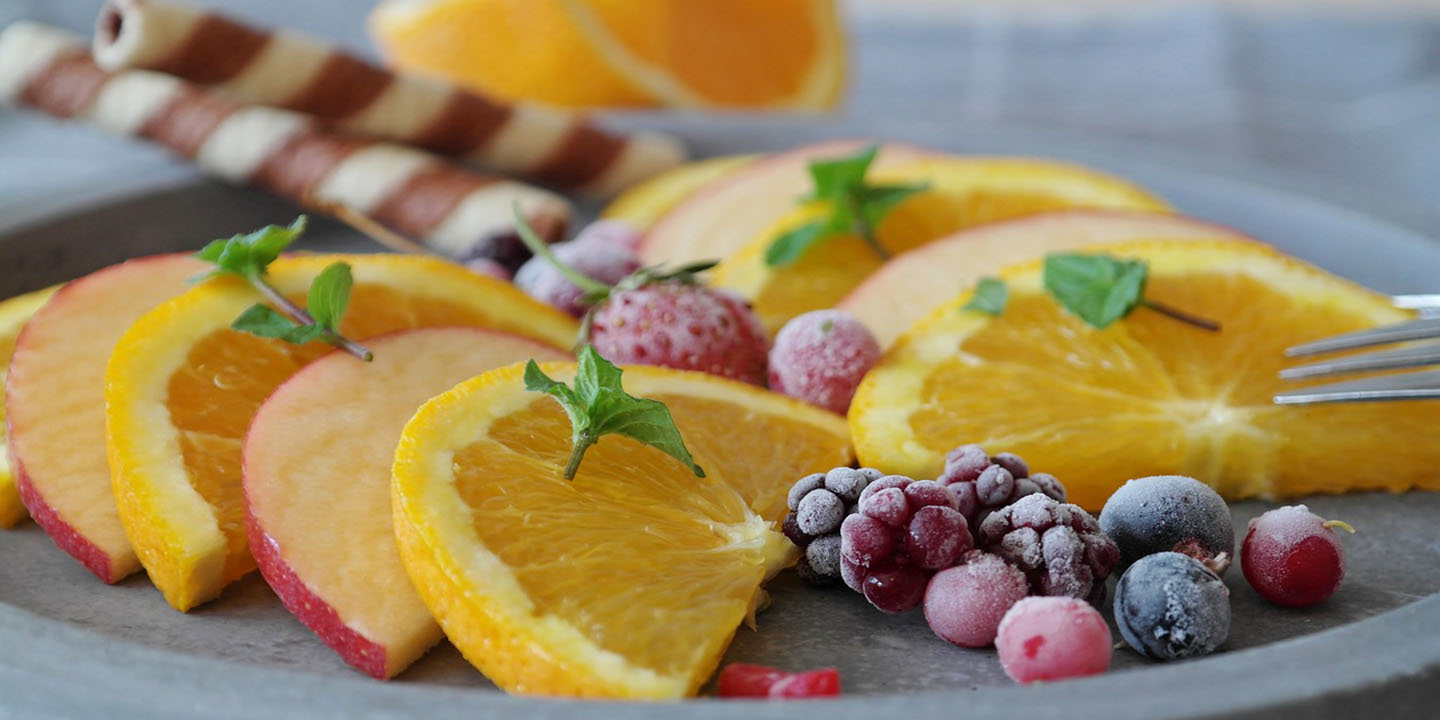
Fresh produce doesn't have the luxury of a long shelf life. A head of lettuce has maybe a week before it starts wilting, while a box of crackers can sit on a shelf for months without anyone worrying. This means farmers, distributors, and retailers are constantly racing against time. They need refrigerated trucks, climate-controlled storage facilities, and faster transportation networks. Every hour that ticks by is money potentially lost to spoilage. Meanwhile, that same box of crackers made its journey at room temperature, probably sharing truck space with fifty other products, keeping costs low.
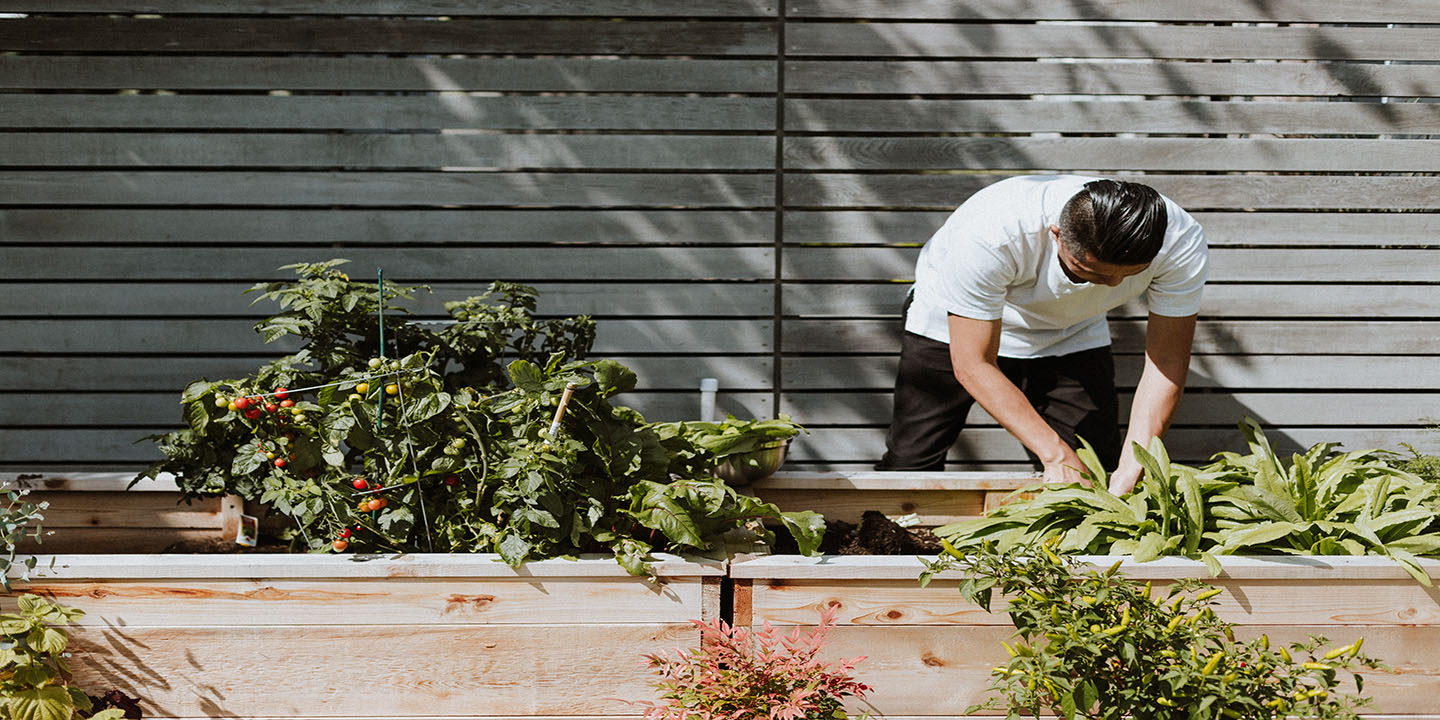
Then there's the growing process itself. Real food demands more attention, more space, and more resources per pound produced. An apple tree needs years to mature before producing fruit. Cattle raised for quality beef require pasture space, time, and feed. Compare this to processed foods made from commodity crops like corn, wheat, and soybeans that are grown efficiently on massive industrial scales. These crops benefit from decades of agricultural optimization, government subsidies, and processing technologies that can transform them into countless products. A single field of corn might eventually become ingredients in hundreds of different processed foods, spreading the production costs impossibly thin.
The Hidden Economics Of Your Shopping Cart
When you buy something labeled "healthy," you're often paying for higher standards that come with real costs. Organic produce requires more labor-intensive farming practices. Free-range eggs mean more space per chicken. Wild-caught fish means boats, fuel, and unpredictable harvests instead of efficient fish farms.
Processing and packaging also play surprisingly large roles. Heavily processed foods are engineered for efficiency. They're designed to be shelf-stable, lightweight, and easy to transport. A potato chip manufacturer can buy potatoes in bulk when prices are lowest, process them immediately, and store the finished product indefinitely. A grocery store selling fresh potatoes needs to constantly reorder, accept higher transportation costs for heavier products, and throw away anything that goes bad.
There's also the matter of scale and competition. Big food manufacturers producing processed items work with enormous volumes and razor-thin profit margins per unit, making money through sheer quantity. Fresh food producers can't play that game. Your local farm or small-scale producer simply can't match the efficiency of a massive food processing plant churning out identical products twenty-four hours a day.
The truth is, eating healthy costs more because producing, transporting, and selling perishable, minimally processed food is genuinely more expensive than manufacturing shelf-stable products from cheap commodity ingredients.
KEEP ON READING

The Most Popular Signature Dishes Around the World