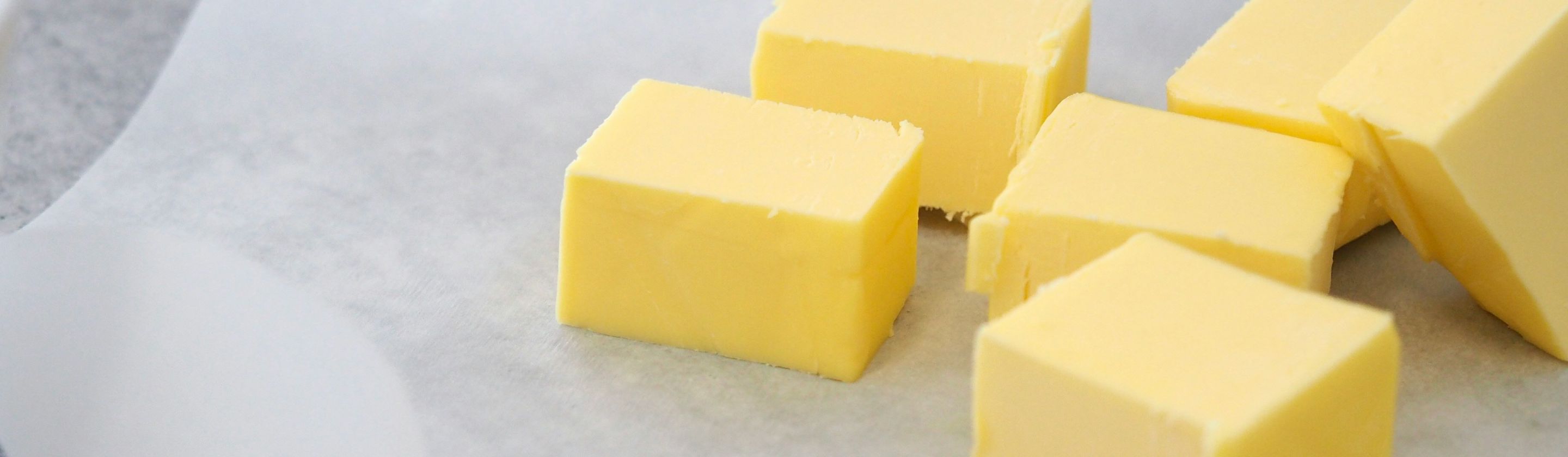
Why The Restaurant Industry Is Quietly Replacing Real Butter
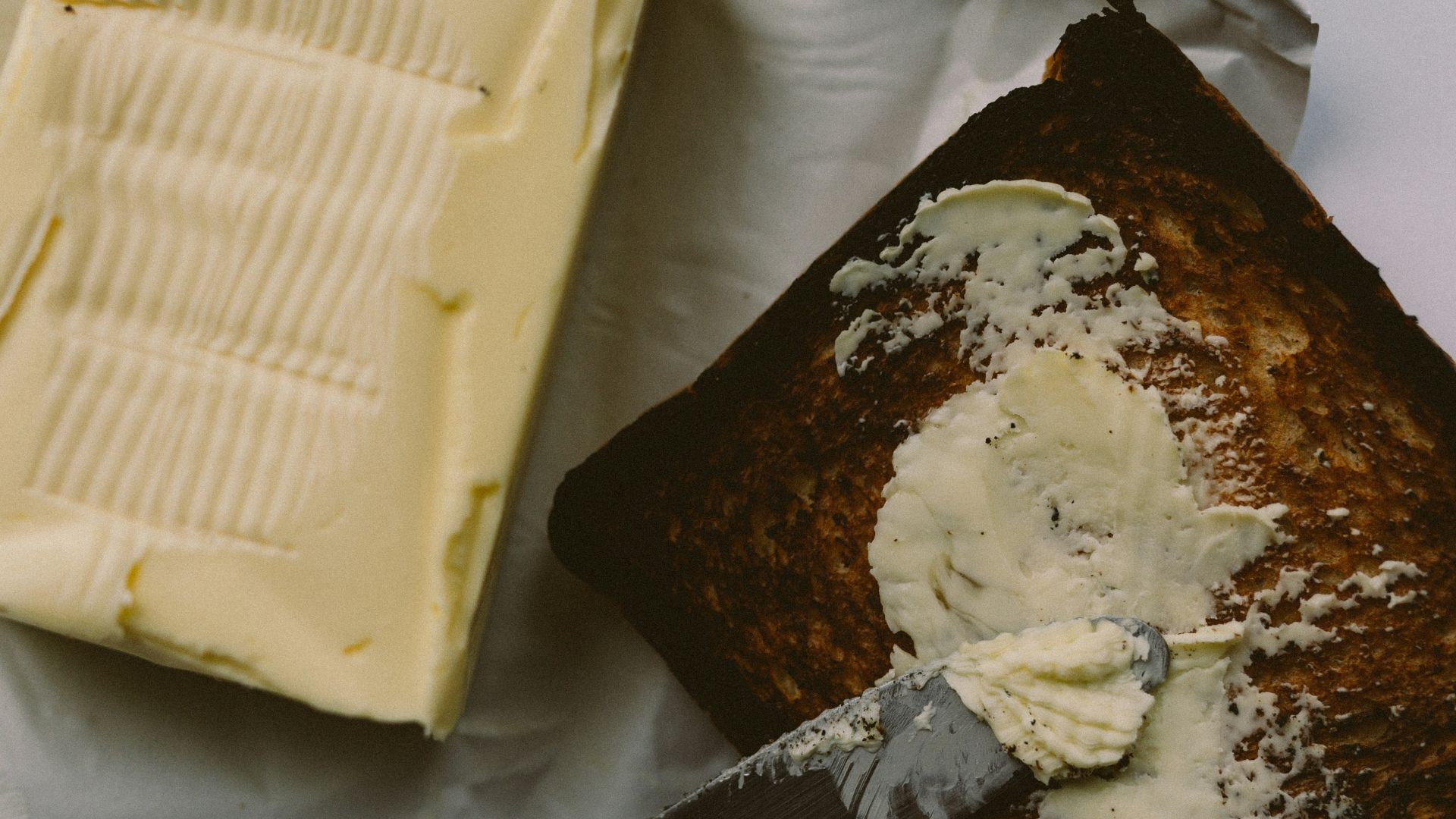
If a restaurant dish tastes buttery, it's tempting to assume that a stick of traditional butter is responsible. In reality, commercial kitchens have several options, including butter, margarine, butter blends, and other cooking fats. That doesn't mean restaurants are abandoning real butter altogether, but alternative products can make sense for certain high-volume applications.
The distinction is worth understanding because “butter” and “butter-flavored” aren't necessarily the same thing. In the United States, standard butter is made from milk or cream and must contain at least 80 percent milkfat. Food products made with other fat sources may instead fall under different categories and standards.
Cost and Consistency Matter in a Commercial Kitchen
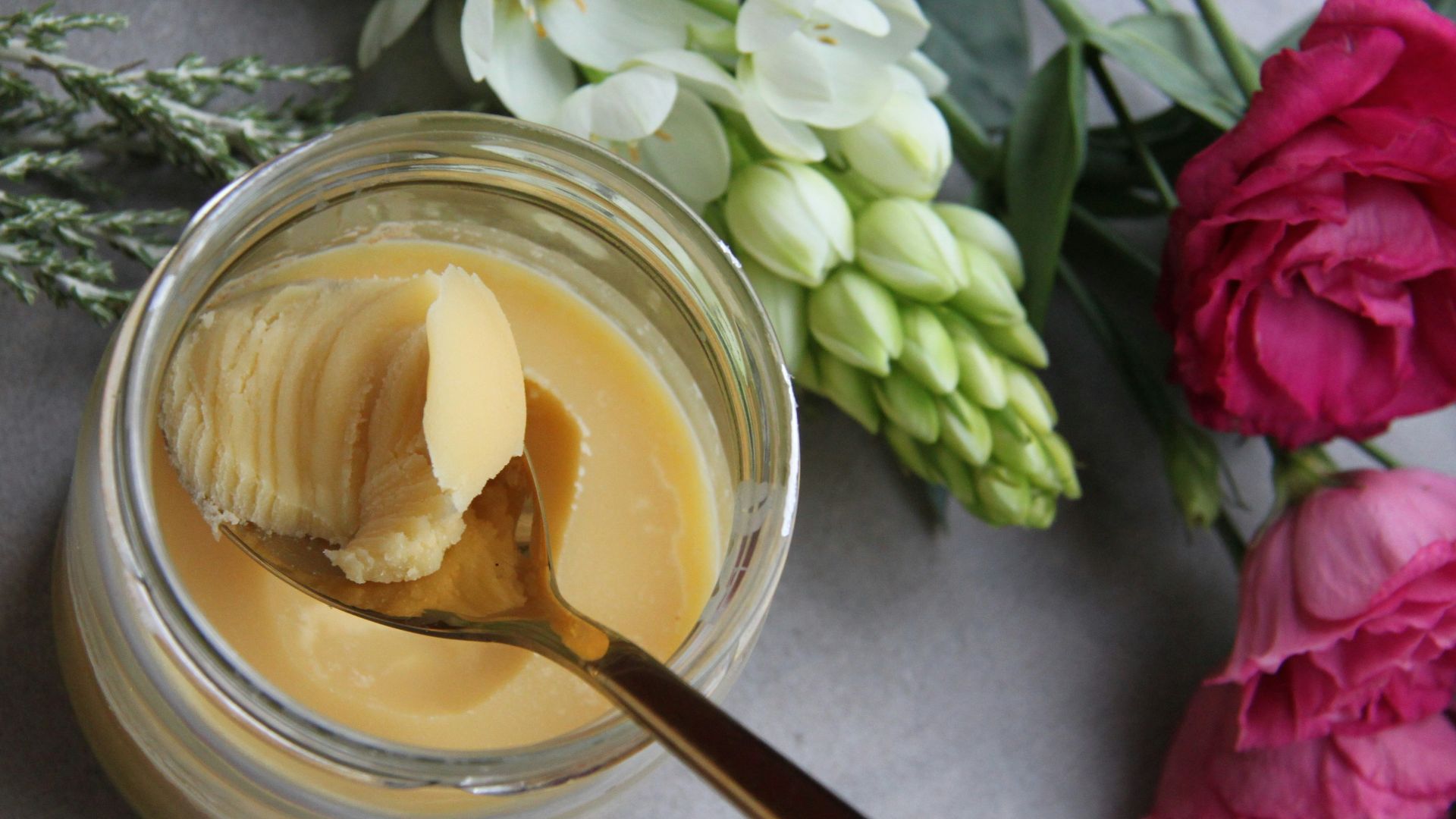
Restaurants aren't shopping for ingredients in quite the same way you do at the grocery store. A busy kitchen might use large quantities of fat every day for sautéing, griddling, roasting, baking, finishing sauces, and preparing vegetables. When an ingredient is used repeatedly across a menu, characteristics such as consistency, storage, and handling can become important considerations alongside flavor.
That doesn't automatically make an alternative product inferior. A commercial foodservice product may have been formulated for a particular job, and a chef might choose it because it behaves predictably during a busy service. The decision can therefore have as much to do with kitchen logistics as with the ingredient's name on the package.
There are products specifically designed to combine butter with other fats. USDA specifications, for example, describe a margarine-butter blend containing both vegetable oil and milkfat, demonstrating that these combinations aren't simply an imaginary restaurant shortcut. Such products can provide some butter characteristics while incorporating vegetable oil into the formulation.
For a restaurant, that kind of formulation may be useful when an operation wants certain handling or performance characteristics without relying exclusively on conventional butter. The exact formula varies by product, so it's important not to assume that every restaurant's butter substitute is identical. Some contain substantial milkfat, while others may be entirely different products.
It would be easy to blame every substitution on cost, but that explanation is too simple. Restaurants have to consider waste, storage, preparation, consistency, and how an ingredient performs when employees are producing hundreds of portions. A product that behaves consistently across a large volume of food can have practical advantages even when its price isn't dramatically lower.
Butter itself also has specific characteristics that can be valuable in cooking. Its composition affects flavor, texture, and how it behaves under heat, which is why chefs don't necessarily treat butter and other fats as interchangeable. A kitchen may use one product for a particular task and traditional butter for another.
The Product Can Change How Food Behaves
Traditional butter isn't simply generic fat with a buttery flavor added to it. USDA standards define butter as a product made exclusively from milk or cream, with or without salt and coloring, containing at least 80 percent milkfat. The remaining portion includes components such as water and milk solids, which contribute to how butter performs in cooking and baking.
Those characteristics matter when you're making foods where butter is part of the structure rather than merely a source of fat. Baking, pastry preparation, sauces, and browned-butter applications can depend on butter's particular composition. Replacing it with another fat may therefore change the finished result, even if the replacement is perfectly suitable for another application.
Margarine has its own regulatory identity and isn't merely butter with a different label. FDA regulations establish standards for margarine, and federal guidance notes that products represented as margarine must meet the applicable standard. That means a restaurant using margarine isn't necessarily doing anything deceptive, provided the product is represented accurately.
The distinction can actually be helpful when thinking about restaurant cooking. A chef may deliberately select margarine or a blend because it offers properties suited to a particular preparation. The fact that it isn't traditional butter doesn't automatically mean the kitchen has made a poor choice.
A restaurant kitchen is essentially a collection of specialized cooking stations, and each one can have different ingredient requirements. The fat used to cook something on a hot surface doesn't necessarily need to perform the same way as the fat incorporated into a pastry dough or finished sauce. Treating every use of “butter” as if it were one universal application overlooks those differences.
That's why you might encounter a butter blend in one preparation and genuine butter in another. Food manufacturers develop fats for specific functions, while chefs select ingredients according to the results they want. The ingredient that works beautifully for one task may be completely unsuitable for another.
Modern food products can be formulated to deliver familiar sensory characteristics, including buttery flavor. That doesn't mean every substitute perfectly reproduces real butter, but it does mean a product can be designed with a particular culinary result in mind. In a busy restaurant meal containing herbs, spices, sauces, cheese, and other ingredients, subtle differences may also be less noticeable.
That helps explain why substitutions can go unnoticed by customers. A diner isn't usually given a list of every cooking fat used during preparation, and many dishes contain enough other flavors that the distinction isn't obvious. Your taste buds aren't receiving a tiny ingredient spreadsheet with every bite.
“Butter” on the Menu Deserves Context
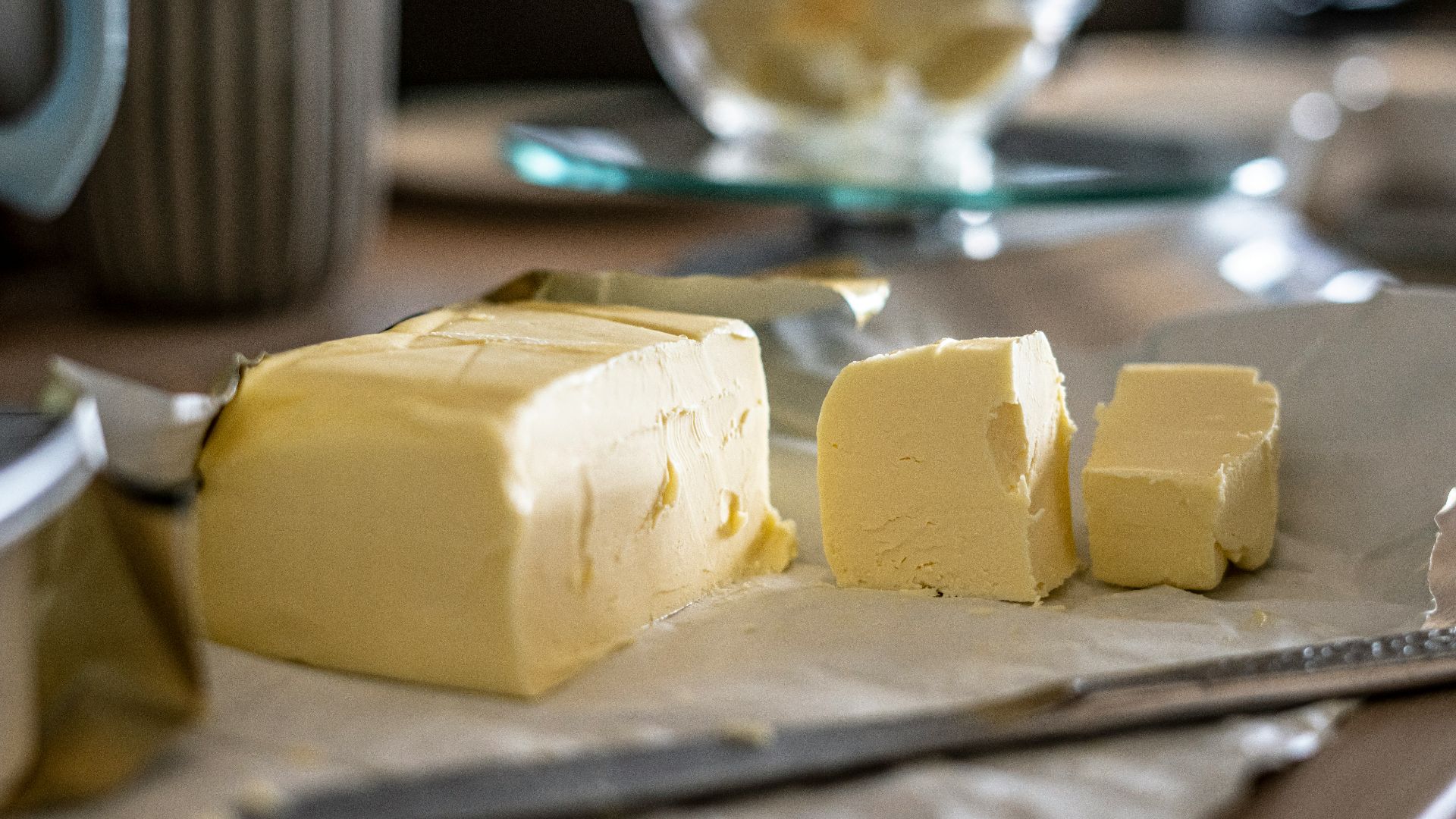
Restaurants generally have to comply with food-labeling and identity requirements for standardized products, and butter itself has a defined federal identity. That doesn't mean every casual reference to something as “buttery” indicates that conventional butter was used. Descriptive language and regulated food names aren't necessarily interchangeable.
Consequently, it's better to avoid assuming that an entire restaurant has switched away from butter based on one dish or one ingredient. A kitchen may use several different fats depending on the recipe, supplier, and cooking method. Without information from the restaurant or its ingredient specifications, claims about what it uses throughout the operation would be speculation.