
Food feeds more than just hunger. Somehow, that specific bowl of soup or slice of pizza, casserole or piece of dessert just satisfies in a very particular way that doesn't necessarily correlate with how healthy it is. What counts as a comfort food varies considerably from one person to another, which is one reason your favorite soothing meal might leave someone else completely unimpressed.
Generally speaking, comfort food is defined as food that's associated with enjoyable or otherwise emotionally comforting experiences. Research suggests that memories, habits, social connections, and the reward value of certain foods can all influence these preferences, although the idea that comfort food reliably improves your mood is more complicated than people often assume.
Memories Can Give Food Emotional Meaning
 micheile henderson on Unsplash
A major reason a food becomes comforting is its connection to personal memories. Maybe your grandmother always made chicken soup when you were sick, or your family ordered pizza every Friday night when you were growing up. Eating that food later can bring those experiences back to mind, giving an ordinary meal considerably more emotional significance.
The ability for foods to become linked to autobiographical memories may be because eating engages all of our senses. Not only can you smell and taste a food, but you also feel its texture in your mouth and see how it looks on your plate or in its bowl. Because eating involves so many different senses, many aspects of a food can become ingrained in your memory and associated with people or times from your life.
Researchers have recently started to explore the relationship between food and nostalgia. They've discovered that feeling nostalgic about certain foods is related to comfort and that social connectedness is a key part of this link. In experimental studies, recalling a personally nostalgic food increased feelings of comfort partly by making people feel more socially connected. That helps explain why a dish can feel special even when there's nothing particularly unusual about its ingredients.
Familiar Foods Can Feel Reassuring
Familiarity is another important ingredient in the comfort-food equation. When you're tired, stressed, or simply having an unpleasant day, choosing a meal you already know can require less thought than trying something unfamiliar. You know what it will taste like, what the texture will be, and whether you're likely to enjoy it.
Habitual behavior can also develop through repeated exposure. Studies on stress and eating have shown that eating in response to stress can heighten the effects of learned habits and environmental cues related to seeking food. If you always reach for the same snack or meal when you find yourself in a certain situation, you may come to find that food simply becomes more appealing to you when you see it.
The surroundings matter, too. A certain restaurant, food container, smell from the kitchen, or even the time of day can become associated with eating a particular food. Over time, those cues can help create a familiar routine, which means you may start craving the food partly because of the situation surrounding it rather than hunger alone.
Taste, Reward, And Social Experiences Matter
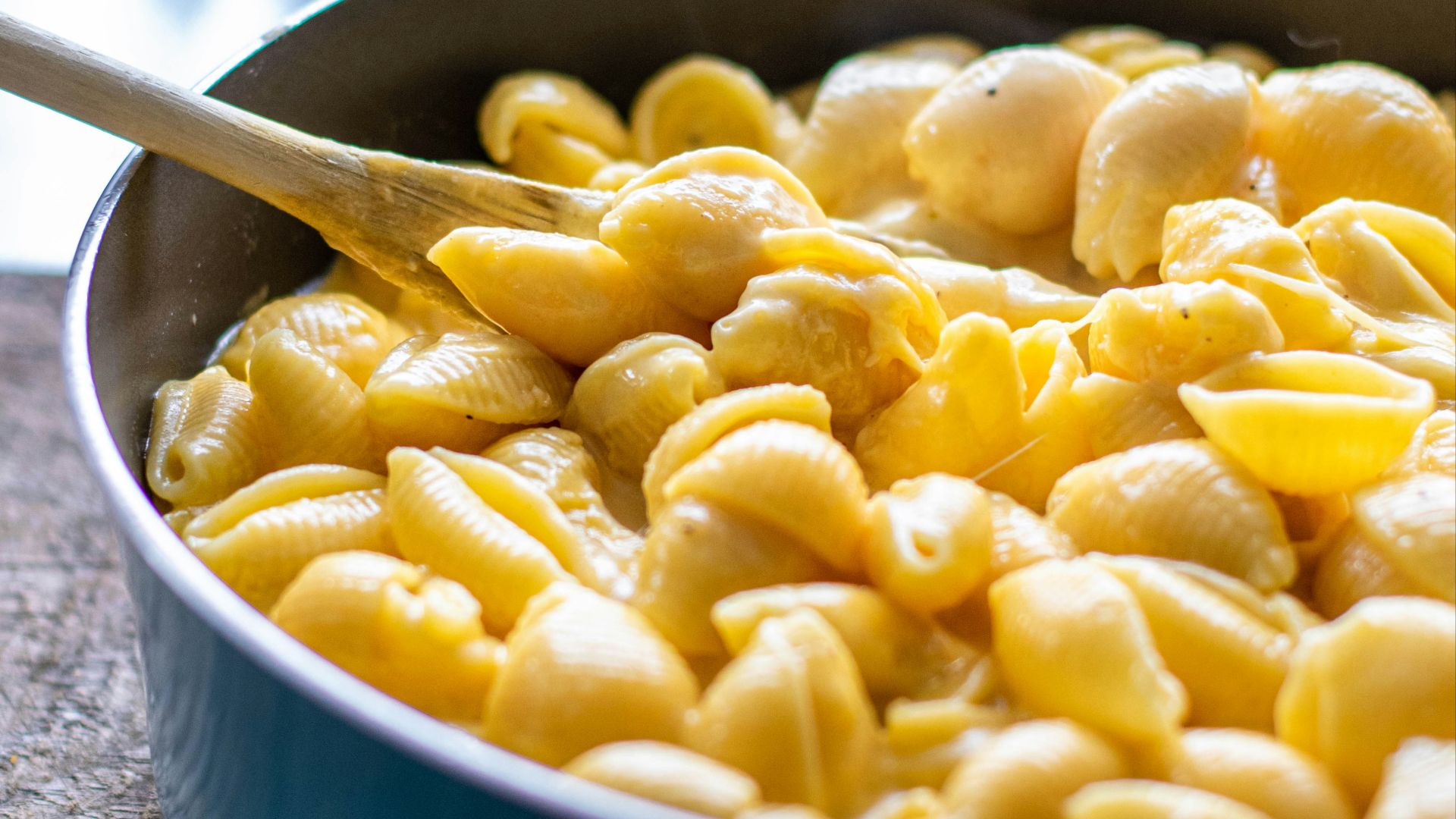
Some foods are especially rewarding because they contain combinations of fat, sugar, salt, and other characteristics that people tend to find pleasurable. The brain processes information about taste, hunger, fullness, and expected reward together when determining how appealing food is. This doesn't mean that one specific ingredient will always make a food comfort food-related, but highly palatable foods can become key players in conditioned eating behaviors.
Comfort foods can also stem from social issues that have nothing to do with the food itself. Eating can be strongly associated with family, holidays, festivities, friendship, etc. Studies have shown that comfort-food cravings were associated with feelings of belonging and social connection.
Contrary to popular belief, scientific evidence supporting the mood-enhancing ability of comfort food has been weak. Reviews have found that people certainly believe these foods improve their mood, but controlled studies have produced more mixed results, particularly when researchers examine whether eating the food actually reduces negative emotions. In some cases, the effect could be strongest from familiarity, expectation effects, habit, or memory.
That doesn't make comfort foods meaningless, though. If your favorite meal reminds you of people you care about, gives you a familiar routine, or simply tastes fantastic, there's nothing mysterious about finding it satisfying. Your personal history helps determine which foods earn the title of "comfort food," so two people can sit at the same table and have completely different answers.
KEEP ON READING