Vanilla is the most popular flavor in the world, showing up in everything from ice cream and birthday cakes to coffee and cookies. However, anyone who's recently bought a bottle of pure vanilla extract has probably wondered why such a common ingredient costs so much. Despite its prevalence, real vanilla is actually one of the world's most expensive spices, and producing it takes an incredible amount of time and effort.
Unlike many other popular ingredients, vanilla can't simply be planted, harvested, and sent off to grocery stores. Its production involves delicate flowers, particular growing conditions, and months of careful processing before it's ready to use. Looking at how vanilla makes its way into your kitchen helps explain why such a small bottle comes with such a surprisingly high price tag.
Growing Vanilla Is Exceptionally Difficult
Vanilla comes from a tropical orchid, primarily Vanilla planifolia, which is native to Mexico and parts of Central America. Unlike many other crops, these climbing vines need warm temperatures, high humidity, and fairly specific conditions to grow successfully. Farmers must also provide shade and structures for the vines to climb, making cultivation much more complicated than growing typical field crops.
Growing vanilla also requires plenty of patience, as the orchids generally take several years to mature before they begin producing flowers. Throughout this time, farmers must keep caring for their plants without yet getting anything in return. For growers who rely on seasonal income, spending years on a crop that won't produce an immediate harvest can be a serious financial challenge.
One of the more unusual aspects of vanilla production involves the flowers themselves, which typically stay open for less than a day. In most commercial growing regions, natural pollination isn't reliable, so workers have to carefully pollinate each flower by hand. If they miss that short window, the flower won't develop into a vanilla pod, which can mean a smaller harvest for the farmer.
The Harvesting Process Takes Months
Successfully pollinating a vanilla flower is just the first step in a surprisingly long production process. Once fertilized, the flower develops into a green pod that usually takes around eight or nine months to mature. During that time, farmers must keep a close eye on their vines and protect the growing crop from disease, pests, and unpredictable weather.
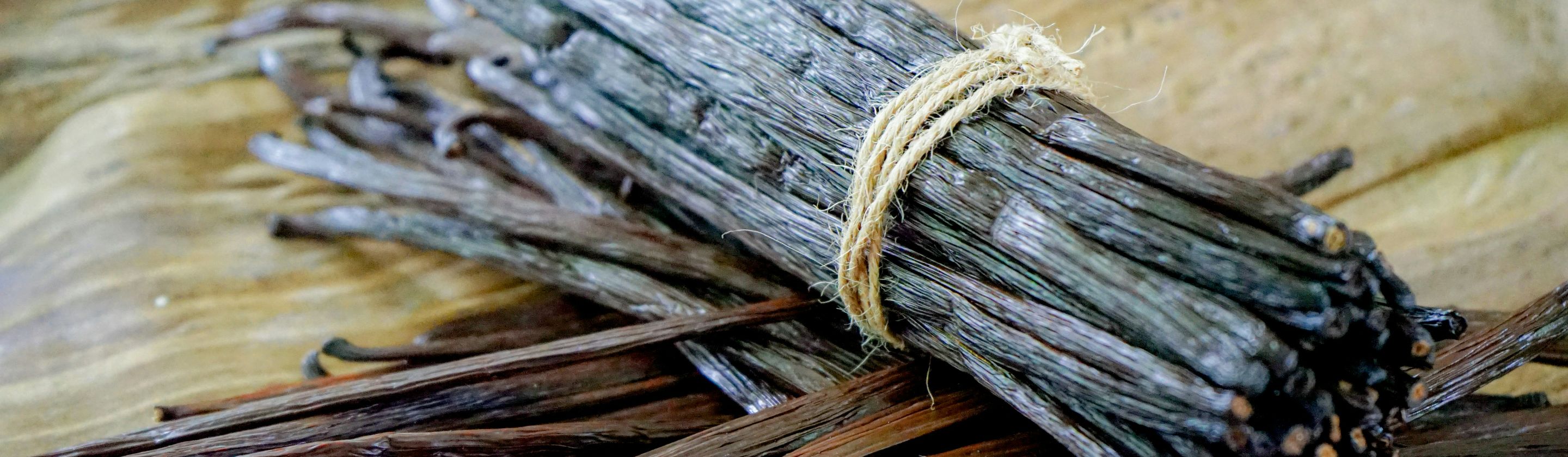
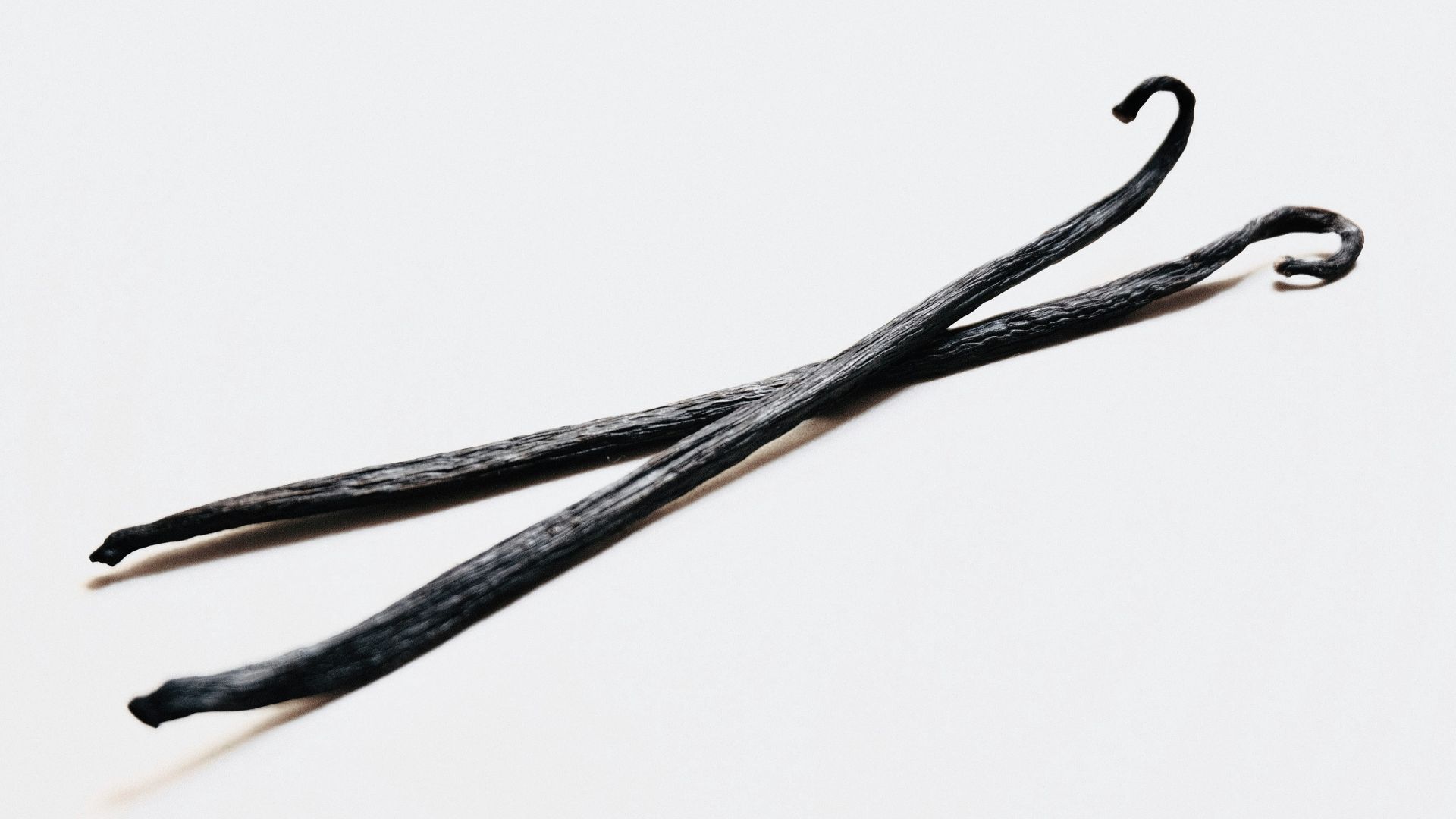
Interestingly, freshly harvested vanilla pods don't have the familiar sweet smell that makes the spice so popular. That recognizable aroma develops during curing, a process that involves carefully heating or otherwise treating the pods, allowing them to sweat, and slowly drying them. Every stage needs careful attention because mistakes can damage the beans or affect their overall quality.
Depending on the techniques used, curing and conditioning vanilla can take several more months before the beans are finally ready to sell. Workers must regularly inspect, sort, and handle the pods to make sure they develop the proper texture, moisture content, and fragrance. This additional labor drives up production costs, while the long processing period means growers have to wait even longer before they can sell their finished product.
There's also a pretty significant difference between the weight of freshly picked pods and finished vanilla beans. According to the Smithsonian, producing one pound of processed vanilla can require roughly five to seven pounds of green pods. Much of that initial weight is lost as moisture evaporates, meaning farmers need large harvests to produce relatively small amounts of vanilla they can actually sell.
Global Demand & Unpredictable Supply Keep Prices High
Another factor behind vanilla's high price is where most of it comes from. Madagascar is one of the world's biggest vanilla suppliers, while Indonesia also plays a significant role in global production. Since much of the world's supply comes from a relatively small number of tropical regions, problems in these areas can have consequences for buyers thousands of miles away.
Unfortunately, Madagascar is particularly vulnerable to tropical cyclones, which can wipe out crops and seriously disrupt farming communities. When Cyclone Enawo hit the country in 2017, it caused extensive damage to important vanilla-growing regions and raised concerns about global supplies. Shortages like these can send prices soaring, especially since farmers can't simply replace damaged vines or speed up the lengthy growing process.
Vanilla's high value also makes it an attractive target for thieves, especially when market prices are unusually high. Some farmers even harvest their pods earlier than they should to avoid having them stolen, although this can hurt the quality of the finished product. At the same time, speculation, shifting demand, and unpredictable harvests can cause major price fluctuations, so expensive vanilla doesn't always mean farmers are making huge profits.
Of course, there's also an important difference between real vanilla and the imitation flavoring used in many cheaper products. Pure vanilla contains a complex combination of naturally occurring flavor compounds, while most imitation vanilla is made primarily with manufactured vanillin, the compound responsible for much of vanilla's distinctive taste. Synthetic vanillin costs far less to produce because there's no need to grow orchids or spend months curing beans.
When you buy genuine vanilla, you're paying for much more than its sweet flavor. That price reflects years of growing, hours of careful manual labor, specialized processing, and all the uncertainties that come with international agriculture. While imitation products offer a cheaper option, knowing how much work goes into producing real vanilla makes the higher price much easier to understand.
KEEP ON READING
20 Food Requests Only Spoiled People Ask For
20 Hardest Foods on Earth To Eat
Do Vitamin Supplements Actually Make You Healthier?