10 High-Fiber Foods That Underdeliver & 10 That Are Worth Eating
The Fiber Hype Doesn't Always Hold Up
Fiber has become one of those nutrition buzzwords that gets slapped on packaging like it automatically means something good for you. The truth is messier than the marketing. Some foods that get celebrated for their fiber content barely move the needle, while others quietly do the heavy lifting without ever showing up on a wellness influencer's grid. Here's 10 foods that get more credit than they deserve, and 10 that actually earn their reputation.

1. Instant Oatmeal Packets
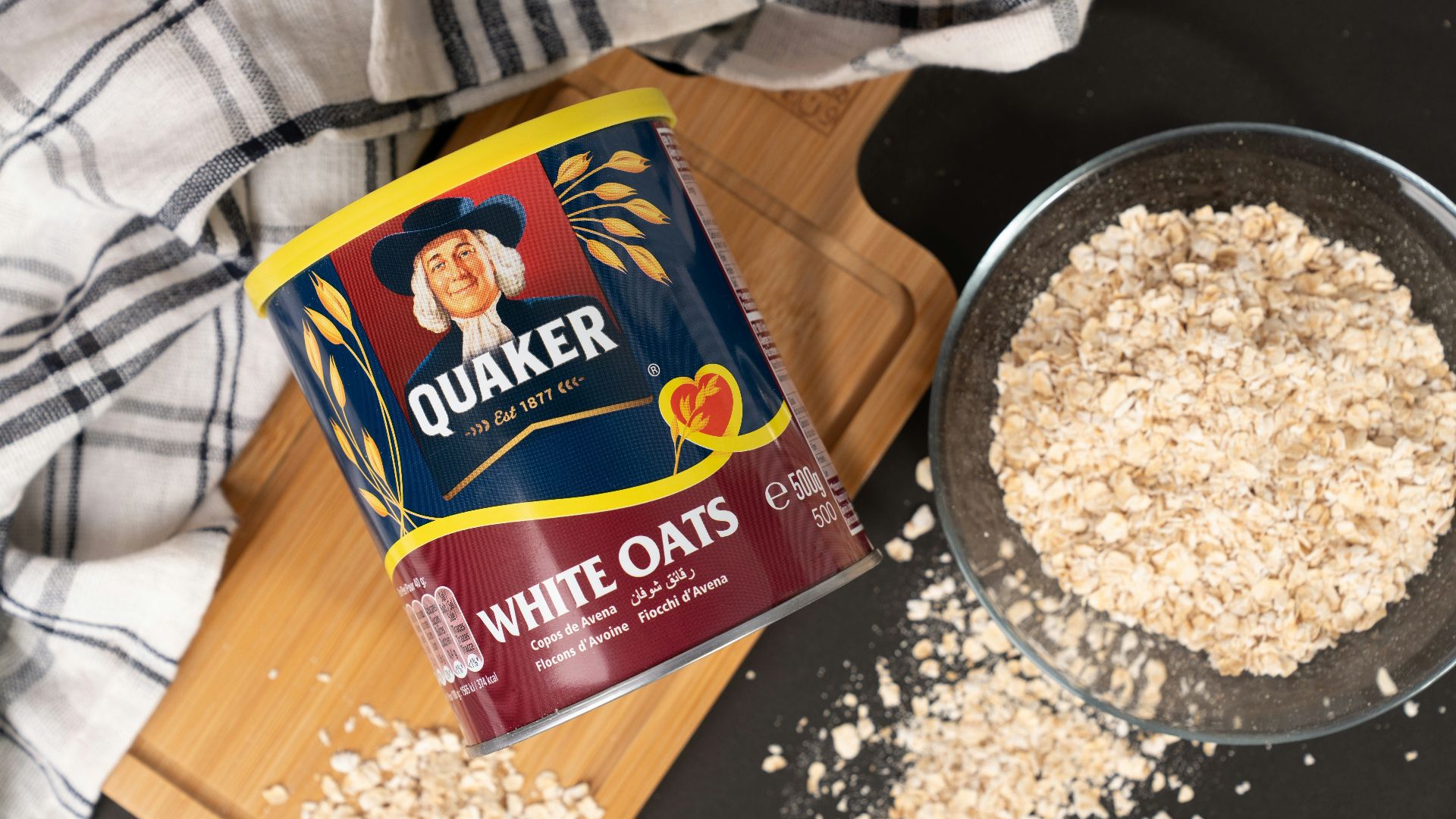
These get marketed like a fiber powerhouse, but the flavored versions are mostly sugar and starch dressed up in a health food costume. A single packet often delivers less fiber than a slice of whole grain bread, and the texture turns to paste the second hot water hits it. If you want oats to actually do something for you, the steel-cut or rolled kind is the move.
 Abdul Raheem Kannath on Unsplash
2. Rice Cakes
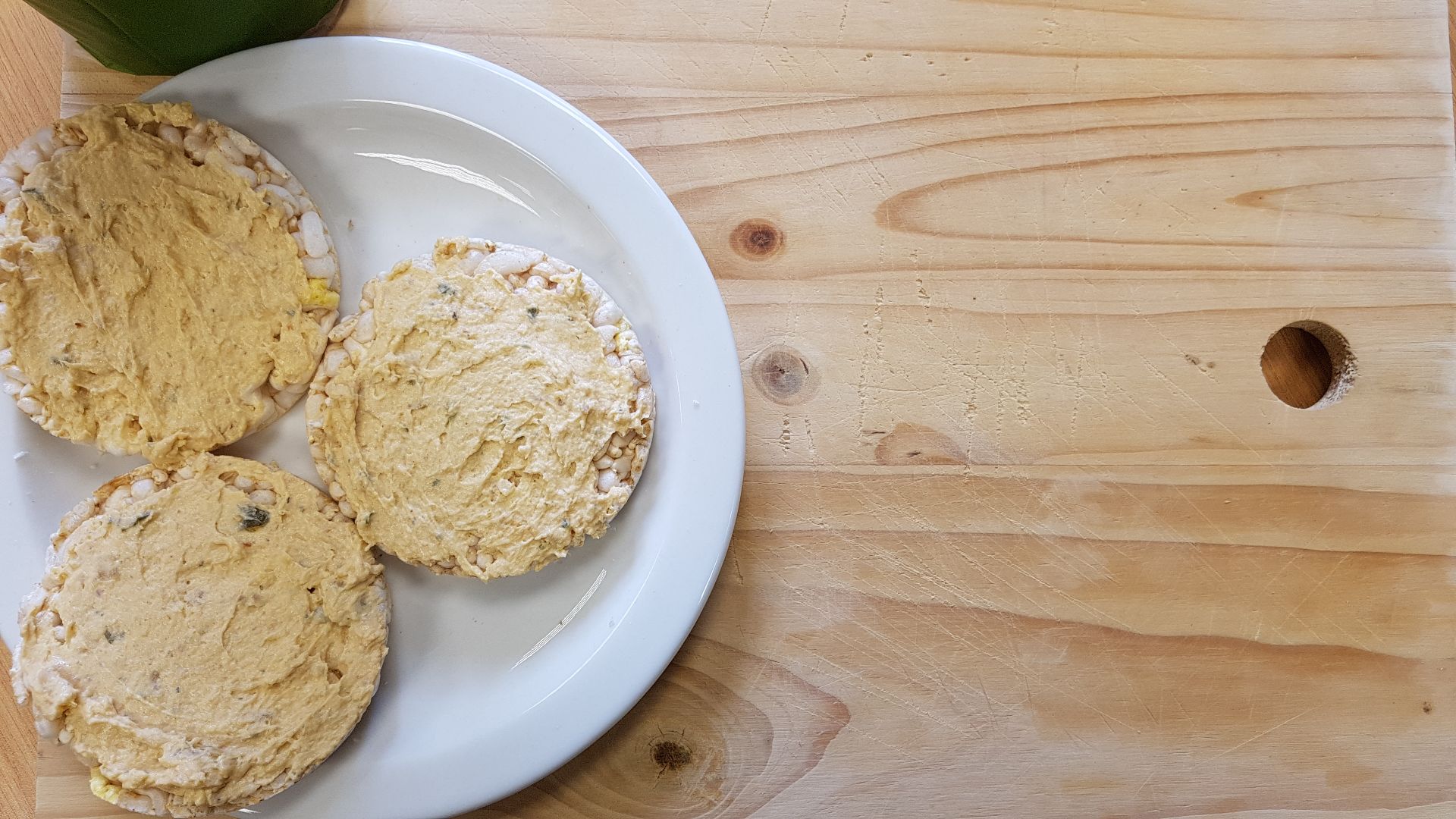
People reach for these thinking they're doing themselves a favor, but rice cakes are basically air with a crunch. The fiber content is so low it barely registers, and they leave you hungry again within the hour. They're fine as a vehicle for peanut butter, but don't expect them to fill any nutritional gaps.
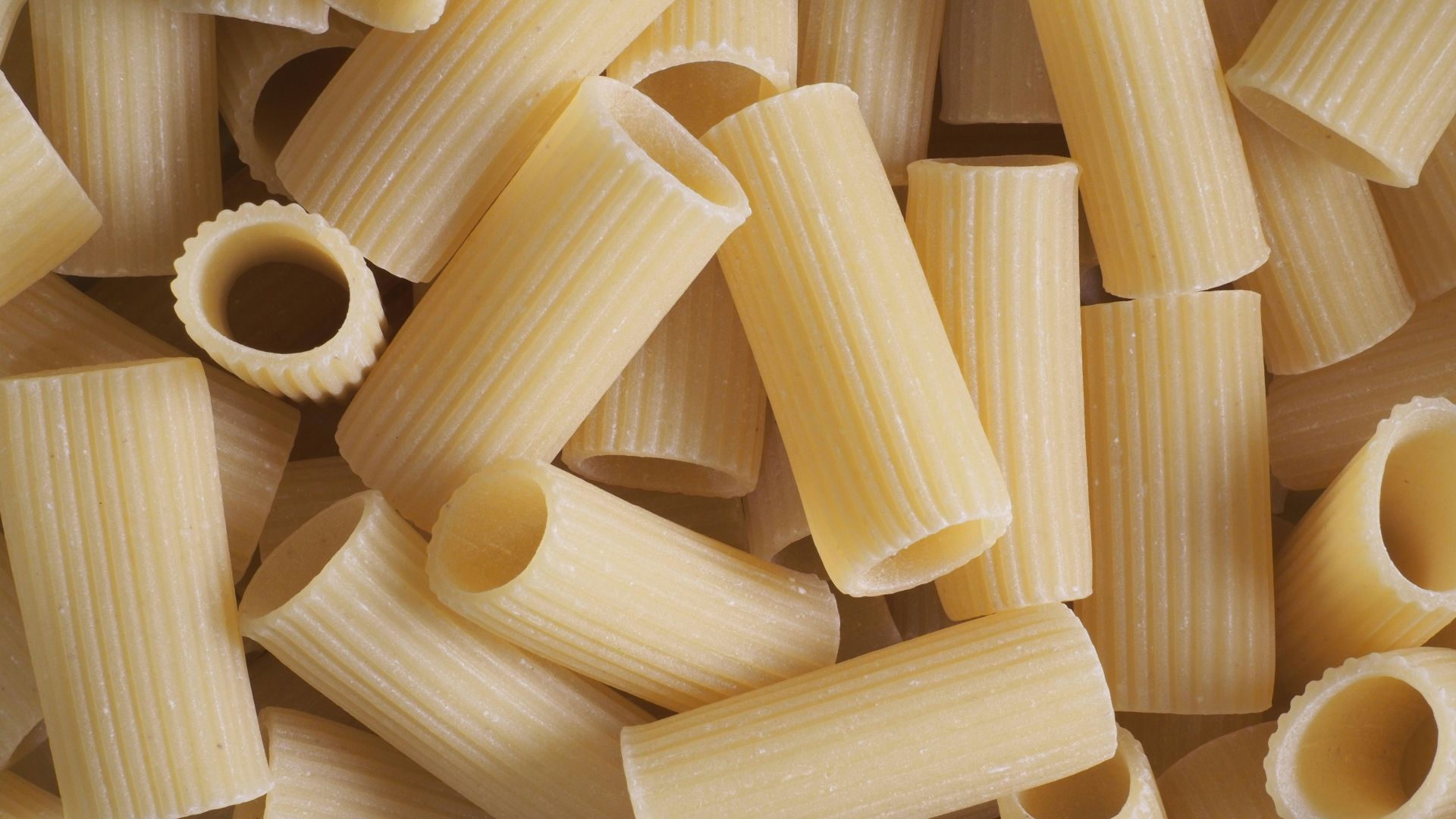
3. White Pasta, Even the "Fortified" Kind
Some brands add a little extra fiber and call it a day, slapping a green label on the box. The numbers look decent on paper, but the glycemic punch still hits hard, and your body processes it more like simple starch than a true whole grain. It's a half-measure dressed up as a solution.
 Francesco Esposito on Unsplash
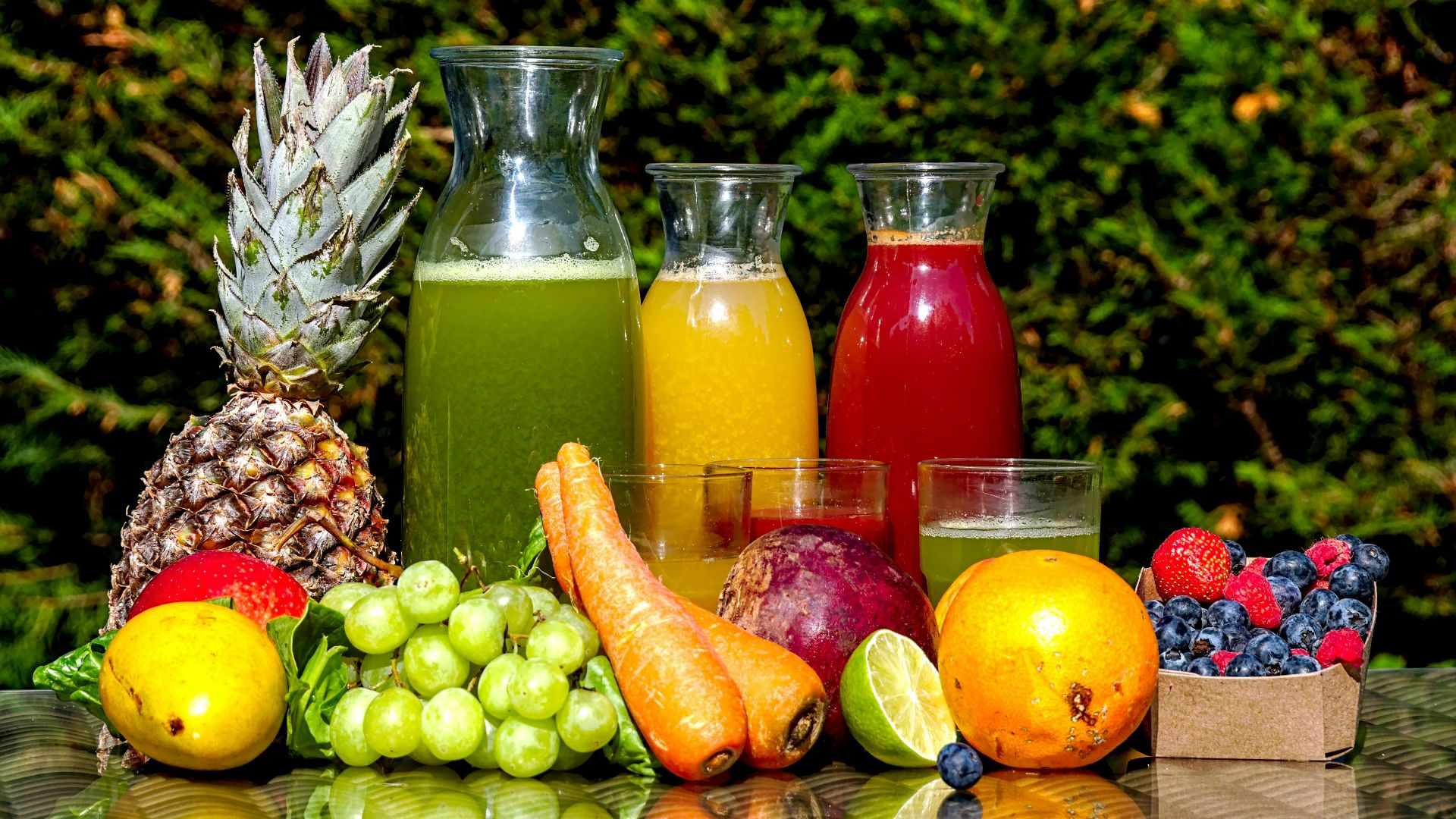
4. Fruit Juice, Even With Pulp
Juicing strips away most of the fiber that made the fruit worthwhile in the first place. That little bit of pulp floating around doesn't come close to replacing what got tossed out with the peel and seeds. Eat the orange instead and skip the juice entirely.
5. Granola Bars
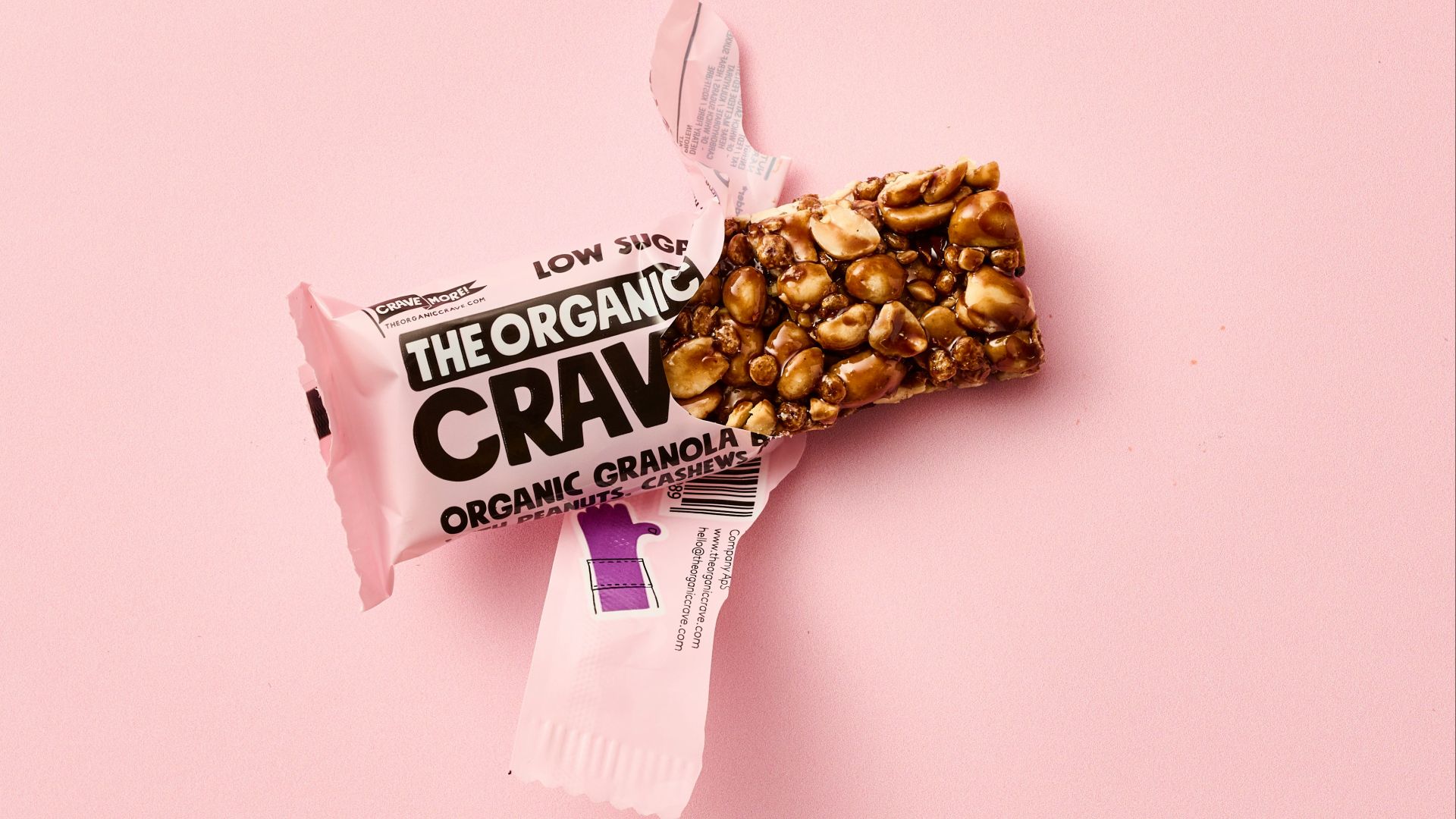
Most of these are candy bars wearing a costume, with oats sprinkled on top to justify the health claims. The fiber numbers are often padded with chicory root or inulin, ingredients that technically count but don't behave the same way in your gut. Read the label and you'll usually find more sugar than fiber by weight.
 THE ORGANIC CRAVE Ⓡ on Unsplash
6. Iceberg Lettuce
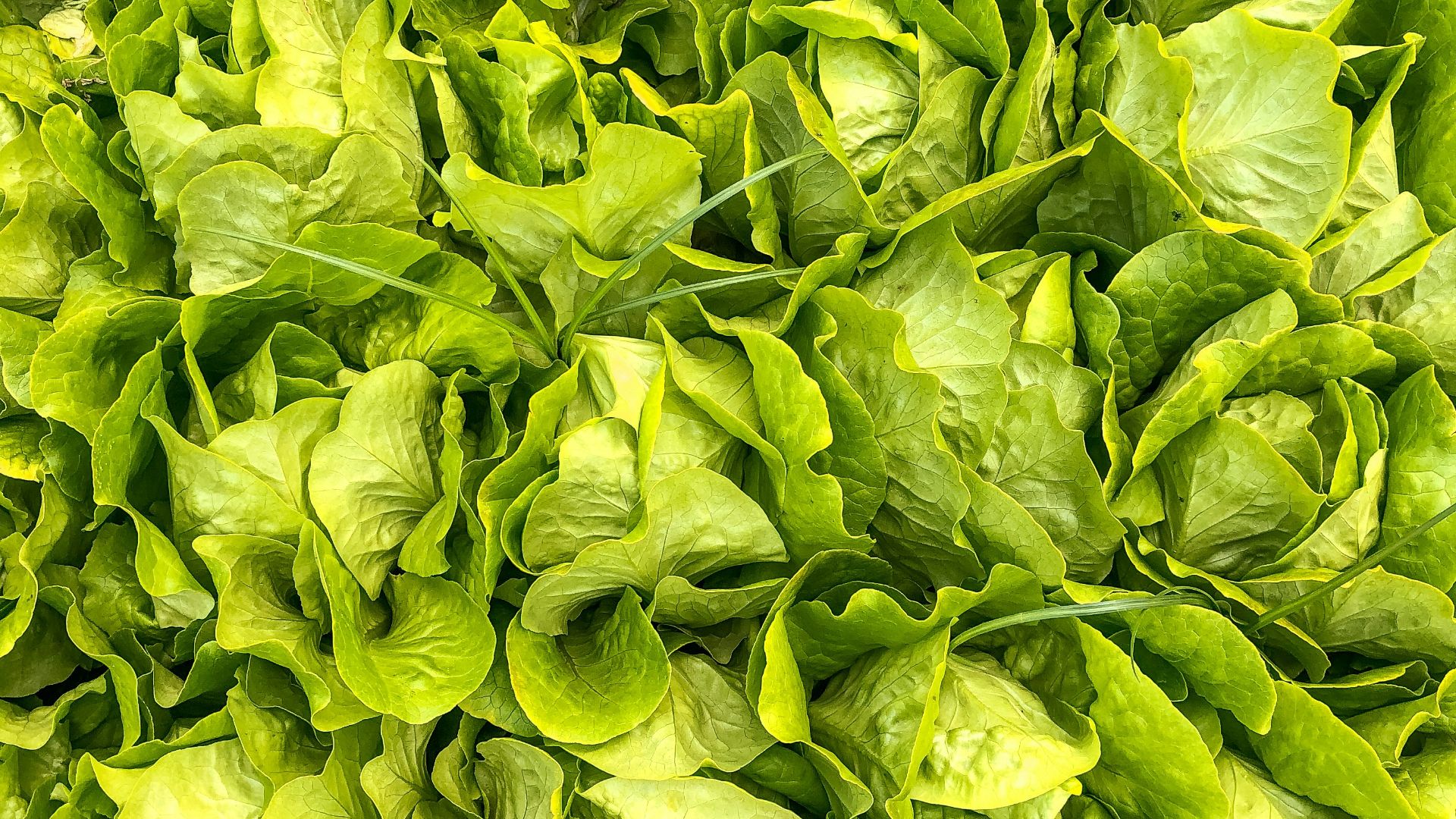
It's mostly water, and the fiber content is so minimal it's almost a rounding error. People build entire salads around it thinking they're loading up on greens, but iceberg is doing almost nothing besides adding crunch. Swap it for literally any darker leafy green and you'll come out ahead.
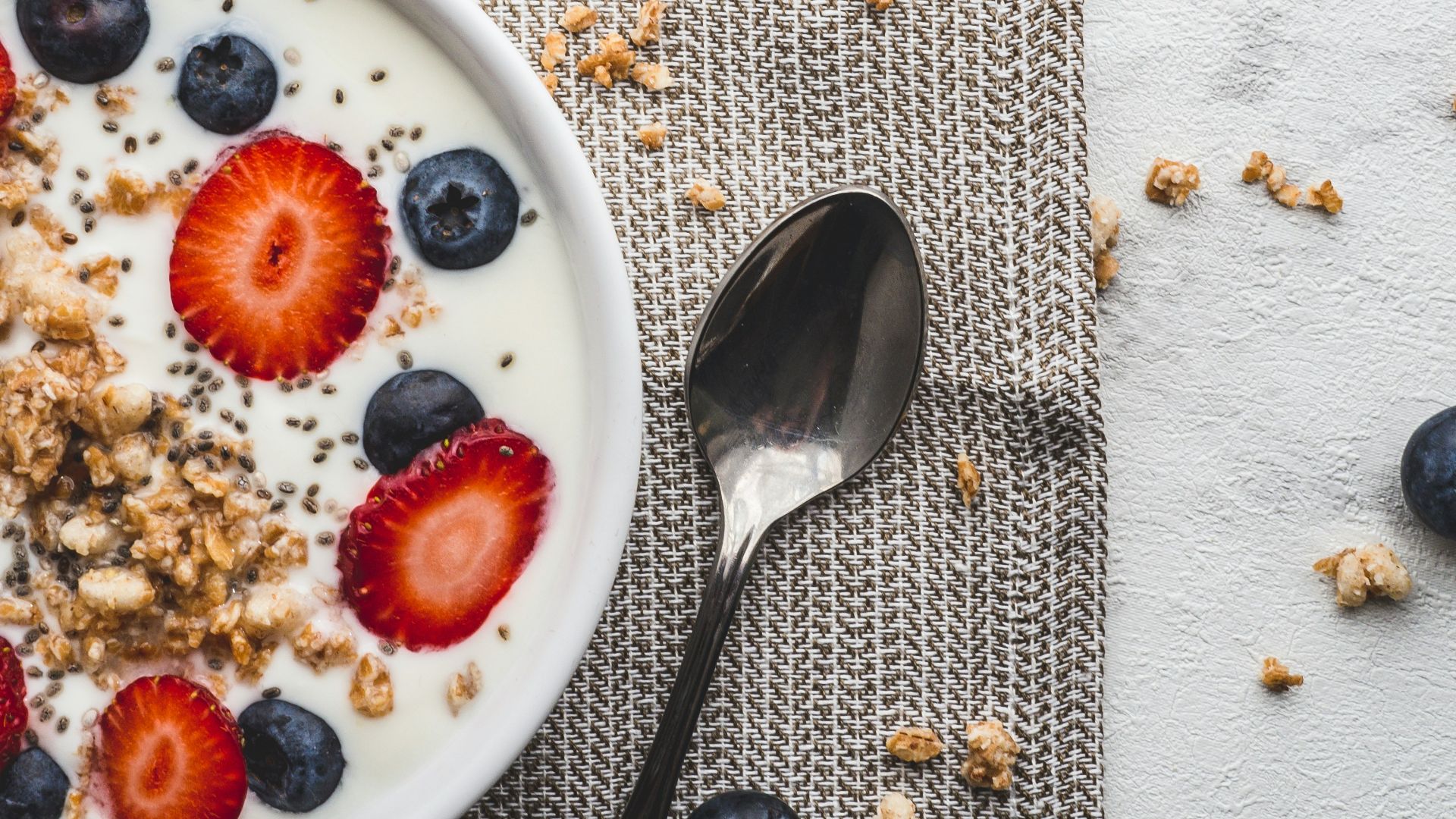
7. Fiber-Fortified Yogurt
Companies add isolated fiber to yogurt and market it like a breakthrough, but the type used often causes more bloating than benefit. It's a manufactured fix rather than something your body recognizes the way it does fiber from whole food sources. Plain Greek yogurt with actual fruit mixed in beats it every time.
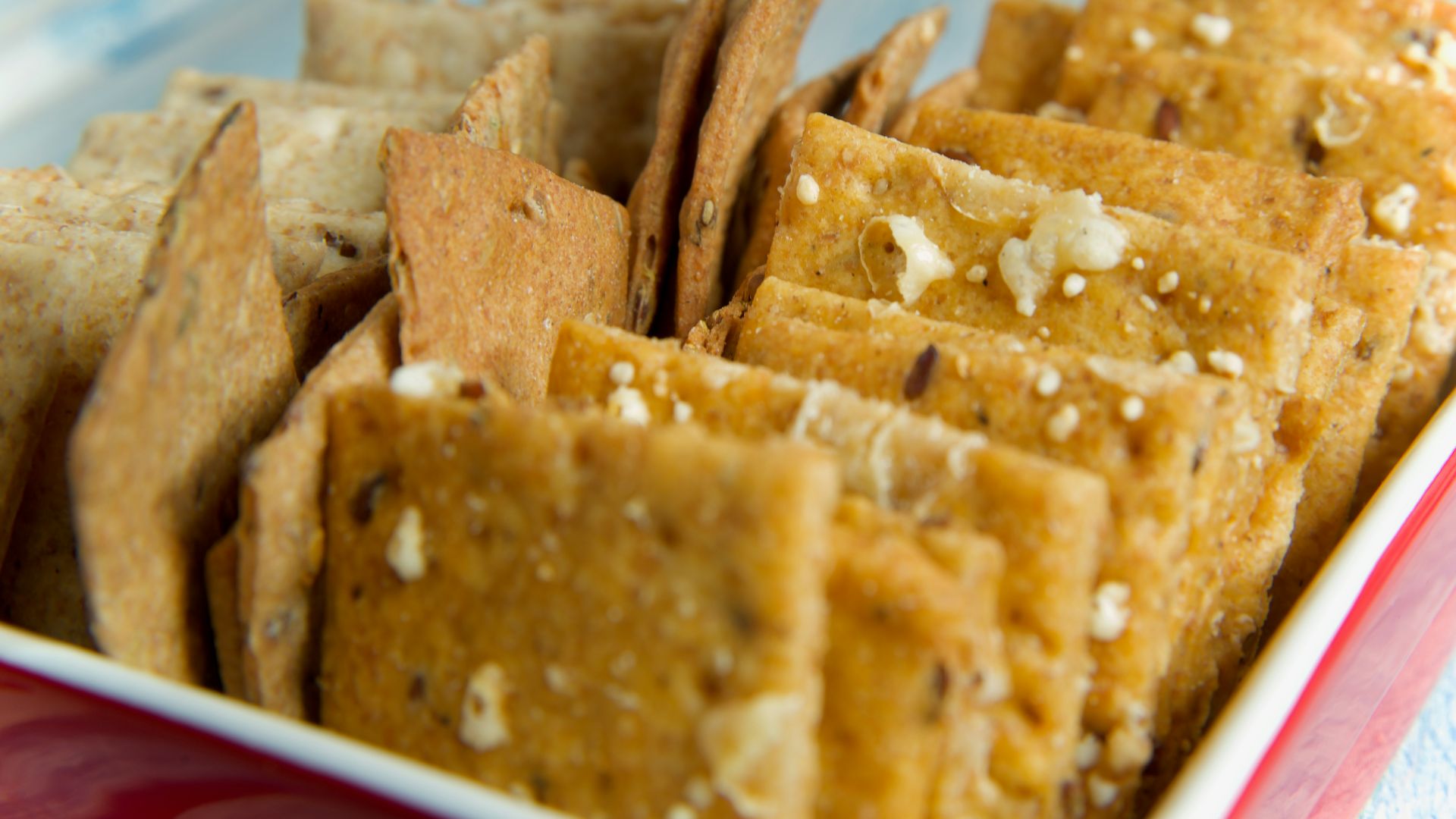
8. Crackers Labeled "Whole Grain"
The front of the box says whole grain, but check the ingredient list and white flour is often still the first item. The fiber boost is marginal at best, and the serving size people actually eat rarely matches what's listed. A handful of crackers isn't doing the work you think it is.
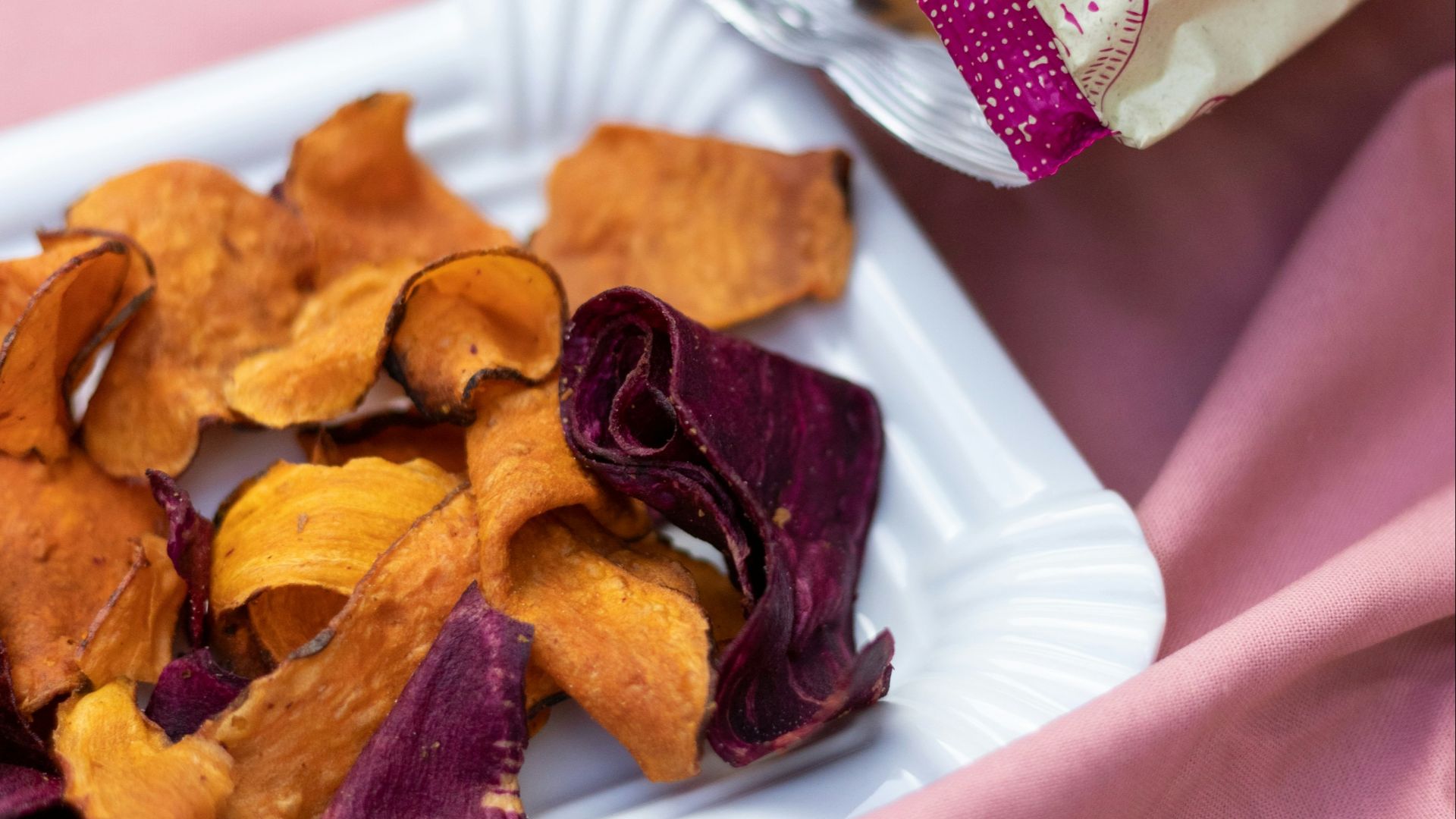
9. Veggie Chips
These sound virtuous, but most are potato or corn based with a dusting of vegetable powder for color and a story to tell. The fiber content barely beats regular chips, and the frying process cancels out whatever modest benefit existed. It's a clever rebrand more than a nutritional upgrade.
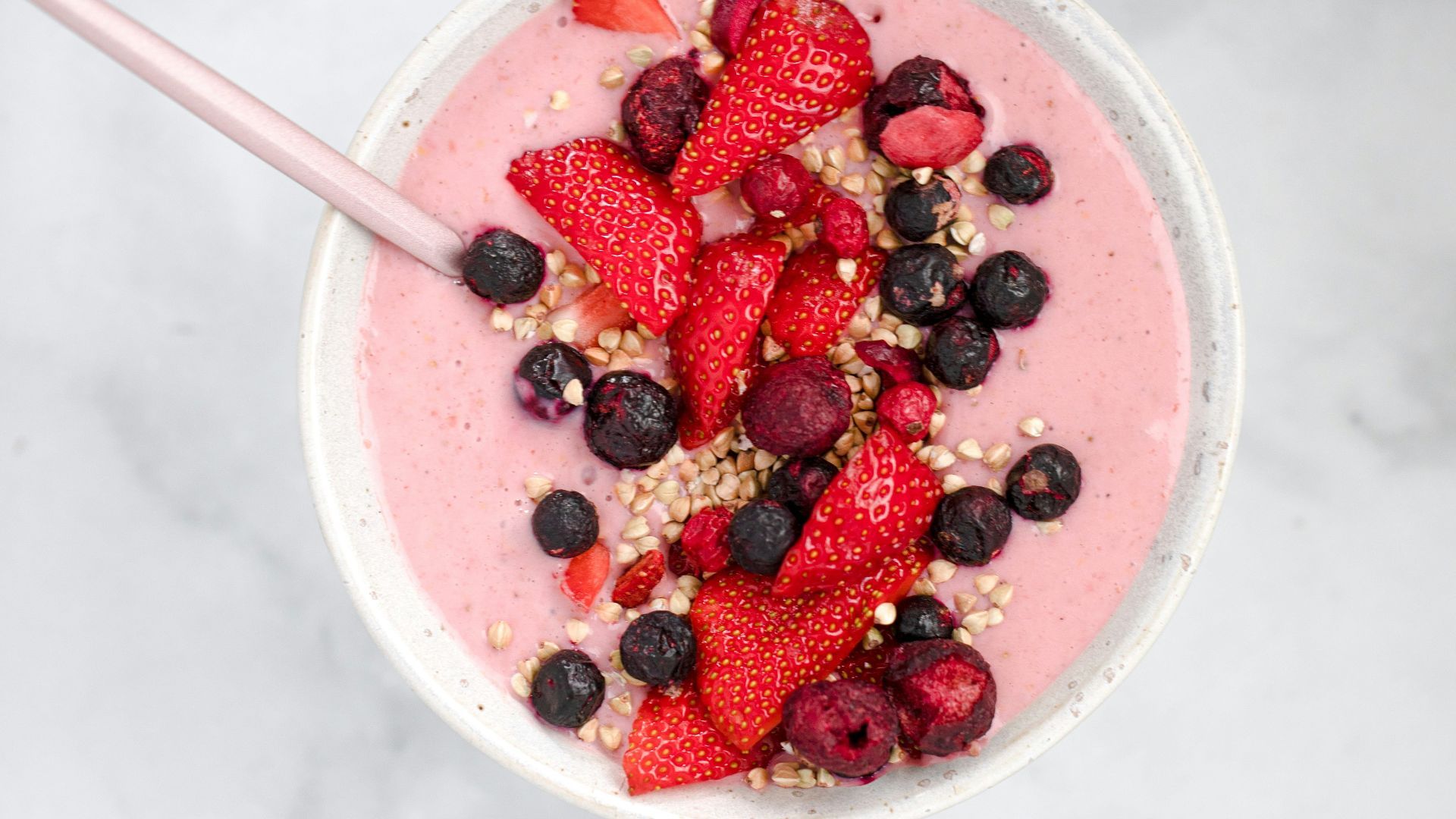
10. Smoothie Bowls With Fruit Purees
Once fruit gets blended into a puree, a lot of its fiber structure breaks down, and your body absorbs the sugars faster as a result. The toppings get all the attention, granola, chia seeds, coconut flakes, but the base underneath is often doing less than it looks like. A bowl of whole fruit would serve you better.
And now, here are 10 foods that actually earn the moniker of fiber dense,
 Bakd&Raw by Karolin Baitinger on Unsplash
1. Lentils
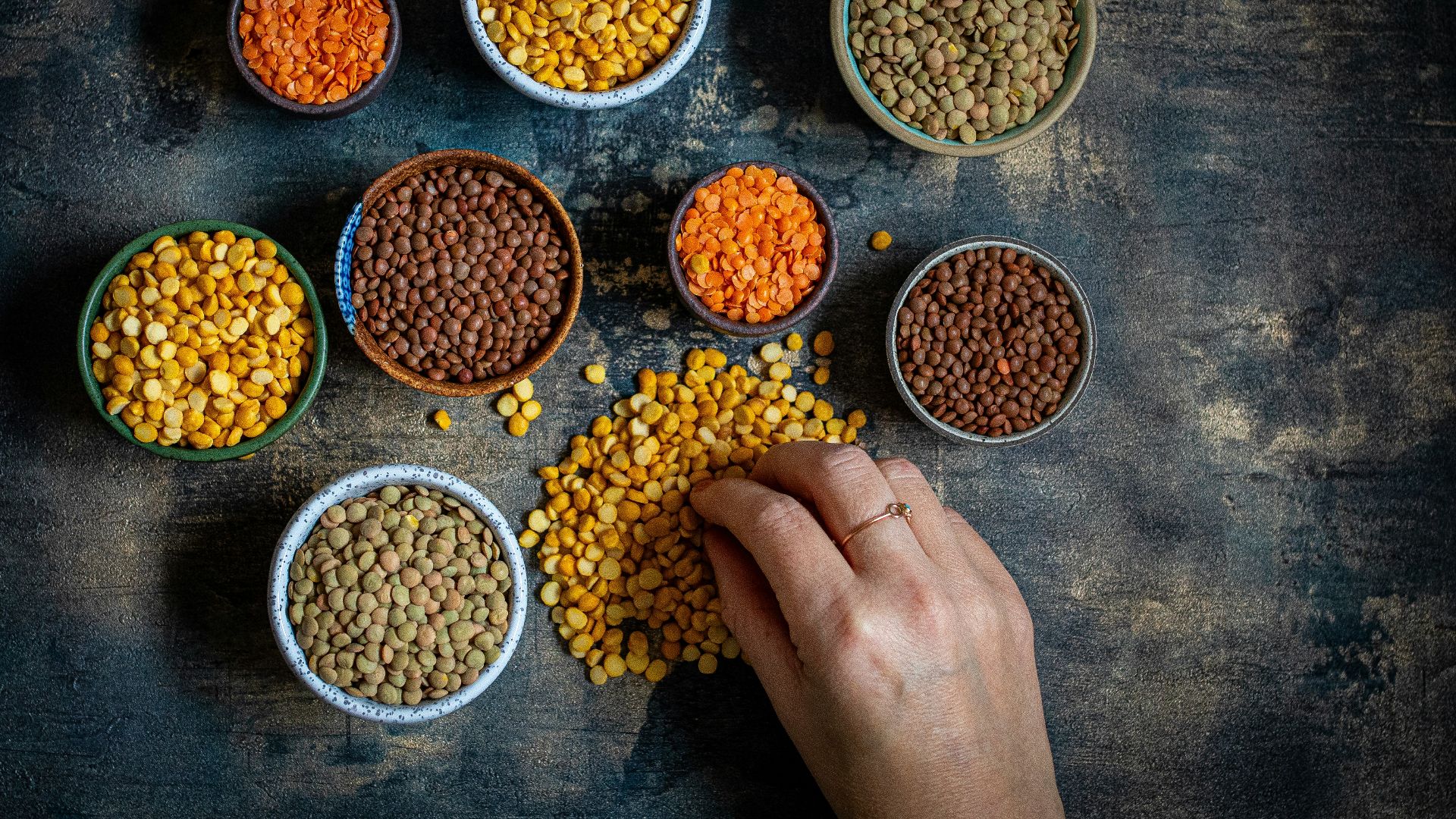
Lentils are unglamorous and cheap, which might be why they don't get the spotlight, but a single cup delivers an enormous amount of fiber along with real protein. They cook fast compared to other legumes, no overnight soaking required, and they soak up whatever spices you throw at them. This is the kind of food that just works without needing a marketing budget.
2. Artichokes
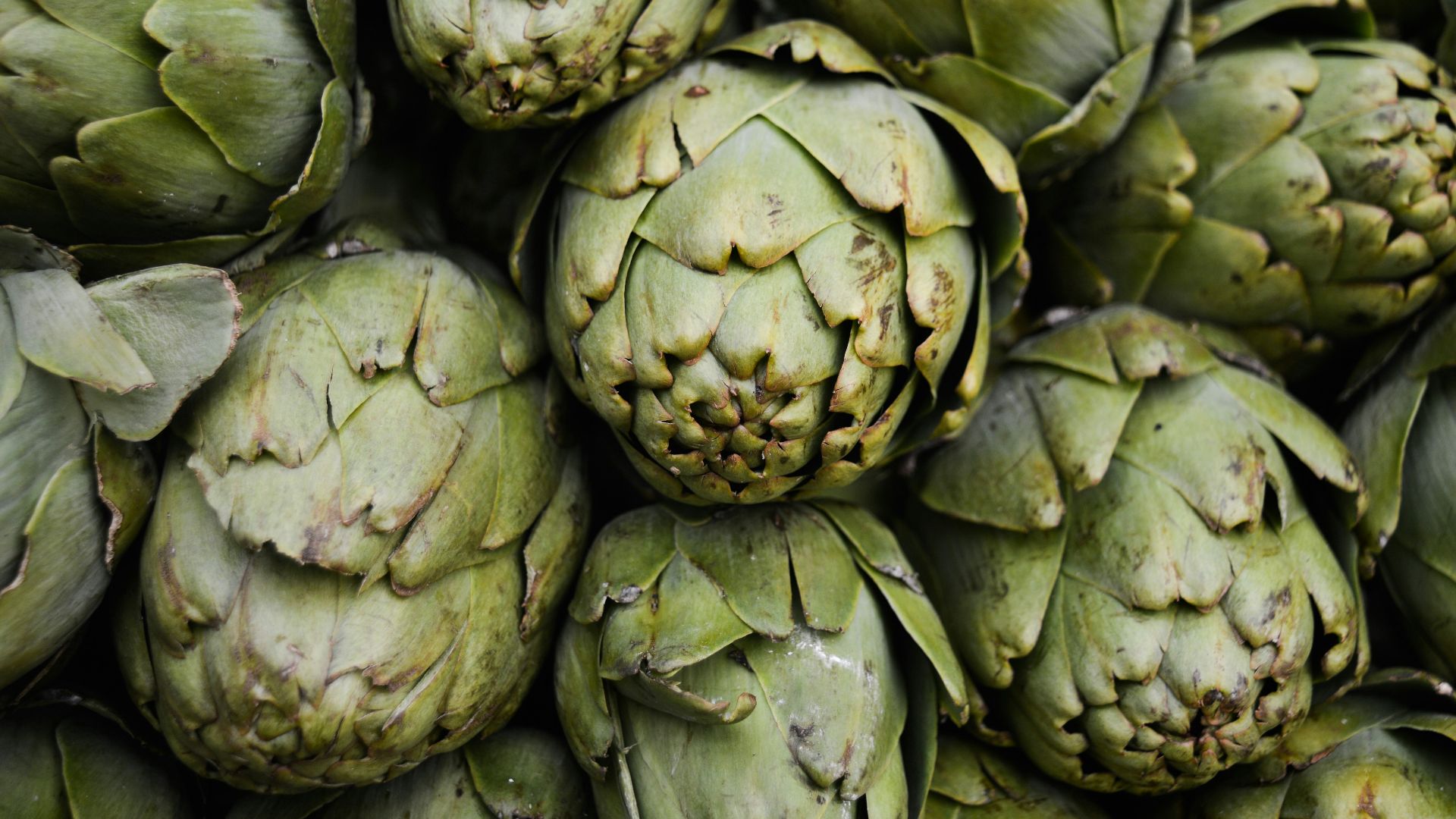
People underestimate artichokes because eating one takes actual effort, scraping each leaf and working toward the heart. That effort pays off, though, since artichokes rank among the highest fiber vegetables you can find. Steam one with a little lemon and butter and you'll understand why it's worth the work.
3. Black Beans
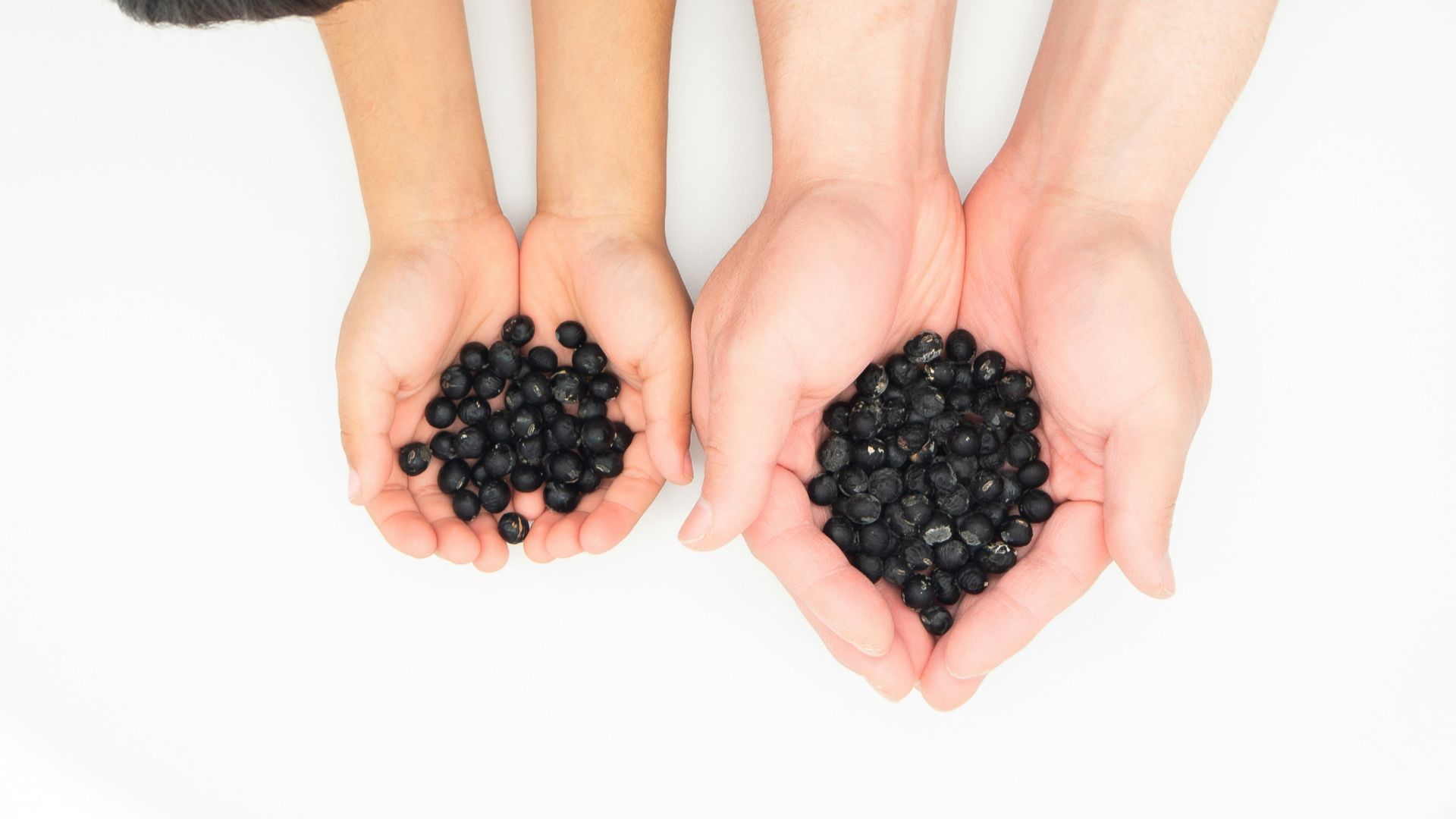
Black beans show up in burritos and bowls constantly, and there's a good reason for that beyond convenience. They're loaded with fiber and hold their shape well, so they don't turn to mush the way some beans do when reheated. A can in the pantry is basically a safety net for a fast, filling meal.
4. Raspberries
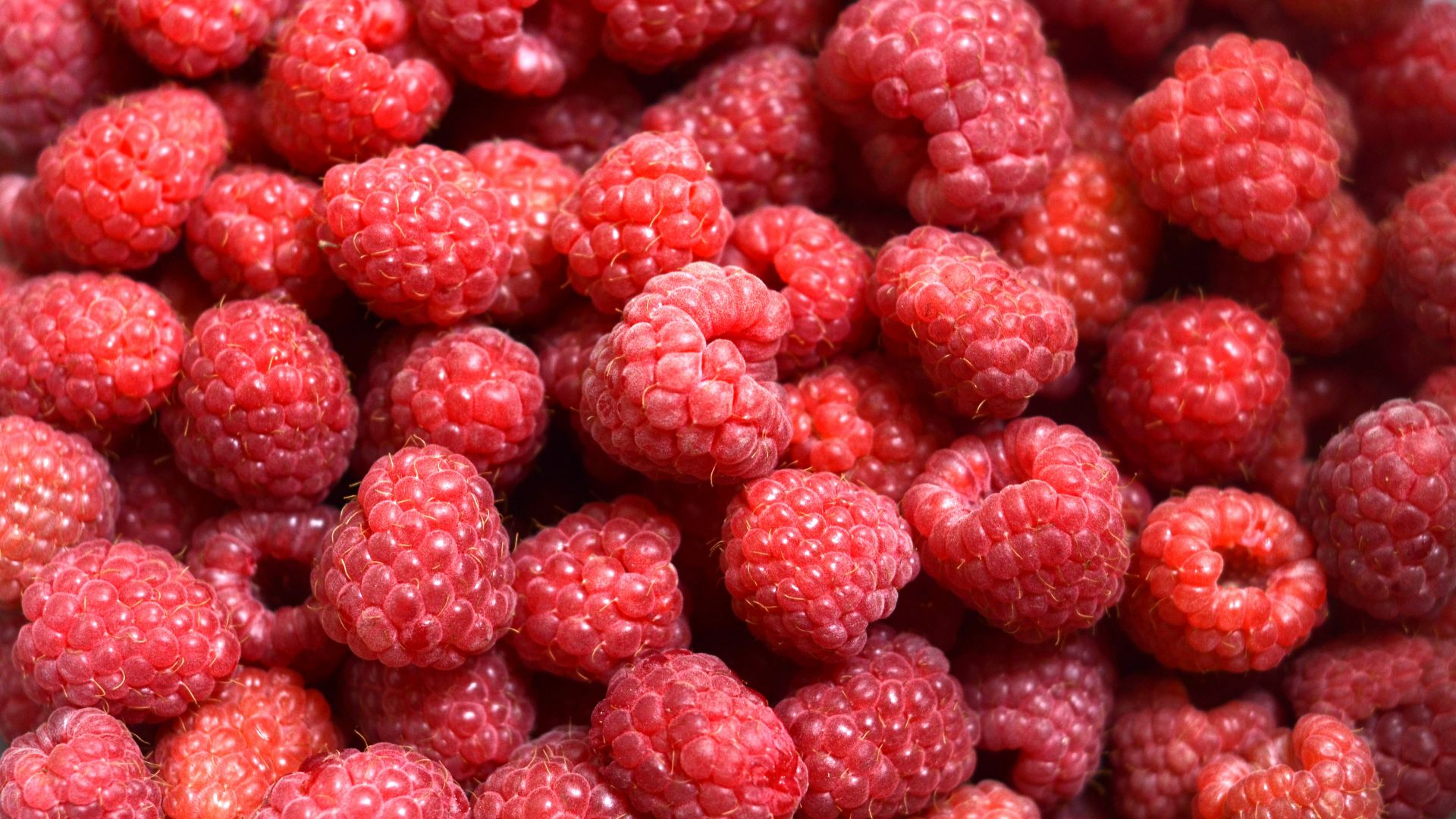
Raspberries pack more fiber per cup than almost any other fruit, and you barely notice because they taste like dessert. The seeds get a bad rap, but they're actually contributing to that fiber count rather than just being annoying. Toss a handful on yogurt or oatmeal and the texture difference is immediate.
5. Chia Seeds
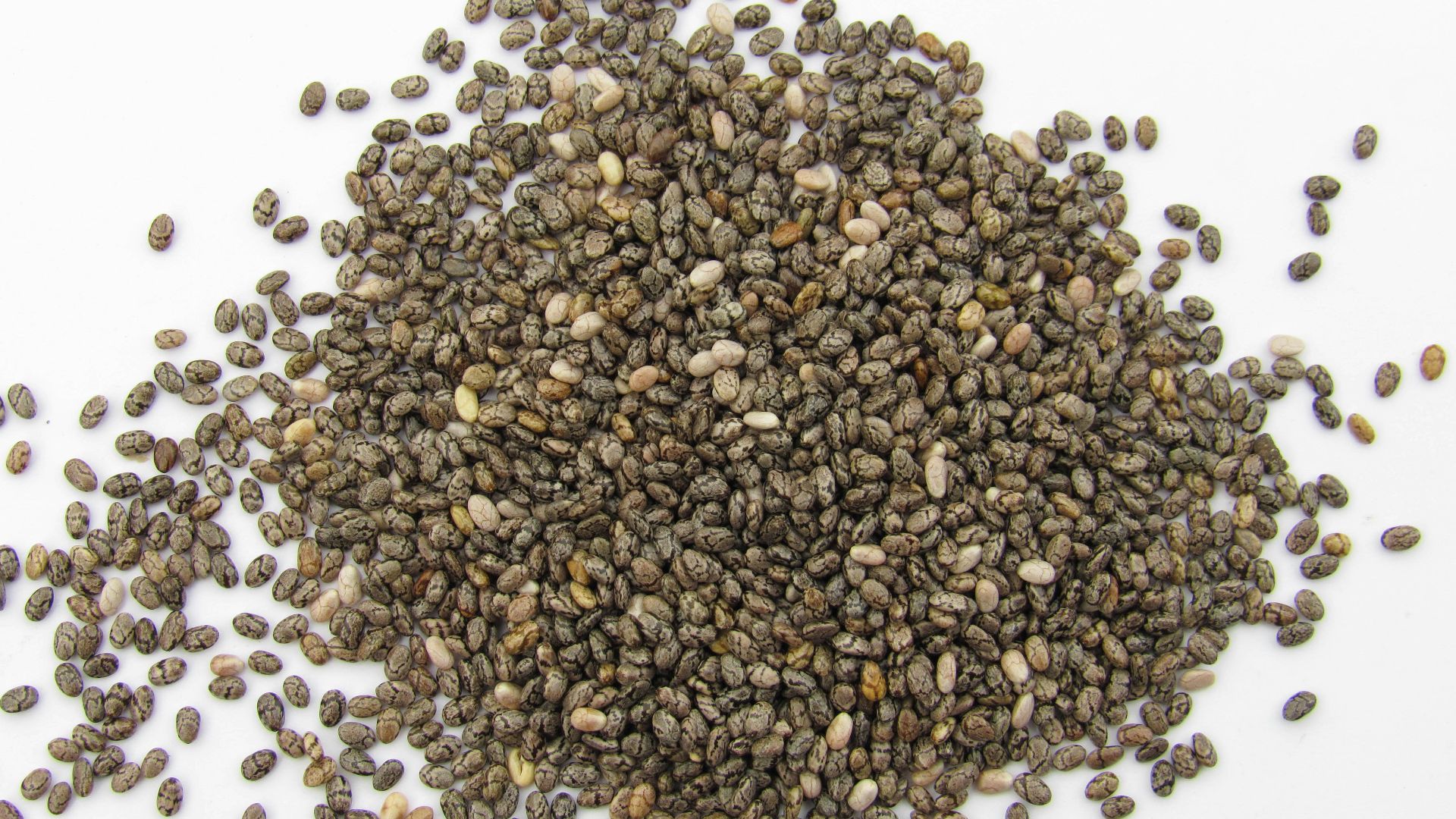
These tiny seeds turn into a gel when they hit liquid, which sounds strange until you've made chia pudding and realized how satisfying it is. The fiber content is genuinely impressive for something so small, and it's mostly the soluble kind that helps you feel full longer. A spoonful in your morning routine does more than most fiber supplements ever will.
6. Split Peas
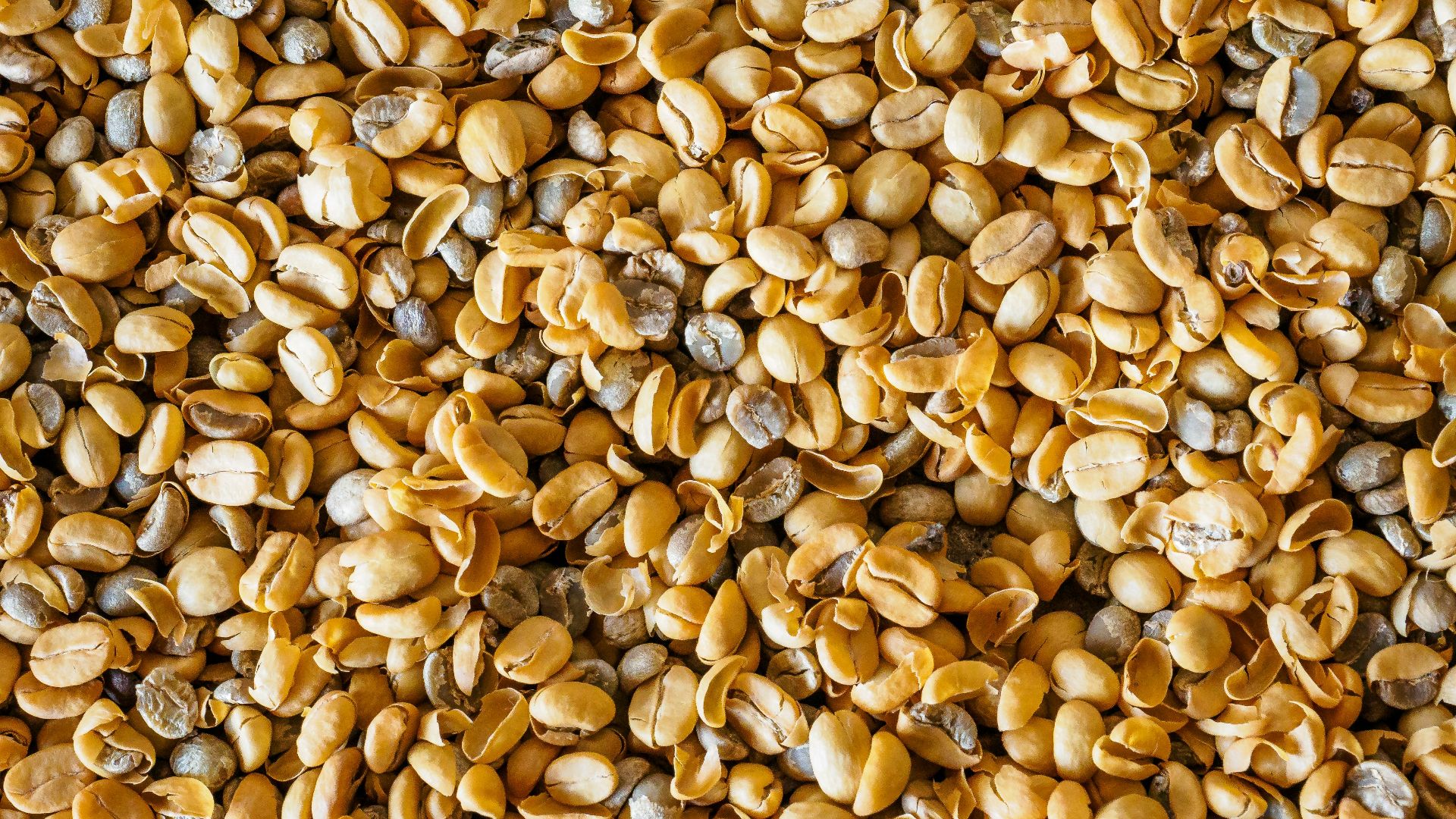
Split pea soup gets a reputation as old-fashioned or boring, but the fiber numbers tell a different story. They're hearty enough to make a meal feel complete without any meat involved, and they're forgiving if you're new to cooking with legumes. Simmer them with some onion and garlic and you've got something genuinely nourishing.
 Alexander Schimmeck on Unsplash
7. Avocados
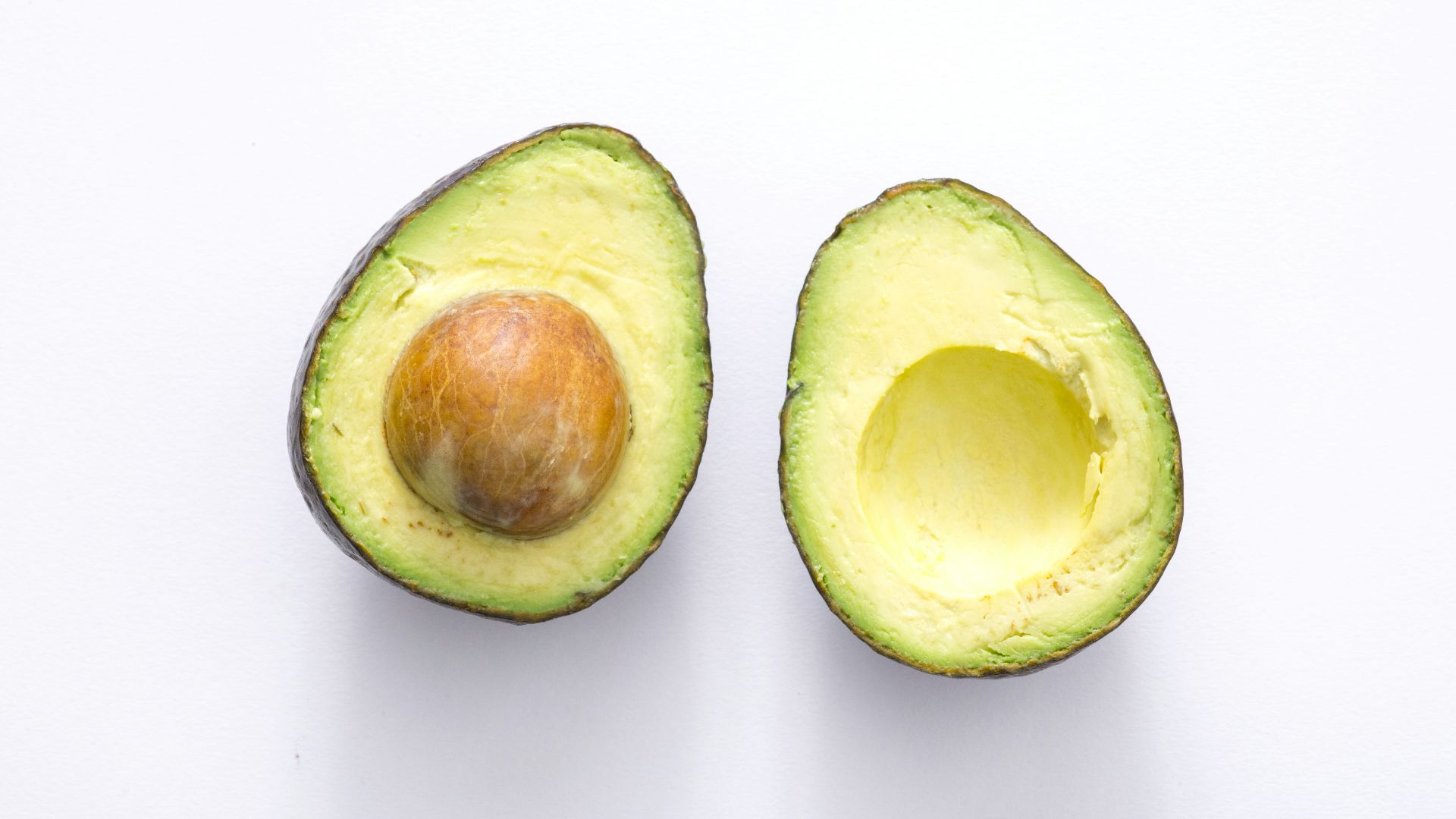
Avocados get talked about for healthy fats, but their fiber content rarely gets mentioned in the same breath, even though it's substantial. One avocado can deliver close to a third of what most people need in a day. That's a lot of work for something you're probably already putting on toast anyway.
8. Brussels Sprouts
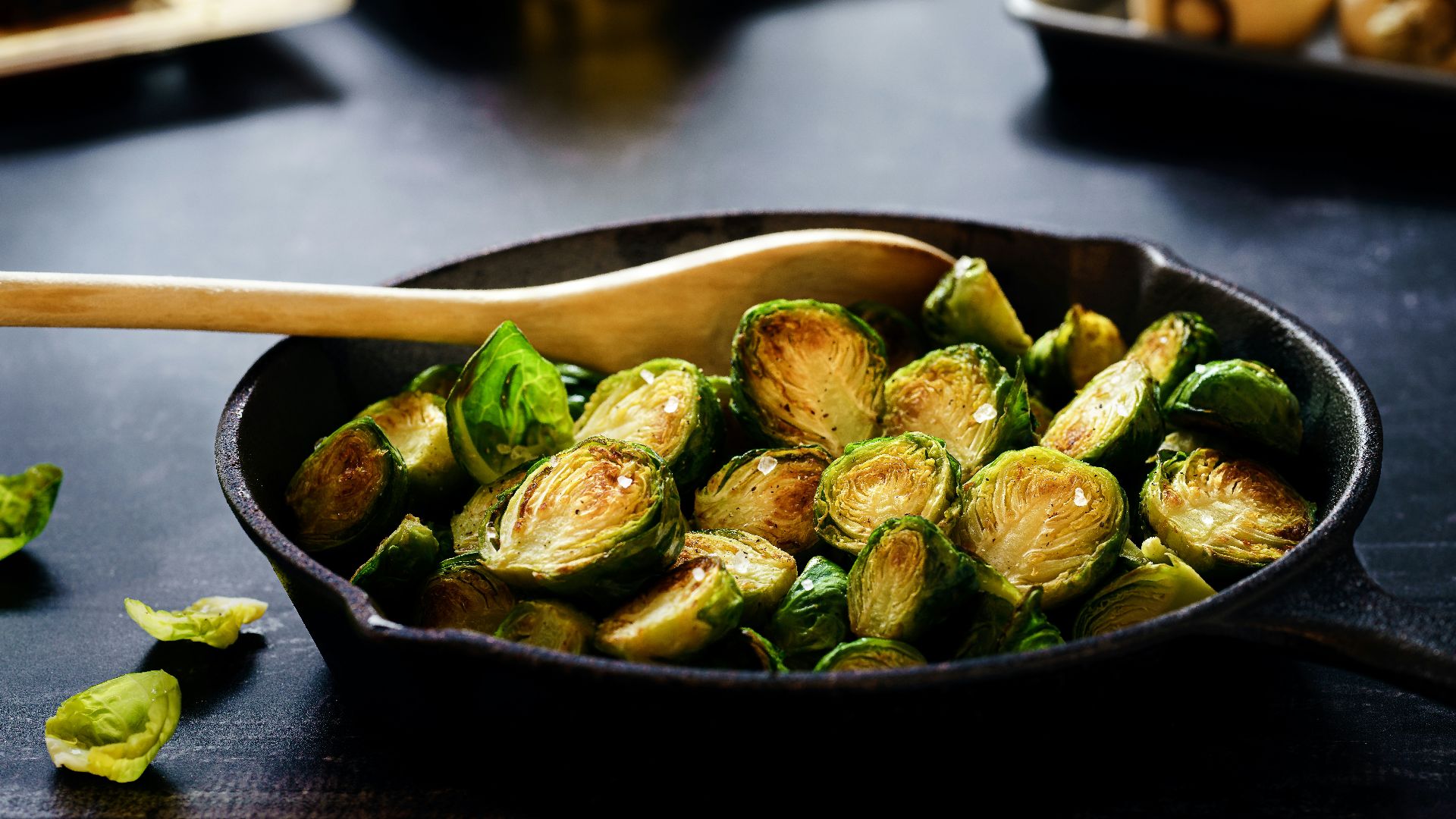
Roasted properly, with a little char and some salt, Brussels sprouts go from a punchline to something people actually crave. The fiber content is solid, and they hold up well to reheating, which makes them a smart choice for meal prep. Nobody talks about them as a fiber food, but they're quietly doing the job.
 Sebastian Coman Photography on Unsplash
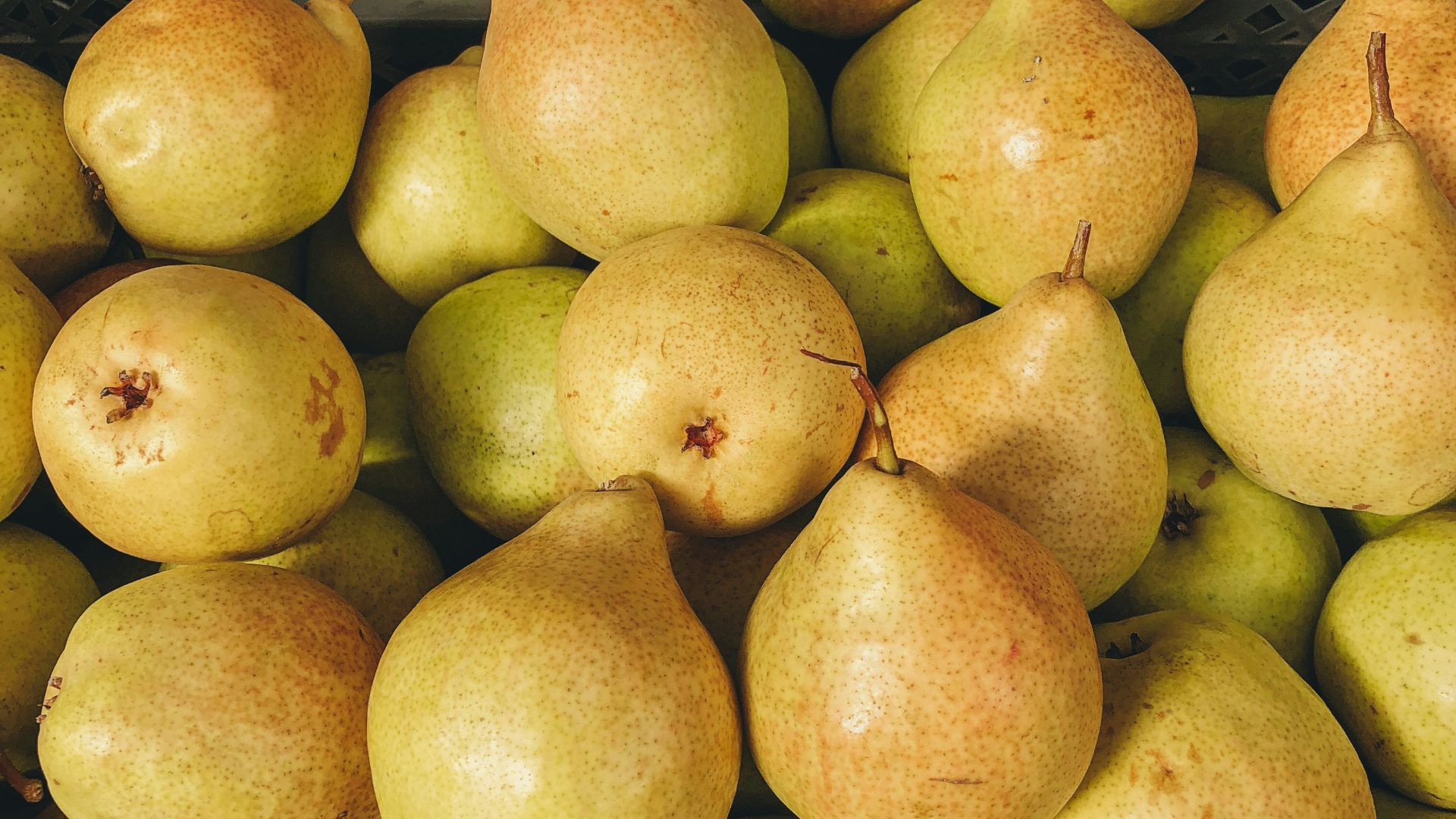
9. Pears
Pears with the skin on carry a surprising amount of fiber, more than apples in most cases, and the texture makes it easy to forget you're eating something this good for you. They're best eaten slightly underripe if you like a firmer bite, or let them sit a day or two for something softer. Either way, the skin is where a lot of that fiber lives, so don't peel it.
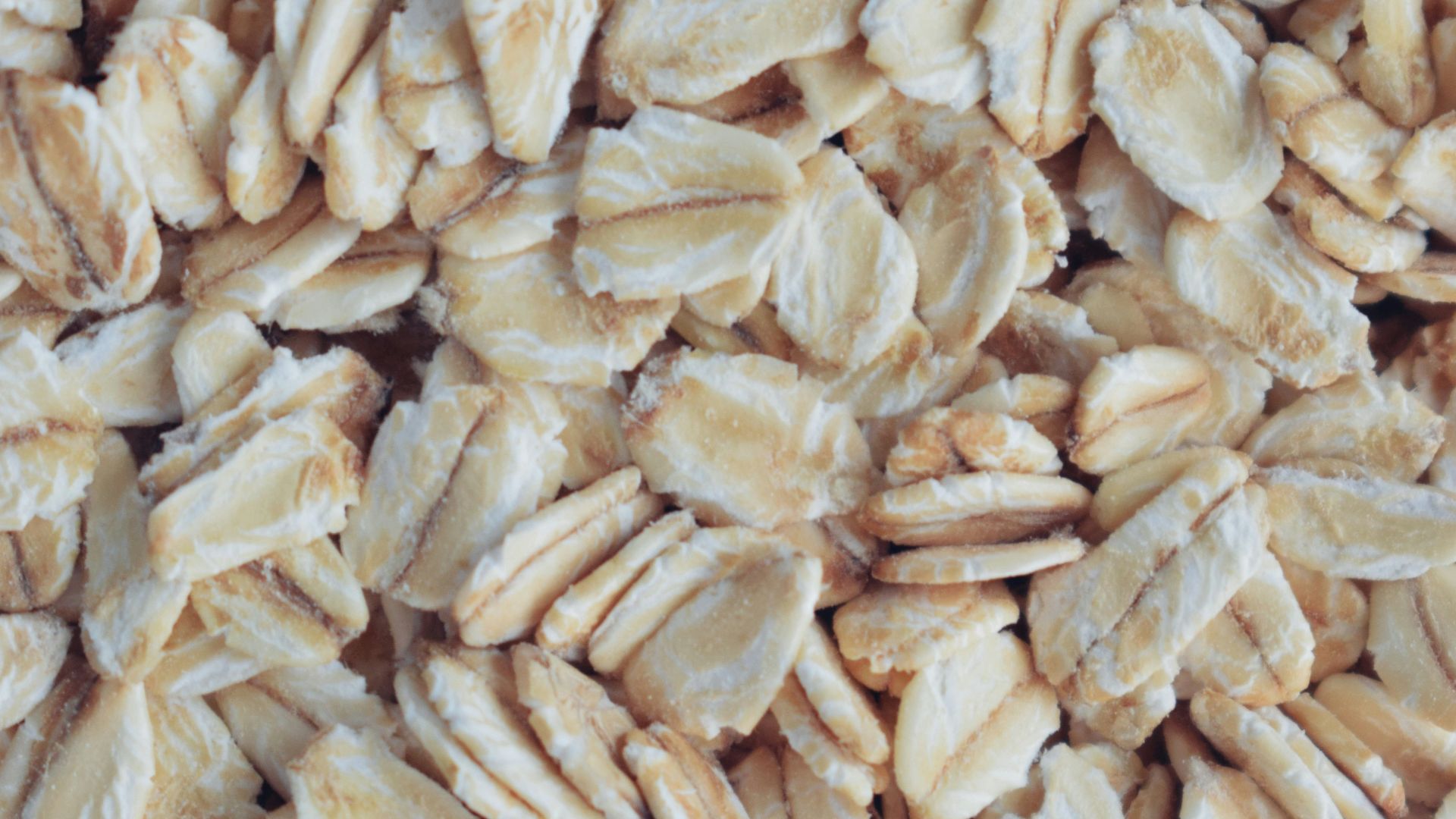
10. Steel-Cut Oats
Unlike the instant packets, steel-cut oats keep more of their structure intact, which means your body has to work harder to break them down. That slower digestion is exactly what makes them so filling for so long. Cook a big batch on Sunday and you've got breakfast sorted for most of the week.
KEEP ON READING

20 Fast Food Meals That Beat McDonald's Every Time
20 Theme Park Snacks People Fly In Just to Eat