20 “Clean Eating” Myths That Make Cooking Harder Than It Needs To Be
Healthy Cooking Doesn't Need So Many Rules
Clean eating has developed a reputation for being strict, expensive, and oddly stressful—even though cooking well doesn't need all that baggage. A lot of the rules people follow in the name of wellness are really just preferences dressed up as facts, and they can make your kitchen routine more complicated than it needs to be. If you've ever felt like making dinner required a moral philosophy, it's worth clearing out a few myths.
1. Clean Eating Means Homemade
You don't need to make every sauce, broth, and snack from scratch to cook reasonably well. It’s also not unhealthy to depend on store-bought staples, many of which save time without ruining the quality. A practical kitchen is more sustainable than an idealized one.
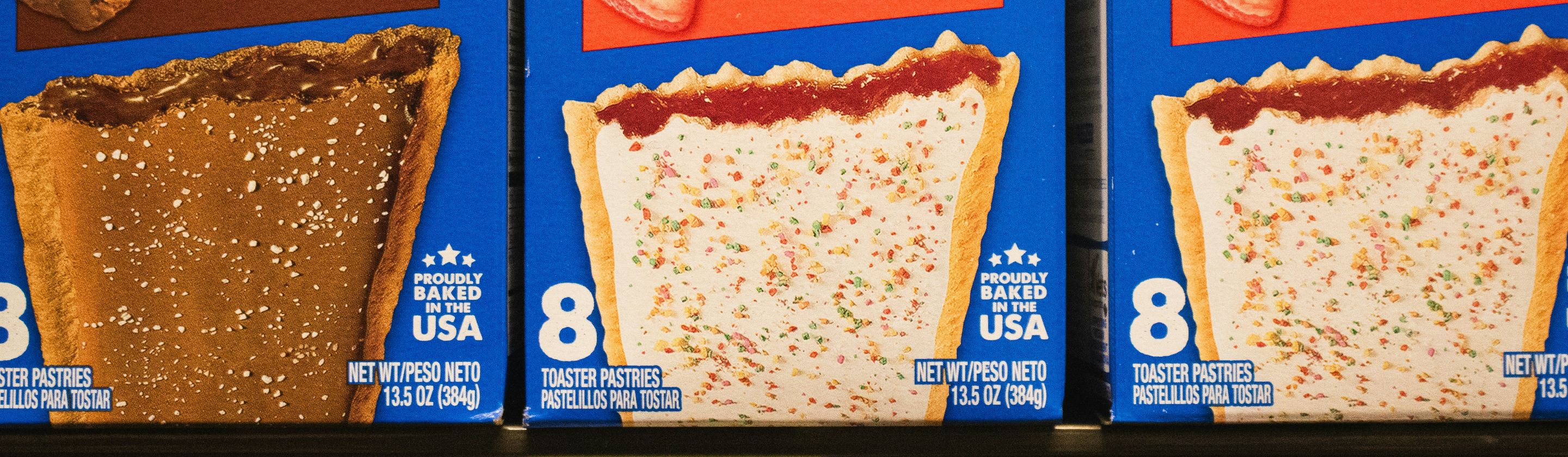
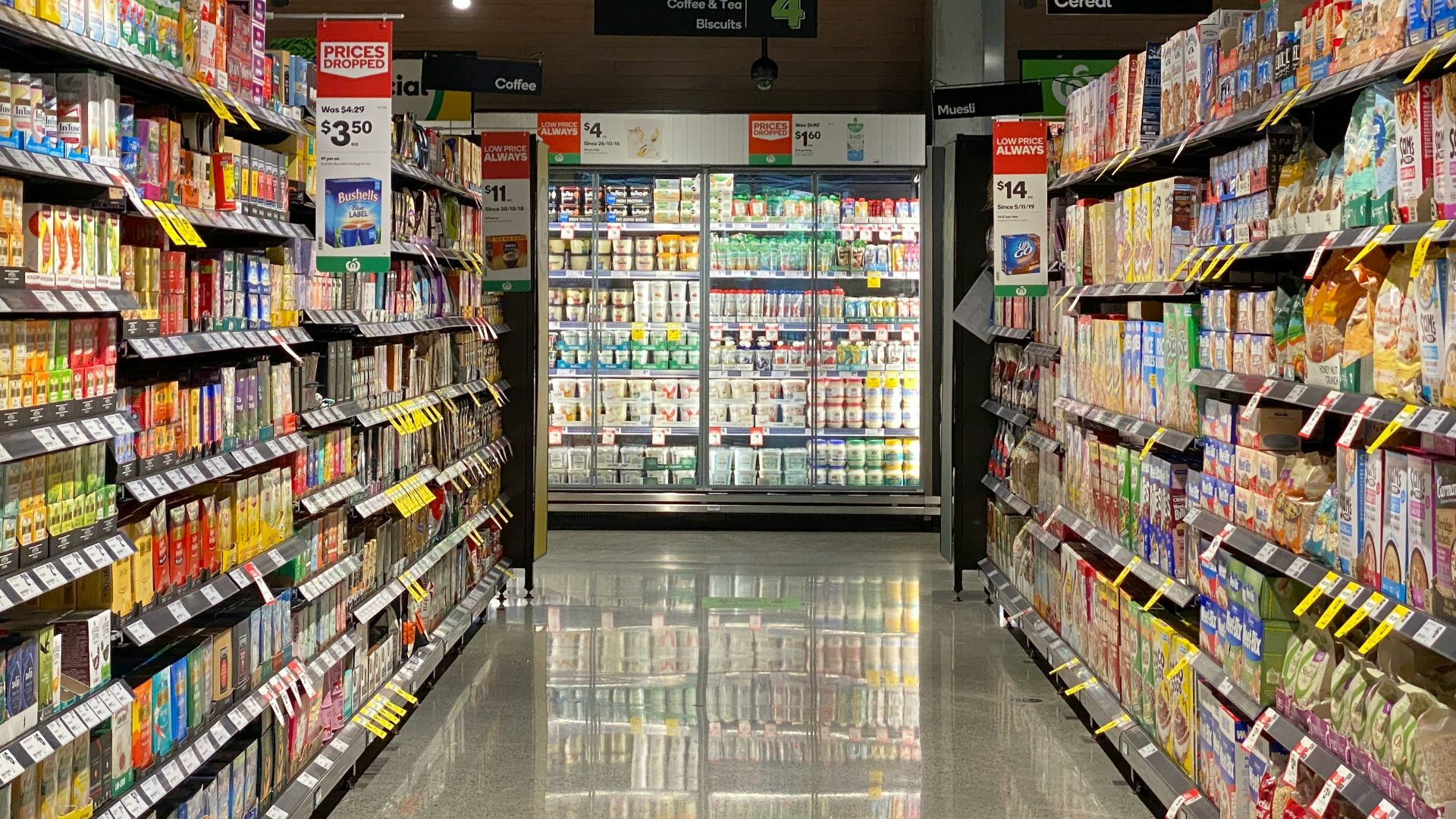
2. Packaged Foods Are a Problem
A packaged food isn't automatically unhealthy just because it comes in a box. Plenty of useful ingredients, including frozen vegetables, canned beans, and plain yogurt, can make cooking more balanced. What matters more is what the food actually is, not whether it arrived in a can.
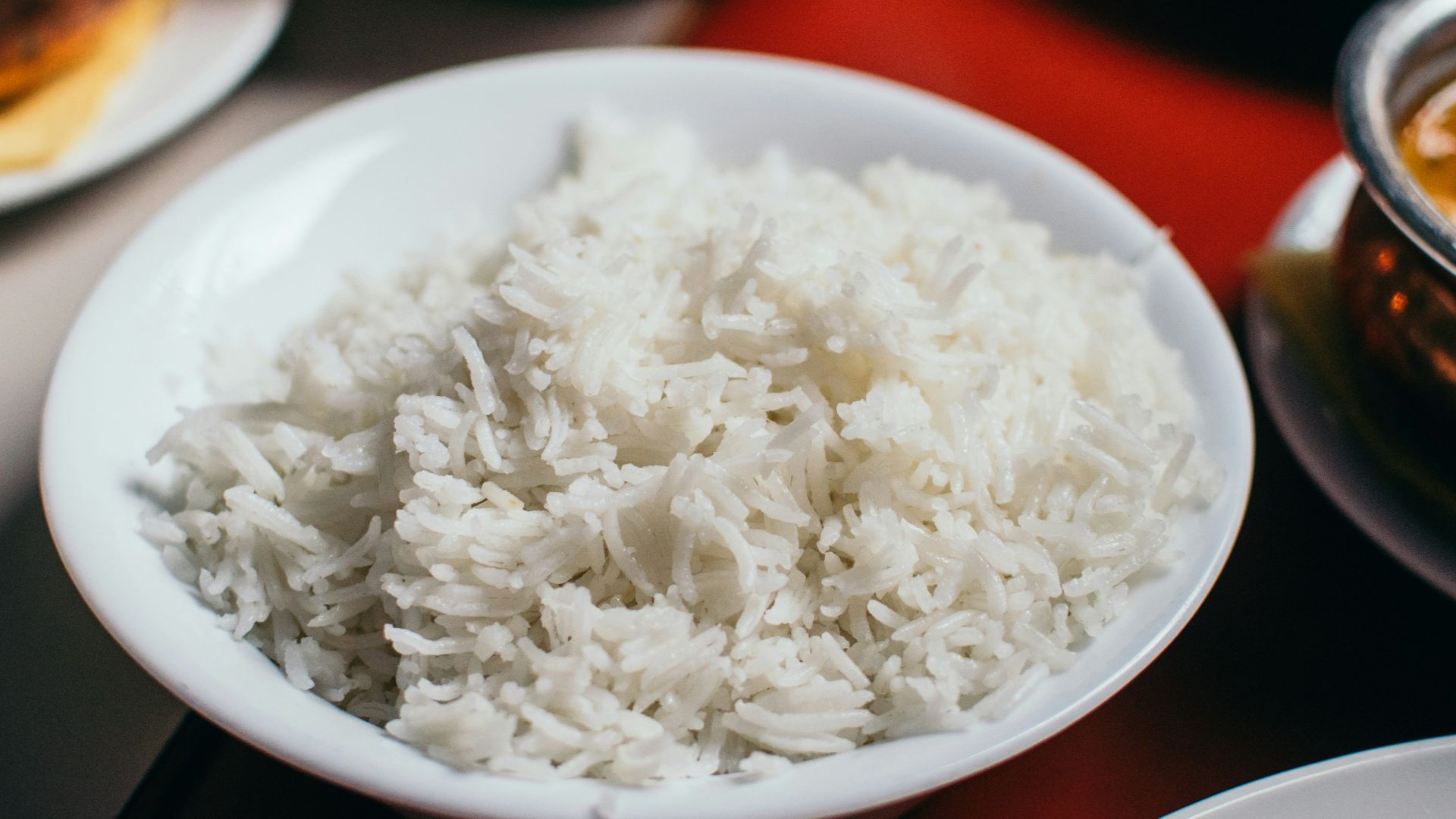
3. You Shouldn’t Use White Rice Or White Pasta
White rice and pasta aren't culinary failures, and they don't cancel out an otherwise solid meal. Sometimes they cook faster. Other times, they taste better with certain dishes. More often than not, they fit your budget more easily.
4. Constant Ingredient Policing
You don't have to inspect every label under a microscope. A basic understanding of ingredients is helpful, but obsessive scrutiny turns normal shopping into a headache. Cooking gets easier when you allow room for personal preferences instead of rigid rules.
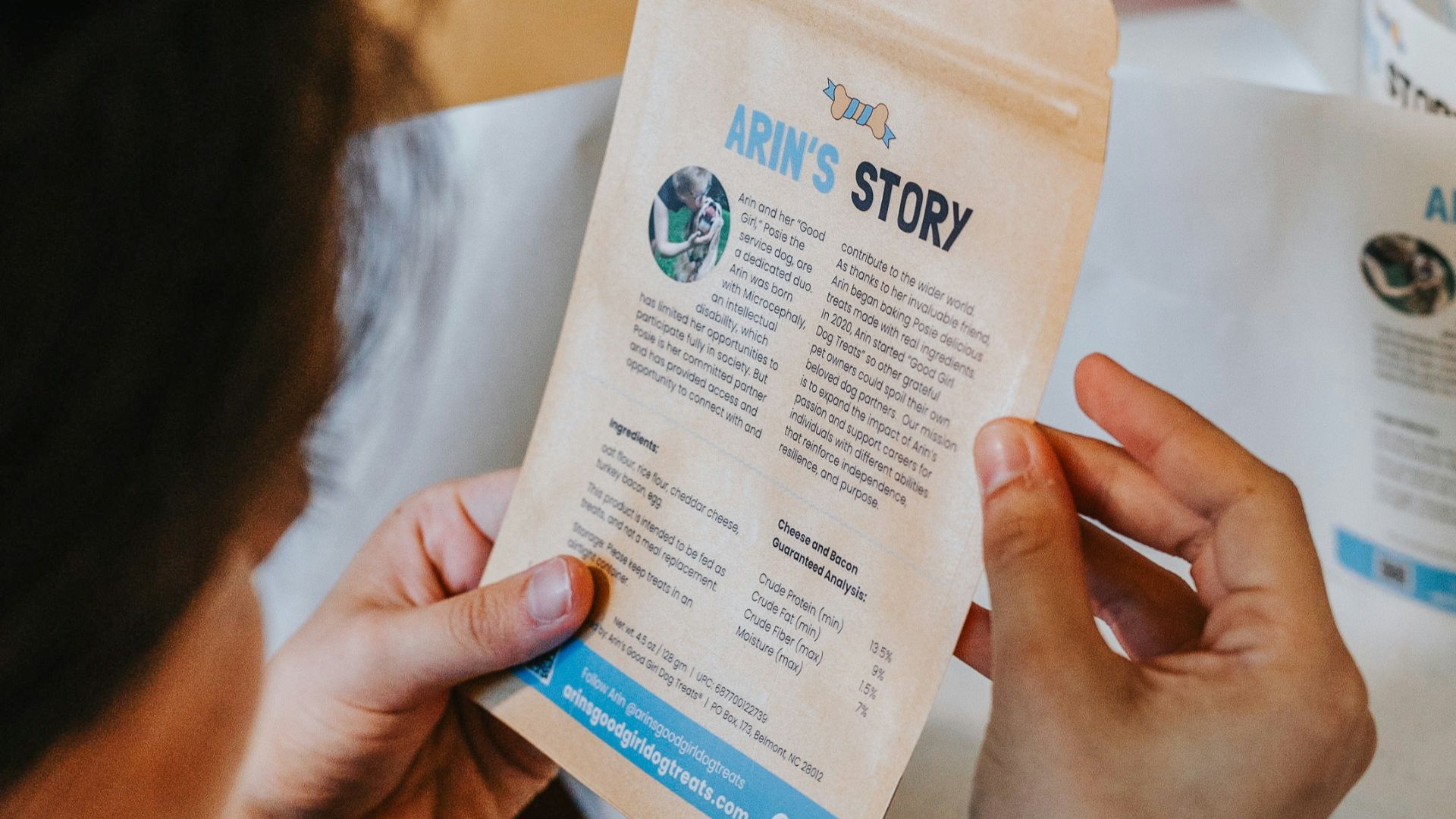 Arins Good Girl Dog Treats on Unsplash
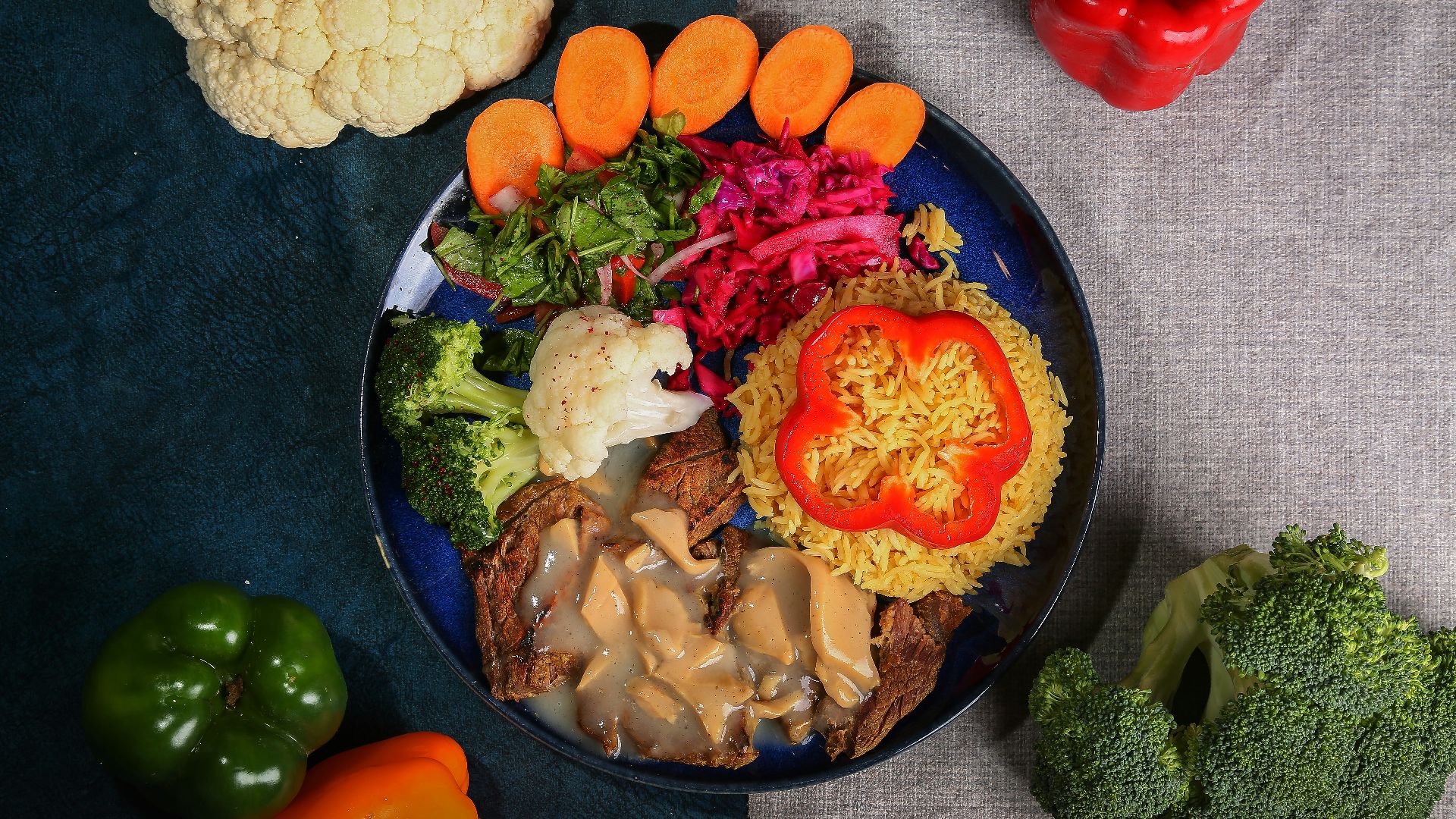
5. Healthy Meals Need Fresh Produce
Fresh produce is great, but it isn't the only respectable option. Frozen and canned fruits (so long as they’re not soaking in sugar) can be convenient, affordable, and genuinely useful during a busy week. If they help you cook more often, they're already doing their job.
 mohanad karawanchy on Unsplash
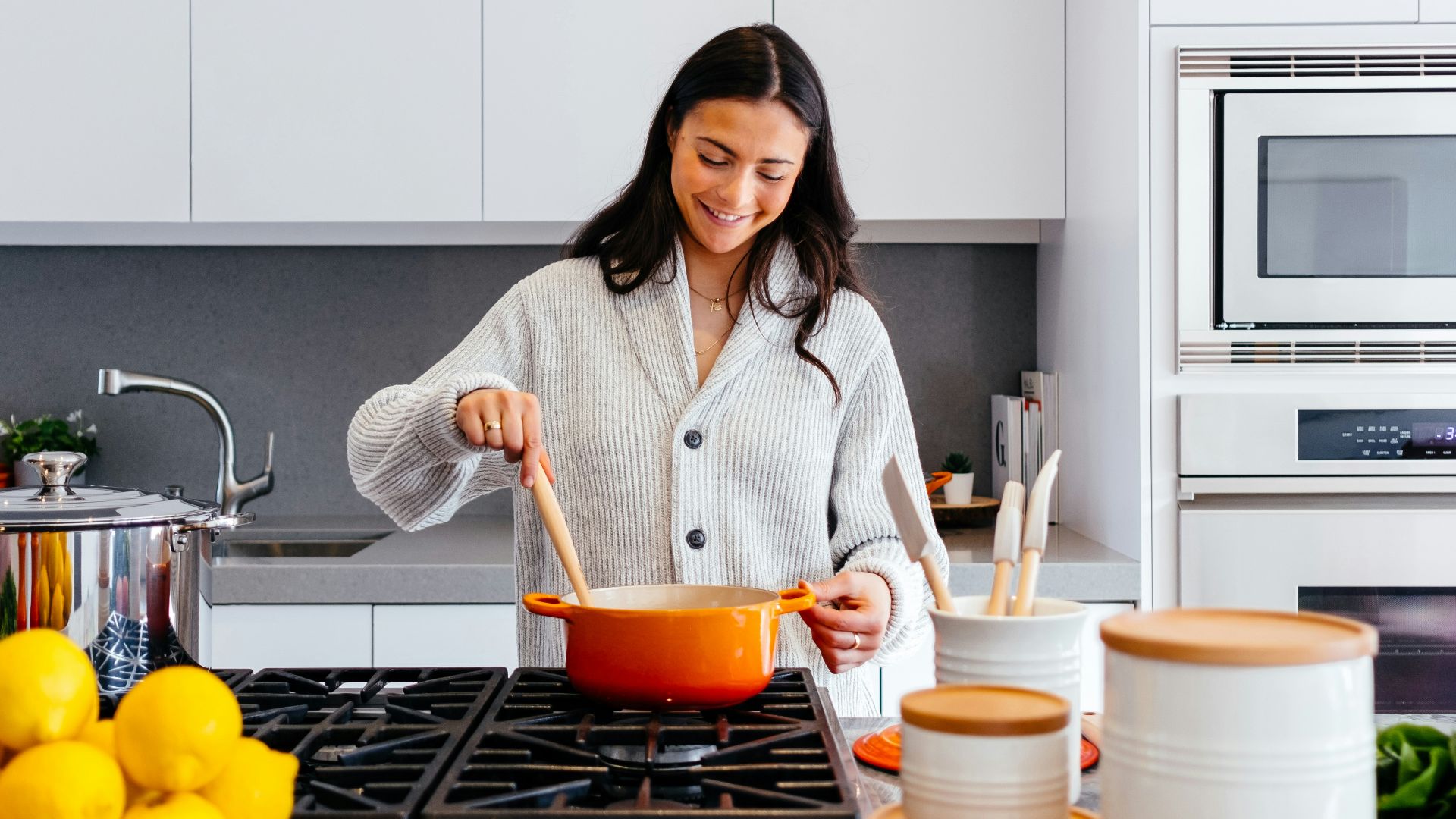
6. Oil Is a No-Go
Cooking oil isn't automatically a mistake, and food doesn't become virtuous without it. Fat adds flavor, improves texture, and helps many ingredients cook properly. Not to mention, some oils, like EVOO, actually have healthy fats packed with benefits.
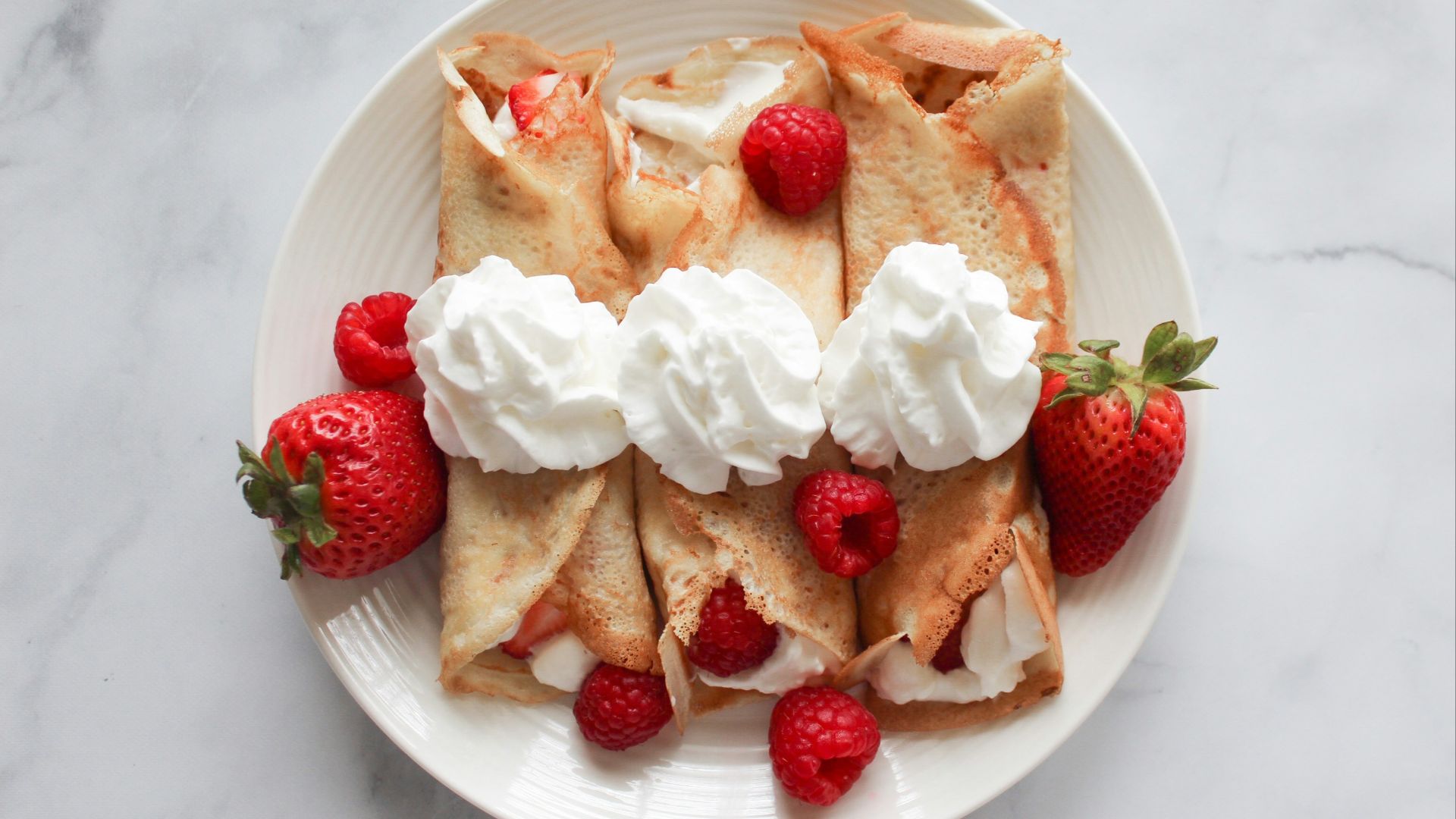
7. There’s No Room For Dessert
No matter what people say, you can enjoy dessert and still cook in a balanced way. The trick is moderation. Treating sweets like a scandal not only leads to bad late-night snacking habits, but they also take the joy from what you should enjoy.
8. Every Meal Needs To Be Perfect
Not every dish has to meet some imaginary gold standard. One meal might be light, another might be hearty, and that doesn't mean you've done anything wrong. Building good habits over time matters more than a single plate.
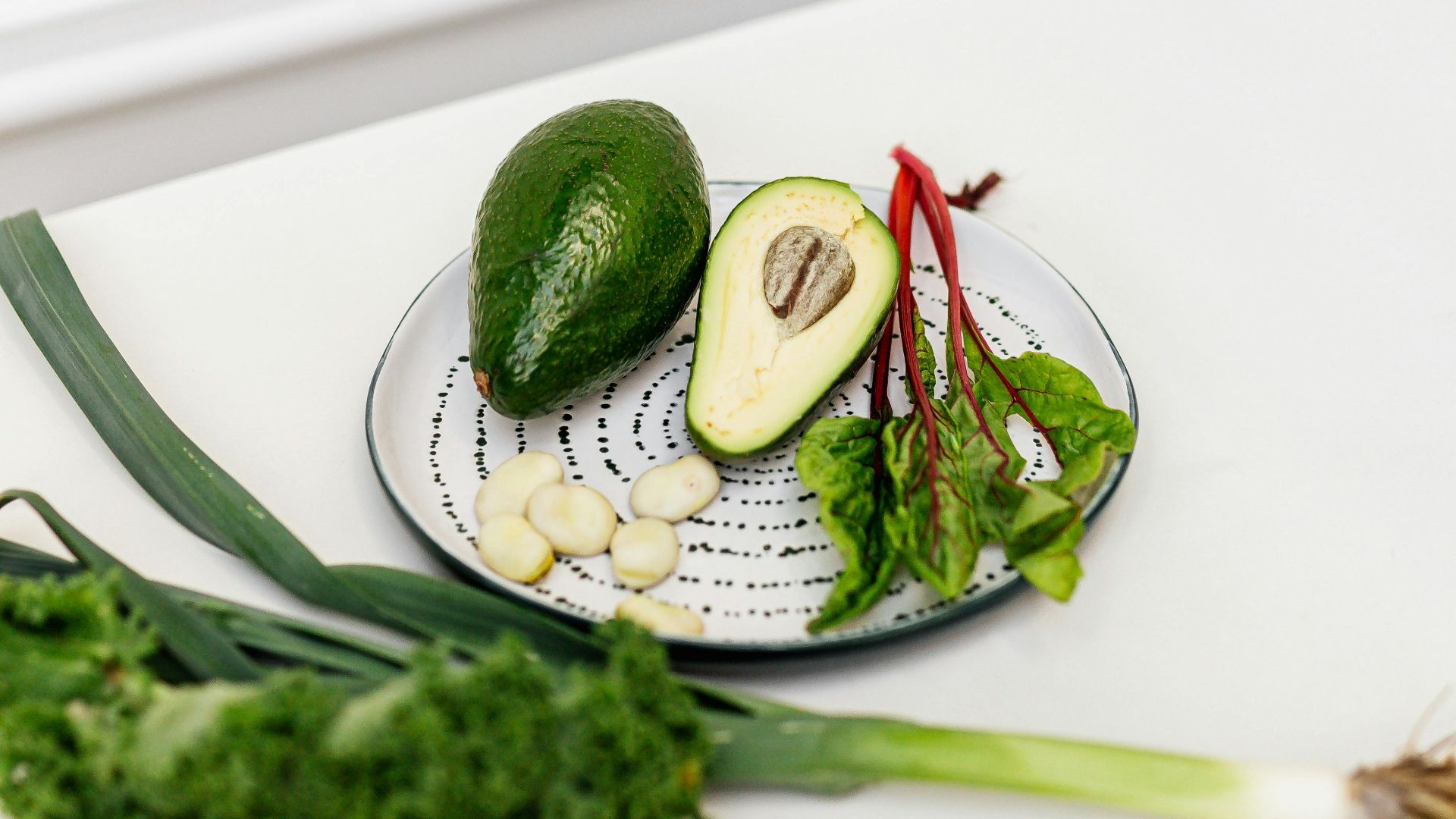
9. You Have To Buy Expensive Ingredients
We hate to break it to you, but a long ingredient list doesn't make a meal more legitimate. Plenty of simple, affordable foods do the job without forcing you into a premium checkout line. Good cooking depends more on consistency than novelty, so don’t break the bank for no reason.
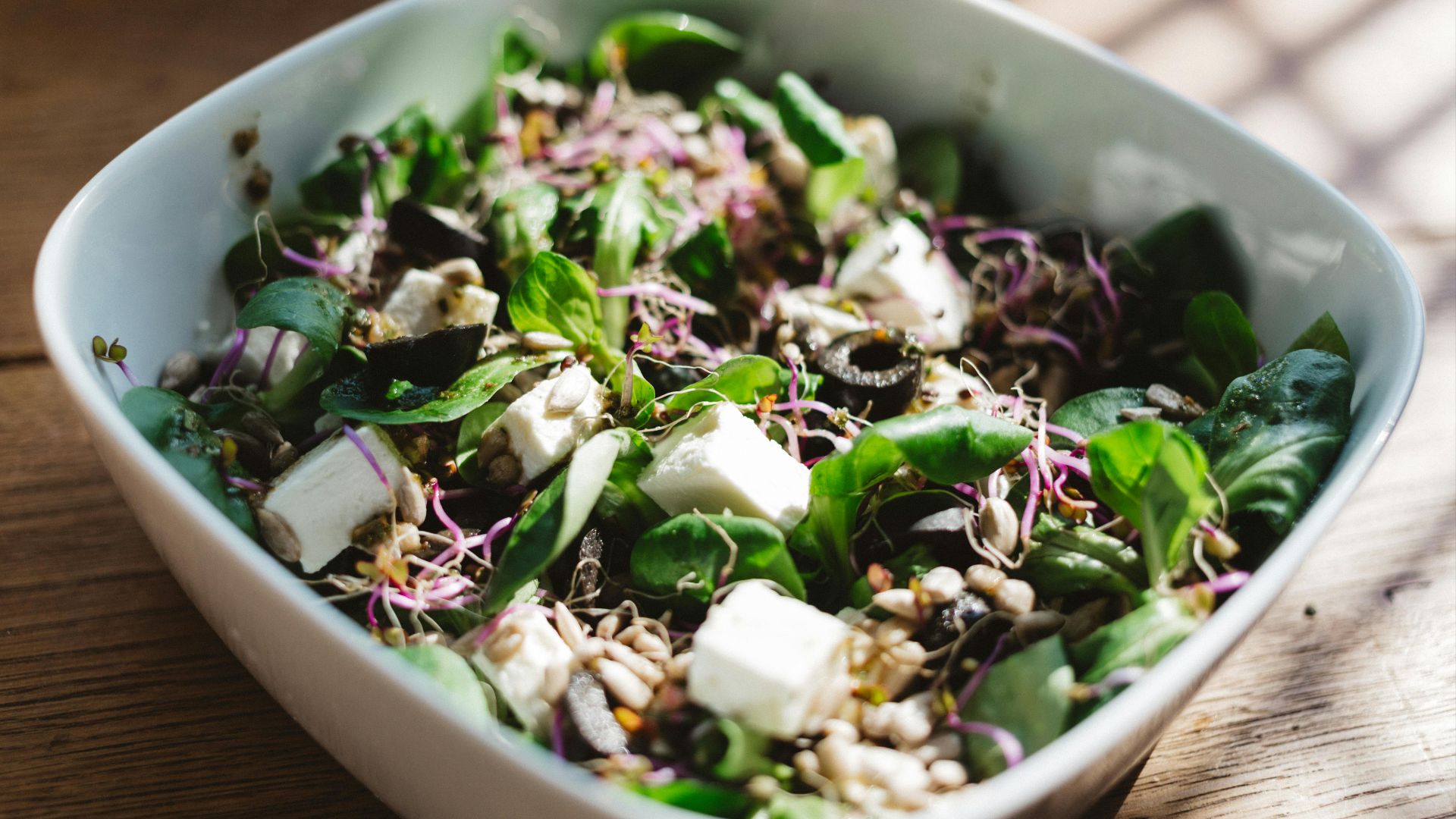
10. Bread Is Off-Limits
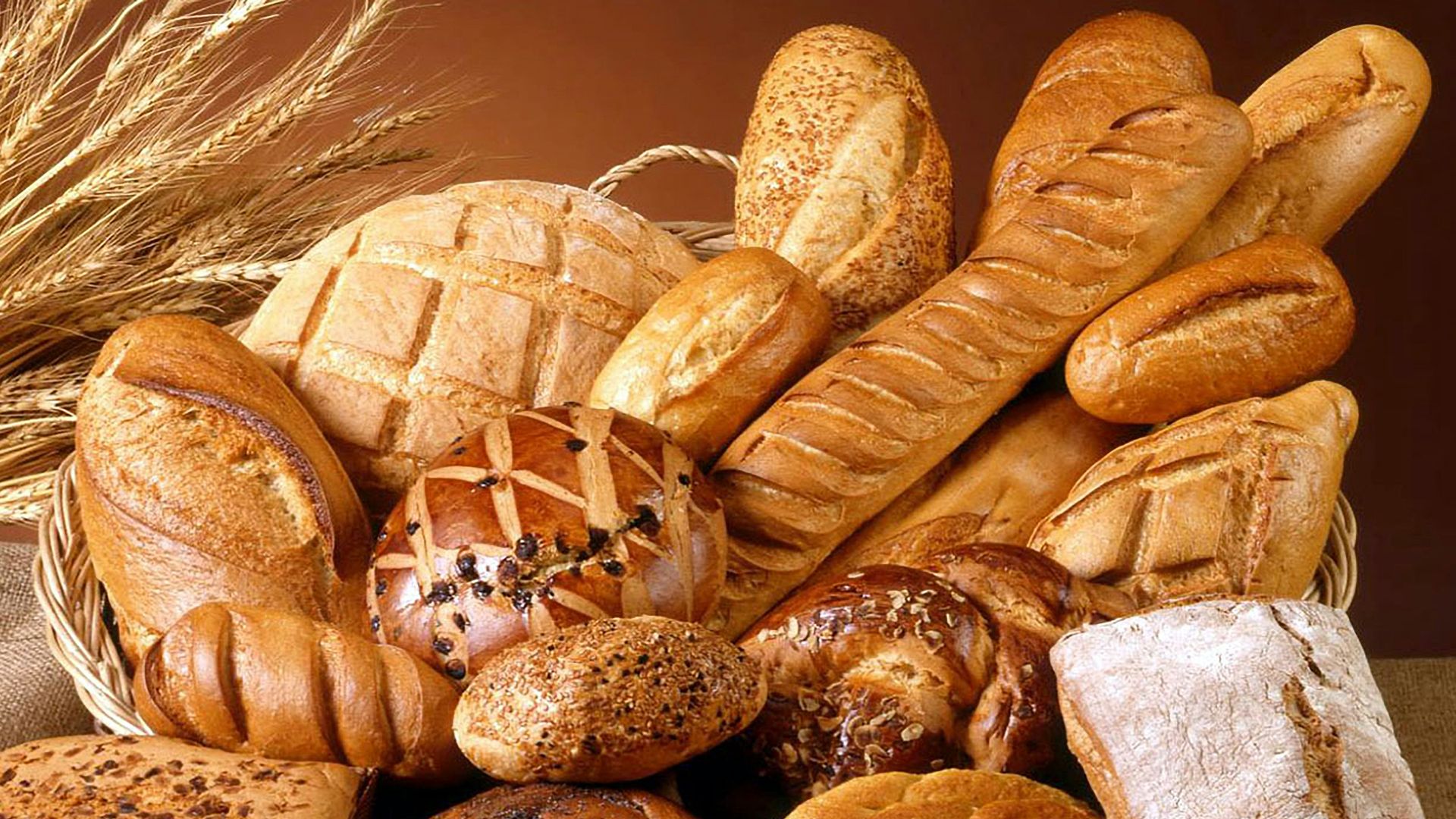
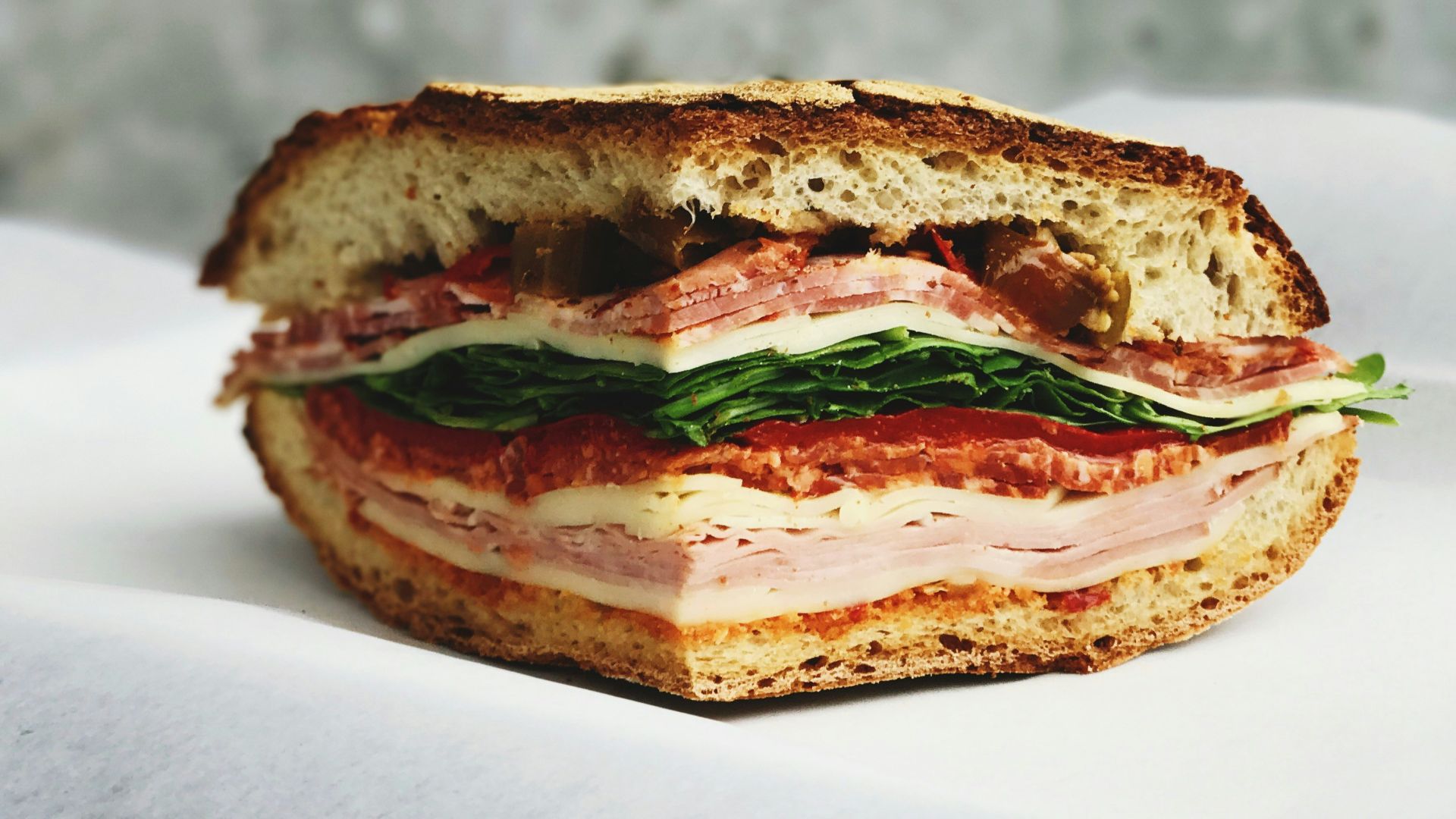
Bread isn't the villain it's made out to be! The right grains are part of a balanced meal, so long as you know what to look for. Sometimes, toast, a sandwich, or a piece of crusty bread is exactly what a meal needs.
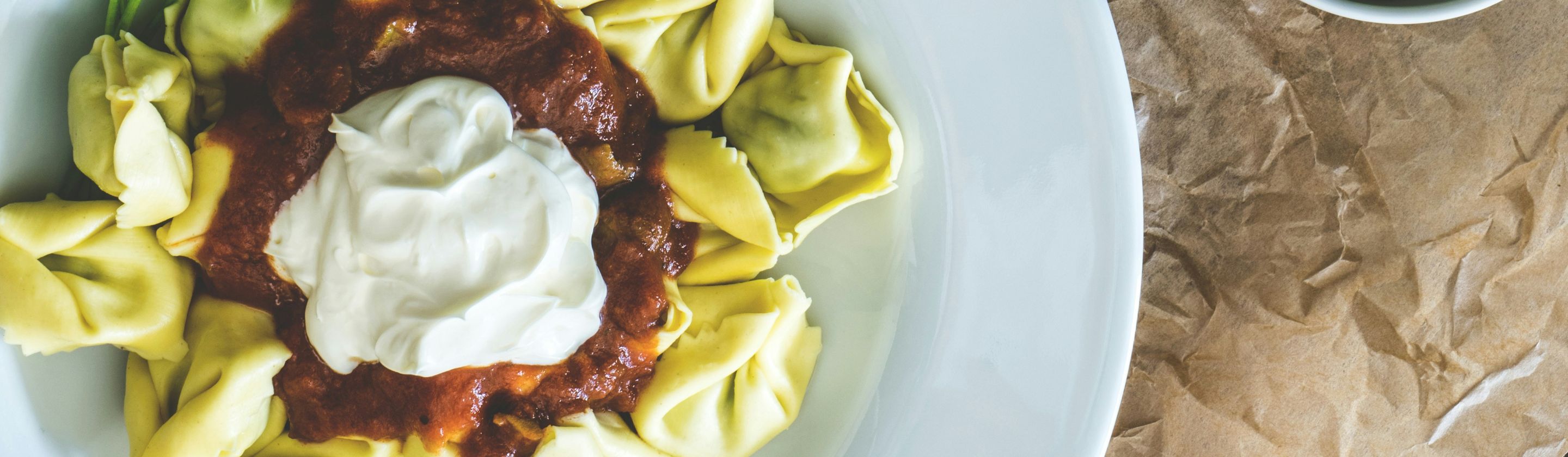
11. You Can't Use Convenience Foods
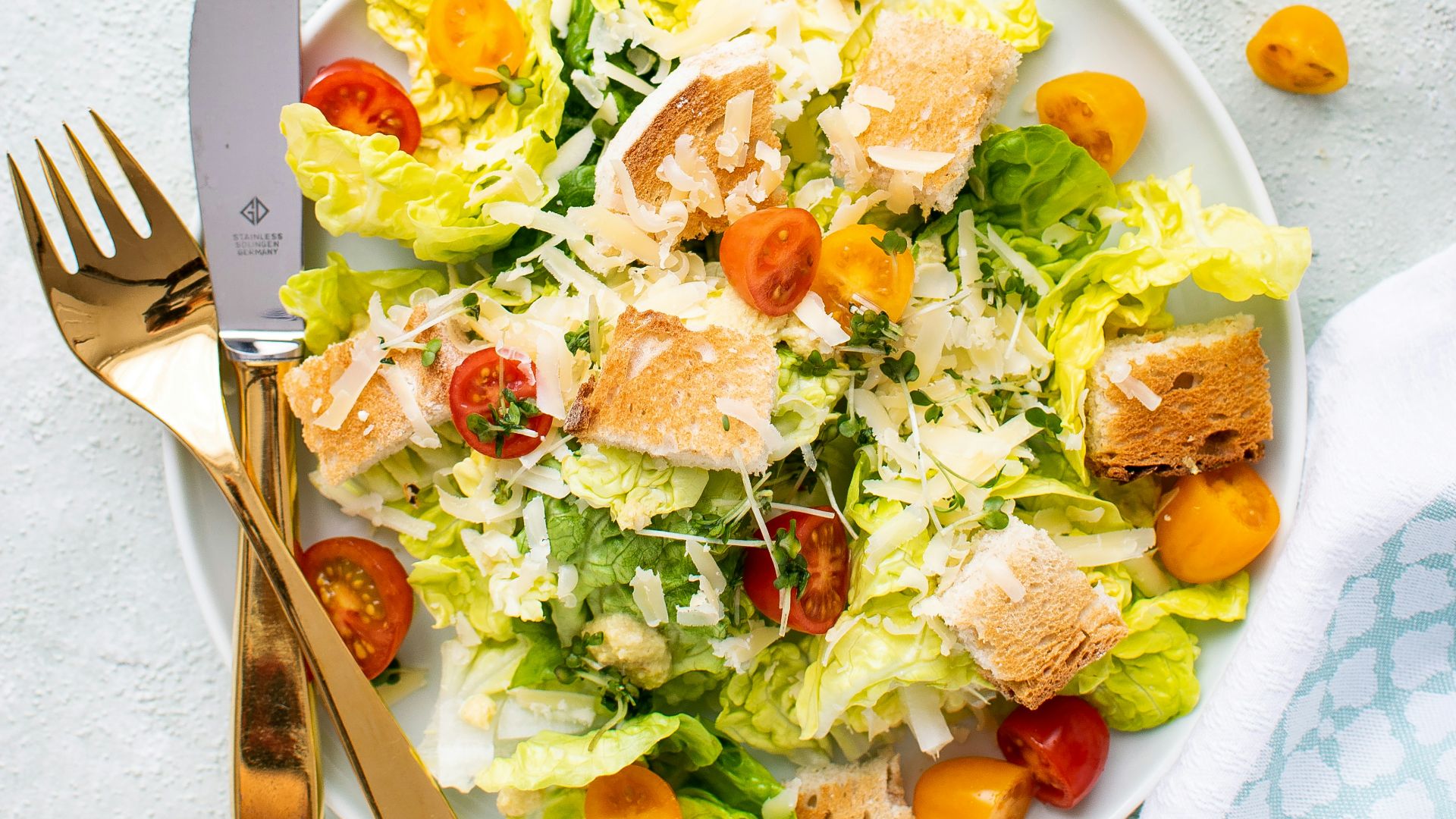
People love to treat convenience like the devil, but pre-packaged stuff can be a smart tool. Anything from pre-cut vegetables and rotisserie chicken to microwavable grains and bagged salad mixes can help you cook when time is tight.
12. You Need To Ignore Entire Food Groups
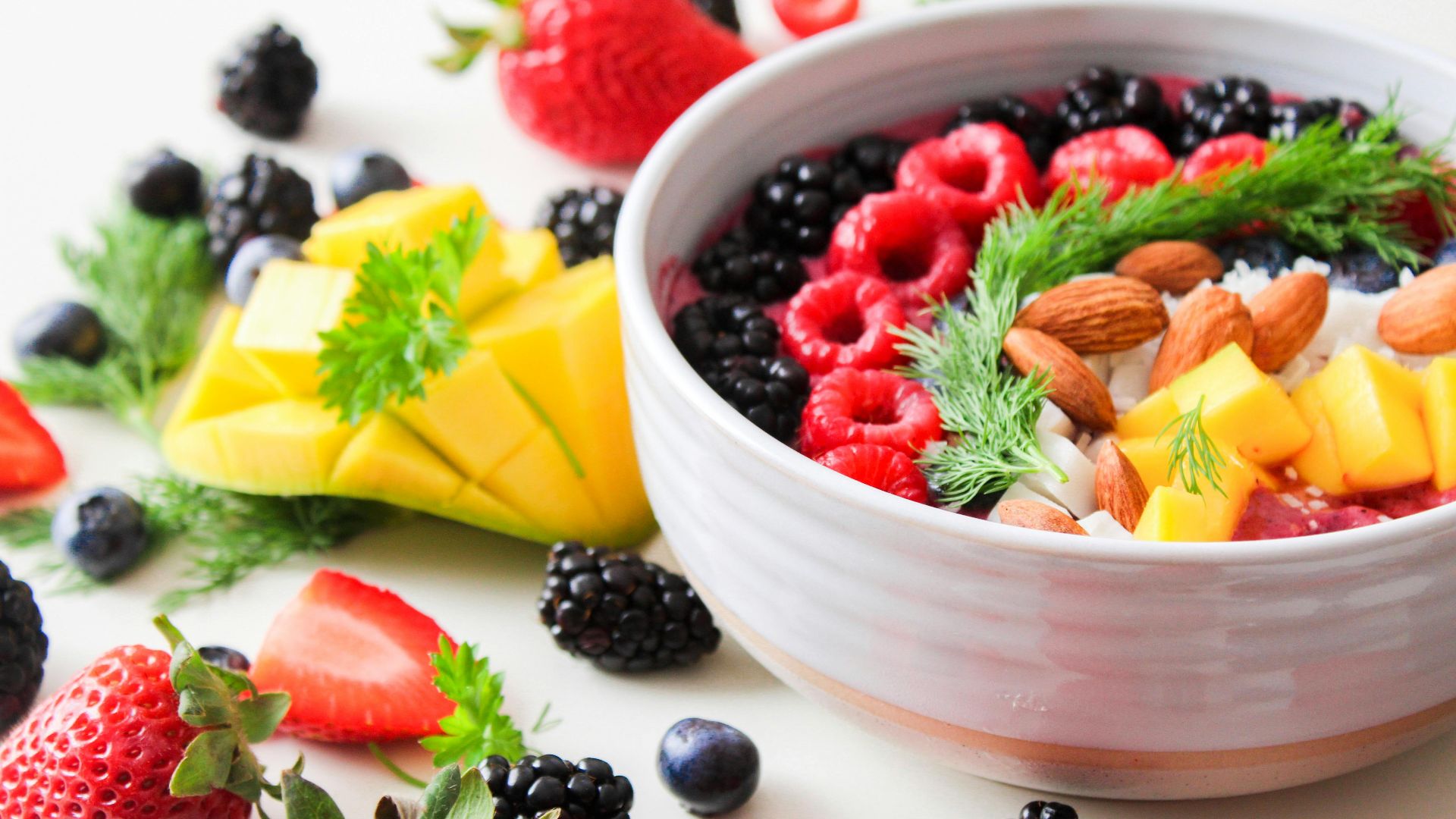
Cutting out whole categories for no reason only creates confusion. Unless you have a medical need or a specific dietary goal, extreme restriction usually isn't necessary. If you’re really worried about something, there’s no shame in speaking with a doctor.
13. If It Tastes Really Good, It Isn't Clean
This belief has done real damage to weeknight cooking! Flavor isn't evidence that you've somehow failed, and enjoyable food doesn't need an explanation. In fact, the more appealing your meals are, the more likely you are to keep making them. Don’t be afraid to experiment in the kitchen.
14. Seasoning Should Be Minimal
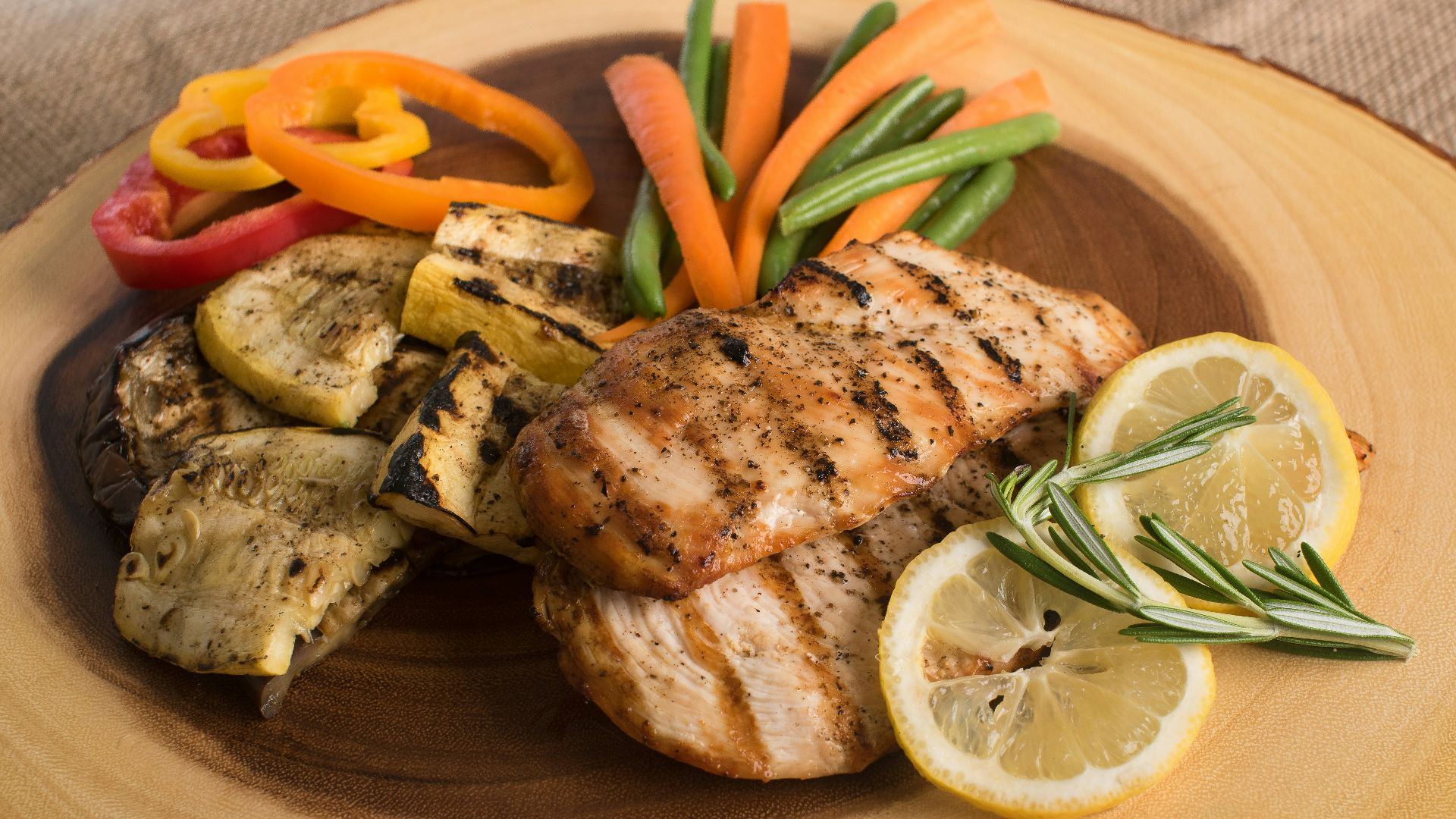
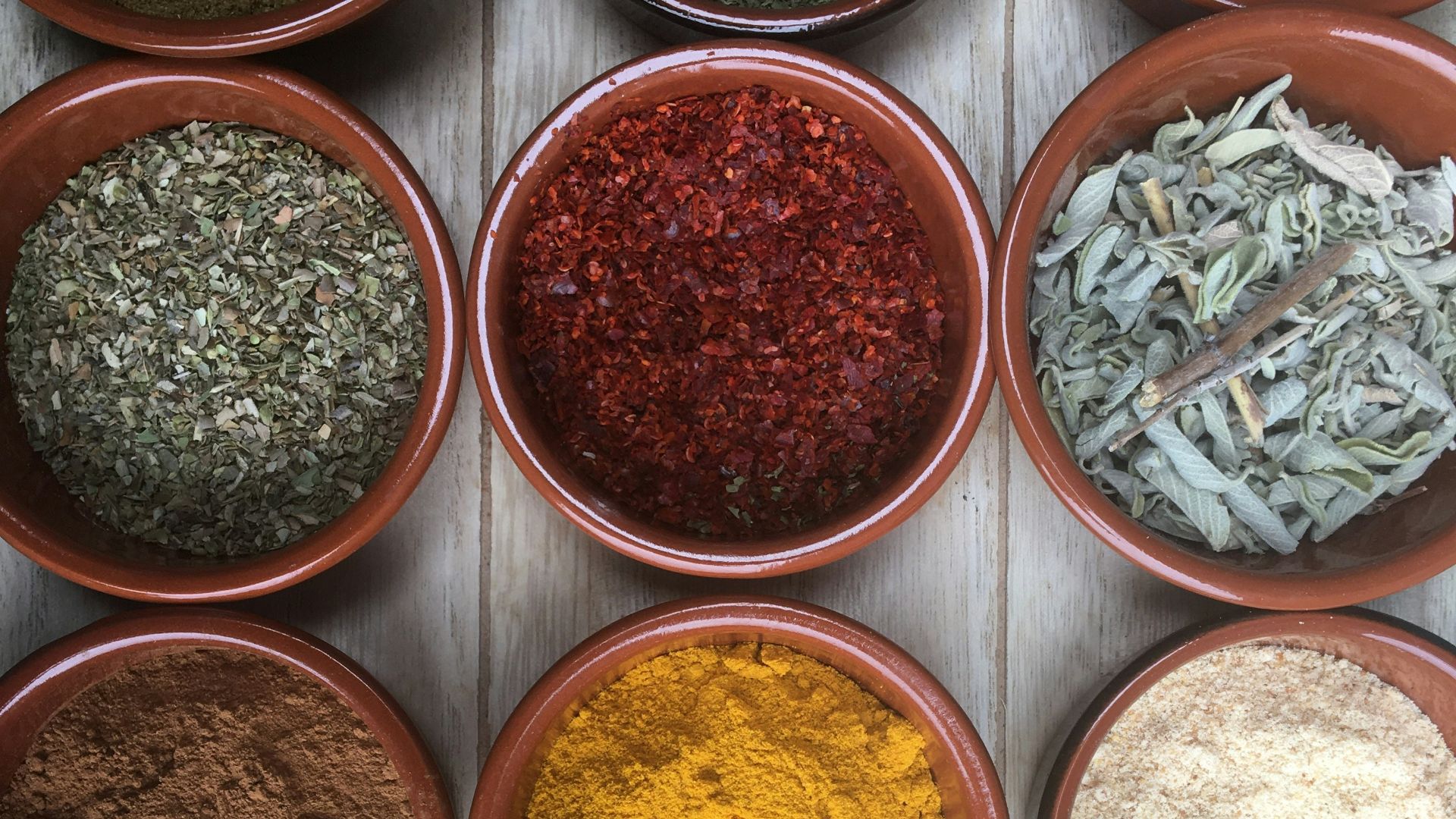
Speaking of which, food isn’t magically superior when it's under-seasoned. Herbs, citrus, and condiments can all make even the simplest ingredients feel satisfying. You're allowed to want your broccoli to taste like something.
 Merve Sehirli Nasir on Unsplash
15. Restaurant-Inspired Meals Can't Fit Into a Healthy Routine
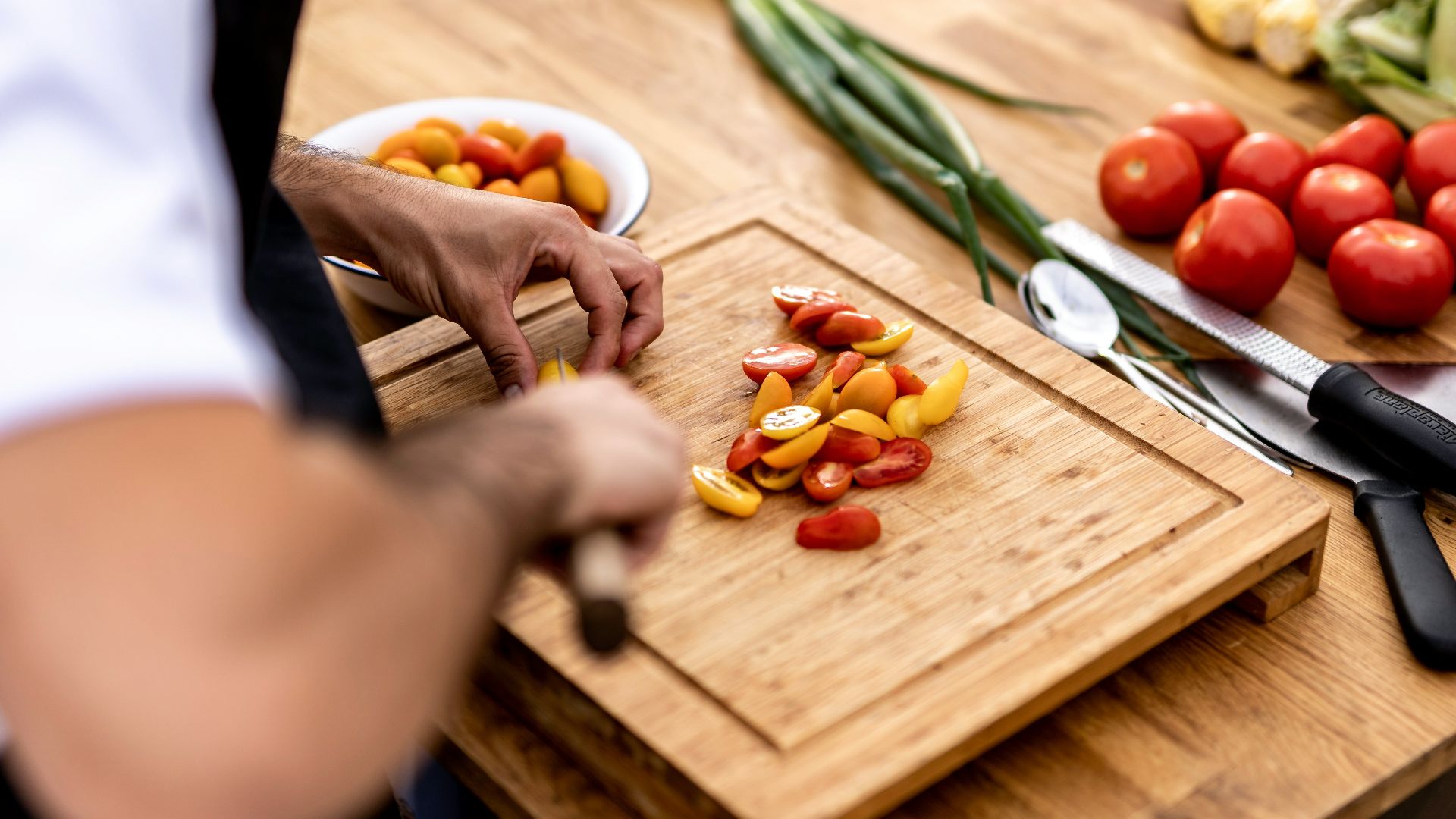
Don't cook like you're avoiding pleasure—it’ll only slow you down. Borrowing ideas from restaurants can make home cooking more interesting and maybe even healthier. A richer sauce or a crisped edge doesn't automatically turn a meal into a nutritional collapse, so don’t be afraid to ask the chef for tips.
16. Snacking Means You're Doing Food Wrong
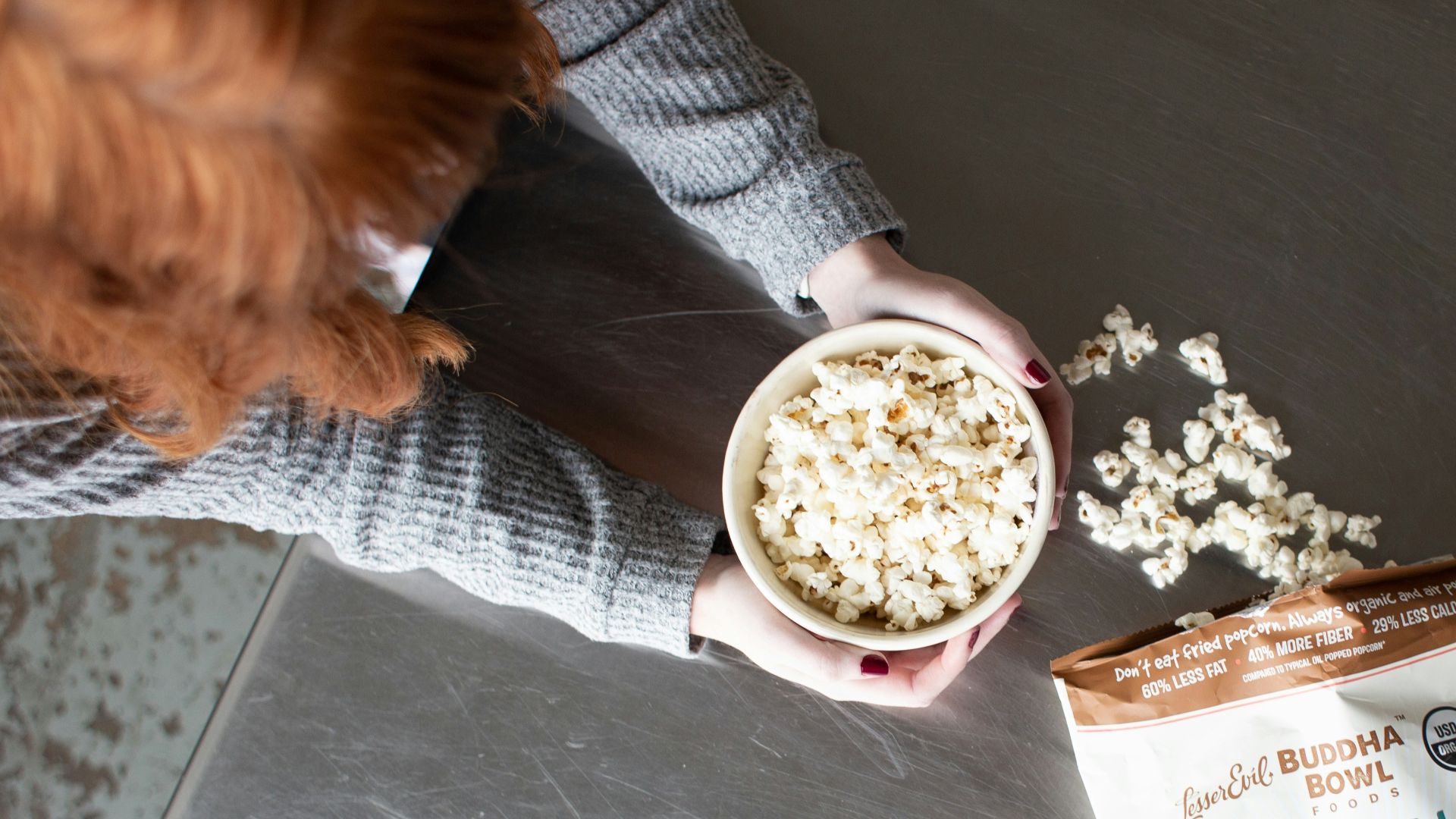
We need to stop thinking that snacking’s a character flaw. Sometimes your schedule is odd. Other days, your day is long. Either way, the truth is, we all need something between meals.
17. You Have to Follow Strict Rules
Discipline isn't the same thing as unnecessary boundaries. A routine lasts longer when it’s actually sustainable, and the more realistic your standards are, the easier they are to keep.

18. Organic Means Cleaner
There’s nothing wrong with organic produce, and while it’s a useful choice for some people, it isn't a universal measure of nutrition. Plenty of non-organic foods deserve a place in a normal kitchen, especially when cost is on the table.
19. Meal Prep Has To Be Extensive
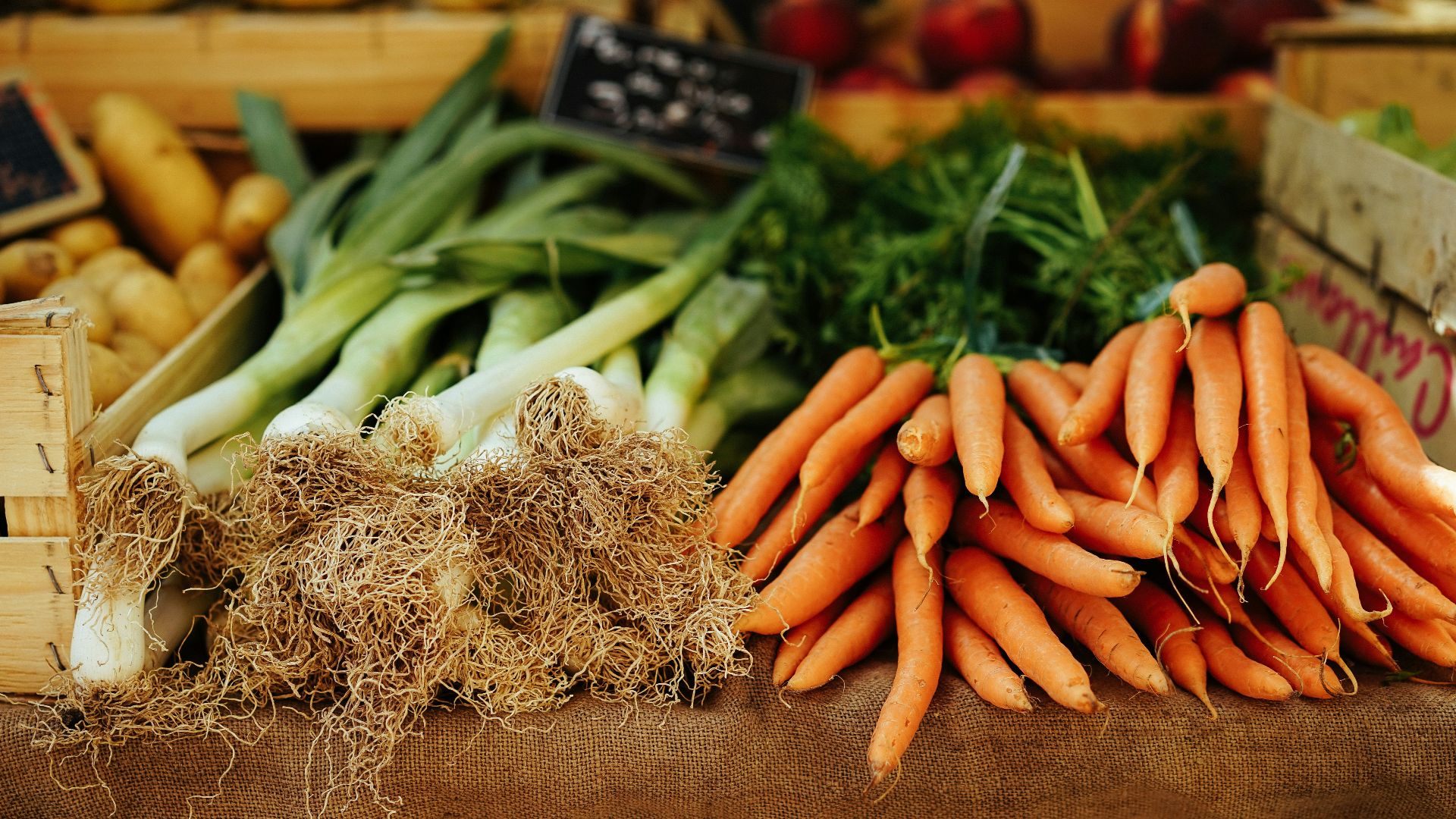
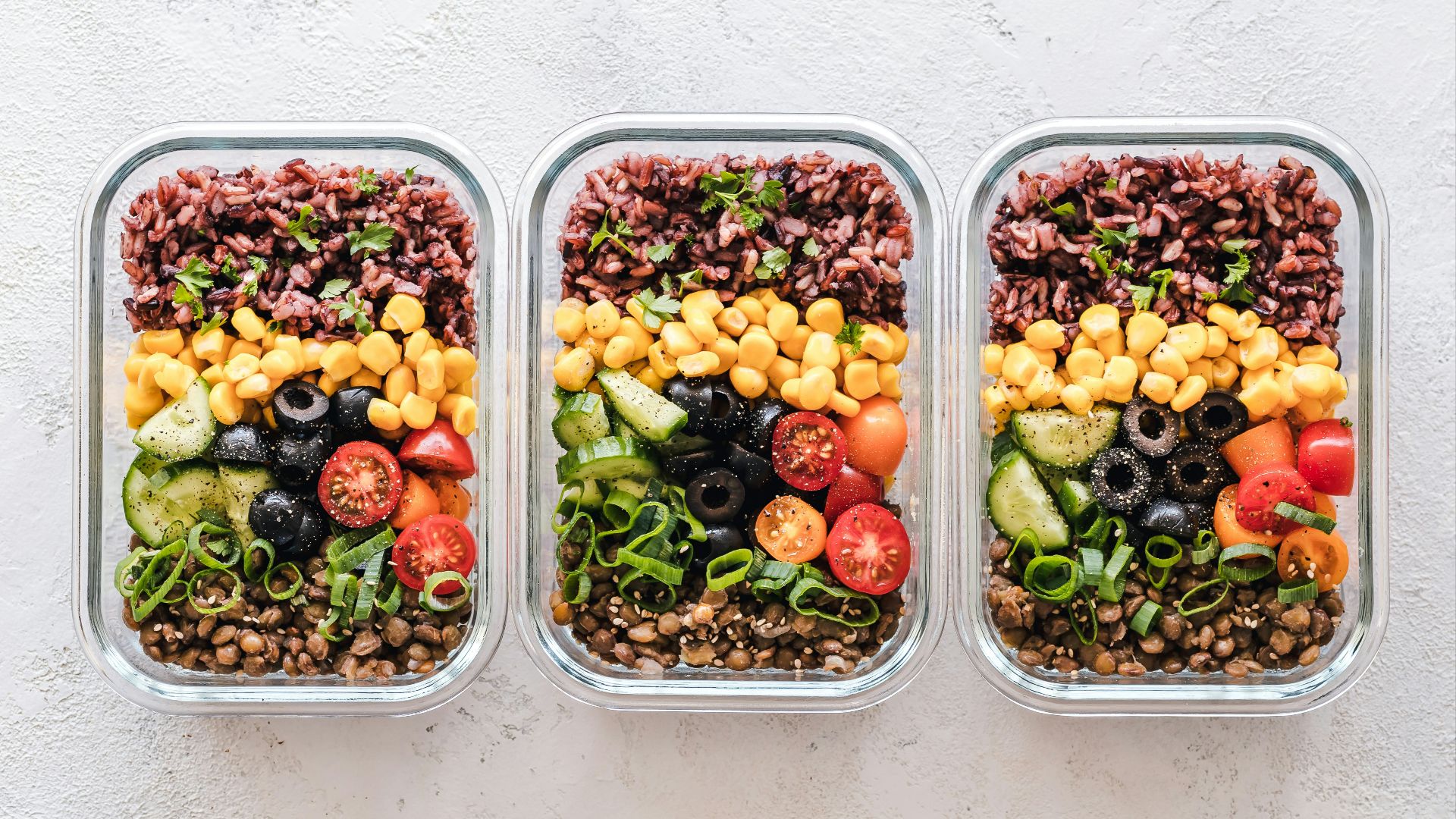
Can we let you in on a secret? Small preparation still counts, and it fits real life much better. Meal prep doesn't mean five matching containers and a Sunday planning seminar—washing greens, cooking a pot of rice, or roasting a tray of veggies gives you a head start.
20. Clean Eating Should Be Hard
Food habits only last when they’re enjoyable and easy enough to repeat during the week. You don't need more pressure in the kitchen, and you certainly don't need myths making dinner harder than it has to be. Adapt your food to your lifestyle and watch how quickly you’ll keep up with it!
KEEP ON READING

20 American Desserts Foreigners Find Excessive