20 Foods People Once Considered Healthy That We Now Know Absolutely Weren't
20 Foods People Once Considered Healthy That We Now Know Absolutely Weren't
The Health Halo Has Fooled Plenty of People
Food trends have always had a talent for sounding more scientific than they really are. Over the years, plenty of foods have been marketed as slimming, wholesome, energizing, heart-friendly, or “natural,” only for later research and common sense to make everyone quietly back away from them. That doesn’t mean one bite ruined anyone’s life, but it does mean some old health foods were doing a lot of pretending. Here are 20 foods people once considered healthy that we now know absolutely weren't.
1. Margarine With Trans Fats
Margarine was once promoted as a healthier alternative to butter, especially when people were told to avoid saturated fat. The problem was that many older margarines were made with partially hydrogenated oils, a major source of industrial trans fats. Partially hydrogenated oils were the main dietary source of artificial trans fats, which have since been removed from the U.S. food supply.

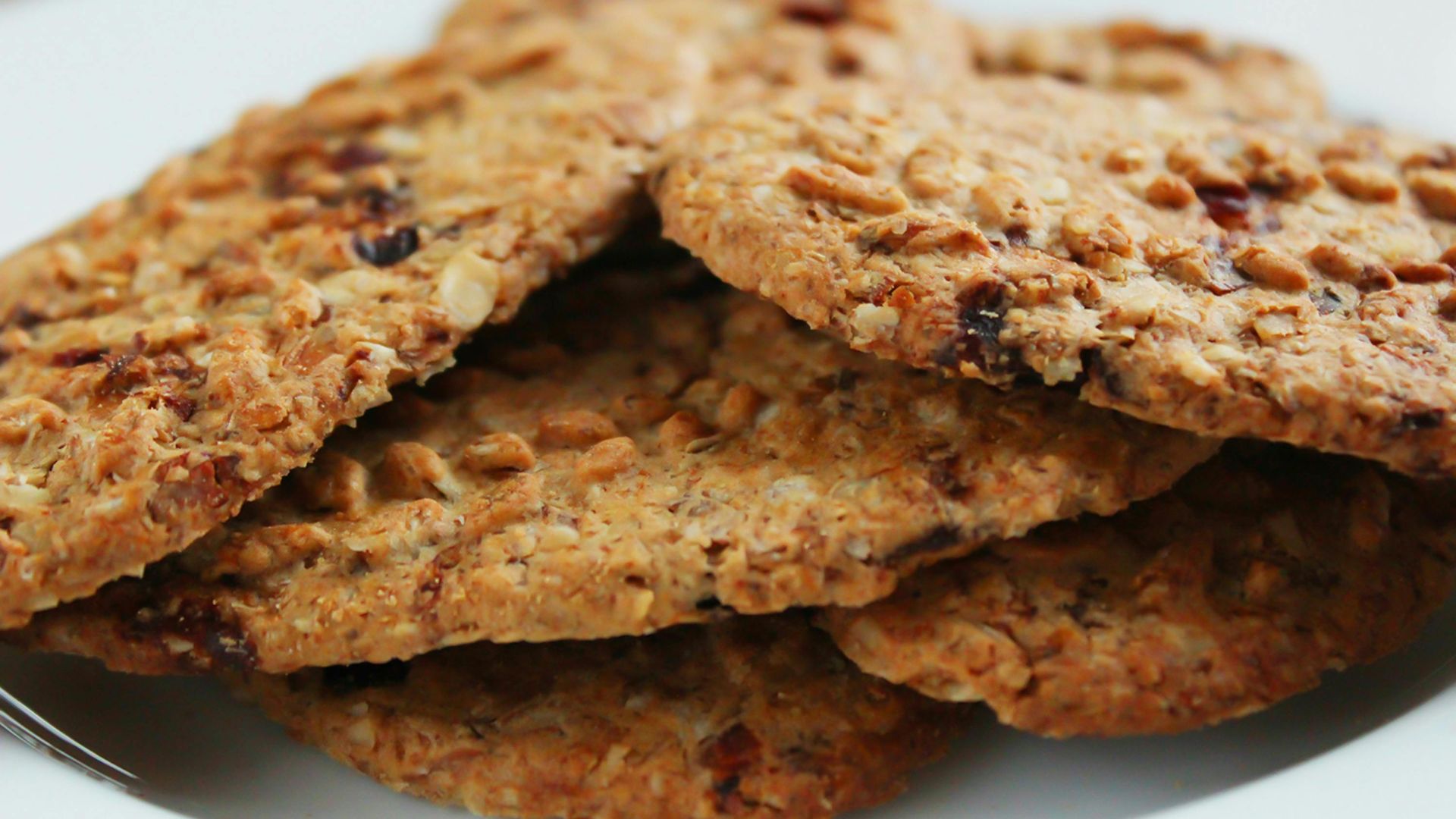
2. Fat-Free Cookies
Fat-free cookies had a powerful moment when everyone thought removing fat automatically made food healthy. The catch was that many products replaced fat with extra sugar, refined starches, or strange textures that made you wonder why the cookie was fighting back. They still tasted like dessert because they were dessert.
3. SnackWell’s-Style Diet Snacks
The 1990s were a golden age for low-fat snack foods that looked virtuous while behaving suspiciously like regular sweets. People often ate more of them because the “diet” label made them feel harmless, but any were still highly processed and full of sugar or refined flour. A snack can be low in fat and still have very little to brag about.

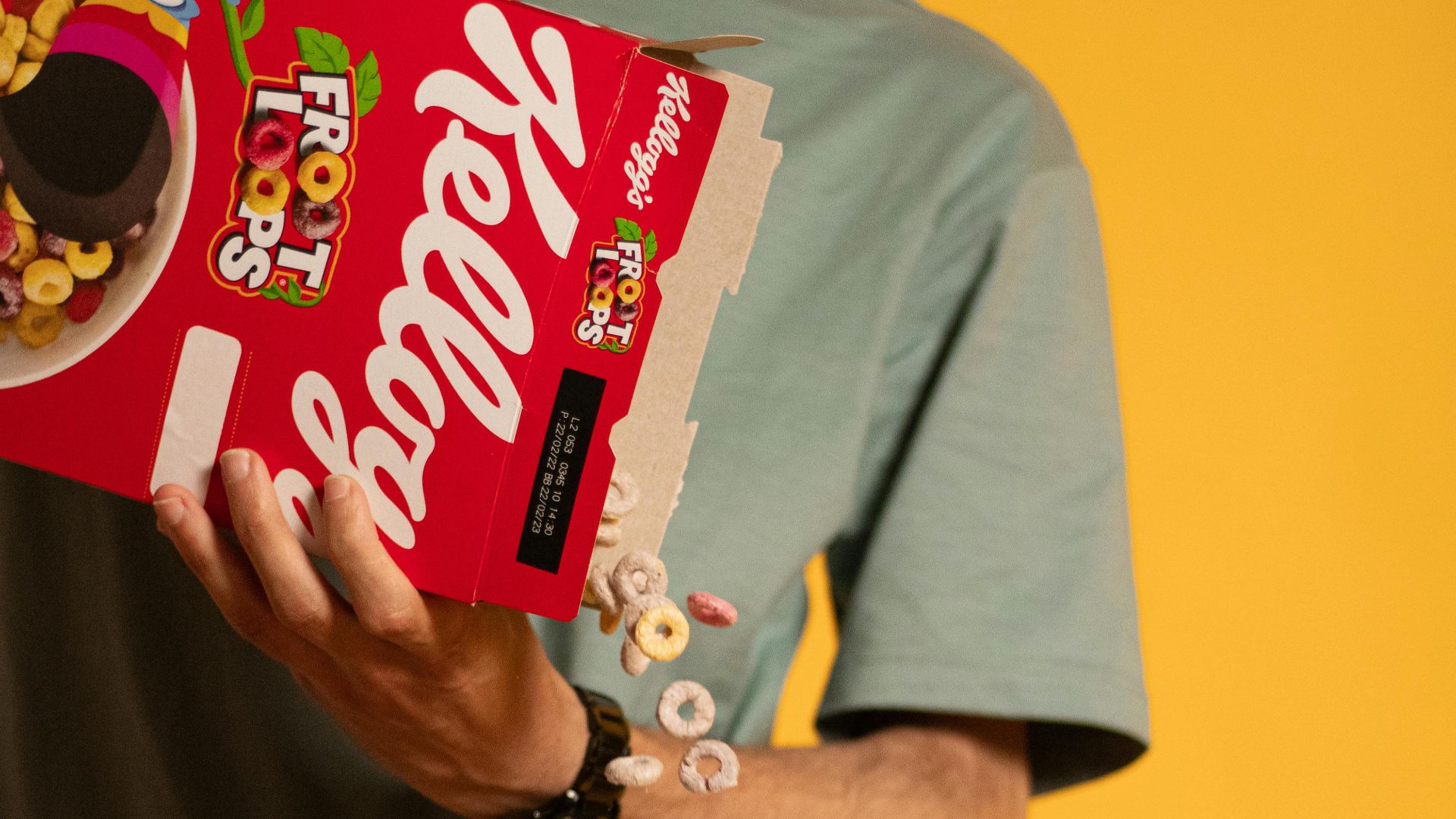
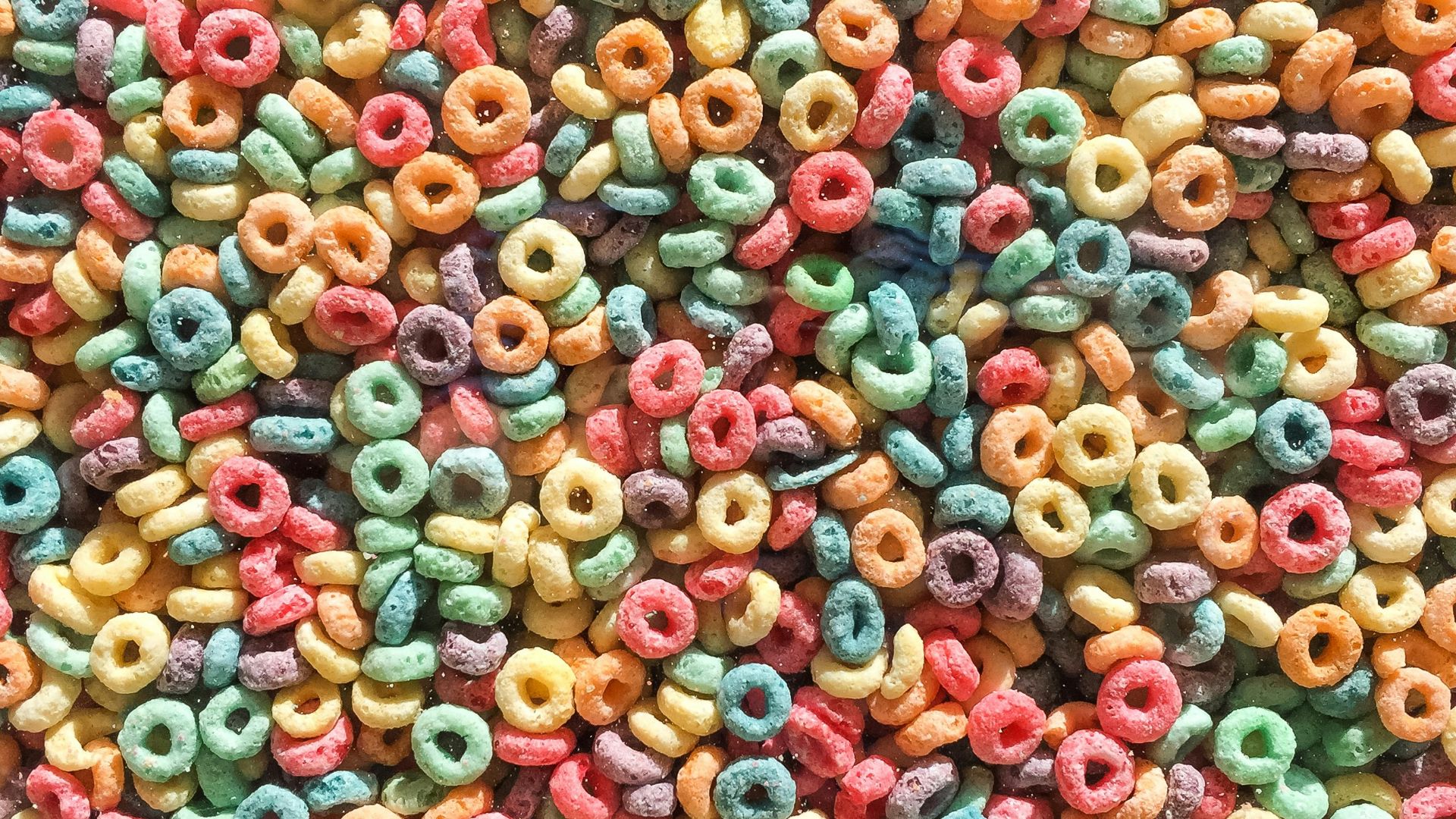
4. Sugary Breakfast Cereals
For decades, sugary cereals were marketed as part of a balanced breakfast, usually sitting beside orange juice and toast in cheerful commercials. Many were fortified with vitamins, which made them sound healthier than they really were. A few vitamins don’t cancel out a bowl that tastes suspiciously like candy in milk.
5. Granola Loaded With Sugar
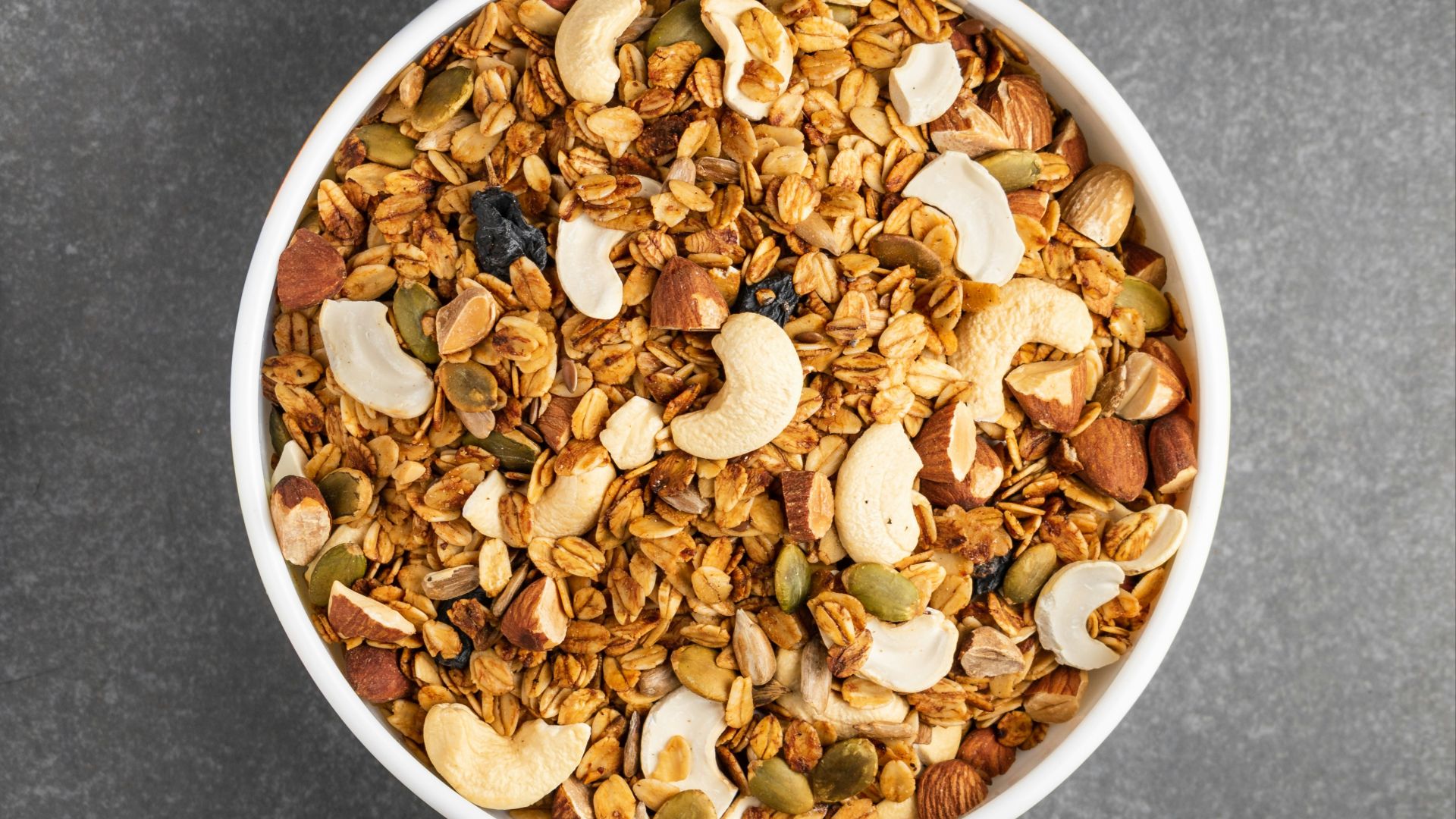
Granola sounds earthy and wholesome, but not all granola deserves that reputation. Some versions are packed with added sugar, oils, chocolate, or sweetened clusters that turn a small serving into a calorie-dense dessert. The ingredients can be healthy in theory, but the final product depends heavily on the recipe.
6. Bottled Smoothies
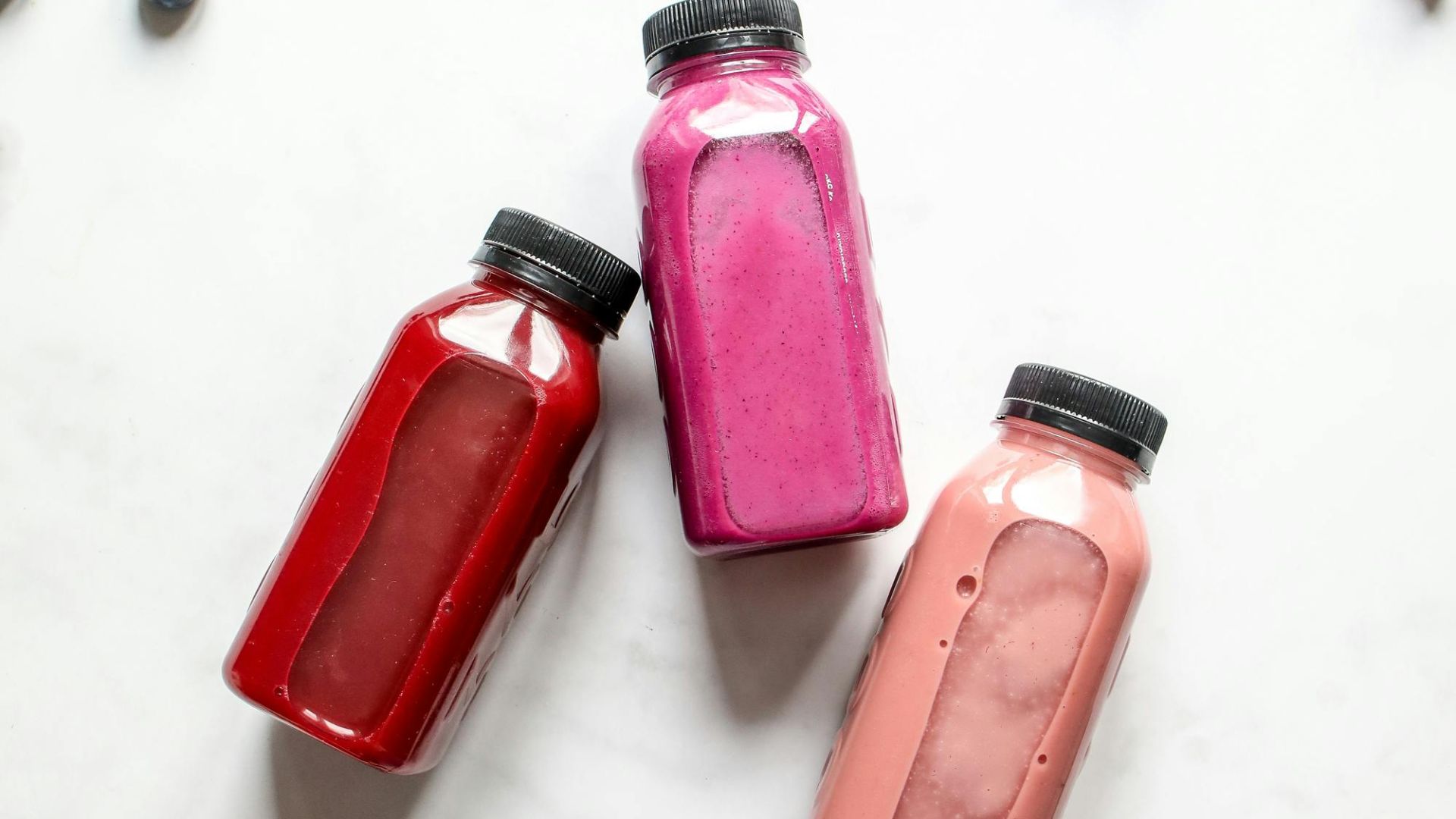
Bottled smoothies were often sold as a shortcut to health, and the fruit on the label did a lot of convincing. The trouble is that some are high in sugar and low in the fiber you’d get from eating whole fruit. They can also be surprisingly easy to drink quickly, which makes them feel lighter than they are.
7. Fruit Juice
Fruit juice once had a glowing reputation because it came from fruit and often contained vitamin C. But juice removes much of the fiber and makes it easy to consume a lot of sugar very quickly. Because it's stripped of its fiber, juice behaves differently from eating an orange or apple.

8. Diet Meal Replacement Bars
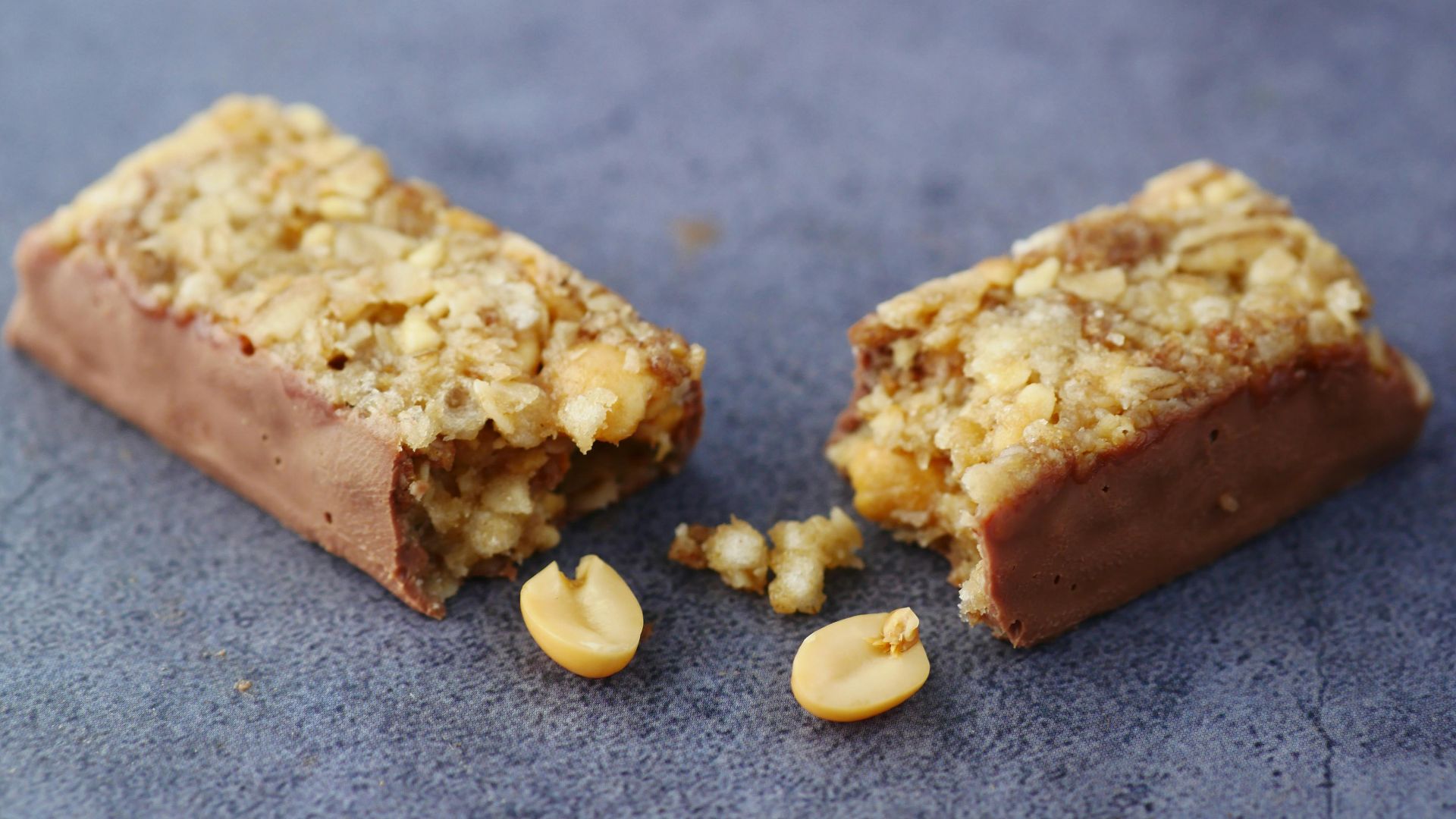
Meal replacement bars promised control, convenience, and tidy nutrition in a wrapper. Some were useful in specific situations, but many tasted like candy bars. They could be packed with sweeteners, refined ingredients, and enough chocolate coating to make the “meal” part feel optimistic.
9. Frozen Diet Dinners
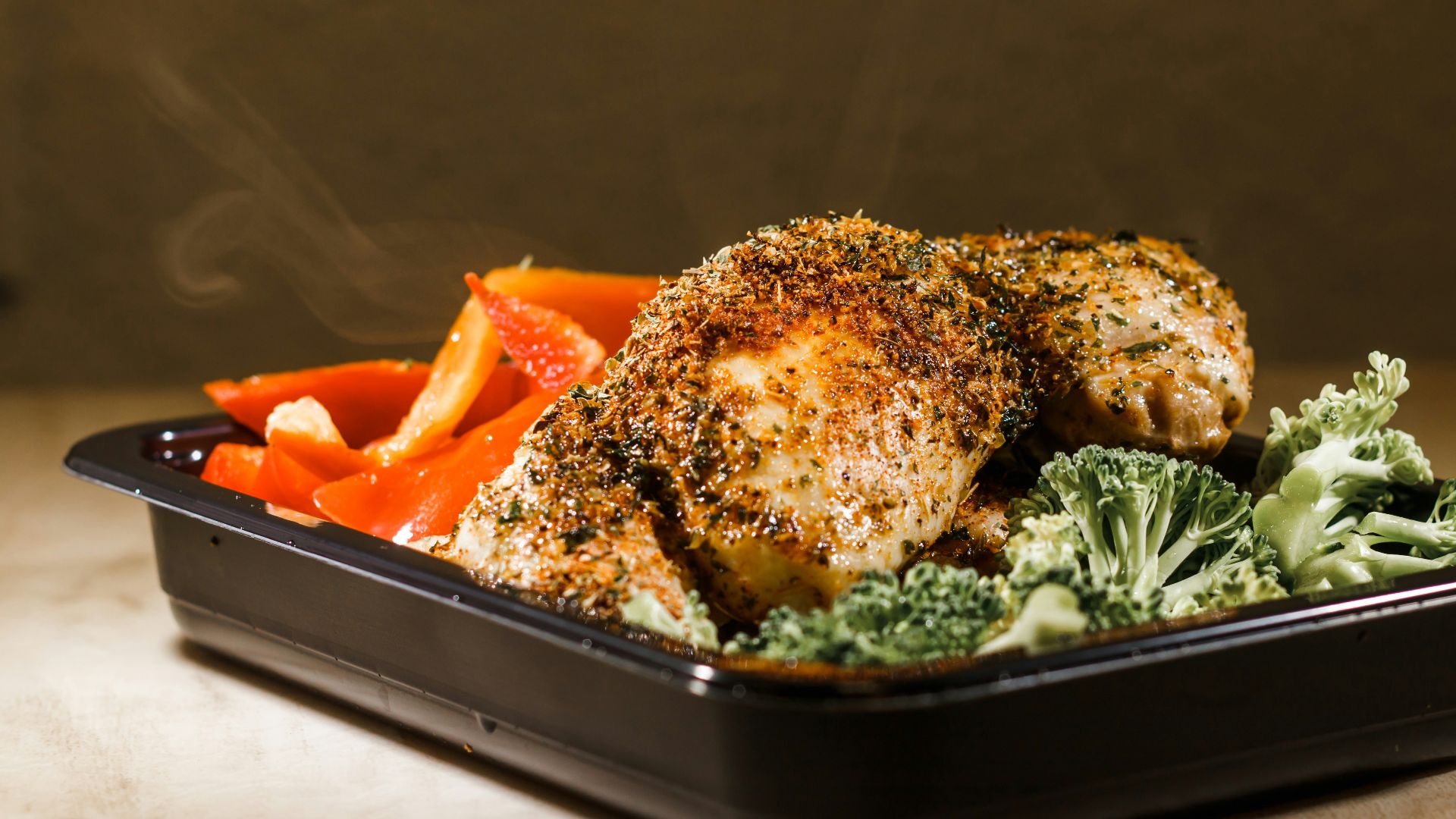
Frozen diet dinners were once seen as smart, portion-controlled solutions for weight loss. They did offer convenience, but many were low in satisfying ingredients and high in sodium. Some left people hungry enough to raid the pantry an hour later, which rather defeated the point. A tiny tray with a sad square of lasagna isn't always the balanced life people were promised.
10. Rice Cakes
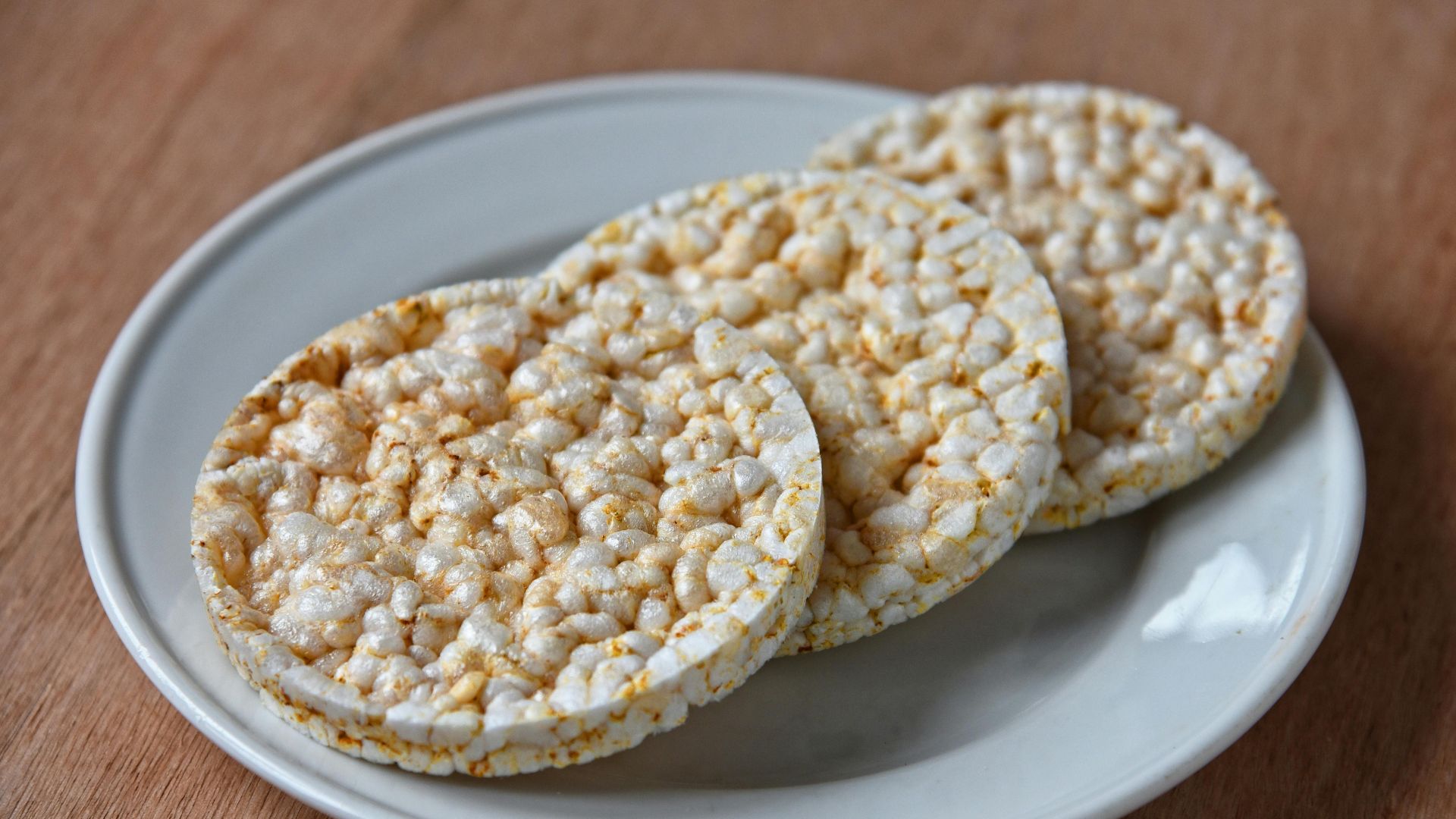
Rice cakes became famous as a crunchy, low-calorie snack. Unfortunately, they’re often made from refined rice and don’t offer much protein, fiber, or staying power. They’re fine as a vehicle for peanut butter or avocado, but alone, they’re more air than accomplishment.
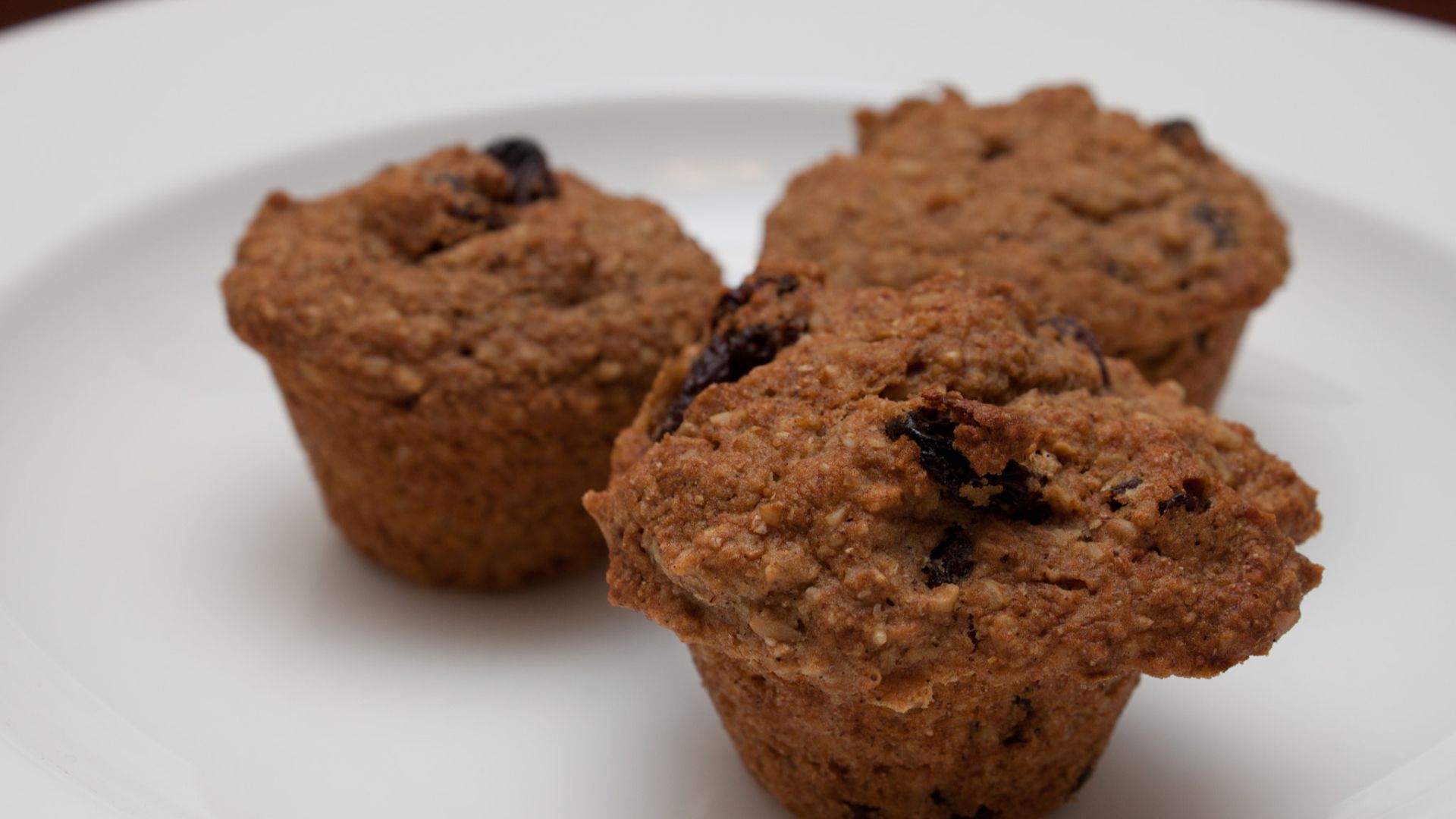
11. Giant Grocery Store Bran Muffins
Bran muffins once sounded healthy because the word “bran” was doing excellent public relations work. Many bakery versions, however, are huge and packed with sugar and oil. They may contain some fiber, but they can also compete with cake in the calorie department.
12. “Wheat” Bread That Was Mostly Refined Flour
For years, many people assumed brown bread or “wheat” bread automatically meant healthy. Some loaves were mostly refined flour with coloring, sweeteners, or only a small amount of whole grain. The lesson is simple: “wheat” on the front of the bag doesn’t always mean “whole wheat” in the ingredients.

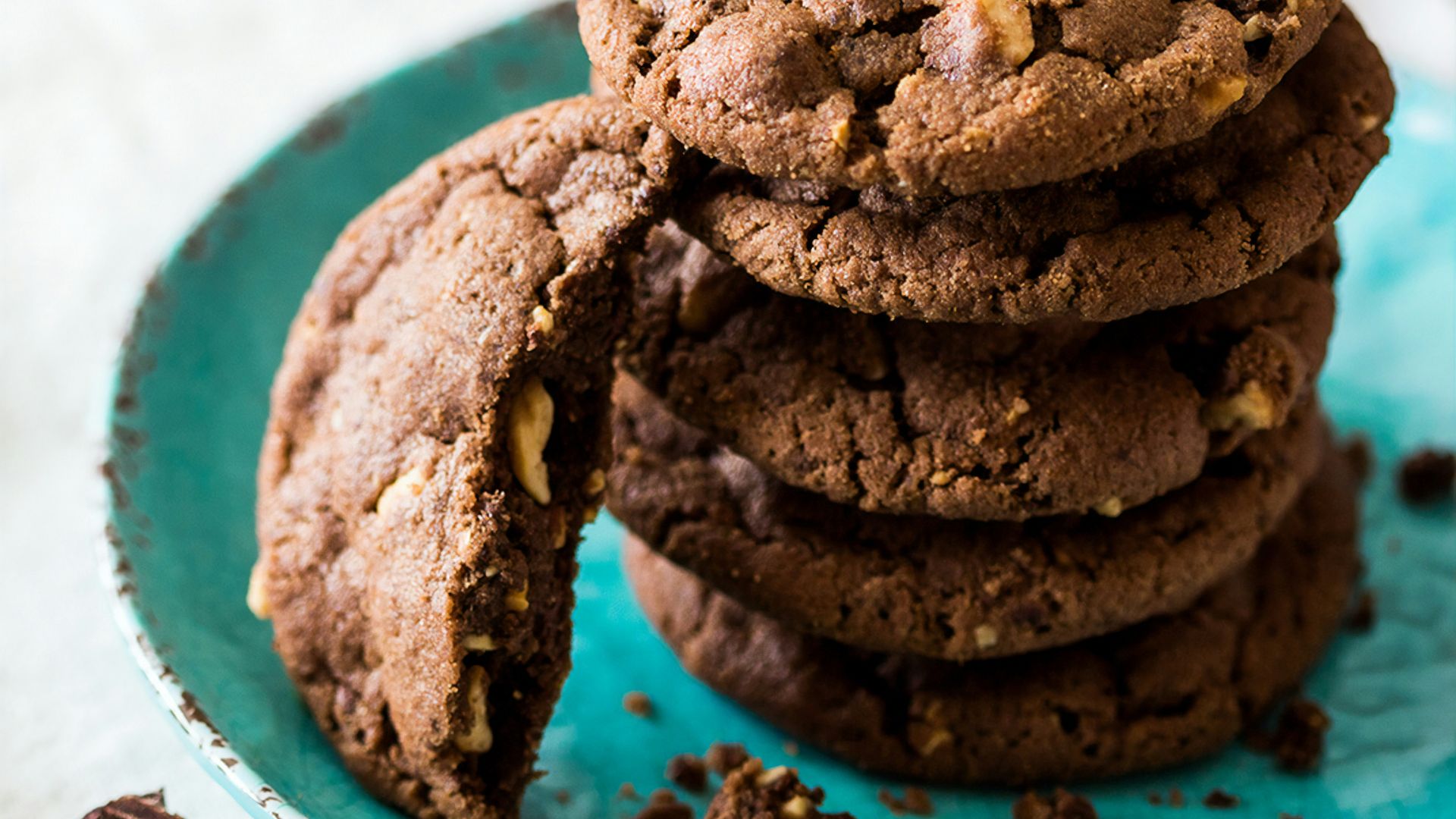
13. Protein Cookies
Protein cookies sound like they’ve solved the dessert problem, which is exactly how they get attention. Many are still cookies, just with added protein and a much more confident price tag. They can contain sugar alcohols, saturated fat, refined flour, or enough calories to make the “healthy snack” label highly questionable.
 American Heritage Chocolate on Unsplash
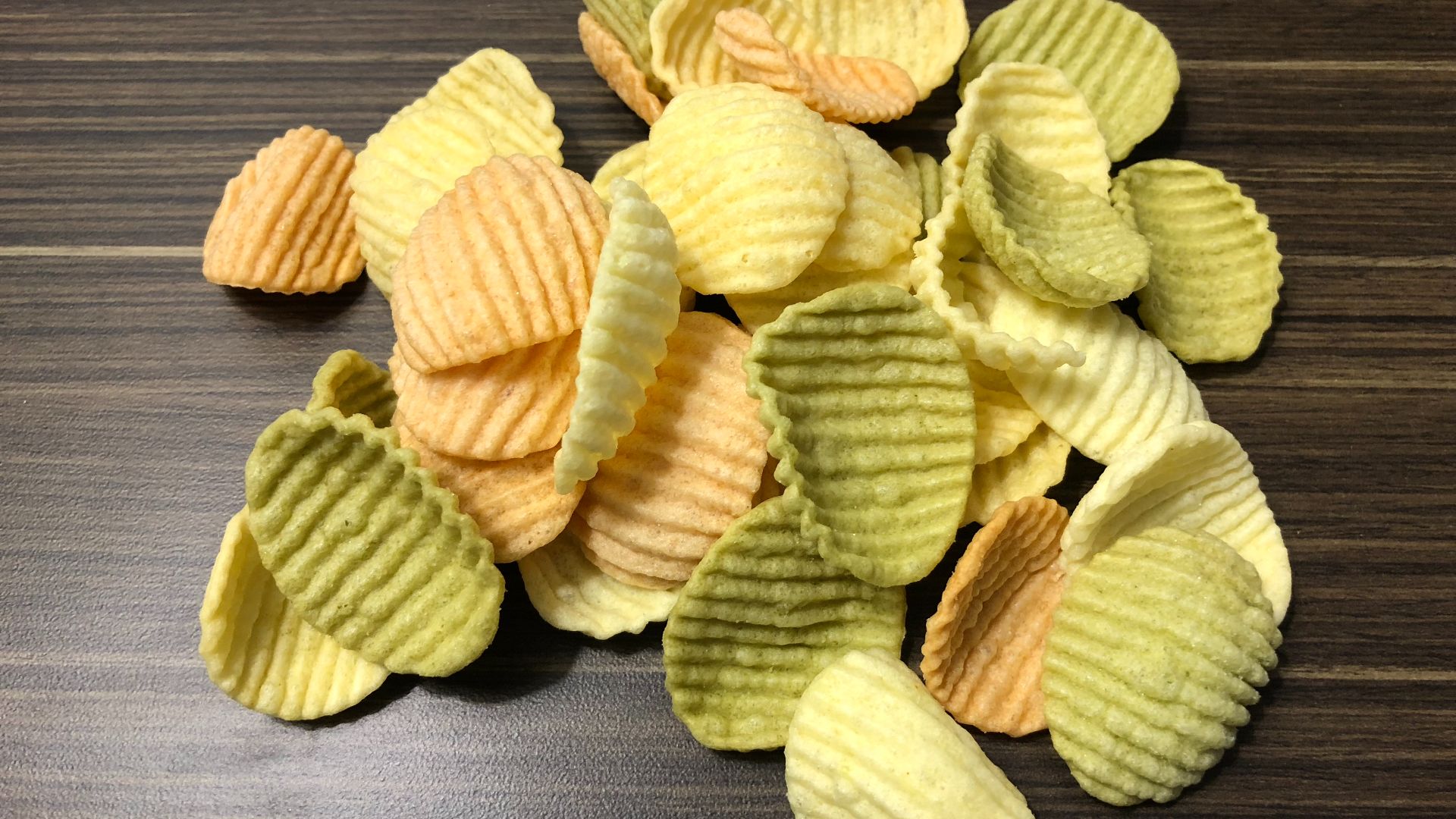
14. Veggie Chips
Veggie chips can sound like a clever way to snack on vegetables, but many are mostly starch, oil, and salt. The vegetable part may be powdered, processed, or present in minuscule quantities. They’re often closer to regular chips than to a bowl of actual vegetables.
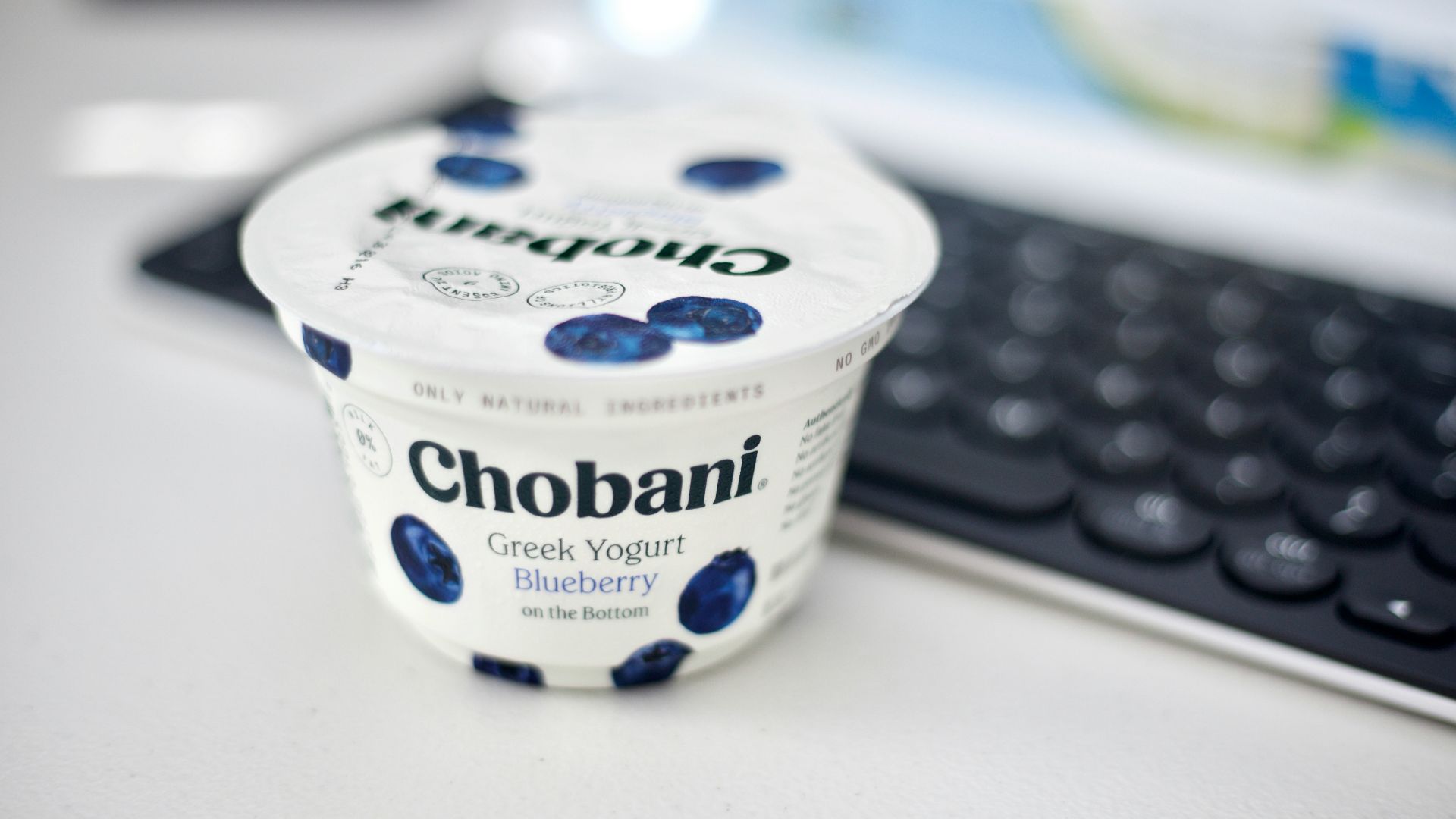
15. Flavored Yogurt
Yogurt can be a nutritious food, but flavored versions can come with a lot of added sugar. For years, fruit-on-the-bottom cups and dessert-style yogurts enjoyed a strong health reputation because they lived in the dairy aisle. Plain yogurt with fruit is often a better choice than yogurt that tastes like pie filling.
16. Sports Drinks for Non-Athletes
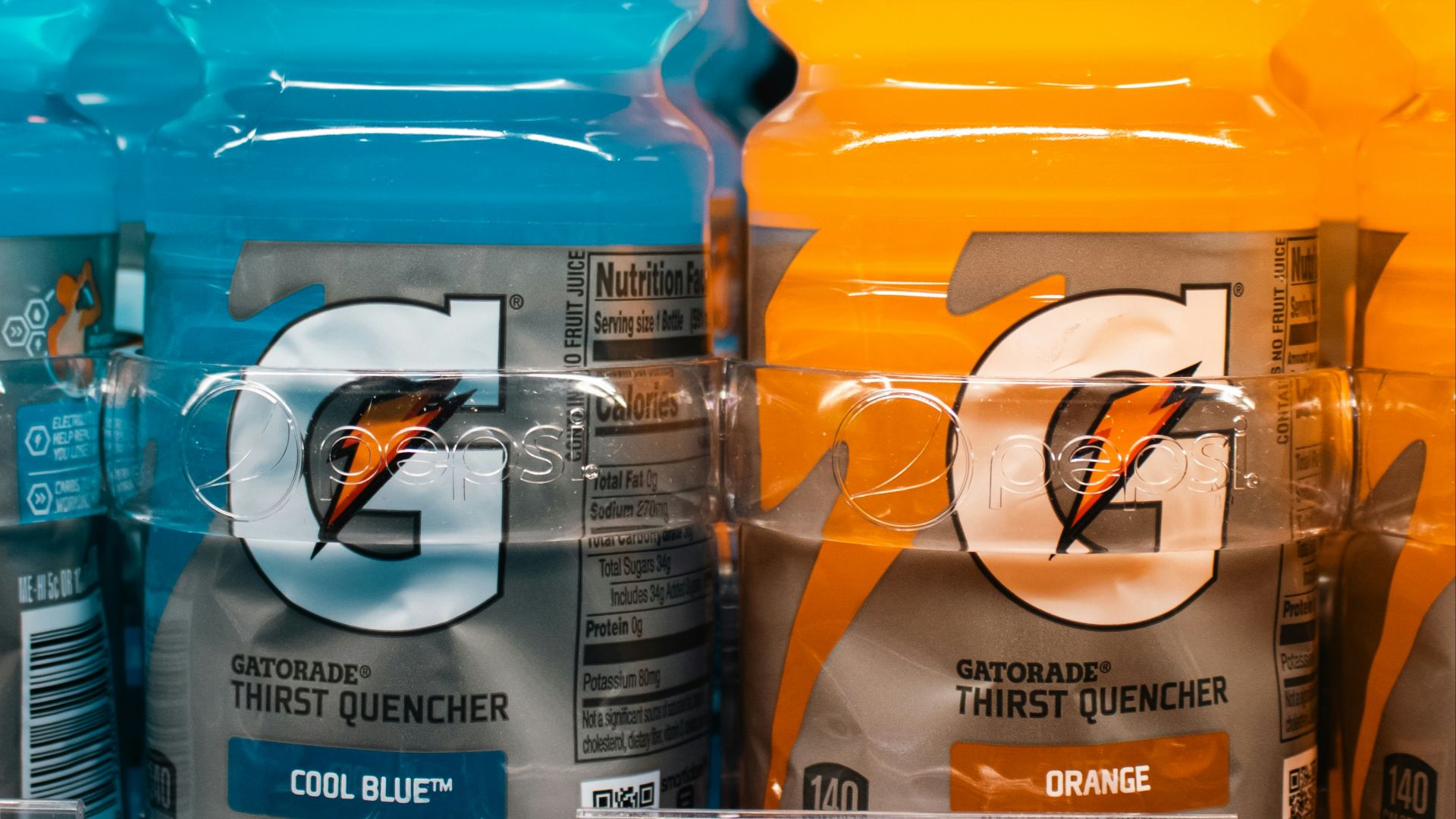
Sports drinks were designed for serious sweating, long workouts, and electrolyte replacement. Somehow, they became everyday drinks for people sitting in air conditioning while answering emails. Many contain sugar and calories that don’t make much sense if you’re not actually training hard.
17. Diet Pills & Weight-Loss Teas
Diet pills, slimming teas, and fat-burning supplements have been marketed as easy health shortcuts for decades. Many weight-loss products sold as supplements may contain hidden and potentially dangerous ingredients that make the “natural” or “quick fix” branding especially misleading. Any product promising effortless transformation should be treated with the suspicion it has worked so hard to earn.

18. Low-Fat Salad Dressings
Low-fat salad dressings once seemed like the obvious smart choice, but many compensated with sugar, starches, or extra salt, which made them less impressive than the label suggested. A simple vinaigrette or a small amount of full-flavored dressing can often be a better deal.

19. Instant Oatmeal Packets With Lots of Sugar
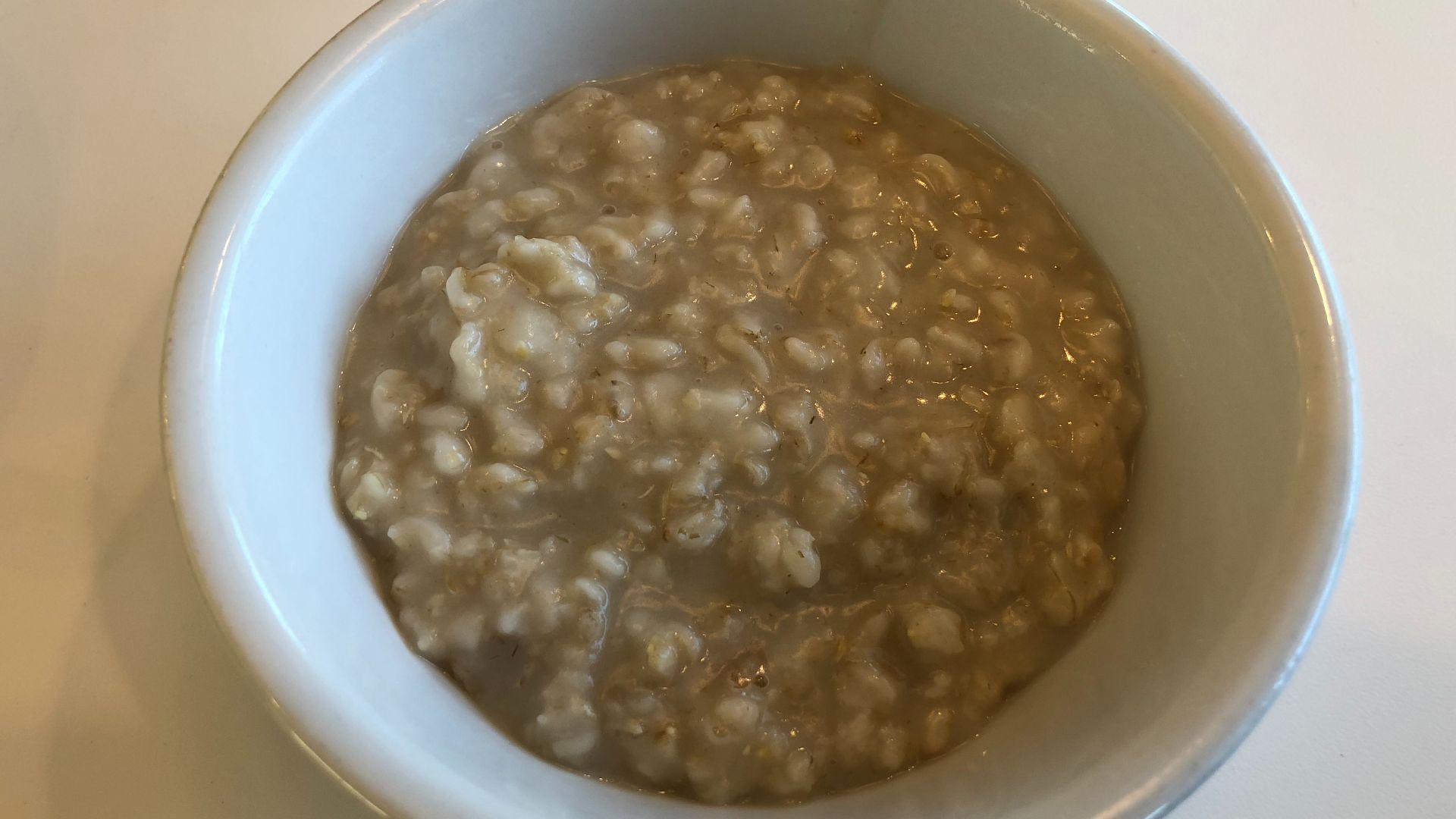
Oatmeal is a great food, but some instant packets turned it into a sweetened convenience product. Flavors like maple brown sugar or cinnamon roll can carry more added sugar than people realize. The oats still bring some fiber, but the packet may not be as virtuous as the cozy bowl suggests. Plain oats with your own fruit, nuts, or spices give you more control.
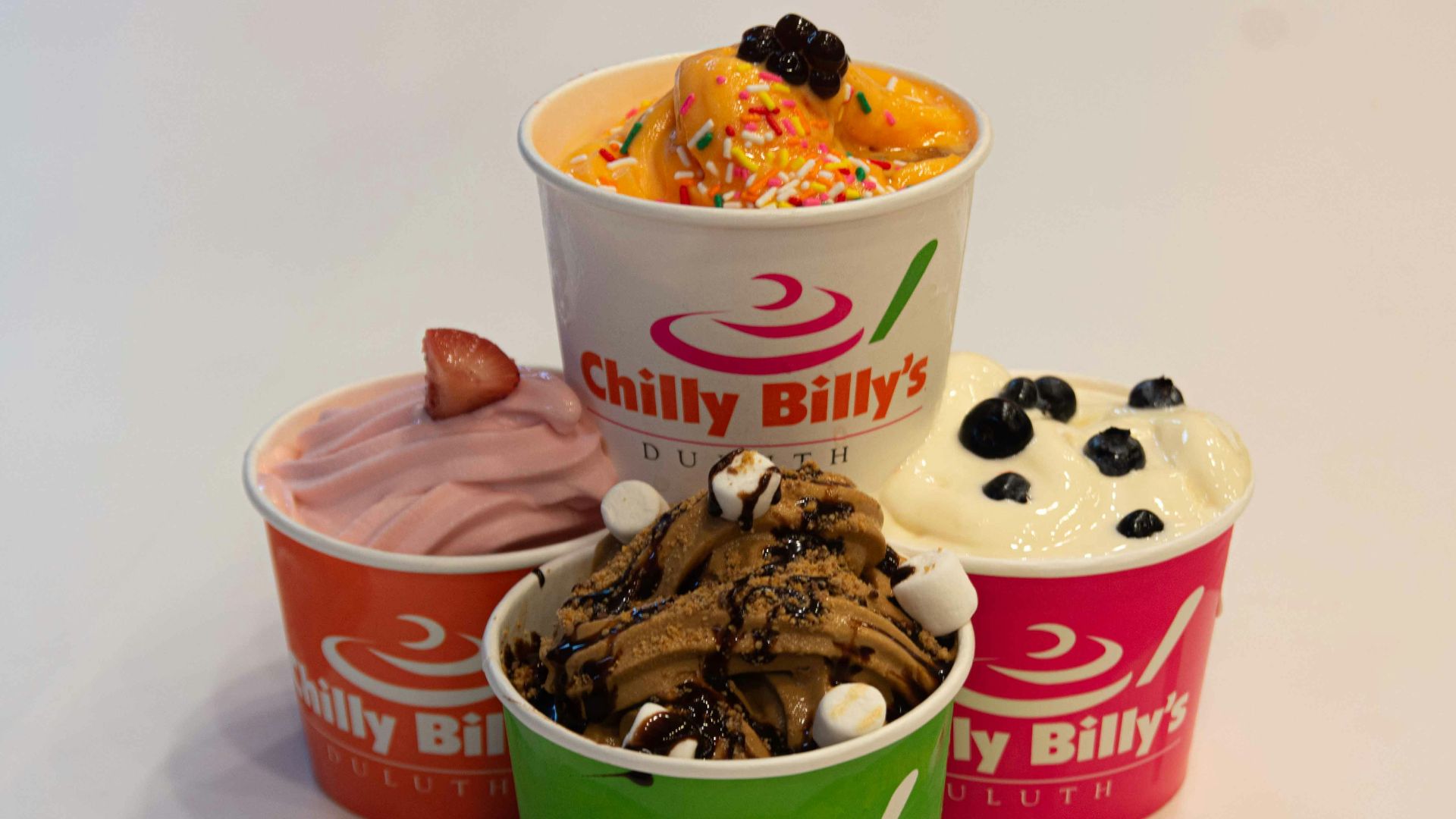
20. Frozen Yogurt With Candy Toppings
Frozen yogurt was once treated like the guilt-free answer to ice cream. Then people started piling on cookie dough, syrup, candy, brownie bites, and enough toppings to require structural engineering. The yogurt base may be lower in fat than ice cream, but the final bowl can still end up being worse off.