Stressful Foods
Feeling stressed or on edge? Well, don't reach for coffee—that'll only make you feel way worse. While your cortisol levels rise and fall throughout the day, what you put in your body can drastically affect those fluctuations, and some of the biggest culprits are the ones you regularly eat. From soda to fried foods and (sorry) even bacon, these are the 20 foods you'll need to avoid if you don't want your cortisol to spike.
1. Strong Coffee
As mentioned, caffeine has some of the clearest evidence for temporarily raising cortisol. So, while a strong brew can make you feel more awake and focused, it can also stimulate your nervous system. After all, you're probably familiar with those jitters you get after just one cup.

2. Energy Drinks
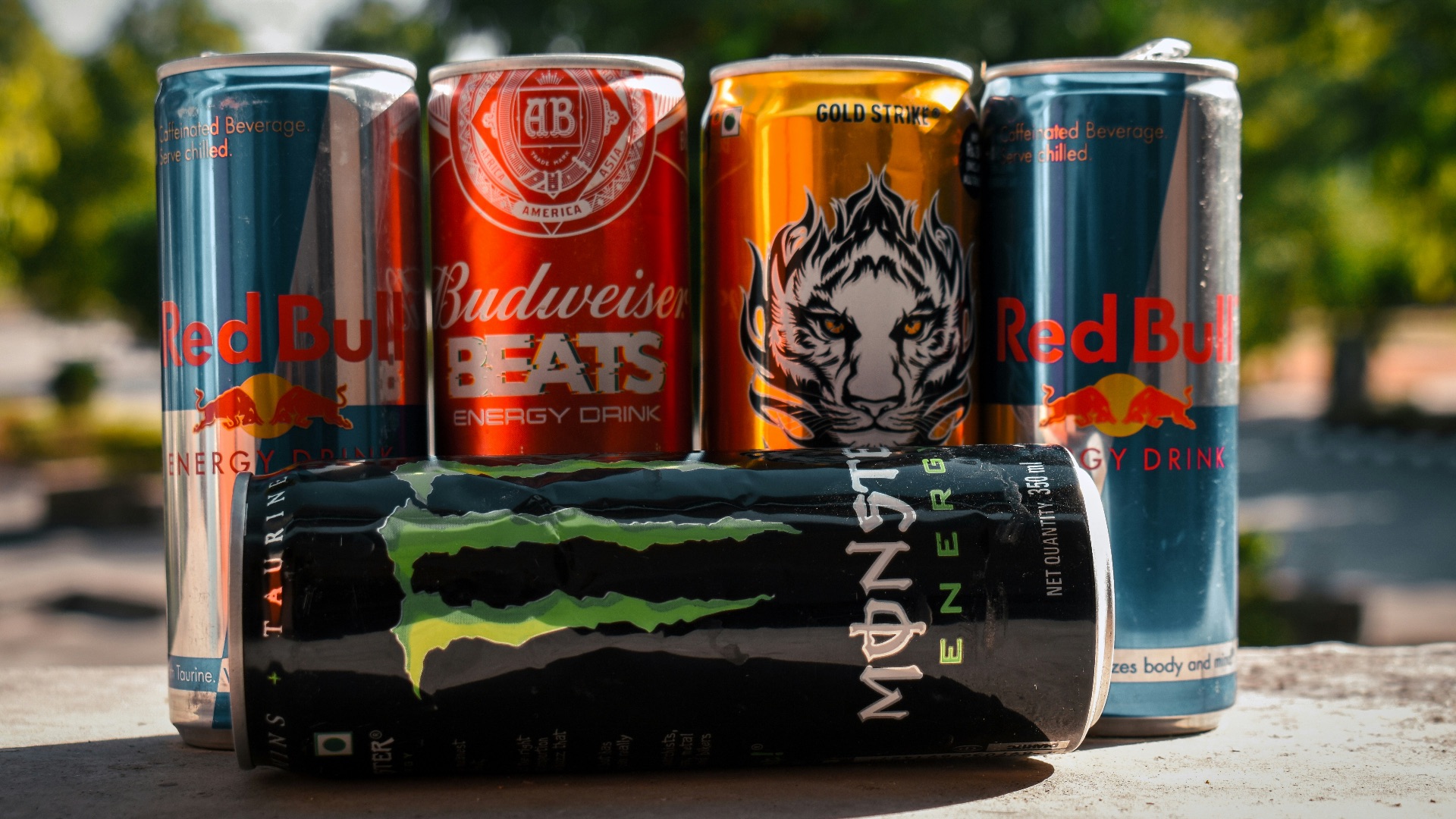
Those energy drinks might get you through the night, but even one can can contain a substantial dose of caffeine; it's even worse if you tend to chug. That sudden stimulant intake can trigger a stronger stress-hormone response, and all the added sugar doesn't help, either.
3. Candy
Speaking of sugar, you should probably lay off the candy, too, if you don't want your cortisol (and blood sugar) to rapidly spike. These sugary treats not only deliver a large amount of added sugar, but they also have very little protein, fiber, or fat to slow its absorption.

4. Ice Cream
When you eat ice cream, you're probably not only eating one scoop. All that added sugar and saturated fat, though, can produce a substantial metabolic load, and it gets worse as the serving size gets bigger. If you're satisfying a craving, stick to smaller bowls, as that might help control your portions.

5. Fruit Juice
Yep, it isn't just coffee. While eating whole fruit offers valuable nutrients, juicing removes most of the fiber, making its natural sugars much easier to consume quickly. If you're watching your cortisol and blood sugar levels, do your body a favor and reach for the actual fruit instead.

6. White Bread
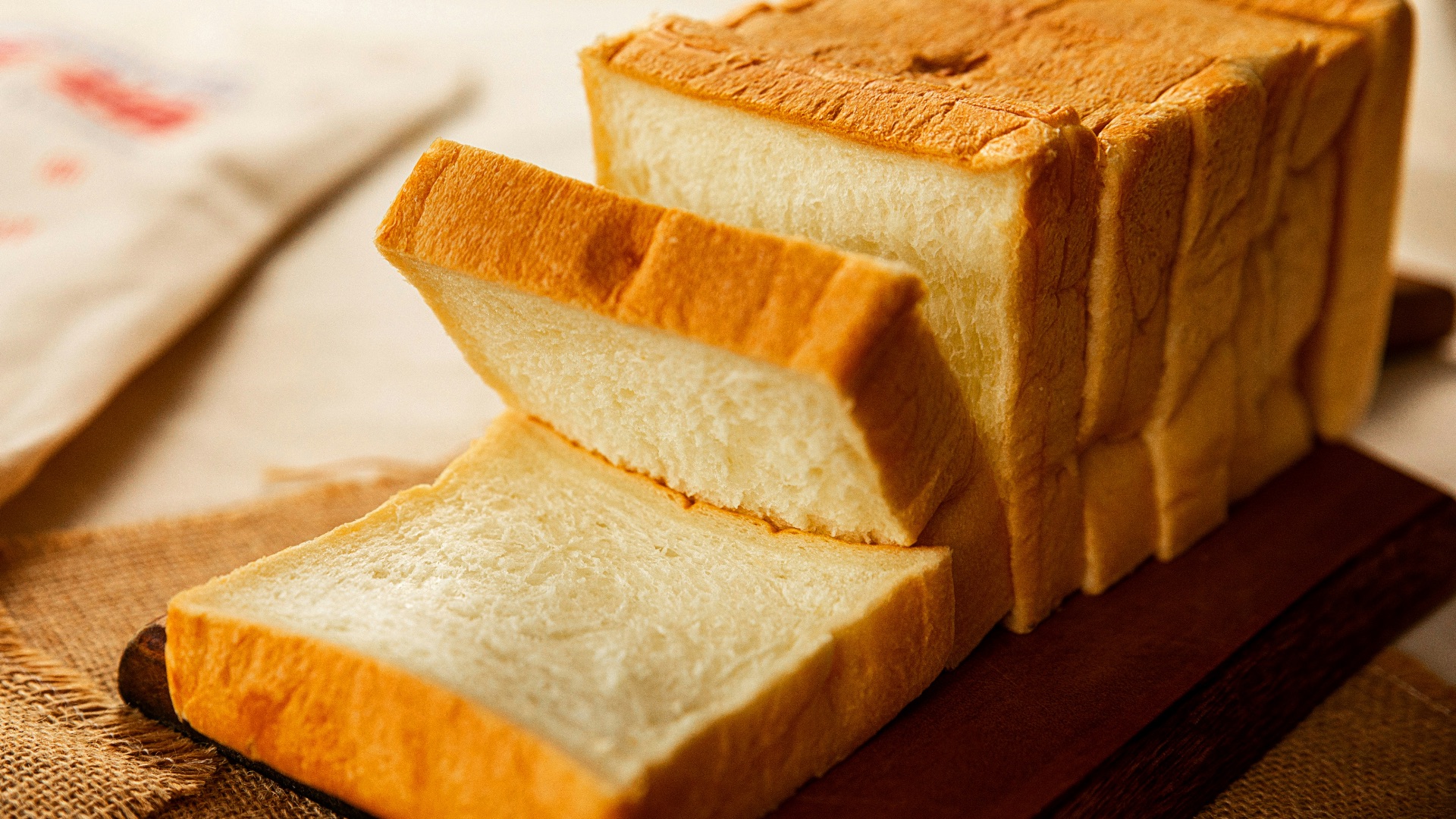
Processing wheat into refined white flour removes much of the fiber that normally slows digestion. That means, when you eat several slices at once, those carbohydrates can enter your bloodstream quickly. If you can't give it up, pair your slice with fiber, protein, or fat to help prevent rapid spikes.
7. Sugary Breakfast Cereal
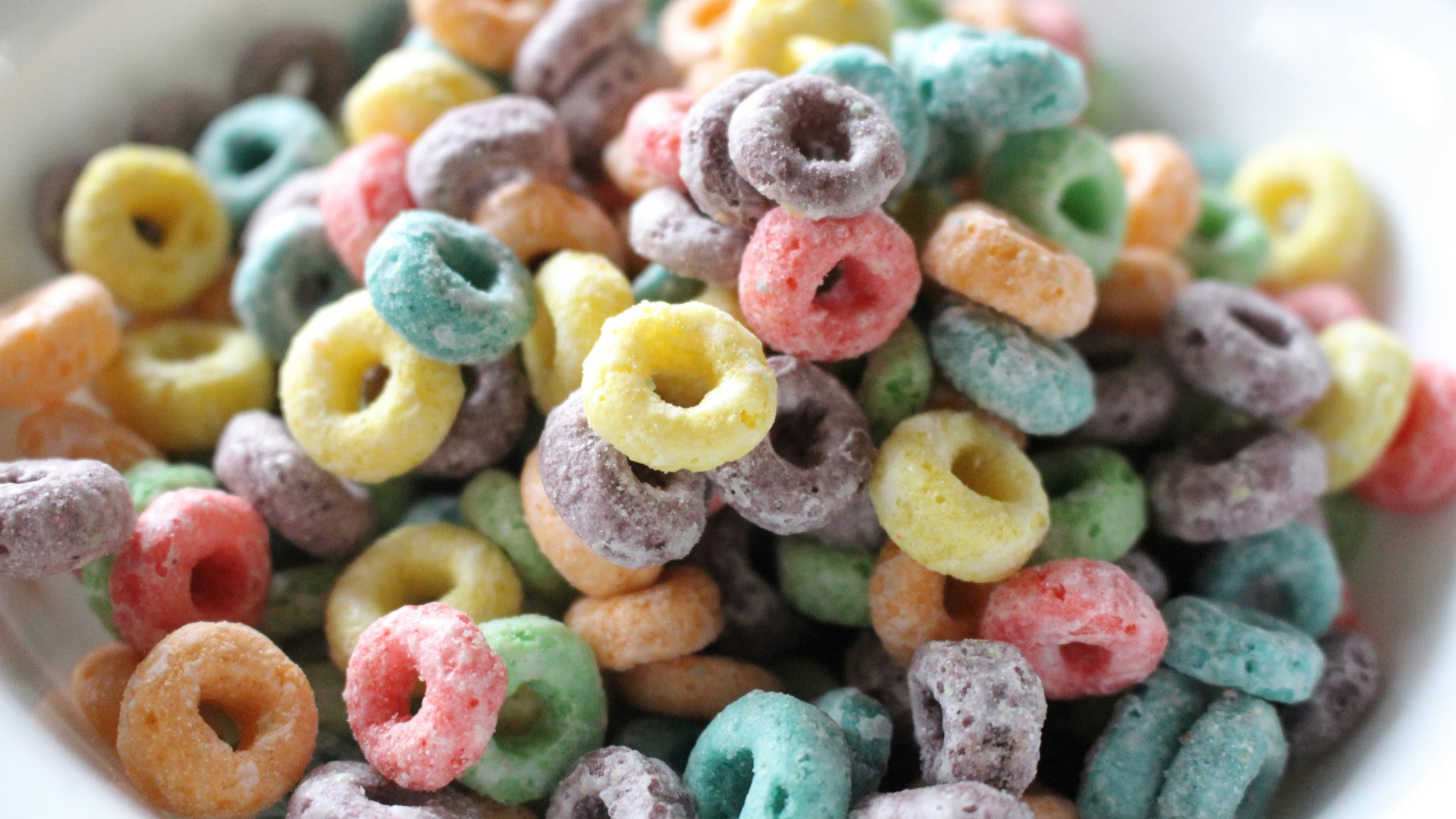
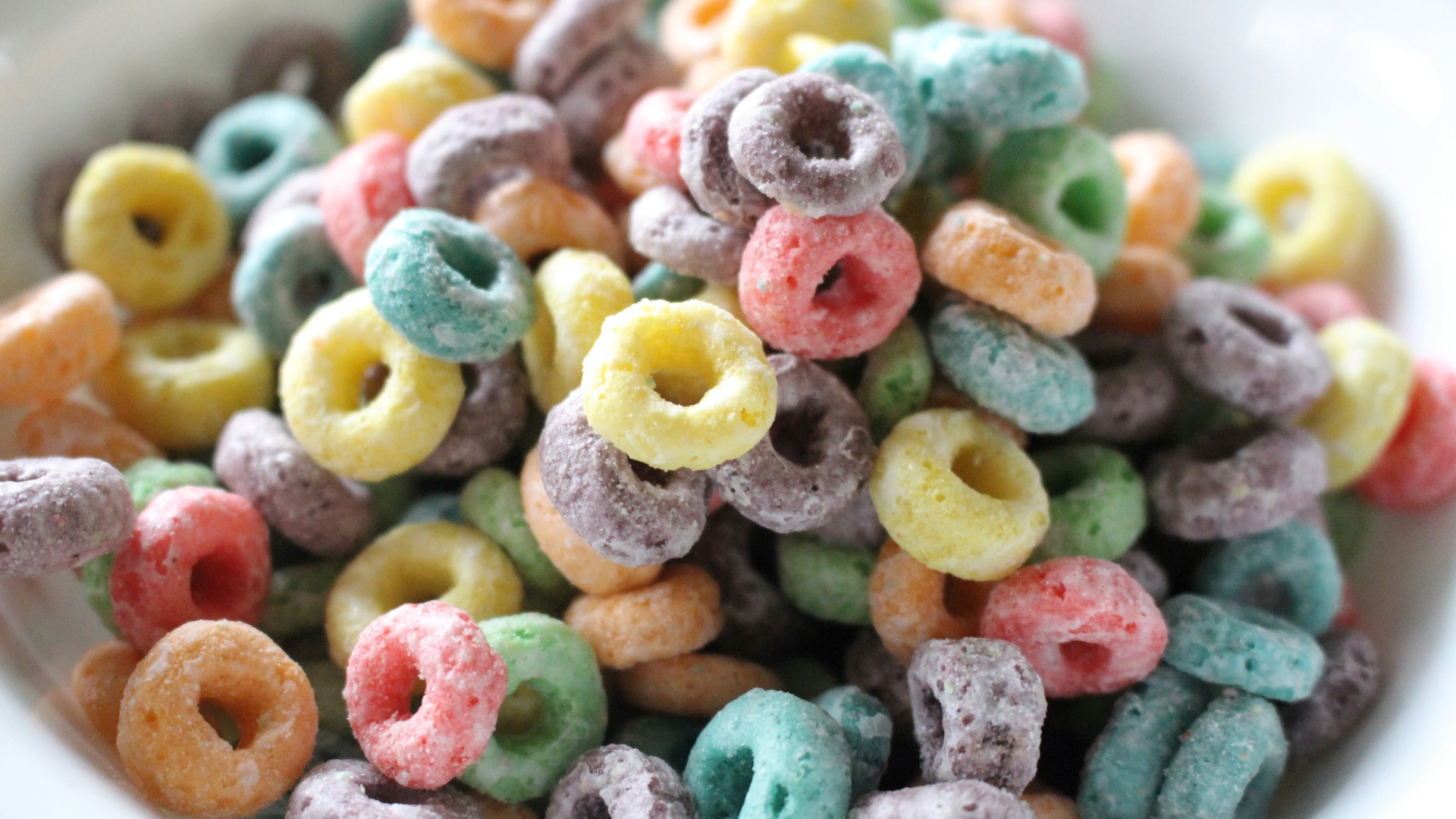
Froot Loops, anyone? You should know (and probably already do) that most cereals are essentially just a combination of refined grains and lots of added sugar. A big bowl can therefore provide a fast-digesting carbohydrate hit first thing in the morning, especially if you're not eating it along with something that has more fiber or protein.
8. Pastries
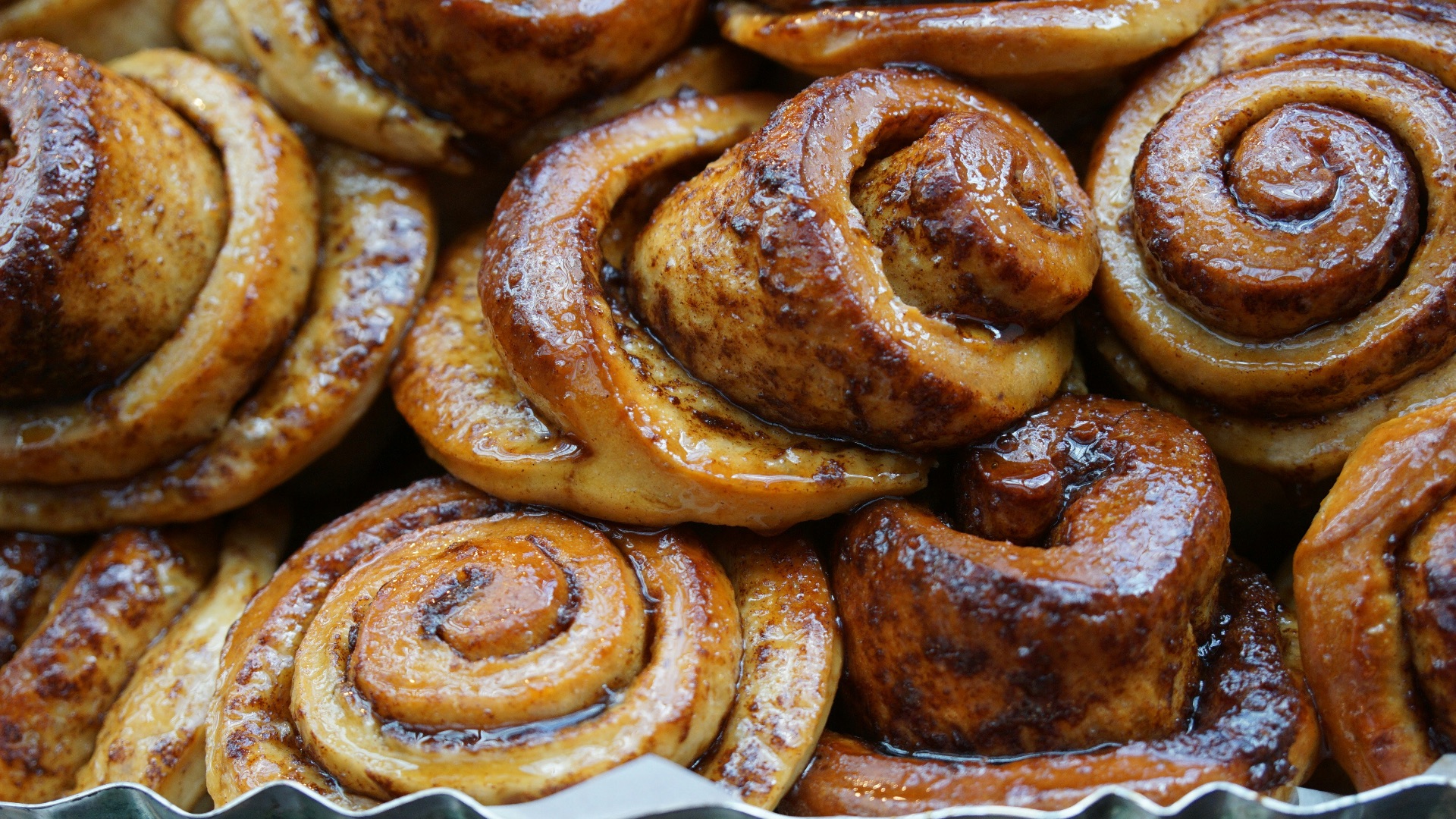
It's time to give up the donuts and cinnamon rolls, too, if you're watching your cortisol levels. Not only are these pastries made with refined flour, but they also contain tons of added sugar and fat. Oversized bakery versions will only make the overall carbohydrate and calorie load even worse.
9. White Rice
You likely eat rice for lunch or dinner, but you might want to swap white rice for something more nutritious. After all, white rice has had its fibrous outer layers removed, meaning you'll digest its carbohydrates quickly. It's a good reminder to keep your portions small and to combine it with vegetables, protein, and other fiber-rich foods.

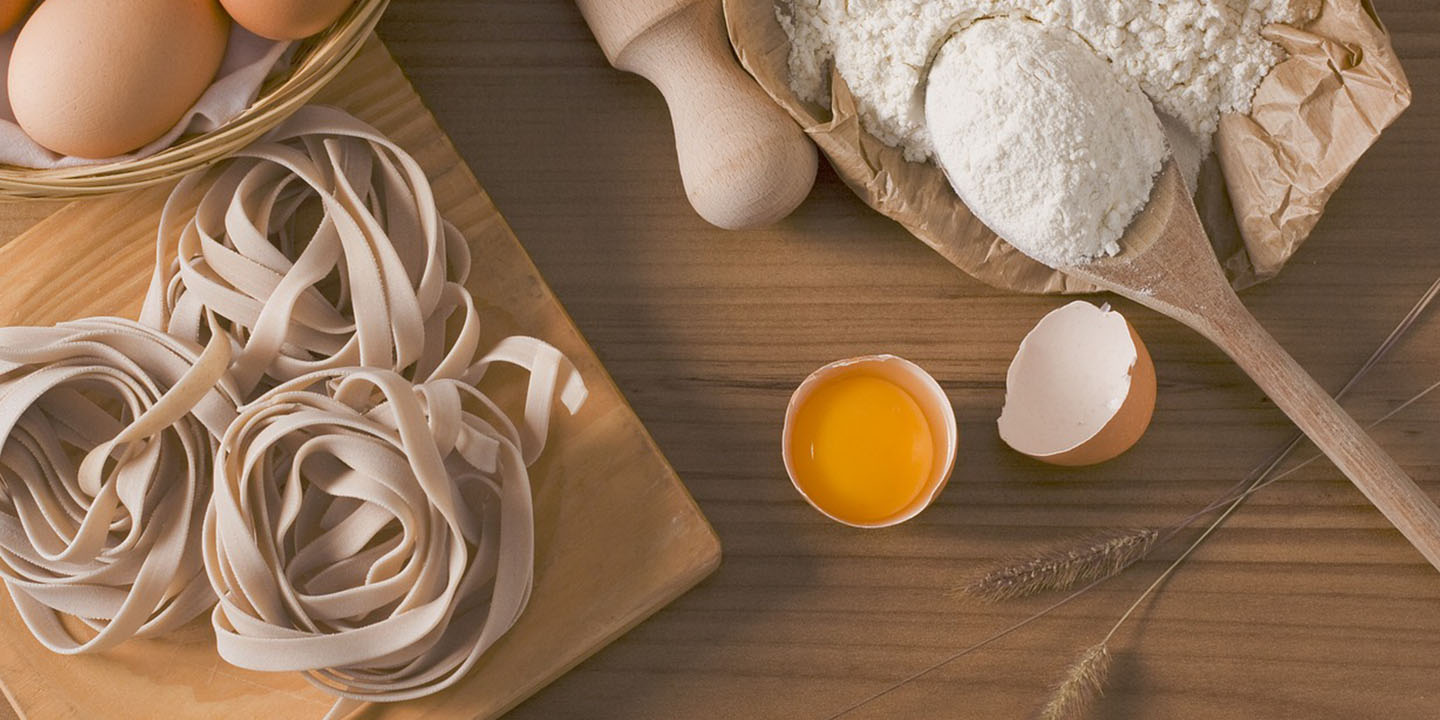
10. Refined Pasta
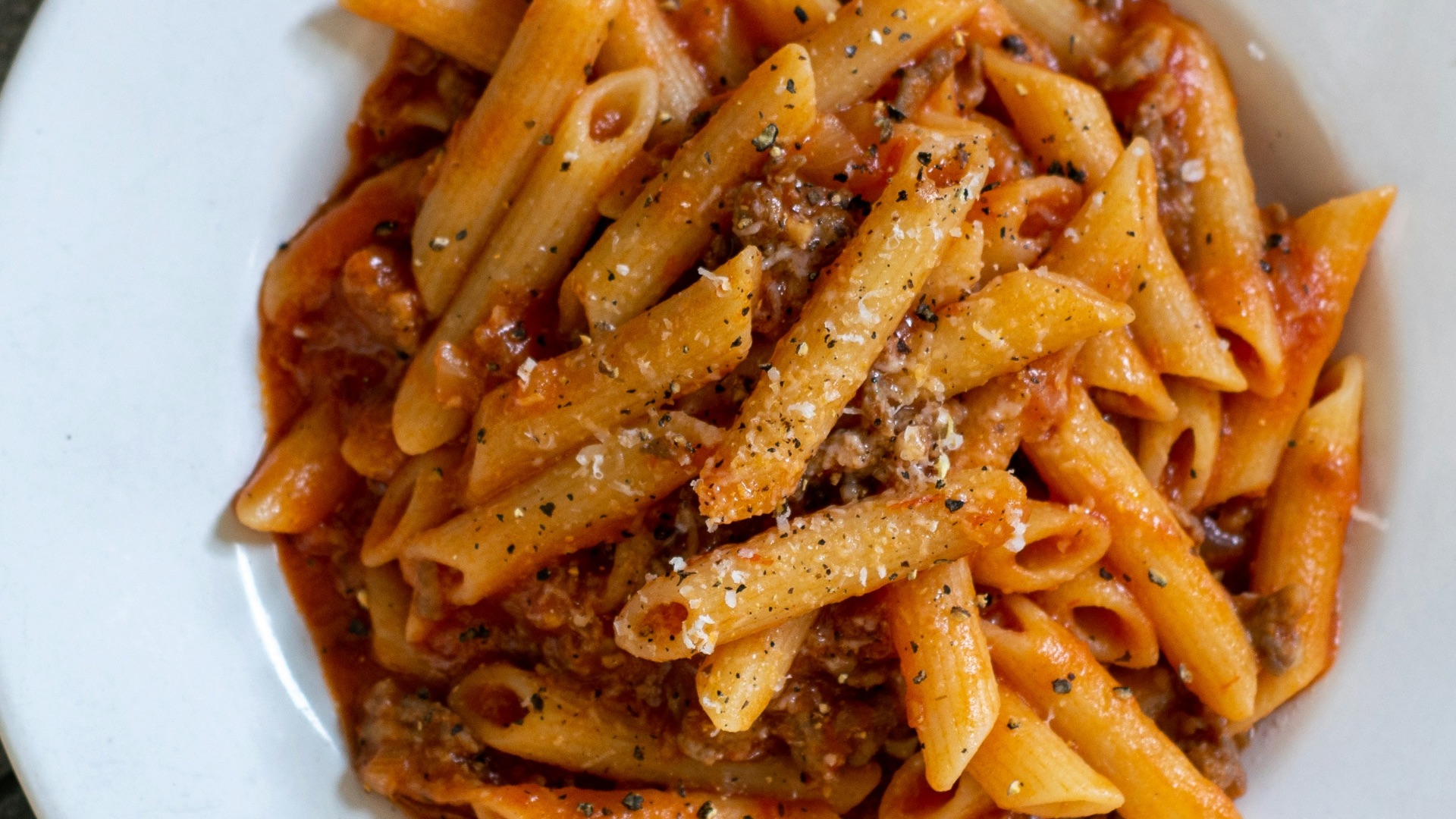
A normal serving of pasta might not be all that bad, but an enormous plate? Like rice, these refined noodles can deliver a significant carbohydrate load in one sitting—it's even worse if you pair bread, dessert, or sugary drinks with it.
11. French Fries
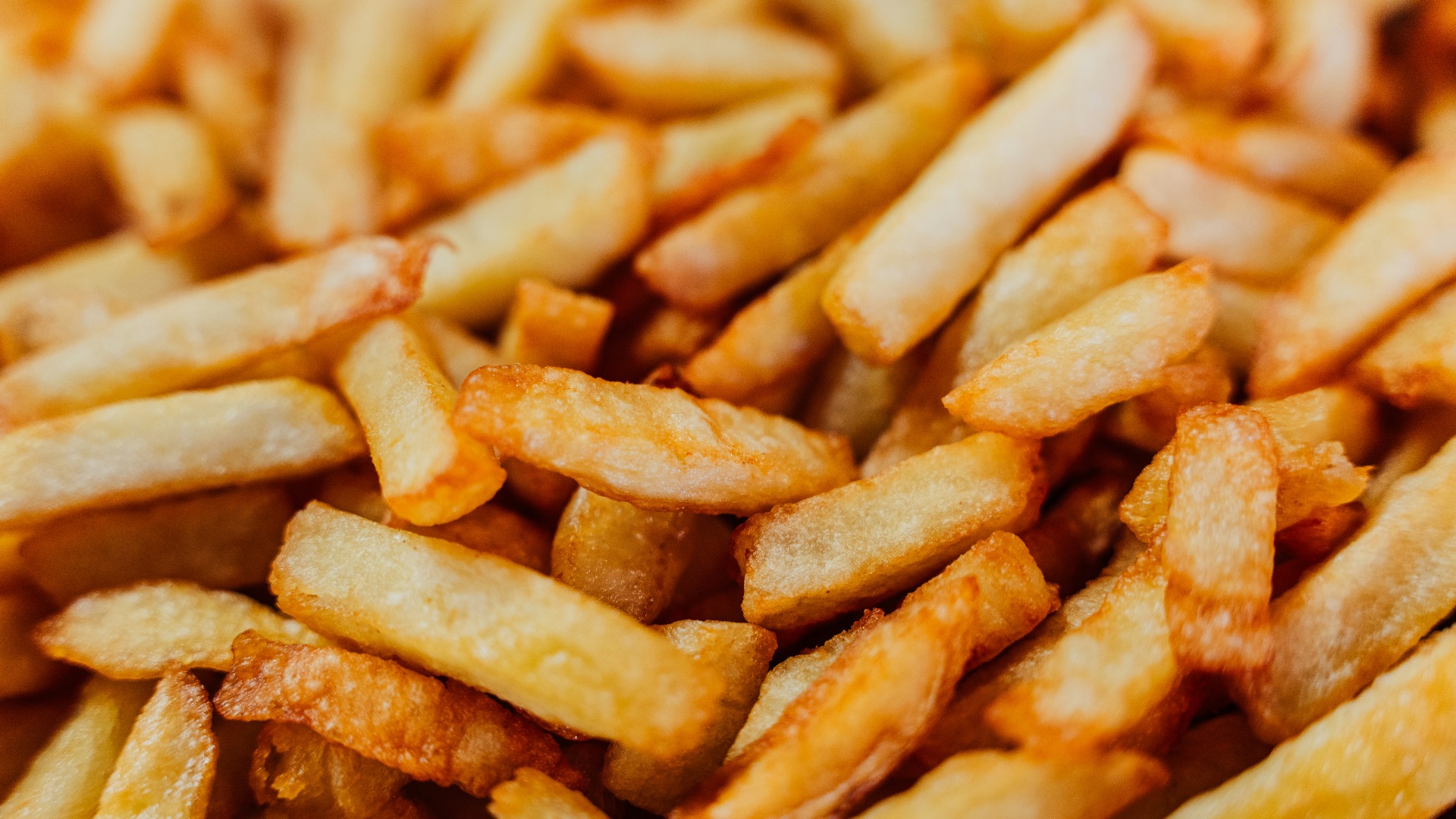
Let's see... French fries contain refined starch, plenty of fat, and... oh, right, a bunch of salt. You see where we're going? Plus, you're never eating just one fry, and large servings are easy to inhale. Fried foods in general spell out bad news for your body, not only your cortisol levels.
12. Fried Chicken
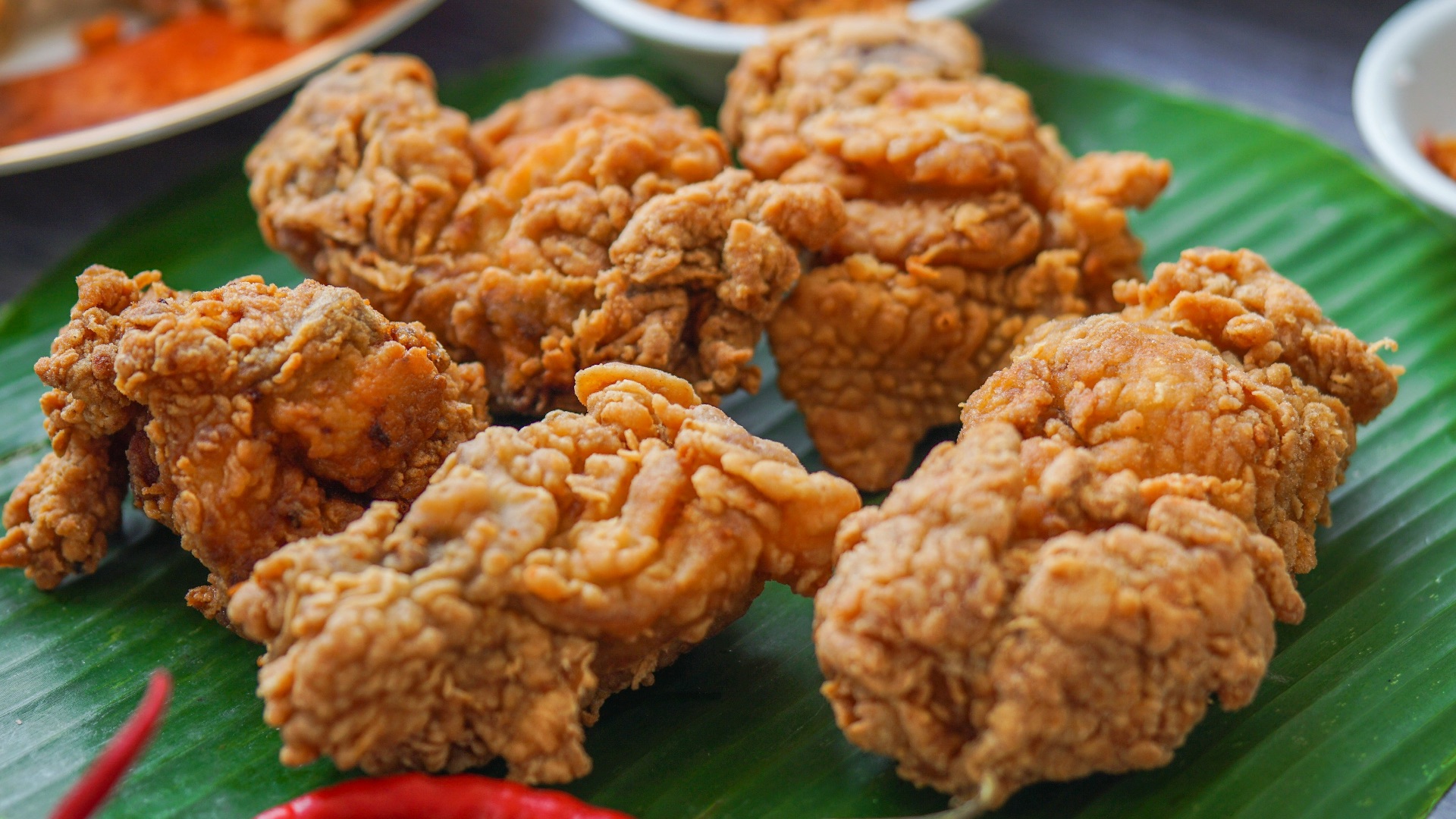
Deep-fried chicken may contain protein, but all that breading and frying changes the nutritional profile of the meal.
If you're eating more than one piece, that can deliver large amounts of fat, refined carbohydrates, sodium, and calories all at once, and that's before you even count any sides!
13. Fatty Red Meat Meals
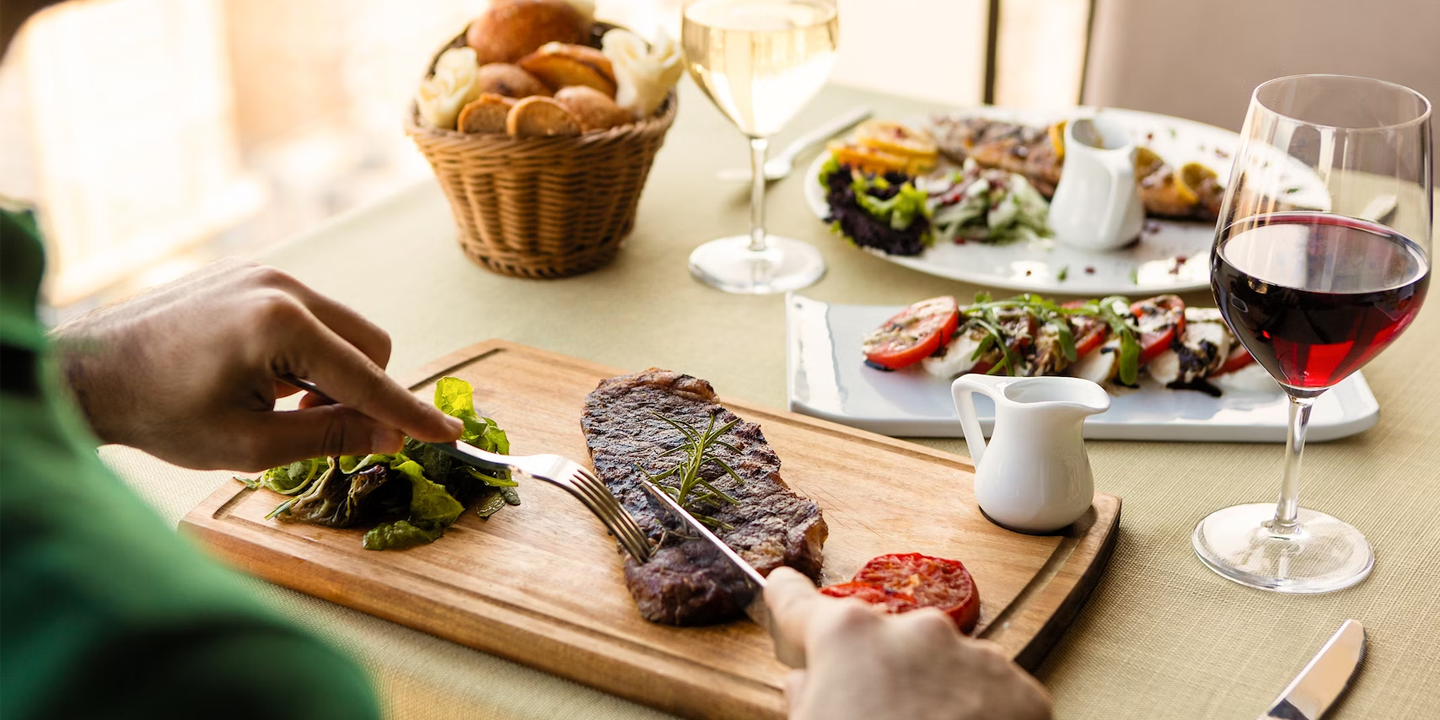
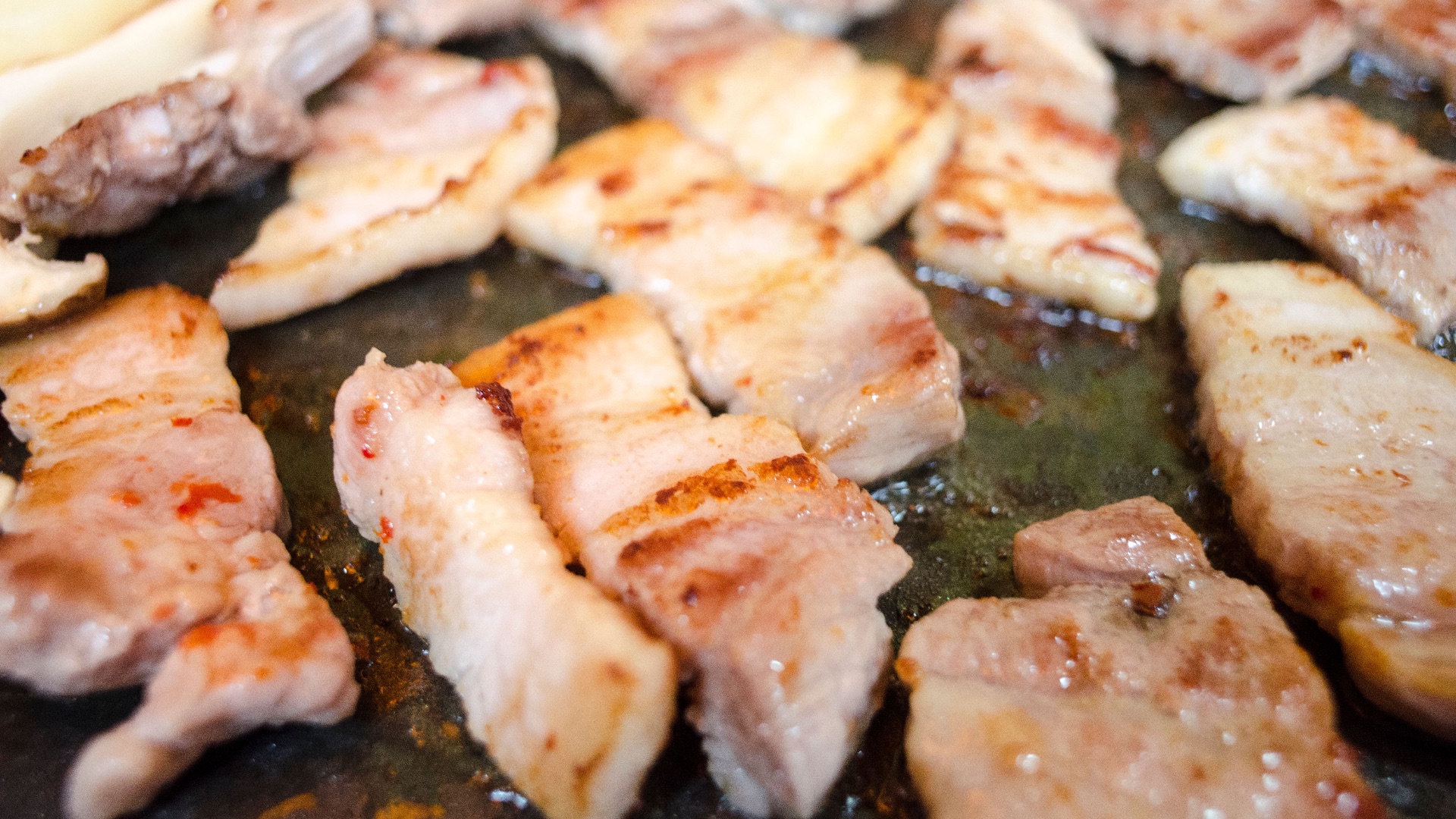
A steak isn't automatically going to send your cortisol soaring, but again, you'll want to watch your portions. A big plate of fatty red meat can make for an extremely heavy meal, and diets dominated by high-fat foods can interfere with normal stress regulation over time.
14. Full-Fat Dairy Desserts
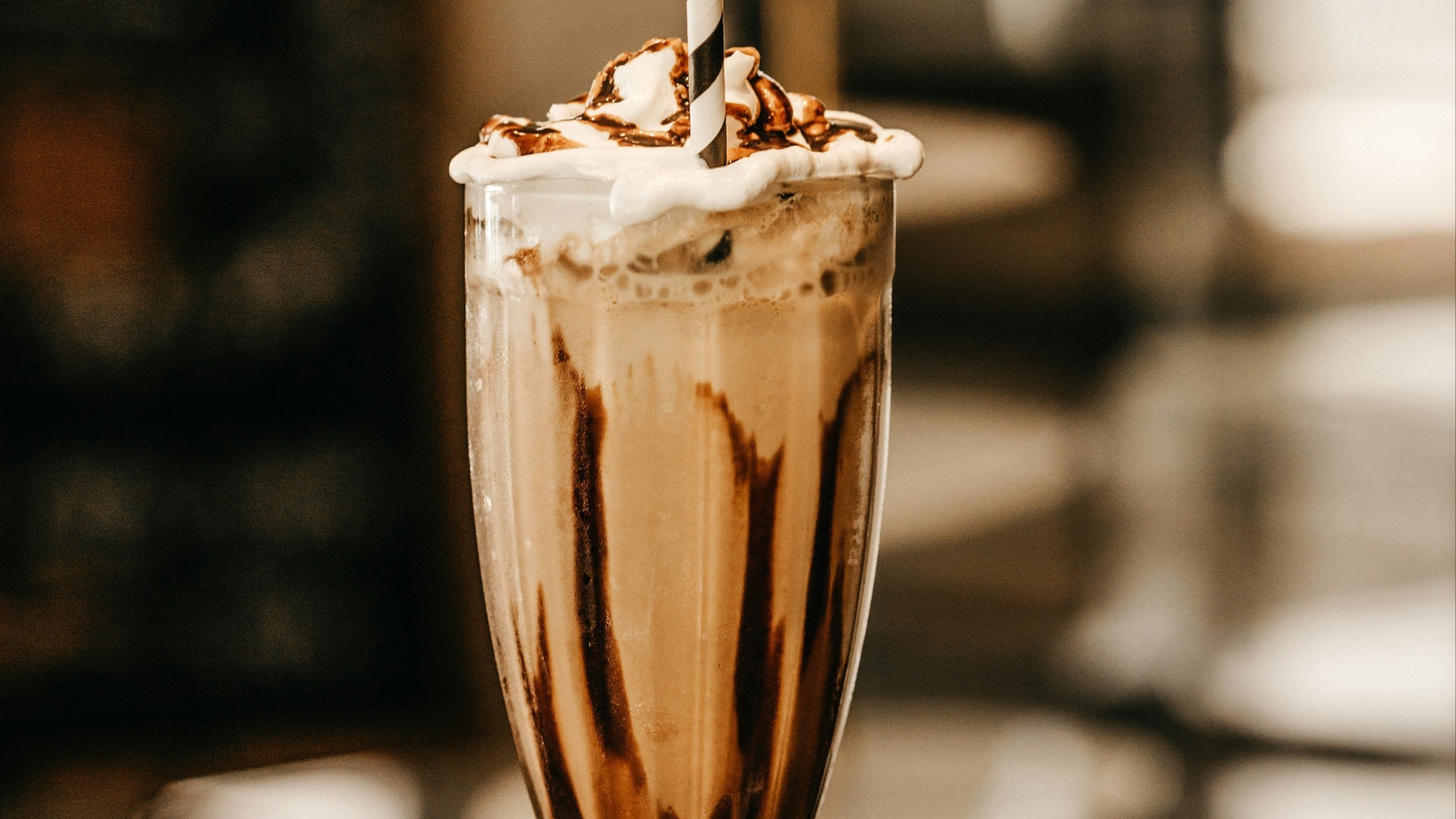
It's not just ice cream. Any high-fat dairy dessert will feature large amounts of saturated fat with plenty of added sugar, which isn't good news for your body. And, like ice cream, you're unlikely to stop halfway, meaning you'll consume far more than you should.
15. Potato Chips
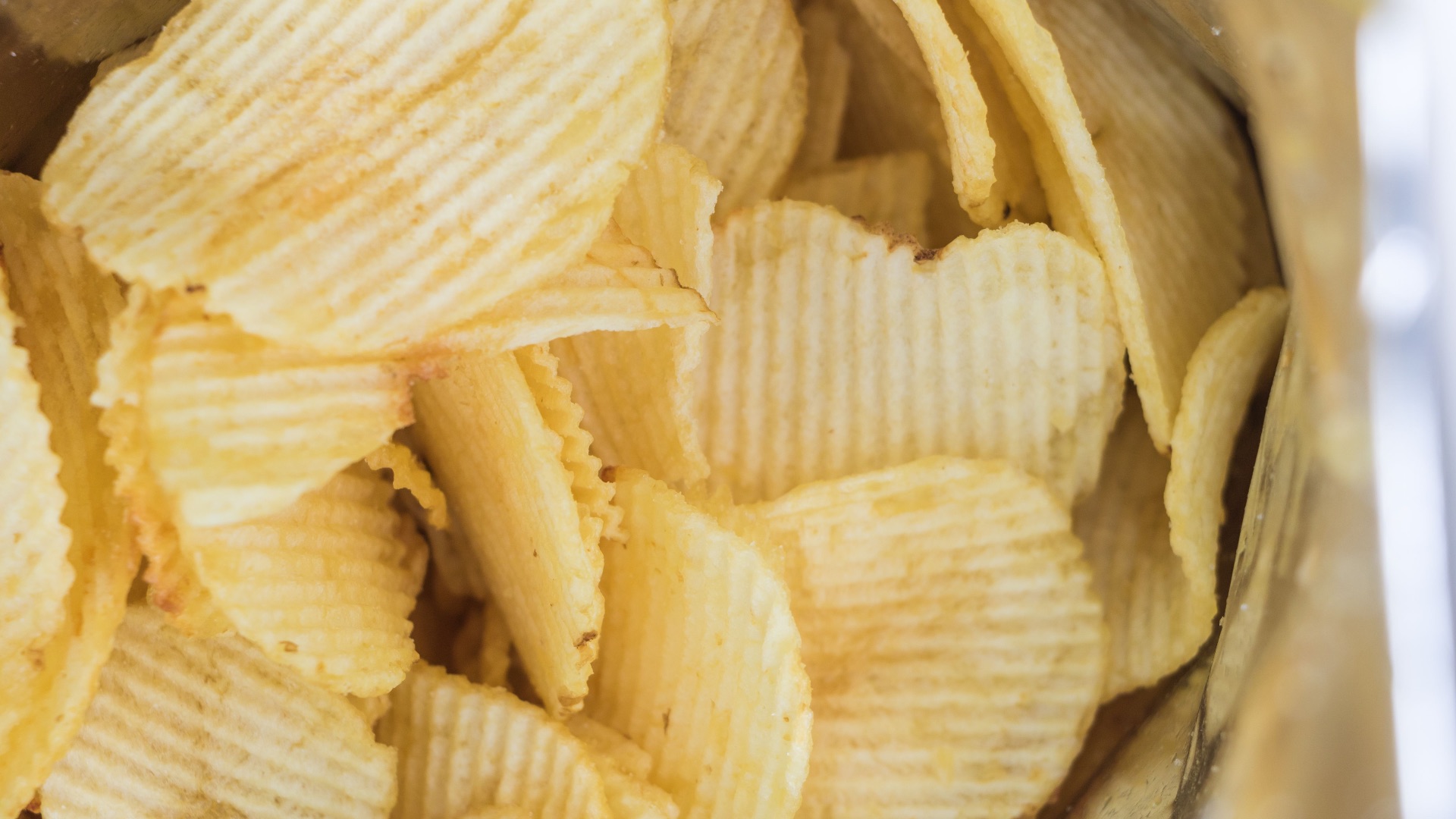
A handful of chips probably isn't doing much to your cortisol, but eating directly from a large family-sized bag makes portions difficult to judge. Regularly eating these ultra-processed crisps is associated with poorer metabolic health, and that may in turn disrupt normal stress regulation.
16. Deli Meat
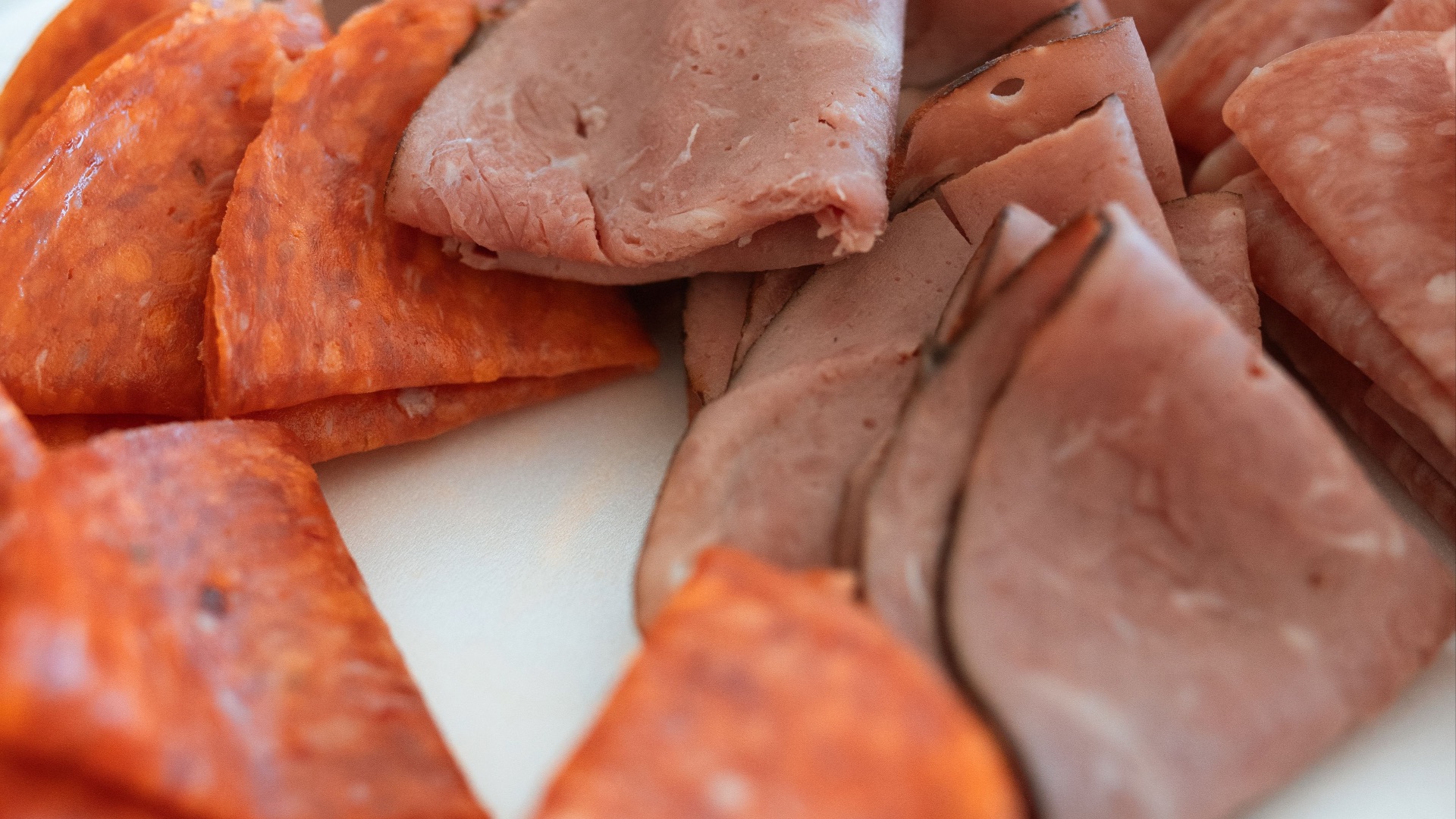
Other than limiting your intake of fatty red meat, you should also cut down on how much processed deli meat you eat. And sorry to say, but that includes bacon, too. Along with being high in sodium, these meats also contain preservatives and other ingredients that may negatively impact your health.
17. Instant Ramen
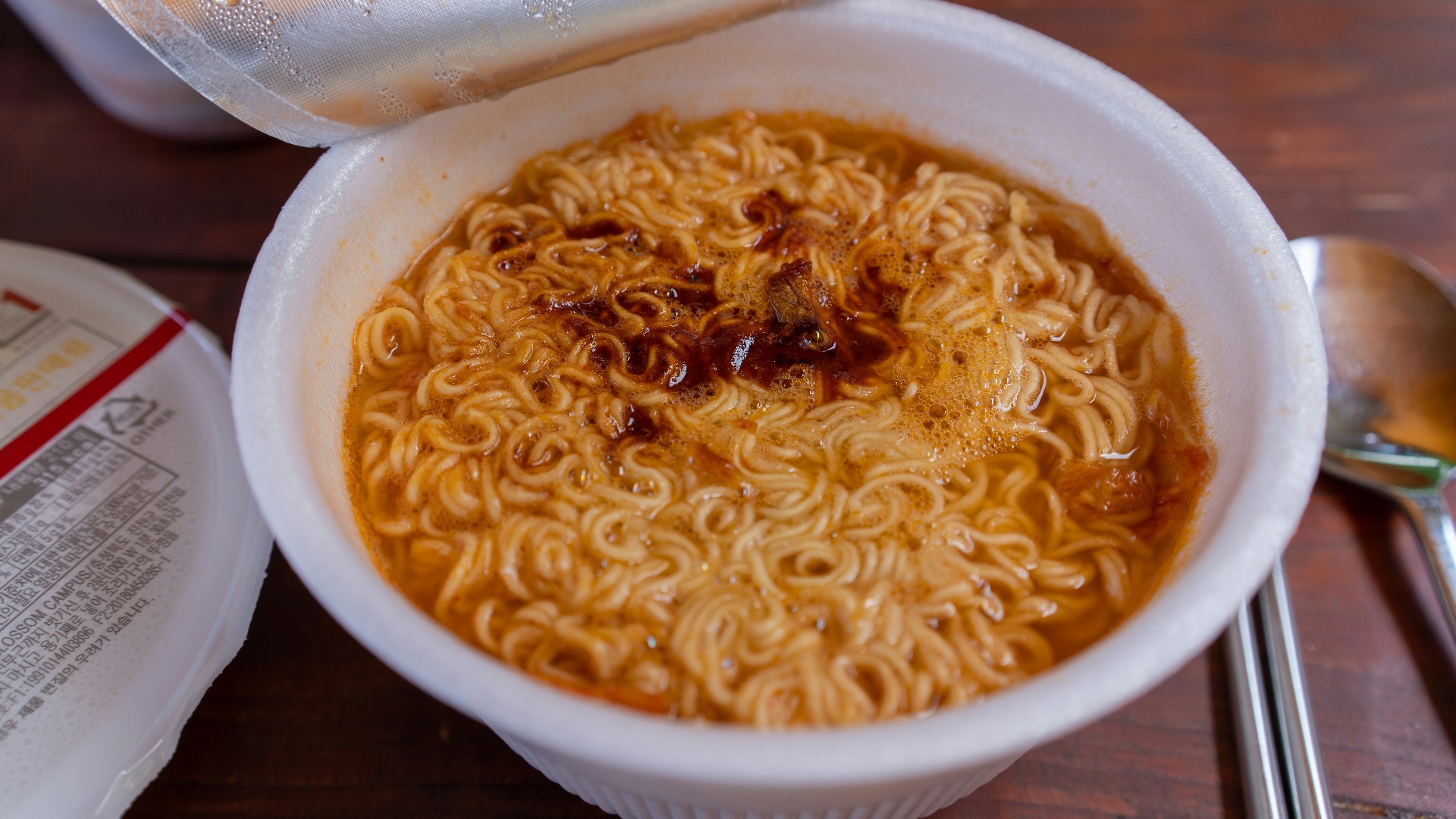
Instant ramen brings together all the bad guys: refined carbohydrates, a highly processed preparation, and usually a very salty seasoning packet. They're also relatively low in fiber and other good nutrients you need. Unless you're a broke college student with no other options, you should stay away from these noodles.
18. Fast-Food Combo Meals
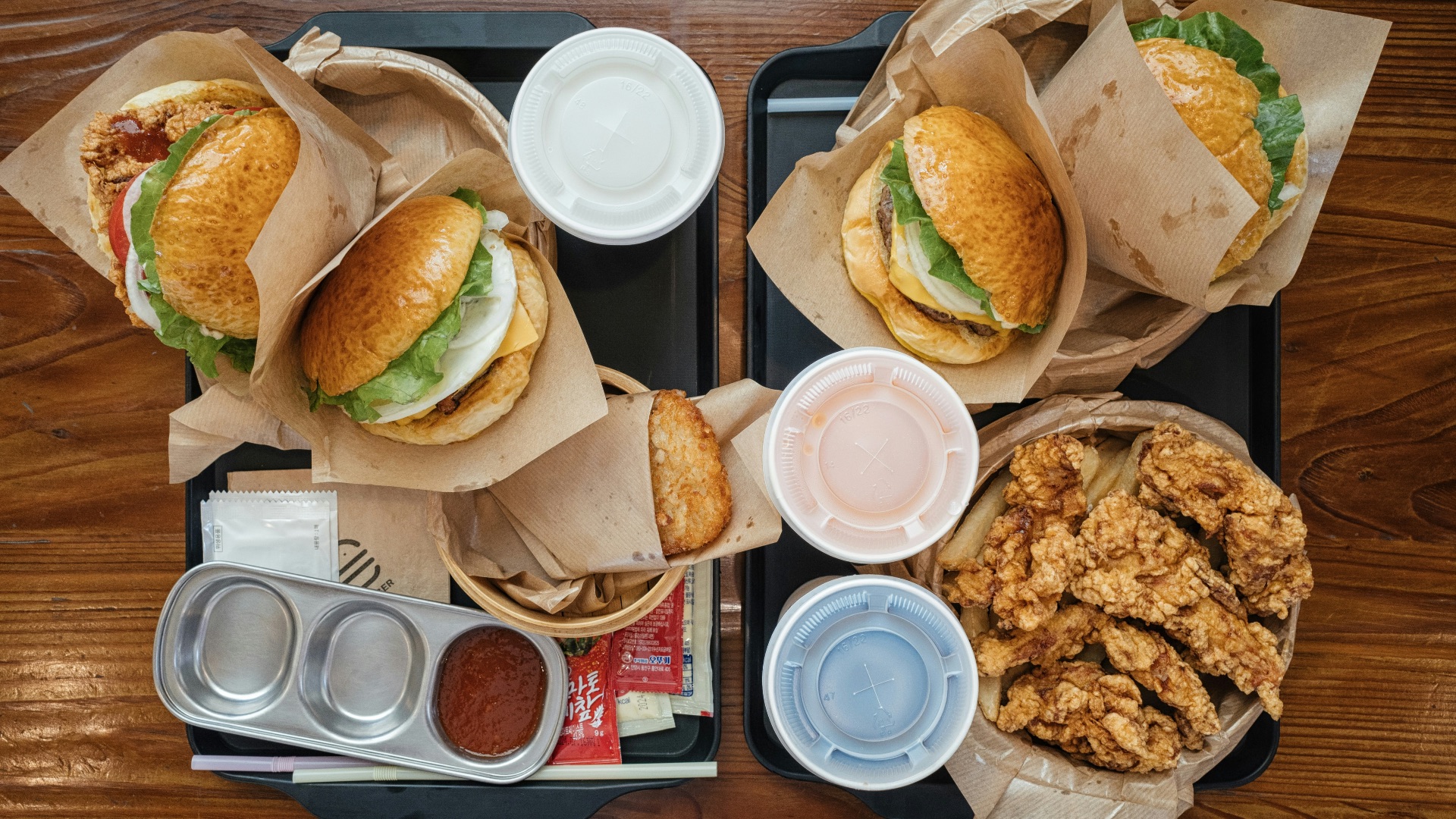
Fried and fatty foods you know to avoid by now, which means that fast-food combo you regularly get from the drive-thru after work is probably not the best idea. After all, that meal will deliver a massive amount of calories, refined carbohydrates, fat, and added sugar in one sitting. Eating a supersized meal quickly can immediately spike your cortisol.
19. Sugary Soda
Soda contains lots of sugar and caffeine, two things that mean trouble for your body and cortisol levels. And since you're often drinking a whole can or a large restaurant cup at once, that can make the actual sugar and caffeine intake even higher.
20. Alcohol
Yup—you'll have to cut down on your wine and beer intake as well if you're watching your cortisol levels. Plus, not only may alcohol alter cortisol secretion, but it can also interfere with the normal recovery of stress hormones afterward. Do yourself a favor and stick to one drink, and lay off the sugary cocktails, too.

KEEP ON READING
The 5 Most Consumed Foods in the Entire World