20 “Natural” Flavors In Your Food That Were Actually Created In A Lab
The Truth Behind the Taste
You might feel pretty good about your health when you see the words "natural flavors" on a snack label, but the reality is often much more clinical than a walk through an orchard. While these additives do technically originate from biological sources like plants or animals, they're processed in massive industrial labs to ensure every bite of your favorite food tastes exactly the same. Scientists use enzymes, heat, and complex extraction methods to isolate specific molecules, turning raw ingredients into concentrated chemicals that would never exist in that form in nature.

1. Vanillin from Wood Pulp
Did you know most of the vanilla flavoring in cheap baked goods isn’t sourced from an expensive Madagascar bean? Chemists can extract vanillin from lignin, a useless byproduct found in wood and paper products. As long as it’s purified in a laboratory, it’s chemically identical.
2. Castoreum from Beavers
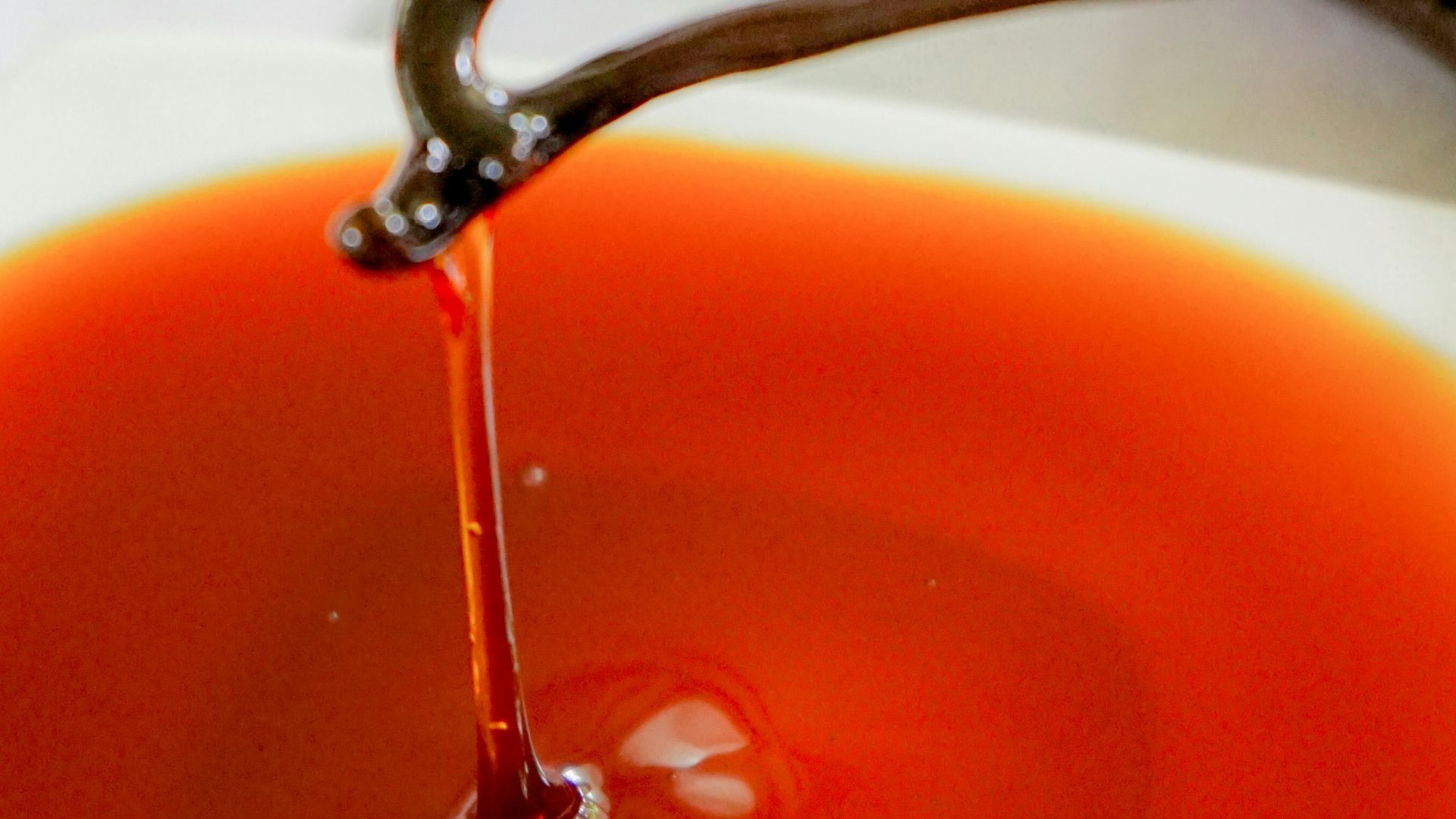
For decades, musky-smelling liquid from a beaver’s anal glands was used to intensify strawberry/raspberry flavors or give vanilla a rich backdrop. Nowadays, it’s extremely rare since it’s too expensive to harvest, but the FDA still recognizes castoreum as “natural.”

3. Citral from Lemongrass
Ever wonder why drinking a bottle of lemon-lime soda never includes actual lemon flavoring? Citral, responsible for that mouth-puckering aroma, is extracted from lemongrass or tropical myrtle trees. It’s significantly cheaper to get citral from these source materials.
 IBRAHIM AL JARUSHI on Unsplash
4. Amyl Acetate for Banana
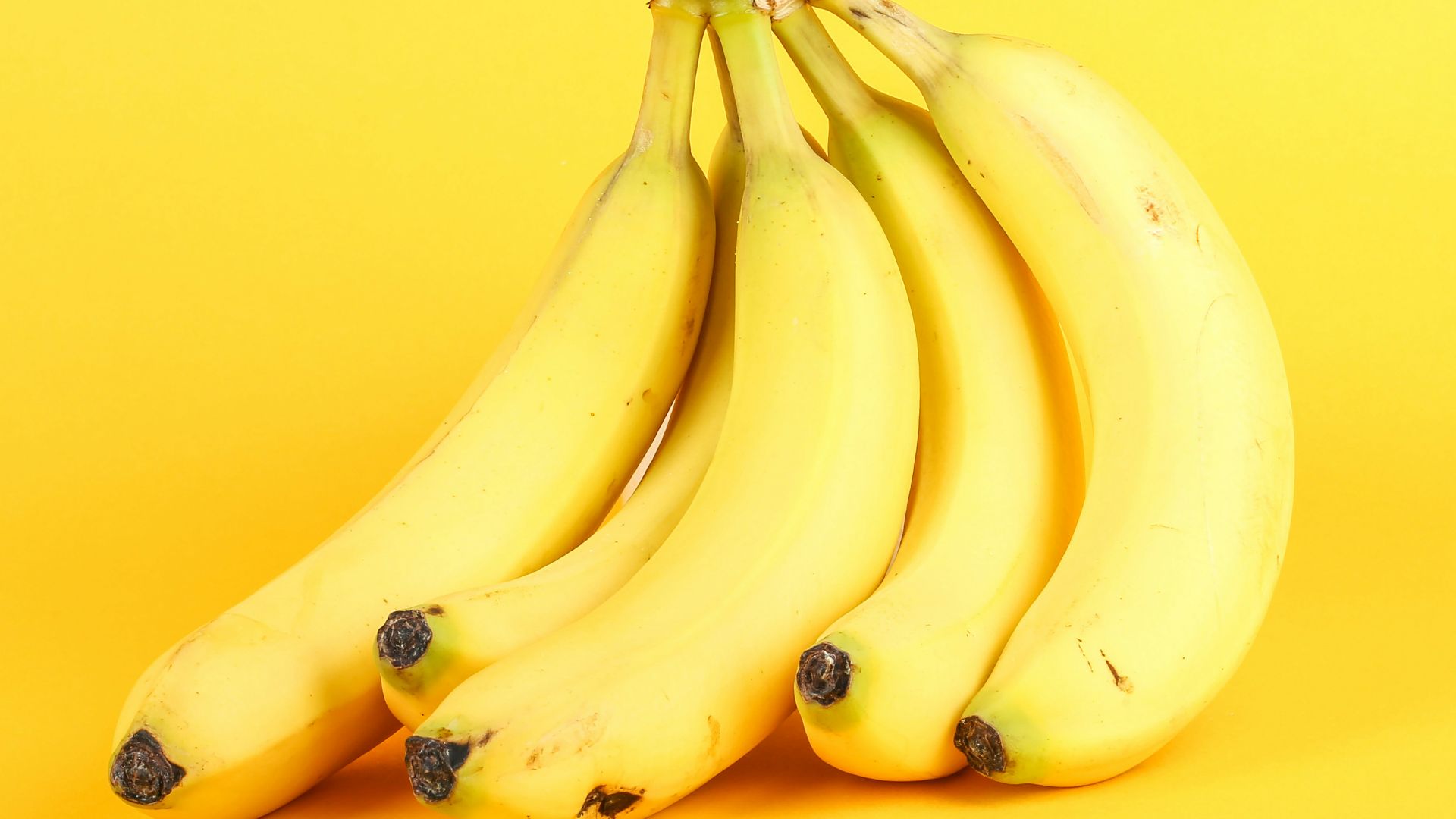
Before it became extinct, there was a particular species of banana that grocery store bananas were actually modeled after. In order to artificially manufacture that sweet banana smell we all know and love, labs create this ester. You can find it in dozens of products from ice cream to sports drinks.
5. Benzaldehyde from Almonds
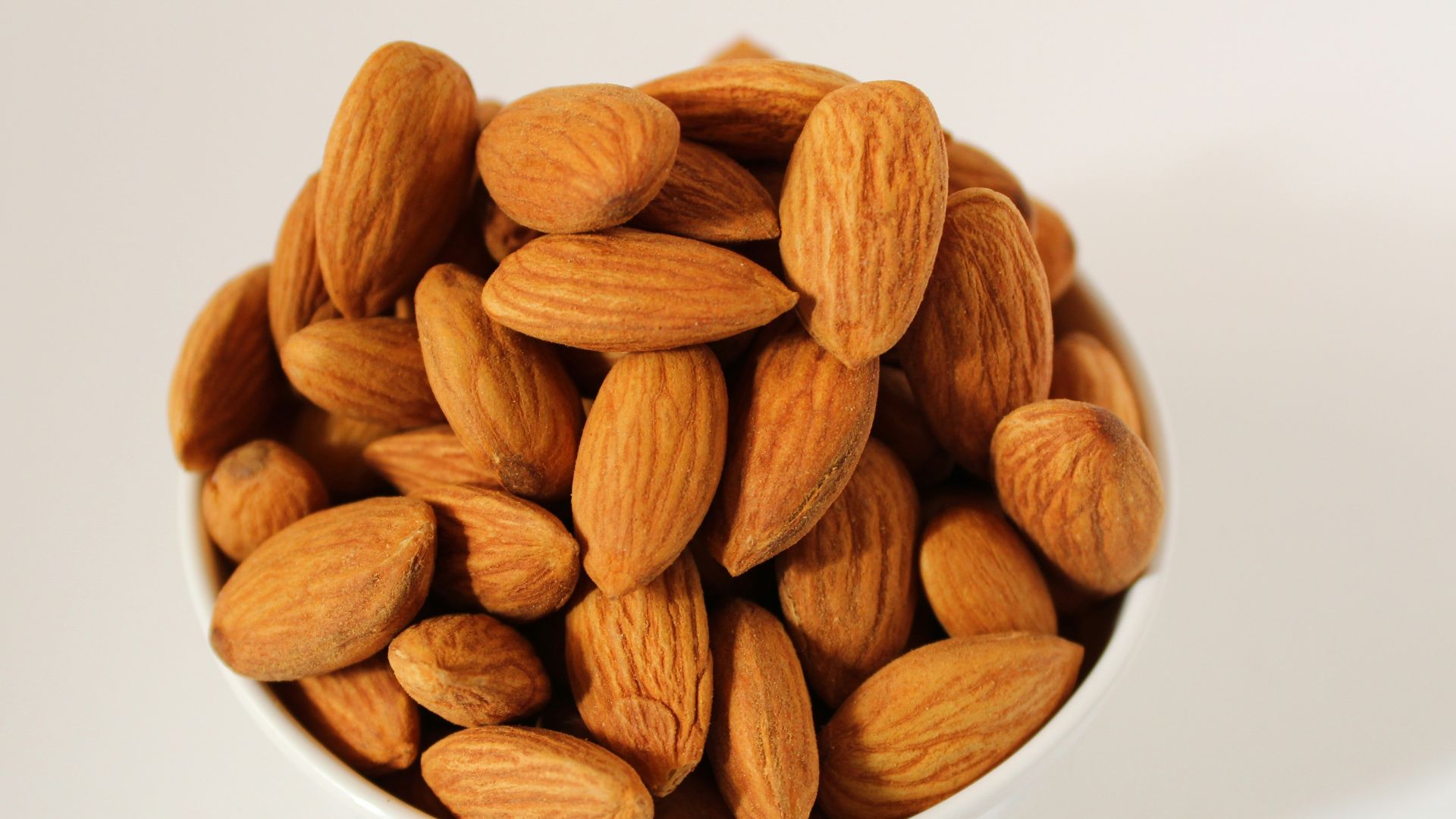
Fun fact: almond flavoring is usually pulled from the pit of peach or apricot trees. This compound, benzaldehyde, tastes similar to cherries, which is why your favorite almond syrup sounds so familiar. It’s one of the most common scent chemicals used.
6. Ethyl Butyrate for Orange Juice
Sounds crazy, but most commercial orange juice brands go through a processing method that strips all of the natural flavor out of the juice. Once juice passes through pasteurization, flavor houses add “flavor packs” back into the product to make it taste real again. That’s why supermarket OJ tastes the same every single time.

7. L-Cysteine from Human Hair or Feathers
This amino acid is frequently used as a dough conditioner to make mass-produced bread and bagels more pliable and soft. While it can be synthesized, it’s often cheaper to extract it from natural sources like duck feathers or even collected human hair. It’s a bit startling to think about.

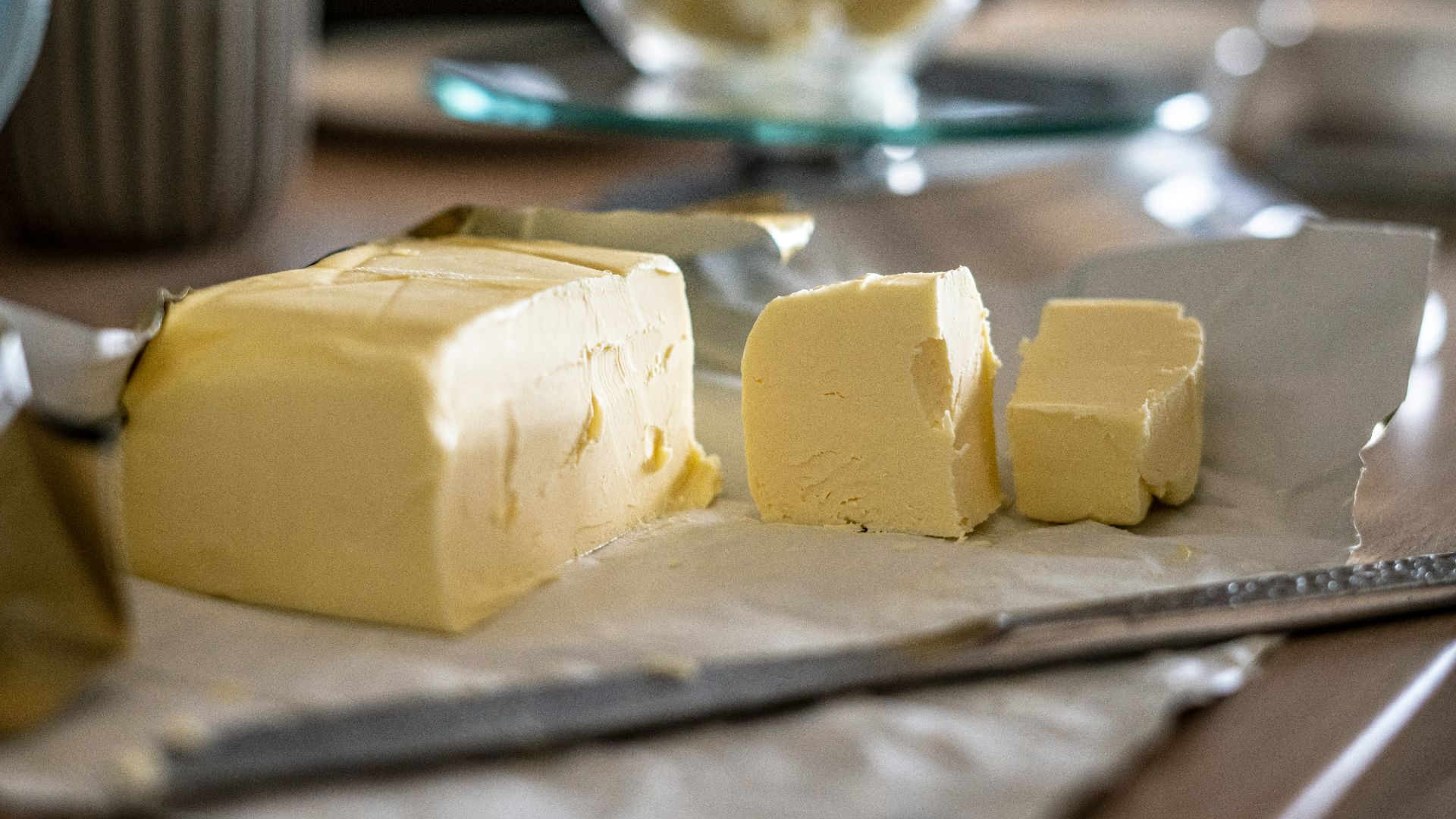
8. Butyric Acid for Butter
If you’ve ever wondered what that intoxicating smell of movie theater popcorn is, look no further. Butyric acid can be found in parmesan cheese as well, but scientists isolate the acid to help food flavorists concoct a longer-lasting butter flavor that won’t go rancid.
9. Monosodium Glutamate from Seaweed
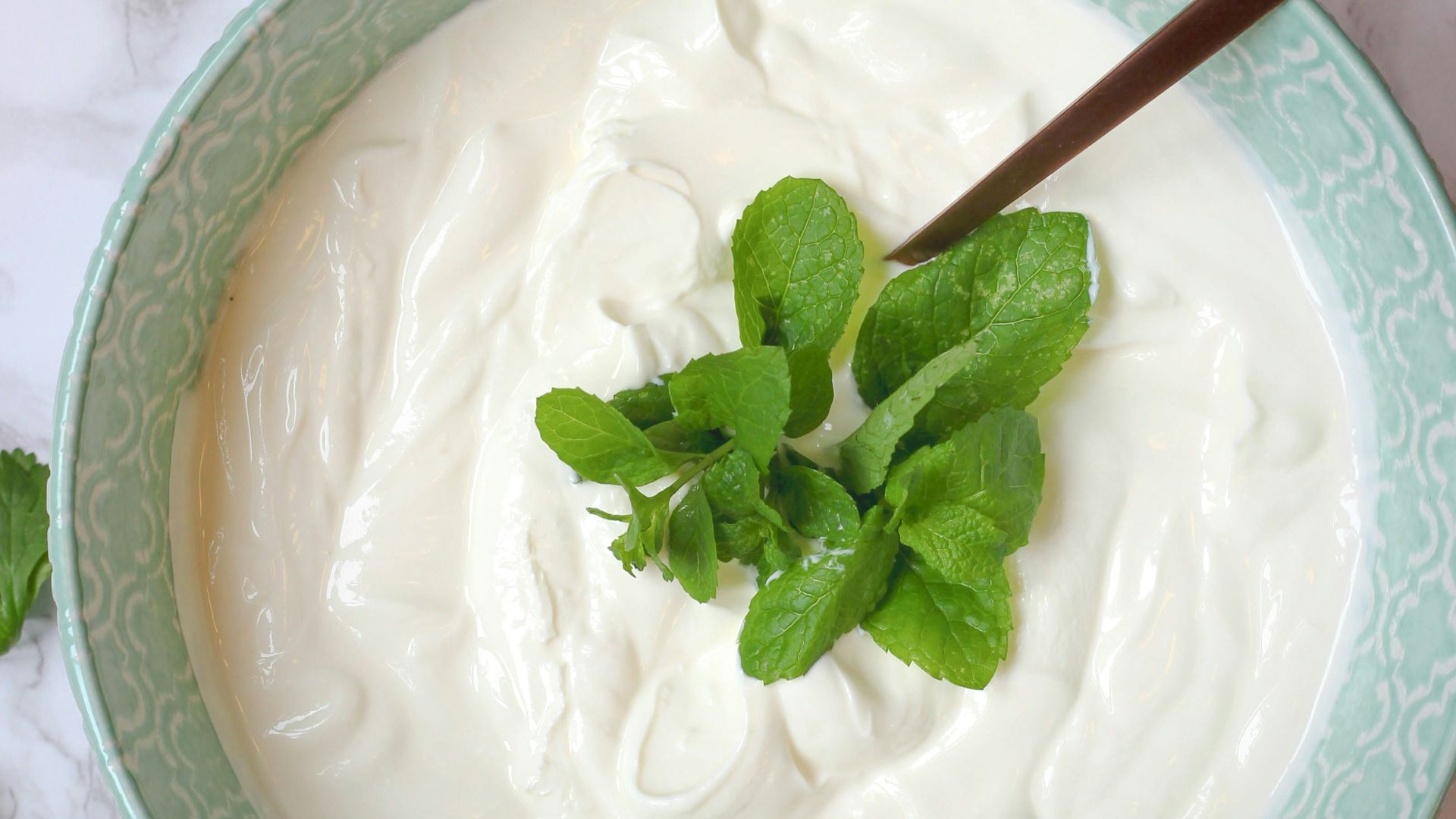
Companies have gotten pretty good at creating it in labs after learning how to ferment it like yogurt. Rest easy knowing that savory “yumminess” you get from your favorite snacks is actually just glutamate.
 micheile henderson on Unsplash
10. Esters from Apple Skins
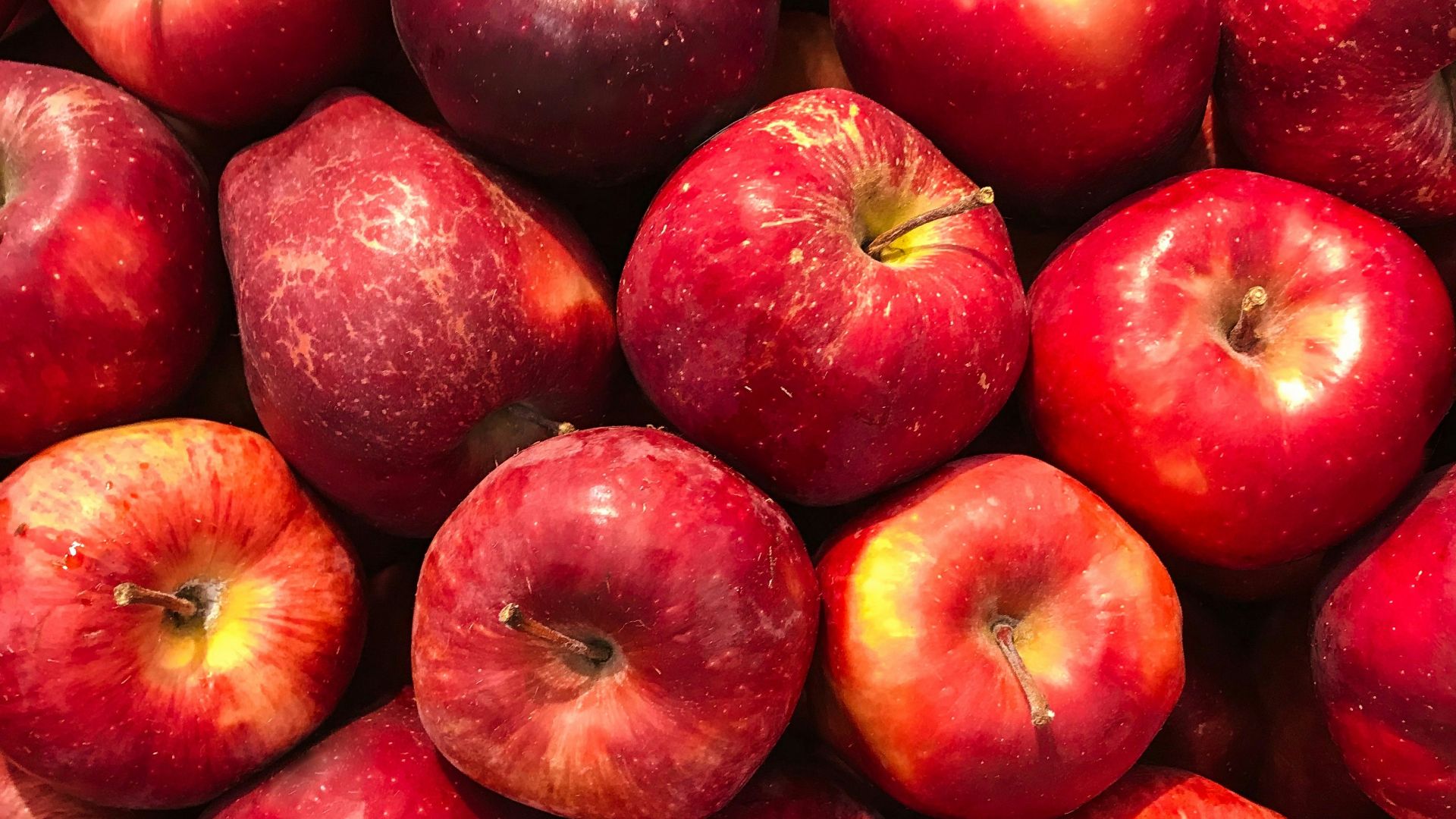
In order to derive that concentrated sour apple candy tang, technicians will break down green apple skins to create a fragrant liquid. From there, they’ll manipulate the extract until any bitterness is gone and the sugary tones are magnified. That’s how companies can claim all-natural apple flavor.
11. Guaiacol for Smokiness
If you enjoy smoky BBQ potato chips or candies, you’re eating guaiacol. After being refined in labs, it can create a “barbecued” flavor without ever touching a grill. This chemical compound is typically derived from plants or the smoke of wood.

12. Menthol from Corn Mint
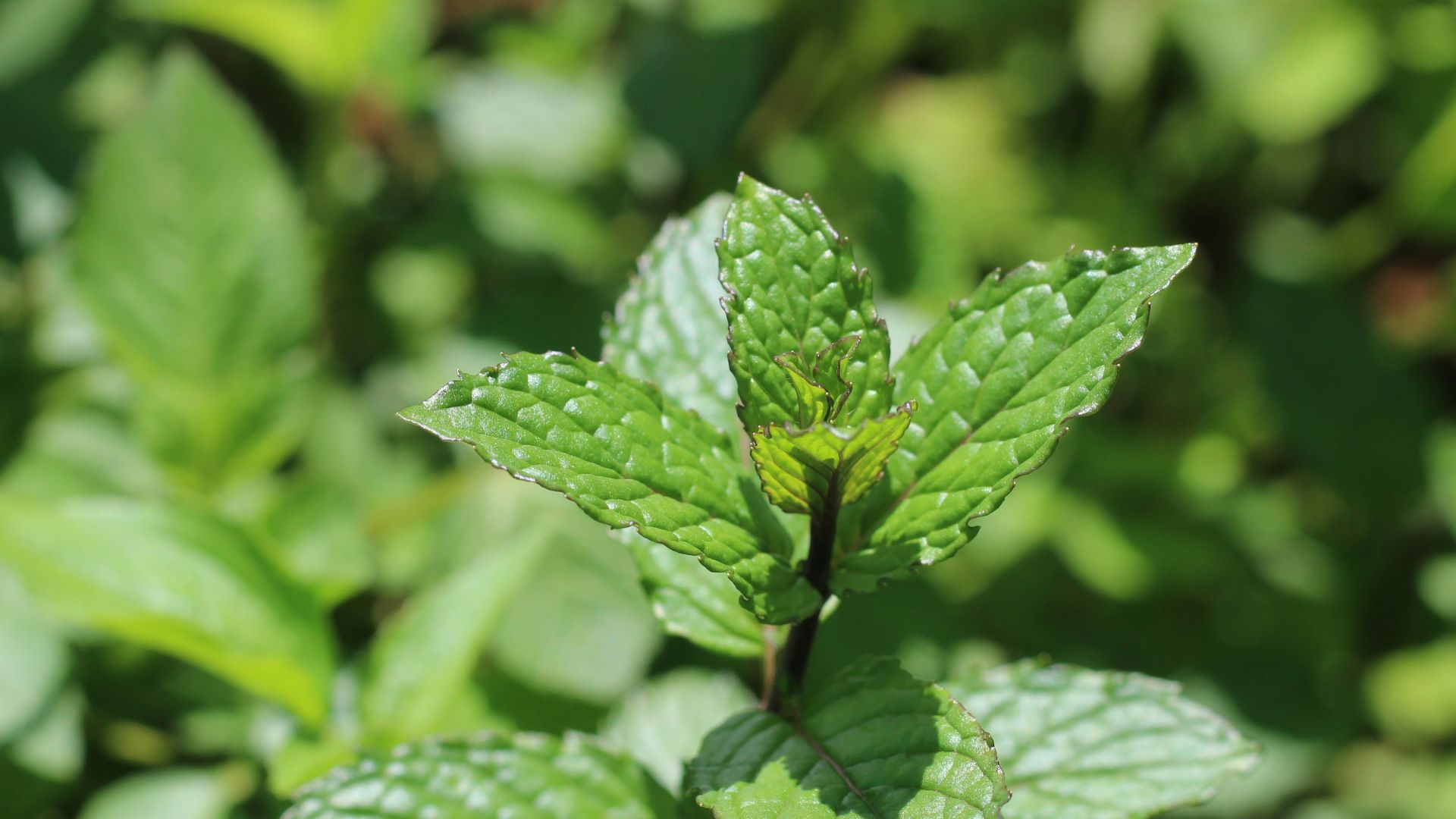
While peppermint is often associated with that tingling cool feeling, most mint gums are formulated with menthol extracted from corn mint plants. Labs have perfected how to crystallize these oils so every chew is refreshing.
13. Civet Absolute from Cats
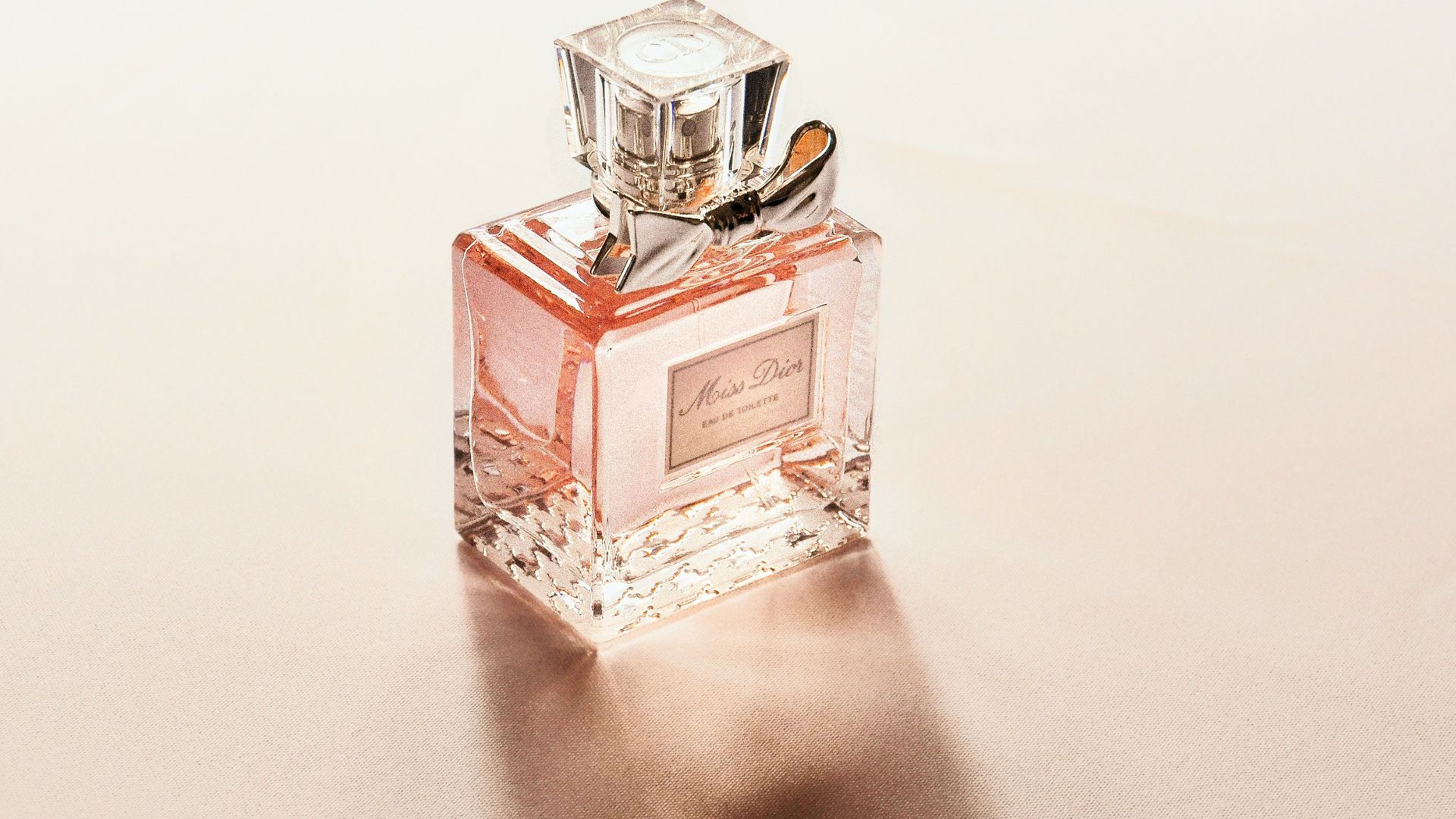
Believe it or not, there’s an animal more pungent than the beaver. Civet cats produce an oily secretion from their pores that can be used to enhance fruity or floral scents. It’s mostly used in perfumes.
14. Limonene from Peel Waste
Instead of throwing away orange peels after customers juice their fruit, flavor companies save the scraps to create orange oil. The leftover peels are put through a high-pressure steamer until limonene begins to spray out of the rinds.

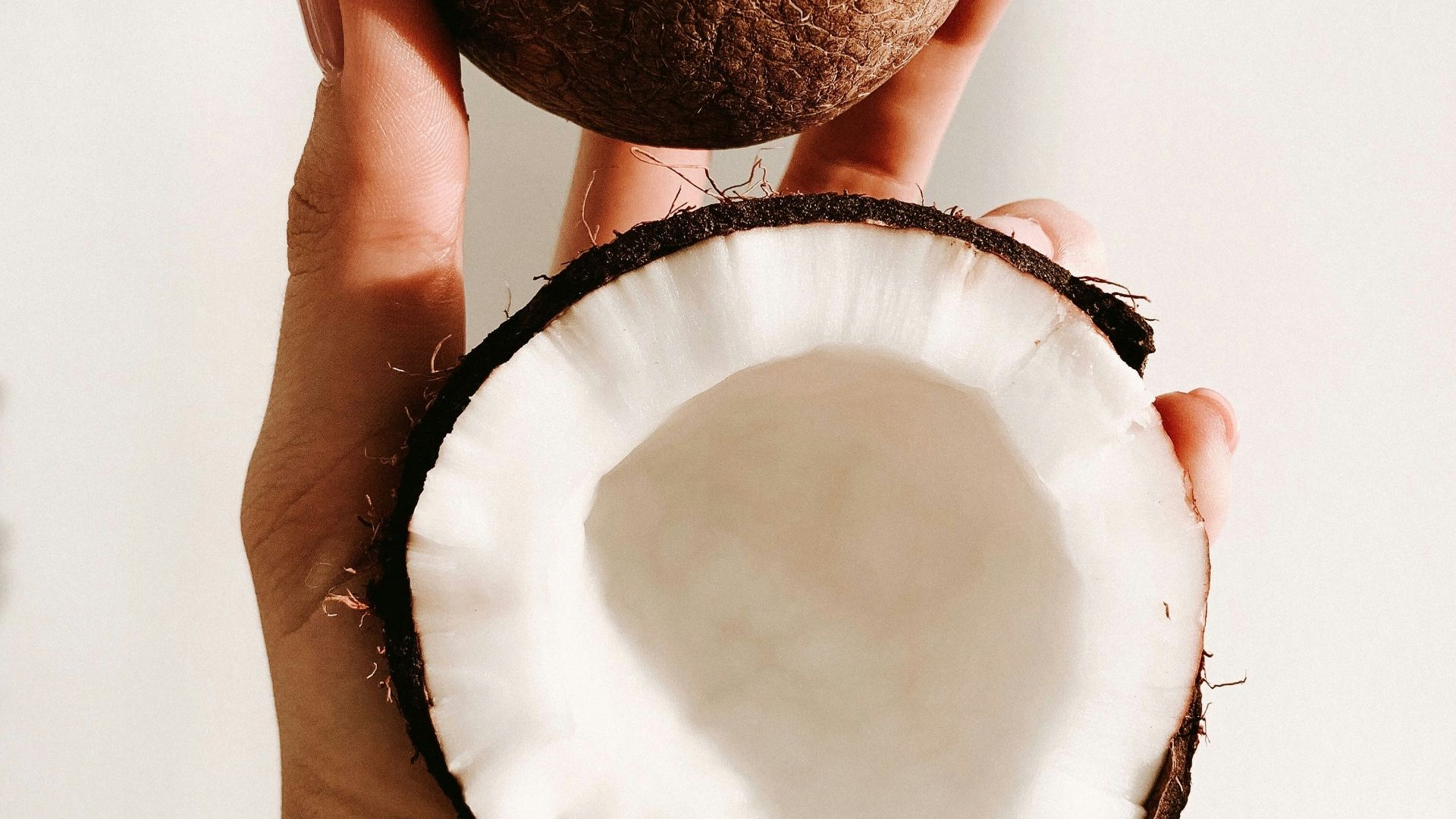
15. Massoia Lactone for Coconut
Want to know where that creamy coconut flavor in yogurt is sourced from? No, not coconuts. The bark of a tree found primarily in Indonesia.
16. Diacetyl for Artificial Butter
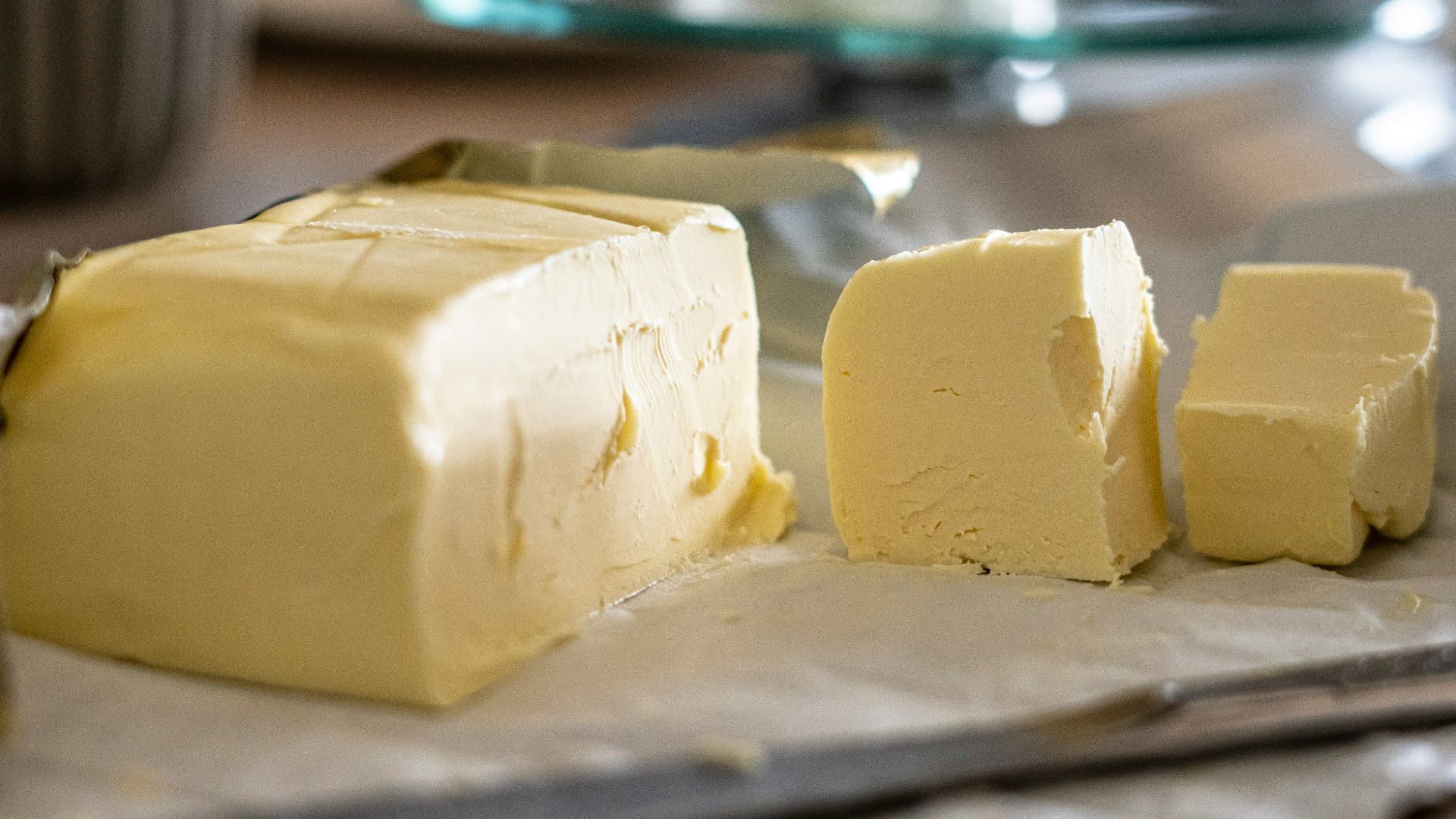
While diacetyl does occur naturally in dairy products, it’s often derived in labs to give margarine that “buttery” aroma. Before you fret, diacetyl isn’t poisonous. But workers at factories began to develop lung issues after years of inhaling the powdered flavoring.
17. Eugenol from Cloves
Ever notice how ground cinnamon has that perfect spicy bite to it? There’s a molecule found in cloves known as eugenol, and food flavorists love using it to add a “soul” to their products. In fact, you can find this chemical sprayed onto meats.

18. Methyl Anthranilate for Grape
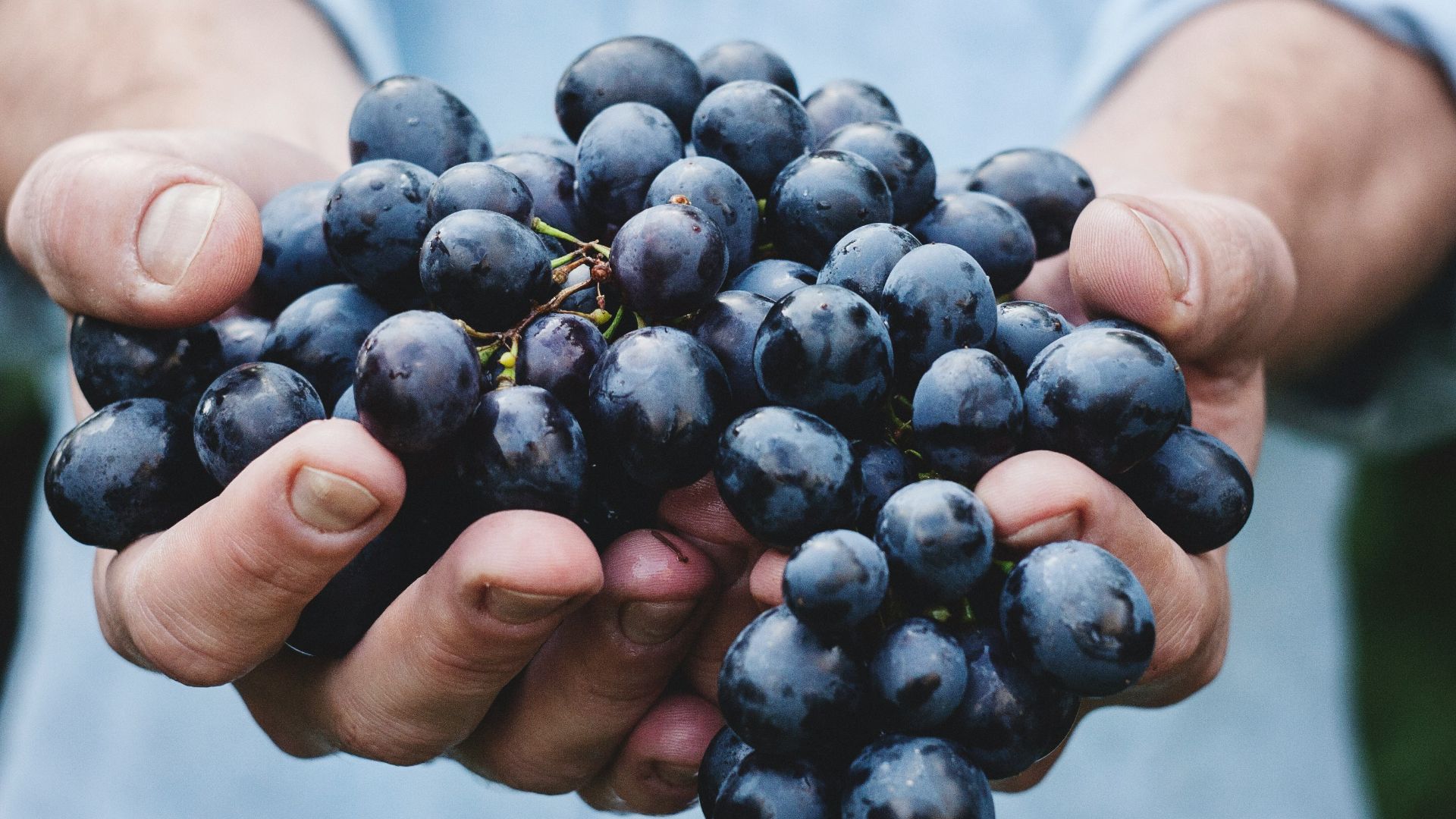
Remember how grape soda doesn’t actually taste like grapes? That’s because methyl anthranilate, found in Concord grapes, is also found in flowers. Engineers use this chemical compound to mimic those sweet purple flavors.
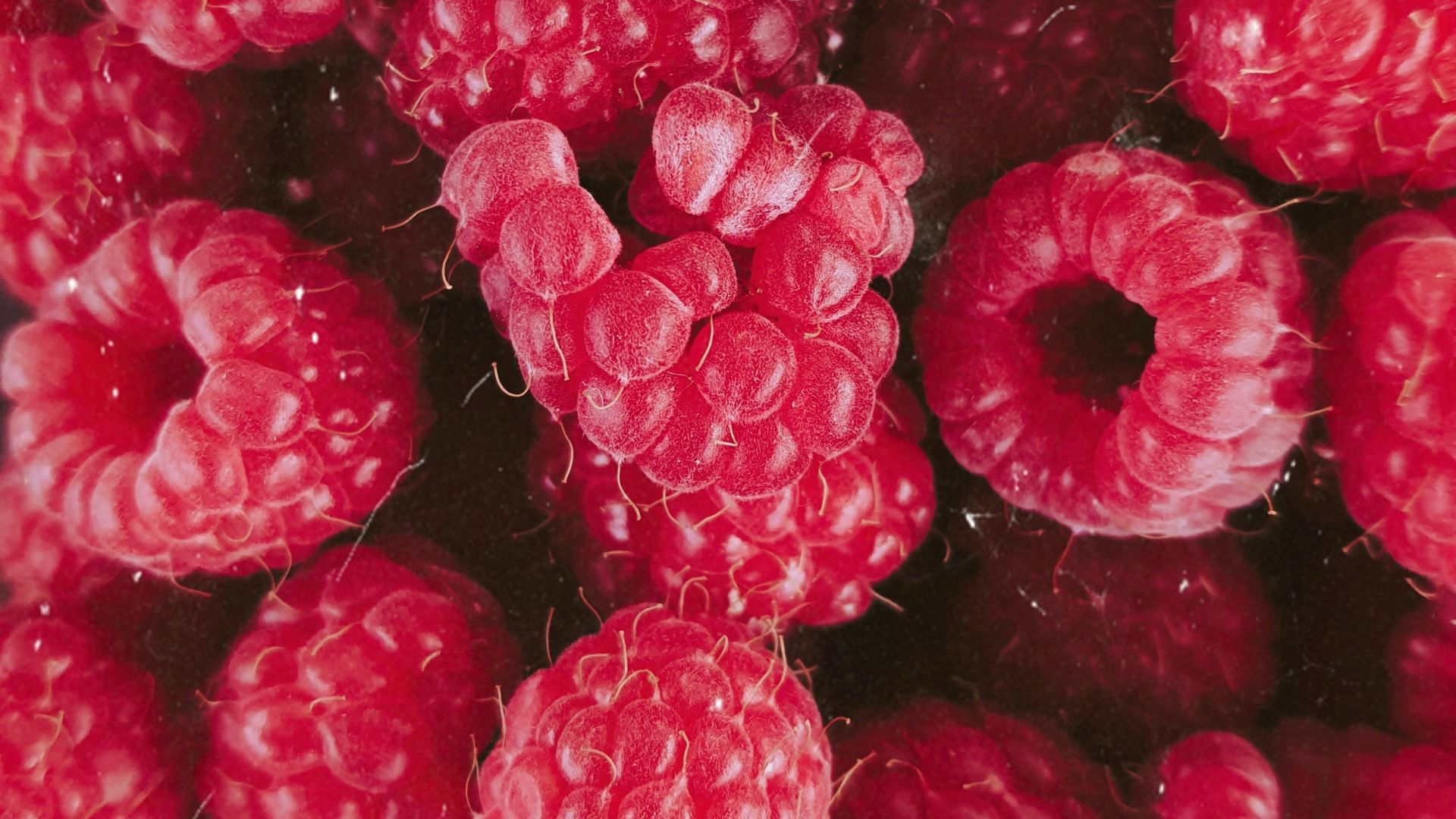
19. Valerates for Berry Notes
Have you ever tried to identify all the different berries in a mixed berry snack pack? That’s because valerates are often used to smooth out the edges between contrasting flavors.
20. Terpenes for Herbal Depth
Next time you spot a food label that says “cooked with mountain herbs,” you’ll know what that means. Many companies use plant-derived compounds like terpenes to create natural herbal notes, found in the oils of most plants.