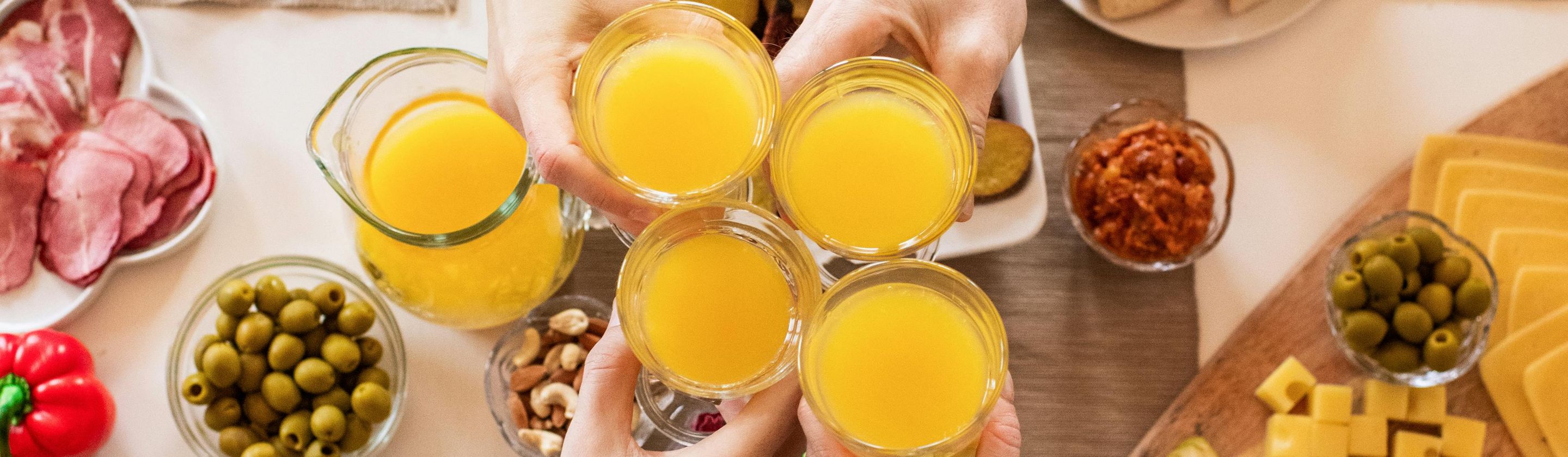

Let's say this off the bat: No food can make you look 25 forever. Aging is a part of all of our lives, shaped by genetics, sun exposure, sleep, smoking, stress, hormones, and the regular wear and tear of being a person with a face. Still, what you eat can play a real role in how healthy, hydrated, and resilient your skin looks.
That’s the more useful way to think about “younger-looking” food. A good diet won’t erase wrinkles, and it definitely won’t replace sunscreen, but it can support the body systems involved in skin structure, repair, inflammation, and antioxidant defense. Like working out, there’s no “catch-all” food that can fix all of your skincare issues, but a steady diet gives your skin what it needs to do its job.
What Food Can Realistically Do For Your Skin
Skin aging doesn’t only happen on the surface, even though that’s where we notice it first. Over time, collagen and elastin change, the skin barrier can work less efficiently, and oxidative stress can play a role in visible changes. A review on nutrition and skin aging discusses how vitamins, carotenoids, and other dietary compounds have been studied in connection with skin health.
That doesn’t mean diet can single-handedly “reverse” aging. It means food may affect some of the processes tied to how skin looks and functions. The safest, most realistic claim is that certain foods can support healthier-looking skin, especially when they’re part of a consistent diet.
A tomato, orange, or piece of salmon isn’t a permanent treatment, but they can provide useful nutrients that the body uses for collagen formation, antioxidant protection, and normal cell function. Similarly, colorful fruits and vegetables, fish, beans, lentils, nuts, seeds, whole grains, olive oil, yogurt, eggs, tofu, and other protein-rich foods all belong in the conversation.
The Nutrients That Matter Most
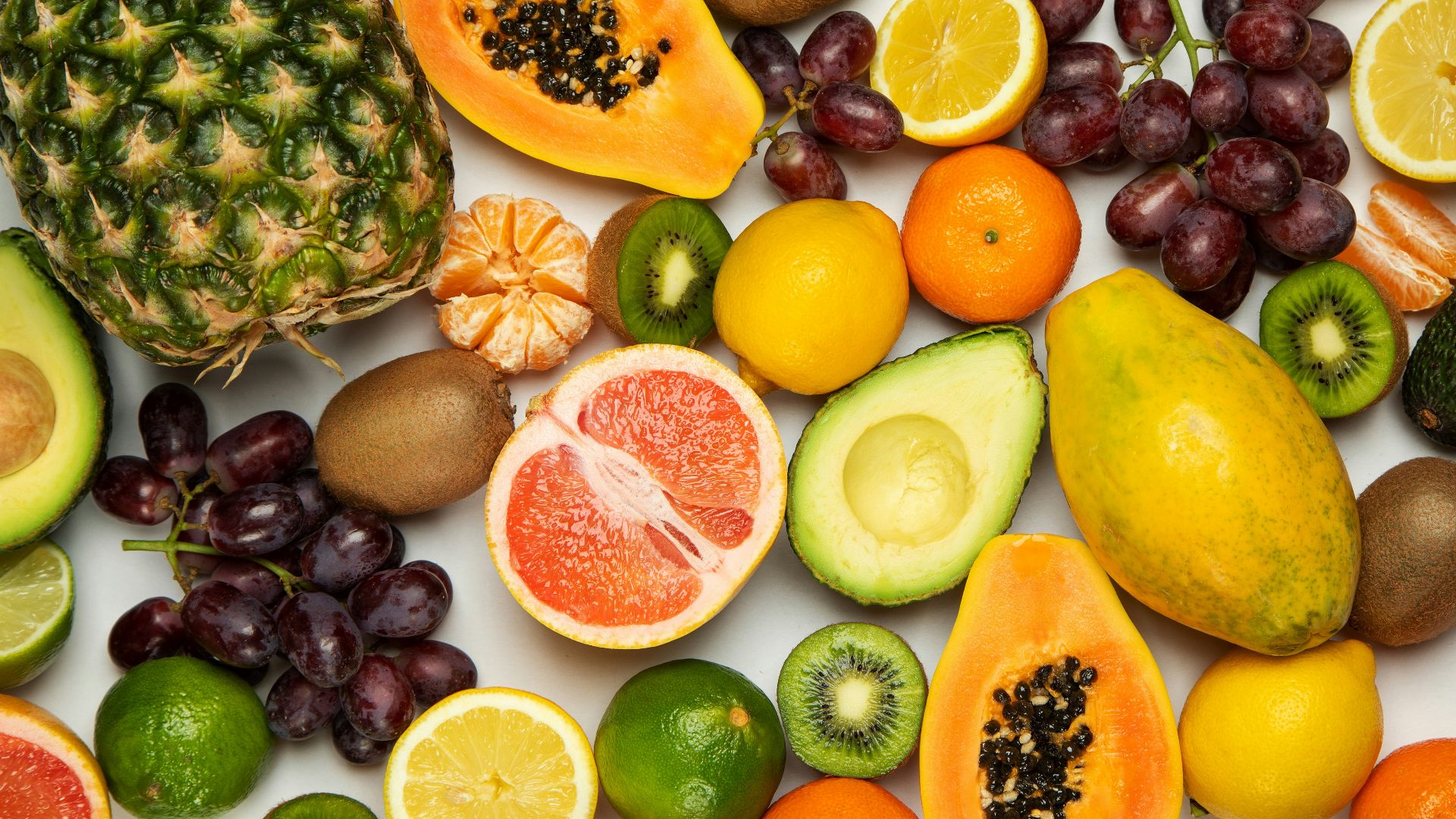
Vitamin C is one of the clearest examples of a nutrient connected to skin structure. The National Institutes of Health says vitamin C is required for collagen biosynthesis, and collagen is an important part of connective tissue. That makes vitamin C-rich foods such as citrus, strawberries, kiwi, bell peppers, broccoli, Brussels sprouts, tomatoes, and potatoes a smart part of a skin-supportive diet.
Protein matters too, as collagen itself is a protein. Harvard’s Nutrition Source describes collagen as the body’s most abundant protein and a major part of skin, bone, muscles, tendons, and cartilage. A balanced diet with enough protein from fish, eggs, yogurt, poultry, tofu, lentils, beans, and lean meats gives the body amino acids it can use to maintain tissues.
That doesn’t mean collagen supplements need to become the star of the show. Harvard’s Nutrition Source explains that collagen from food or supplements is broken down into amino acids during digestion, just like other proteins. For everyday eating, it makes sense to start with regular protein, vitamin C-rich produce, and an overall nutrient-dense diet before treating supplements as the main event.
Healthy fats deserve a seat at the table too. The National Center for Complementary and Integrative Health explains that EPA and DHA omega-3 fatty acids are found in seafood, especially cold-water fish, while ALA is found in foods such as flaxseed, chia seeds, and walnuts. Salmon, sardines, trout, walnuts, chia seeds, and ground flaxseed can all fit naturally into meals without making dinner feel like a project.
Eating Patterns
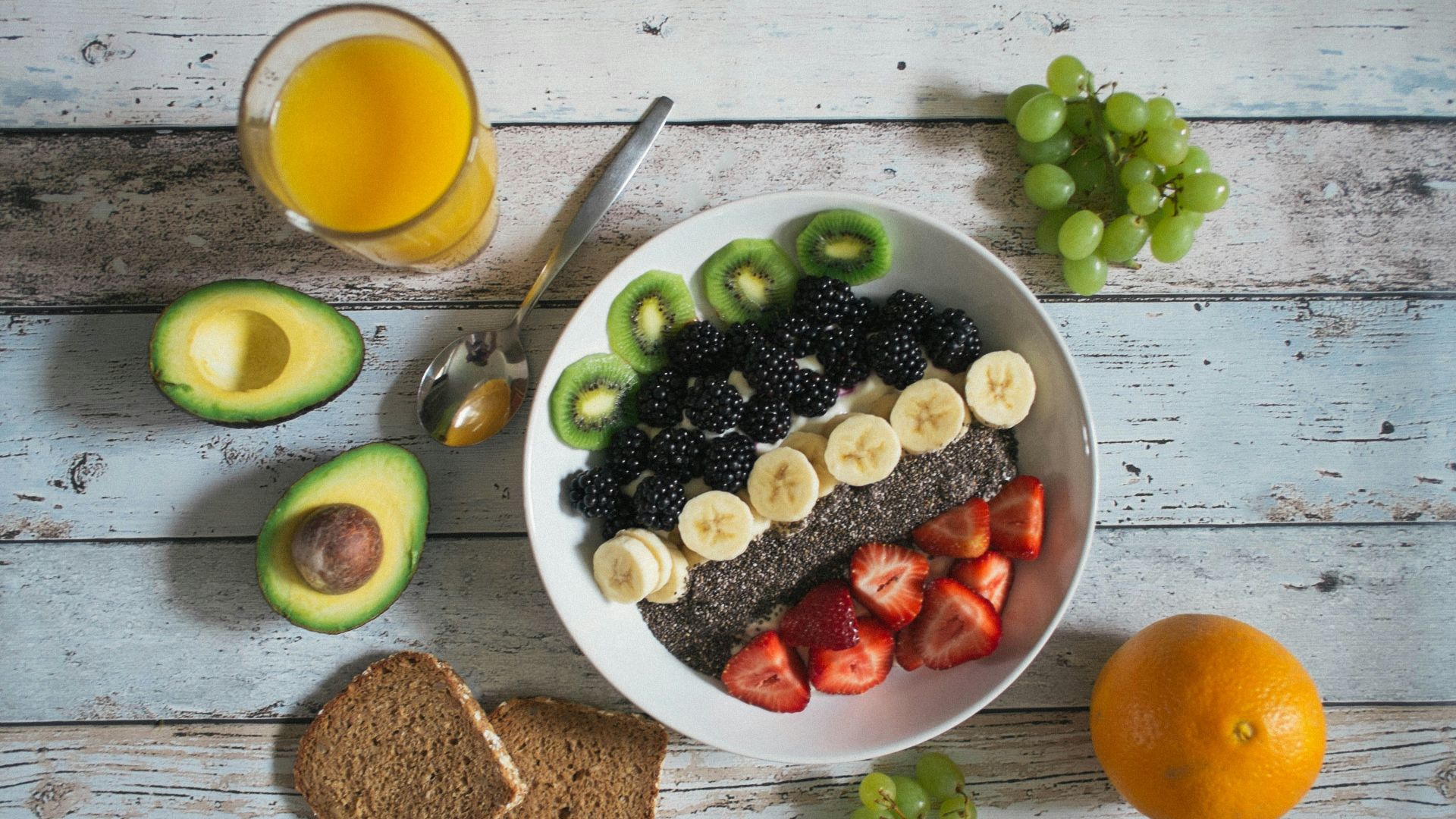
If there’s one broad eating pattern that makes sense here, it’s a mostly whole-food diet with plenty of plants. Berries, greens, tomatoes, carrots, sweet potatoes, peppers, grapes, herbs, beans, oats, nuts, and seeds bring fiber and a range of plant compounds to the table. You don’t need to memorize every antioxidant by name to benefit from adding more color and variety.
A Mediterranean-style diet is a useful model because it includes many of those foods, along with fish, olive oil, whole grains, and legumes. Harvard Health has linked this style of eating with lower inflammation and healthy aging, although it's not a skin-specific cure. Think of it as a sensible pattern that lines up with skin-friendly habits, not a beauty prescription.
On the other side, a diet heavy in added sugar and refined carbohydrates may be less helpful for skin. One concern is glycation, a process where sugars can bind to proteins such as collagen and elastin. A review on advanced glycation end products, or AGEs, describes these compounds as relevant to skin aging because of their effects on skin structure and function.
So, can certain foods actually make you look younger? Not in the instant, movie-montage way people want. A better answer is that vitamin C-rich produce, enough protein, omega-3-containing foods, colorful plants, fiber-rich carbohydrates, and mostly whole foods can help support healthier-looking skin over time.
KEEP ON READING