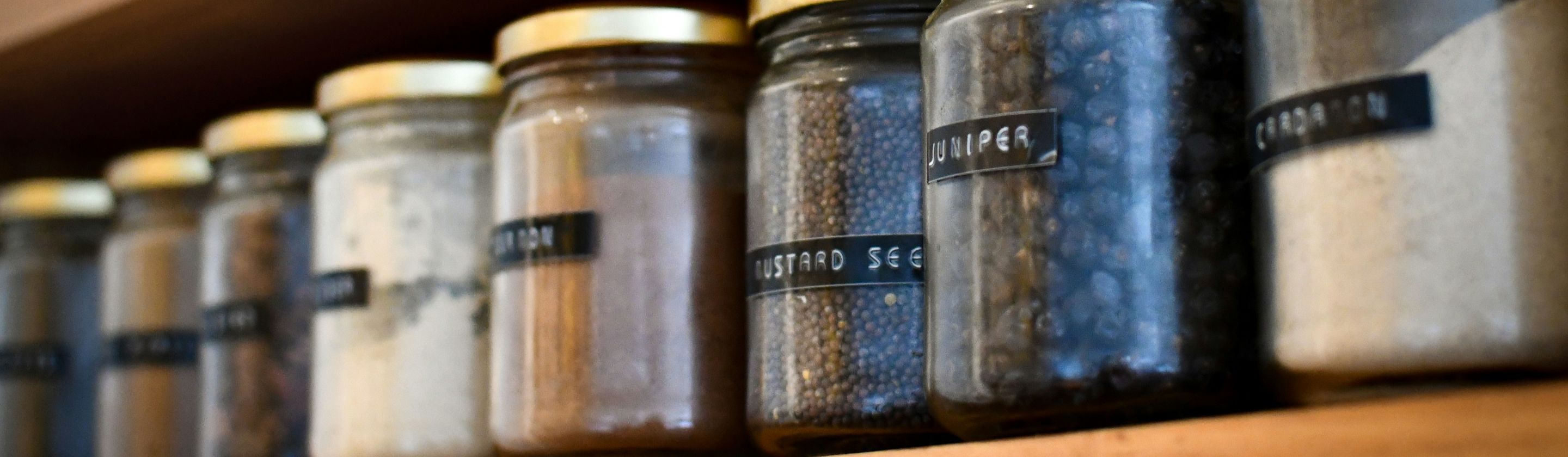
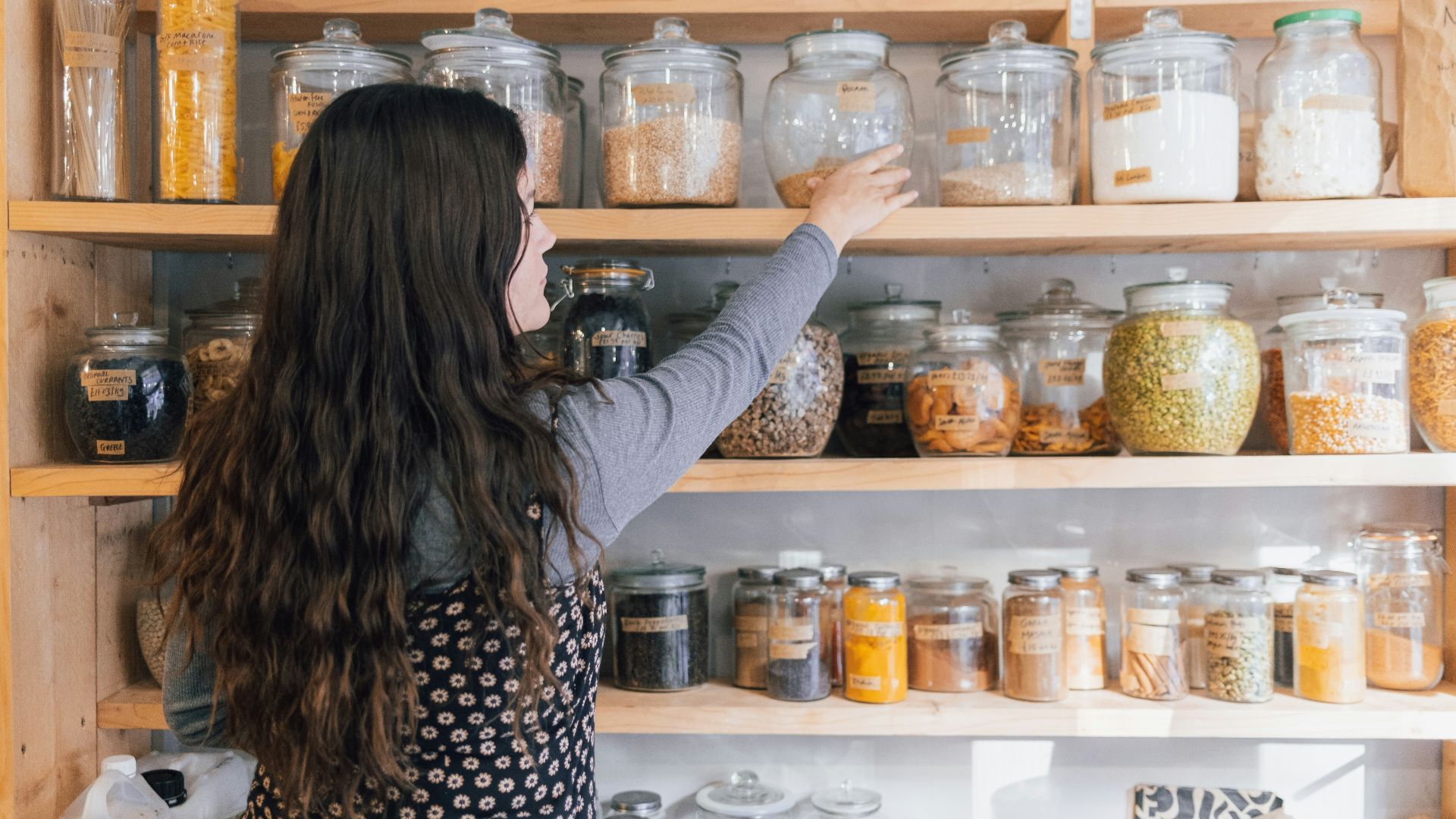
Most pantries don’t have a space problem. They get difficult to use when the shelves are packed with foods that don’t really go together, like a half-used specialty grain, a sauce you forgot about, and a can you bought for one recipe months ago. Those items take up room, hide the things you use regularly, and don’t do much to help when dinner needs to come together quickly. A capsule pantry keeps things simpler, with a modest group of dependable foods you can use from breakfast through dinner.
You don’t have to eat the same meals every day, and you don’t have to make your kitchen look bare. The goal is to keep the foods you use most often where you can see them, so they’re ready when you need them. A few shelves and freezer drawers can give you the start of a satisfying meal without another last-minute grocery run.
Foods That Work Together
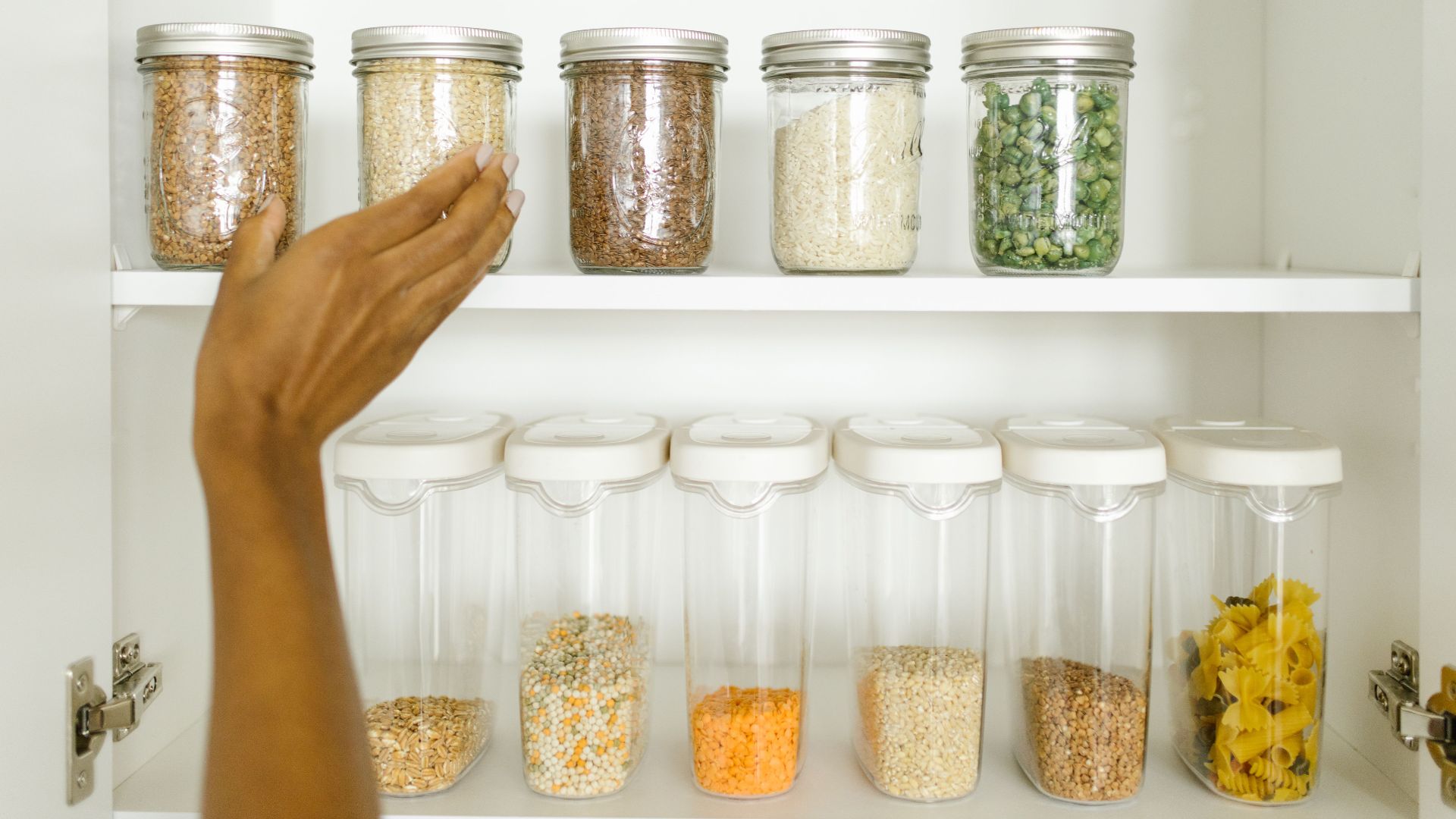
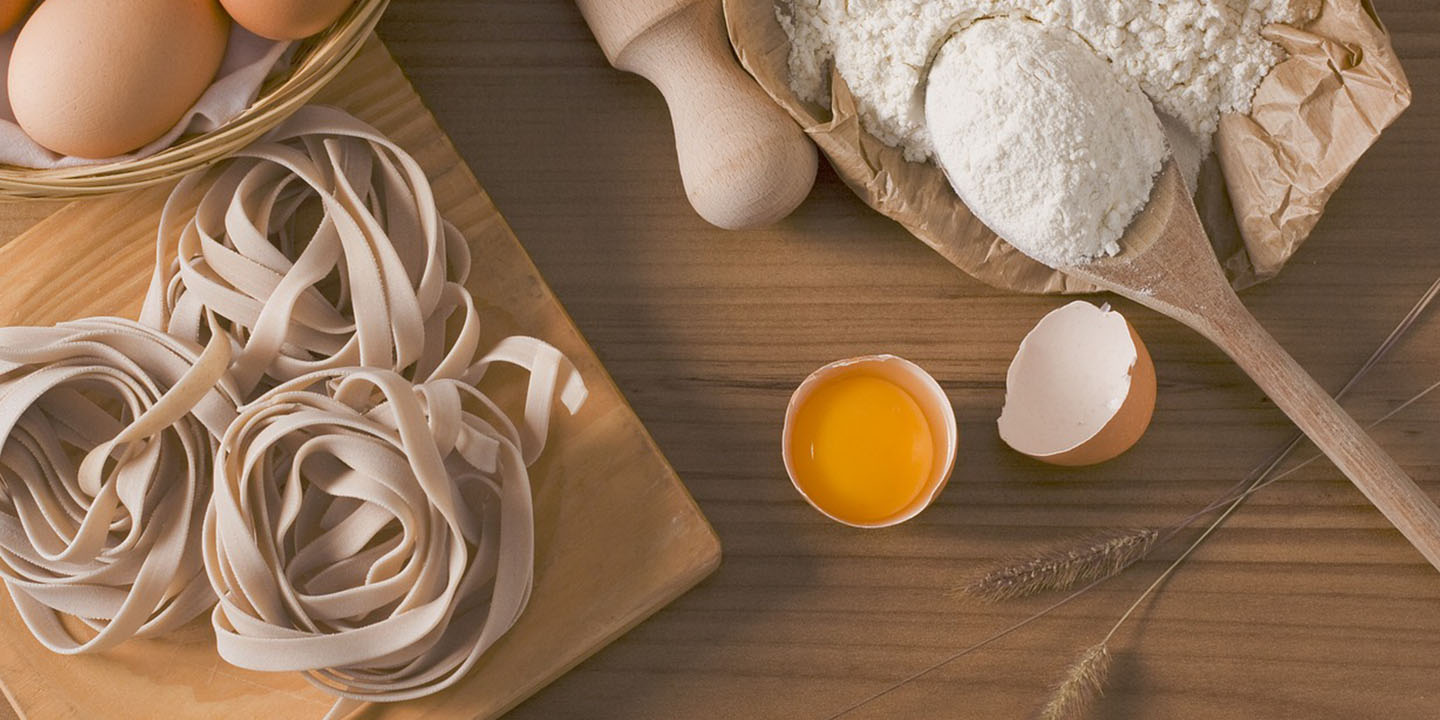
A capsule pantry doesn’t need one fixed shopping list that works for everyone. It works best when you keep a few foods from the main groups you use most: bases, proteins, vegetables, and aromatics. Rice, oats, pasta, canned tomatoes, beans, eggs, nut butter, broth, frozen vegetables, and tortillas can all show up in several meals without making things feel repetitive. It’s more helpful to choose foods that fit your usual meals than to buy something just because it sounds like a “pantry staple.”
This kind of pantry can also make it easier to put together meals with a range of nutrient-dense foods. Current federal dietary guidance prioritizes whole, nutrient-dense foods, including protein, dairy, vegetables, fruits, healthy fats, and whole grains. You don’t need every one of those categories in every meal, though they can help you decide what foods you want to keep around regularly. Having a few options from those groups at home gives you more to work with when it’s time to cook.
It also helps to think in easy food combinations instead of strict recipes. Pasta, white beans, tomatoes, garlic, and olive oil can make a quick dinner, while rice, black beans, corn, salsa, and lime make something completely different. If breakfast is your favorite meal, you may want oats, nuts, frozen berries, eggs, and good bread on hand most often. If you usually make soups, wraps, and grain bowls, more canned beans, broth, grains, and condiments may be a better fit.
Sharing the Load
Fresh produce belongs in a well-used kitchen, though it doesn’t have to do all the work. Frozen vegetables are excellent for busy beavers, and canned vegetables, beans, and tomatoes can help when the produce drawer is nearly empty. That means you can still make a real meal with what you have, rather than feeling like a grocery run is the only option.
A glance at the label can help when you’re choosing what to buy. Choose canned fruit packed in water or its own juice, and look for no-salt-added or lower-sodium vegetables and beans when they’re available. Draining and rinsing canned beans and vegetables can reduce sodium, which comes in handy when a meal already includes broth, cheese, olives, or other salty ingredients. Frozen vegetables without rich sauces let you decide how much flavor and seasoning to add.
The freezer gives your pantry extra flexibility, especially when you need a quick meal. Frozen berries work for oatmeal or smoothies, frozen spinach and peas can go into pasta or eggs, and bread or tortillas can save a lunch when fresh choices are running low. Olive oil, vinegar, soy sauce, mustard, dried herbs, chili sauce, garlic, and citrus can make familiar foods taste different from one night to the next, and two or three favorites you actually use are more helpful than a refrigerator door full of nearly empty jars.
Keep the System Simple
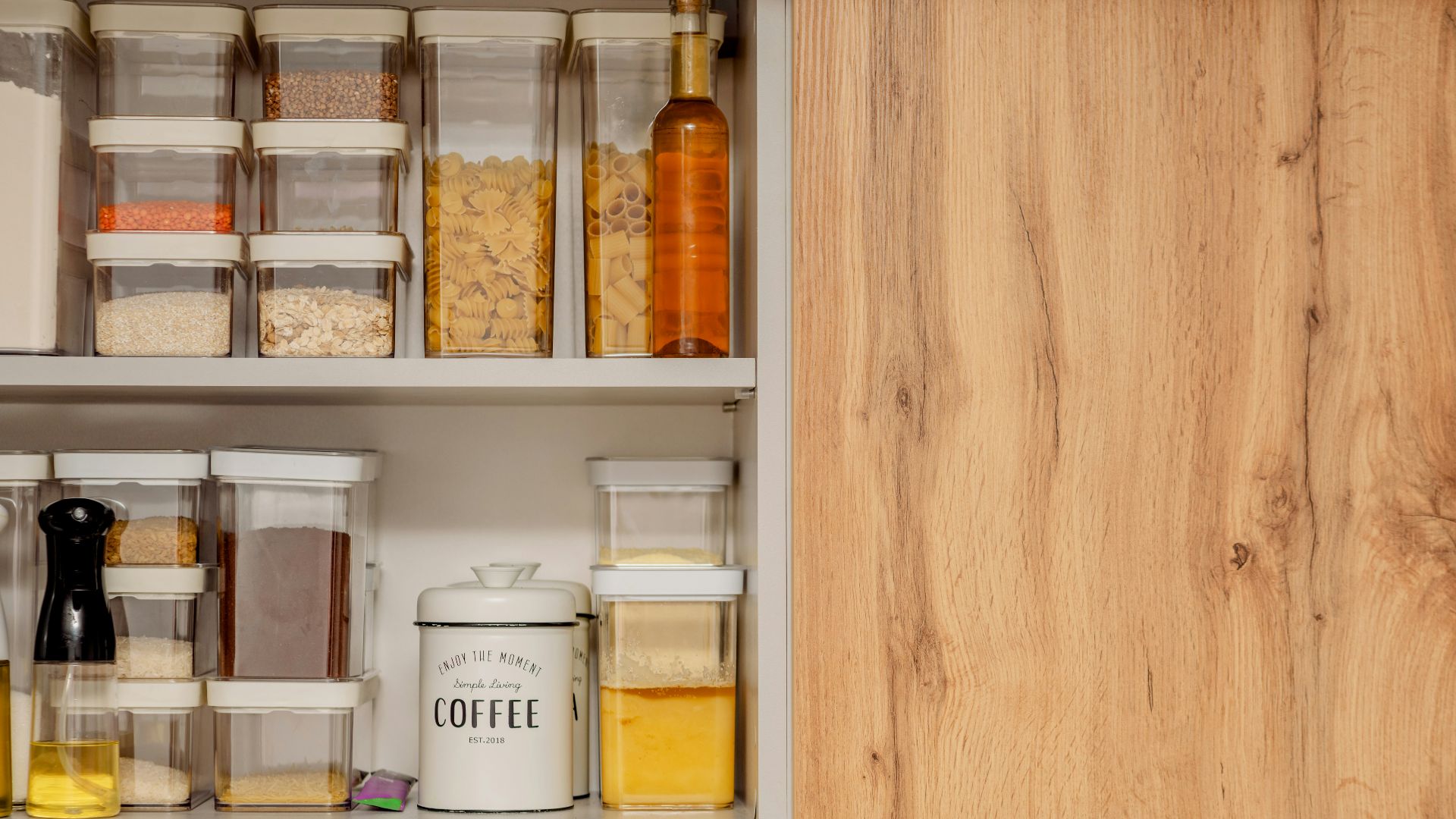
A capsule pantry only helps if you can see what you have. Store dry and canned foods in a cool, dry, dark place, keep older items at the front, and put newer purchases behind them. That makes it easier to use what you already own before you open or buy another version of the same thing. These conditions also help protect the quality of canned and dried foods, especially when shelves are away from heat sources.
Before you shop, take a quick look through the pantry, refrigerator, and freezer. A forgotten can of chickpeas and a bag of frozen vegetables can easily make for a simple dinner. Planning meals, shopping with a list, and avoiding food you can’t use before it spoils are practical ways to reduce waste. This small habit can also stop the pantry from filling up with duplicates that get pushed to the back and forgotten.
Store opened foods according to their labels and safe-storage guidance, and throw out cans that are damaged, leaking, or bulging. You can also leave room for foods you genuinely enjoy, whether that’s chili crisp, excellent dark chocolate, a favorite tea, or the pasta shape that makes dinner feel a little more fun. Once your staples are dependable, those small extras help the kitchen feel like yours.
KEEP ON READING
The 5 Most Consumed Foods in the Entire World