Here's How Many Fruit And Vegetables You Really Should Be Eating In A Day

We've all heard "eat your fruits and veggies" since childhood, but if you're like most people, you probably have no idea what that actually means in practice. Five servings? Nine? A bushel? The reality is that nutrition guidelines have evolved over the years, and what your grandmother told you might not match what scientists are saying today.
Let's cut through the confusion and get to the bottom of how many fruits and vegetables you actually need to eat every day—and why it matters more than you might think.
The Magic Number Isn't What You Think
For decades, Americans grew up hearing "five a day"—five servings of fruits and vegetables to keep the doctor away. But here's the twist: that recommendation was actually the bare minimum, not the ideal. Five daily servings of fruits and vegetables, eaten as 2 servings of fruit and 3 servings of vegetables, may be the optimal amount and combination for a longer life.
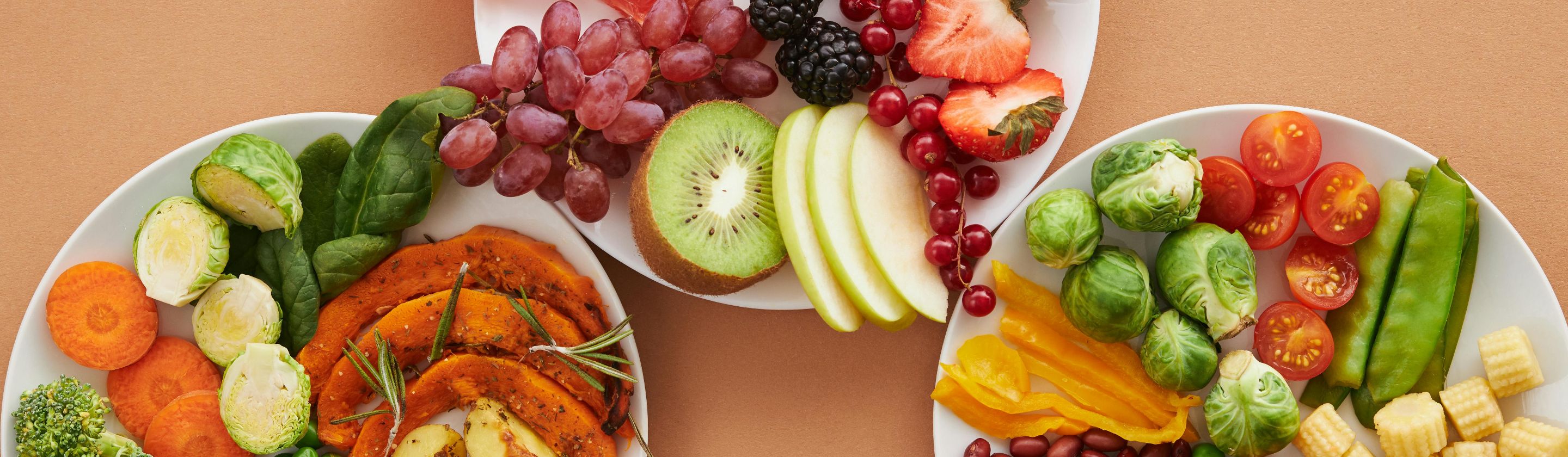
Meanwhile, the USDA's MyPlate guidelines suggest filling half your plate with fruits and vegetables at every meal, which typically translates to about 2 to 2.5 cups of vegetables and 1.5 to 2 cups of fruit daily for adults. But before you panic about measuring cups, let's talk about what a serving actually looks like.
One serving of vegetables is approximately one cup of raw leafy greens, half a cup of chopped vegetables, or half a cup of vegetable juice. For fruit, it's one medium piece (apple or banana), half a cup of chopped fruit, or about a quarter cup of dried fruit. When you break it down this way, hitting your daily targets becomes far less intimidating.
Why Your Body Actually Needs This Much
Your body isn't just being picky—there's serious science behind these numbers. Fruits and vegetables are full of vitamins, important minerals, fiber, and phytonutrients that your body simply can't produce on its own. People who consistently eat adequate amounts of produce have significantly lower risks of heart disease, stroke, certain cancers, and type 2 diabetes.
The fiber alone is worth the effort. Most Americans get close to 15 grams of fiber daily when they need 25 to 35 grams, and fruits and vegetables are among the best sources. This fiber keeps your digestive system running smoothly, helps control blood sugar levels, and even supports healthy cholesterol levels.
Plus, the antioxidants in colorful produce fight inflammation and cellular damage throughout your body.
Making It Work In Real Life

Here's the good news: you don't need to eat like a rabbit to hit these numbers.
Start your day with berries in your oatmeal or a banana with breakfast—that's one to two servings done before 9 AM. Add a handful of baby carrots or an apple as a snack, pile vegetables onto your sandwich at lunch, and make sure half your dinner plate is covered in veggies. Suddenly, you're hitting your goals.
KEEP ON READING

The Most Popular Signature Dishes Around the World