Microwaves heat food by making water molecules vibrate. Sounds fine, except water isn't distributed evenly in most foods. That's why your leftover pasta has molten spots that burn your mouth and cold centers that taste like they came straight from the fridge.
Dense foods heat slower than watery ones, and fat heats differently than protein. A 2024 study on ready-to-eat rice found that microwave heating patterns depend on food geometry, composition, and container shape in ways that are basically impossible to predict.
The rotating plate helps slightly, but you're still going to get hot spots and cold spots because microwaves penetrate food unevenly as the wavelengths are stronger at the edges than in the center.
Vegetables Lose More Nutrients Than They Should
Microwaving vegetables isn't the nutritional disaster some people claim. A 2003 JFSA study found that microwaving broccoli with minimal water retained more vitamin C than boiling. The problem arises when you overdo it, which is easy to do when you can't see what's happening inside that spinning box.
Overcooking destroys nutrients. Heat-sensitive vitamins like C and some B vitamins break down with extended exposure to high temperatures. Steaming vegetables on the stovetop gives you way more control and actually better results in terms of both nutrition and texture.
It Murders Leftovers
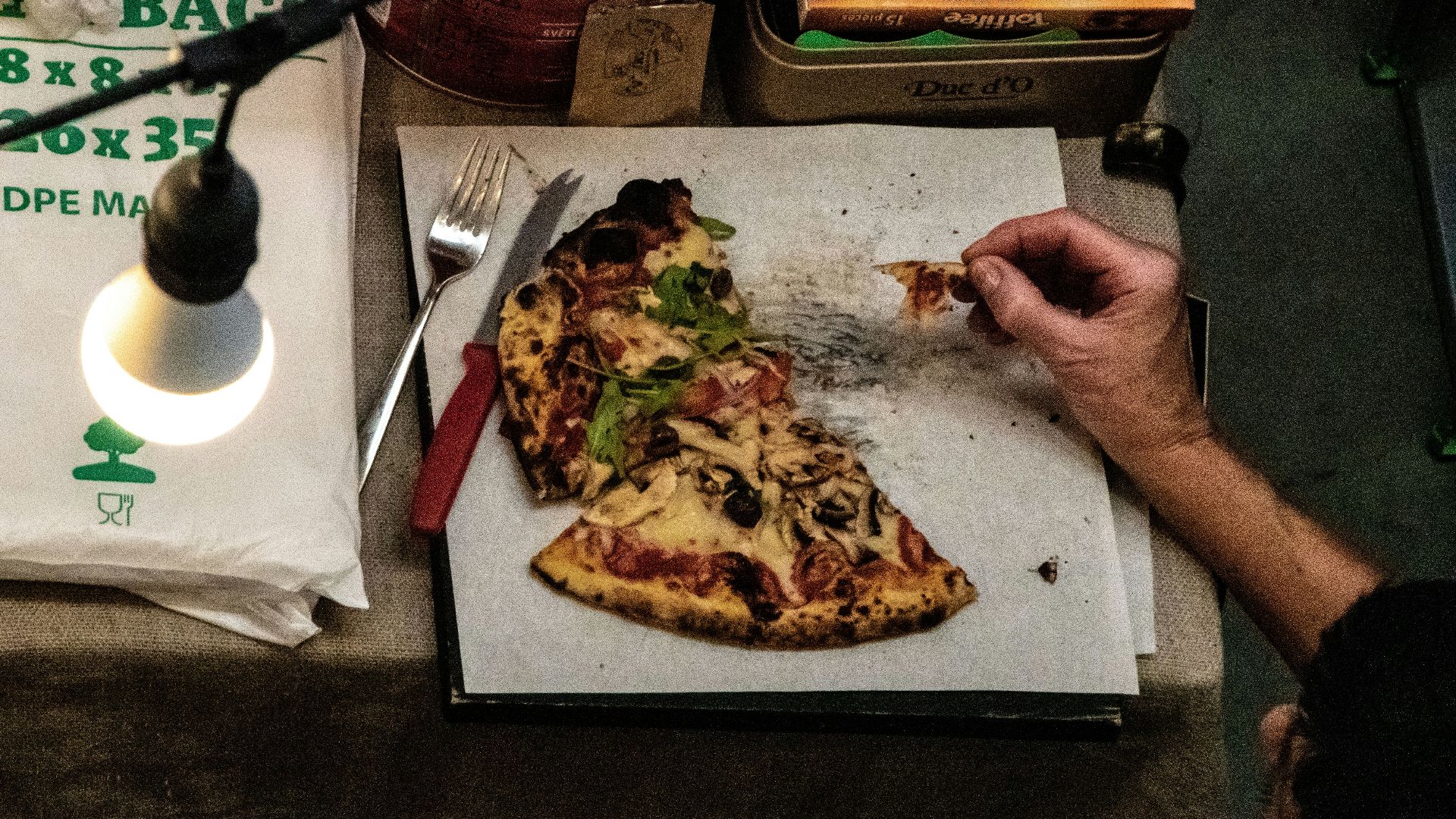
The microwave excels at destroying anything that was originally crispy, crunchy, or had any textural complexity whatsoever. Here's what happens: microwaves add moisture by heating water molecules, which creates steam. That steam then softens everything it touches, turning that crispy pizza crust into a sad, damp version of its former self.
The oven takes longer, it’s true, but twenty minutes at 350°F brings back crispiness in ways the microwave never could. You can actually achieve results that taste like real food instead of something that emerged from a humidity chamber.
Coffee Gets Worse, Specifically
Reheating coffee in the microwave somehow manages to both burn it and make it taste stale at the same time. Coffee has hundreds of aromatic compounds that give it flavor, many of which are volatile and break down with heat.
Microwaving coffee heats it unevenly, often bringing parts of it to near-boiling while leaving other parts lukewarm, which accelerates the breakdown of these delicate flavor compounds.
A 2020 UC Davis study in Scientific Reports found brewed coffee is most enjoyable at 136-151°F (58-66°C). Microwaves regularly overshoot this, especially on the edges of your mug, creating bitter, burnt notes. Add to that the fact that microwaves can't brown or caramelize anything, and you're left with coffee that tastes flat.
It Fundamentally Can't Brown Food

The Maillard reaction is the chemical process that makes browned food taste good. We’re talking crispy edges on cookies, the crust on bread, seared steak, toasted nuts. All of it requires temperatures above 300°F and dry heat.
With microwaves, you can't actually cook most things properly in there; you can only heat them. This is why microwave cakes have that weird, pale, spongy texture and why bacon comes out gray and flabby.
This doesn't matter for some foods like reheated soup or melted butter. Anything where texture, flavor development, and browning actually matter, you're probably better off using literally any other method.
KEEP ON READING