
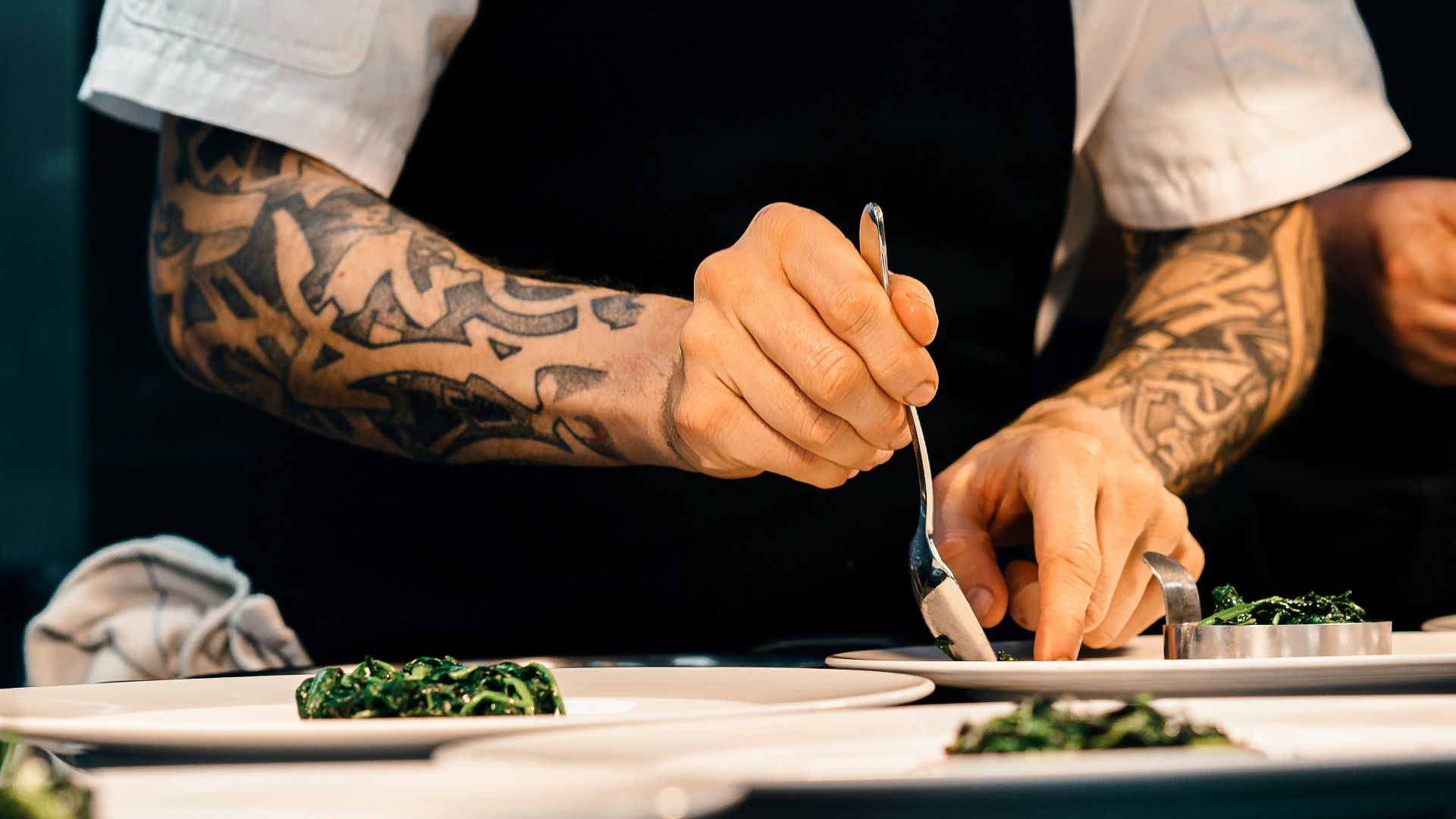
 Sebastian Coman Photography on Unsplash
Professional kitchens operate on a completely different bandwidth than home cooking. They prioritize efficiency, cultivating a rhythm that seems almost impossibly smooth when you watch it happen. Turns out, a lot of that magic comes down to small tricks that function like shortcuts. They don't compromise quality; they just make everything work better. These aren't the gimmicky "life hacks" that flood your social media feed. They're the real techniques that chefs use when the dinner rush hits and there's no time for nonsense.
Salt Your Pasta Water Like You Mean It
You've heard you should salt pasta water. What they don't tell you is how much salt we're actually talking about. Professional kitchens use roughly a tablespoon of kosher salt per quart of water—enough that it tastes distinctly salty, almost like seawater.
This isn't just about flavor, though that's part of it. Properly salted water seasons the pasta from the inside out, something you can't replicate by salting the finished dish. Chef Lidia Bastianich has mentioned in multiple interviews that undersalted pasta water is the number one mistake home cooks make with Italian food. The pasta itself should taste good before you even add sauce.
And while we're here: save at least a cup of that pasta water. The starchy, salty liquid is basically liquid gold for bringing sauces together, helping them cling to the noodles instead of pooling at the bottom of the bowl.
Room Temperature Ingredients Aren't Optional
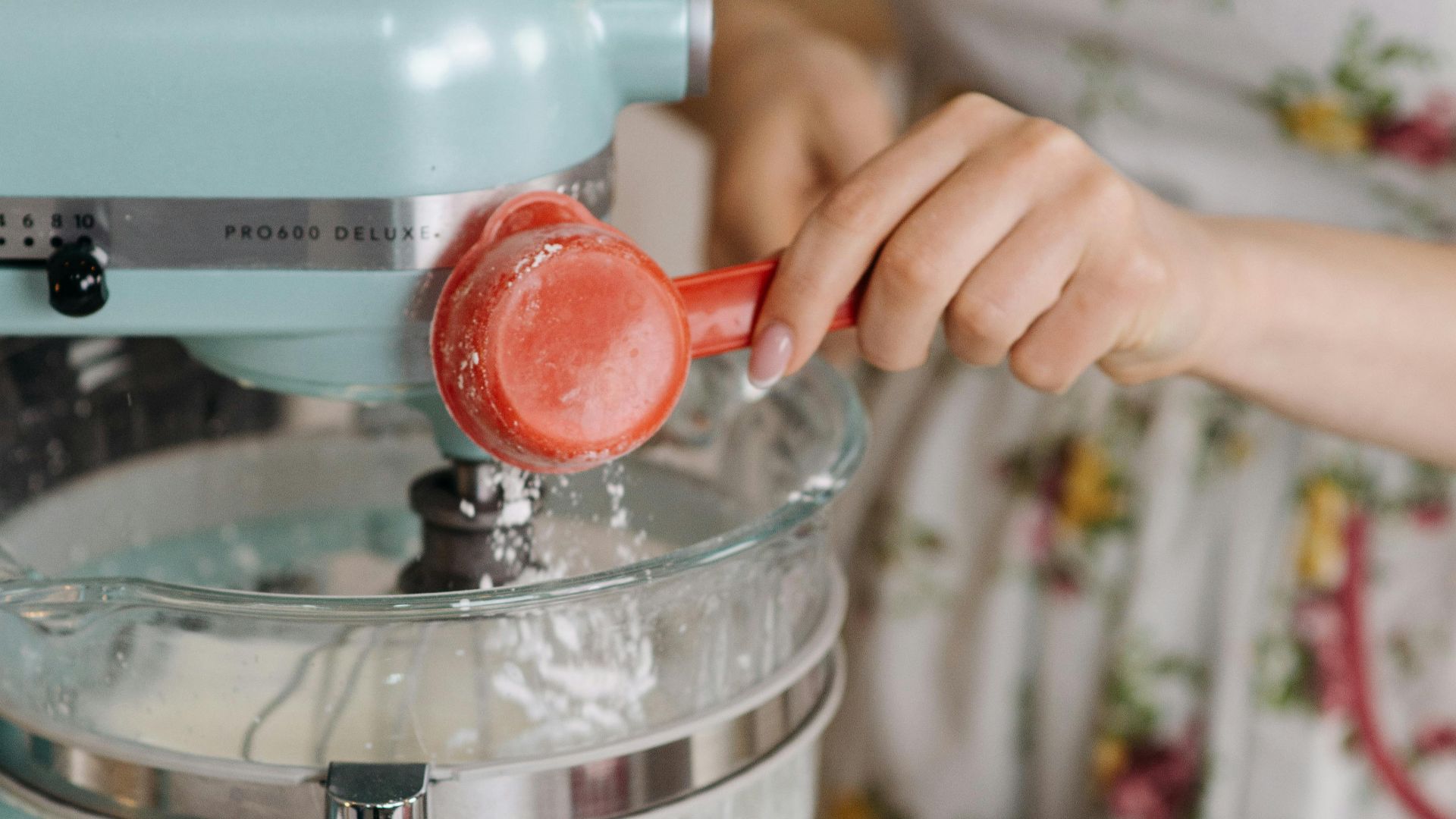
Cold butter won't cream properly. Cold eggs won't emulsify into cake batter the way they should. Refrigerated meat hits a hot pan and immediately drops the temperature, meaning you're steaming instead of searing. Temperature matters more than most recipes let on.
The Culinary Institute of America specifically teaches students to pull proteins from the fridge 20-30 minutes before cooking. A cold steak will be overdone on the outside and raw in the center by the time it reaches temperature. Physics, really.
Same goes for baking. Professional pastry chefs have their ingredients at room temperature before they even preheat the oven. Those thirty minutes of forethought translate to better texture, more consistent results, and fewer mysterious baking failures.
Sharp Knives Are Actually Safer
A dull knife requires additional pressure, which means less control and more likelihood of the blade slipping off whatever you're cutting and into your hand. Ask any line cook about their scars and they'll probably tell you the worst ones came from dull knives.
Chef's knives should glide through a tomato using only the weight of the blade. If you're sawing or pressing, you're working too hard. Professional kitchens typically sharpen their knives weekly.
As for honing, that should happen every single time you cook. A honing steel doesn't sharpen; it realigns the microscopic edge of the blade that gets bent during use. It takes fifteen seconds, and the difference in cutting performance is immediately noticeable.
Taste Constantly Throughout Cooking

Recipes are guidelines, not rules set in stone. Your tomatoes might be sweeter than the recipe developer's were, or your salt might be coarser. The only way to know if something needs adjustment is to actually taste it, and seasoning only at the end means you've missed opportunities to build flavor in layers.
Professional cooks have tasting spoons within arm's reach at all times. They're adjusting as they go, checking the seasoning of each component before it goes into the final dish. Season early, season often. Salt added at the beginning of cooking behaves differently than salt added at the end, drawing out moisture and concentrating flavors in ways that last-minute seasoning simply can't achieve. That's the mantra.
Acid Fixes Almost Everything
If something tastes flat and you can't figure out why, it’s probably in need of some acid. A squeeze of lemon, a splash of vinegar, or even a spoonful of yogurt can transform a dish from boring to balanced.
In one interview, Thomas Keller mentions that acid brightens a dish and makes flavors pop and come alive on your palate. If a heavy cream sauce feels too rich, acid cuts through it. The transformation is almost always immediate and dramatic.
You'll find bottles of various vinegars and bags of citrus in every professional kitchen, positioned right next to the salt. They're that fundamental to proper seasoning, yet somehow home cooks overlook them constantly.
KEEP ON READING