You come home from your local farmer’s market with a bag full of fresh veggies, determined to eat healthier, only you have no idea how to prepare it. You stare at the rainbow assortment of greens on your counter, wondering if boiling them into oblivion or roasting them in a pan would defeat the entire purpose. Turns out, cooking methods matter more than most of us realize. Some techniques can strip vegetables of up to 50% of their vitamin content, while other methods actually boost nutrient availability. The good news is that you don’t have to eat vegetables raw in order to preserve their nutrient profile. Once you understand a few basic principles, keeping those nutrients intact while cooking becomes almost second nature.
Steam Instead of Boil
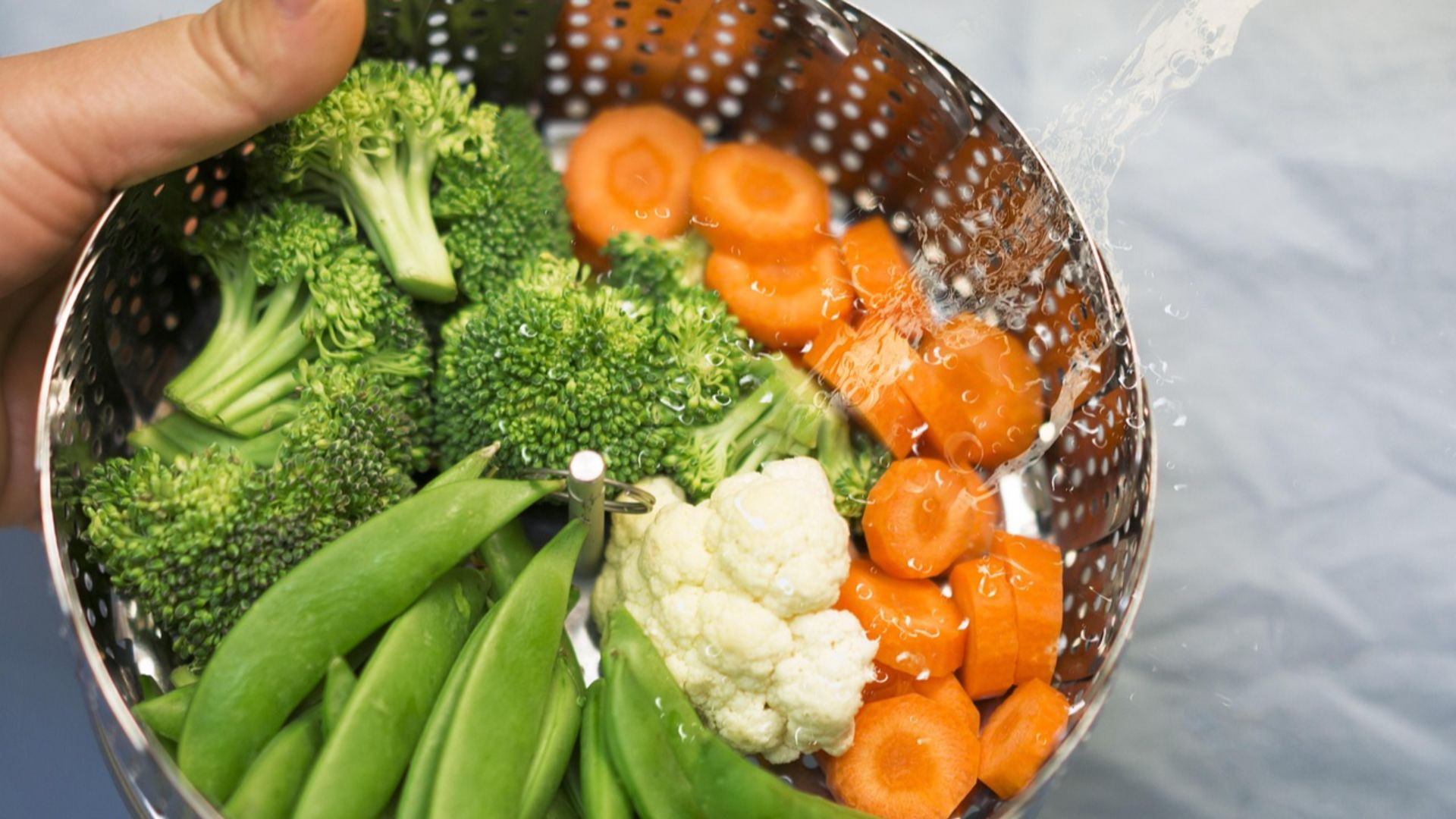
Steaming wins for nutrient retention, hands down. When vegetables sit submerged in boiling water, water-soluble vitamins like C and B-complex leach out into the cooking liquid. You pour that liquid down the drain, and there go your nutrients with it.
Steam keeps vegetables above the water line. The heat still cooks them through, softening cell walls and making them easier to digest, without drowning them in liquid that pulls nutrients away. Research from the University of Illinois found that steaming broccoli preserved its glucosinolates—cancer-fighting compounds that degrade rapidly with other cooking methods.
Cut Vegetables After Cooking When Possible
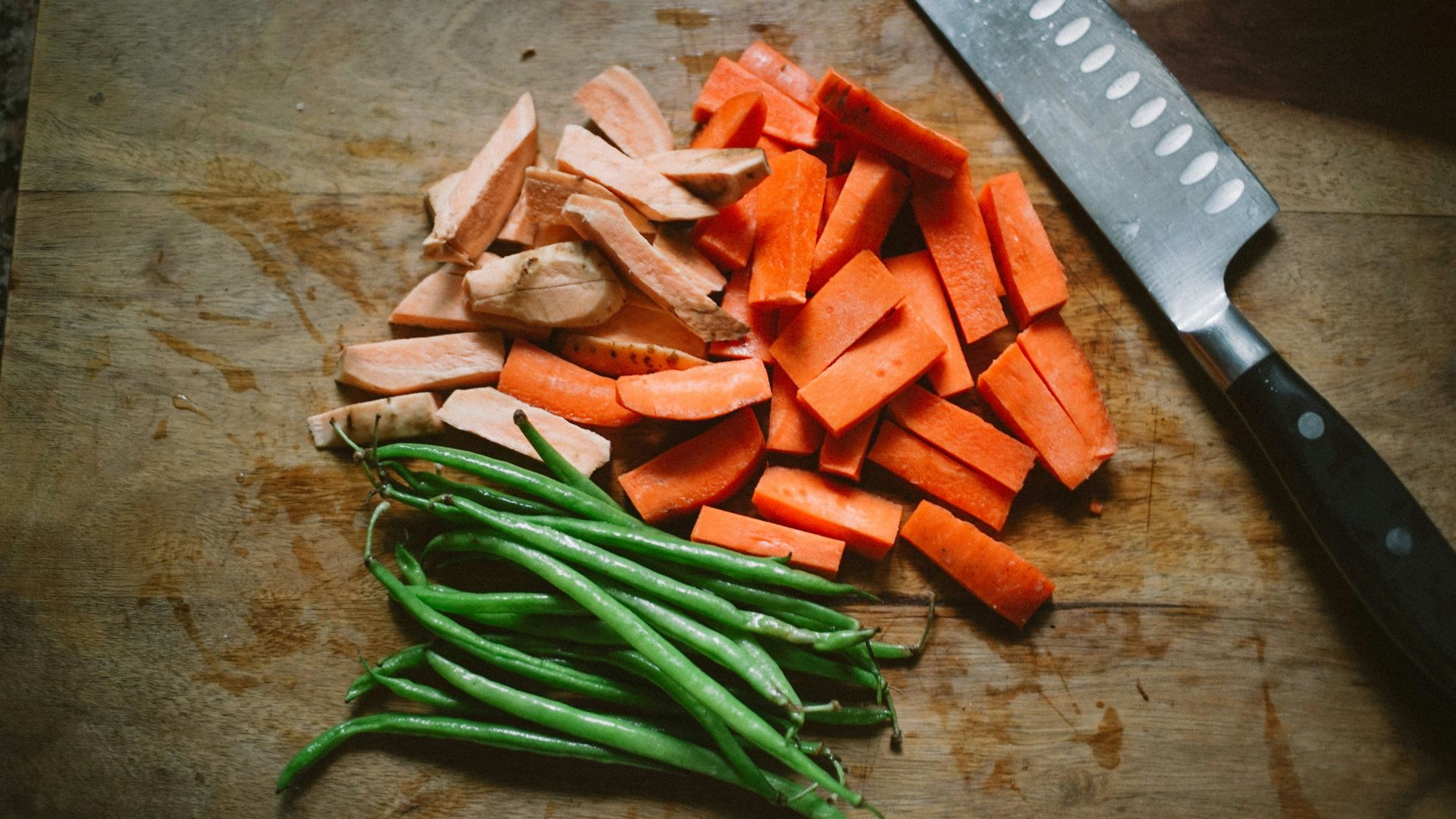
Here's something counterintuitive: the more surface area you expose before cooking, the more nutrients escape. Smaller pieces mean more cut edges where vitamins can oxidize or dissolve into cooking water. One study found that boiling carrots resulted in 50% more vitamin C loss, while steaming or roasting whole pieces retained 55-70% of nutrients across carrots, potatoes, and beets.
Cook them whole or in large chunks, then cut them afterward if needed. This approach takes longer, sure, since heat penetrates more slowly through a whole vegetable. The tradeoff might be worth it if you're serious about maximizing nutrition.
Use Minimal Water and Save the Cooking Liquid
If you must boil, use just enough water to cover the vegetables. Less water means fewer nutrients have anywhere to go.
Then save that cooking liquid. Those water-soluble vitamins didn't disappear; they just relocated. That cloudy, vegetable-flavored water contains exactly what you're trying to preserve. Add the liquid to soups, sauces, or use it as a base for grains like rice or quinoa.
The exception: if you're cooking vegetables known to be high in pesticides and you didn't buy organic, you might want to discard that water as residues can concentrate in cooking liquid too.
Cook for Shorter Times at Lower Temperatures

High heat destroys nutrients faster than gentle heat. Vitamin C starts breaking down around 190°F, and the longer vegetables sit at high temperatures, the more degradation occurs. Quick cooking preserves more nutrition than long cooking.
Stir-frying works beautifully for this reason. Vegetables hit high heat but only briefly, usually three to five minutes max. They stay crisp-tender, colorful, and nutrient-dense. Roasting at moderate temperatures—say 375°F instead of 425°F—also helps, though it takes a bit longer.
Microwaving, oddly enough, can be excellent for nutrient retention. Short cooking times and minimal water make it surprisingly effective, though admittedly less exciting than other methods.
Eat Some Vegetables Raw
Not everything needs cooking. Raw vegetables retain all their heat-sensitive nutrients because, well, there's no heat involved. Bell peppers, cucumbers, tomatoes, and leafy greens taste perfectly fine raw.
That said, some vegetables become more nutritious when cooked. When heated, tomatoes develop more available lycopene, a bright red carotenoid pigment and potent antioxidant. Similarly, carrots release more beta-carotene. Spinach becomes easier for our bodies to absorb iron from after light cooking breaks down its oxalic acid content.
The ideal approach is to mix it up. Opt for raw salads some days, lightly cooked vegetables others. Variety covers all the bases and keeps meals from getting boring, which might be the most important factor of all for actually eating those vegetables in the first place.
KEEP ON READING

20 Fast Food Items With Surprisingly Weird Origins

20 Foods Only Rich Kids Ate Growing Up