Cabbage-Core Is Here: Why the Most Boring Vegetable Just Won 2026
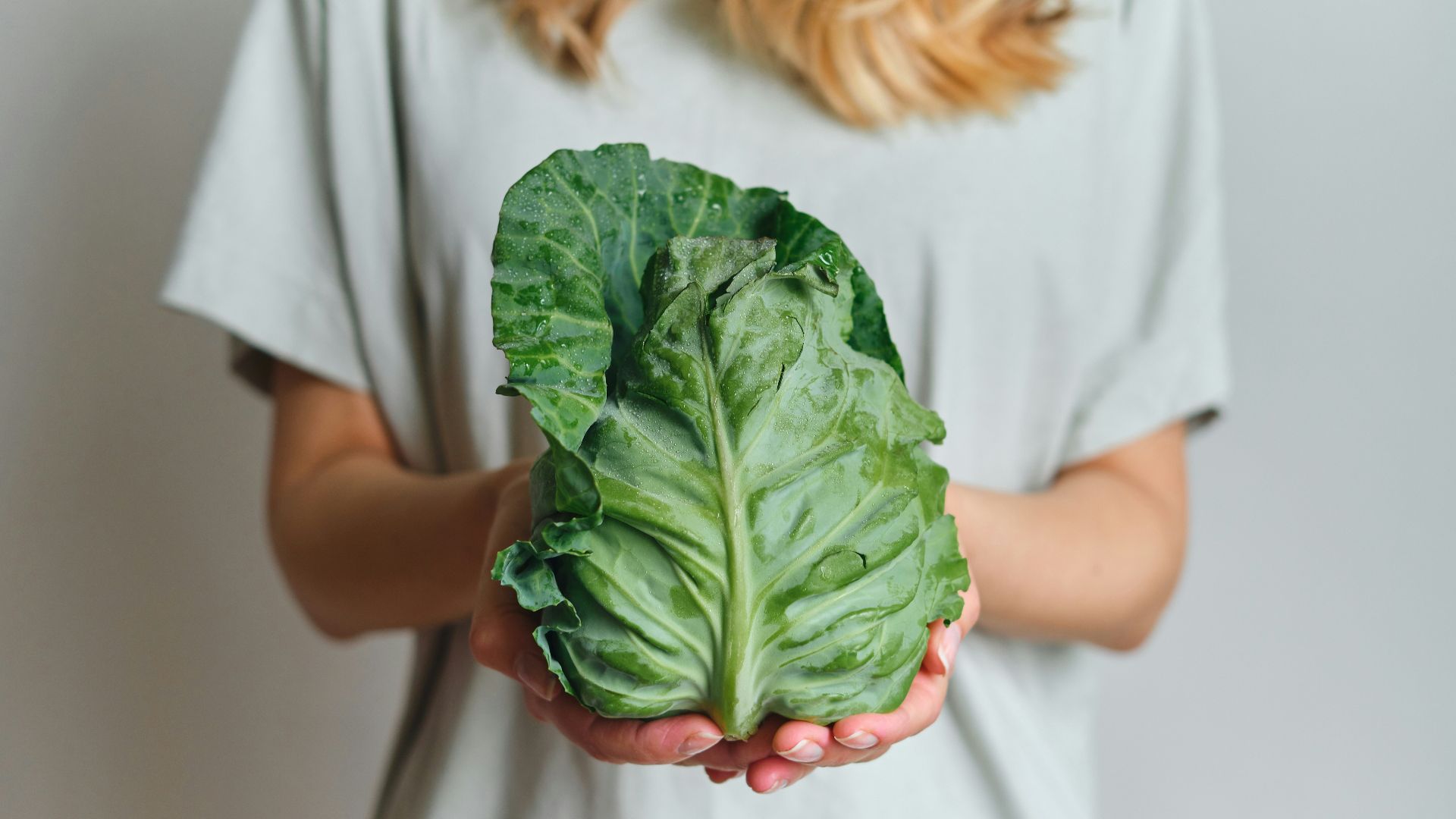 Iuliia Pilipeichenko on Unsplash
Cabbage has spent most of culinary history being treated like the beige carpet of the vegetable world. It's the thing you tolerate in coleslaw, the filler in a soup when you've run out of better ideas, the smell that haunts apartment hallways when a neighbor has been cooking for too long. For decades, it occupied the same cultural category as sensible shoes and off-brand painkillers: functional, unglamorous, quietly essential, never celebrated.
Something shifted. In the past year, cabbage has quietly become one of the more talked-about ingredients across food media, restaurant menus, and social platforms. Google Trends data shows search interest in cabbage recipes spiked significantly in early 2025 and held steady through the year. Whole roasted cabbage, cabbage steaks, fermented cabbage preparations beyond standard sauerkraut, and charred wedges with fancy sauces have all moved from fringe to mainstream. The most boring vegetable in the produce section is having what can only be described as a moment, and it's worth figuring out why.
The Economy Made Vegetables Interesting
Food trends don't happen in a vacuum, and this one has a pretty clear material cause. Grocery prices climbed steadily throughout 2023 and 2024, with the USDA reporting that food-at-home prices increased by roughly 25% between 2020 and 2024. People started cooking more deliberately, stretching budgets, and paying closer attention to what actually delivered value at the store. Cabbage, which routinely costs under a dollar per pound and keeps in the refrigerator for weeks, started looking less like a compromise and more like a rational choice.
That budget pressure intersected with a broader cultural movement away from performative food. The era of the $22 heirloom tomato toast had already started feeling exhausting before inflation made it feel absurd. Food content creators began leaning into frugality not as a hardship but as a kind of craft. Cooking well with cheap ingredients started carrying its own prestige, the same way thrift-store fashion had already been reframed as sustainable style rather than financial necessity. Cabbage was perfectly positioned for exactly that reframing.
What happened next follows a familiar pattern in how ingredients get rehabilitated. Serious cooks and restaurants started treating cabbage with the same attention they'd give a more glamorous vegetable, applying high heat, good fat, and technique. Once you see a half-head of green cabbage slow-roasted in brown butter at a well-reviewed restaurant, your understanding of what the ingredient can do shifts permanently. The association breaks, and a new one forms.
Fermentation Culture Gave It a Glow-Up
The fermentation revival that picked up speed in the 2010s planted seeds that are still flowering. Interest in gut health, probiotics, and traditional food preservation methods brought kimchi and sauerkraut into mainstream American kitchens in a serious way. The global kimchi market was valued at over 4 billion dollars in 2023, according to data from Allied Market Research, and kimchi exports from South Korea reached record highs in 2022. That kind of commercial momentum doesn't stay niche for long.
What fermentation culture did for cabbage was essentially what craft beer did for hops: it took a common, undervalued ingredient and attached new vocabulary, technique, and meaning to it. Once people understood that the same head of cabbage sitting in their crisper drawer was the base of some of the world's most complex and beloved fermented foods, the vegetable started carrying different associations. It wasn't just coleslaw anymore. It was a living food, a preservation tradition, something with regional variation and real cultural depth.
Social media accelerated this. Fermentation content performs remarkably well on video platforms because the visual transformation is so dramatic and the process unfolds over time in a way that rewards follow-up posts. A jar of shredded cabbage turning into something bubbly, tangy, and alive makes for genuinely compelling content. That visibility created a feedback loop where more people tried fermentation, shared their results, and further normalized cabbage as an ingredient worth investing attention in.
Ugly Vegetables Are Having a Broader Cultural Moment
Cabbage doesn't exist in isolation. It's part of a wider rehabilitation of unglamorous produce that includes celeriac, kohlrabi, turnips, and the general brassica family. Food media has spent the last few years pushing back on the tyranny of the aesthetically perfect ingredient, partly for sustainability reasons and partly because the more photogenic vegetables had simply been written about to exhaustion. There are only so many ways to make roasted cherry tomatoes sound exciting.
The sustainability angle matters here. Cabbage is an extraordinarily efficient crop. It requires relatively little water compared to other vegetables, produces a high yield per acre, and grows in a wide range of climates. As conversations about food systems and environmental impact became more mainstream, ingredients with a low footprint started accumulating a certain amount of moral prestige alongside their practical advantages.
What cabbage-core ultimately represents is a recalibration of what counts as worth caring about in food. The aesthetics of abundance, novelty, and expense that dominated a certain era of food culture are giving way to something that values transformation, technique, and resourcefulness. Cabbage didn't change. The criteria did, and cabbage was already exactly what those new criteria were looking for.
KEEP ON READING

20 Reasons You Should Stop Eating Out