
Is Fast Food Really The Cause Of The Obesity Epidemic? Maybe Not

Fast food gets a bad rap. Everyone points fingers at burger joints when discussing America's weight struggles, but reality isn't that simple. Our bodies respond to countless factors beyond just quick meals. The obesity puzzle has many pieces, and fast food might just be one small part.
Join us as we take a closer look at problem plaguing communities around the country.
The Relationship Between Fast Food And Waistlines
The narrative seems simple. Fast food consumption skyrocketed in the 1980s and 1990s, and so did obesity rates. Case closed, right? Not quite. While Americans consume about 836 calories per fast food meal—roughly 40% of a day's recommended intake—research reveals a far more complex picture.
A study in the American Journal of Clinical Nutrition examining 4,466 US children discovered that the overall dietary pattern outside of fast food restaurants may have stronger associations with overweight/obesity than fast food consumption itself.
Meanwhile, Japan and South Korea have seen McDonald's and KFC flourish across their respective nations without the corresponding obesity increases, suggesting cultural context and overall lifestyle play a much more pivotal role than we might think.
Hidden Factors That Actually Drive Weight Gain
While fast food makes an easy target, obesity researchers increasingly point to other, less visible culprits. Sleep deprivation has emerged as a powerful driver of weight gain—people who sleep less than 6 hours nightly show an increase in obesity risk compared to those getting 7–8 hours.
The dramatic reduction in daily physical activity may play an even bigger role. Since the 1960s, physical activity in occupational settings has declined significantly.
Packaged foods engineered for maximum palatability now comprise 58% of the average American diet. When researchers at the NIH placed subjects on identical-calorie diets of ultra-processed versus whole foods, the ultra-processed group consumed an additional 500 calories daily.
Why Our Food Environment Makes All The Difference
The most compelling evidence points not to individual fast food chains but to our changed food environment. We now live in what researchers call an "obesogenic environment"—a world where high-calorie foods are cheaper, more convenient, and more aggressively marketed than healthier alternatives.
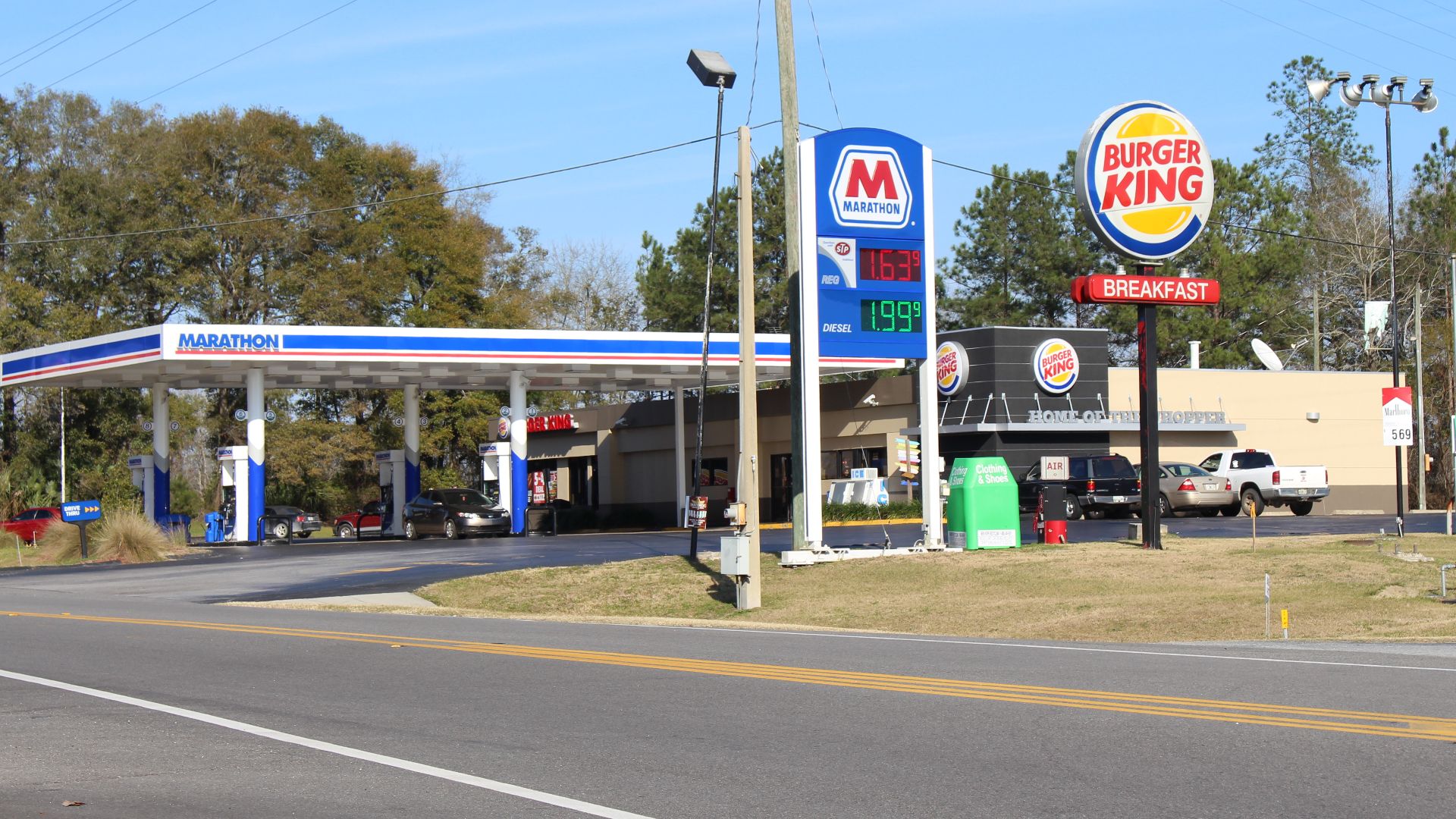
Meanwhile, food has become omnipresent, available 24/7 in locations that historically never offered it, from gas stations to office buildings. A study in the American Journal of Public Health found that today's average restaurant meal is larger than it was in the past.
Even cookbook recipes now call for more calories per serving than those published 50 years ago. This subtly redefines what we consider "normal" eating. The most successful weight management programs focus on rebuilding a healthier relationship with our overall food environment.
Taking Control
Understanding the true complexity of weight gain empowers better choices. Rather than simply avoiding fast food, focus on improving sleep quality, incorporating more movement throughout your day, and becoming mindful of portion sizes across all meals.
Read nutrition labels on packaged foods and cook at home more frequently using fresh ingredients. These lifestyle adjustments address the real drivers of obesity more effectively than demonizing any single food source. The key isn't perfection—it's consistent, sustainable habits that support your overall health and wellbeing.
KEEP ON READING



You’re Storing Tomatoes Wrong in This Heat

You’re Storing Potatoes Wrong in This Heat

You’re Storing Peppers Wrong in This Heat