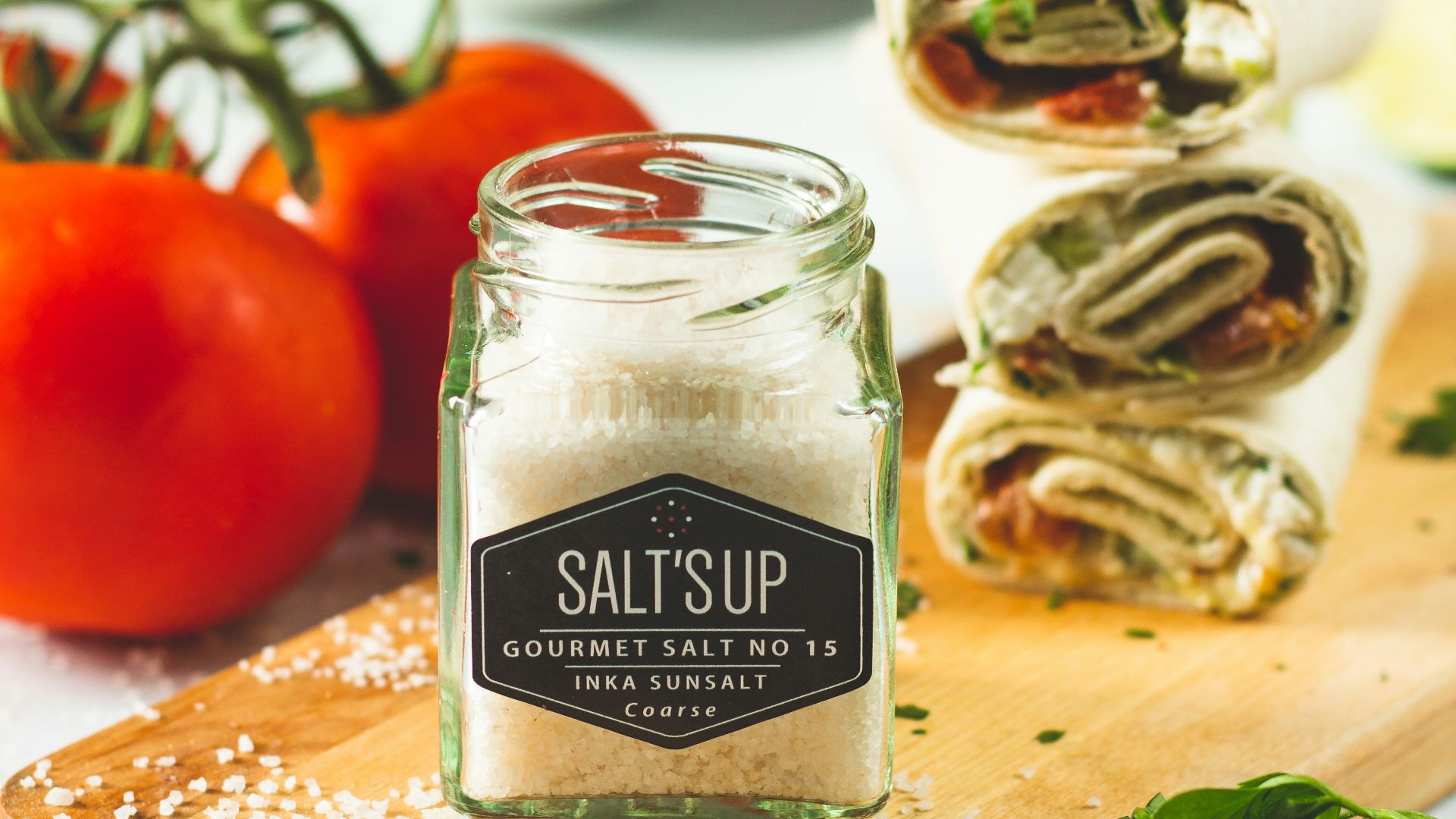
Salt has become public enemy number one in the nutrition world. Your doctor probably tells you to cut back, food labels warn you in bold numbers, and health headlines constantly link it to heart disease and early death.
But wait a second—our ancestors traveled across continents seeking salt, wars were fought over it, and Roman soldiers were literally paid in the stuff. Your body can't survive without sodium, yet we're told to avoid it as if it were poison. Something doesn't add up here. The truth about salt and your health is way more complex than the simple "salt equals bad" message we've been fed, and understanding the nuances might completely change how you think about that shaker on your dinner table.
What Salt Actually Does In Your Body
Sodium is absolutely essential for human life. It's not optional nutrition—it's a requirement. Sodium maintains the fluid balance inside and outside your cells, enables nerve signals to fire throughout your body, and allows your muscles to contract properly. Your heart wouldn't beat without it. The official recommendation sits at 2,300 milligrams daily, with a target of around 1,500 mg for most adults.
However, extremely low sodium intake isn't the health utopia you'd expect. Frontiers in Endocrinology suggests that going too low on sodium can increase the risk of heart disease and death in certain groups. Your body tightly regulates sodium levels through sophisticated mechanisms involving your kidneys, hormones, and thirst signals. When you eat more salt, healthy kidneys simply excrete the excess. The system works remarkably well for most people.
The Real Culprit Behind Sodium Problems
Here's the plot twist: about 75 percent of dietary sodium is present in packaged and restaurant foods. That's where the actual problem lives. A single serving of canned soup can provide 900 mg of sodium. Deli meats, frozen pizzas, bread, cheese, and condiments are absolutely loaded with it. Food manufacturers use sodium not just for flavor but as a cheap preservative and texture enhancer.
When scientists examine sodium intake more carefully, they find that people eating whole, minimally processed foods can consume moderate sodium without the negative health effects seen in people eating the same amount from processed sources. This strongly suggests sodium is getting blamed for the overall disaster of ultra-processed diets packed with refined carbs, unhealthy fats, and additives. Plus, sodium sensitivity varies dramatically between individuals based on genetics, kidney function, and other health factors. Some people's blood pressure responds significantly to sodium intake, while others show minimal changes.
The Verdict

Is salt bad for you? The honest answer is: it's complicated.
For healthy people eating primarily whole foods and cooking at home, moderate salt use isn't the health catastrophe it's made out to be. The real problem is industrialized food, which pumps excessive sodium into every product while stripping away actual nutrition. Instead of salt paranoia, focus on food quality. Eat real ingredients, cook your own meals when possible, and yes, enjoy some salt on your vegetables.
KEEP ON READING
The Most Popular Chocolate Bars in the USA

The Most Popular Candies in the USA


20 Annoying Foods That Get Stuck In Your Teeth