Are You An Almond Mom? 10 Signs You Are & 10 Better Ways To Encourage Healthy Eating
Are You An Almond Mom? 10 Signs You Are & 10 Better Ways To Encourage Healthy Eating
When "Healthy" Becomes Unhealthy
Just in case you haven't been on the internet in a while, an “almond mom” is a parent who’s so focused on being “healthy” that food starts feeling moral, stressful, or overly restricted. Most moms who fall into it aren’t trying to be harmful; they’re usually trying to help their family feel better, look better, or avoid health problems. The problem is that kids don’t just learn what to eat; they learn how to think about eating. That part sticks and can form into an unhealthy relationship with food. Here are 10 signs you might be doing almond-mom behavior and 10 better ways to encourage healthy habits.

1. You Call Foods “Good” & “Bad” All the Time
If snacks come with moral labels, kids start thinking eating is a character test. They may feel “good” when they restrict and “bad” when they enjoy something normal. That mindset can build guilt faster than it builds health. Food works better as information than judgment.

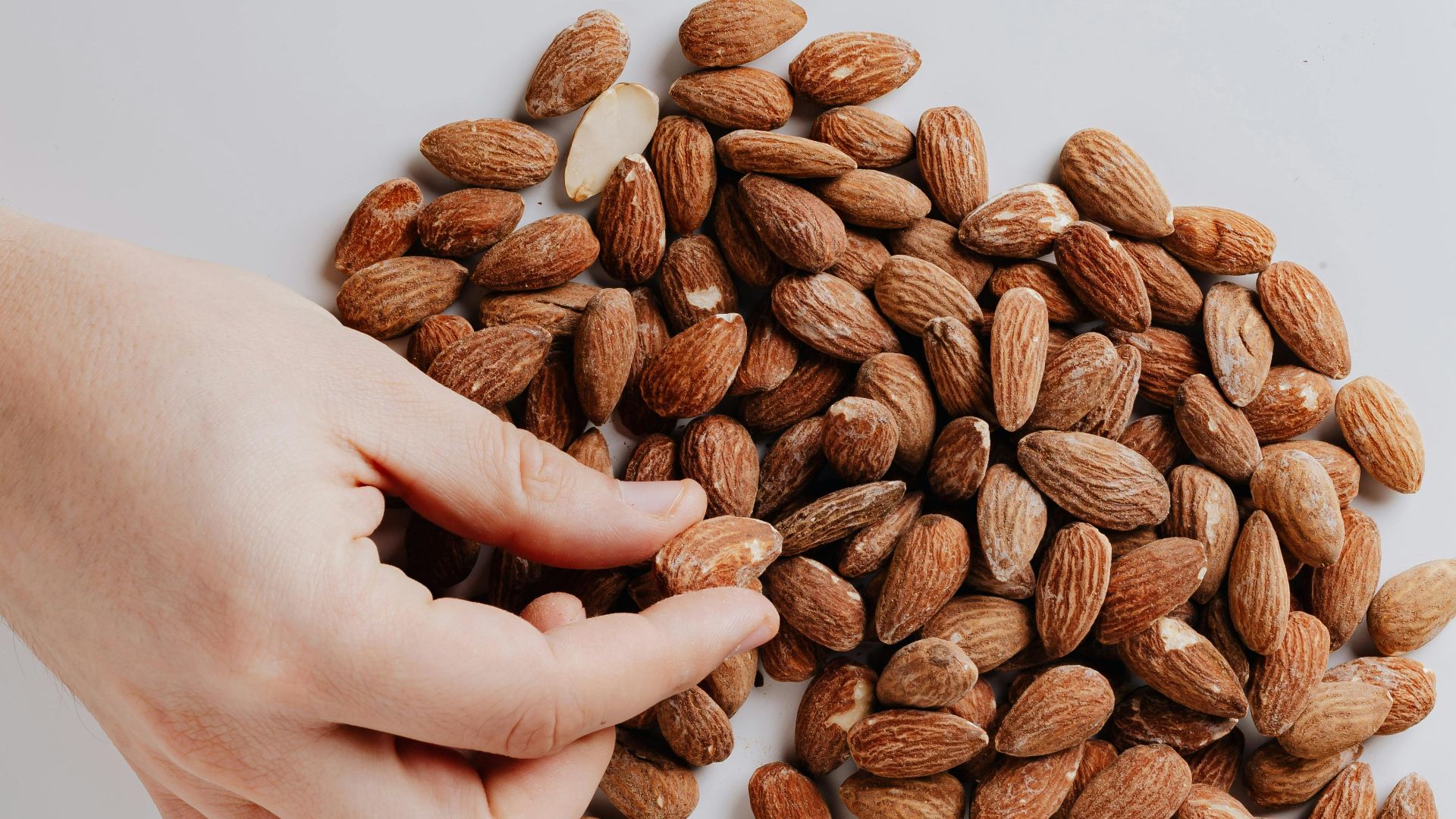
2. You Push “Just a Few Almonds” as a Full Snack
If a hungry kid asks for food and you offer the tiniest option possible, it sends a message that hunger is inconvenient. It also teaches them to ignore their body instead of listening to it. Small snacks are fine, but they shouldn’t be used as a hunger shutoff button. Kids need enough fuel to grow and focus.
3. You Comment on Bodies
Even “positive” comments can make kids hyper-aware of appearance. If weight, thinness, or “looking good” is a frequent topic, kids connect food to body scrutiny. That can lead to anxiety around meals and clothes. Compliments land better when they’re about effort, kindness, or strength.

4. You Demonize Sugar
If dessert turns you into the food police, kids feel the tension immediately. When sweets are treated like a forbidden substance, they can become extra desirable. That’s how sneaking and bingeing patterns start for some people. A calm approach usually creates a calmer relationship with treats.

5. You Constantly Talk About “Burning It Off”
If every indulgence requires compensation, kids learn that eating is a debt. Movement becomes punishment instead of joy, which can ruin exercise for them long-term. It also creates a cycle of guilt that isn’t necessary. Food and activity can both be good without being transactions.

6. You “Fix” Their Plate Without Asking
You might swap items or reduce portions because you think you’re helping, but kids often experience it as control. They start doubting their hunger cues and looking to you for permission to eat. Over time, that can create secretive eating or constant negotiation.
7. You Praise Diet Behavior
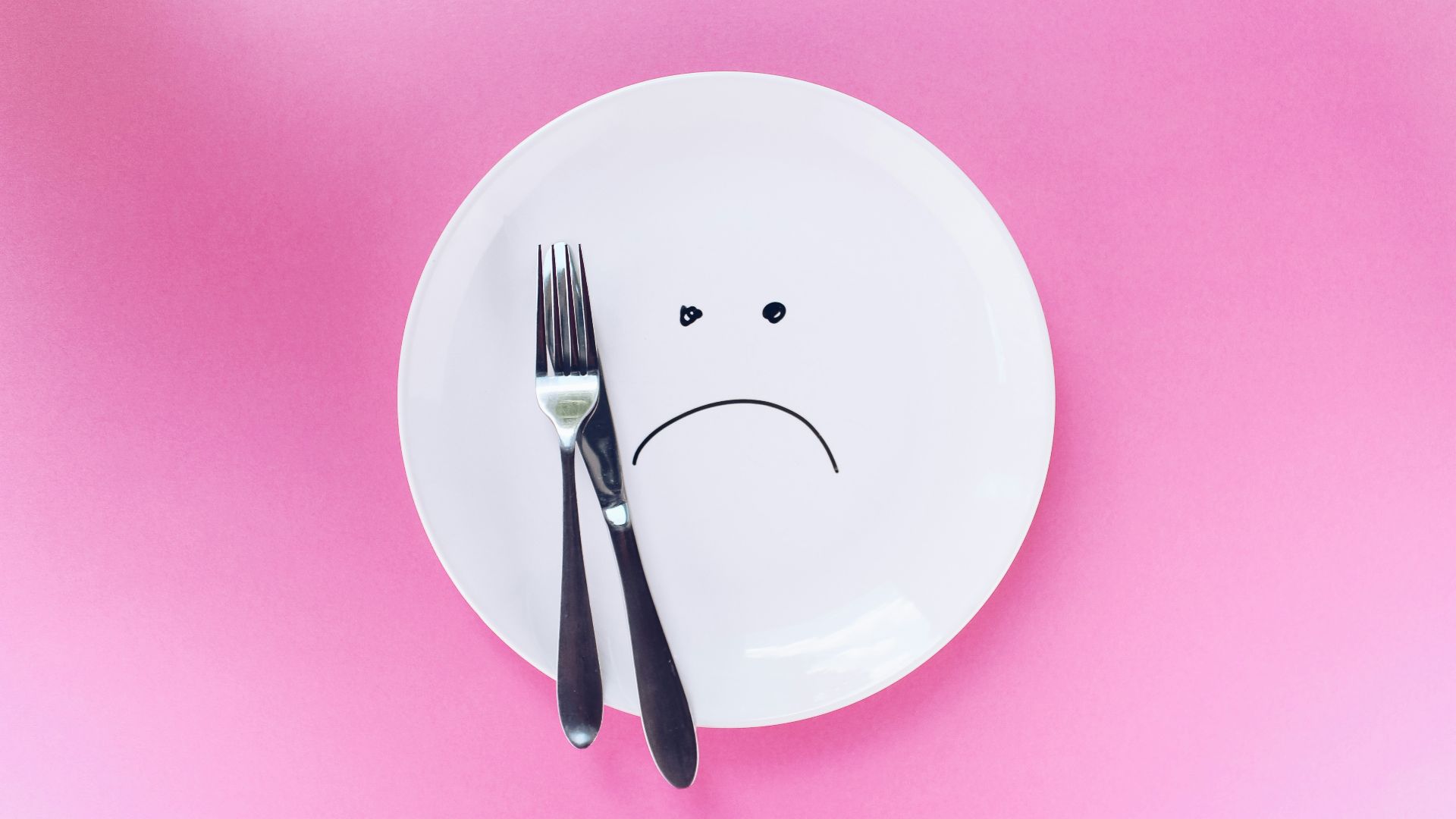
If you celebrate skipping meals, eating tiny portions, or “being so good,” kids learn that restriction earns approval. That can quietly encourage disordered habits without anyone intending it. The praise feels loving, but the lesson can be harmful.
8. You Make Nutrition a Personality Trait
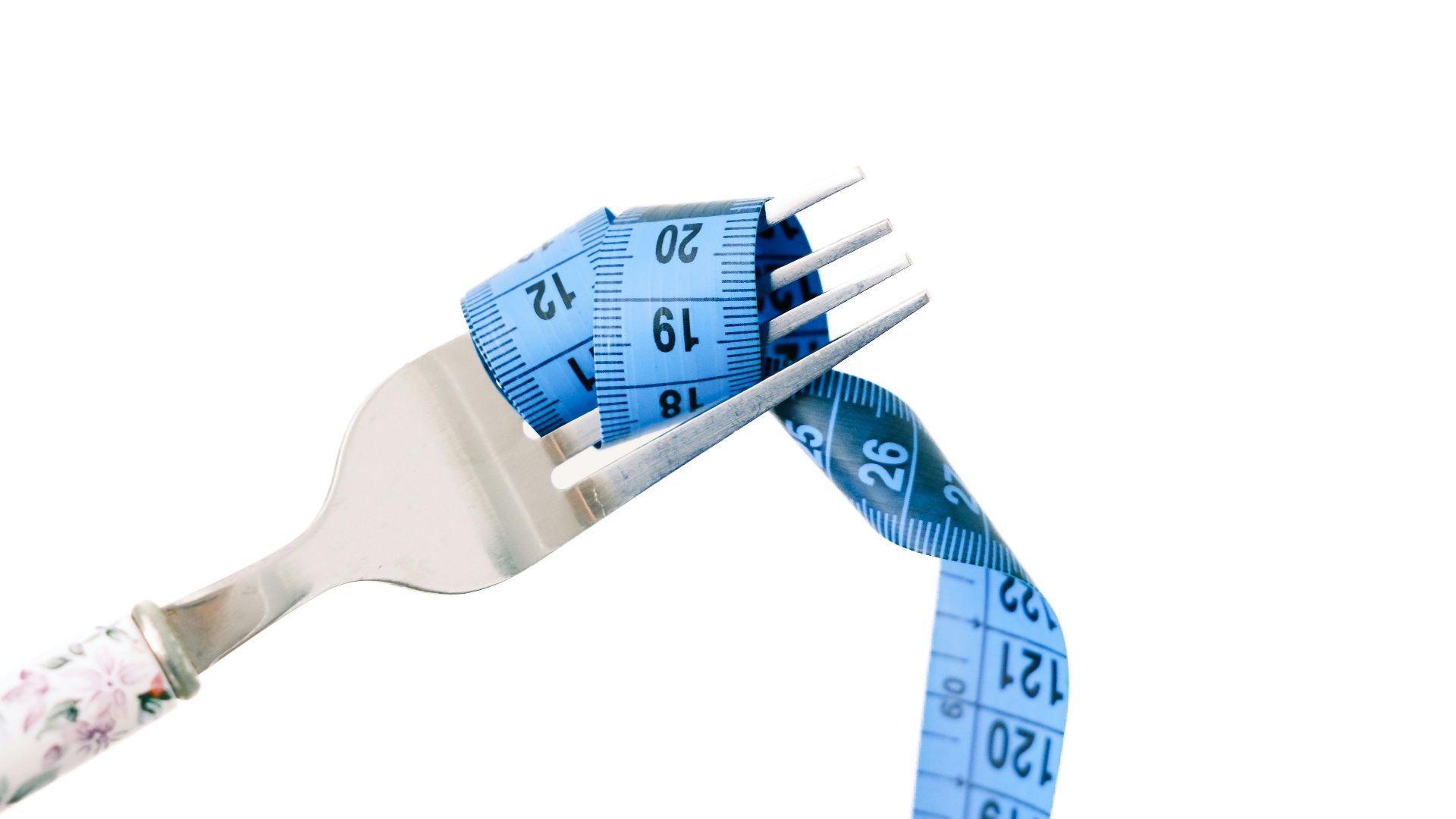
If every meal turns into a lecture about ingredients, toxins, or “clean eating,” kids can start tuning out or panicking. They may also become fearful of normal food, which is not the point of health. Information is helpful, but constant intensity isn’t. Meals should feel like meals, not a TED Talk.
 Vitalii Pavlyshynets on Unsplash
9. You Keep “Diet” Foods Only for You
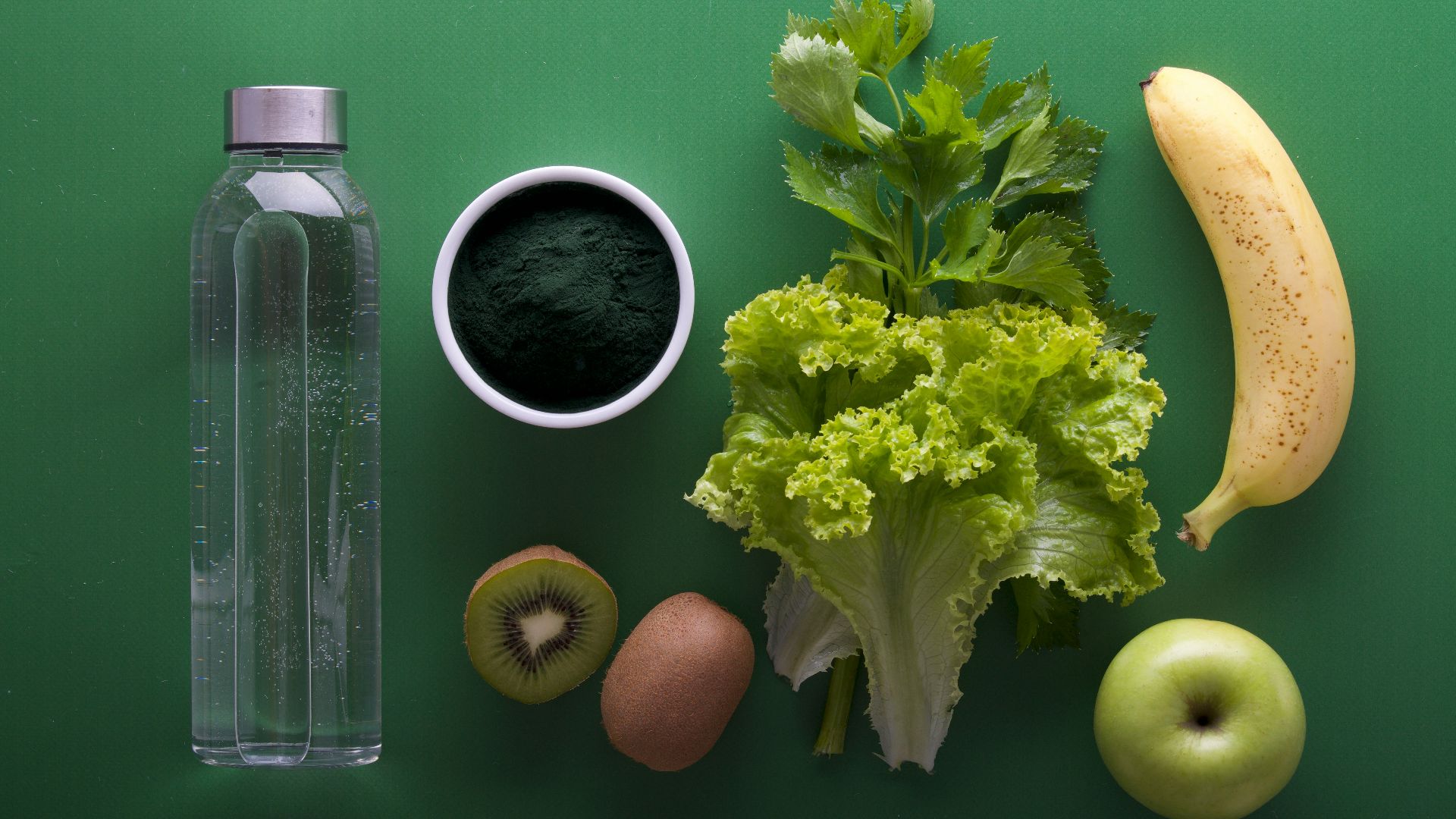
When you drink a diet shake while everyone else eats dinner, kids notice. It can imply that adults should restrict, and kids should eventually do the same. Even if you don’t say a word, the message lands through routine. Modeling matters more than speeches.

10. You Feel Anxious When You’re Not in Control of Their Food
If you dread birthday parties, school snacks, or grandparents’ cooking, that’s a sign that food has become emotionally charged. When control becomes the main goal, kids can pick up on the stress and internalize it. Truly healthy eating requires some flexibility.

Now that we've talked about the signs that you're an almond mom, let's cover the better ways you can encourage healthy eating.
1. Focus on Adding, Not Restricting
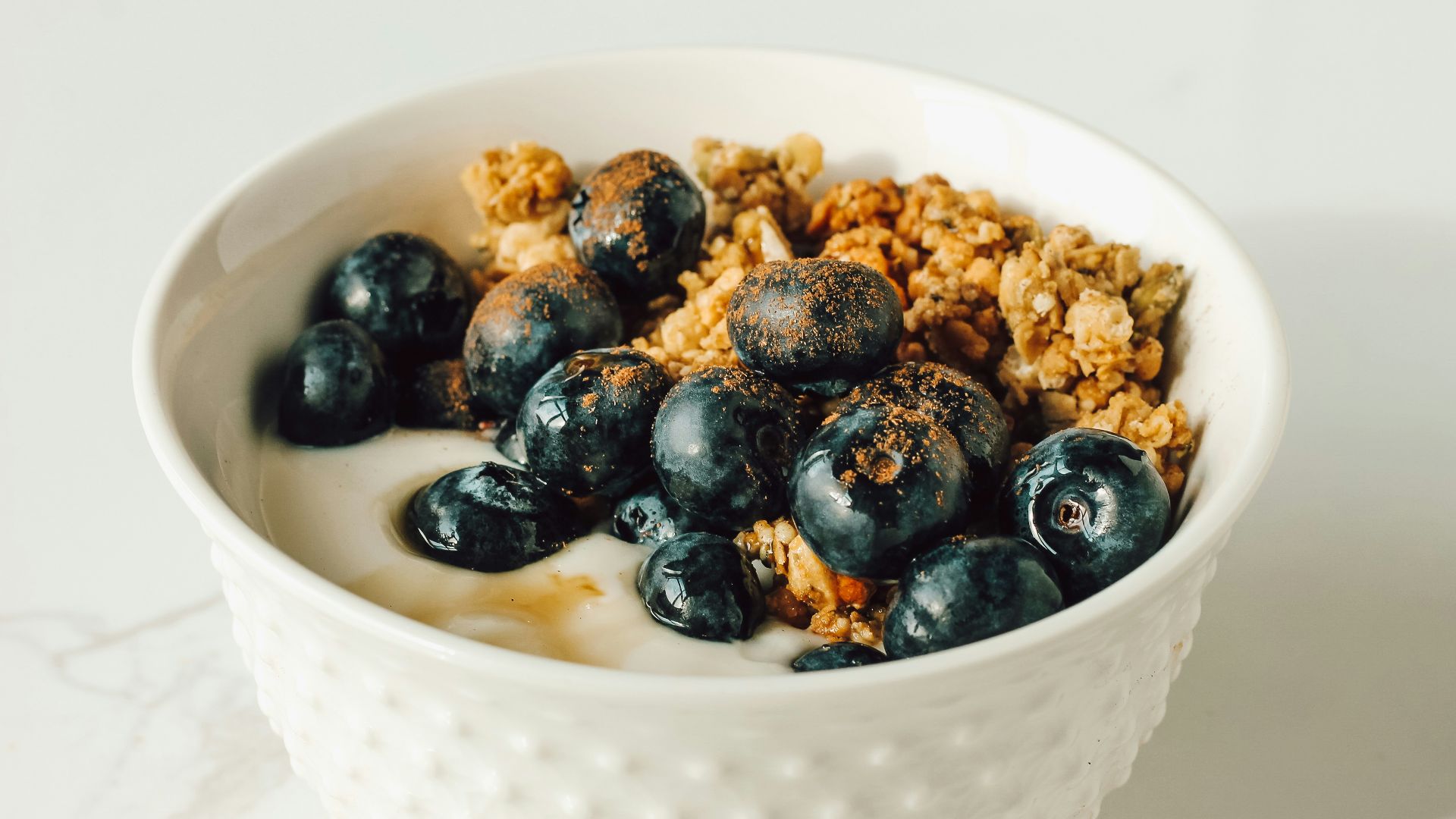
Instead of taking foods away, look for easy, healthy upgrades you can add in. You can pair a favorite snack with something filling, like fruit with yogurt or crackers with cheese. This approach feels supportive rather than controlling.
2. Build Balanced Plates Without Making It Dramatic
You can aim for a mix of protein, carbs, and fats in a way that feels normal. It doesn’t have to be perfect; it just has to be steady. When meals are balanced, kids feel satisfied and are less likely to obsess over snacks later.
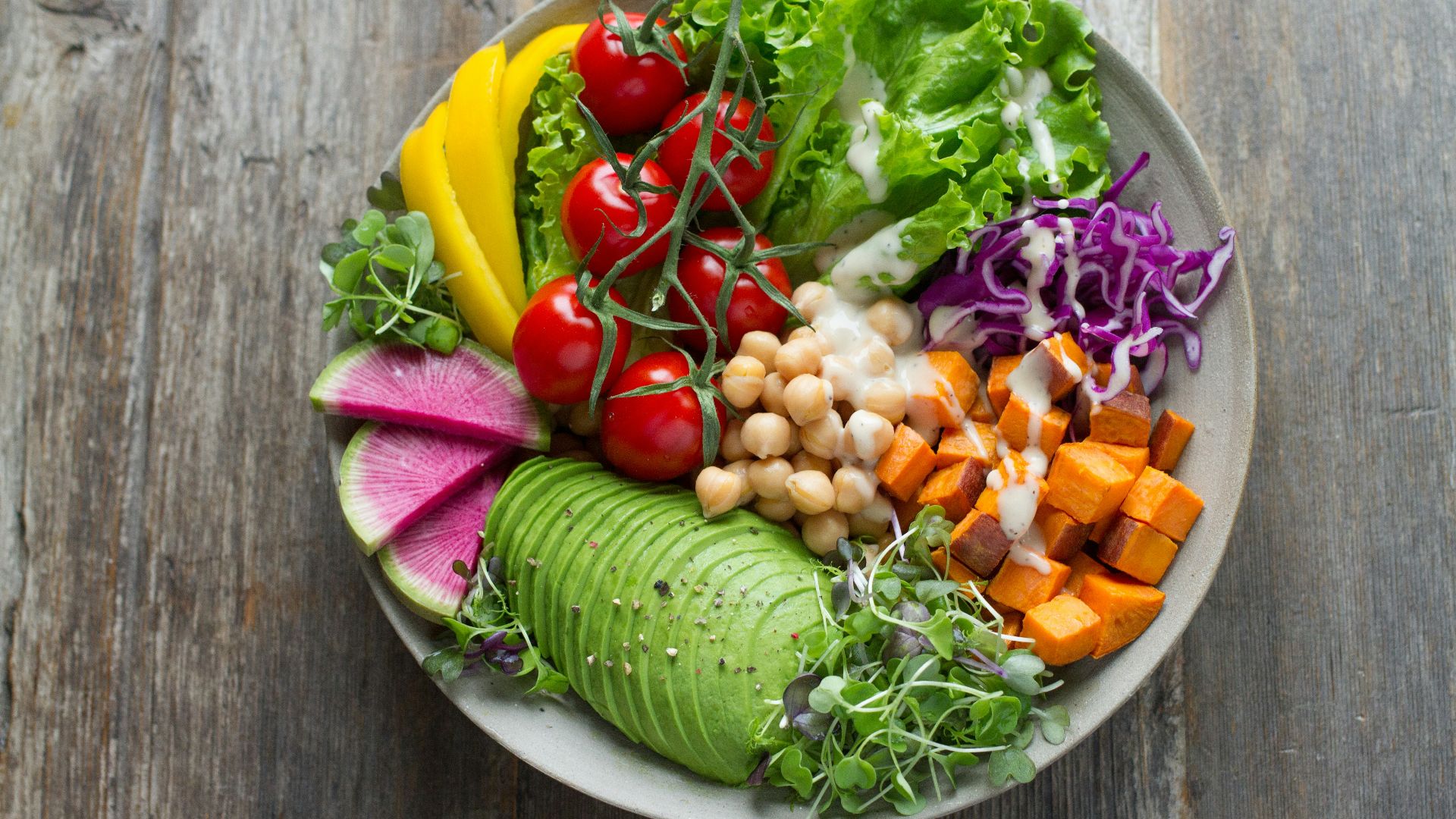
3. Teach Hunger & Fullness Cues
Encourage kids to check in with their bodies instead of eating based on rules. You can ask simple questions like, “Are you still hungry, or are you starting to feel done?” This helps them build trust in themselves.

4. Keep Treats Neutral & Predictable
When treats show up without drama, they lose their "forbidden fruit" power. Kids don’t have to sneak them, beg for them, or overdo them when they finally get access. A planned dessert night or occasional fun snack can normalize enjoyment.

5. Talk About What Food Does, Not What It “Is”
It helps to frame food as fuel and satisfaction, not virtue. You can say things like, “Protein helps you stay full,” or “Carbs give you energy for school and sports.” That keeps nutrition practical instead of moral.

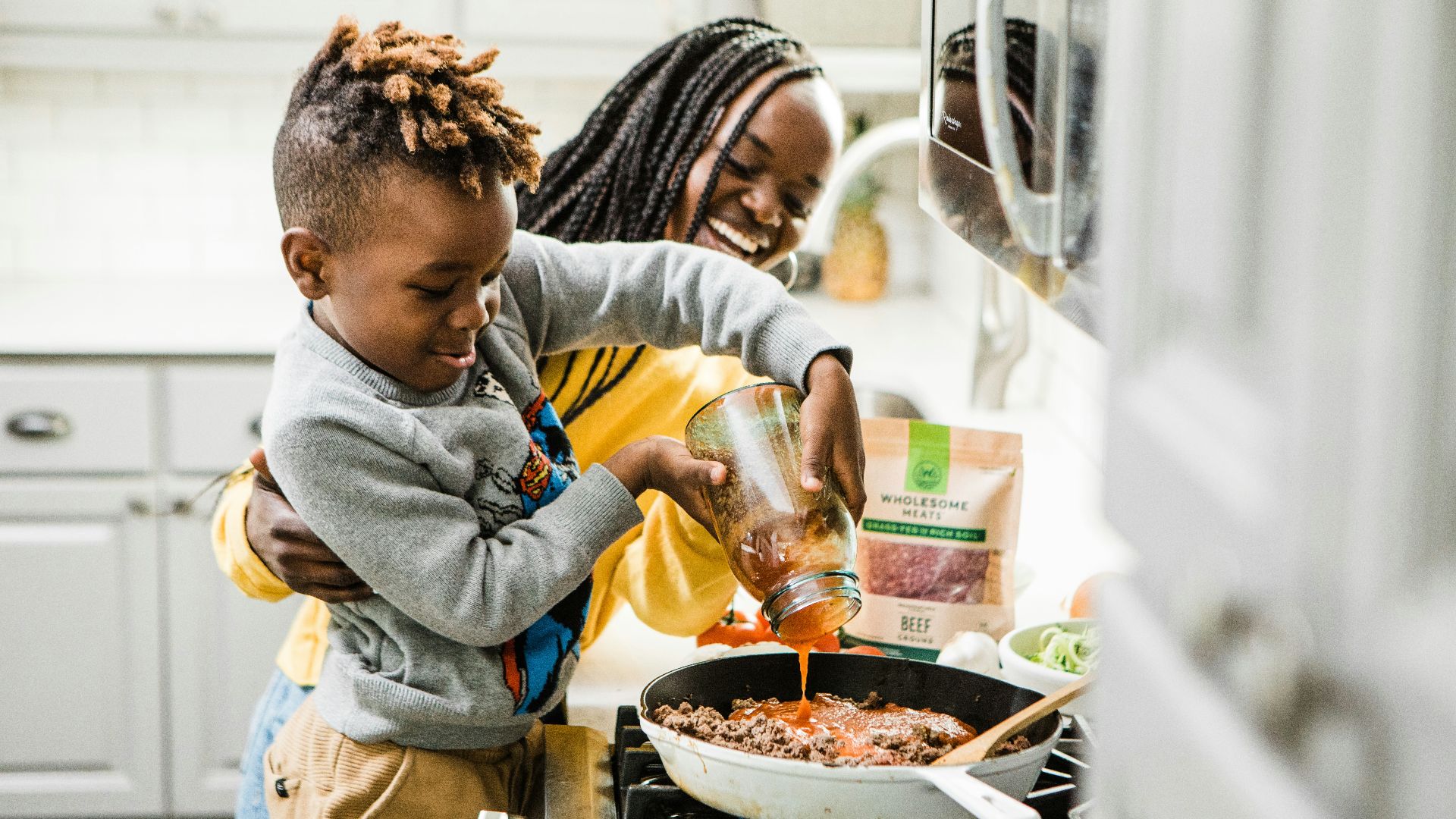
6. Let Kids Help Choose & Prepare Food
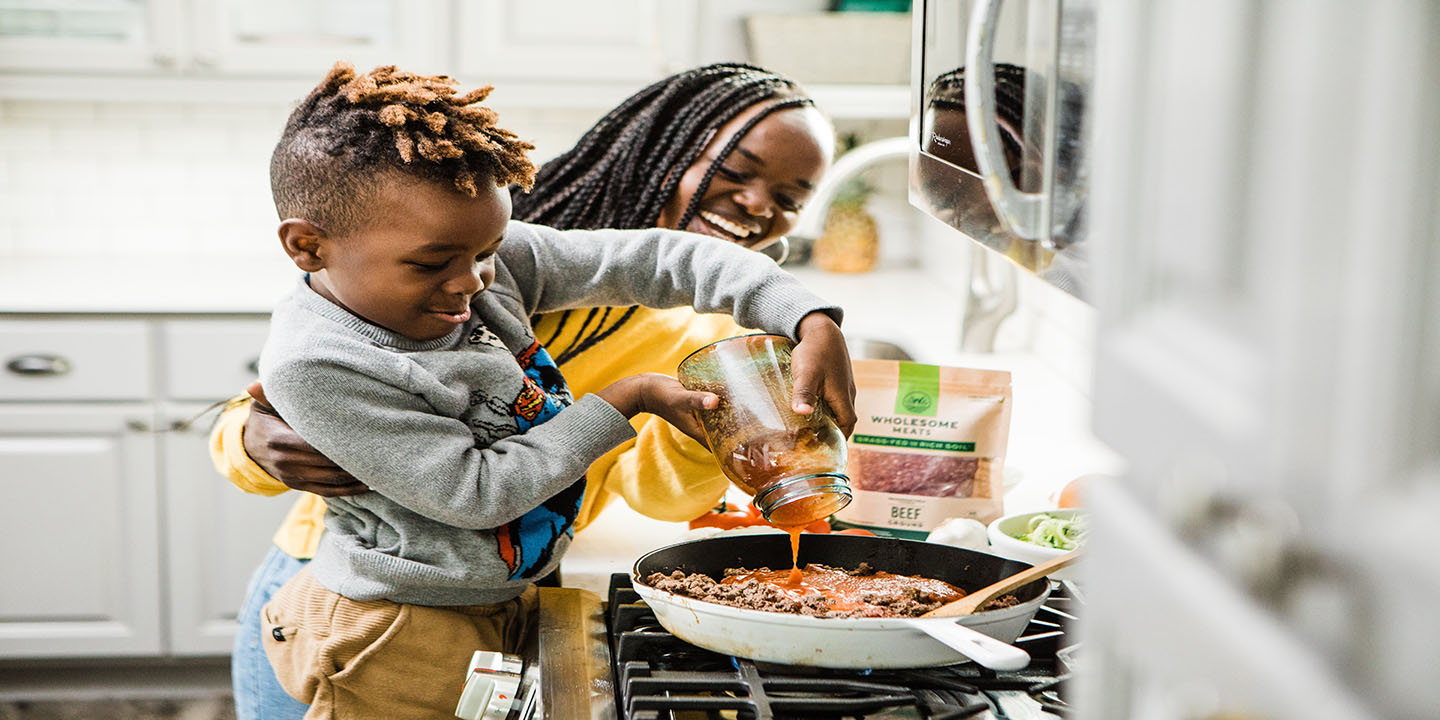
Involving kids in meals makes healthy eating feel like participation, not enforcement. They can pick a vegetable, stir a sauce, or assemble their own plate. When children have a role, they’re more open to trying new foods. It’s also a sneaky way to reduce picky standoffs.
7. Model Enjoyment at Meals
If you eat a variety of foods without stress, kids absorb that. They learn that adults can enjoy dessert and still be healthy, which is an important lesson. You don’t have to fake enthusiasm, but a relaxed tone matters.
 Pablo Merchán Montes on Unsplash
8. Avoid Using Food as a Reward or Punishment
When dessert is a prize for finishing vegetables, it makes the vegetables feel like a chore and dessert feel like the ultimate goal. That can backfire long-term by increasing fixation on sweets. If you keep dessert separate, kids can learn balance without food becoming a bargaining chip.

9. Support Health With Sleep & Movement Too
Healthy eating works best when the whole routine supports it. Regular sleep, outdoor time, and movement help kids regulate appetite and mood. When you lean on food rules alone instead of healthy lifestyle choices as a whole, it puts too much pressure on meals.

10. Get Curious About Your Own Food Stress
If you notice anxiety or guilt around feeding your family, you’re not alone. Sometimes those feelings come from how you were raised, social media pressure, or fear about health outcomes. A little self-compassion can go a long way, and so can support from a pediatrician or registered dietitian if you want it.

KEEP ON READING

The Most Popular Signature Dishes Around the World