New Study Exposes Dangers Of Silicone Baking Molds
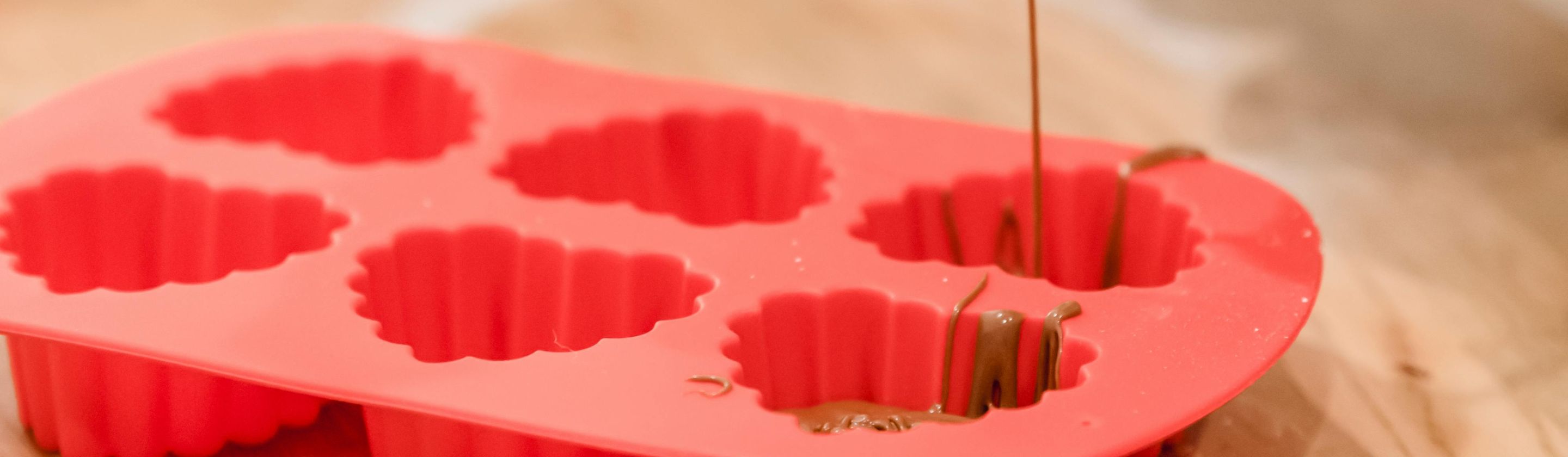
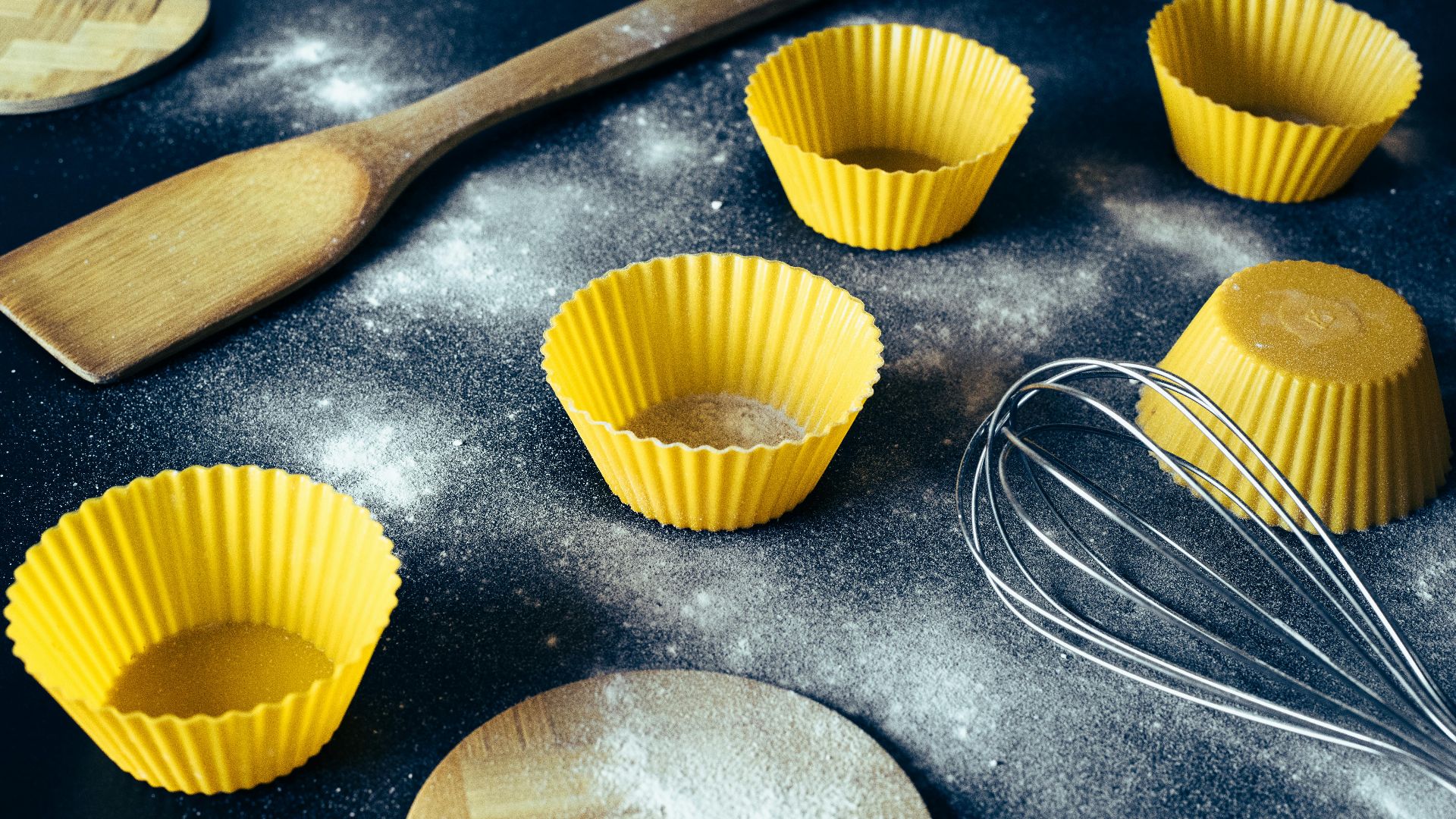
If you're a home baker, chances are you have some silicone baking molds in your kitchen. They're easy to clean, lightweight, heat-resistant, non-stick, and easy to use, promising convenience without the mess. However, recent research suggests these colorful muffin cups have a sinister side to these molds.
A study published in the Journal of Hazardous Materials tested 25 widely available silicone baking products and found that many released chemical compounds called cyclic siloxanes into food and into the air.
What did the study find?
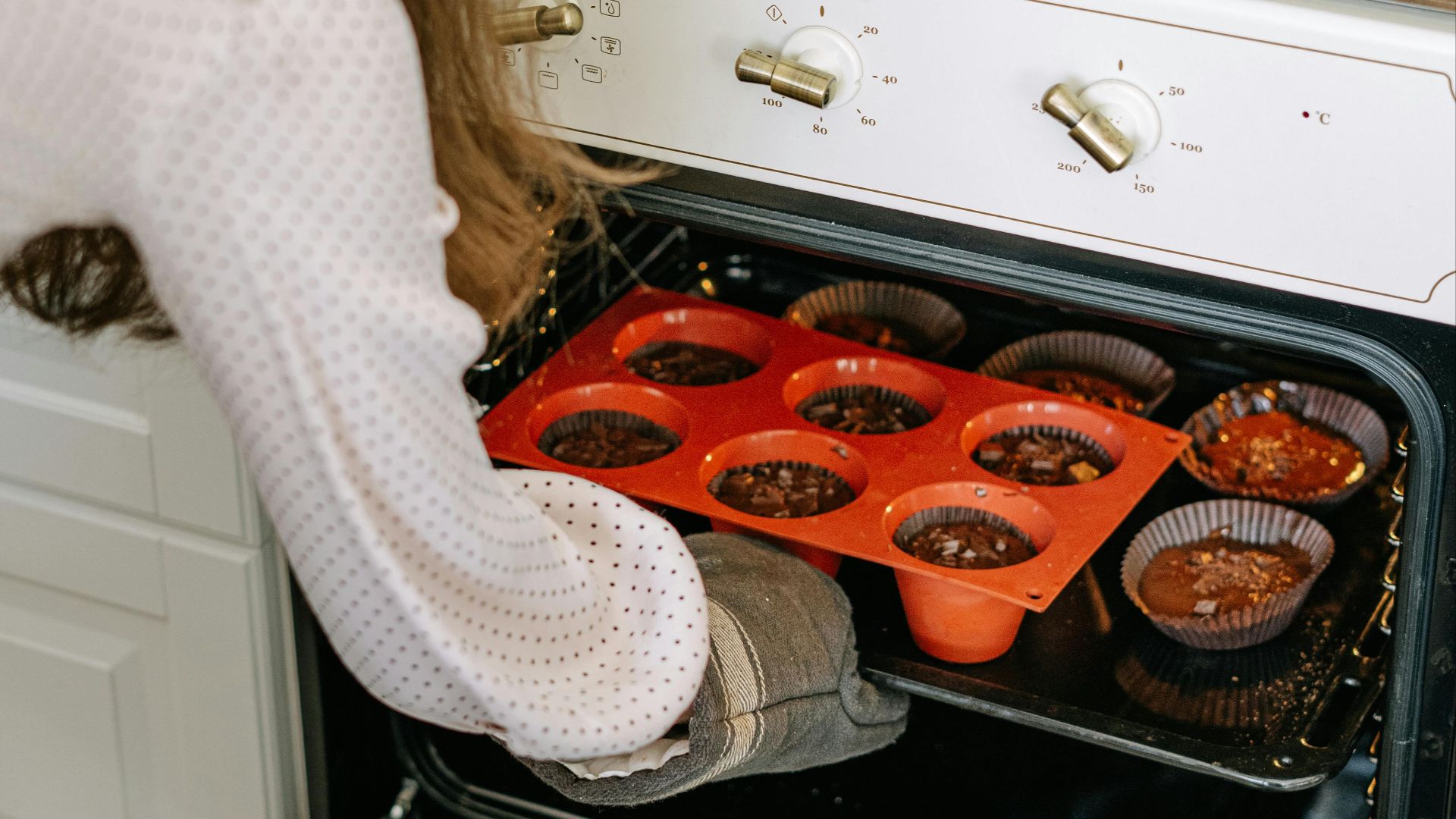
Researchers filled baking molds with a mixture of sand and oil and baked them at 350 degrees for one hour (a typical baking session). They then took air samples while baking, which showed elevated levels of airborne siloxanes.
They then tested the 25 different bakeware after the mixture was removed, and found they released cyclic siloxanes when hot. They identified up to 25 different siloxane compounds migrating from bakeware into a sand-and-oil mixture.
However, there was a lot of variation in the amount of chemicals released based on the brand and type of mold. Silicone items with higher surface area contact—like muffin trays — tended to release more chemicals.
What's more, emissions dropped dramatically the more the molds were reused. After three baking cycles, chemical release dropped by about 95 percent.
What's the harm?
 Stanislav Kondratiev on Pexels
Silicone bakeware has been widely considered a safer, PFAS-free alternative to traditional nonstick pans. Unlike PTFE-coated pans—which raised health concerns when overheated—silicone is heat-resistant, flexible, and supposedly harmless.
However, this new evidence challenges that assumption, suggesting that under normal baking conditions. Especially with fatty, high-surface-area foods, silicone may not be as chemically stable as many believed.
In Europe, cyclic siloxanes are considered substances of very high concern, and they've been banned in EU cosmetics. Evidence suggests they can harm human reproduction, liver function, and skin health in humans, and their persistence in the environment poses a risk to aquatic life and soil.
However, the team behind this particular study didn't study the health risks associated with these chemicals, and emphasized in their conclusion that there is limited scientific research studying their effects on humans.
What you can do
If you rely on silicone molds and pans regularly, you don’t necessarily need to ditch them entirely, but using them more carefully can reduce potential risks. Pre-baking new silicone molds empty (and staying out of the room while you do it) can significantly reduce the amount of toxins leaching off of them.
Safety regulators like Health Canada recommend using silicone bakeware only within specified temperature limits (usually up to 428 degrees Fahrenheit) and with proper ventilation. If you're a frequent baker, consider alternatives like glass, ceramic, or stainless-steel bakeware, especially for fatty or high-surface-area foods.
Also, ensure your molds are made with certified food-grade silicone from reputable brands that undergo strict testing. Don't buy inexpensive molds from unknown manufacturers just to save a few bucks—you may end up paying for it with your health.
While the recent study doesn’t conclusively prove that silicone bakeware will harm anyone, it does raise important red flags and serves as a reminder that convenience shouldn’t come at the cost of safety.