The Digestive Impact Of Herbs
Digestive discomfort sends many people searching for natural solutions, especially herbs found in teas and kitchen cabinets. Although herbs often carry a healthy reputation, their effects on digestion are not always predictable. Some plants soothe bloating and support gut function, while others quietly irritate the digestive system over time. Usage and individual sensitivity matter more than most people realize. Let’s see how some herbal remedies feel helpful and how some don't.

1. Ginger
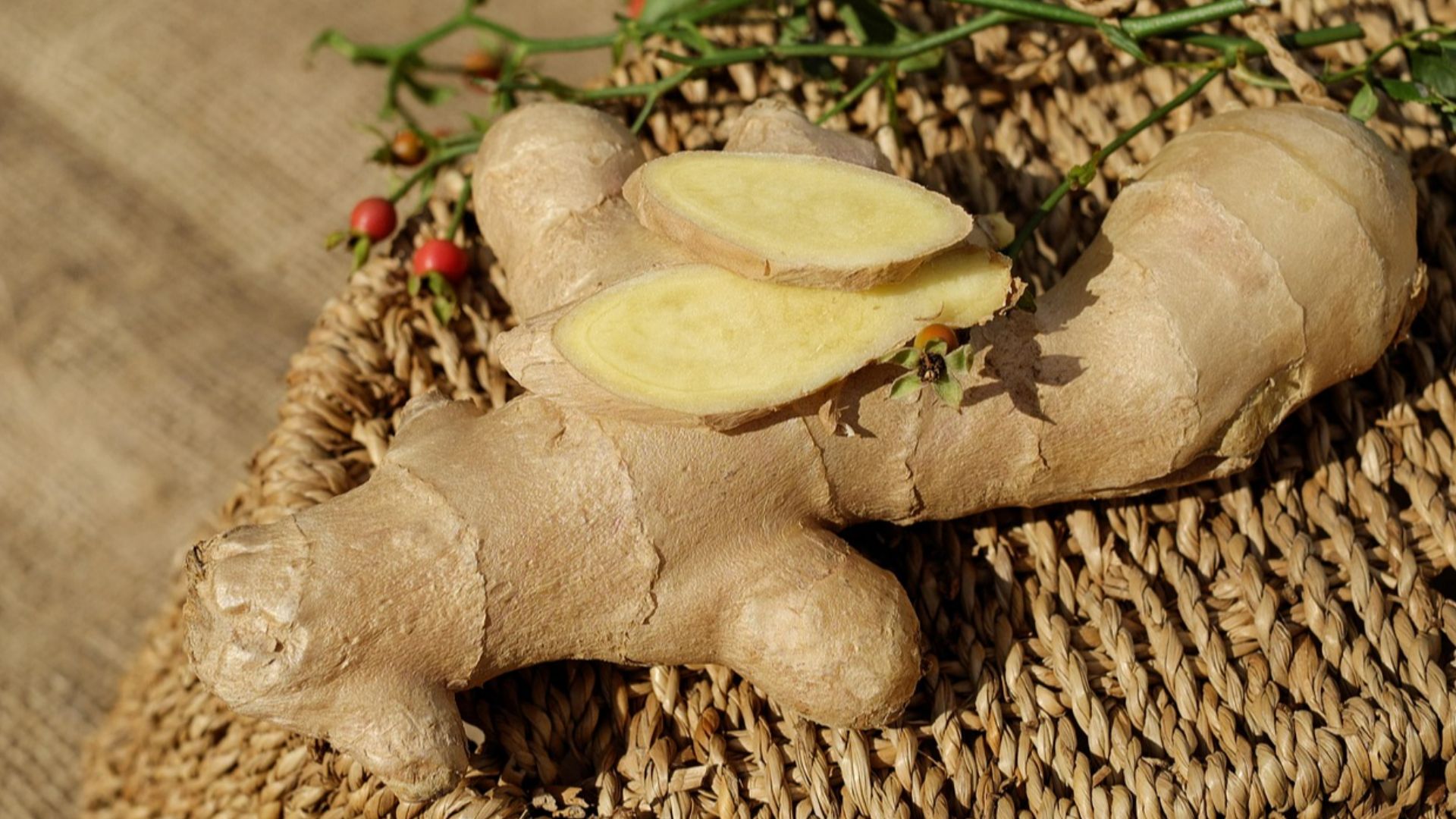
Often recommended for unsettled stomachs, this warming root encourages stomach emptying and reduces nausea. Clinical studies link it to improved gut motility and less bloating. It’s commonly consumed fresh, powdered, or as tea after heavier meals.
2. Peppermint
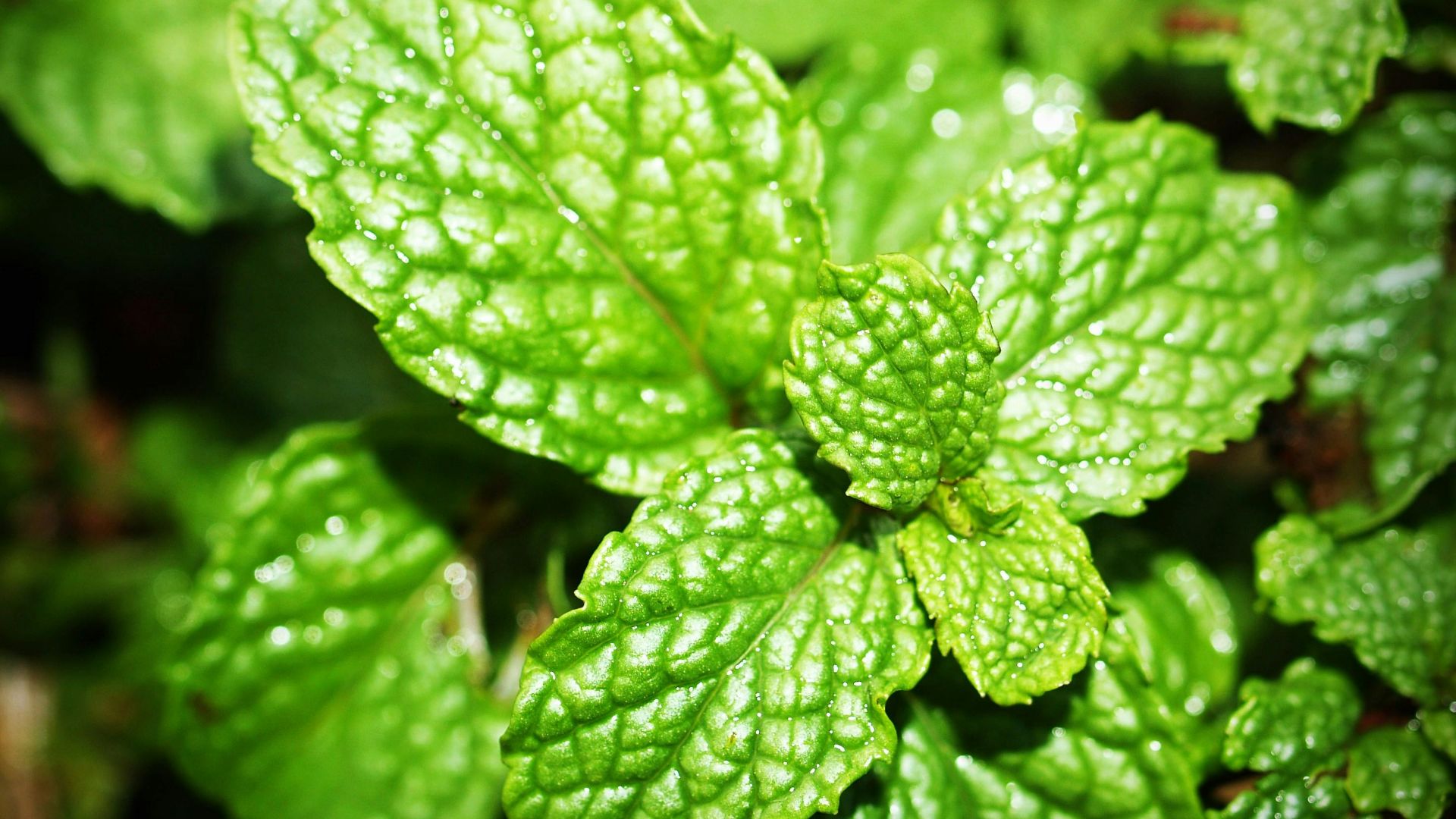
By relaxing the digestive tract's muscles, peppermint can ease cramping and pressure. Research supports its use for certain IBS symptoms. Tea and enteric-coated capsules are popular options that may calm digestion without excessive stimulation.
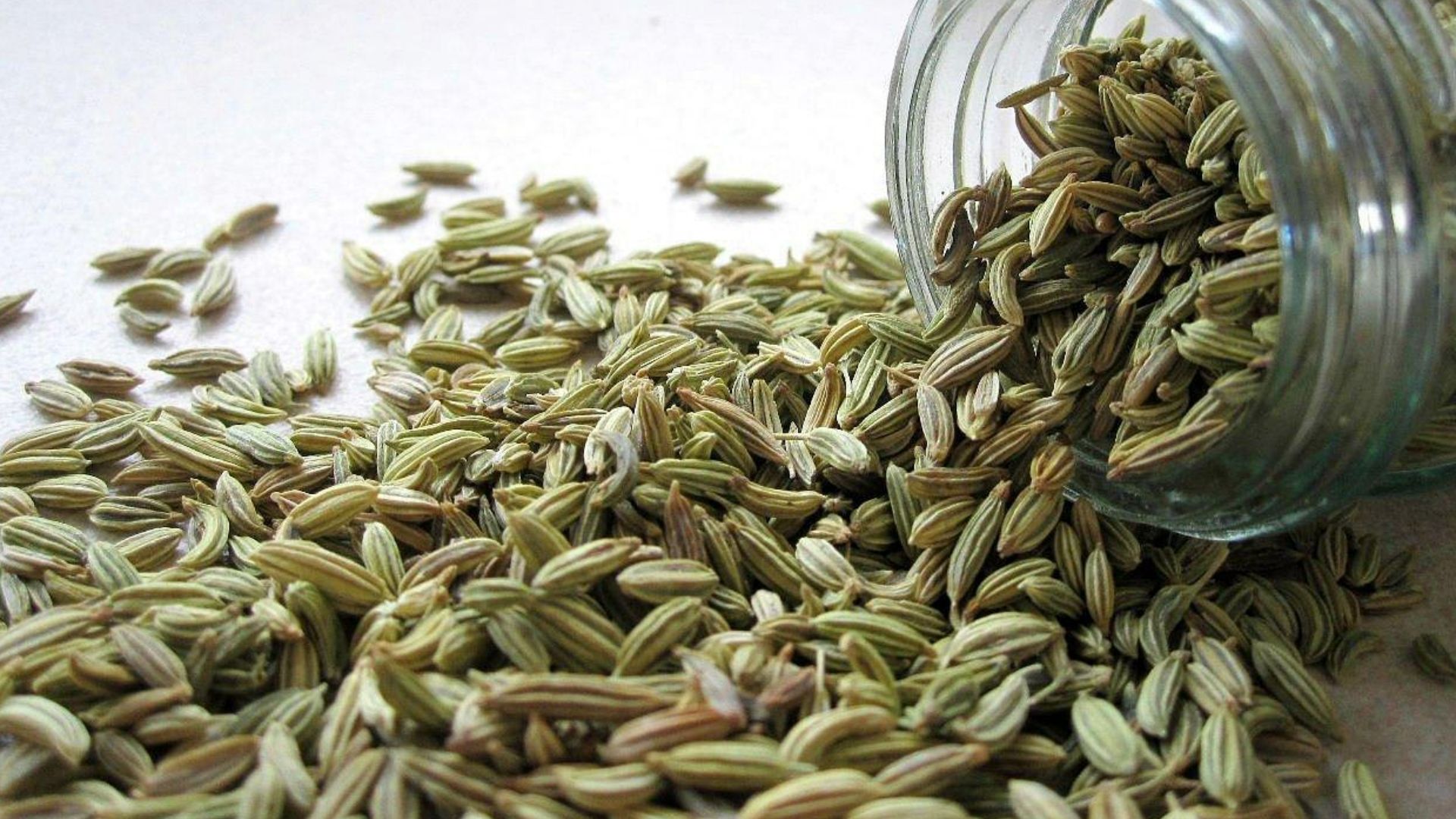
3. Fennel
Valued for its carminative properties, the aromatic fennel helps limit gas buildup and post-meal bloating. Its natural oils reduce fermentation in the gut. Many people chew the seeds or drink fennel tea after rich or filling meals. It can also be incorporated into cooked and baked dishes.
 PublicDomainPictures on Pixabay
4. Chamomile
Frequently used when digestion and stress intersect, this gentle herb helps calm intestinal spasms and mild inflammation. Warm tea is often chosen during evening hours or stressful digestive flare-ups, as it’s proven to relieve stress and related digestive issues.

5. Dandelion Root
Traditionally associated with sluggish digestion, the dandelion root supports bile release to aid fat breakdown. It may reduce feelings of heaviness after eating. Tea and extracts are commonly used, as they offer support without the harsh effects of stimulant laxatives.

6. Artichoke Leaf
Extracts from artichoke leaves support digestion by increasing bile production and improving fat breakdown. Tea prepared from the leaves can reduce bloating and discomfort after meals, particularly those high in fat, which makes it useful for functional dyspepsia in adults.

7. Licorice Root (DGL)
Unlike regular licorice, deglycyrrhizinated licorice, available in chewables or tablet forms, supports digestion without raising blood pressure. When consumed as recommended, it protects the stomach lining and may ease irritation linked to reflux or ulcers when used for short periods under medical guidance.

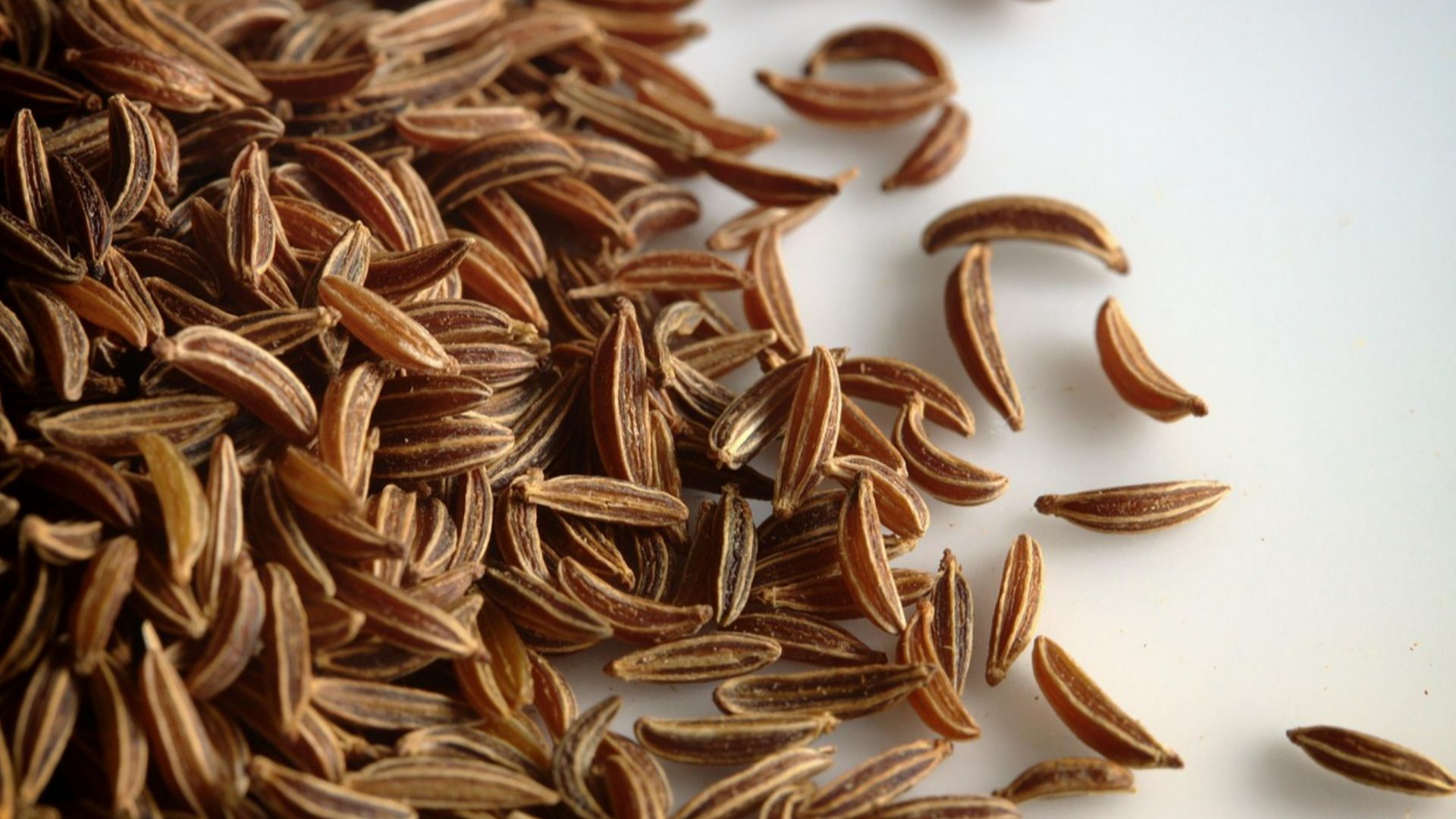
8. Caraway Seed
Often paired with fennel, this seed reduces gas and intestinal spasms. Research shows caraway may ease indigestion and fullness by supporting smooth muscle relaxation. This explains why it has become a common ingredient in traditional digestive remedies.
9. Gentian Root
Bitter herbs like gentian stimulate taste receptors that trigger digestive secretions. Gentian root is used to increase stomach acid and enzyme release, which can improve appetite and digestion for people with low gastric acid levels.

10. Coriander Seed
Common in cooking, coriander seed supports digestion by enhancing enzyme activity and reducing gut fermentation. Studies suggest coriander may help ease bloating and mild cramping when digestion slows after larger or carbohydrate-heavy meals in sensitive but otherwise healthy adults.

1. Senna
Marketed for constipation relief, senna stimulates intestinal contractions. Short-term use may help occasional constipation, but frequent use can cause cramping and laxative dependence. Medical sources warn that long-term use may worsen bowel function.

2. Cascara Sagrada
Once popular in herbal laxatives, cascara sagrada irritates the colon to trigger bowel movements. Repeated use increases the risks of abdominal pain, electrolyte imbalance, and dependence. It can also lead to heart issues and liver damage in the long run.

3. Aloe Vera (Whole Leaf Or Latex)
Found in some detox products, whole-leaf aloe vera contains anthraquinones that act as strong laxatives. These compounds may cause diarrhea and gut irritation. Experts advise avoiding internal use outside of carefully processed supplements to reduce risks of digestive injury and overuse.
 carrotmadman6 from Mauritius on Wikimedia
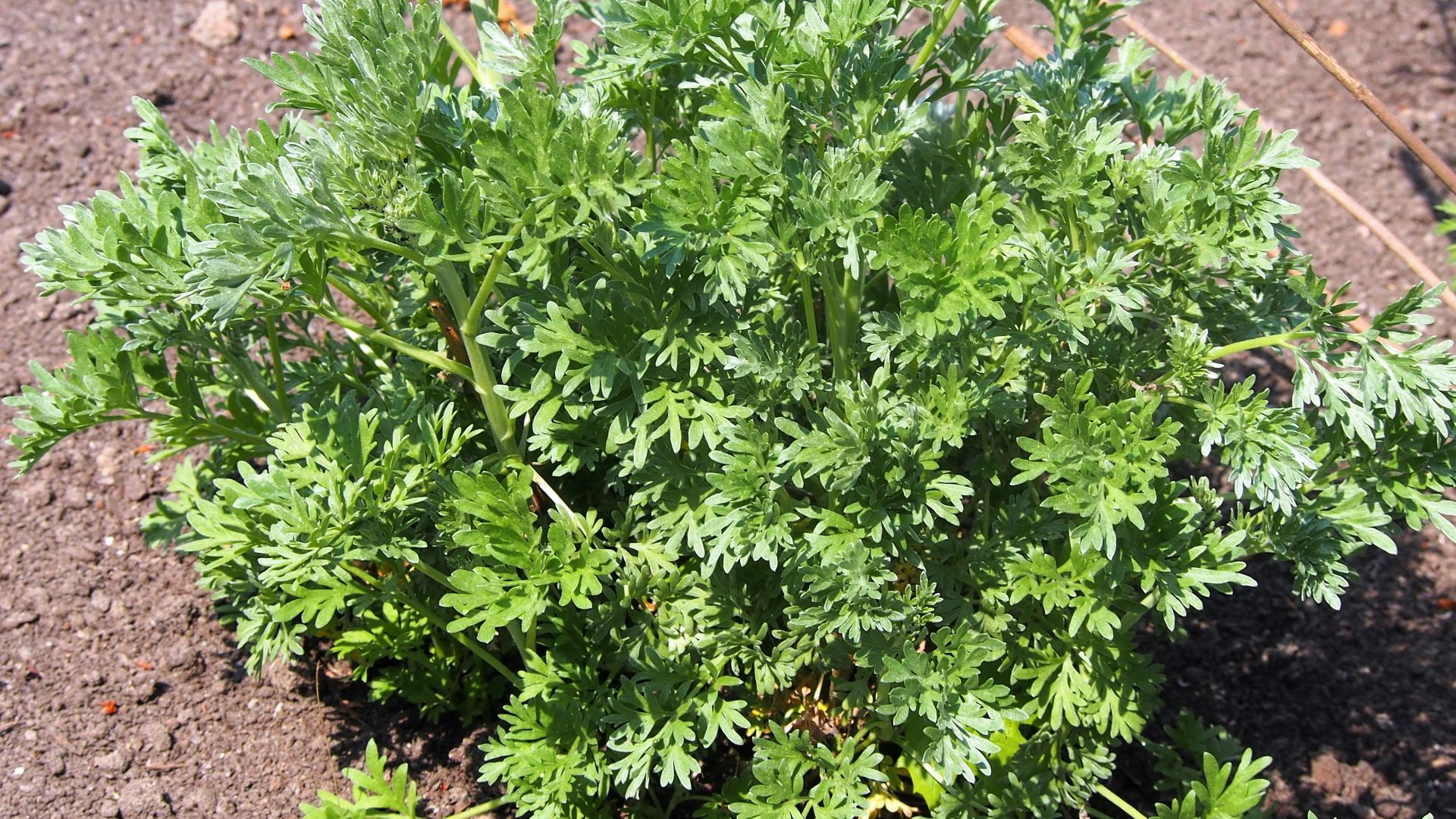
4. Wormwood
Used traditionally in bitter tonics, wormwood can irritate the stomach lining. Its compounds may trigger nausea or reflux, especially in sensitive individuals. High doses are linked to gastrointestinal distress and should be used cautiously under professional supervision.
 Agnieszka Kwiecień, Nova on Wikimedia
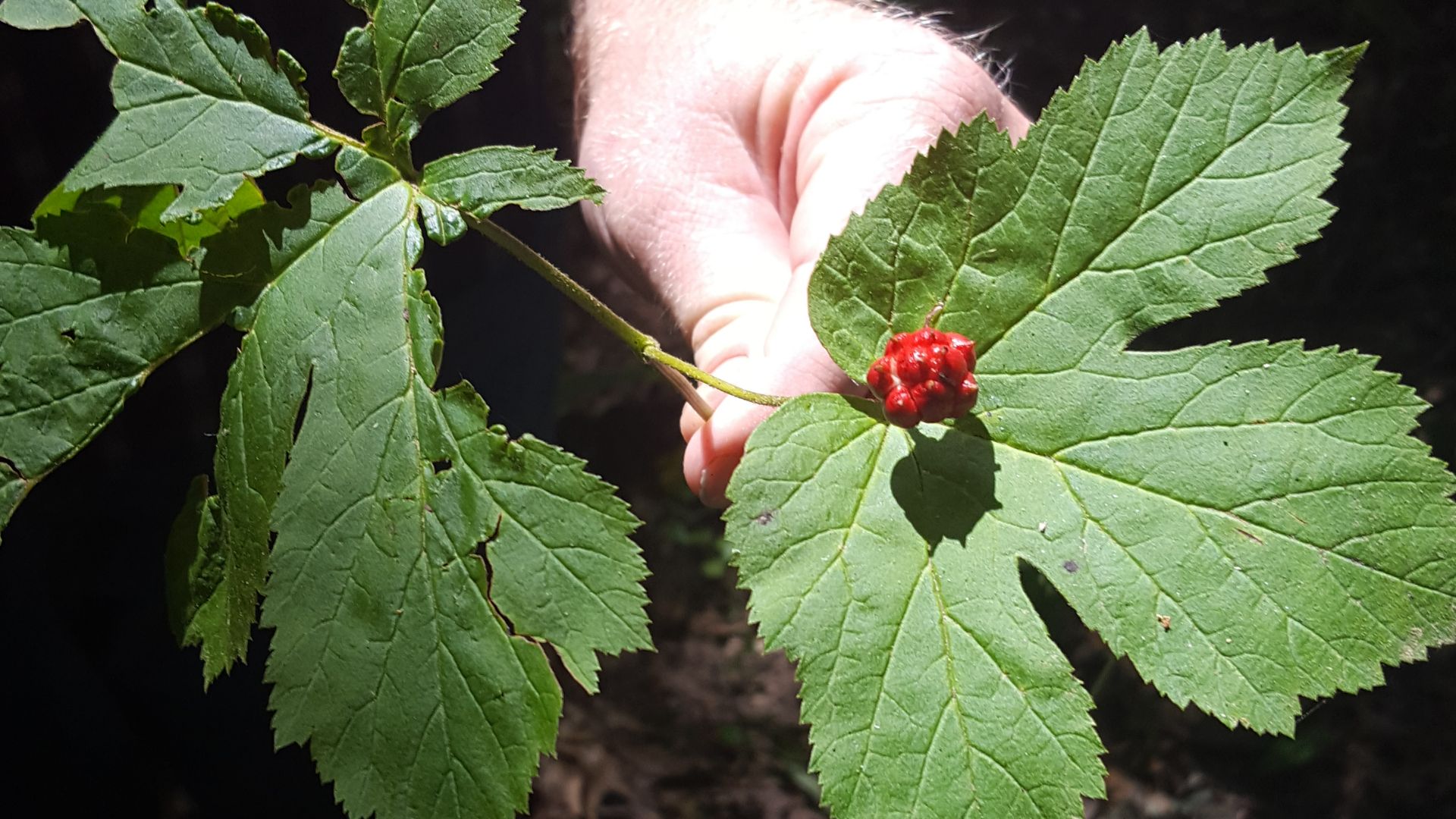
5. Goldenseal
Despite its antimicrobial effects, goldenseal can disrupt gut balance when used frequently because suppressing bacteria broadly may affect beneficial microbes. Health authorities recommend short-term use only, particularly for people with sensitive digestion. Moreover, it can impact the effect of some medications.
6. Yohimbe
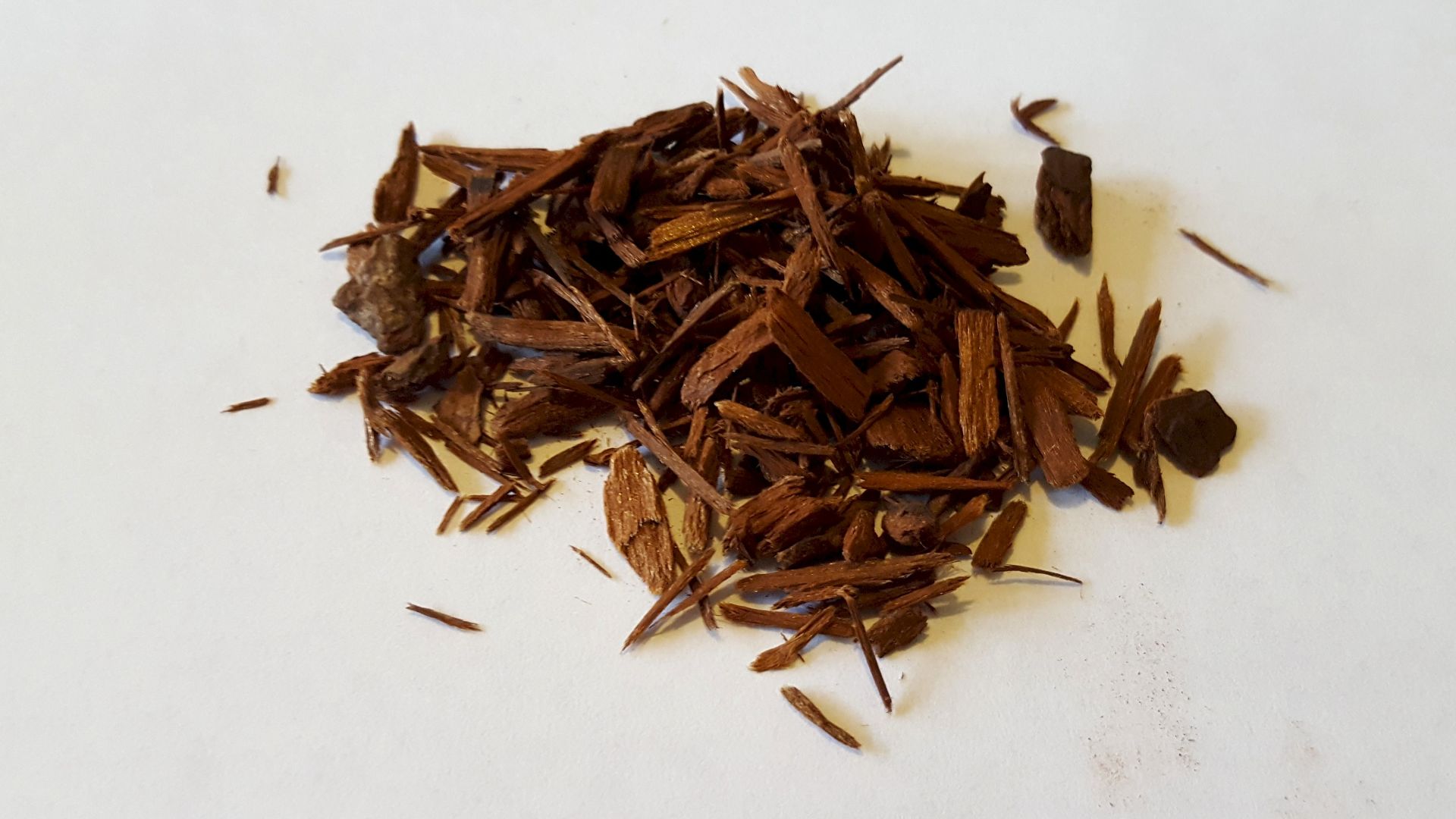
By increasing adrenaline levels, yohimbe can interfere with normal digestive rhythms. Users often report nausea, stomach pain, or diarrhea. Stress-related hormone spikes may worsen IBS symptoms, making this bark risky for people with anxiety-related digestive sensitivity.
7. Oregano Oil (Concentrated)
Highly concentrated oregano oil acts as a powerful antimicrobial. While helpful in the short term, repeated use may disrupt beneficial gut bacteria. This imbalance can trigger bloating or diarrhea when taken internally without dosing supervision for extended periods.
 doTERRA International, LLC on Pexels
8. Neem
Neem is valued in traditional medicine, but can be harsh on digestion. Its strong antibacterial compounds may irritate the gut lining and alter microbiota balance. Prolonged internal use has been linked to nausea and digestive distress in some adults. Additionally, it can cause liver and kidney issues and impact blood sugar levels.

9. Kava
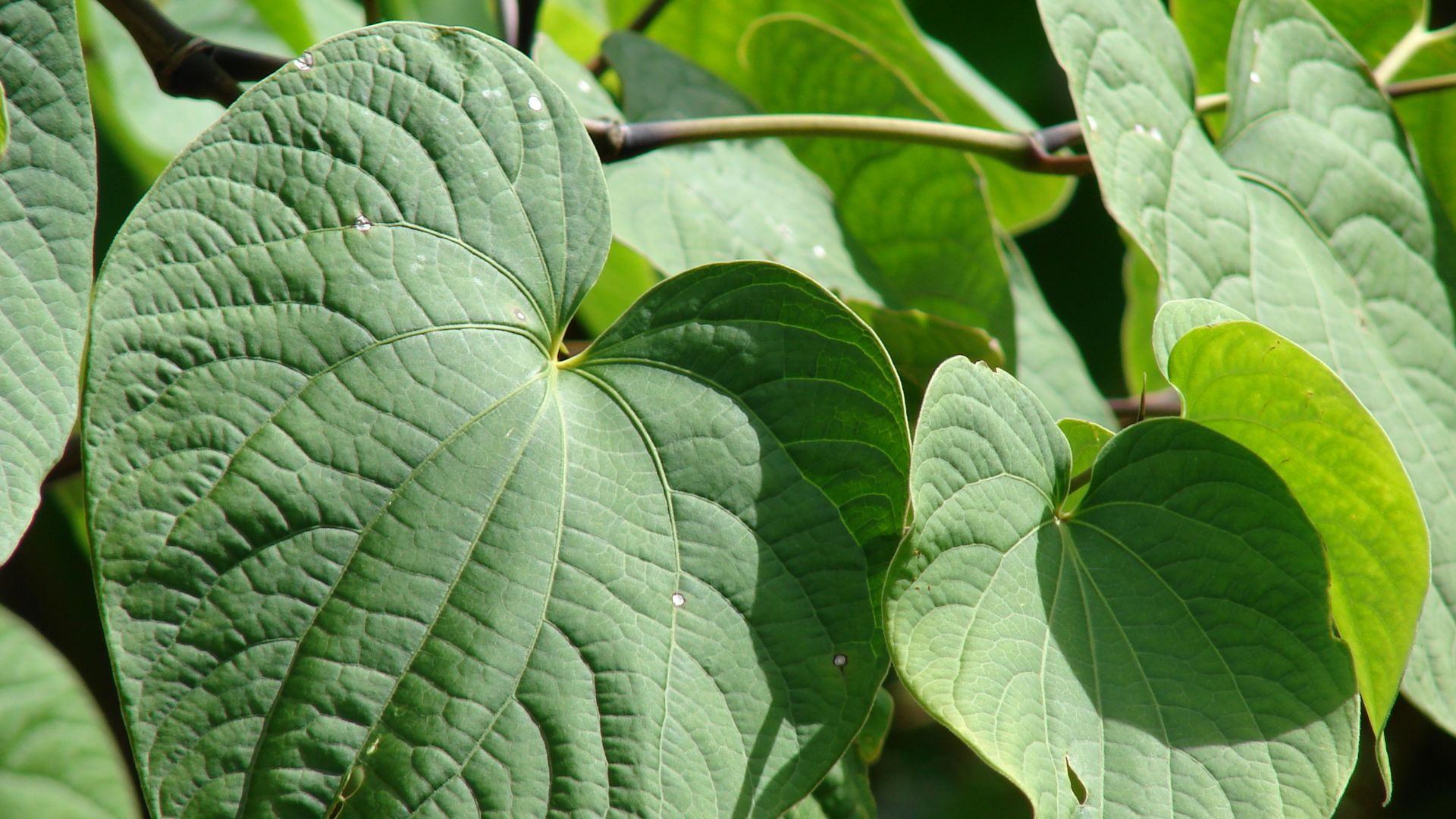
As a member of the pepper family, kava is usually consumed for relaxation, but it can slow gastric emptying and dull digestive reflexes. Users report nausea or abdominal discomfort, in addition to overall fatigue and weight loss. These effects appear more likely with frequent use or higher doses taken without food.
 Forest & Kim Starr on Wikimedia
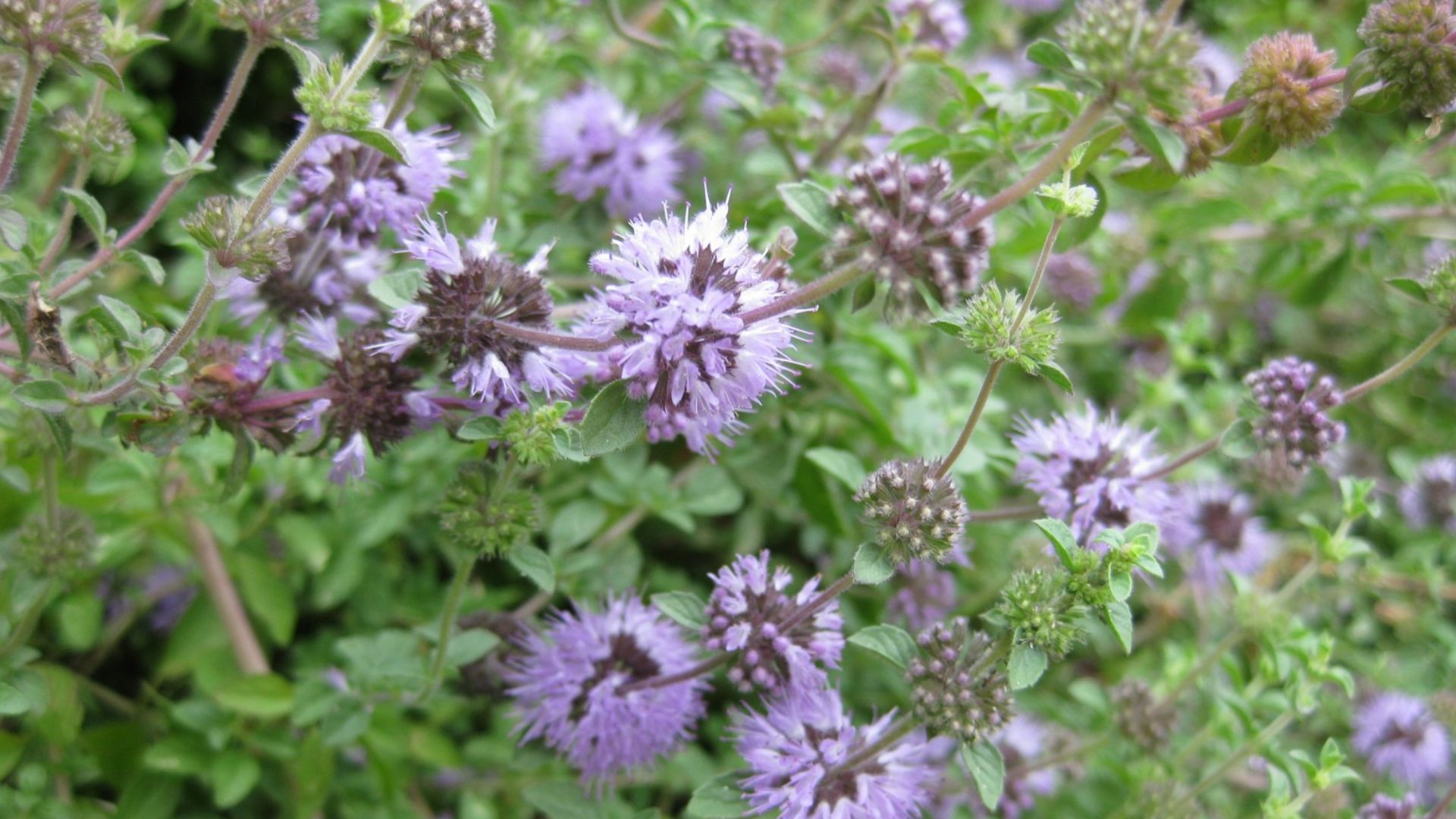
10. Pennyroyal
Pennyroyal is considered unsafe for internal use due to severe toxicity. Even small amounts can irritate the digestive tract by causing intense nausea and abdominal pain. Medical authorities warn that ingestion poses serious risks, including liver and neurological damage.