The Food Rule Everyone Follows That Has No Scientific Basis
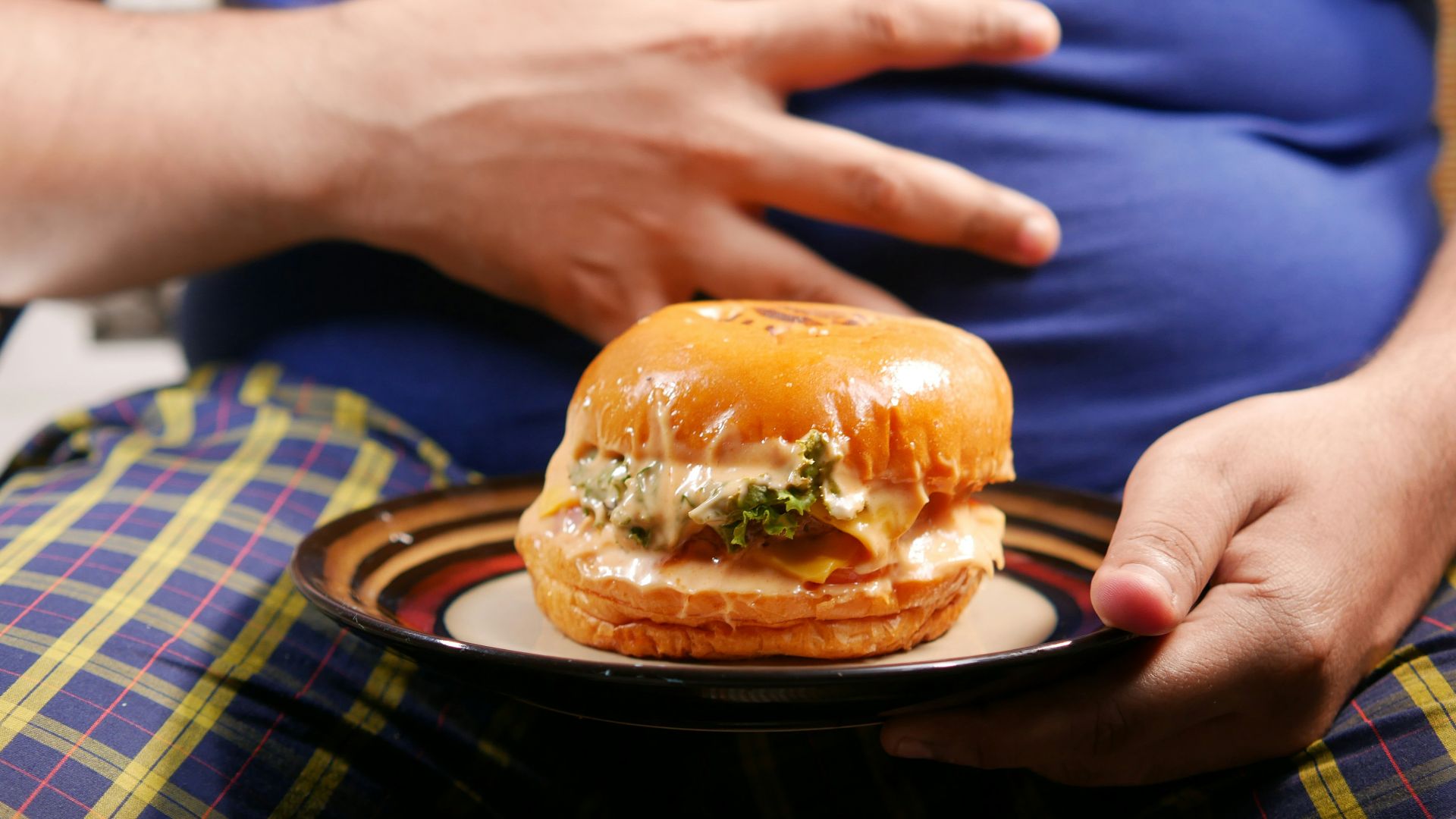
For decades, we've been told that eating fat makes you wear fat. The logic seems bulletproof, and this idea became so embedded in our collective consciousness that entire grocery store aisles dedicated themselves to low-fat everything. We now have fat-free cookies, reduced-fat peanut butter, and skim milk. Despite these offerings, obesity rates climbed steadily throughout the low-fat era, and rather than question the logic of fat-free, we kept blaming ourselves for not following the rules strictly enough.
The Origins of a Mistake
The anti-fat crusade started with Ancel Keys's Seven Countries Study in the 1950s. Keys observed correlations between saturated fat consumption and heart disease across seven nations. The problem arose from the fact that he had data from 22 countries and cherry-picked the ones that fit his hypothesis. Once all the data were accounted for, the correlation fell apart. Greece and Yugoslavia had similar fat intake but vastly different heart disease rates. France consumed plenty of saturated fat while maintaining relatively low cardiovascular mortality.
By the 1980s, the USDA had enshrined low-fat eating in official dietary guidelines. The food industry responded with enthusiasm, replacing fat with sugar and refined carbohydrates. Sales of low-fat products exploded but Americans' waistlines kept expanding.
What Actually Happens When You Eat Fat
Fat doesn't trigger the same insulin response as carbohydrates. When you eat sugar or refined grains, your blood glucose spikes, insulin spikes, and your body switches into storage mode. Fat, on the other hand, is metabolized differently, providing steady energy without the hormonal roller coaster.
A 2018 JAMA study involving over 600 participants found no significant difference in weight loss between low-fat and low-carb diets after one year. The Women's Health Initiative, one of the largest dietary intervention trials ever conducted, put nearly 49,000 women on a low-fat diet. After nearly eight years, the low-fat group showed no significant reduction in heart disease, stroke, or weight compared to the control group.
The Sugar Industry Knew
In 2016, researchers uncovered internal documents showing that the sugar industry paid Harvard scientists in the 1960s to downplay sugar's role in heart disease and shift blame to fat. The Sugar Research Foundation funded studies specifically designed to exonerate sugar.
The misdirection worked spectacularly. While Americans obsessed over every gram of fat, sugar consumption skyrocketed. The average American now consumes roughly 17 teaspoons of added sugar daily—about three times the recommended limit.
Why the Myth Persists

The low-fat message has been repeated so many times that it feels like truth—even common-sense. Registered dietitians learned it in school, doctors mentioned it to patients, and parents passed the knowledge down to their children.
Food companies have little incentive to correct the record as the low-fat product category generates substantial revenue. Marketing teams know how to exploit fat phobia. All they need to do is slap "low-fat" on the label and sales will climb, even if they've replaced the fat with high-fructose corn syrup.
What Actually Matters for Weight
Total calorie intake matters. Food quality matters. The degree of processing matters. Individual metabolic responses matter. Sleep, stress, genetics, gut bacteria, medication use, and activity level are all factors that come together to determine how healthy a person's weight is.
Some people thrive on higher-fat diets. Others do better with more carbohydrates from whole food sources. Mediterranean populations have eaten olive oil liberally for centuries while maintaining lower obesity rates than Americans following low-fat guidelines. The Inuit traditionally consumed a diet extremely high in fat from fish and marine mammals without the metabolic diseases plaguing modern societies.
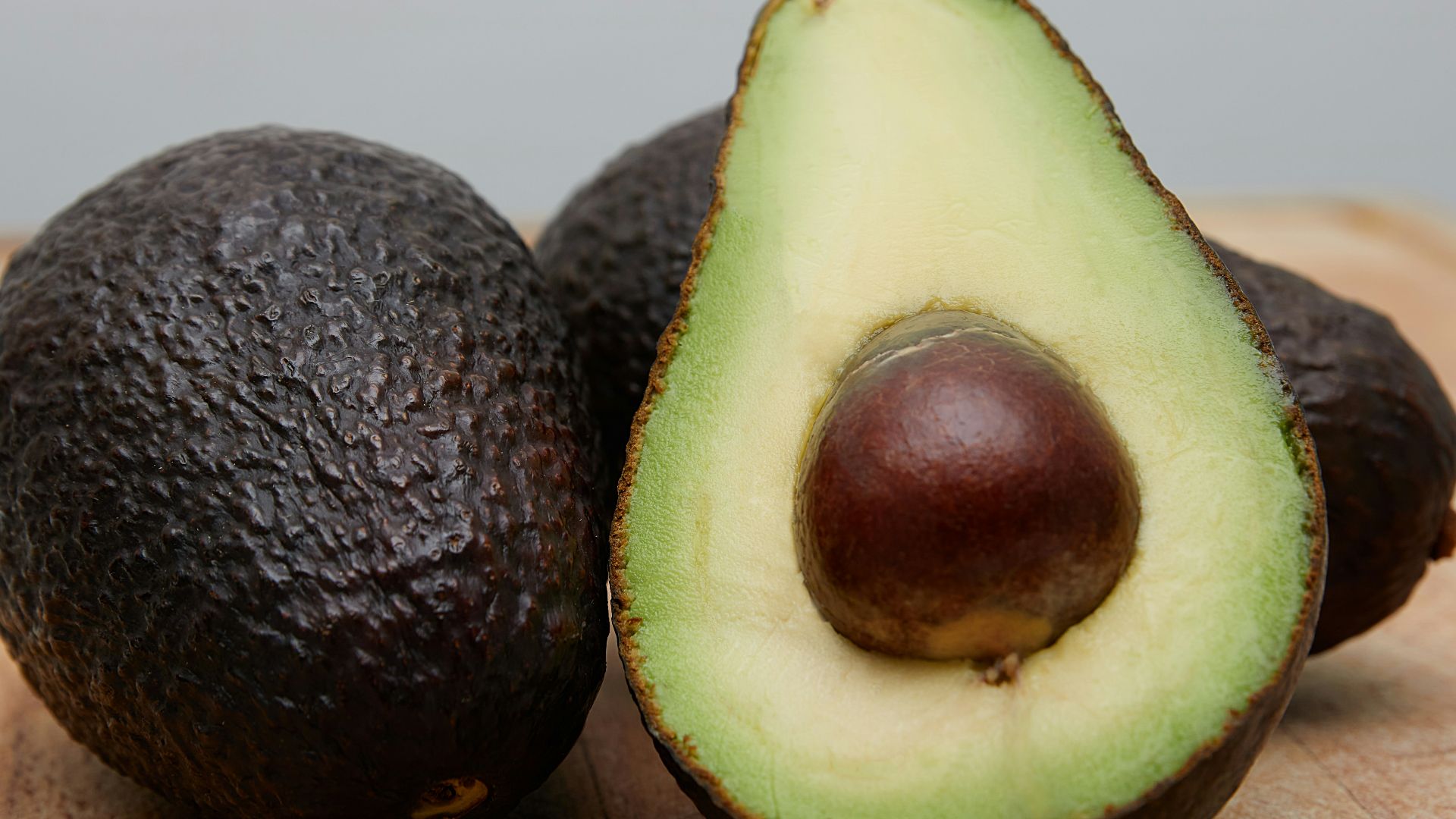
The evidence keeps accumulating that fat, particularly from whole food sources like nuts, avocados, fish, and olive oil, doesn't deserve its villainous reputation. Maybe it's time we stopped fighting a war that science never actually supported.