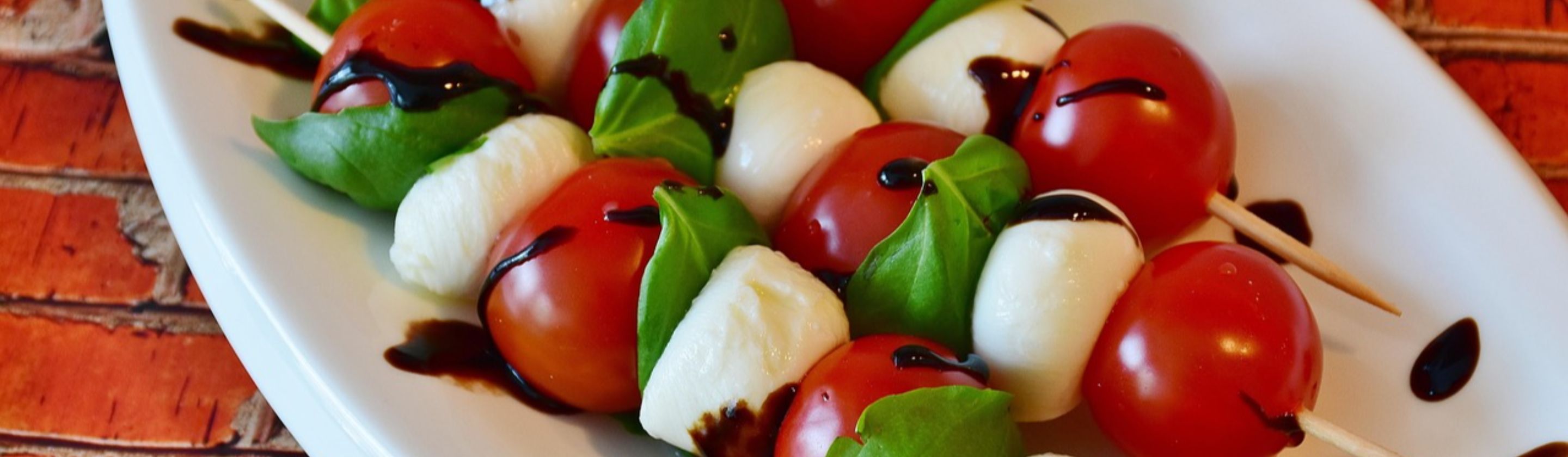
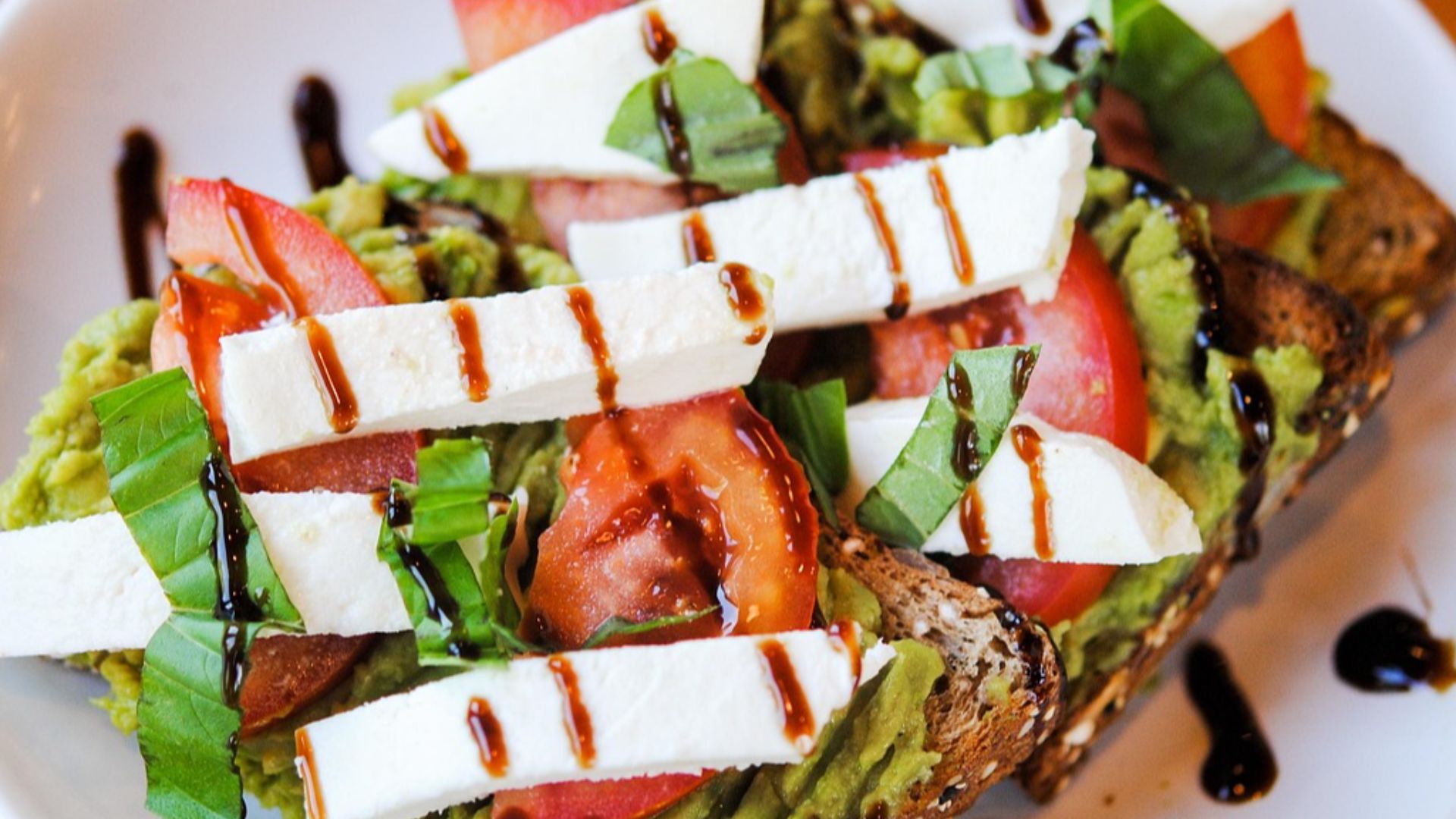
Balsamic glaze had a long, successful run. It provided a glossy finish and a touch of tang to dishes, which led it to be used on everything from watermelon to premium cuts of steak. It’s not that balsamic glaze doesn’t taste good; the issue is that it overpowers other flavors and is rather one-note.
If you’re ready to move beyond this predictable flavor, you should explore certain sauces that offer more balance, depth, and versatility. You want a sauce that will bring a dish together and make you want to lick the plate.
Here are three sauces that are better alternatives to balsamic glaze and can be used on a multitude of dishes.
Chimichurri
Bright and herbaceous, chimichurri is different than balsamic glaze as it doesn’t bring a dish down with sweetness. Rather, it elevates it with vibrancy.
This Argentinian sauce consists of garlic, olive oil, vinegar, and chili flakes. Chimichurri’s bold flavors bring a ton of freshness to a dish. It cuts through the richness of certain foods, making it perfect for grilled meats and some seafood. Each ingredient plays a key role. The herbs offer brightness, the garlic provides some bite, and the vinegar adds a nice sharpness.
Whereas balsamic glaze is often caramelized, chimichurri remains raw and flavorful without being overpowering.
Romesco
Romesco offers a complexity that balsamic glaze doesn’t have. Originally from Catalonia, this sauce marries roasted red pepper, tomatoes, almonds, garlic, olive oil, and smoked paprika. It’s rich, nutty, slightly smoky, and savory.
Romesco works great with grilled or roasted food, meaning it pairs wonderfully with fish, cauliflower, chicken, or a simple crusty bread. It’s thick, textured, and has a rich body. Somehow, it coats the main ingredients without muting their flavor. Furthermore, its layered flavors and textures make most dishes more sophisticated without adding any sweetness.
Balsamic glaze can dominate a plate visually, but romanesco integrates and enhances seamlessly.
Lemon Tahini Sauce
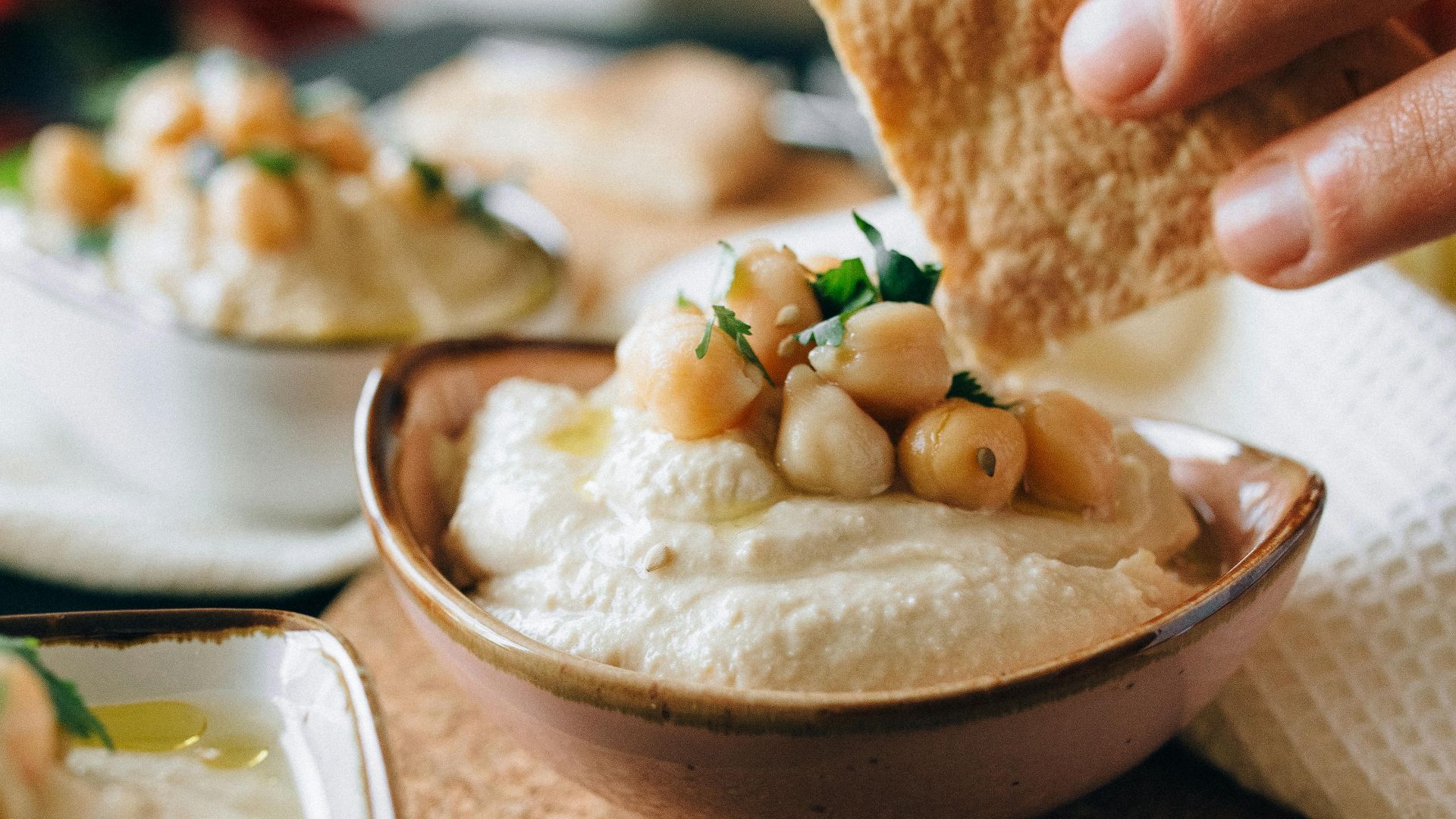
If you use balsamic glaze for contrast, lemon tahini is a smarter, more versatile choice. This sauce is made from tahini, fresh lemon juice, garlic, and water, and it delivers a delightful creaminess with a dash of tang.
Best of all, lemon tahini sauce is sharp but not overly acidic. You can drizzle it over roasted vegetables, rice, grain bowls, grilled chicken, or falafel. Balsamic glaze adds sugar to dishes that don’t need it. Lemon tahini sauce, on the other hand, offers more balance. The slight nuttiness complements the brightness of the lemon.
Plant-forward dishes typically go well with lemon tahini sauce, as it provides a greater level of depth and creaminess that can elevate dishes and make them extra sumptuous.
Let’s all agree, it’s time to move on from balsamic glaze. Chimichurri, romesco, and lemon tahini offer more rewarding flavor profiles in addition to freshness, complexity, and balance that balsamic glaze can’t. Most importantly, you avoid making your dishes sickly sweet and being forced to garnish plates with an outdated presentation. So, the next time you’re tempted to reach for a bottle of balsamic, stop and try something more modern and memorable.
KEEP ON READING
You’re Storing Tomatoes Wrong in This Heat
You’re Storing Potatoes Wrong in This Heat
You’re Storing Peppers Wrong in This Heat
You’re Storing Carrots Wrong in This Heat