Old Foods, New Tastes
Can you imagine Italian food without tomatoes or Indian food without chili powder? Well, that was the case for most of history. Only following the Columbian Exchange did crops cross oceans from the Old World (Africa, Asia & Europe) to the New (the Americas), creating the cuisines we know and love today.
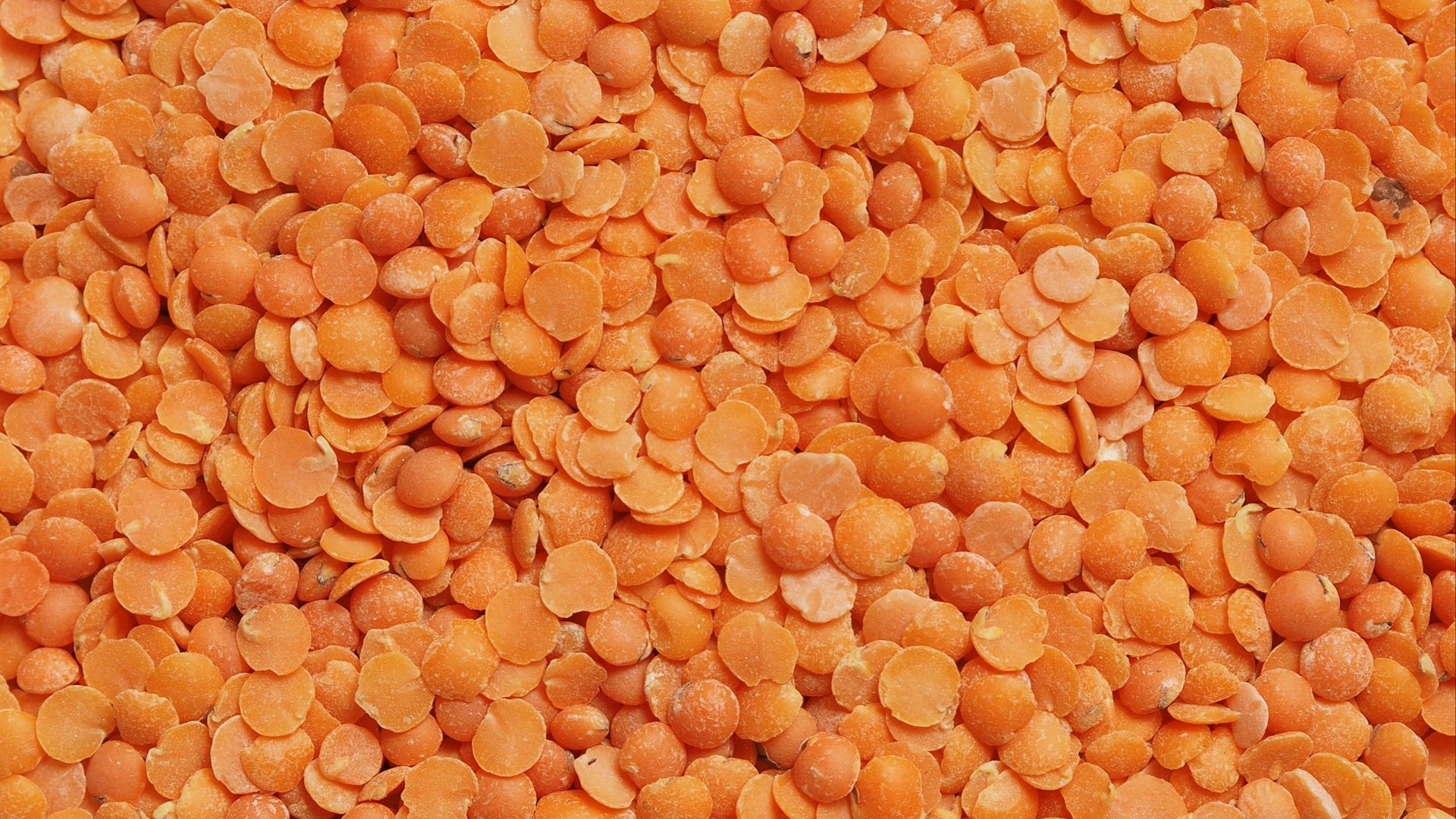
1. Lentils
Lentils are one of the oldest foods in history, dating back to at least 11,000 BCE. Because lentils are relative adaptable, they can be grown in different soil times across different climates. In North Africa, lentils are planted in the winter, so that snow melting coincides with plant growth.
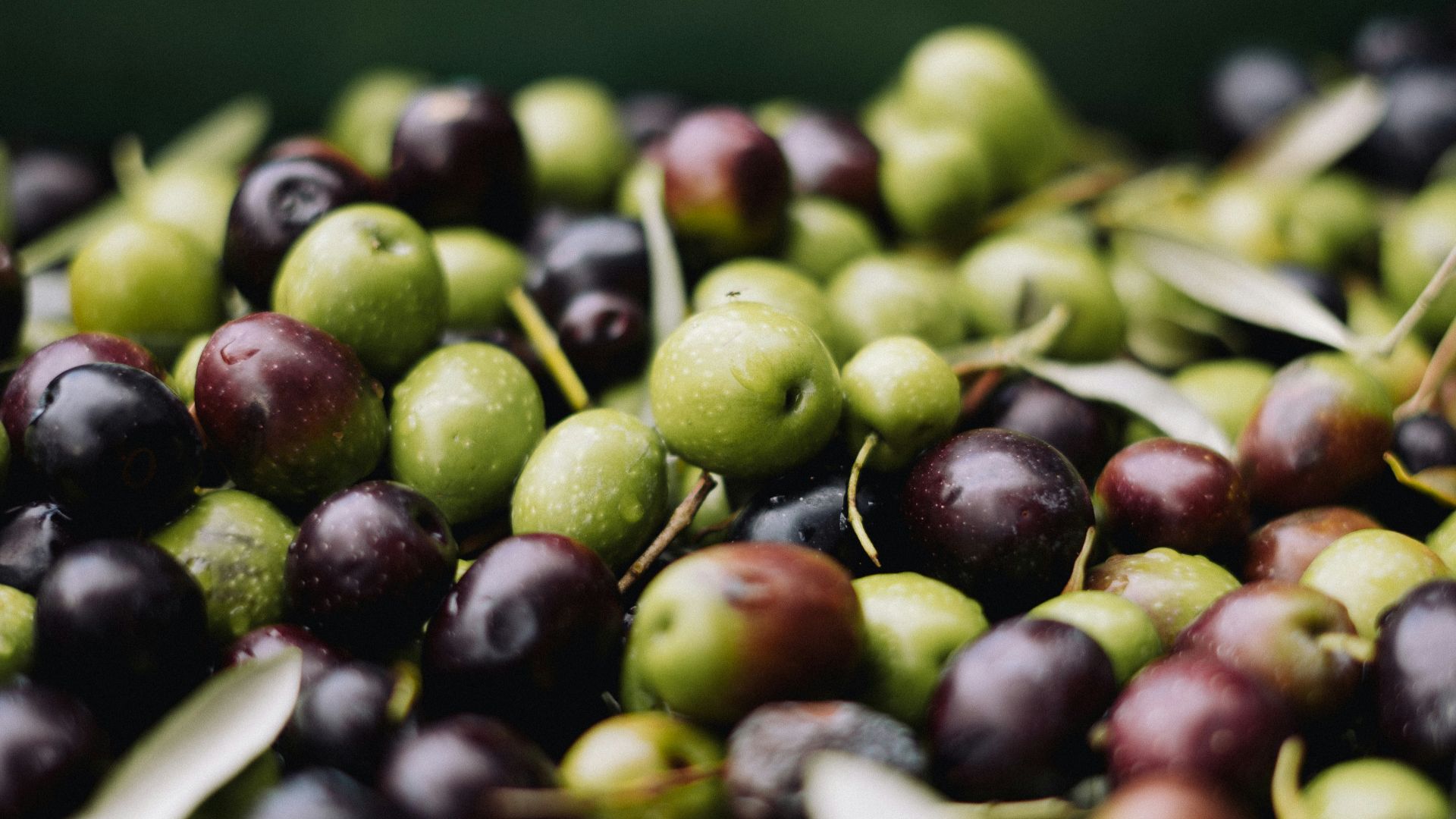
2. Olives
Possibly the oldest fruit tree to be domesticated, olives were first cultivated 7000 years ago in the Levant. Migration patterns distributed olives throughout the Mediterranean up to the Iberian Peninsula. Today, olives are grown as far south as New Zealand.
3. Sugarcane
Unfortunately, delicious foodstuffs weren't the only things swapped during the Columbian Exchange. Europe's sweet tooth facilitated the triangle trade, importing forced labor to the New World in order to grow this Old World crop. In addition to sweetener, sugarcane can also make screens, mats, and pens.
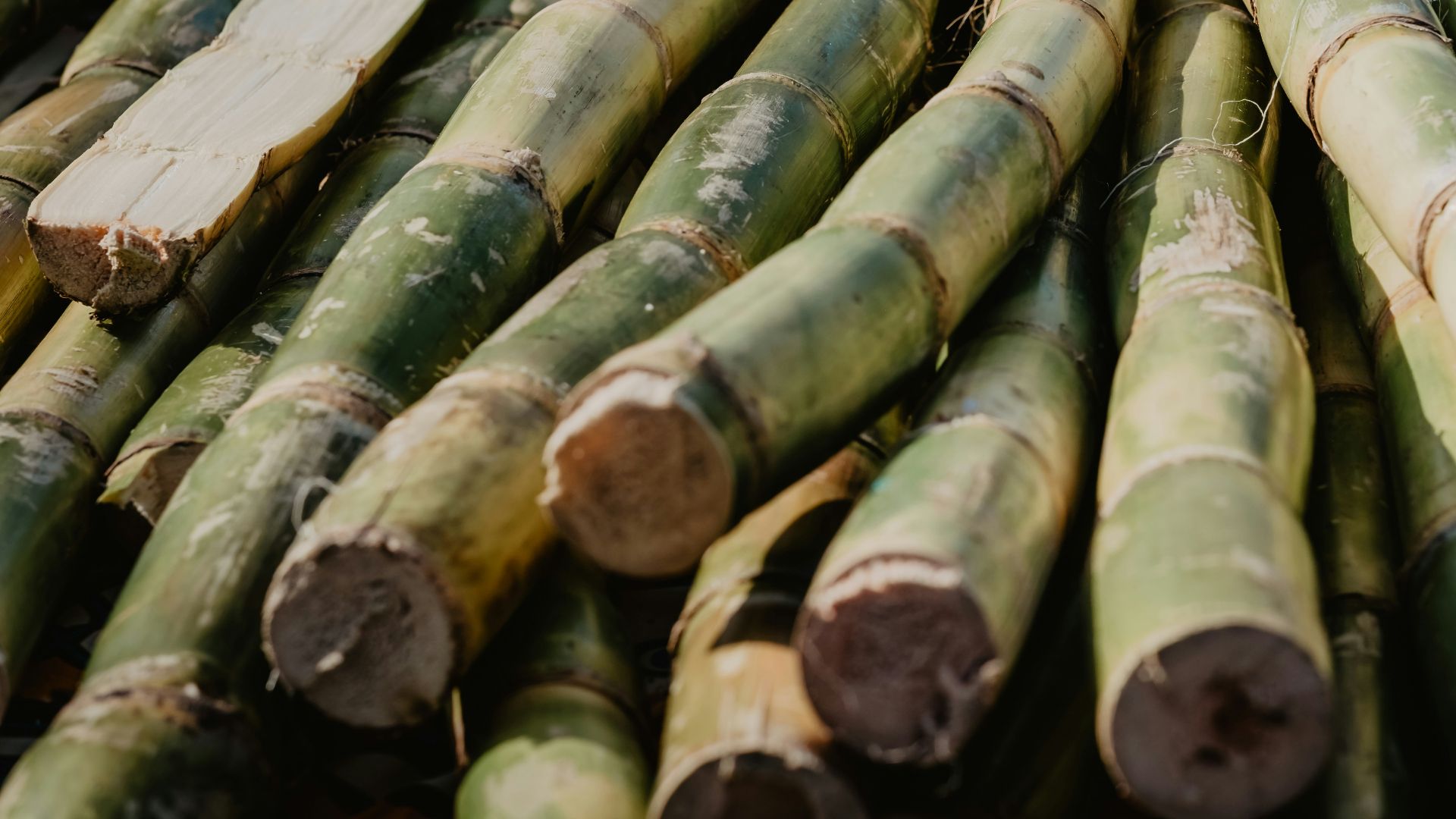 Victoria Priessnitz on Unsplash
4. Rice
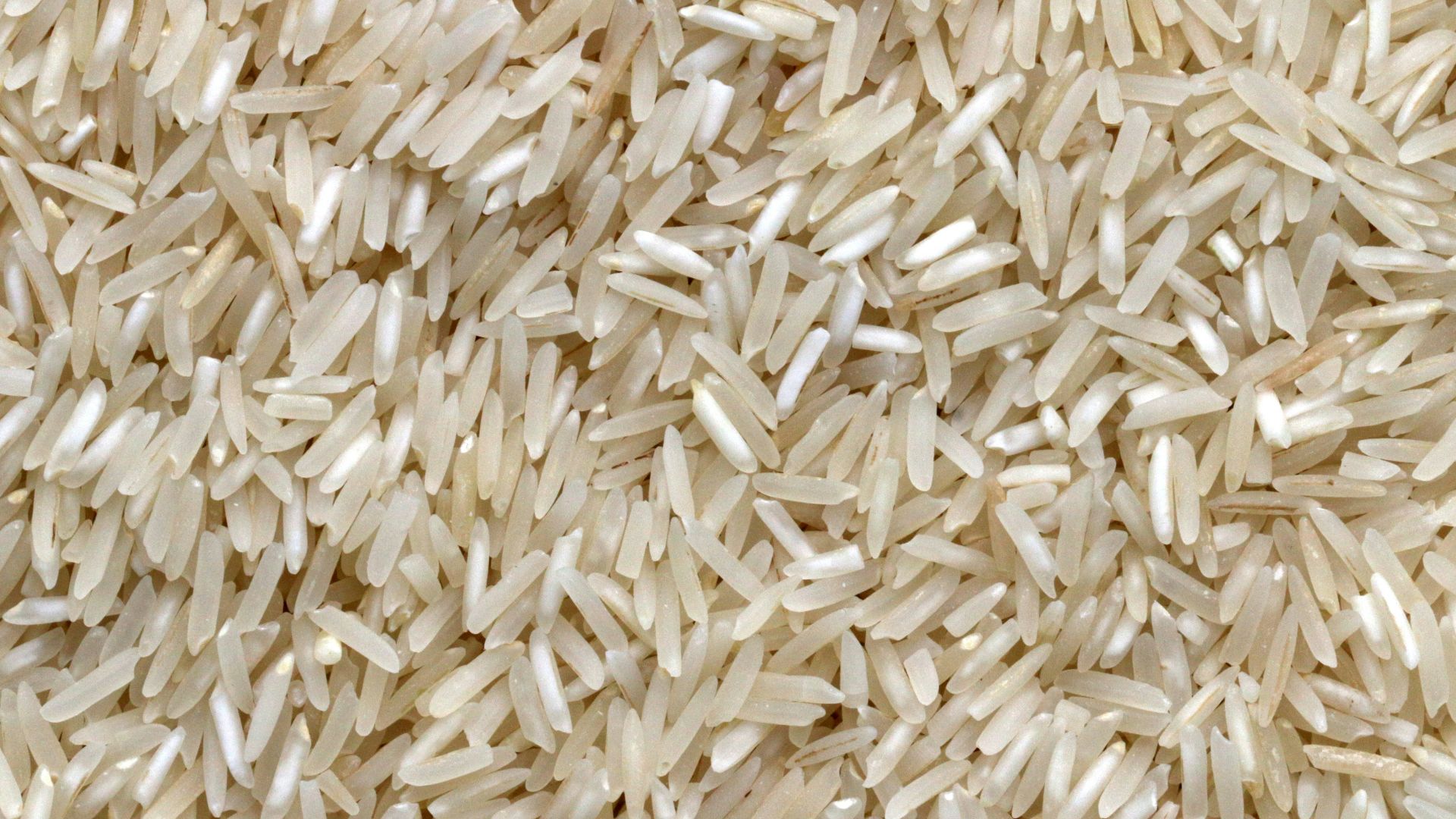
Rice is a staple food for more than half the world's population, that's around 4 billion people! Asian rice was domesticated approximately 10,000 years ago, while African rice is a little younger at 3000 years old. Rice isn't as popular in the New World as the Old, with China, India, and Indonesia leading rice consumption.
5. Chickpeas
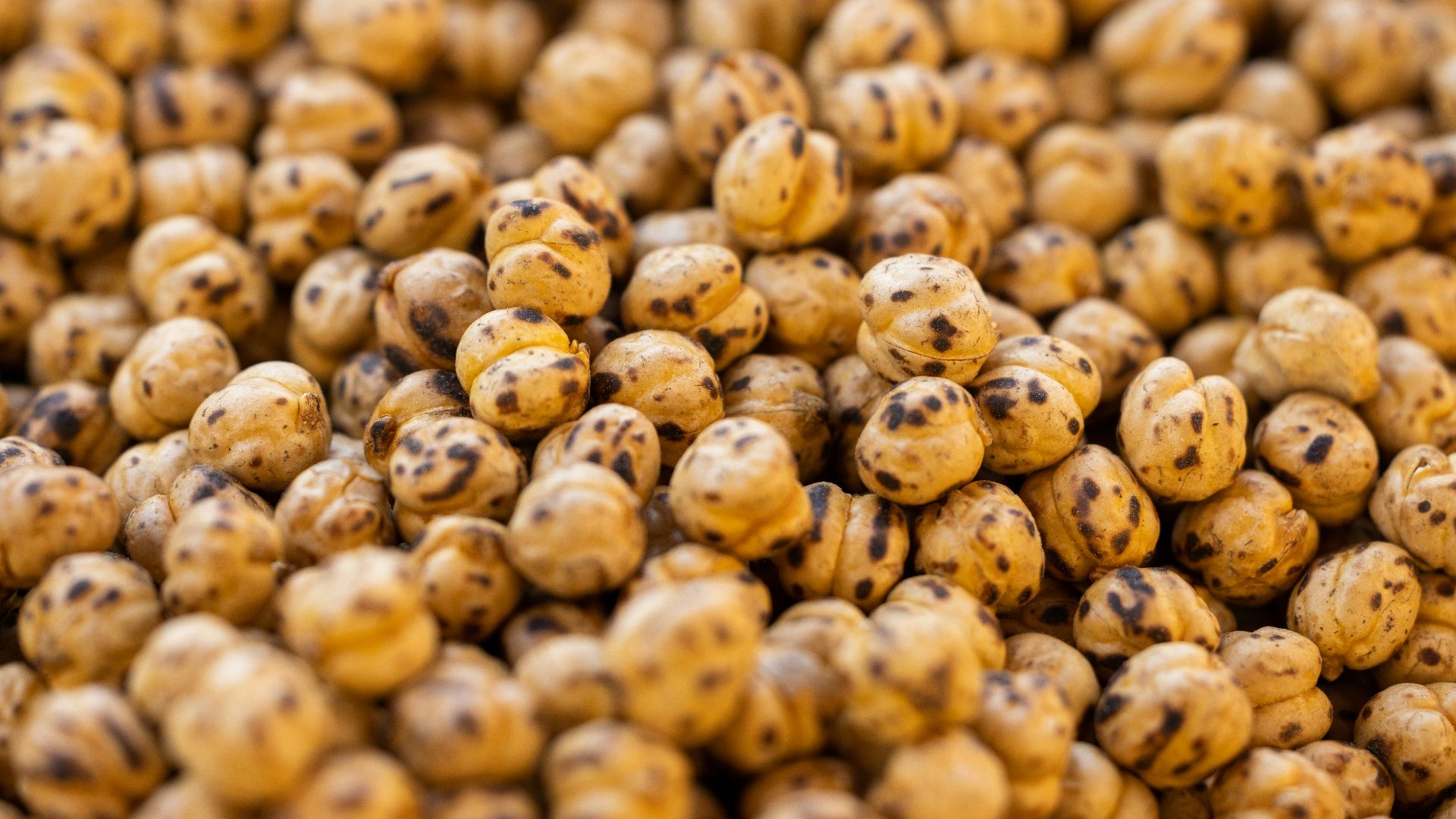
Ancient Syrians first domesticated chickpeas about 10,000 years ago, according to archaeological evidence. Chickpeas, along with several other crops on this list, were cultivated during the First Agricultural Revolution. This saw the widespread shift
6. Wheat
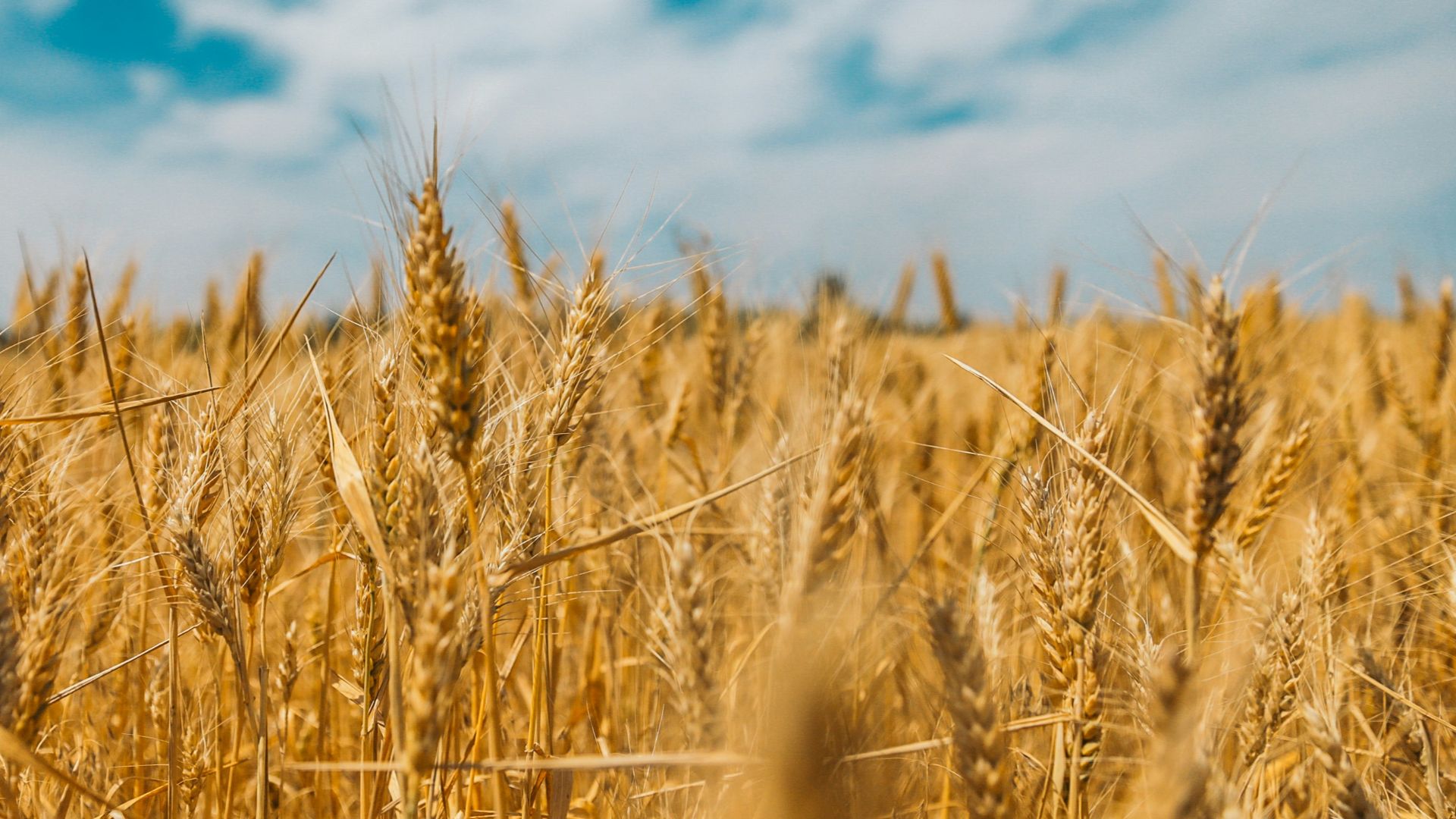
Where would we, as a global society, be without bread? Certainly, a lot of people's quarantines would have looked different if they didn't have sourdough starters to look after! Wheat was another crop first cultivated during the First Agricultural Revolution, taking up more land than any other food.
7. Oats
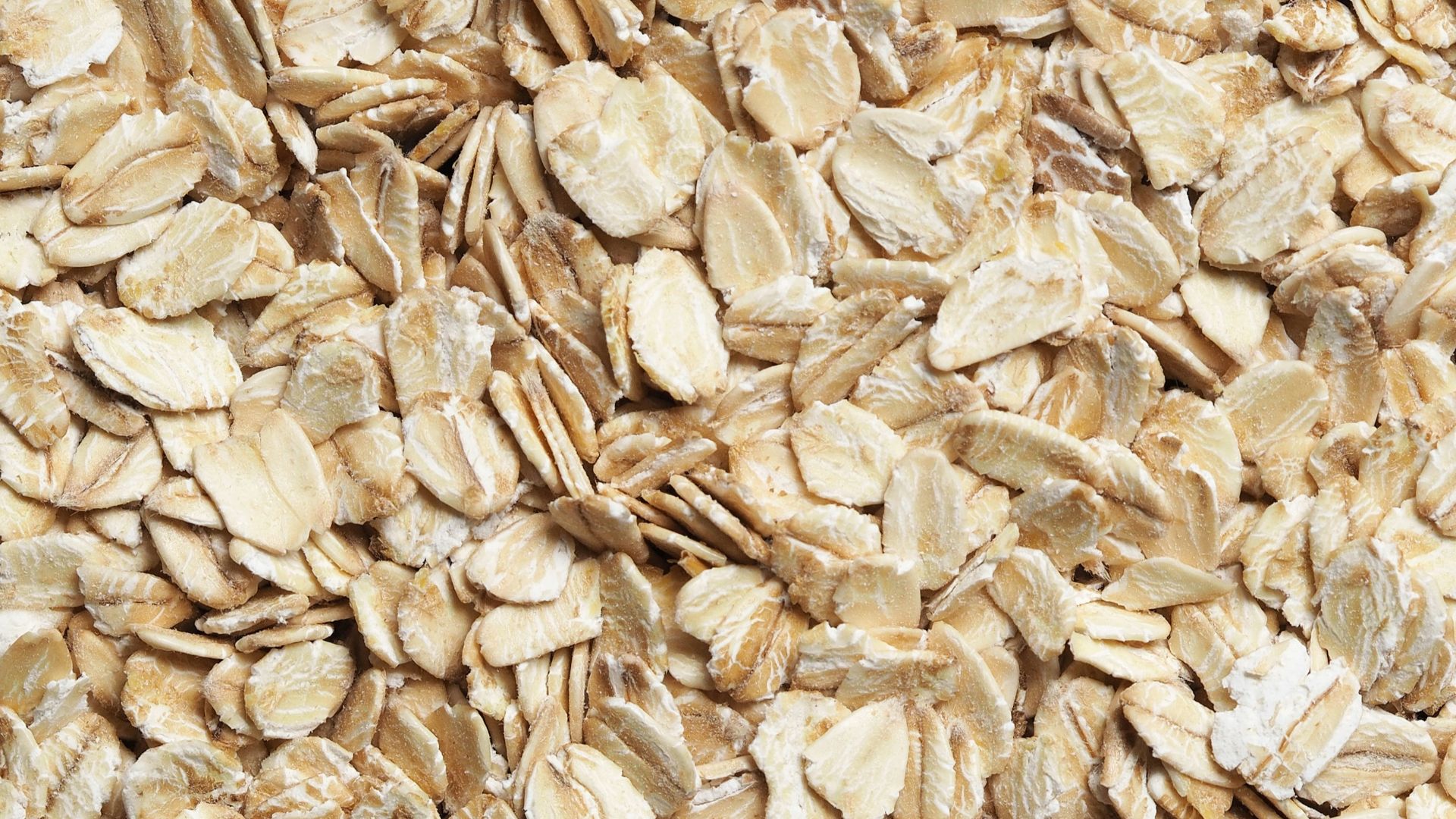
Whether you like your oats rolled, steel cut, or instant, you can't deny the importance of them. Initially a weed, traces of wild oats date back an astounding 32,000 years! Oats thrive in places with cool, wet summers, making them ideal in Northwest Europe.
8. Citrus
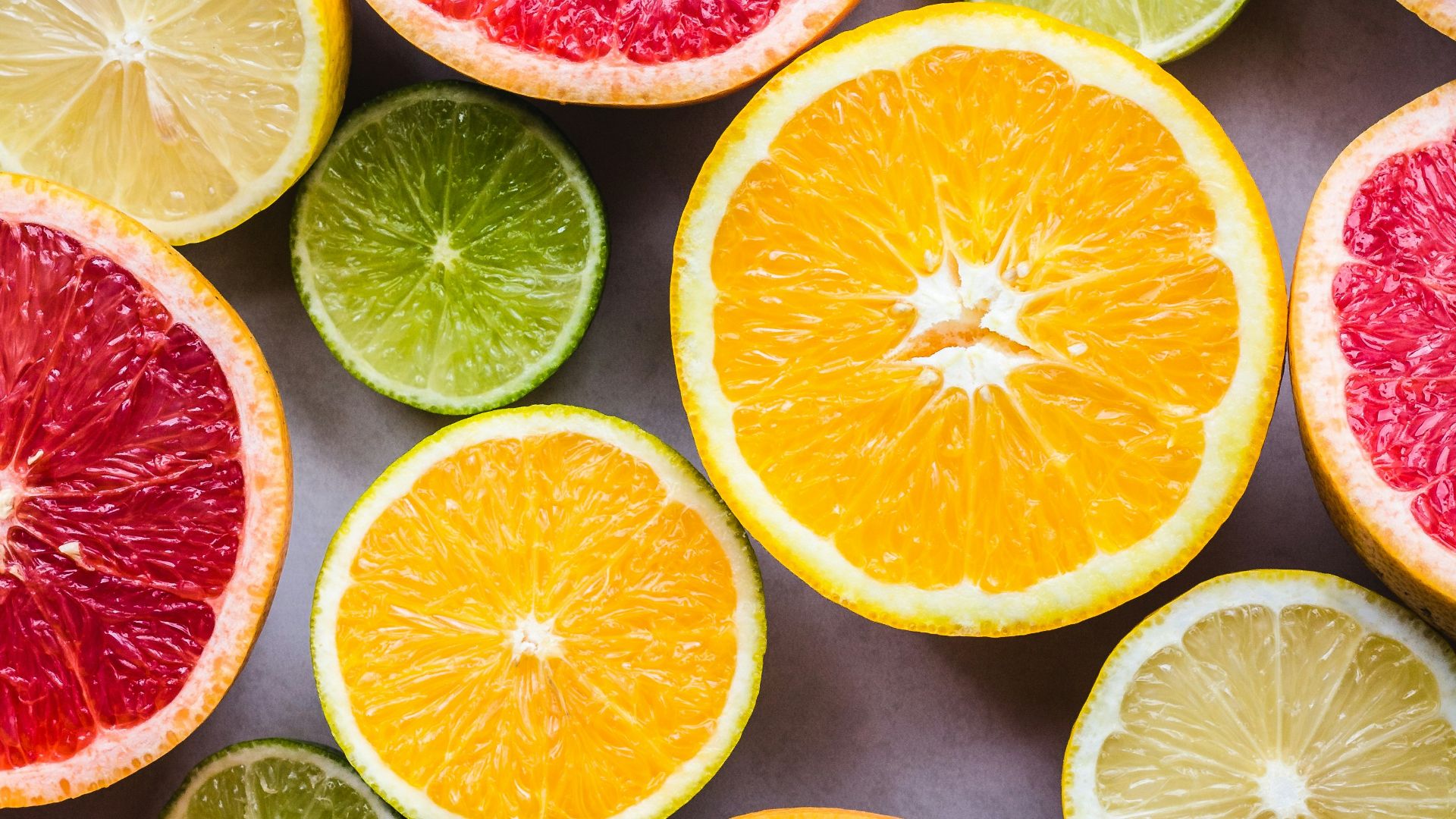
We simply couldn't choose just one citrus, so we're throwing in the whole genus. Various citrus species are native throughout Australasia, particularly Melanesia and Southeast Asia. It seems unfathomable that Florida oranges are a relatively new invention!
9. Figs
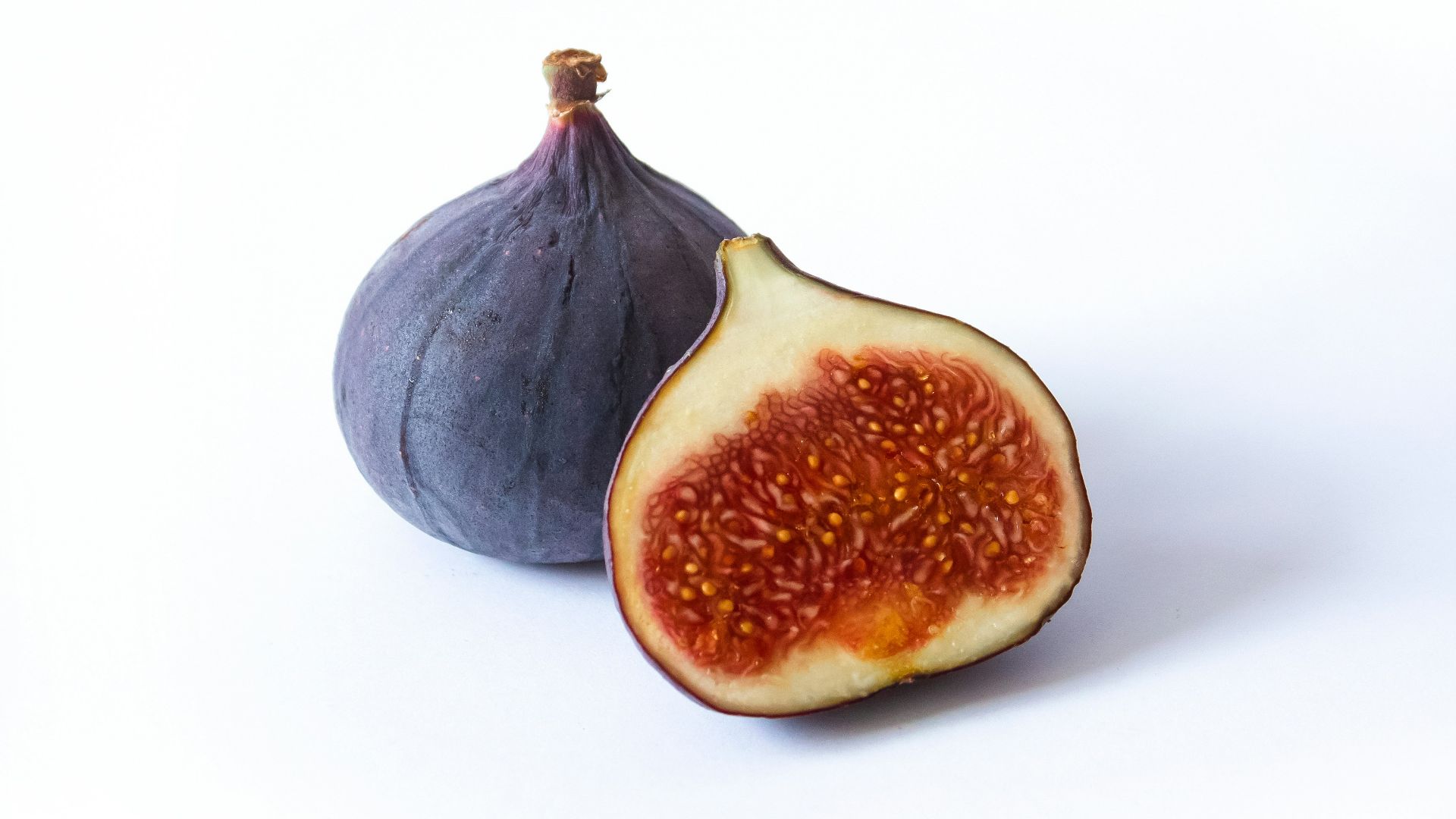
The history of fig cultivation is so long that we aren't quite sure how far back it stretches! Neolithic finds in the Jordan Valley date back to 9300 BCE. This makes figs one of the earliest cases of intentional agriculture.
10. Coffee
While coffee is grown today throughout Central and South America, it's actually an Old World Crop. The plant itself was first observed in Ethiopia; however, the drink itself comes from Yemen. Coffee is truly an international beverage.

Now that we've looked at some Old World crops, let's move onto the New World.
1. Potatoes
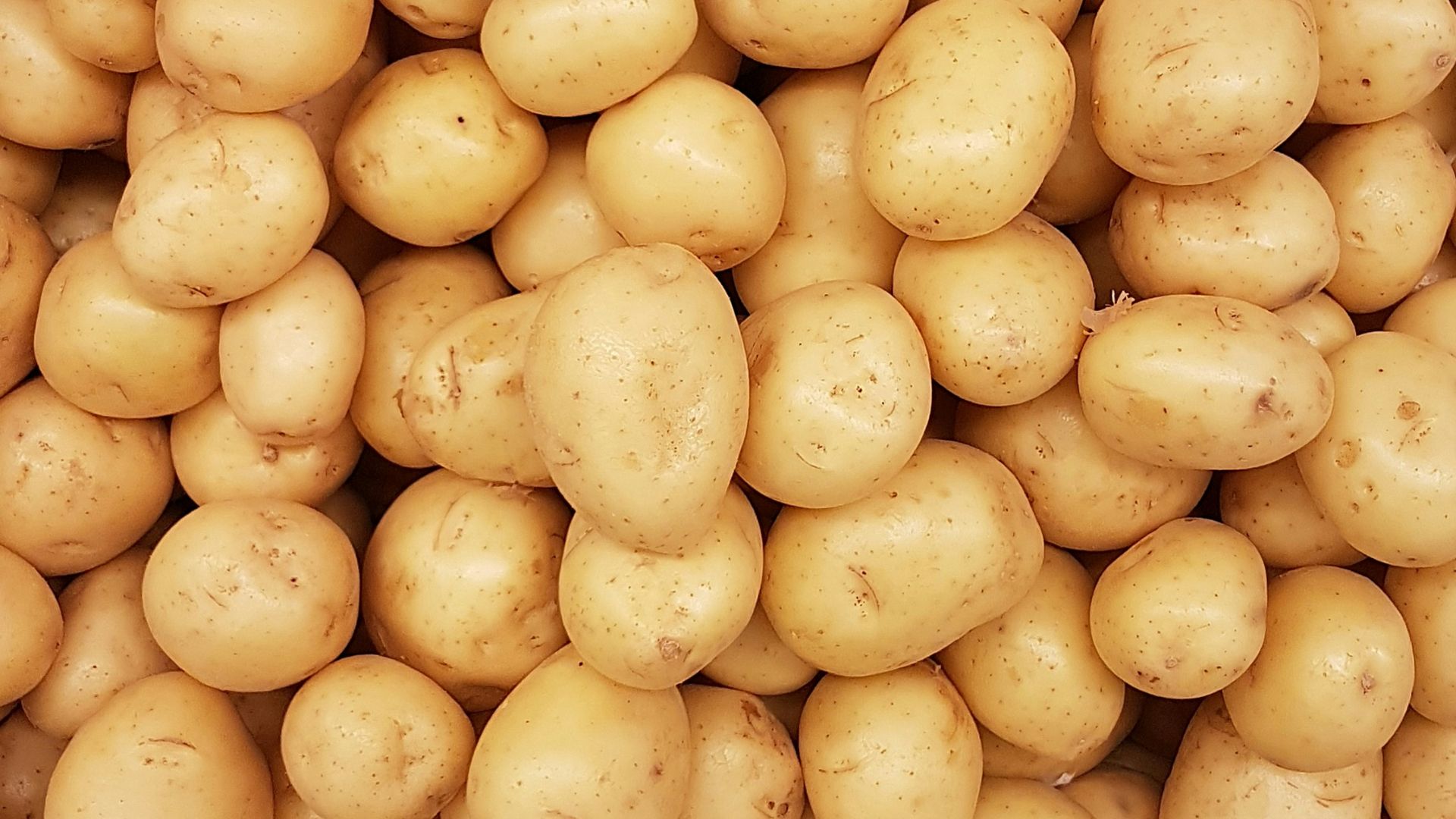
Disregard every poorly-researched depiction you've seen of Medieval peasants eating on potatoes. Wild potatoes grow all the way from southern Chile to the southern US, where they were domesticated approximately 9000 years ago. Today, potatoes are a staple food in many European diets.
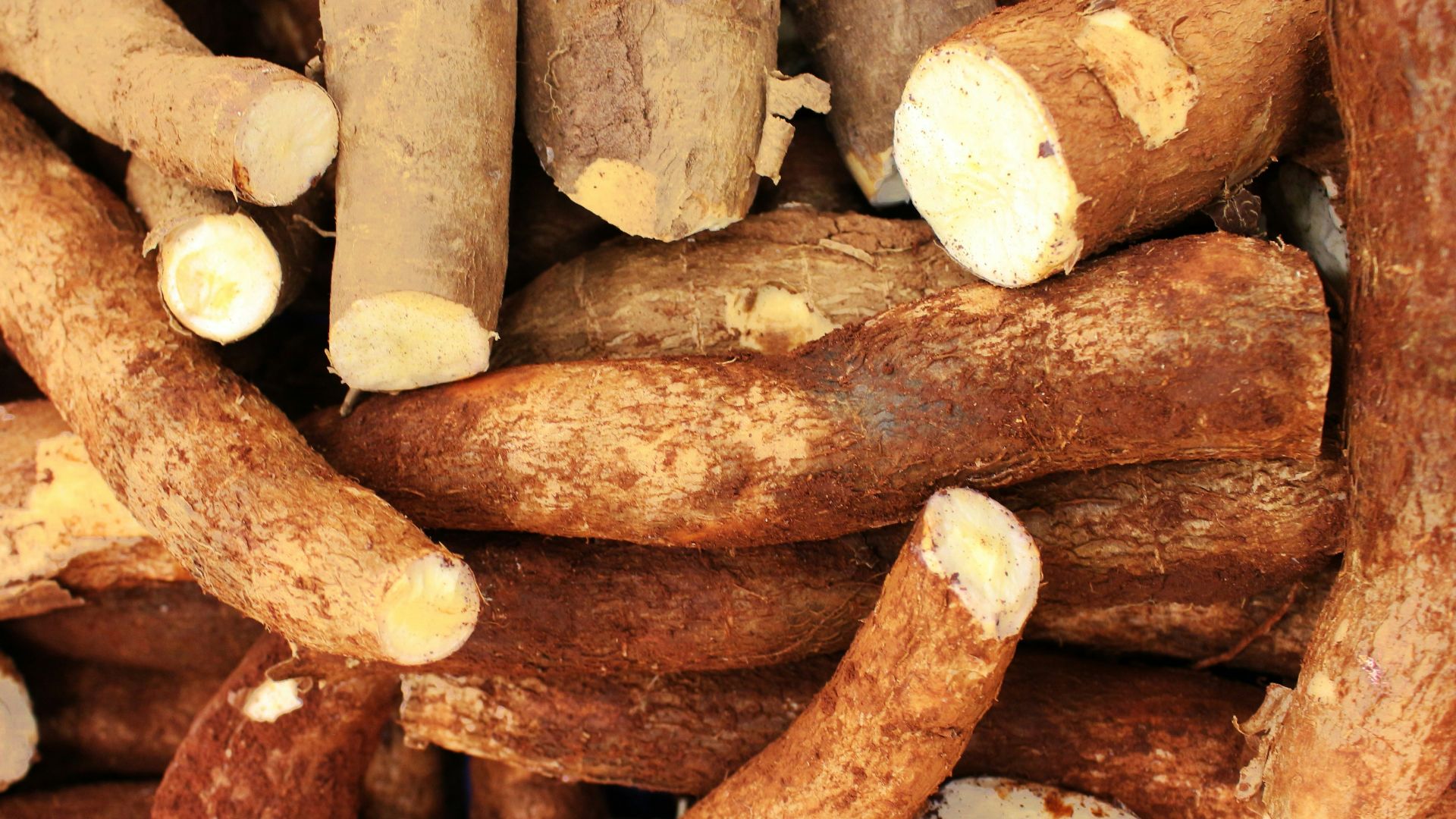
2. Cassava
A staple food in West Africa, cassava was first domesticated in western Brazil, around 10,000 years ago. Cassava was essential to the survival of First Nations across the Americas, particularly the Taíno of the Caribbean. Cassava's hardiness and tolerance to drought continues to ensure survival today.
3. Chocolate
The sacred drink of the Aztecs and Maya, evidence for cacao domestication dates back to 3300 in Ecuador. However, it would be another 2000 years before the plant was made into a drink. Cacao was used in monetary, medicinal, and ceremonial contexts.

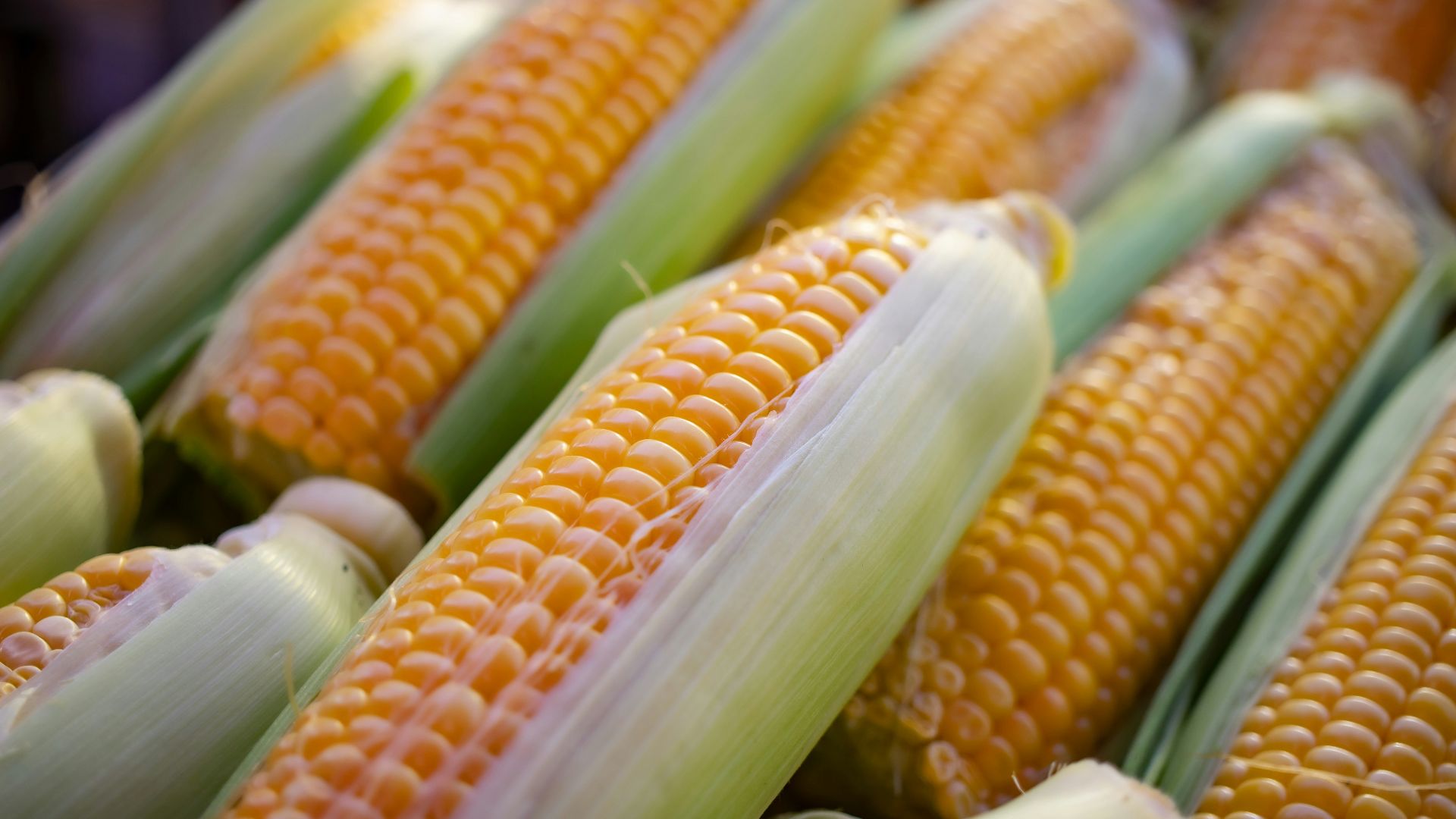
4. Corn
Also known as maize, corn is one of the Three Sisters in various First Nations cultures. Grown alongside beans and squash, these sisters use companion planting for create a symbiotic relationship between plants. Every ear of corn today dates back to a plant found 9000 years ago in southern Mexico.
 Wouter Supardi Salari on Unsplash
5. Pumpkins
Another one of the Three Sisters, pumpkins are more than 8000 years old. Technically, there are several varieties of pumpkin, but there is no singular scientific definition. Pumpkins are native to Mexico and the southern US.
 Griffin Wooldridge on Unsplash
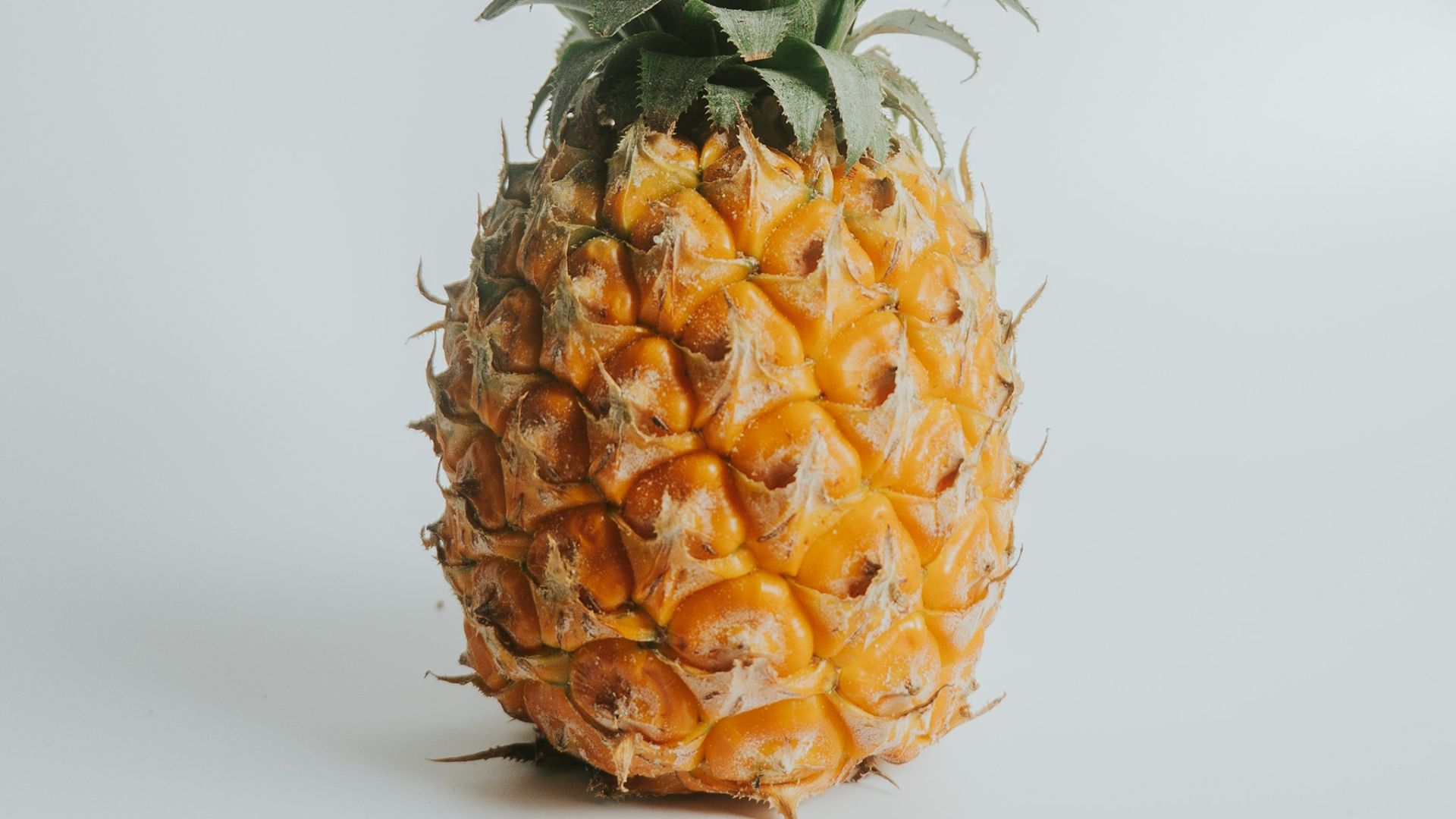
6. Pineapples
Considered a luxury well into the 20th century, pineapple's origin may surprise you. Pineapple was first domesticated around 1000 BCE in Peru. It only spread to Hawaii in the 1700s.
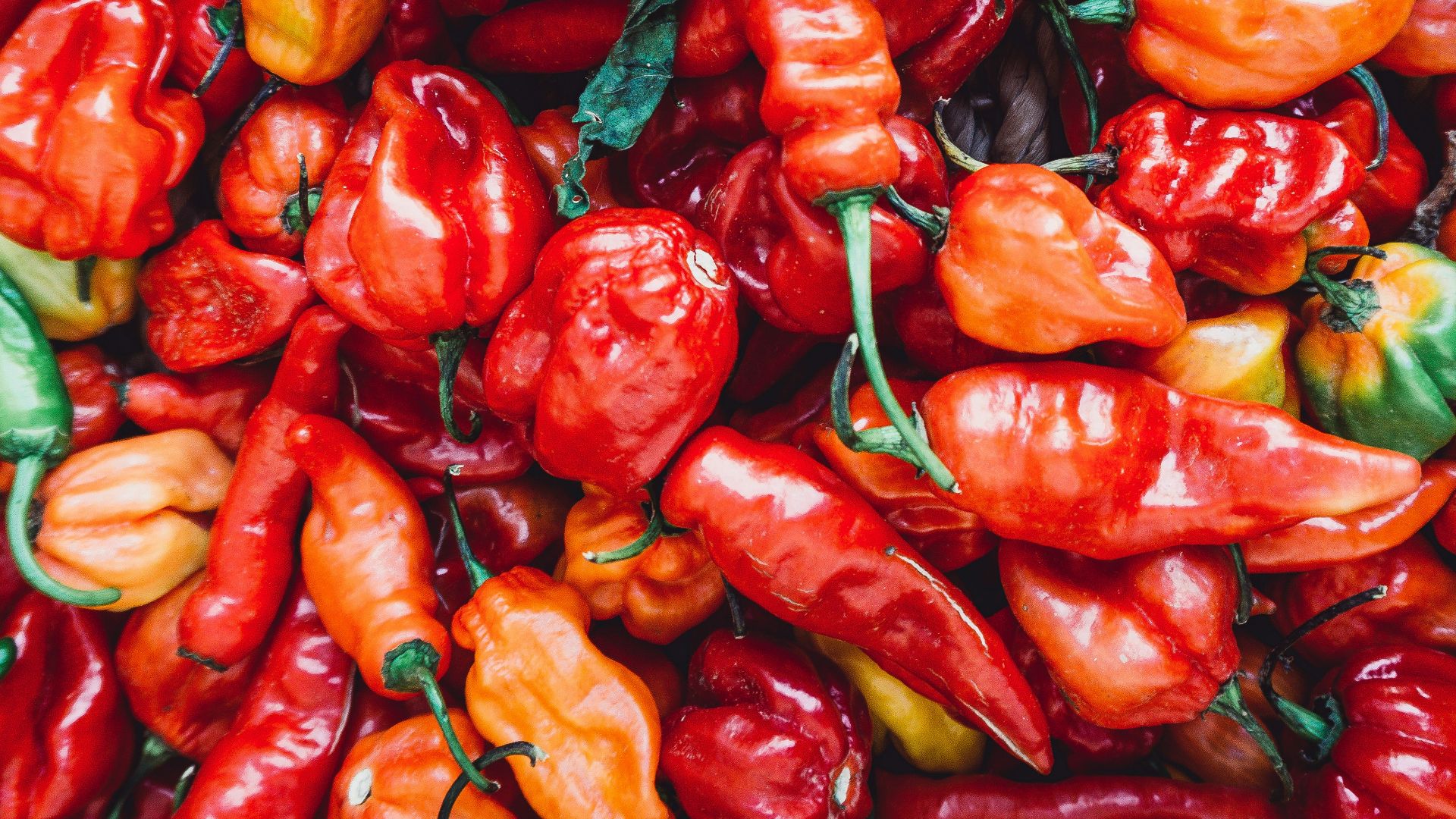
7. Chili Peppers
There are a ton of different chili peppers, but they all date back to Peru and Bolivia, more than 9000 years ago. This makes chili peppers among the oldest crops to be cultivated in the Americas. Today, Peru stays at the top of the chili game with the highest diversity of peppers.
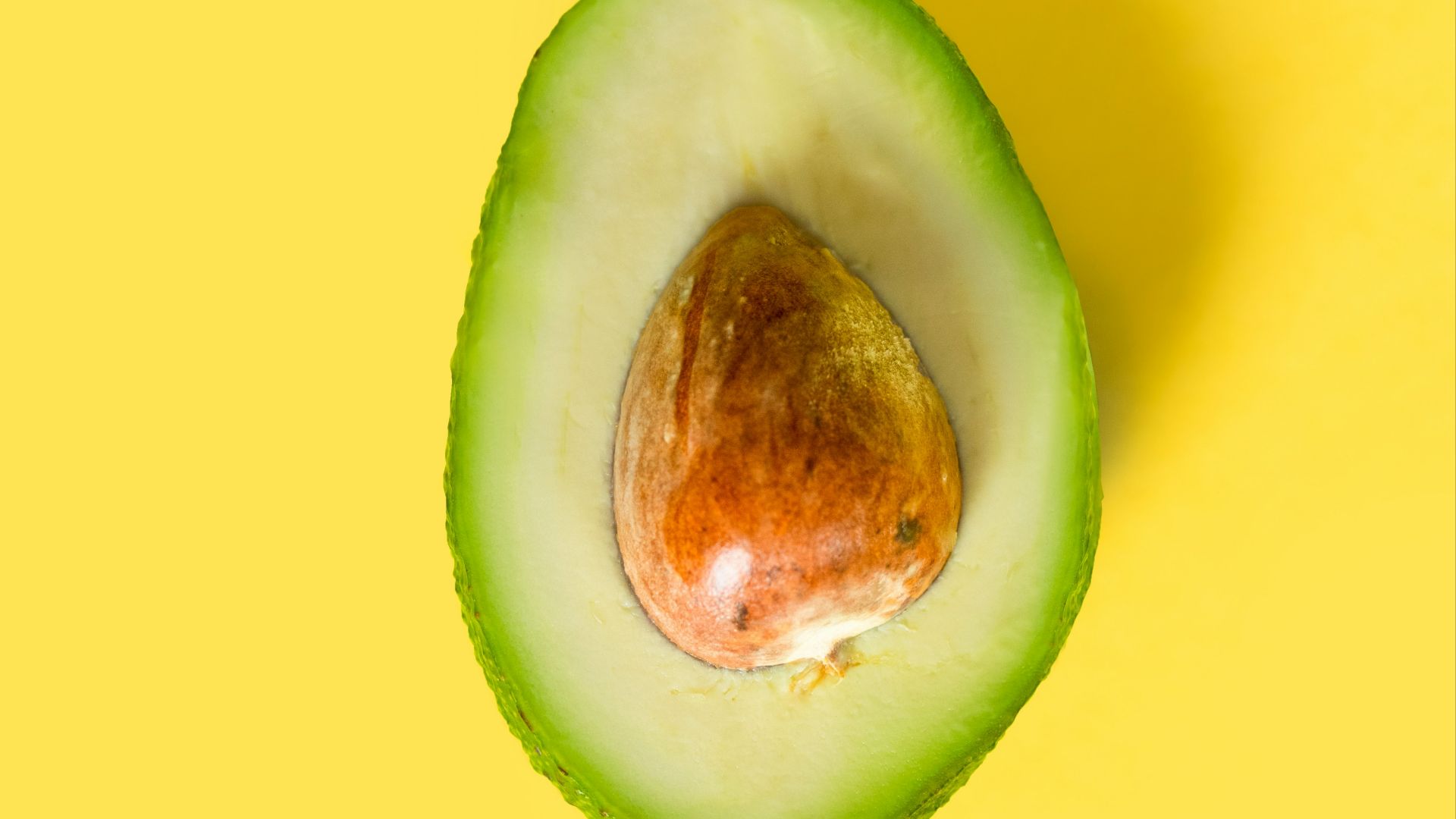
8. Avocado
The tagline "avocados from Mexico" isn't just a bouncy jingle, it's historical record. While Peru may hold the record for first avocado cultivation (10,500 years ago), this fatty green fruit is inexorably tied to Mexico. Mexico accounts for almost 30% of the world's avocado crop.
9. Peanuts
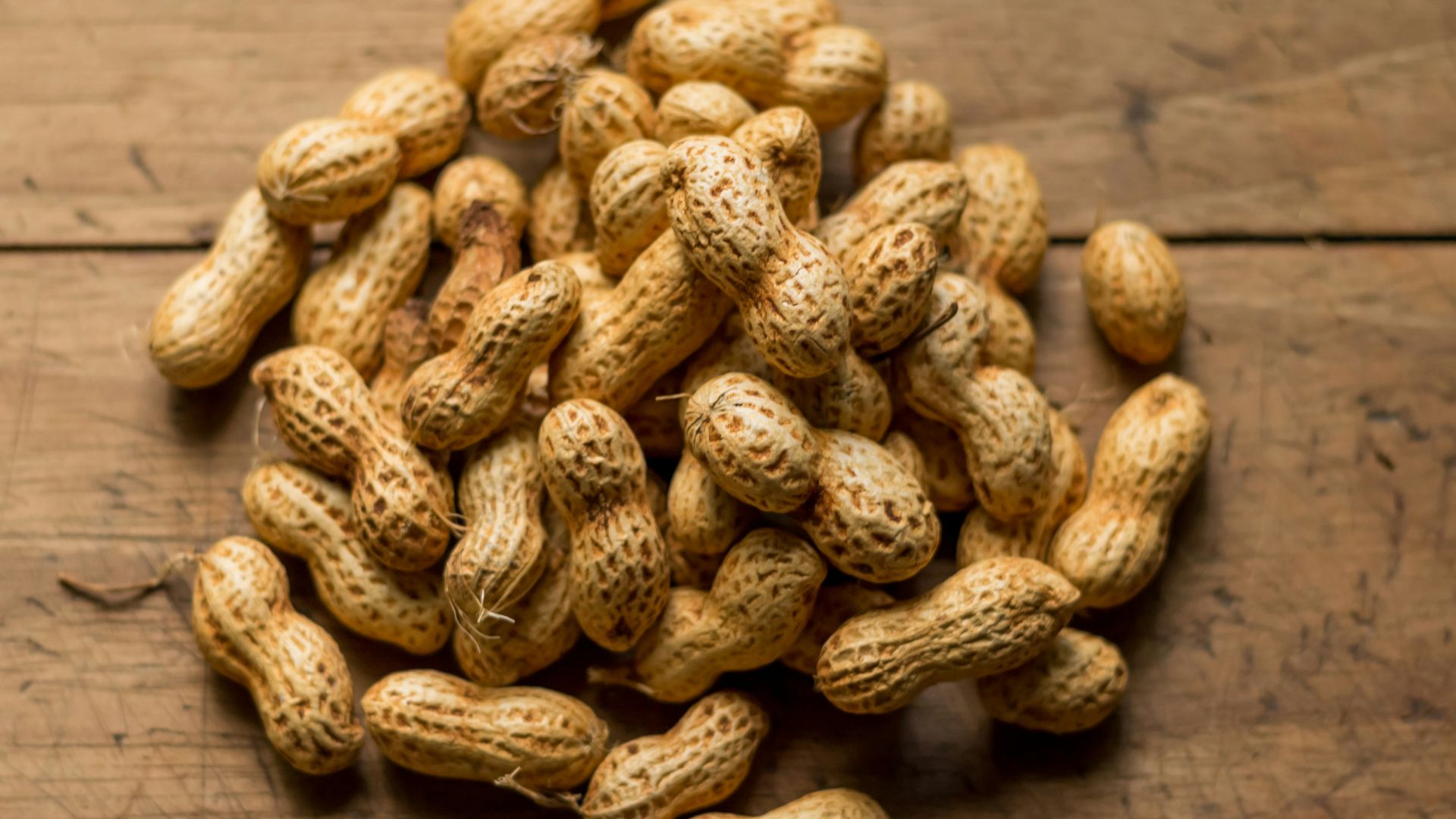
Dating back to around 5000 BCE, peanuts are another crop that was first grown in the dry climate of Peru. In Colonial America, peanuts were used as a garden crop, then animal feed. It wasn't until George Washington Carver's efforts in the 1930s that peanuts were widely eaten by humans.
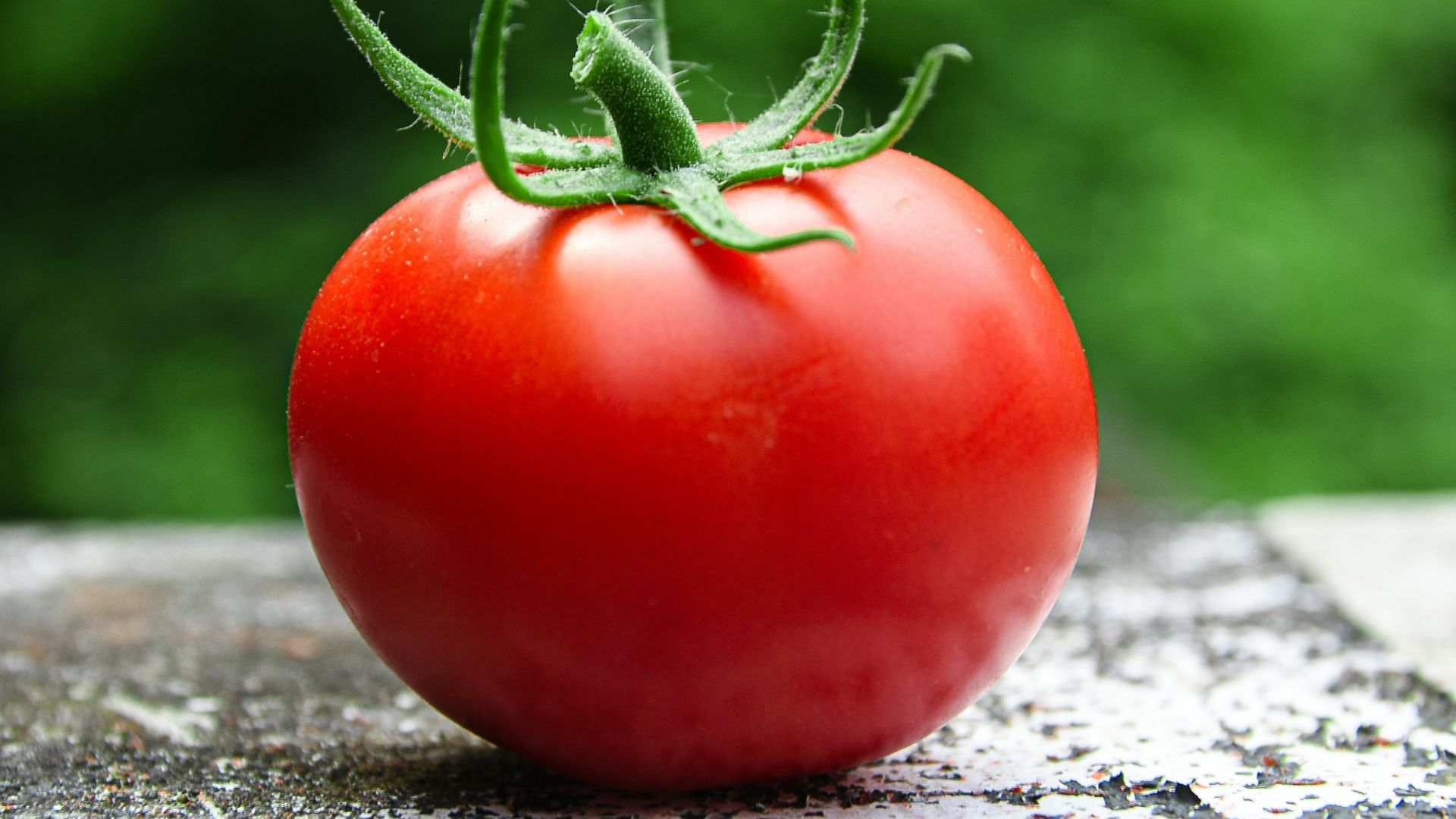
10. Tomatoes
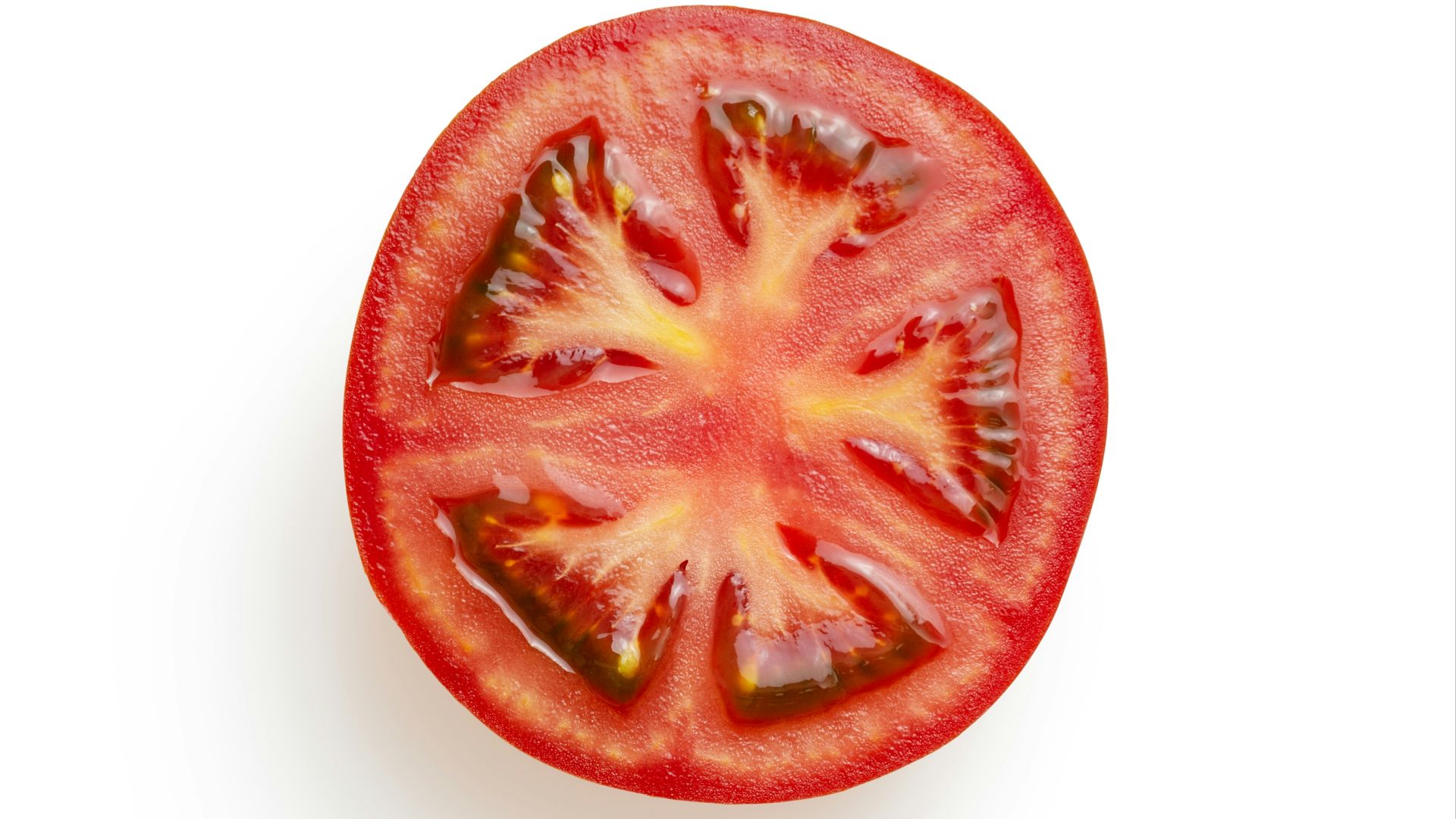
Whichever way you pronounce tomato, you have to agree that they're one of the most impactful foods of all time. While tomatoes were cultivated around 5000 BCE, it wasn't until 4500 years later that they were domesticated in southern Mexico. The Pueblo believed that tomato seeds could grant powers of divination.
KEEP ON READING