
Processed food is part of everyday life, and plenty of it deserves a place in the kitchen. Frozen vegetables, canned beans, plain yogurt, and rolled oats are all processed, yet they can still help you put together a healthy meal without a lot of fuss. The bigger concern is ultra-processed food, which is usually made with industrial ingredients, additives, flavorings, refined starches, added sugars, and oils. These foods are often made to last a long time, taste strong, and be easy to eat quickly.
That difference matters because the research on dementia risk is not telling people to avoid every can, carton, or freezer bag. Most of the concern is about ultra-processed foods, especially when they make up a large part of what someone eats every day. Researchers still describe the evidence as a link, not proof that these foods directly cause dementia. Even so, the pattern is serious enough to notice because dementia usually develops over many years, and everyday eating habits can add up.
Definition of Ultra-Processed Food
Researchers often use the NOVA classification system to sort foods into groups, including minimally processed, processed, and ultra-processed foods. Under that system, ultra-processed foods are often made with ingredients most people would not use at home, including certain emulsifiers, colors, flavorings, and other additives. Ultimately, the concern is not that food has been frozen, canned, cooked, or packaged, but that some products are much farther away from the original food.
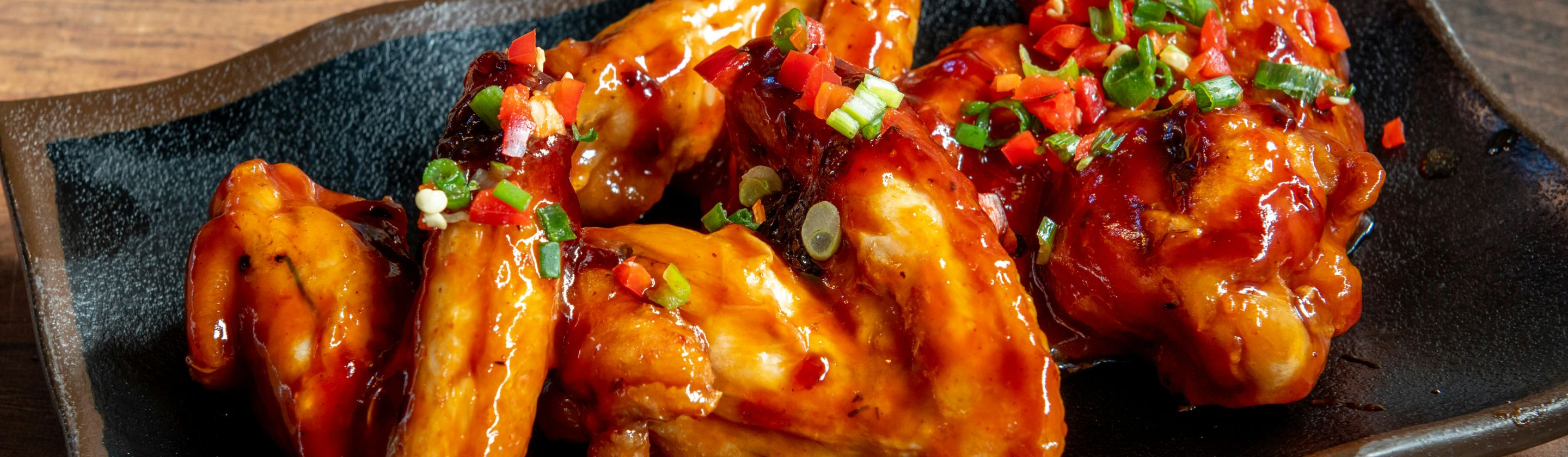
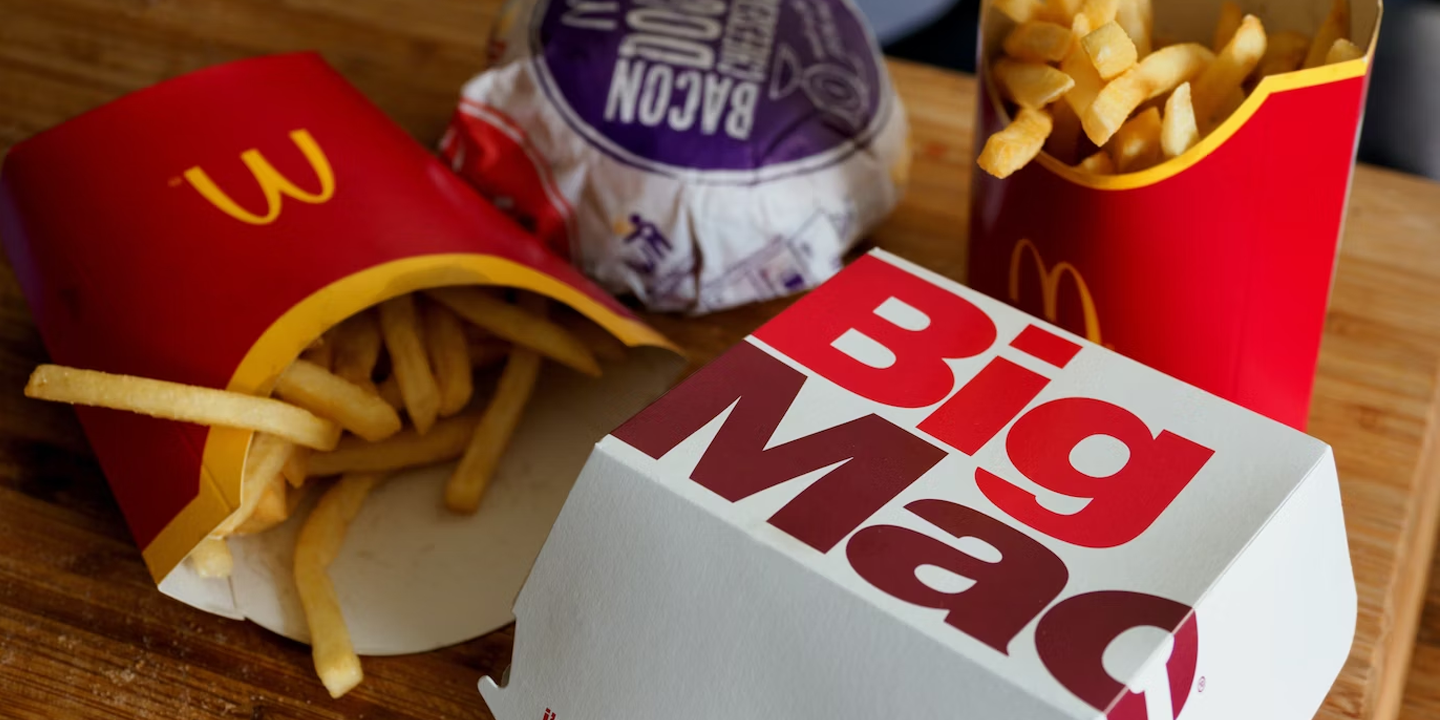
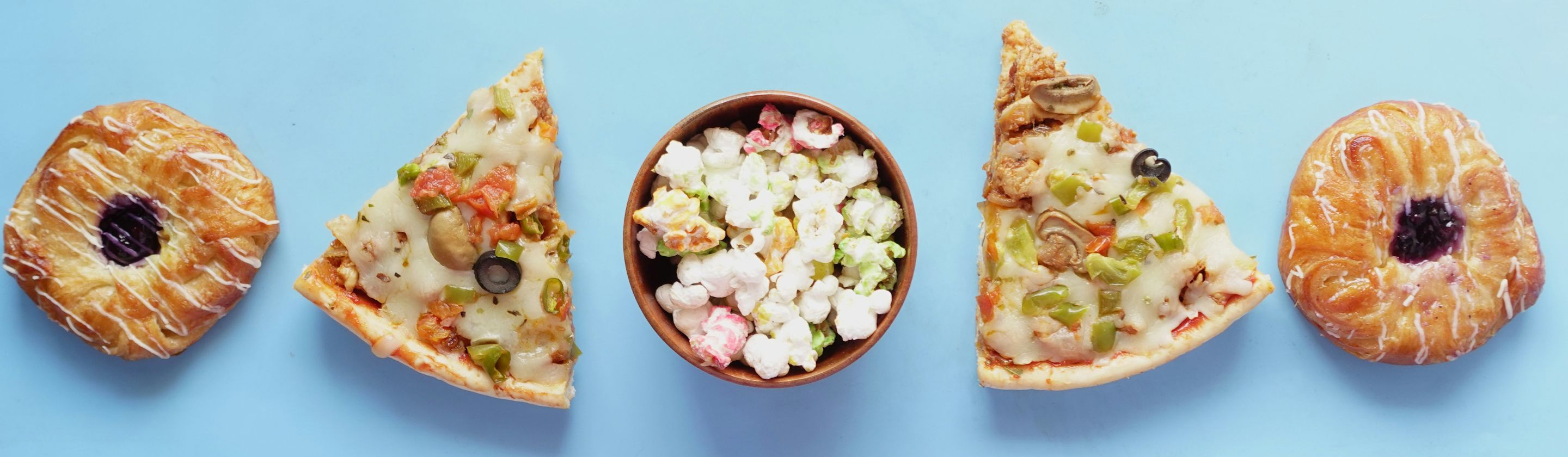
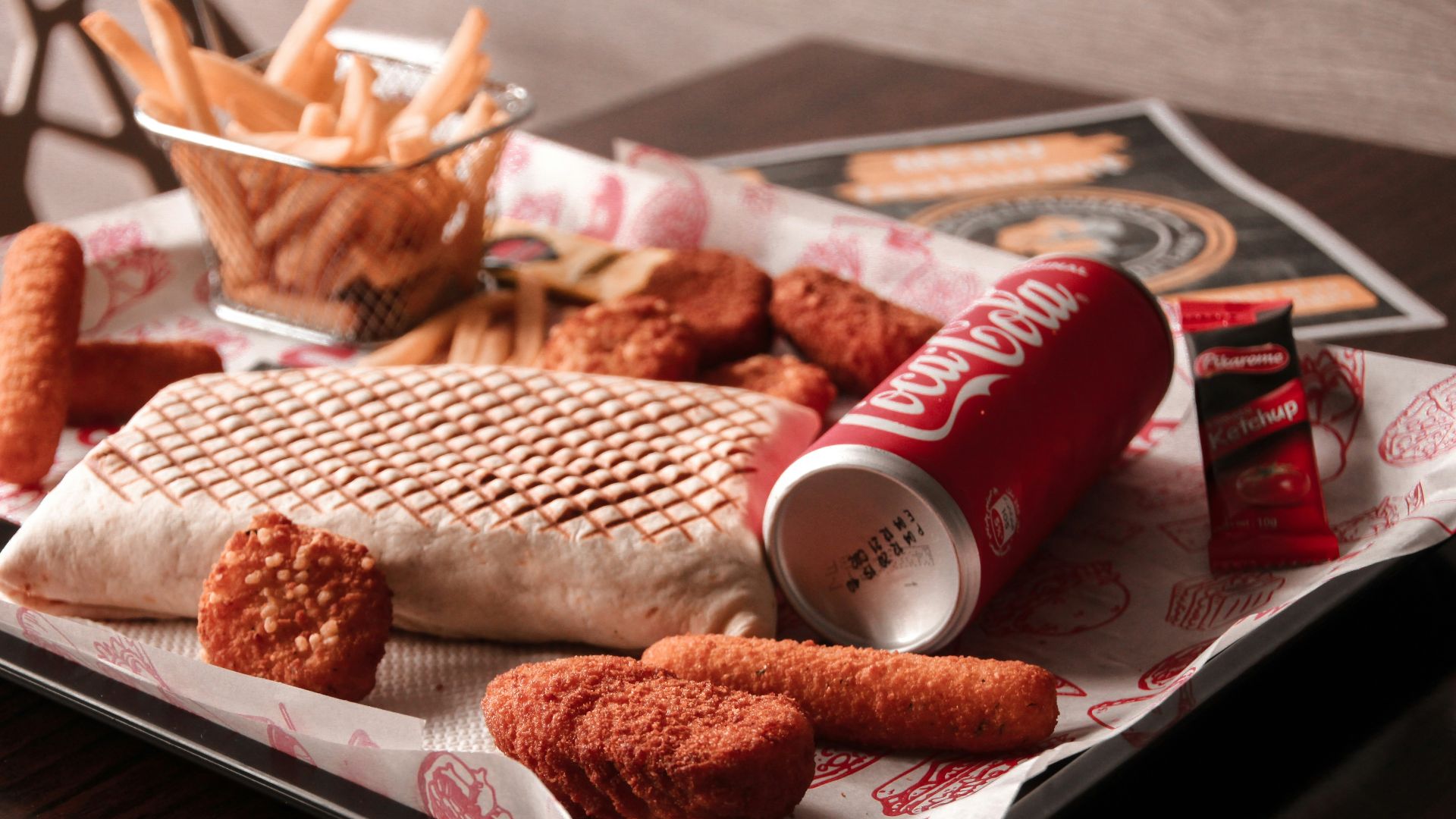
Common examples include soft drinks, packaged cakes, many sweetened breakfast cereals, chips, instant noodles, frozen pizzas, reconstituted meat products, and packaged snack foods. These foods are often low in fiber and high in salt, sugar, refined starches, or added fats. They are also often made to be very easy to keep eating, which anyone who has finished a chip bag without meaning to can understand. Over time, that habit can push aside vegetables, fruit, beans, whole grains, fish, nuts, and less processed sources of protein.
Ultra-processed foods now make up a large part of what people eat in the United States. CDC data from the National Health and Nutrition Examination Survey found that from August 2021 to August 2023, ultra-processed foods made up 55.0% of total calories among people age one and older. Adults got 53.0% of their calories from ultra-processed foods, while youth ages one to 18 got 61.9%. The same CDC report named sandwiches, including burgers, sweet baked goods, savory snacks, and sweetened drinks, among the top calorie sources.
What The Dementia Research Shows
One large UK Biobank study looked at 72,083 adults aged 55 or older who did not have dementia at the start of the research. Over a median follow-up of 10 years, 518 participants developed dementia. The researchers found that every 10% increase in ultra-processed food intake was associated with a higher risk of dementia, Alzheimer’s disease, and vascular dementia. They also estimated that replacing 10% of ultra-processed foods by weight with unprocessed or minimally processed foods was associated with a 19% lower dementia risk.
Another major study, published in JAMA Neurology, followed 10,775 adults in Brazil for a median of eight years. People who ate more ultra-processed food had faster cognitive decline than people who ate less of it. The study reported a 28% faster rate of global cognitive decline and a 25% faster rate of executive function decline among people with higher intake. Executive function includes planning, paying attention, self-control, and moving from one task to another, all the everyday mental work that helps a normal day run smoothly.
A 2023 systematic review and meta-analysis in the Journal of Neurology pulled together 10 observational studies with 867,316 people. It found that high ultra-processed food intake was associated with a higher risk of dementia, with a pooled relative risk of 1.44 for high versus low intake.
A More Practical Way To Eat
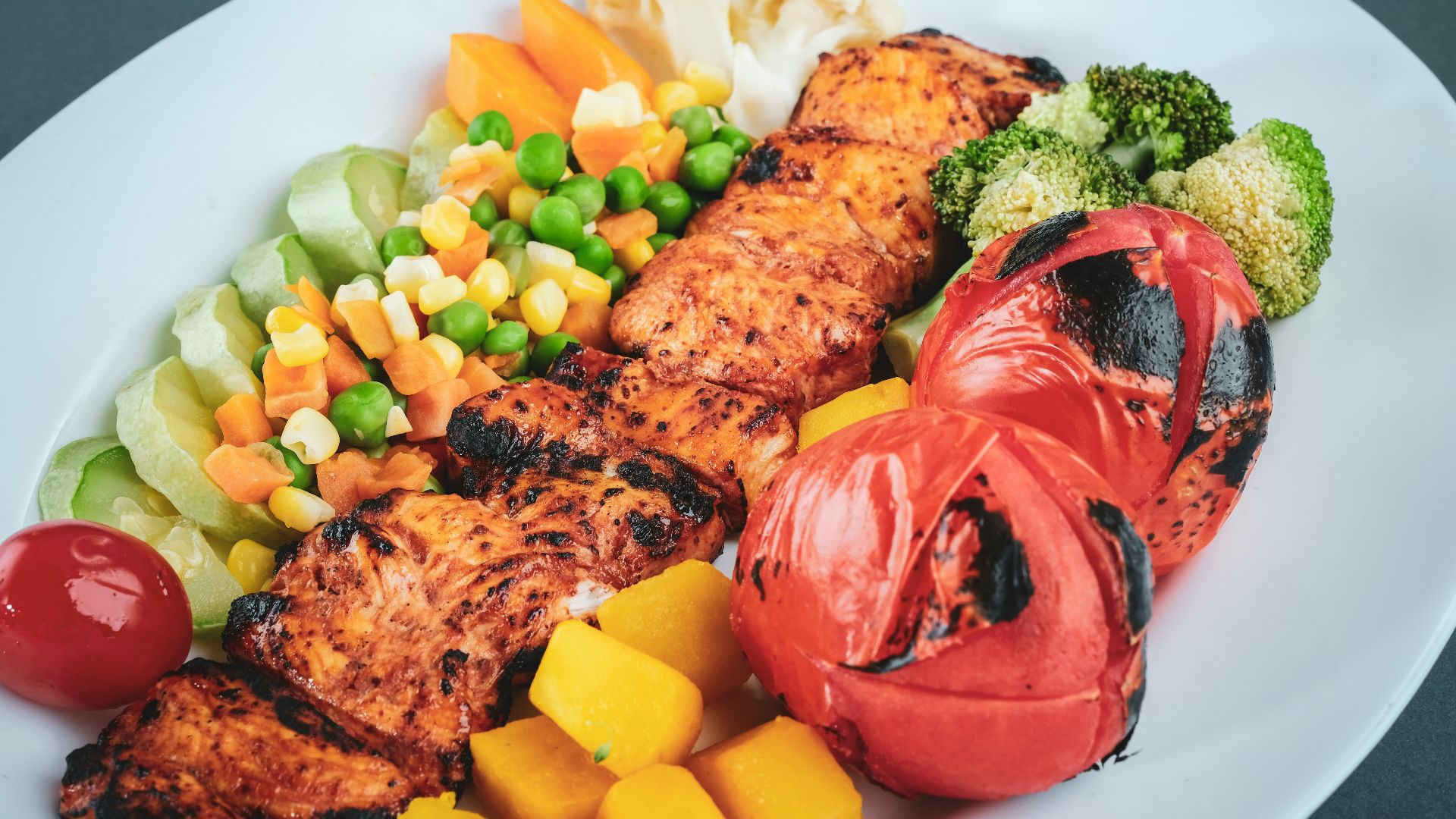
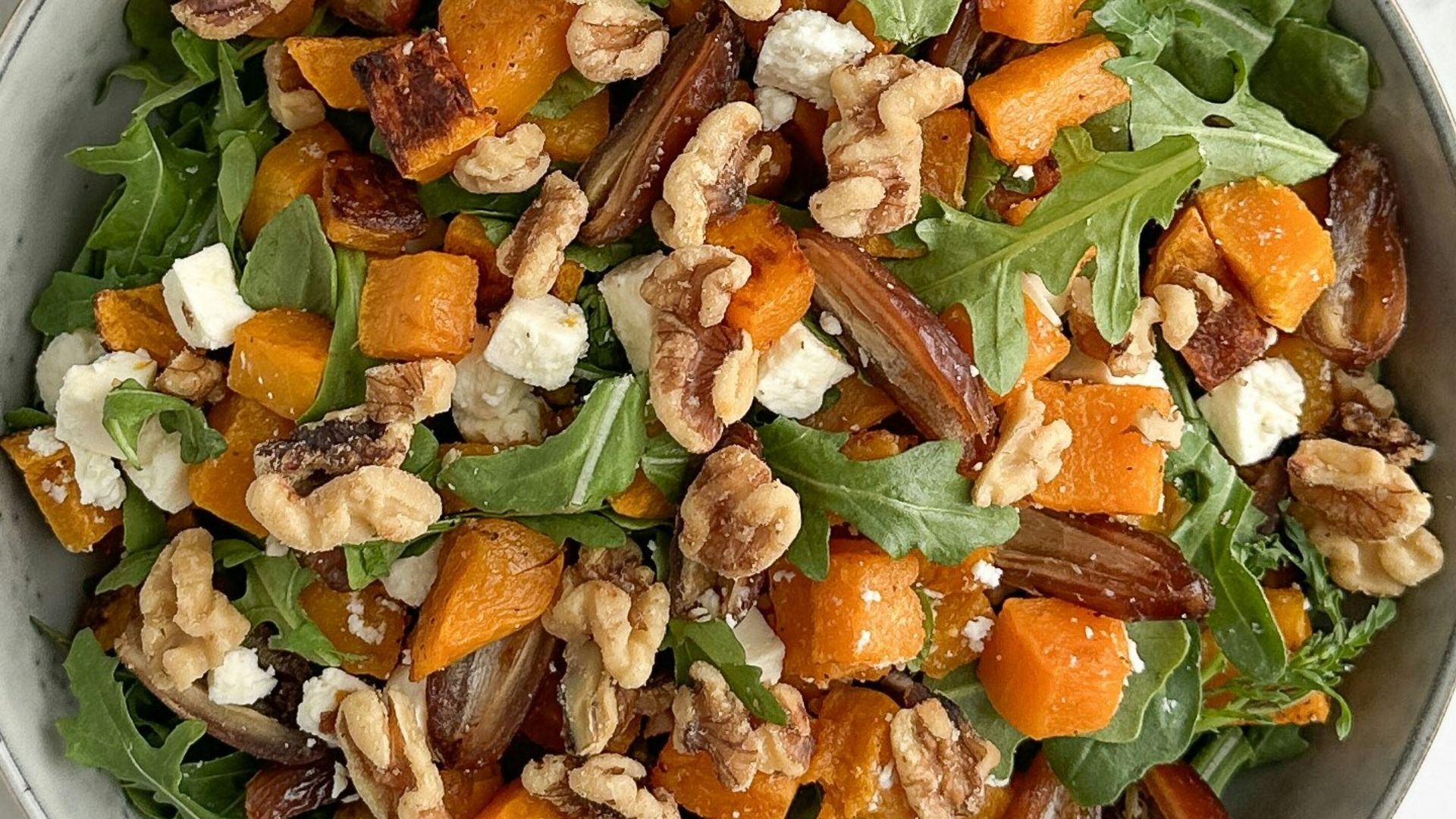
A friendly, practical response does not have to mean clearing every packaged food out of the kitchen. A better approach is to keep easy, less processed staples around, such as canned beans, frozen vegetables, oats, brown rice, lentils, eggs, plain yogurt, tuna, fruit, nuts, and olive oil. These foods can make meals feel doable on busy days while still leaving room for more fiber, protein, and nutrients.
Brain-supportive eating patterns tend to lean the same way. NIH has highlighted research on the MIND diet, which blends parts of the Mediterranean and DASH diets and emphasizes leafy greens, other vegetables, berries, whole grains, beans, nuts, and at least one weekly serving of fish. It also limits red meat, sweets, cheese, fast food, and fried foods, which lines up with the idea of cutting back on the ultra-processed foods that often crowd out more nourishing meals. The research has linked closer adherence to the MIND diet with lower cognitive impairment and slower cognitive decline.
A frozen pizza, packaged cookie, or fast-food meal isn’t going to decide anyone’s future. Dementia is complex, and food is only one part of the larger picture. The bigger concern is what shows up most often over many years, especially when ultra-processed foods regularly replace vegetables, beans, whole grains, fruit, fish, nuts, and full meals. Small swaps are a sensible place to start, like choosing water, tea, coffee, or seltzer more often than sweetened drinks, building more meals around beans, eggs, fish, oats, greens, or whole grains, and keeping useful shortcuts like frozen vegetables and canned lentils in the rotation.