Why Your Homemade Pumpkin Puree Might Not Be Safe for Canning
 https://kaboompics.com/ on Pexels
There's something satisfying about making pumpkin puree from scratch, especially when fall rolls around and fresh pumpkins are everywhere. Roasting your own pumpkin gives you control over the flavor, texture, and ingredients, making it a great alternative to store-bought cans. Naturally, you might want to preserve a large batch so you can enjoy homemade pumpkin pies, muffins, and soups throughout the year. However, canning that freshly prepared puree isn't quite as simple as you might think.
While home canning is a great way to preserve certain fruits and vegetables, pumpkin puree comes with some unusual food safety challenges. In fact, experts specifically warn against canning mashed or pureed pumpkin at home, even if you're using a pressure canner. Understanding why this recommendation exists can help you avoid potentially dangerous mistakes without giving up your favorite homemade pumpkin recipes.
Why Pumpkin Puree Presents a Food Safety Risk
Pumpkin is considered a low-acid food, meaning it doesn't naturally contain enough acidity to stop certain harmful bacteria from growing. One particularly concerning microorganism is Clostridium botulinum, which can produce the toxin responsible for botulism, a rare disease characterized by muscle paralysis, breathing difficulties, and other serious complications. Unfortunately, improperly preserved pumpkin can create the right conditions for these bacteria to thrive.
Unlike high-acid foods such as many fruits, pumpkin needs carefully controlled processing temperatures to make it safe for shelf-stable storage. A boiling-water canner can't reach the temperatures necessary to reliably destroy botulism spores in low-acid vegetables. Pressure canning reaches higher temperatures, making it suitable for certain pumpkin preparations when tested procedures are followed. However, even pressure canning can't solve every problem associated with homemade pumpkin puree.
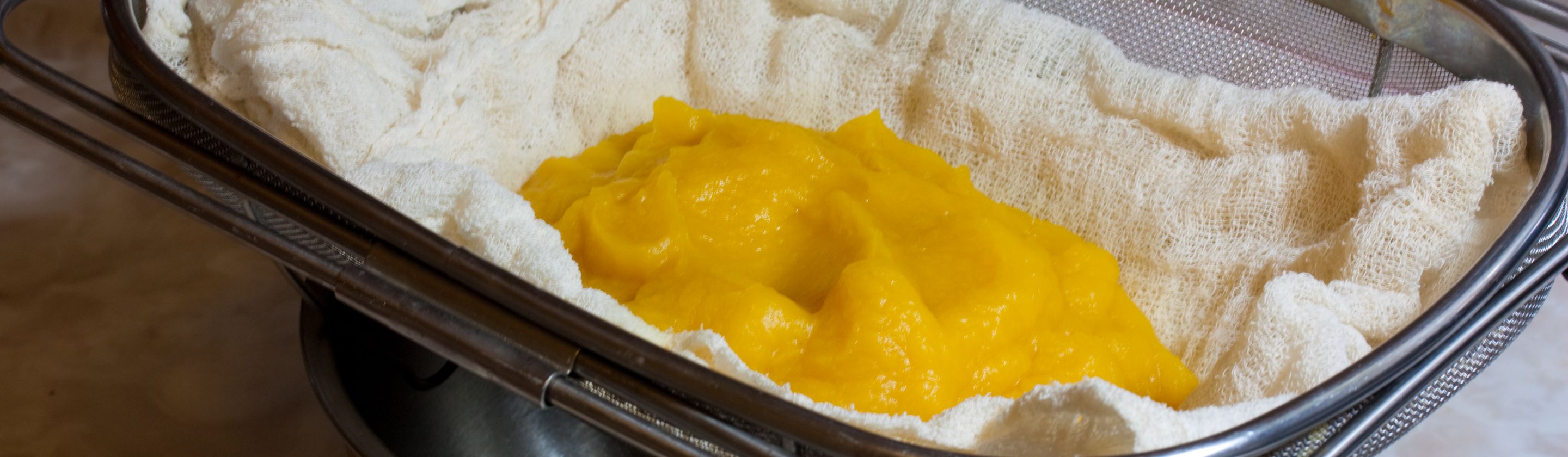
One of the biggest concerns is the puree's thick consistency, which makes it difficult for heat to move through the food evenly. Depending on how much water you've added and which pumpkin variety you're using, one batch might be considerably denser than another. These differences make it difficult to know whether the center of every jar gets hot enough during processing. Without sufficient heat penetration, dangerous microorganisms could survive inside a jar that otherwise appears perfectly sealed.
Why Experts Don't Recommend Canning Pumpkin Puree
The National Center for Home Food Preservation specifically advises against home canning mashed or pureed pumpkin and winter squash. Although older USDA publications once included instructions for preserving mashed squash, those recommendations were withdrawn following an expert review in 1989. Researchers haven't established a safe, reliable processing method for these thick products using home canning equipment. As a result, recipes based on those outdated instructions shouldn't be considered safe today.
You might be wondering what's different about commercially canned pumpkin puree. It comes down to specialized industrial equipment and carefully tested processing procedures that aren't available in most home kitchens. Commercial manufacturers use systems designed to achieve and verify the necessary heat treatment for their products. A home pressure canner simply hasn't been proven to provide the same level of safety for pumpkin puree.
Adding sugar, lemon juice, or spices won't automatically make your homemade puree safe for canning, either. Pumpkin butter, for example, often contains sweeteners and seasonings, but experts still advise against preserving it through home canning. Even if you add enough acid to address botulism concerns, you'd still need research-tested processing instructions to ensure the finished product is safe.
Another common misconception is that a properly sealed jar means its contents are safe to eat. A tight seal only tells you that the container has formed a vacuum, not that every harmful microorganism has been destroyed. Botulinum toxin can't reliably be detected by appearance, smell, or taste, meaning an innocent-looking jar of pumpkin puree could still be dangerous. That's why following tested preservation methods is far more important than simply getting a good seal.
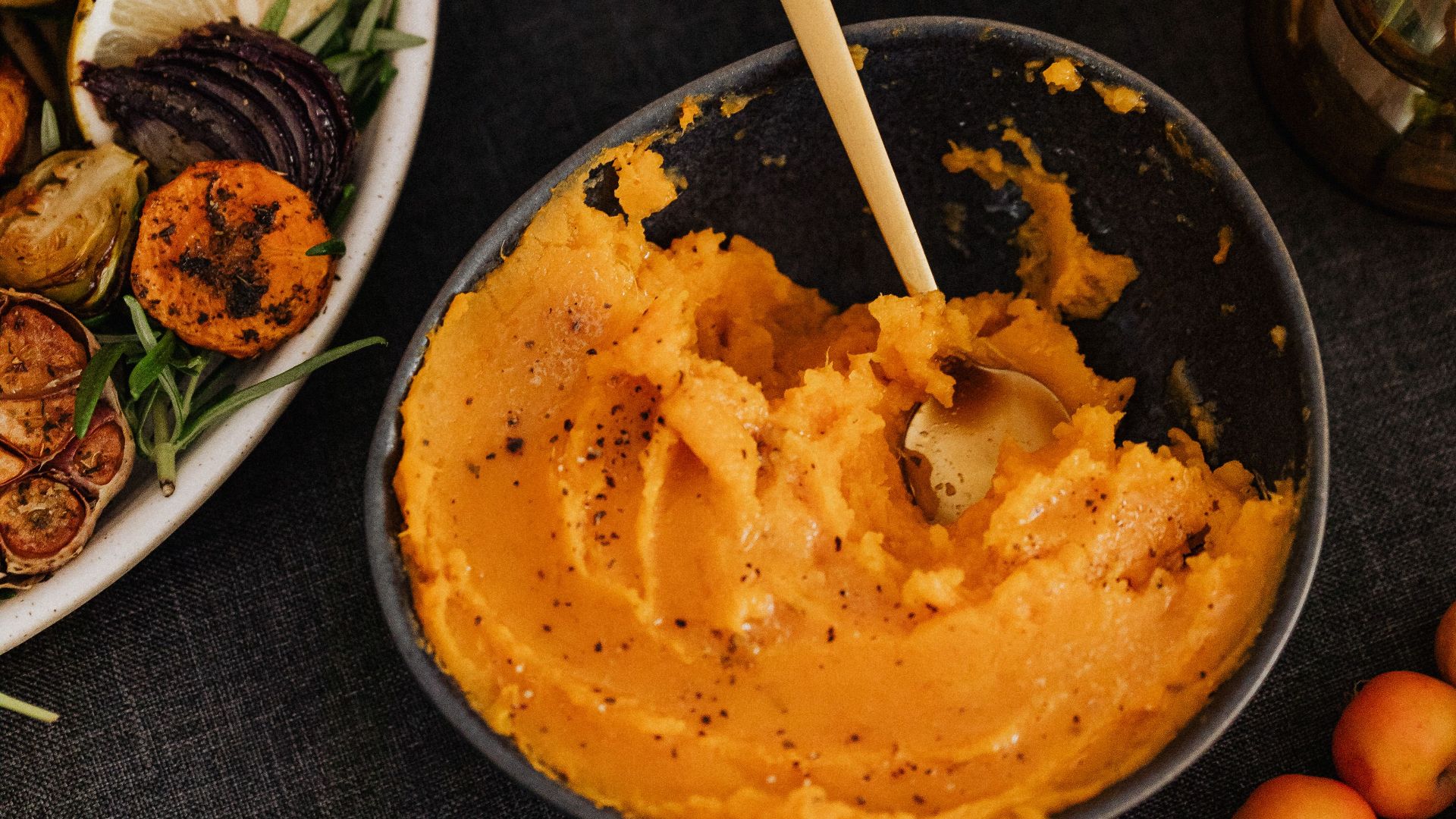
Fortunately, there's a much easier alternative that lets you enjoy homemade pumpkin puree without worrying about canning. Freezing is the recommended method for preserving cooked, mashed pumpkin, and it works just as well for most baking and cooking purposes. Simply cook your pumpkin until tender, scoop out the flesh, and blend or mash it to your preferred consistency. Cool it promptly, then divide the puree into freezer-safe containers or bags before placing it in the freezer.
Freezing also makes portioning your pumpkin especially convenient, particularly if you regularly bake pies, breads, or muffins. Try dividing your puree into one-cup or two-cup portions so you don't have to thaw more than a recipe calls for. Label each container with its contents and freezing date, and make sure to leave some room for expansion. This simple approach saves preparation time while avoiding the potential risks of home-canned puree.
If you'd rather use a pressure canner, preserving pumpkin in cubes is another safe option when you follow tested instructions. According to USDA-based guidelines, pumpkin should be peeled, cut into one-inch cubes, boiled for two minutes, and packed with its cooking liquid. The recommended processing times are 55 minutes for pints and 90 minutes for quarts, using the correct pressure for your equipment and altitude. Once you open a properly canned jar, you can drain and puree the pumpkin for whatever recipe you're making.
Preserving homemade pumpkin doesn't have to involve expensive equipment or complicated techniques. Whether you're making Thanksgiving desserts or stocking up for winter soups, freezing puree and pressure canning cubes are both practical options when done properly. The key is understanding which preparation methods have actually been tested and proven safe.
KEEP ON READING
20 Old-School Dishes Built Around a Can of Something