
Creative Ways To Work With Food
The cooking industry stretches far beyond the obvious, and some of the most exciting careers don’t even involve standing behind a stove all day. It’s in the creativity and the ways people bring passion for food to life that make these paths so rewarding. Some of these opportunities will no doubt surprise you and leave you with a whole new appreciation for this robust industry. So, let’s explore twenty different careers in the cooking industry, showing how love for food can shape truly fulfilling work.
1. Executive Chef
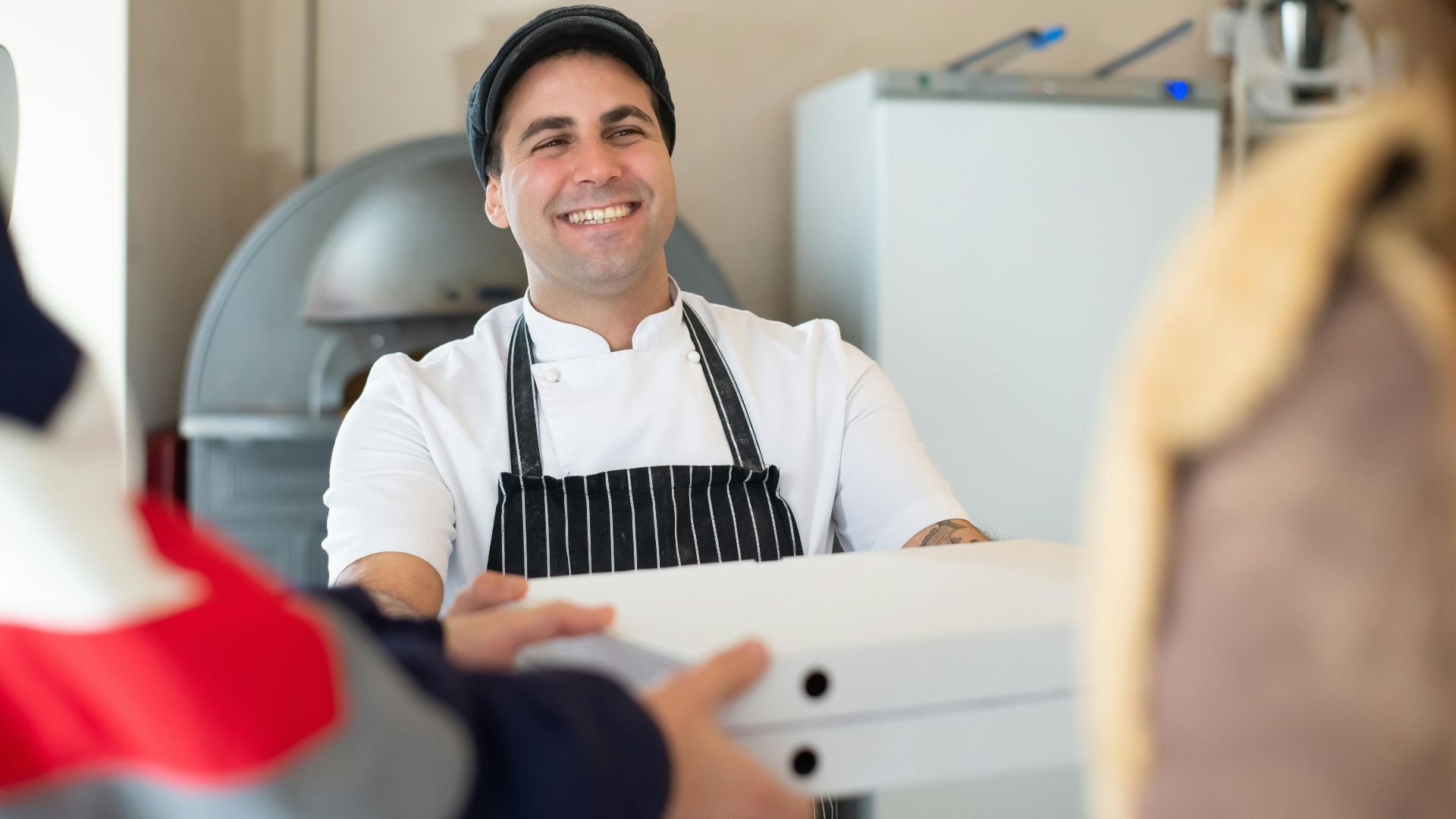
At the very top of the kitchen hierarchy sits the executive chef, steering everything from menu ideas to daily operations. Over time, these leaders become the public face of a restaurant, with some moving into television or brand partnerships while still shaping signature dishes that define their venues.
2. Sous Chef
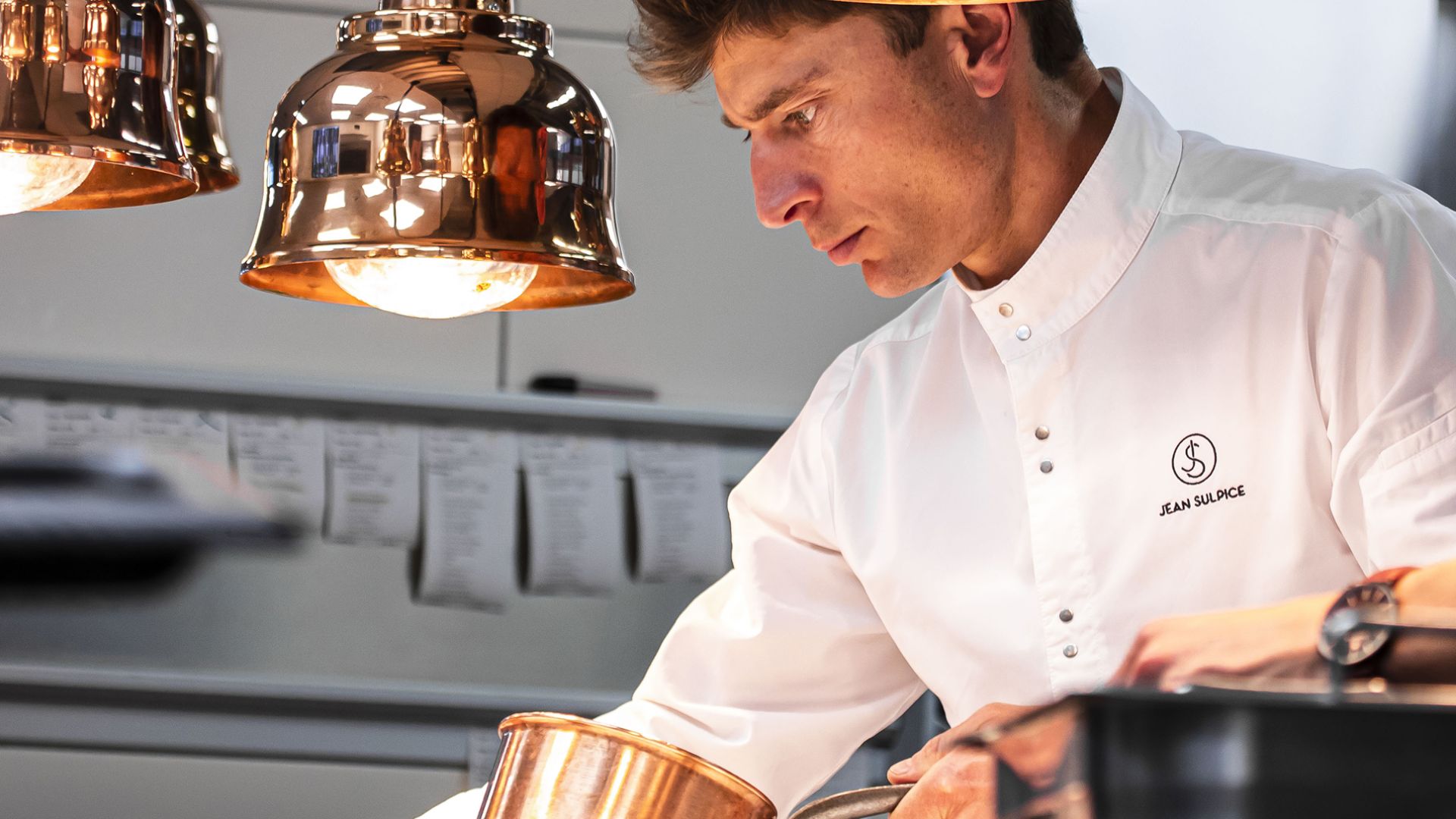
Just beneath that leadership role, you’ll find the sous chef, quietly making sure the kitchen runs on time and fully stocked. This position demands sharp organisational skills under pressure and often becomes the stepping stone that launches people into an executive post.
3. Pastry Chef
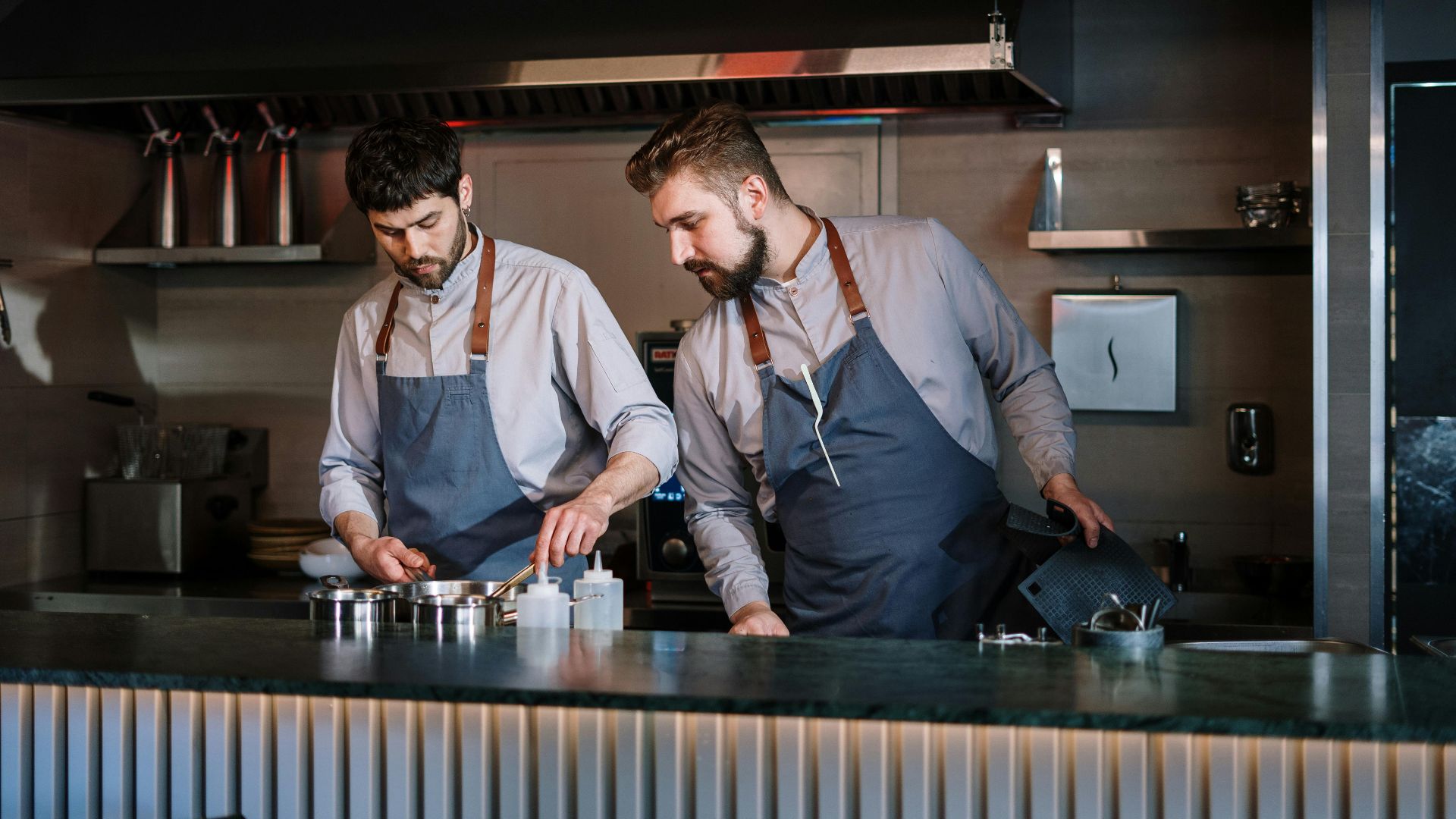
Sweet creations have their own expert. A pastry chef balances accuracy with artistry, producing breads, plated desserts, and event cakes. Because trends change quickly, they experiment constantly, and one striking dessert can turn a restaurant into a destination for food lovers.
 Allagash Brewing from Portland, USA on Wikimedia
4. Line Cook
Many careers start with this gritty but rewarding role. Handling one section of the kitchen—such as sauté or grill—they learn speed and consistency. As skills grow, this role opens doors to pastry or senior stations while building a solid grasp of kitchen flow.

5. Commis Chef
Most aspiring chefs enter professional kitchens as commis chefs first. They assist seasoned staff with daily operations like chopping and stirring across multiple cooking stations. The rigorous training period establishes strong work habits and gives them the experience they need for higher positions.

6. Food Stylist
Instead of serving diners, a food stylist serves the camera. They transform ordinary dishes into mouth-watering images for advertising and cookbooks. Working closely with photographers, they use clever techniques to keep food looking perfect under bright lights.
7. Catering Chef
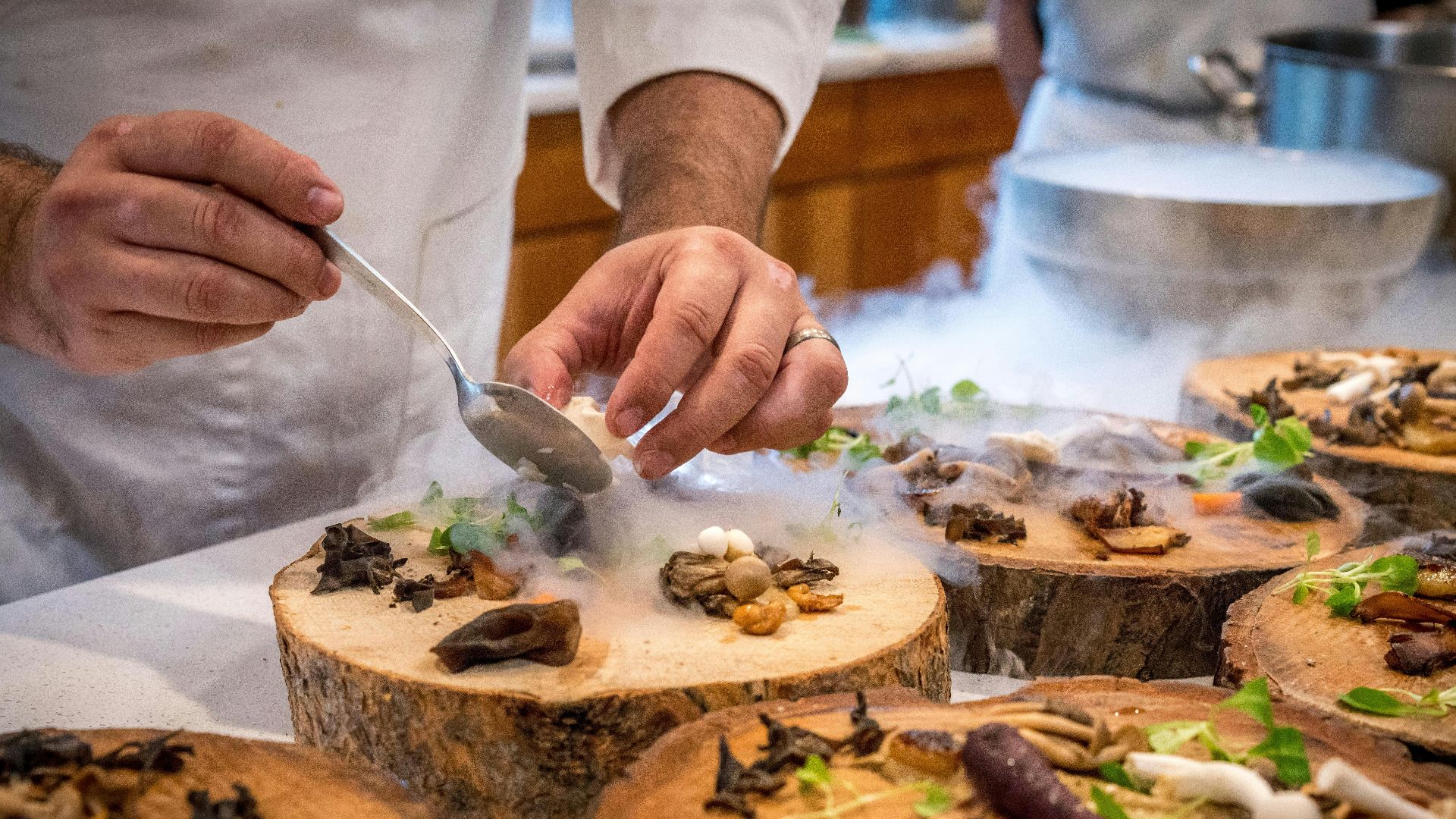
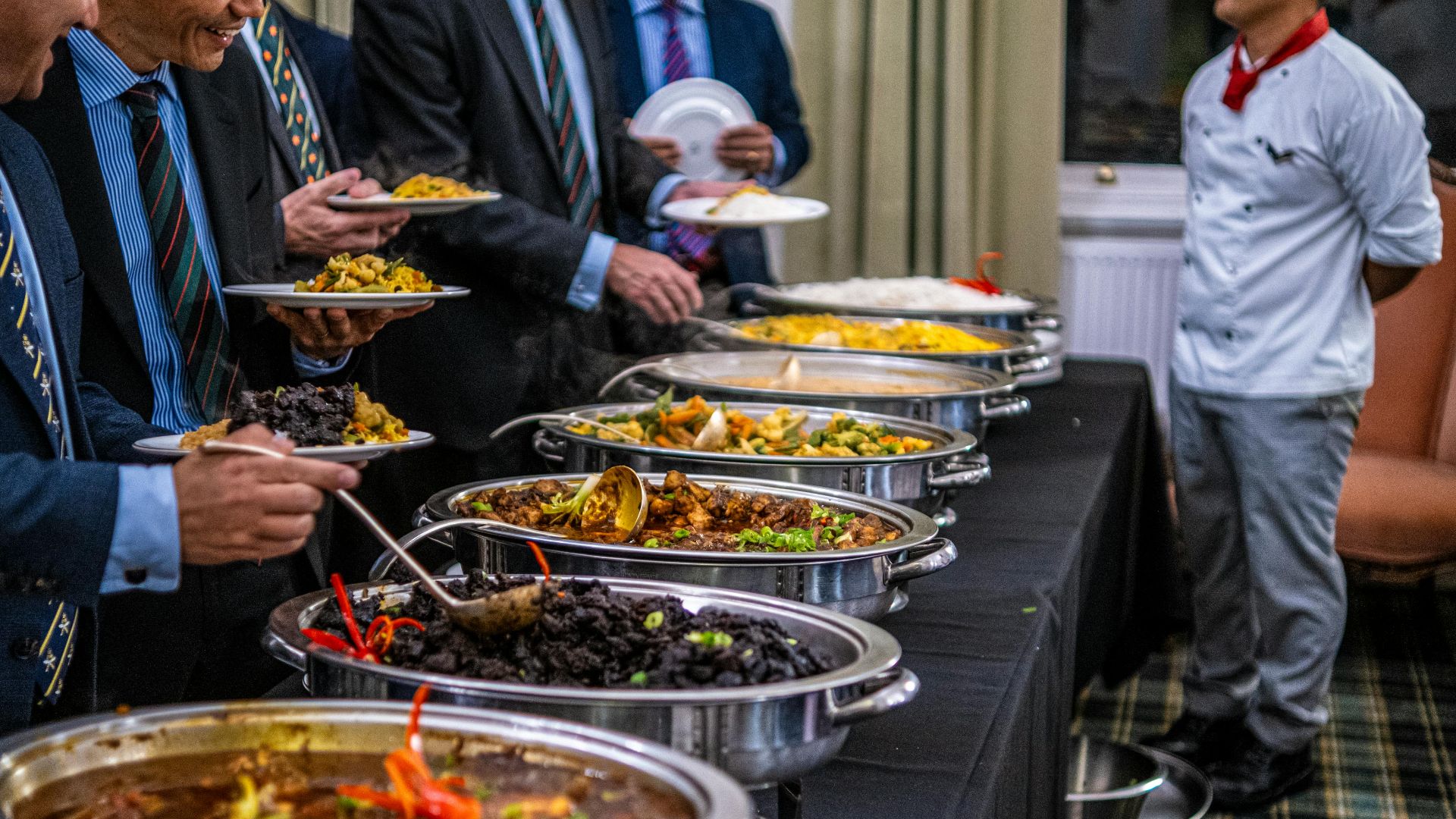
This career revolves around events, from small gatherings to large weddings. A catering chef designs menus that travel well and adapts recipes for hundreds of guests. Because every client is different, no two weeks look alike, and the work stays lively.
8. Research & Development Chef
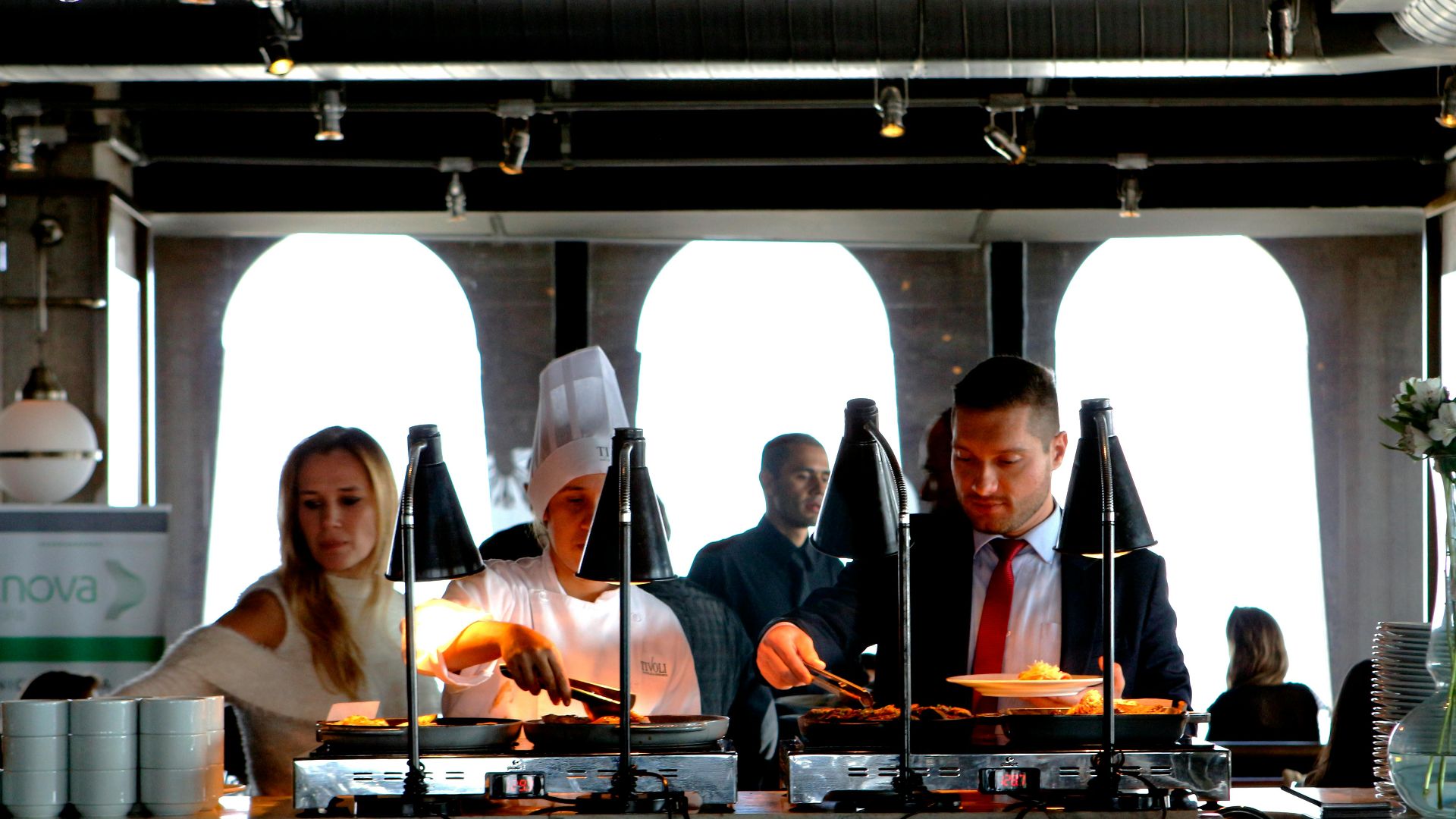
An R&D chef blends culinary skill with testing and refinement, creating new flavors or techniques for brands and restaurants. They might spend one week on molecular twists and the next on simplifying a recipe so it’s ready for mass production.

9. Private Chef
Working privately means planning meals for a single household, often tailoring menus to health needs or travel schedules. This close relationship lets chefs create deeply personalised dishes and sometimes join clients on trips to cook wherever they go.
10. Culinary Instructor
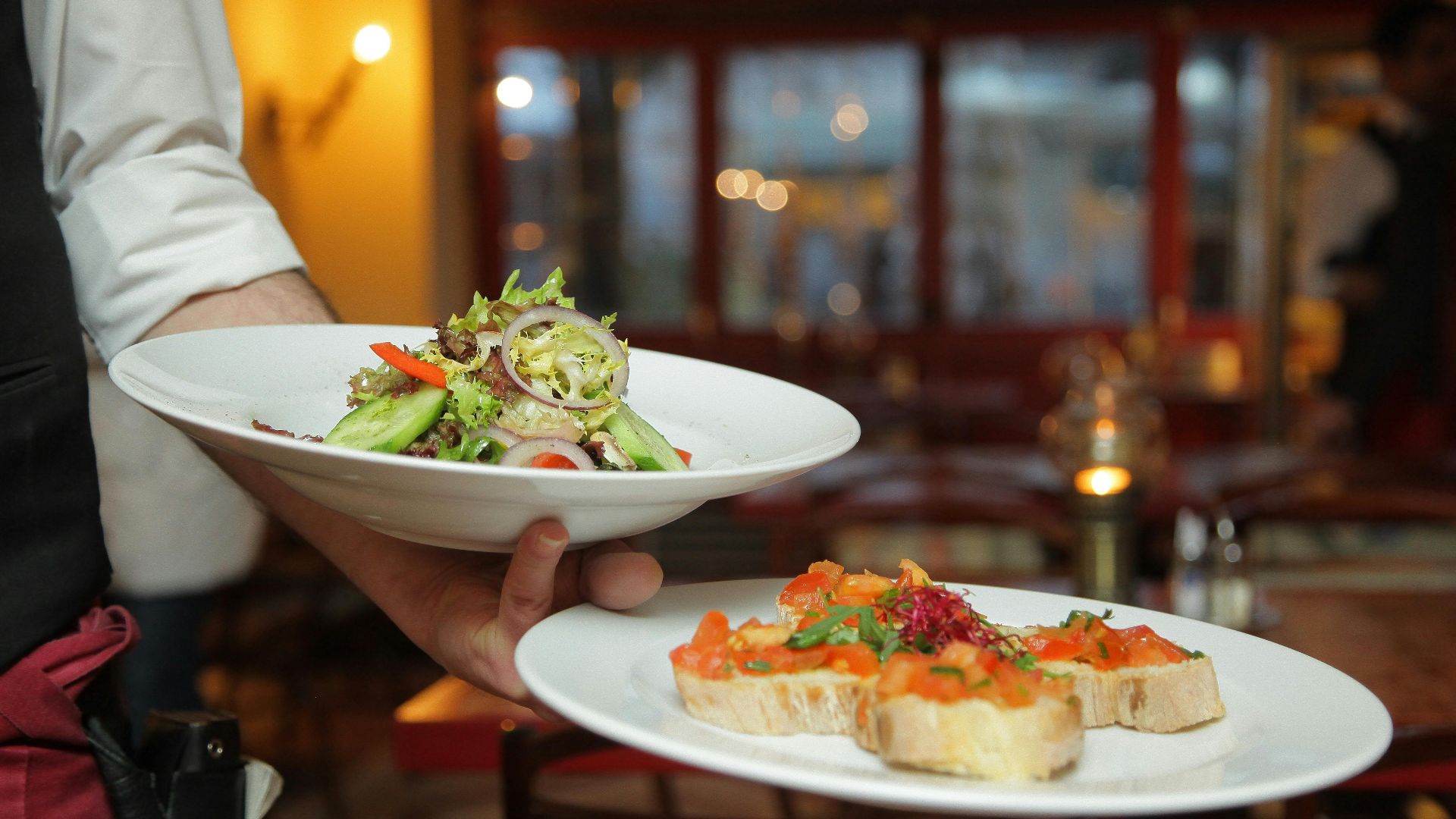
Instead of running a kitchen, some professionals choose to teach. A culinary instructor guides students through everything from knife skills to plating, offers workshops, and may publish cookbooks. It’s a way to share hard-earned expertise while shaping the next generation of cooks.
11. Baker
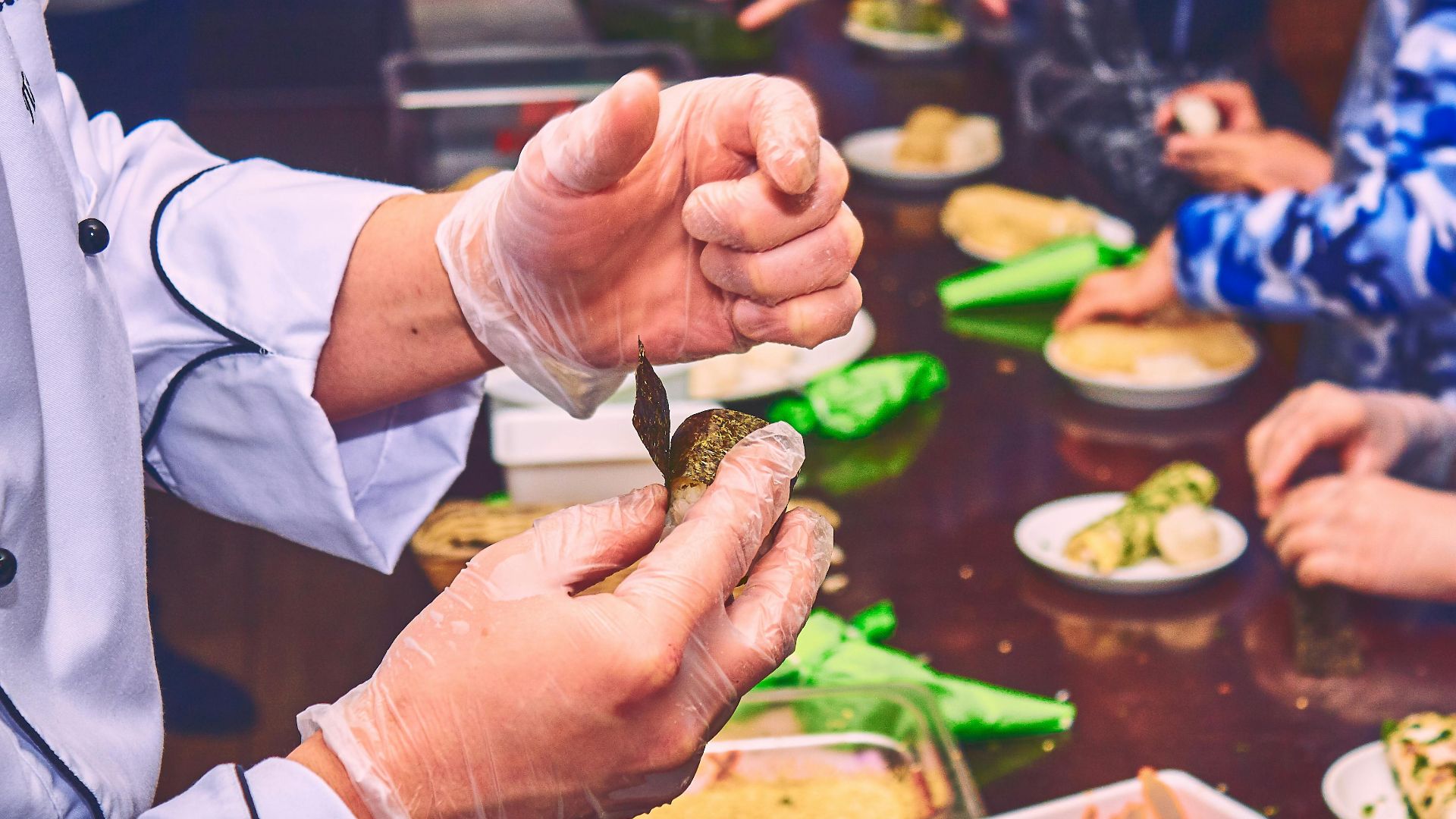
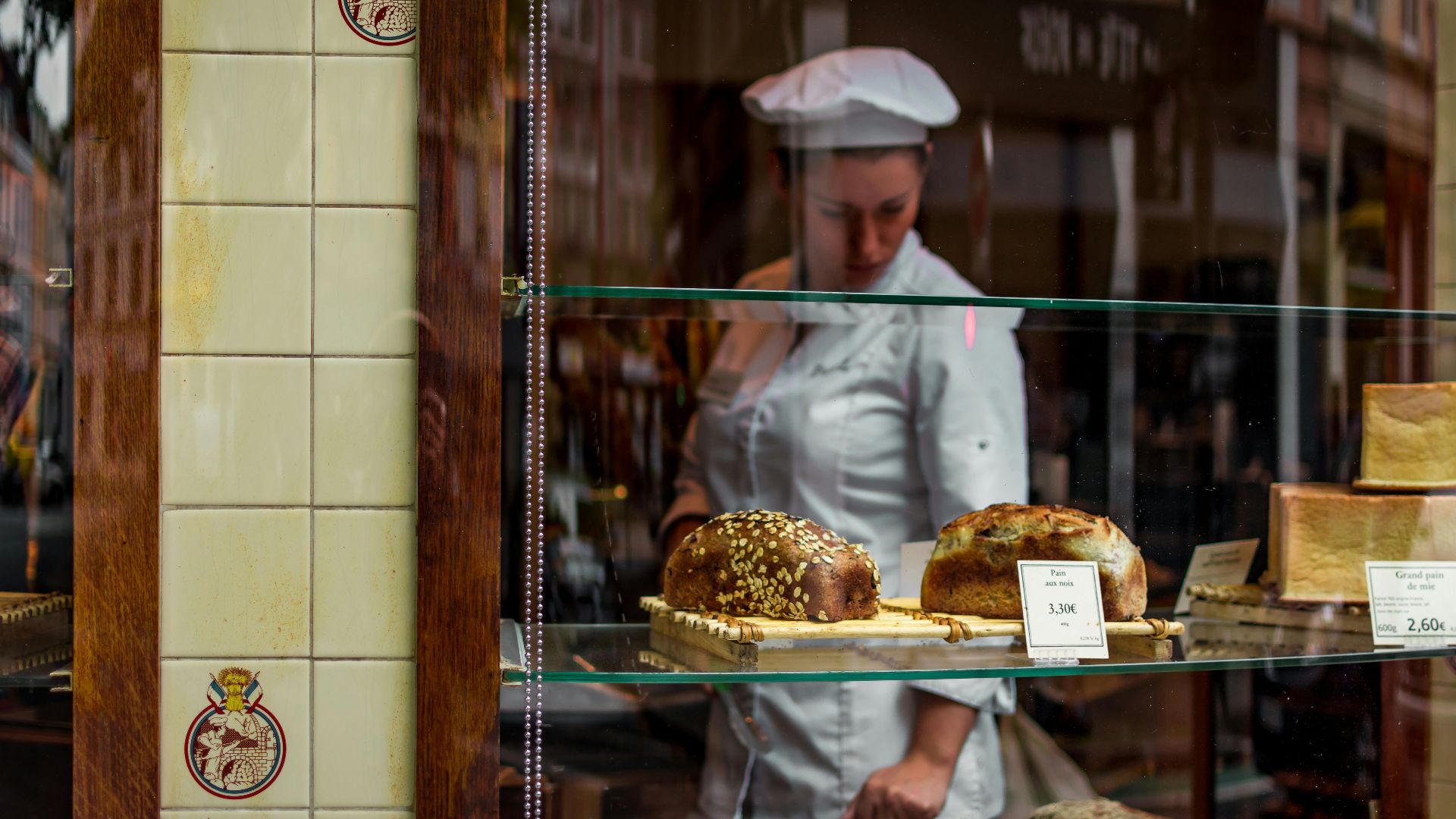
Before most people wake up, bakers are already working in warm kitchens, shaping perfect loaves. Success requires exceptional patience since bread-making depends entirely on precise timing. Ambitious bakers often grow their business by offering unique creations to local markets or partnering with luxury hotels.
12. Line Chef Supervisor
Once you’ve mastered a station, you might move into supervising others on the line. This role settles small conflicts and bridges communication between cooks and management. It’s a proving ground for leadership without leaving the buzz of the kitchen.
13. Molecular Gastronomy Chef
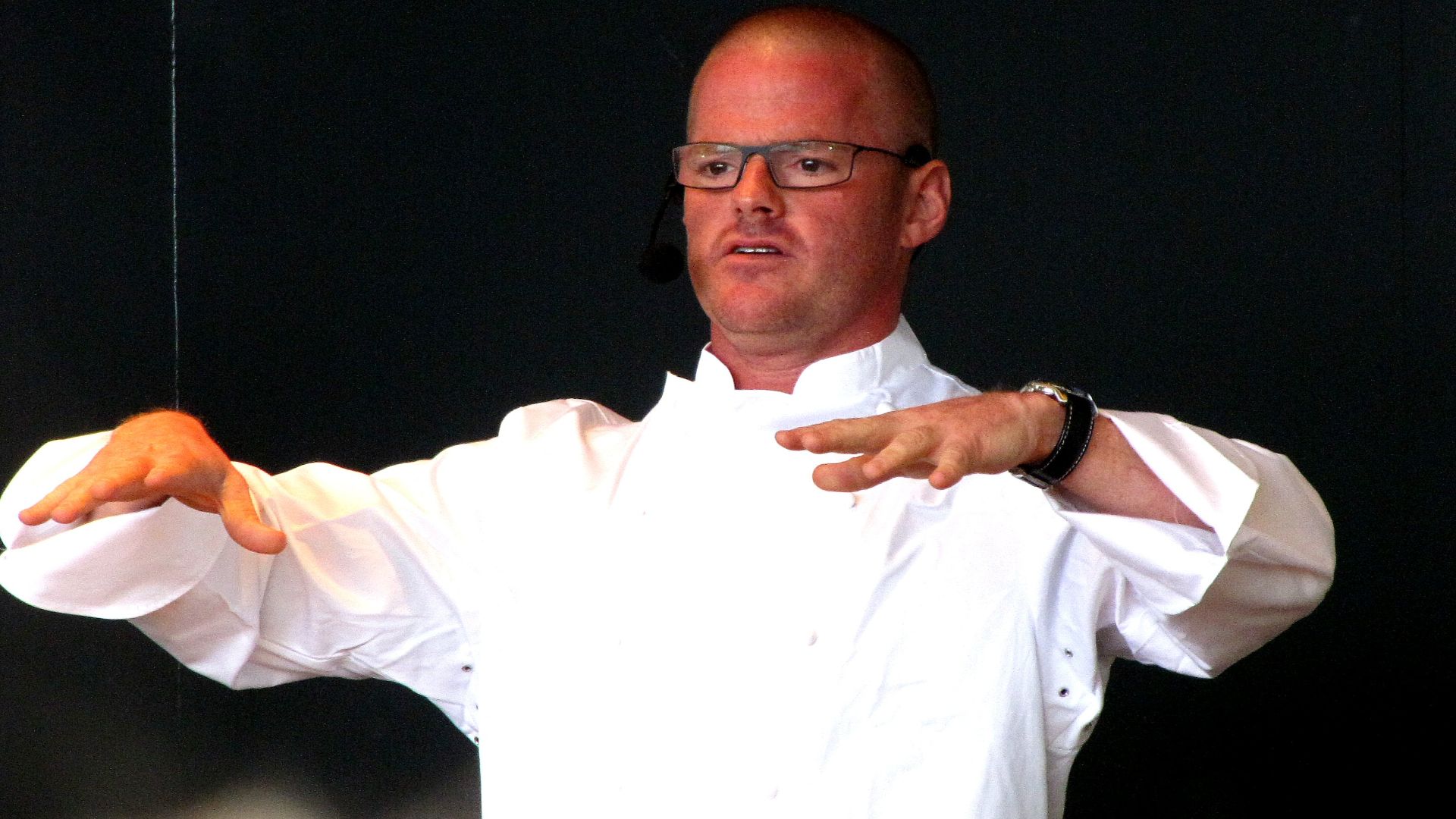
Science meets creativity in the kitchen. These chefs turn regular ingredients into wild new textures through techniques like foaming and gelification. They work in fancy experimental restaurants where people come expecting some serious food theater with their dinner.
 Brian Minkoff- London Pixels on Wikimedia
14. Saucier
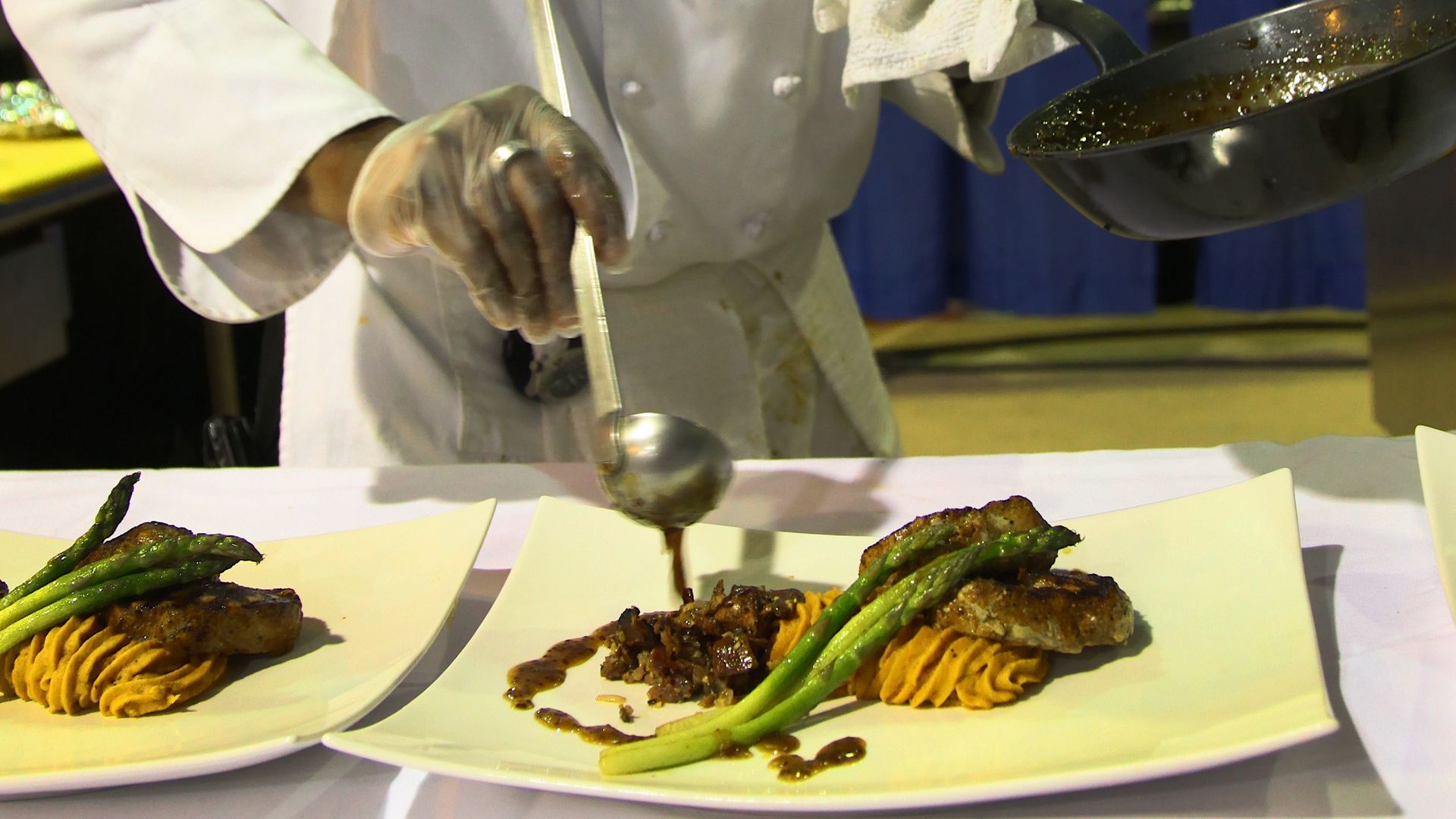
Classical kitchens reserve a prestigious spot for the person handling sauces and soups. Mastering this station requires a deep understanding of technique and flavors. Once skilled, a saucier can influence the entire menu’s taste profile and enhance every plate leaving the pass.
15. Garde Manger
Cold dishes come under the care of the garde manger. From crisp salads to intricate charcuterie boards, presentation matters as much as freshness. This position suits someone who enjoys both precision and a touch of artistry during busy service hours.
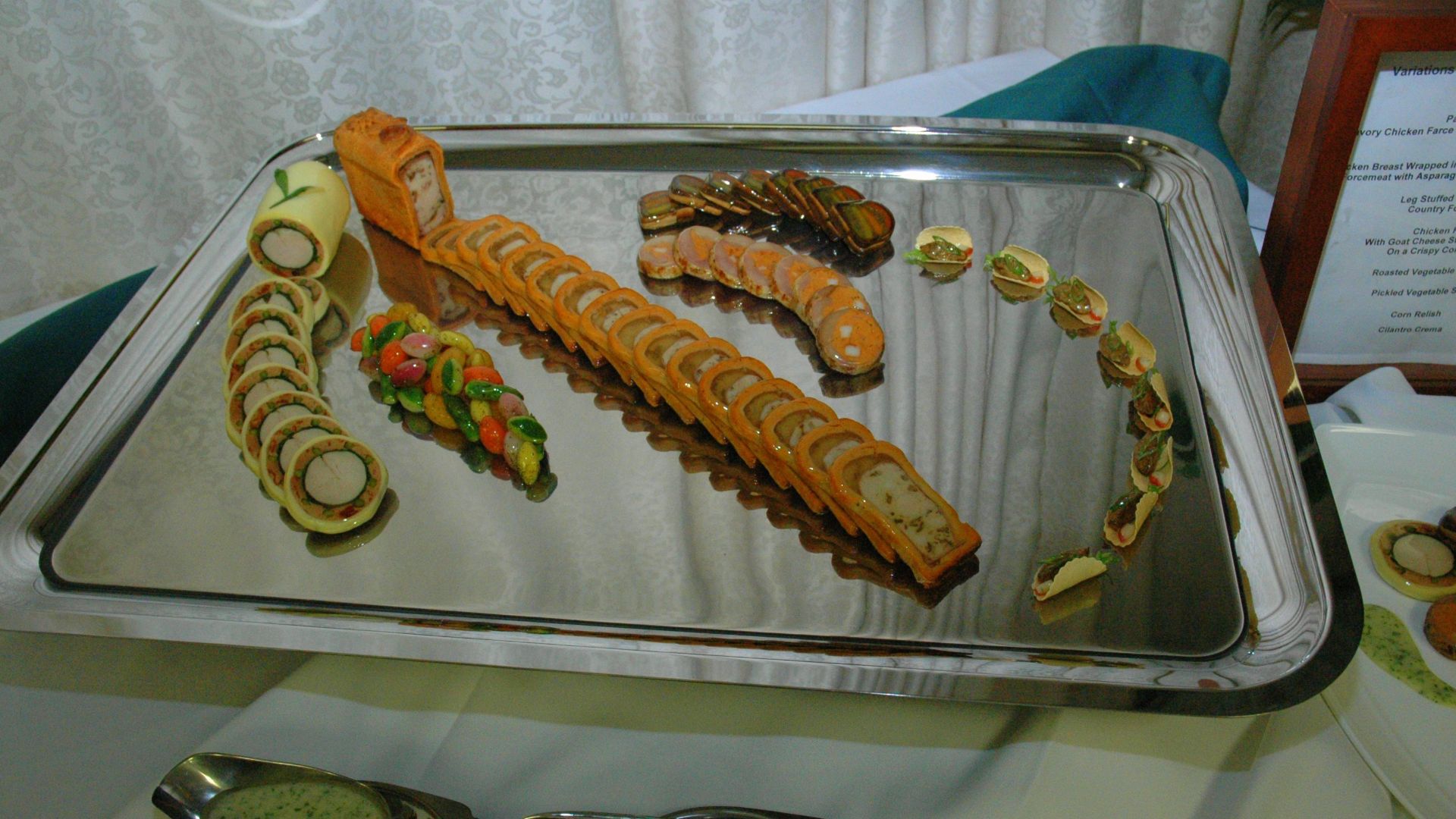 Tanner-Christopher at English Wikipedia on Wikimedia
16. Butcher
Before a steak ever hits the pan, a butcher has already shaped it. The craft demands knowledge of anatomy, knife skills, and food safety. Many butchers also create house-made sausages or charcuterie, becoming essential to restaurants that focus heavily on proteins.
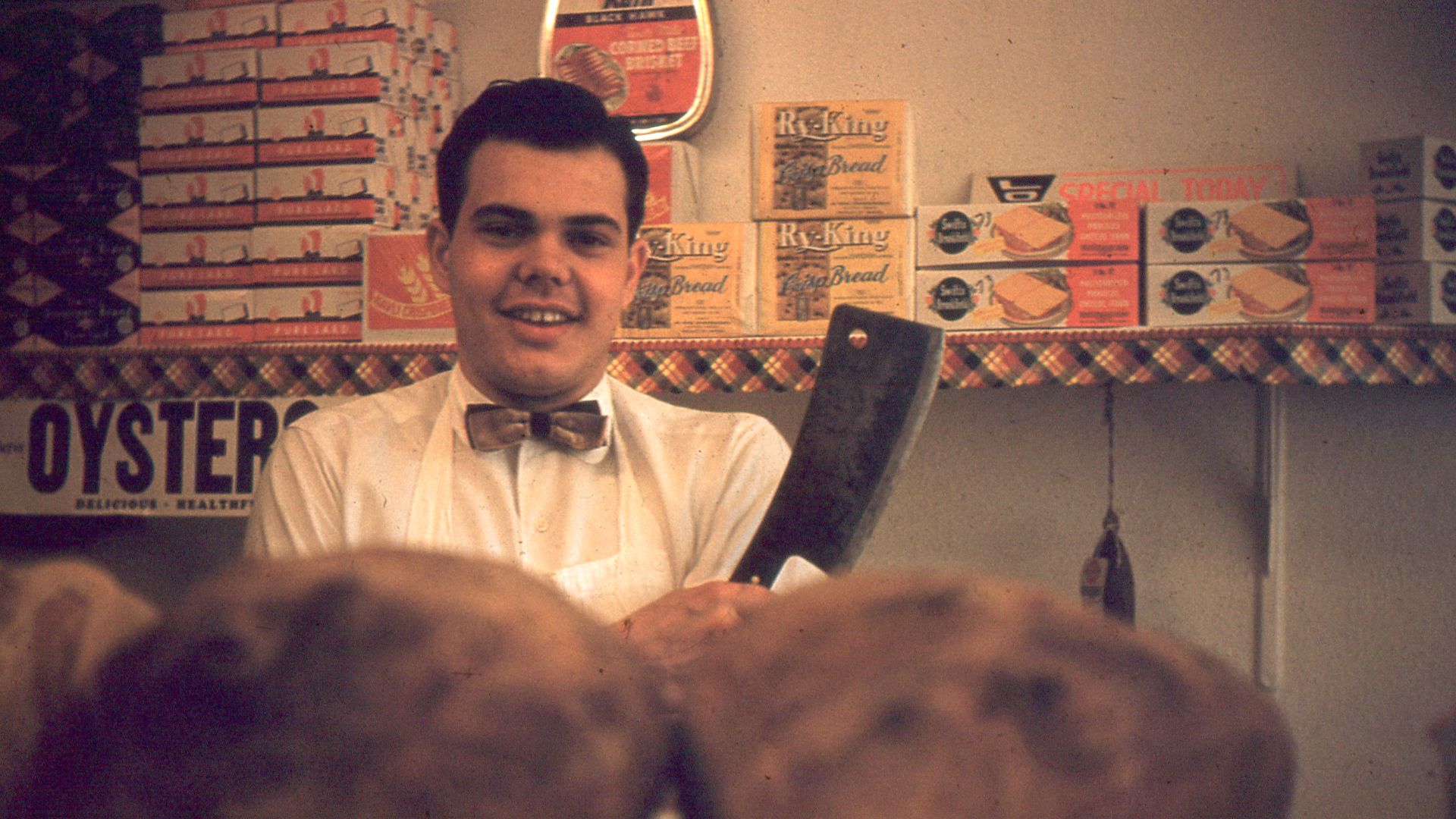
17. Seafood Chef
In coastal restaurants, seafood chefs take centre stage. They handle everything from selecting fresh catches to creating dishes like ceviche or sushi. Understanding seasonality and sustainable sourcing is essential here, and the variety of seafood keeps the role constantly evolving.
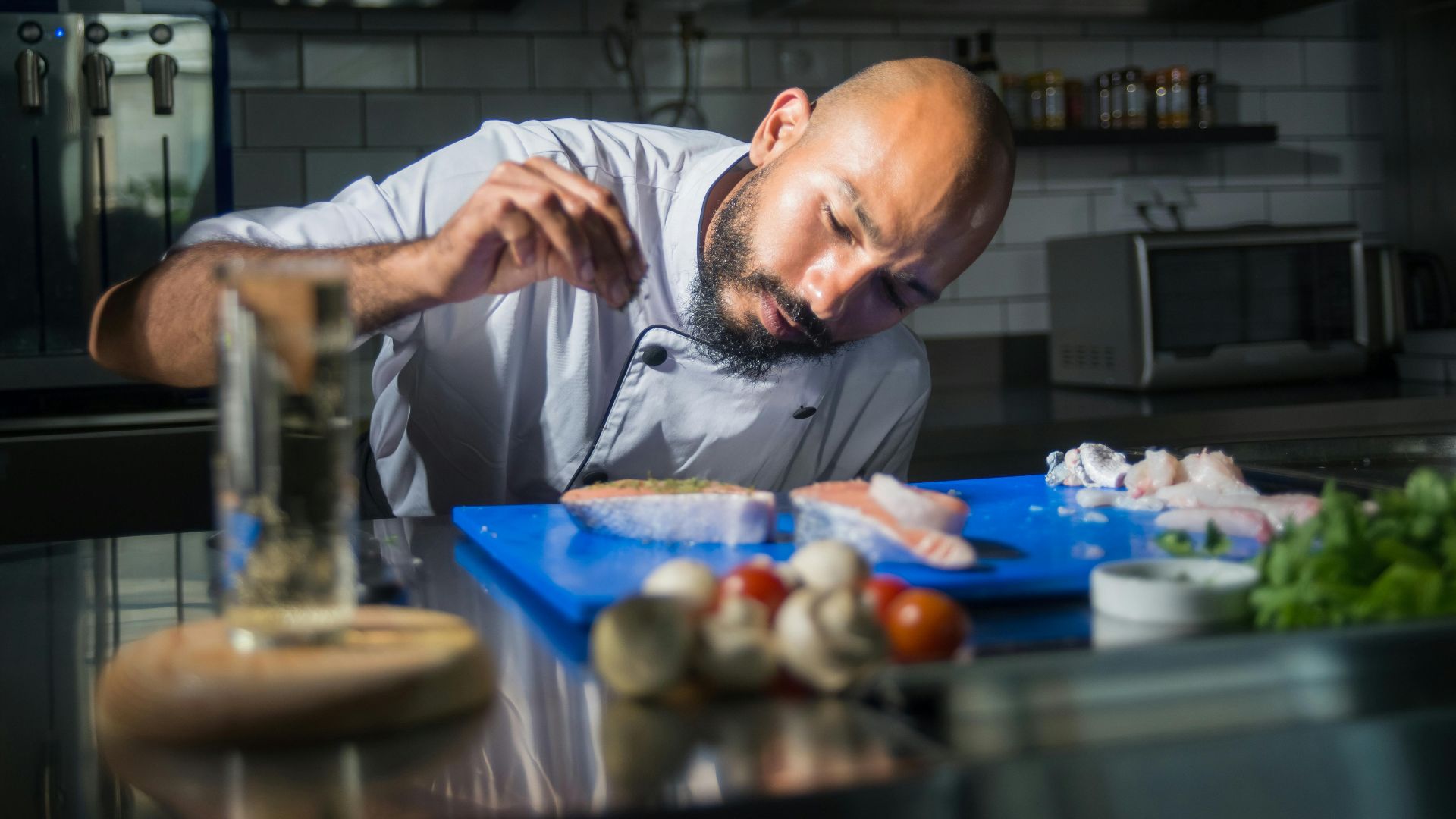
18. Vegetarian Or Vegan Chef
Plant-focused cooking has its own specialists. These chefs craft satisfying menus built on grains and vegetables for health-conscious diners. With creativity, they replace traditional proteins and often collaborate with wellness brands or trendy eateries to push plant-based cuisine forward.
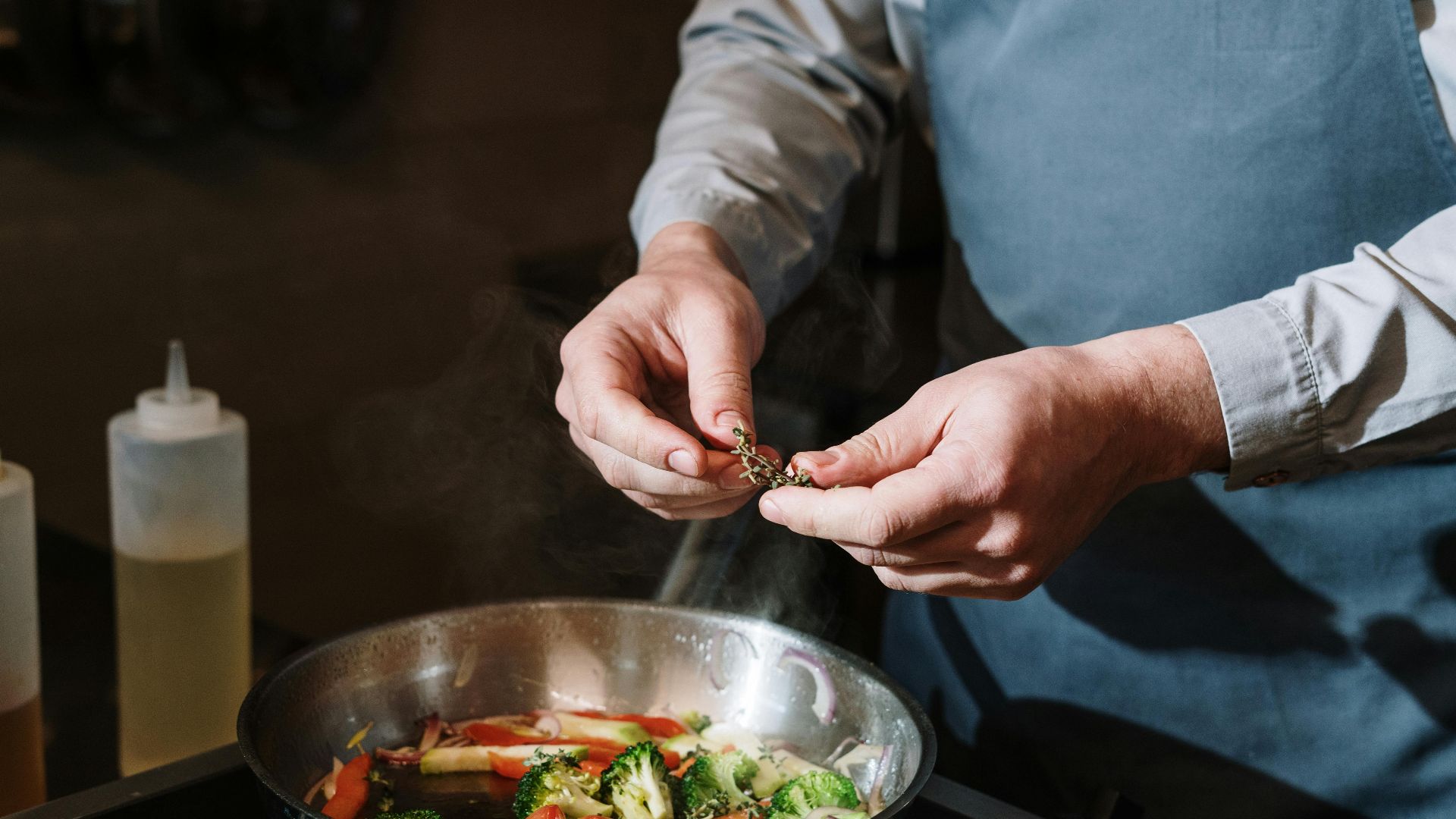
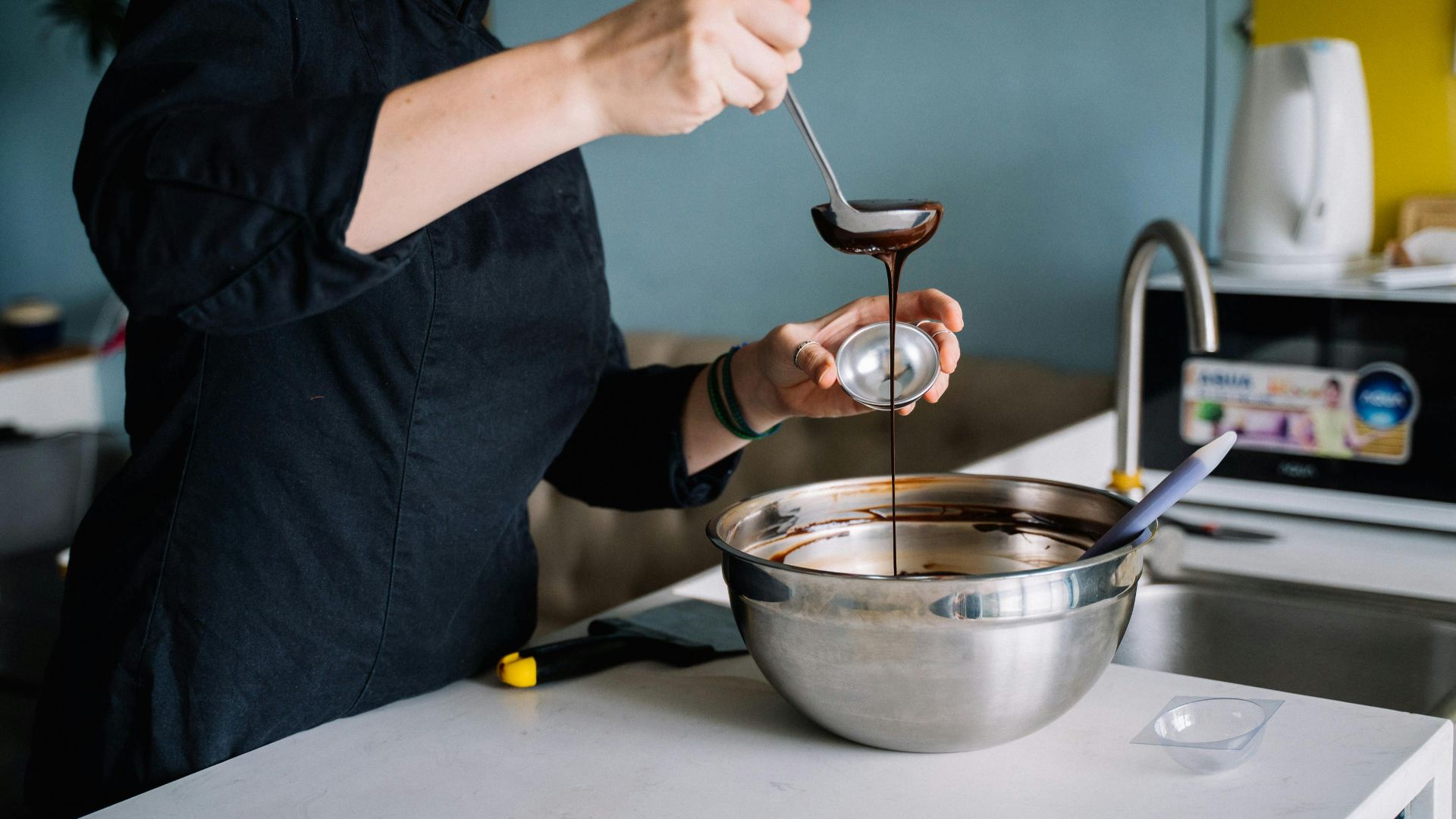
19. Chocolate Chef (Chocolatier)
Working with chocolate is both science and art. Chocolatiers mold and decorate confections ranging from truffles to elaborate edible sculptures. Luxury hotels and high-end patisseries often hire them to deliver showpieces that guests remember long after the meal ends.
20. Culinary Consultant
Some professionals step away from daily kitchen work to advise others. A culinary consultant helps restaurants streamline operations or launch new concepts. The role often involves travel with exposure to global trends while shaping multiple businesses instead of focusing on just one.

KEEP ON READING

20 Foods With Shocking Origins You'd Never Believe
20 Food Requests Only Spoiled People Ask For



Do Vitamin Supplements Actually Make You Healthier?