You’ve Been Warned!
Microwaves are fantastic for reheating leftovers, warming up a quick meal, and saving you from washing a pile of pots and pans, but they're not suitable for everything in your kitchen. Certain foods can explode, heat unevenly, catch fire, or release enough steam to cause painful burns if you don't handle them properly. Others simply turn into soggy, rubbery disappointments that aren't worth the convenience.
1. Whole Eggs in Their Shells
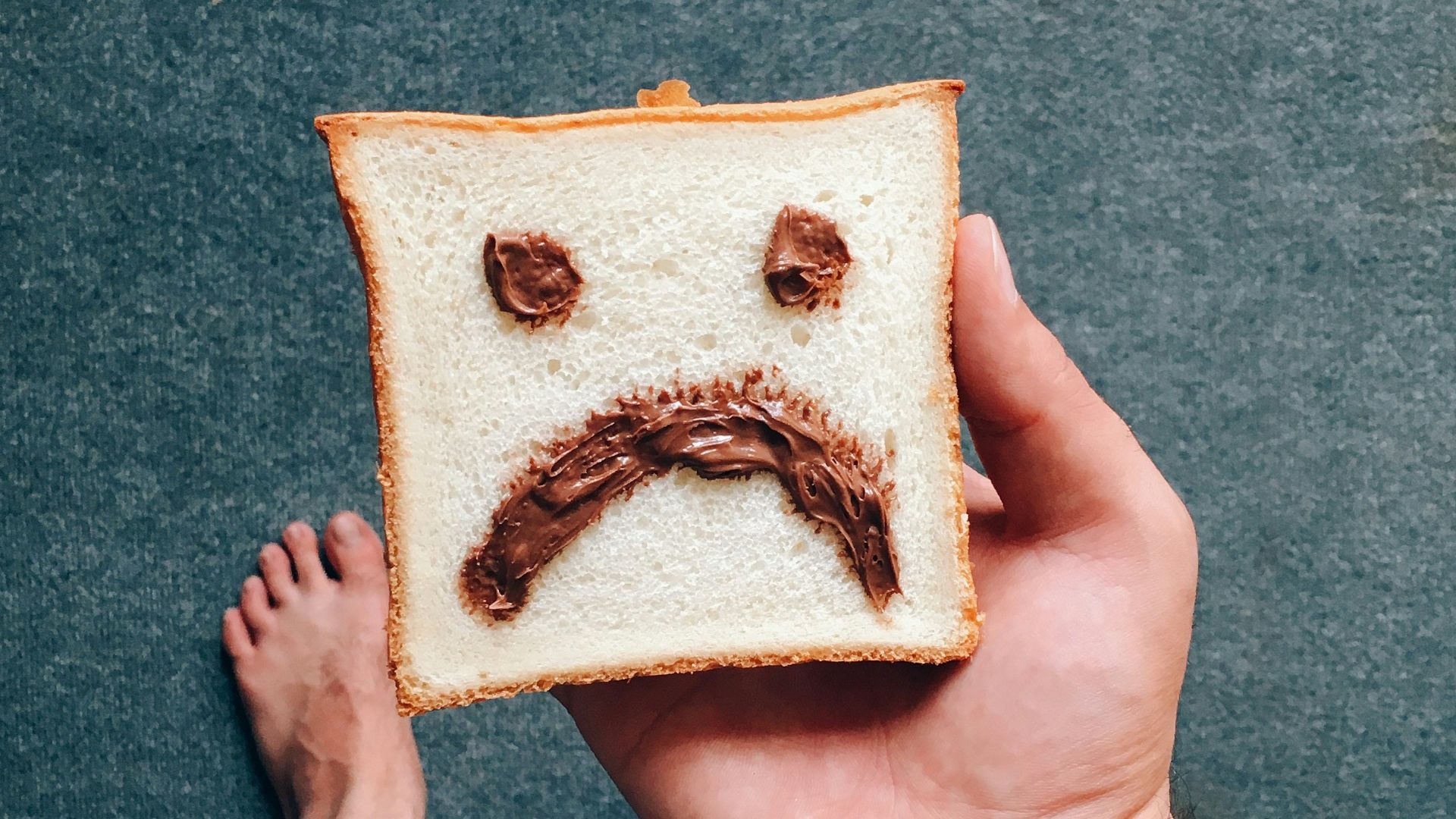
If you've ever considered boiling an egg in the microwave, it's best to skip the experiment because the results can be surprisingly messy. Steam builds up inside the shell as the egg heats, and the pressure can cause it to explode during cooking or even after you remove it from the appliance. The explosion can also happen when you bite into an egg that appears perfectly cooked, potentially causing burns.
2. Hot Peppers
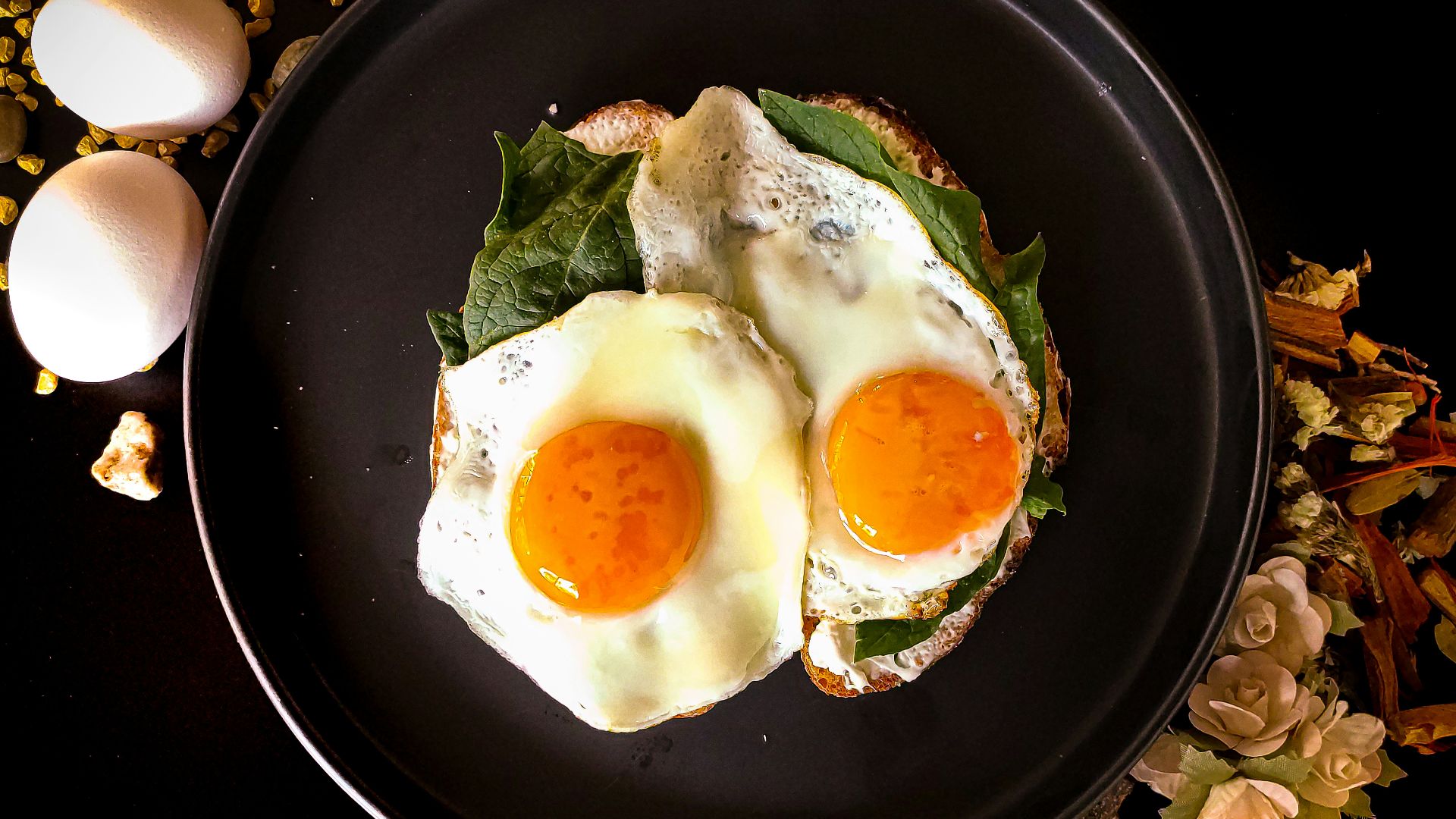
Hot peppers contain capsaicin, the compound responsible for that burning sensation you get when you eat a particularly spicy chili. Heating peppers in the microwave can release irritating vapors that may cause coughing, eye irritation, or discomfort when you open the door. The risk is particularly unpleasant in a small kitchen with limited ventilation.
3. Grapes
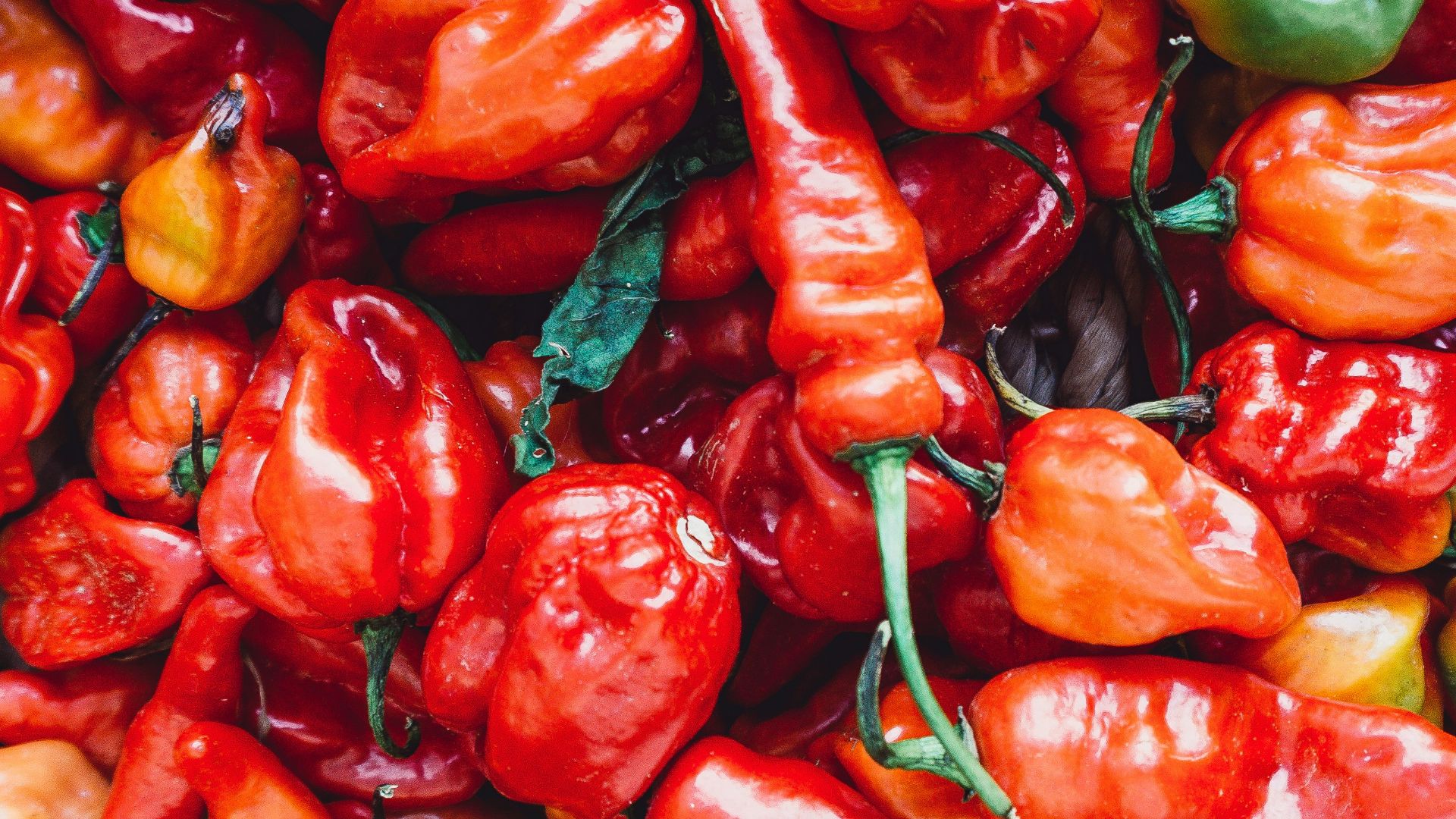
There are actually experiments that show how grapes can form a plasma when heated in the microwave. Two grape-sized objects can cause the microwaves to focus and produce plasma under certain conditions. Do not put grapes in the microwave, as this could damage your appliance.
4. Raw Potatoes Without Puncturing the Skin
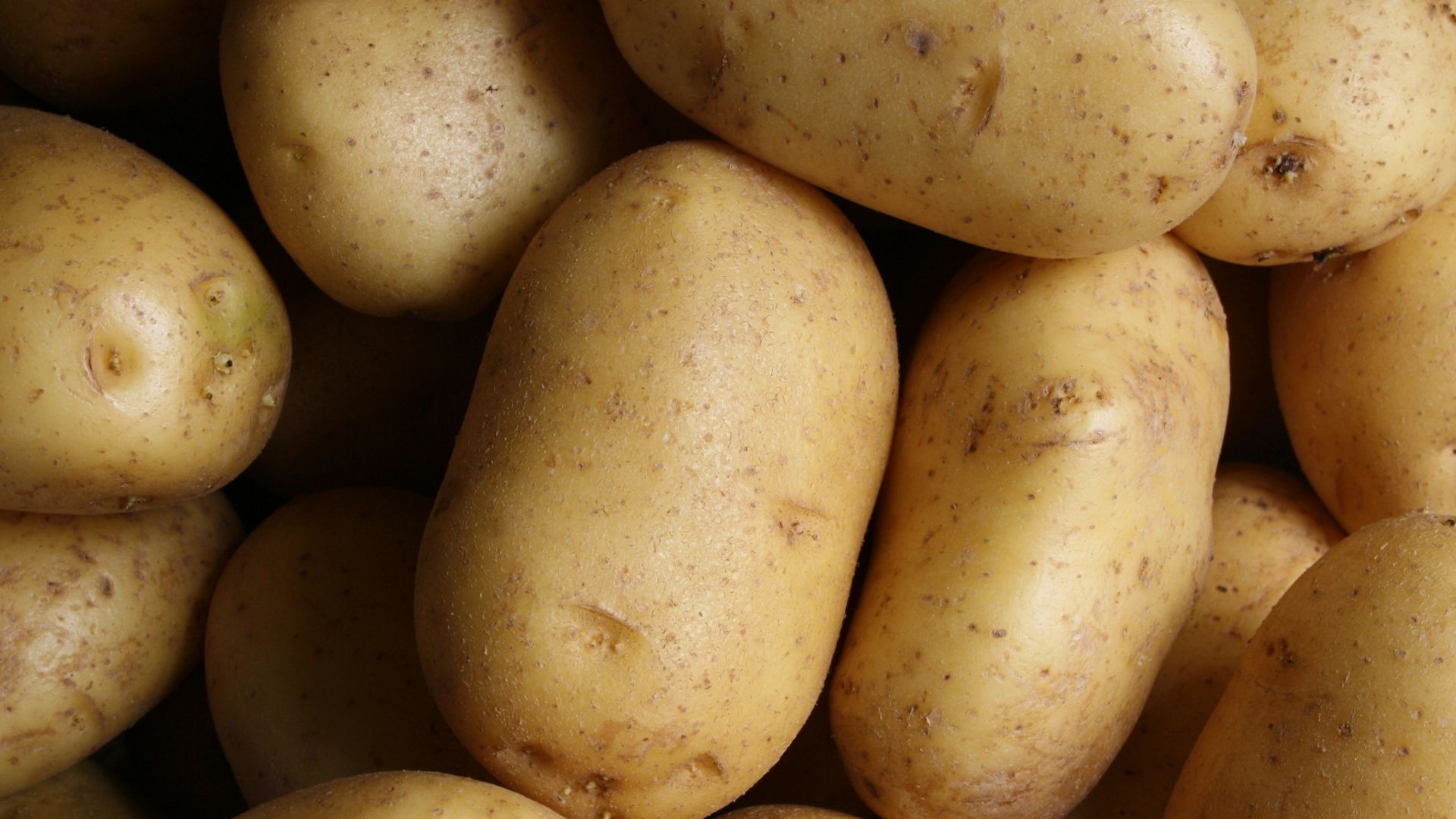
Potatoes can be cooked in the microwave, so they're not completely off-limits, but placing a whole potato inside without preparing it first can create problems. As the potato heats, steam builds up beneath its skin, which can cause it to split or burst if the pressure can't escape. Pierce the skin several times with a fork before cooking, and turn the potato as needed to encourage more even heating.
5. Processed Meats
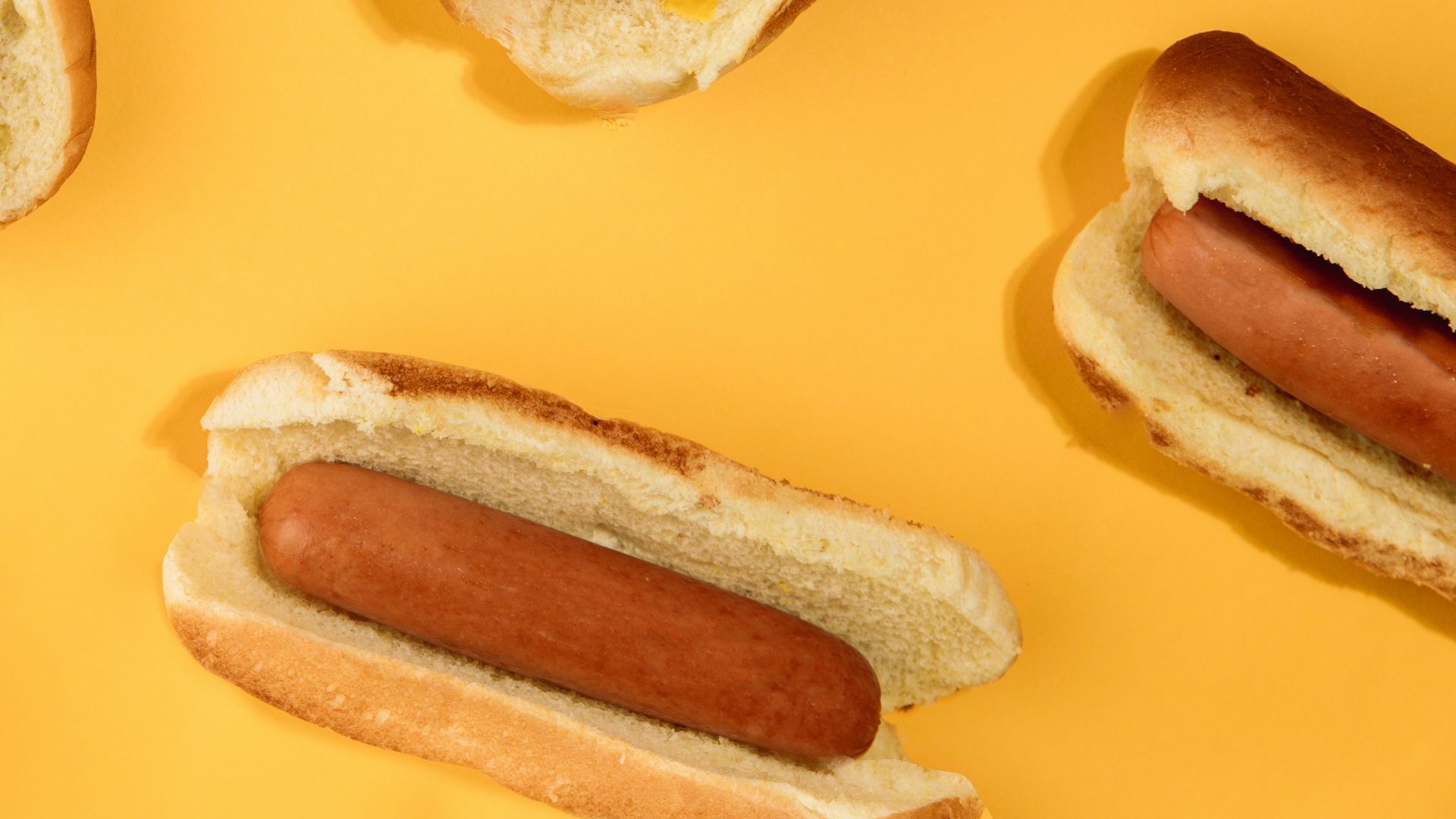
There are many reasons not to microwave bacon, hot dogs, and other processed meats without taking precautions. They can cook unevenly and become rubbery, and the fats can also splatter all over the inside of your microwave. Some processed meats contain additives, but these don't automatically create a dangerous reaction when heated in the microwave.
6. Milk for Babies
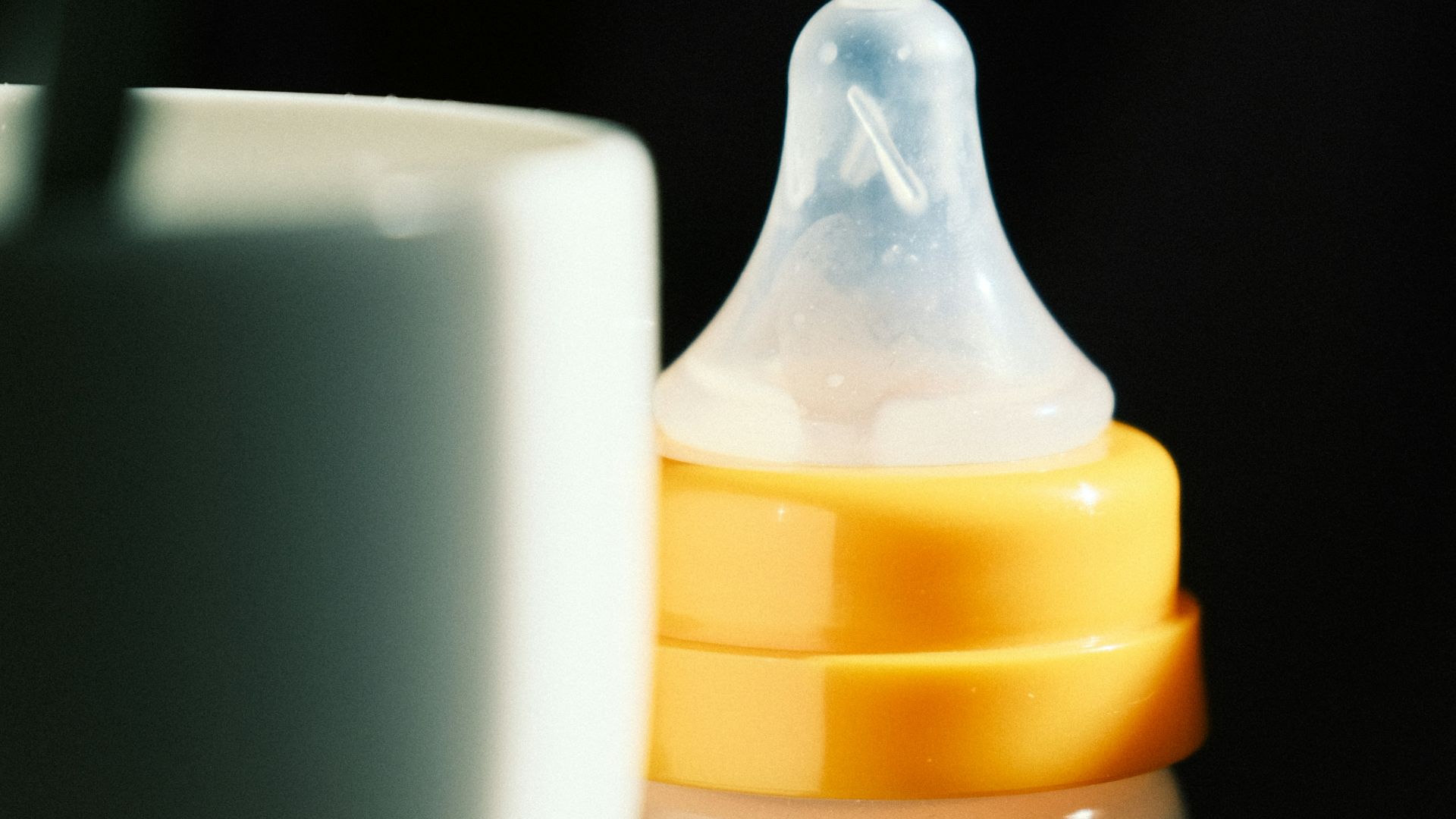
Milk for babies shouldn't be warmed directly in the microwave because the appliance can heat liquids unevenly, creating dangerous hot spots even when the container feels comfortable to hold. Those hot spots can burn a baby's mouth, and overheating may also damage some of the milk's beneficial components. Instead, place the sealed bottle in a container of warm water or use a bottle warmer designed for the purpose.
7. Frozen Meat That You Don't Plan to Cook Immediately
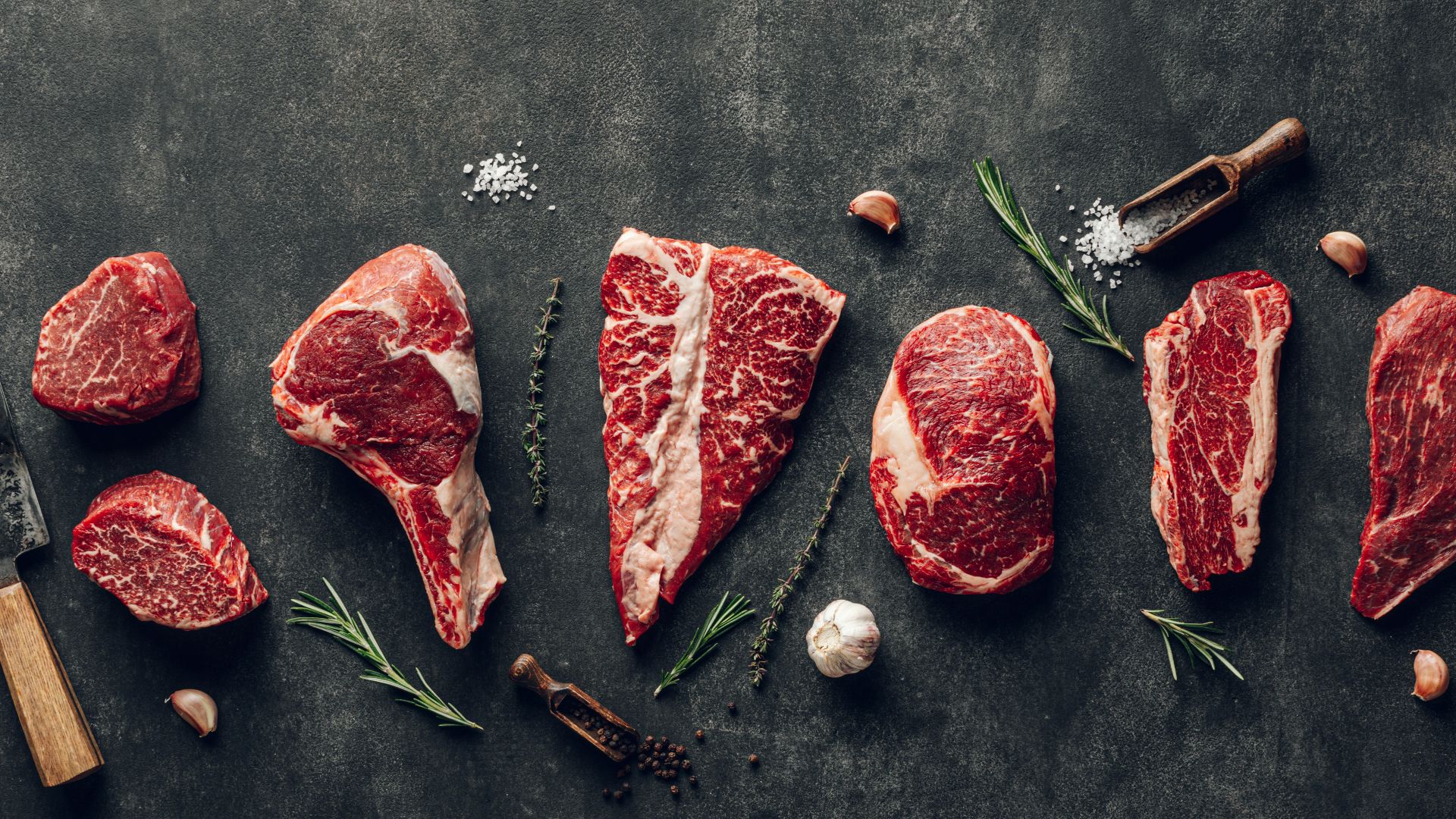
Yes, you can thaw meat in the microwave, but you have to be careful that it doesn't begin to cook while it's thawing. Some portions of the meat can get warm enough for bacteria to multiply if the meat is left sitting around. Always cook meat immediately after defrosting it in the microwave.
8. Water for Too Long
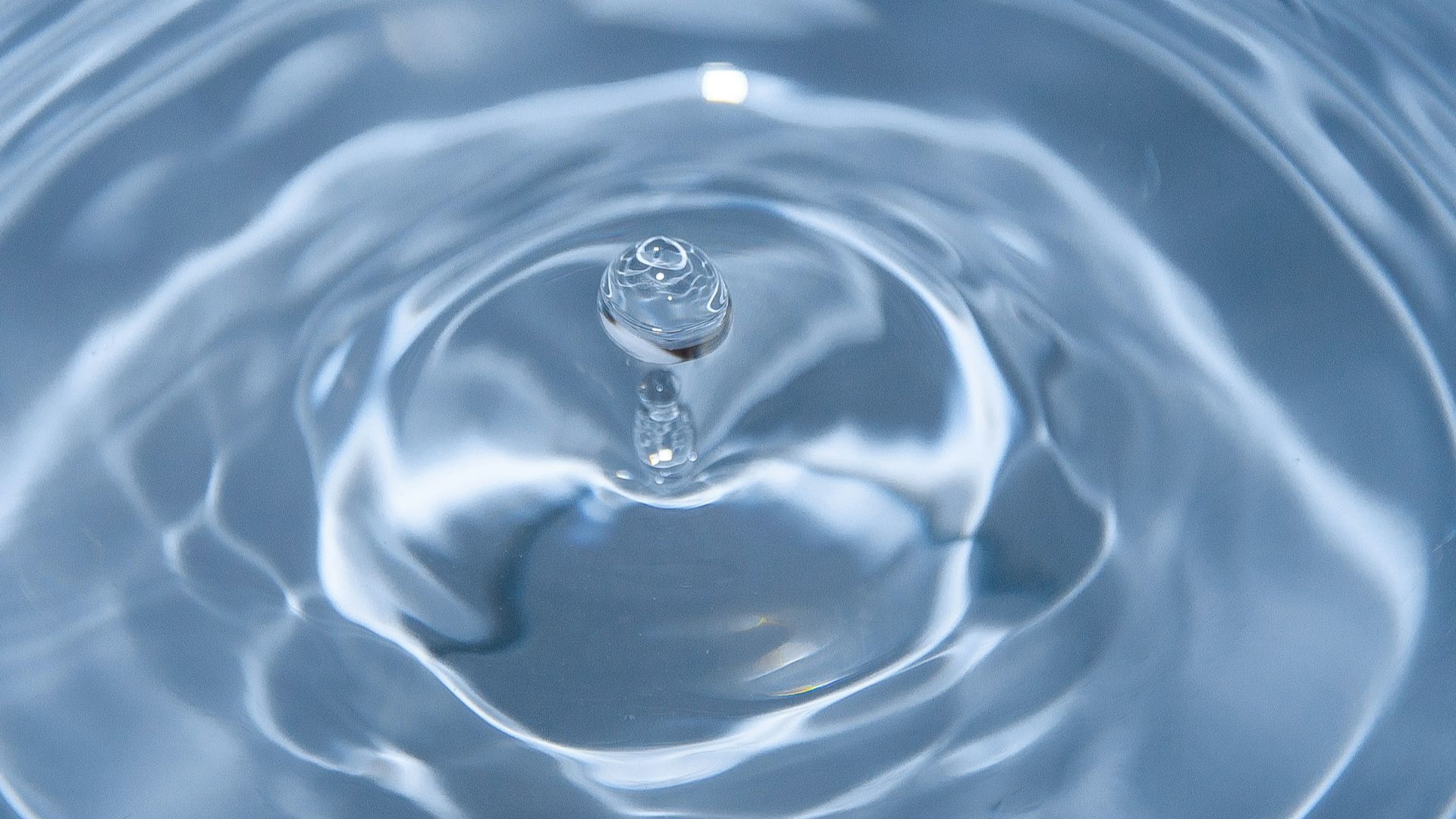
It's common knowledge that most people heat a mug of water in the microwave. But if you leave it in there too long, it can become superheated and boil over when disturbed. The water can suddenly erupt out of the cup, potentially causing burns. Make sure to use a cup that's microwave-safe.
9. Bread
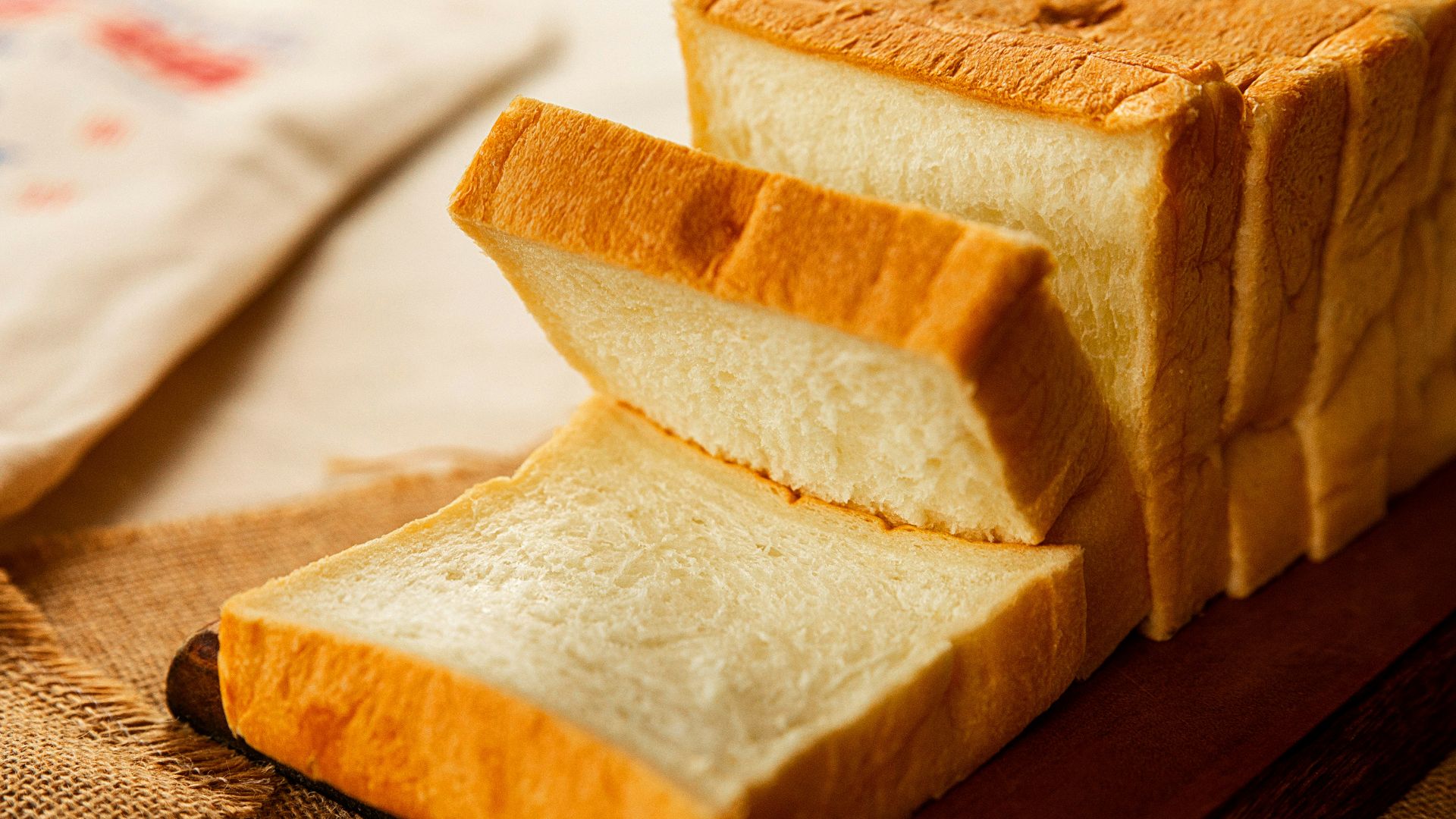
While you can microwave bread, it will dry out if you leave it in there too long. Microwaving bread can dry it out or give it a weird texture. If you want to warm up a bun quickly, wet a paper towel and place it around your bread.
10. Leftover Rice That's Been Stored Improperly
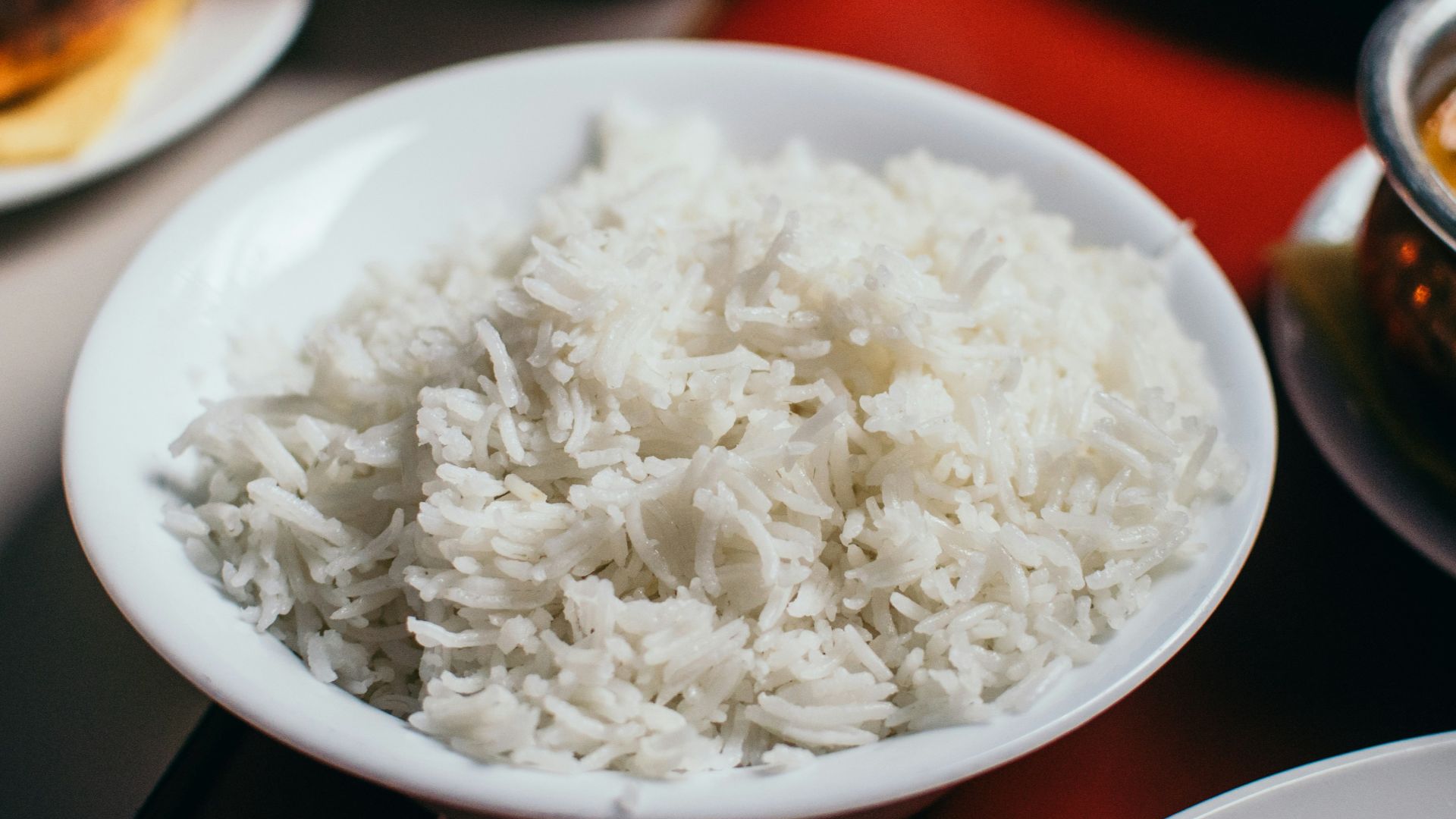
Microwaving rice isn't harmful unless it was left out too long. Bacteria can multiply in cooked rice that has been left at room temperature for too long. Make sure to reheat your rice thoroughly until it's steaming hot throughout.
11. Leafy Greens That Are Already Cooked and Sitting Around
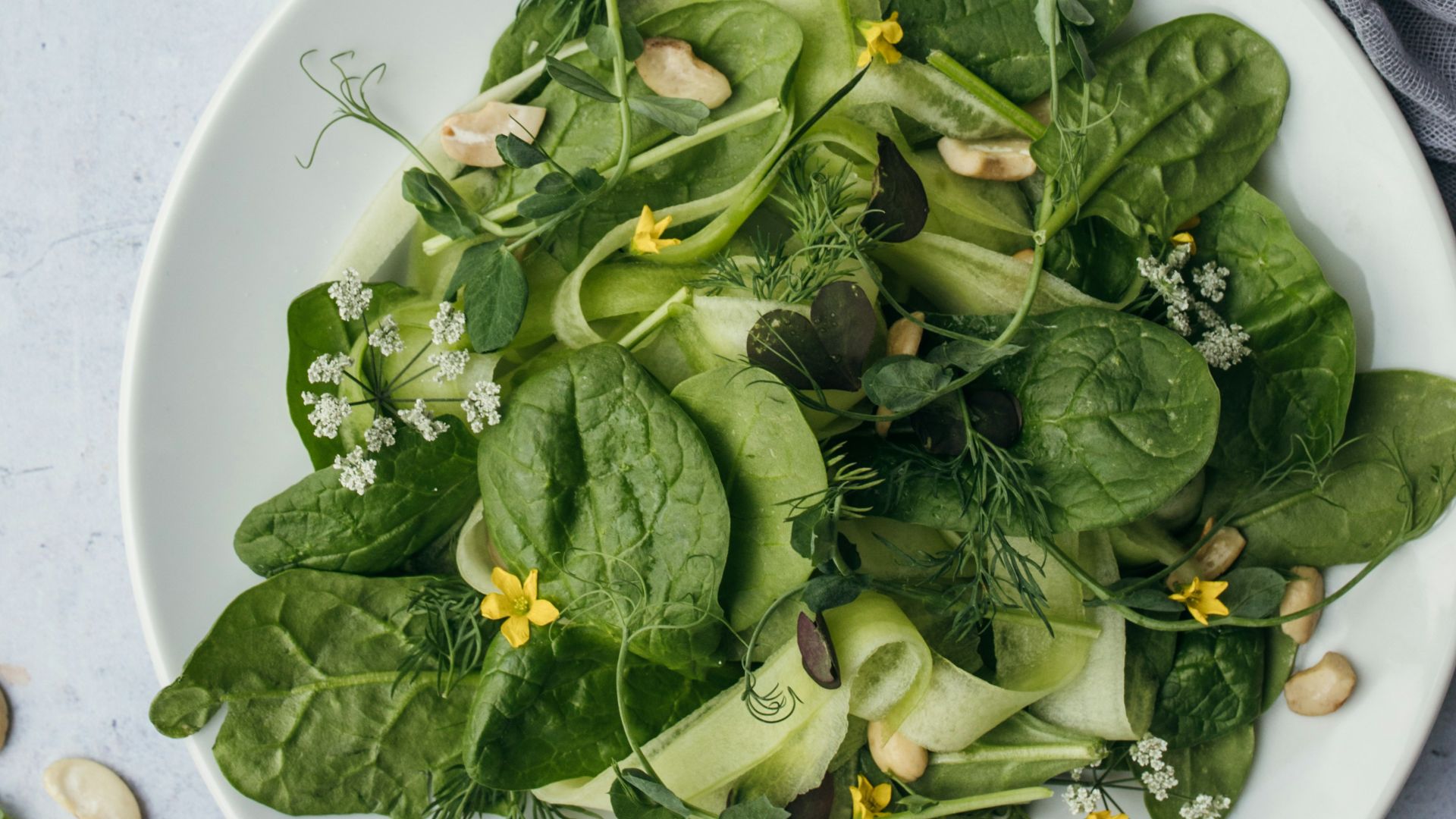
Spinach, kale, and other leafy greens can be reheated in the microwave, but storage and preparation matter more than the appliance itself. Cooked vegetables left at room temperature for extended periods can support bacterial growth, and uneven microwave heating may leave cold areas where bacteria survive.
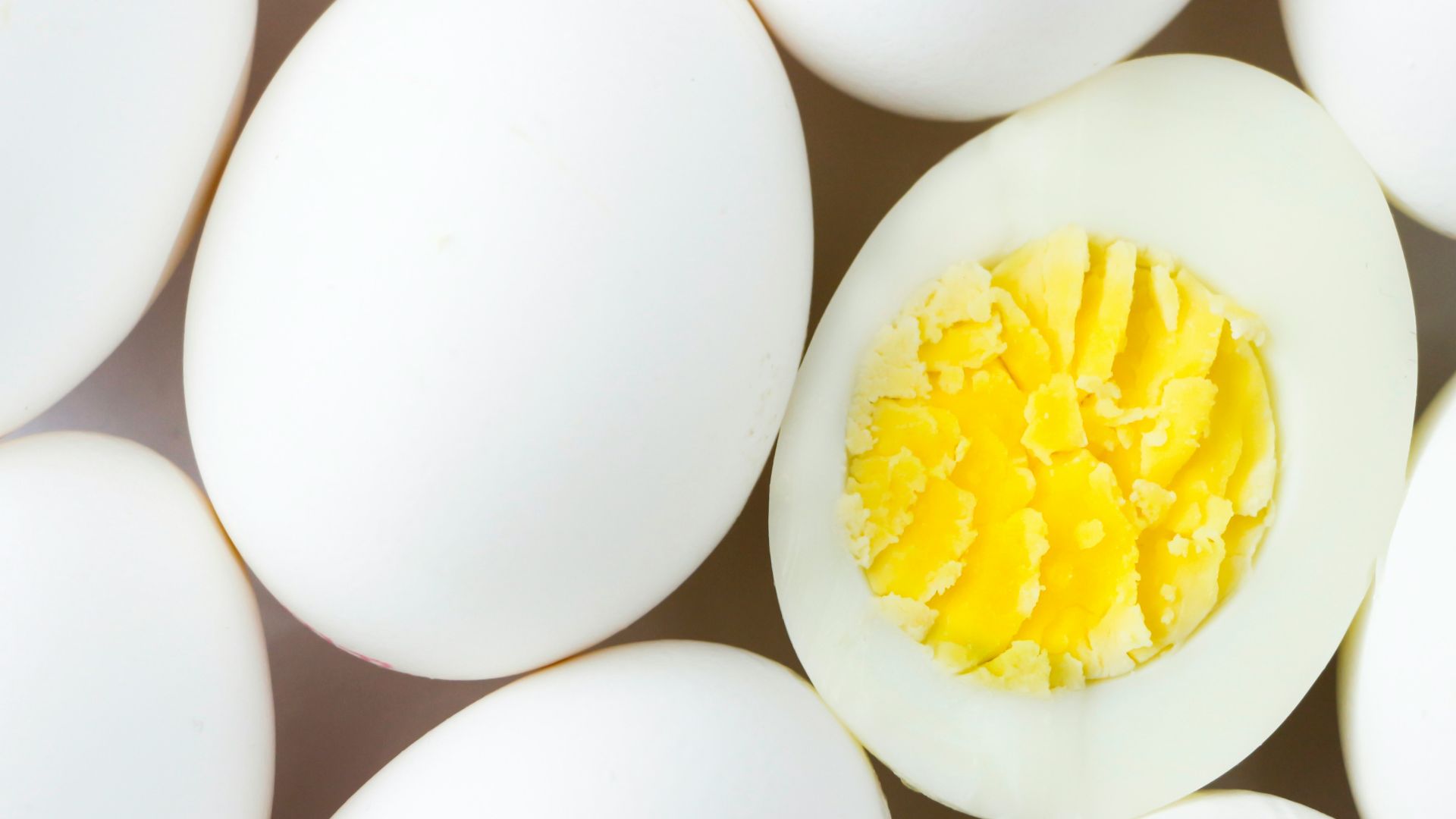
12. Hard-Boiled Eggs
Even after you've removed the shell, a hard-boiled egg can be risky to heat whole in the microwave. Steam may build up inside the egg, and the pressure can cause it to burst during heating or when you cut into it afterward. The resulting hot egg fragments can cause burns, so it's better to avoid reheating one intact.
13. Tomato Sauce in an Open Bowl
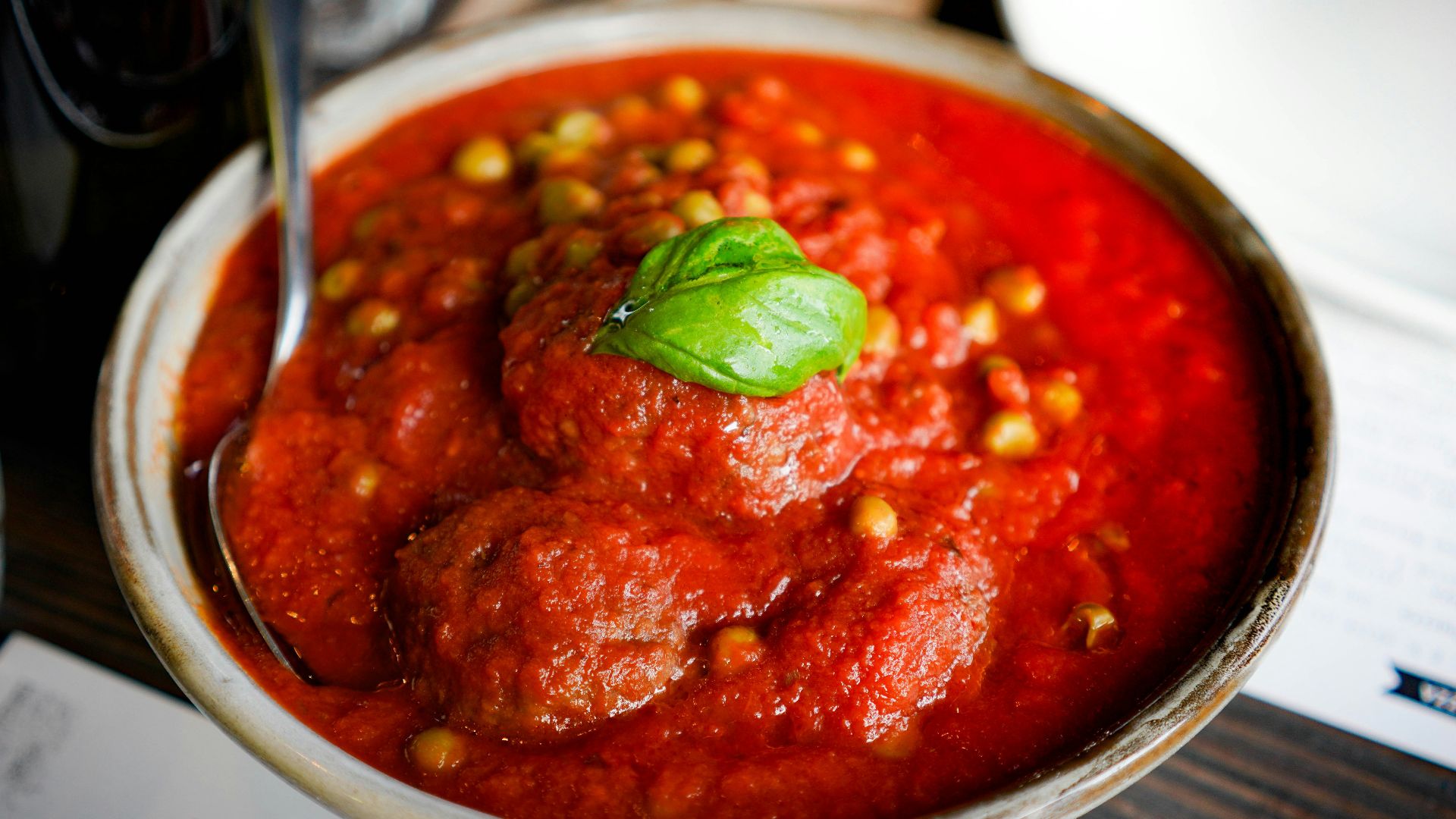
Tomato sauce can be reheated in the microwave, but doing so without covering it properly can leave your appliance splattered with stubborn red spots. Thick sauces often heat unevenly, and bubbles of steam can burst at the surface, sending hot sauce onto the walls or out of the container. Use a microwave-safe cover with a vent, leave room for bubbling, and stir the sauce every 30 seconds or so.
14. Oil on Its Own
Microwaving oil alone is not the best idea. If you want to cook something with oil, it's best to use a pan. You can overheat your oil and splash yourself. Be careful if you decide to heat oil in the microwave.
15. Whole Apples and Other Firm Fruits
You can microwave apples, but you have to cut them up. Their skins can trap steam as the interior warms, increasing the chance of splitting or bursting. If you're making a quick fruit dessert, cut the fruit into pieces, remove any seeds or cores, and place it in a microwave-safe dish with a little water. Cover it loosely and cook in short intervals until the pieces reach the texture you want.
16. Foods Wrapped in Aluminum Foil
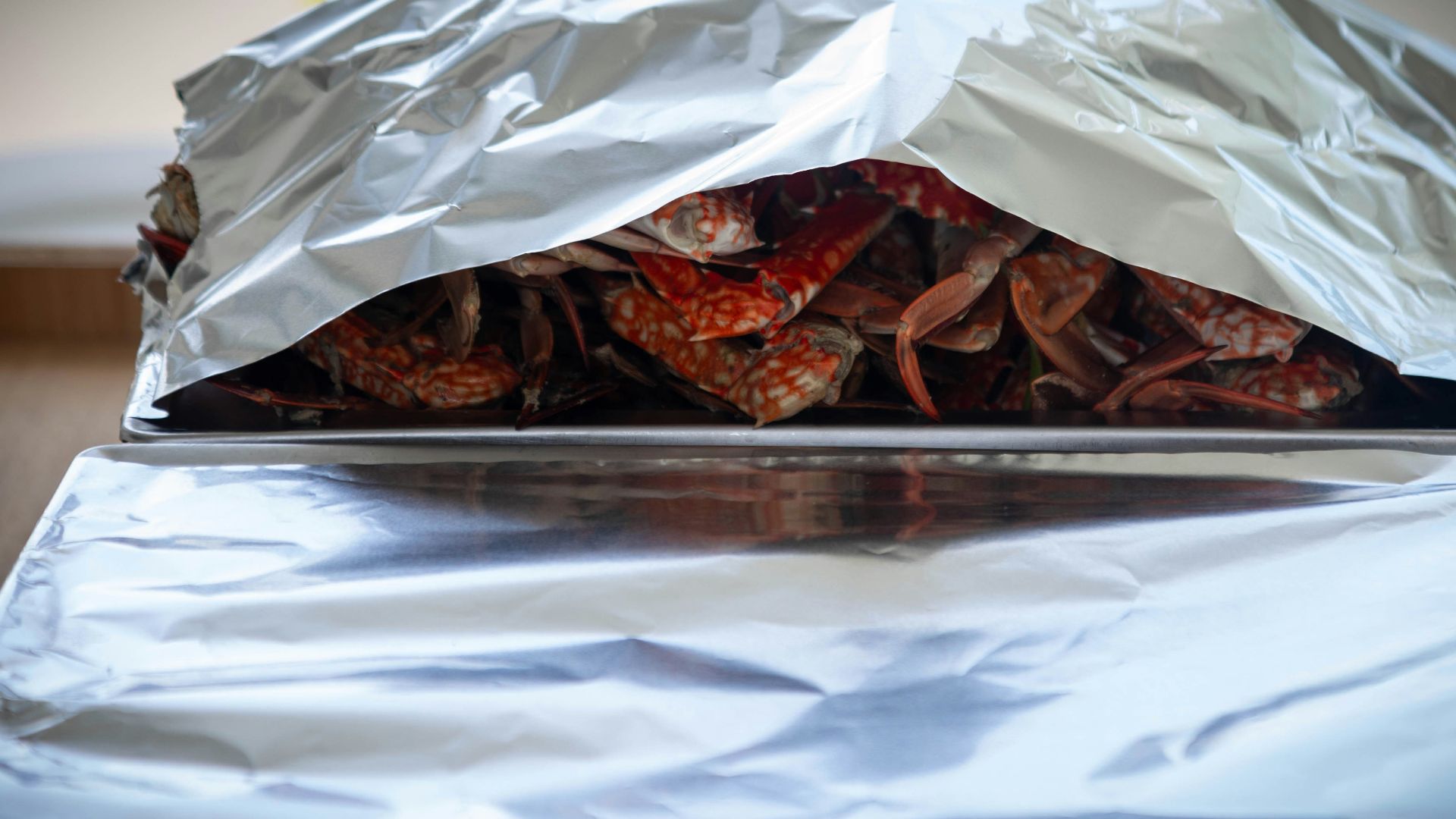
Foil can cause sparks in your microwave and damage your appliance. I know my grandma microwaves her potato in foil, but that's on her. Don't microwave anything with foil on it.
17. Dry Pasta Without Water
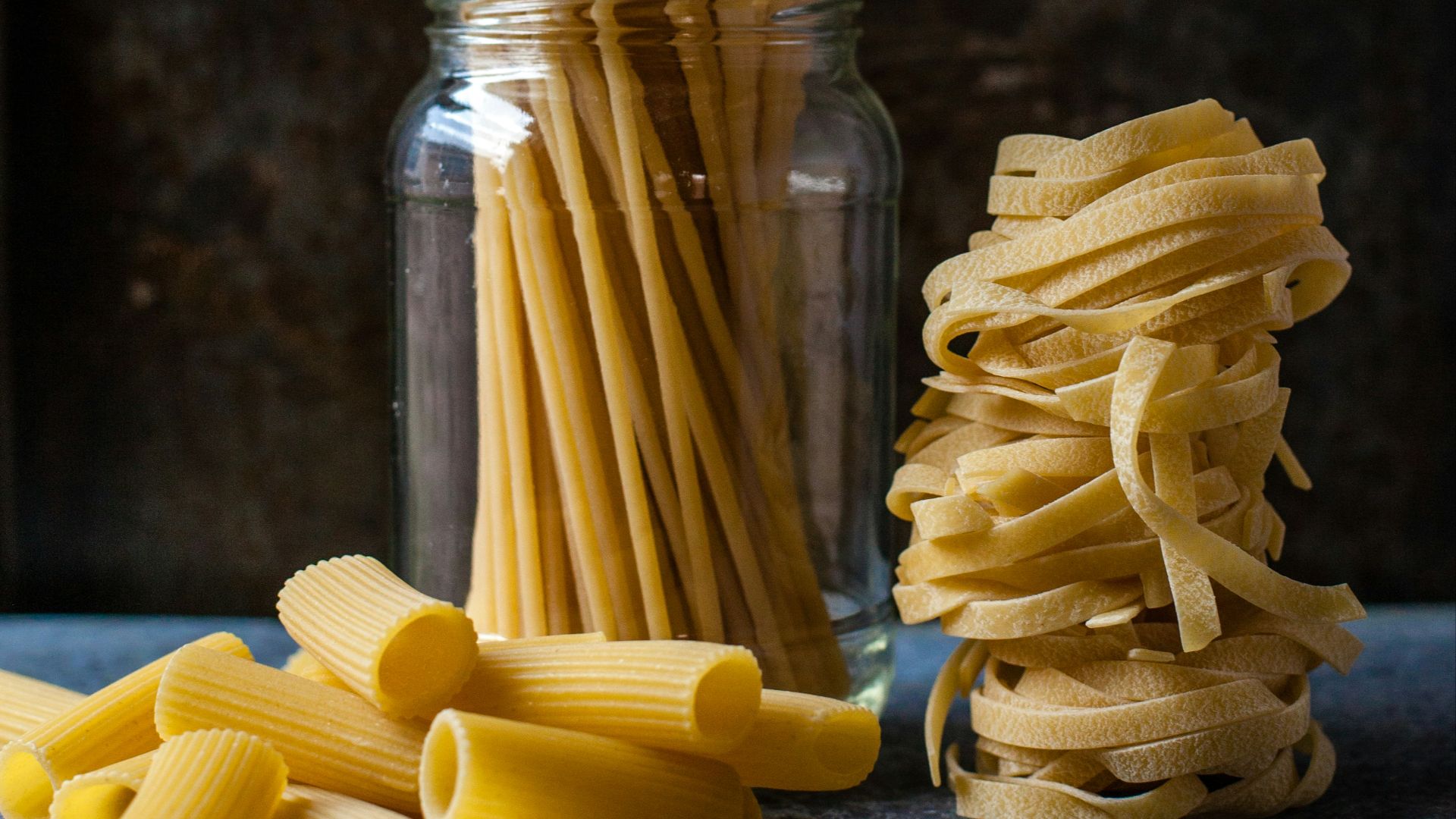
If you're trying to cook dry pasta directly in the microwave without enough water, you'll likely end up with unevenly heated, hard noodles rather than a proper meal. Pasta needs sufficient water to absorb moisture and soften, and dry areas can heat excessively or scorch when there's little liquid available. You can cook pasta in the microwave using a large microwave-safe bowl filled with plenty of water, provided you monitor it carefully.
18. Foods in Sealed Containers
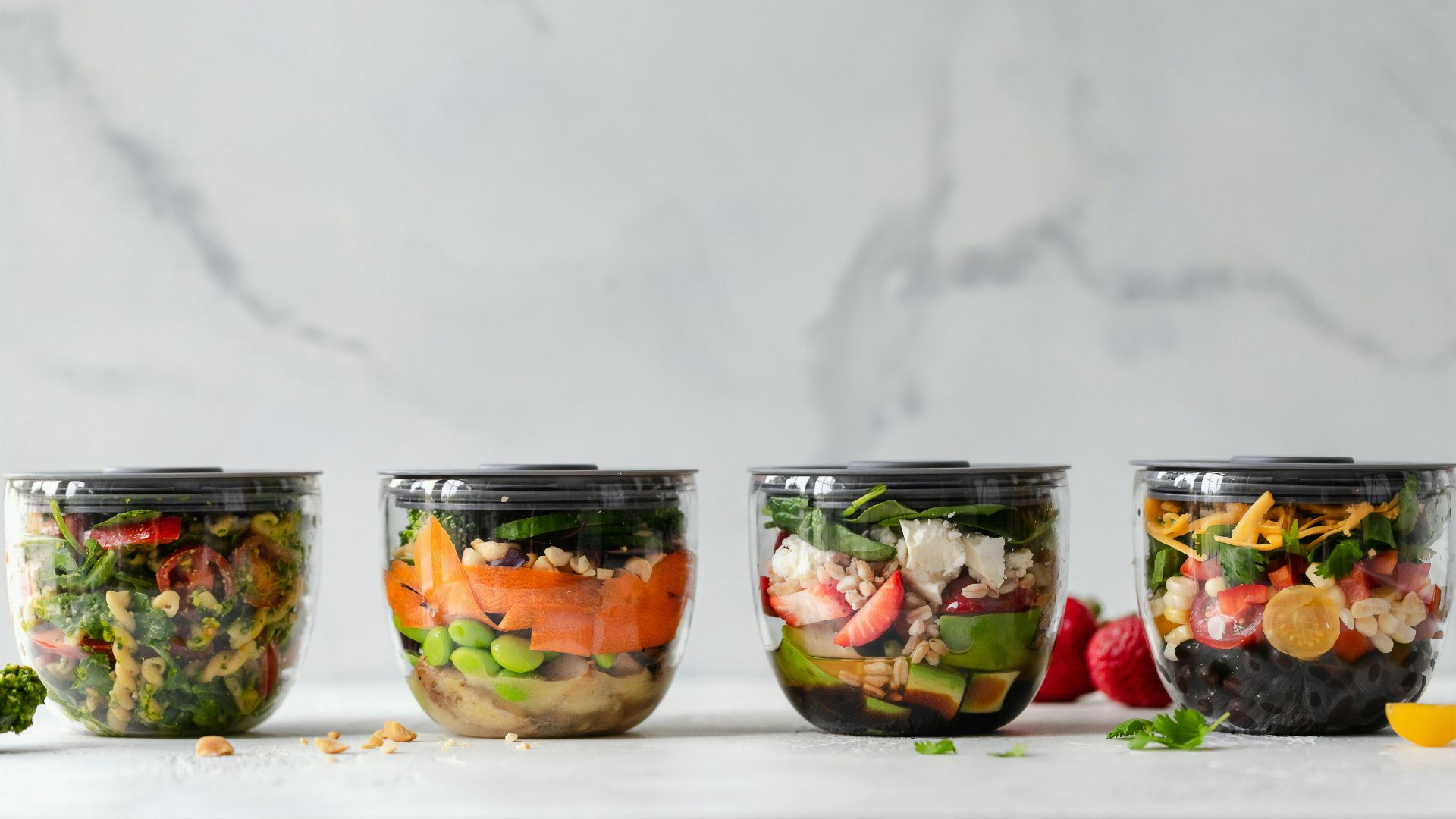
Soup, stew, and other liquid-heavy foods shouldn't be microwaved in tightly sealed containers because the steam has nowhere to escape. As pressure builds, the lid may pop off or the container may rupture, sending hot food everywhere when you open the microwave. Transfer the food to a microwave-safe dish and cover it loosely with a vented lid or microwave-safe cover.
19. Deep-Fried Foods You Want to Keep Crispy
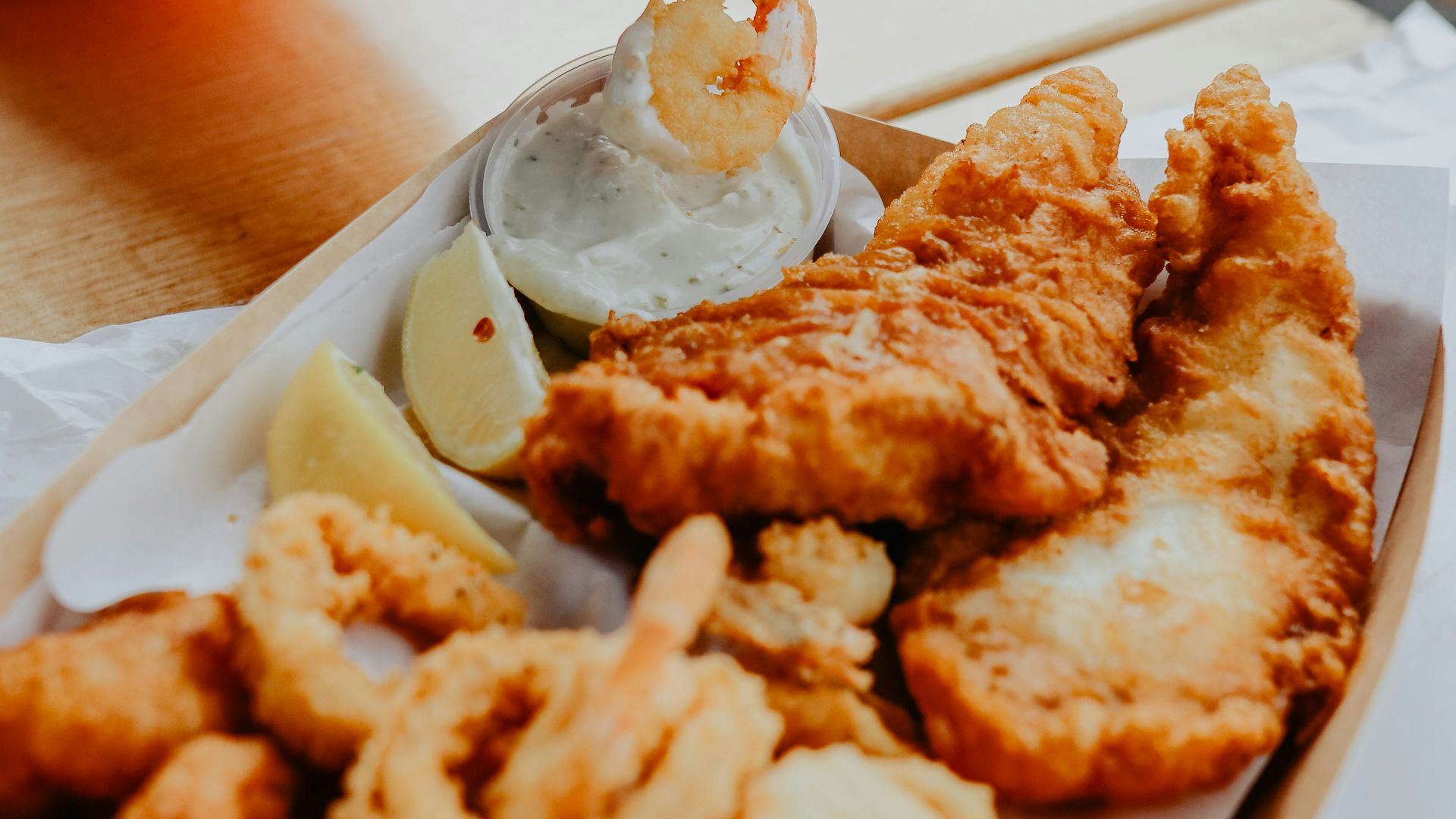
French fries, fried chicken, onion rings, and similar foods usually lose their appeal when reheated in the microwave. The appliance warms moisture within the food, which can soften the crispy coating and leave the exterior soggy rather than crunchy. Although the food may be perfectly safe to reheat, the texture often suffers enough to make another method worthwhile.
20. Leftovers in Takeout Containers That Aren't Microwave-Safe
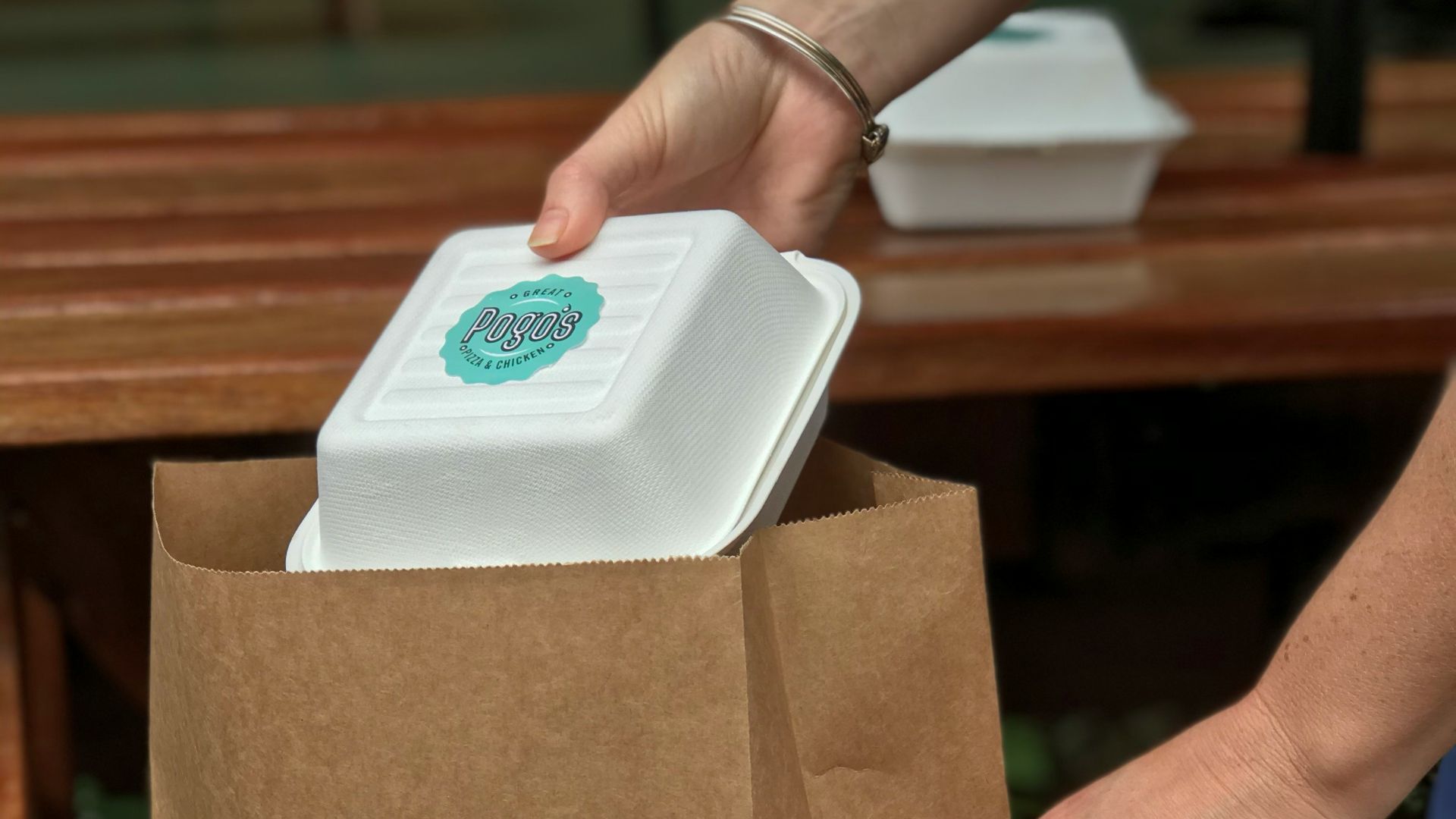
That takeout box might look sturdy enough to handle another round of heating, but not all takeout containers are safe to use in the microwave. Make sure you're using a microwave-safe container to reheat your meal. Check for a microwave-safe label and transfer your meal to a suitable glass or ceramic dish whenever you're unsure.
KEEP ON READING
The Most Popular Chocolate Bars in the USA

The Most Popular Candies in the USA