The Cheat Sheet for Grocery Shopping
You might think grocery shopping is fairly straightforward: just grab your items and go. But more often than not, you end up roaming the aisles, comparing products, and debating between what you actually need versus what you want. Your grocery runs don't have to be this way, though, and they shouldn't be. If you're looking to shop smarter and save money, we've got just the list you need. Here are 20 helpful tips for grocery shopping more efficiently.
 Boxed Water Is Better on Unsplash
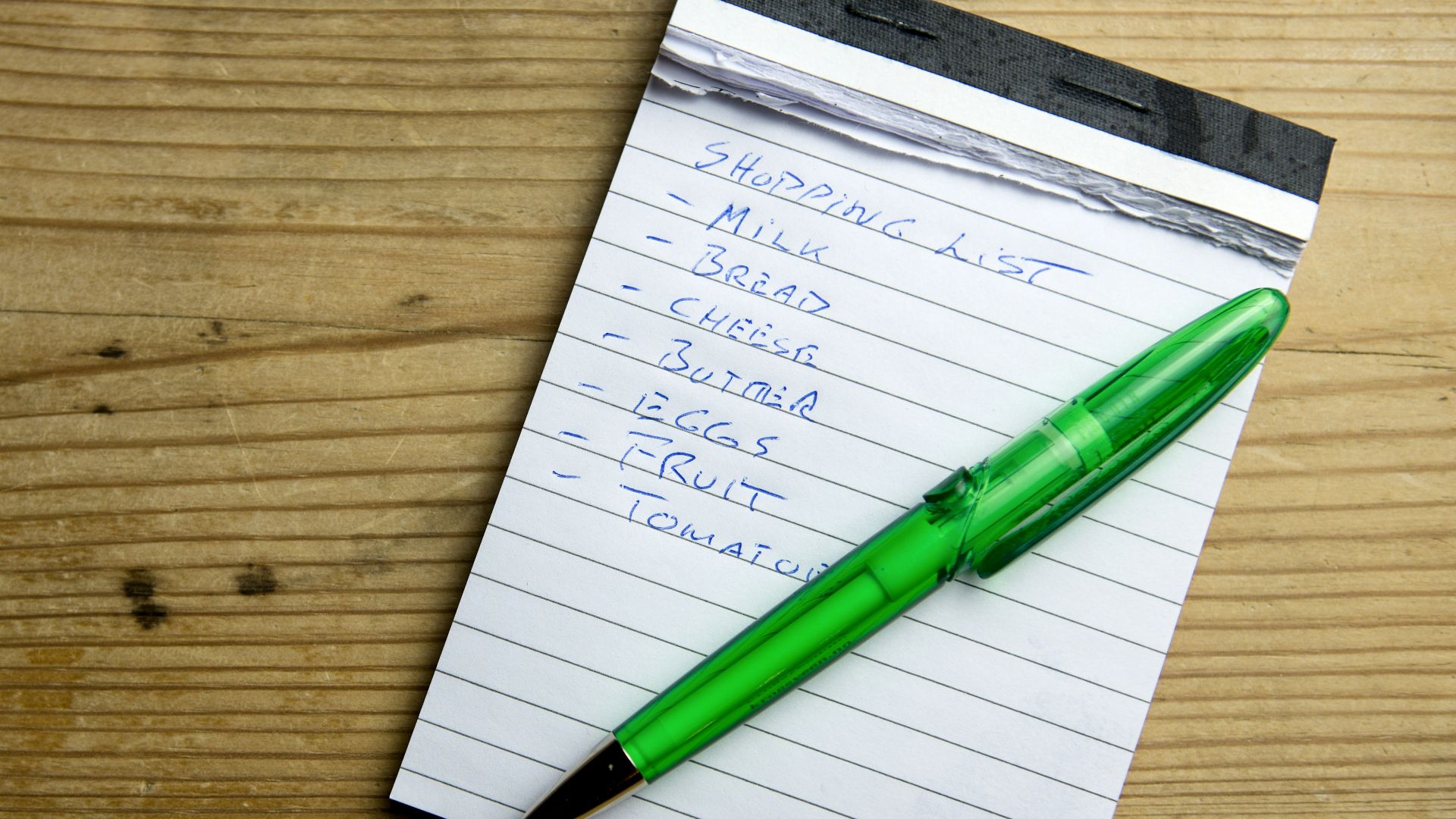
1. Make a Master List
The first thing you should always do before you head out shopping is make a list of all the things you'll need to buy. If you're someone who gets easily distracted, choose a note method that works better for you, such as sorting your items by category, writing them down on a physical notepad (over typing them out in your phone), and setting an alert that reminds you to check your list when you've arrived at your stop.
2. Plan Before You Shop
Before you even step foot into your car, you should always have a plan. What are you hoping to make for breakfast, lunch, and dinner in the couple of weeks? What's on your menu today? Do you already have most of the ingredients? By setting out the items you'll need for your meals, you'll have a better picture of what's missing and what you'll need to buy.
3. Eat Before the Trip
Never go grocery shopping hungry. You'll regret it. When your stomach's empty, your cravings are at their strongest, and you're more likely to fill your cart with snacks, candy, desserts, and other items that aren't on your original shopping list.

4. Don't Buy in Bulk
Buying in bulk might seem like the smart thing to do, but it isn't always. If you stock up on an item you don't regularly use, you'll only end up wasting money. This is why it's so important to plan out your meals and to look far ahead, so you know exactly what—and how much—you'll need.
5. Go Shopping Alone
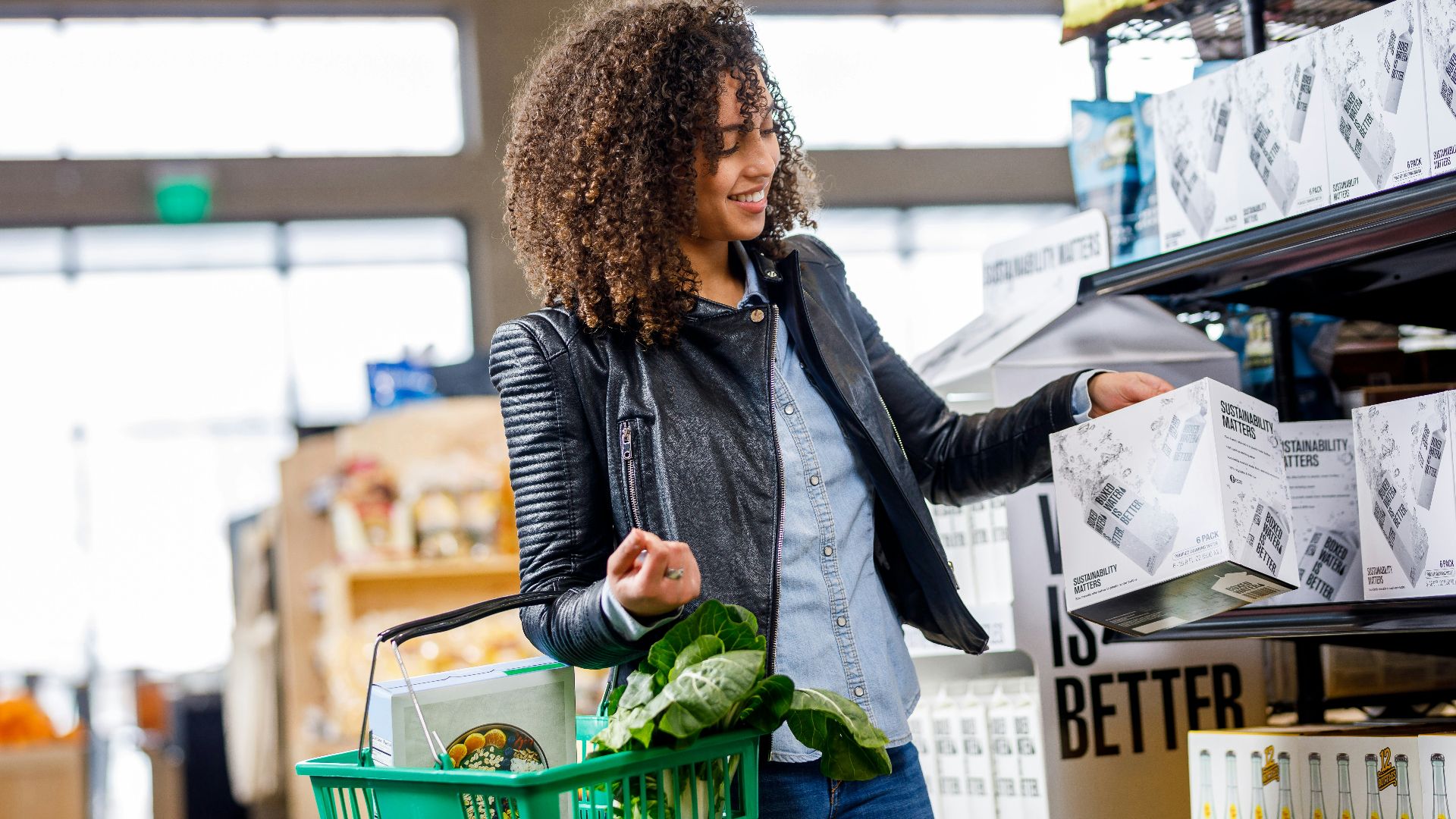
As you probably know, if you go shopping with your kids, you'll likely end up with more snacks and sweets in your cart than you originally planned. Unless you know you're the one who usually strays from their shopping list and you have family members who can help you stay on track, it's best to shop alone.
 Boxed Water Is Better on Unsplash
6. Pick an Optimal Time to Shop
Don't go shopping during peak hours—the crowd and chaos will stress you out. Instead, find out when your favorite stores are least busy. That way, you'll have more space to roam and get your essentials, and be able to check out faster.
7. Stick to Your List
Whatever you do, stick to your list. Even if you don't end up hitting the grocery store you had in mind, stick to the list. The second you allow yourself to deviate from it and to choose items on the fly, the more money you'll likely end up spending on things you don't actually need.
8. Do Delivery or Pick-up
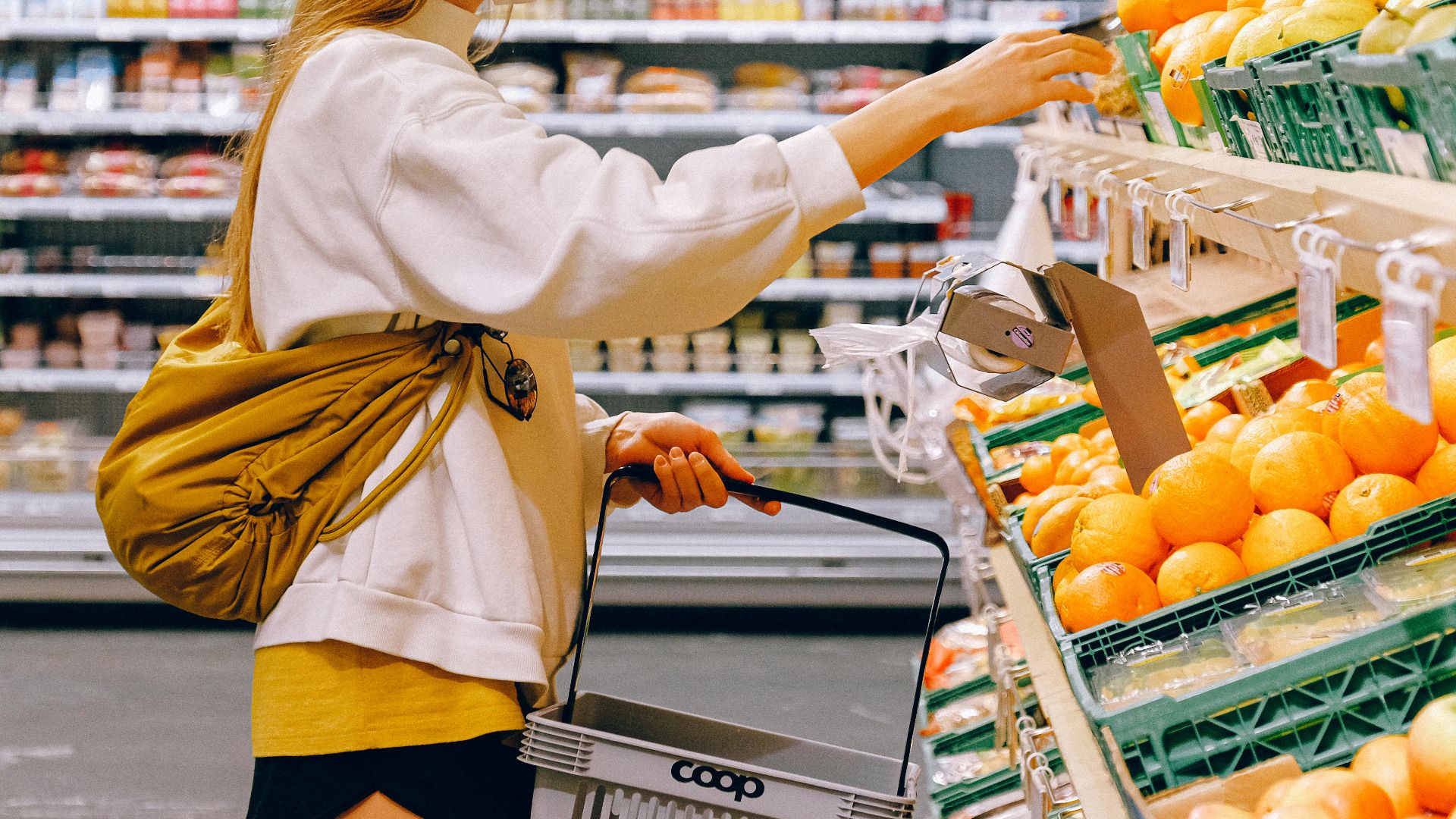
If you're short on time or you know you're the type to roam a lot when grocery shopping (which leads you to spend more money on items you don't actually need), try doing delivery or pickup as an alternative. This way, you'll be able to choose what you need online, and all you'll need to do is have them packed up for you.
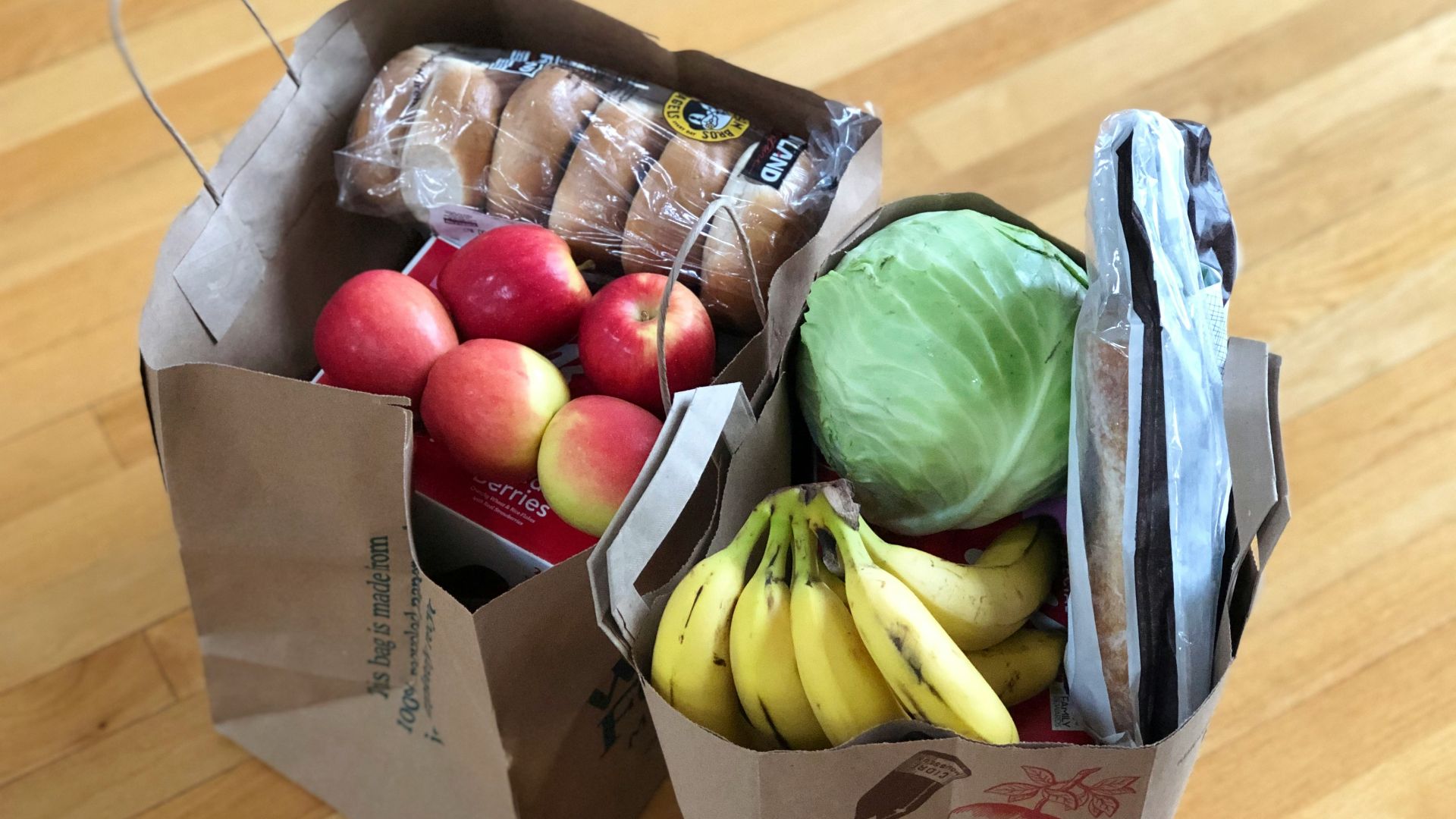
9. Compare Prices Before You Go
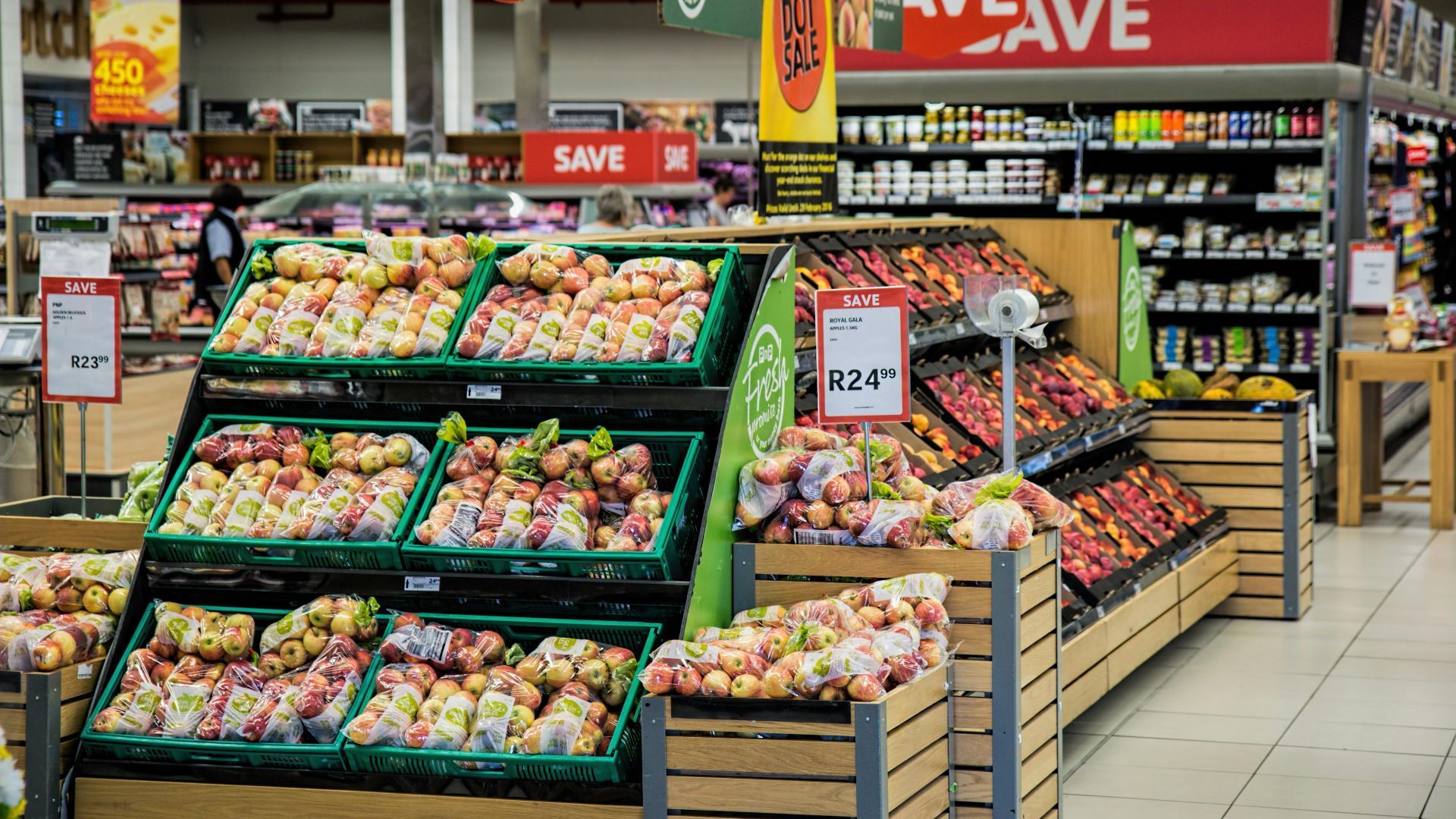
If you have a few stores in mind that have the items you need, make sure to always compare prices (either through physical flyers or apps) before you start your trip. You don't want to come home after your grocery run only to realize that there were better deals elsewhere.
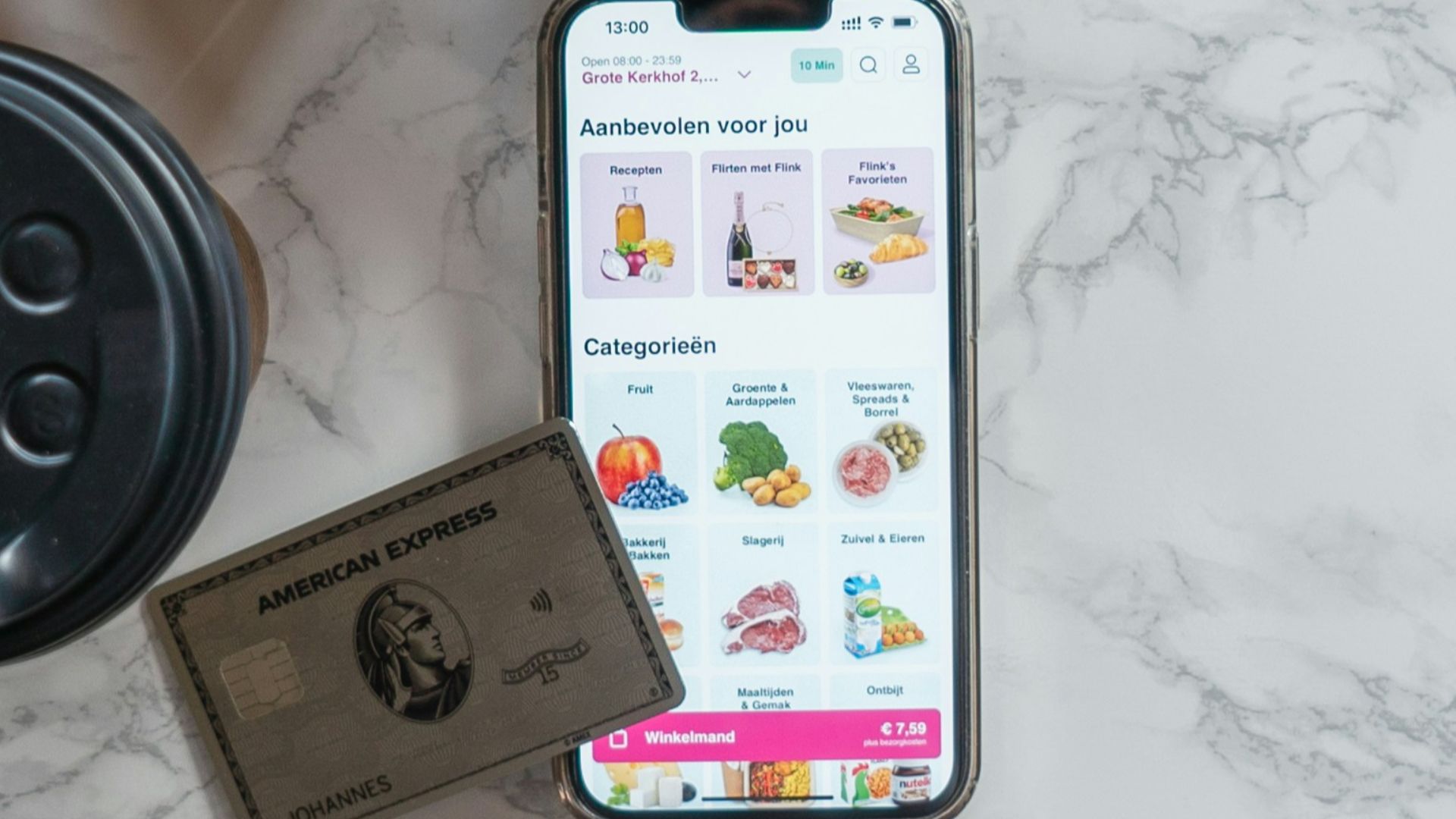
10. Shop Your Pantry
Before you head to the grocery store, shop your pantry first. Take note of what items you already have, and how many. You should also make clear labels so that you can see their expiry or best-before dates. More often than not, you'll find that you already have something that was on your list.
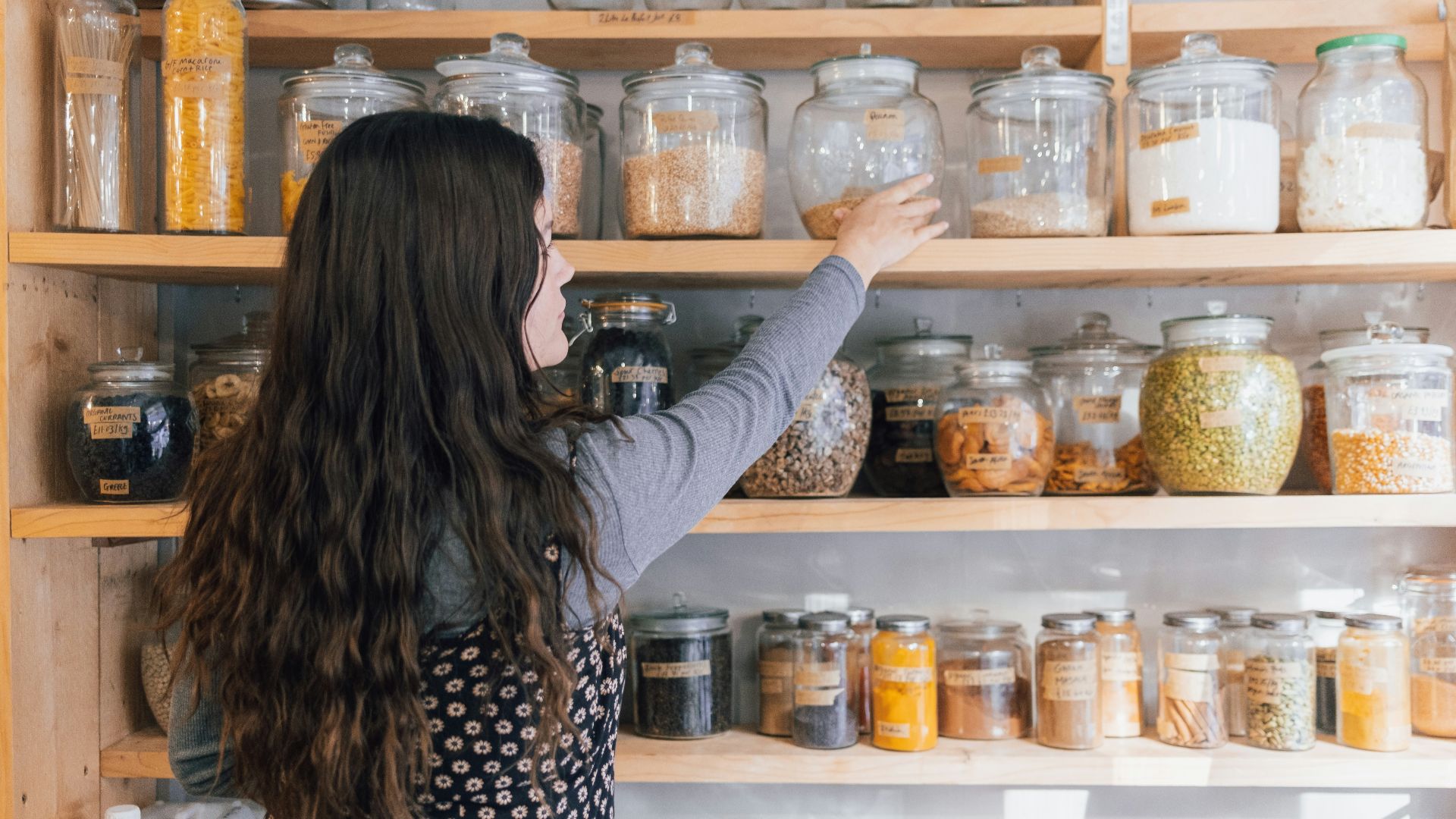
11. Compare Unit Prices
Don't just compare the overall sticker price when you shop—you want to take into account their unit prices, too. You may realize once you do the calculations that an item that seemed more expensive is actually a better deal, so doing a bit of math is always helpful!
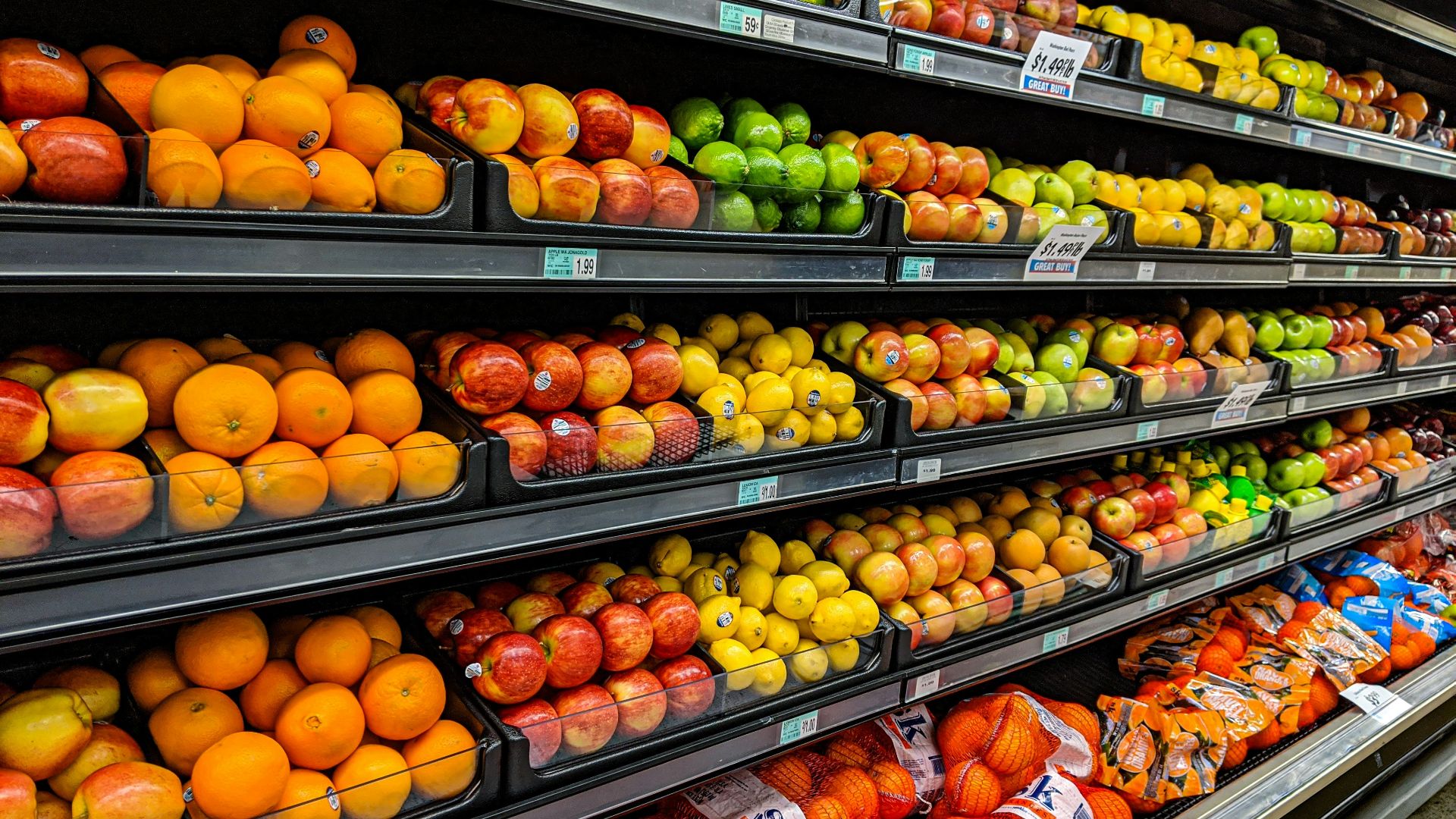
12. Set a Budget
Remember to set a budget for yourself before you shop. Even if you have a strict list to follow, you don't want to accidentally overspend. One way you might do this is by always choosing brand-name items over generic labels. The latter is often the same or at least similar quality to the former, so choosing generic may help you save a few dollars!

13. Buy What You Currently Need
Remember: buy what you currently need. By current, we mean in the next week or two, but not months ahead. You want to stock up on the items that you know you'll need for your upcoming meals, but you don't want to bulk buy everything on your list, as that strategy might end up backfiring.
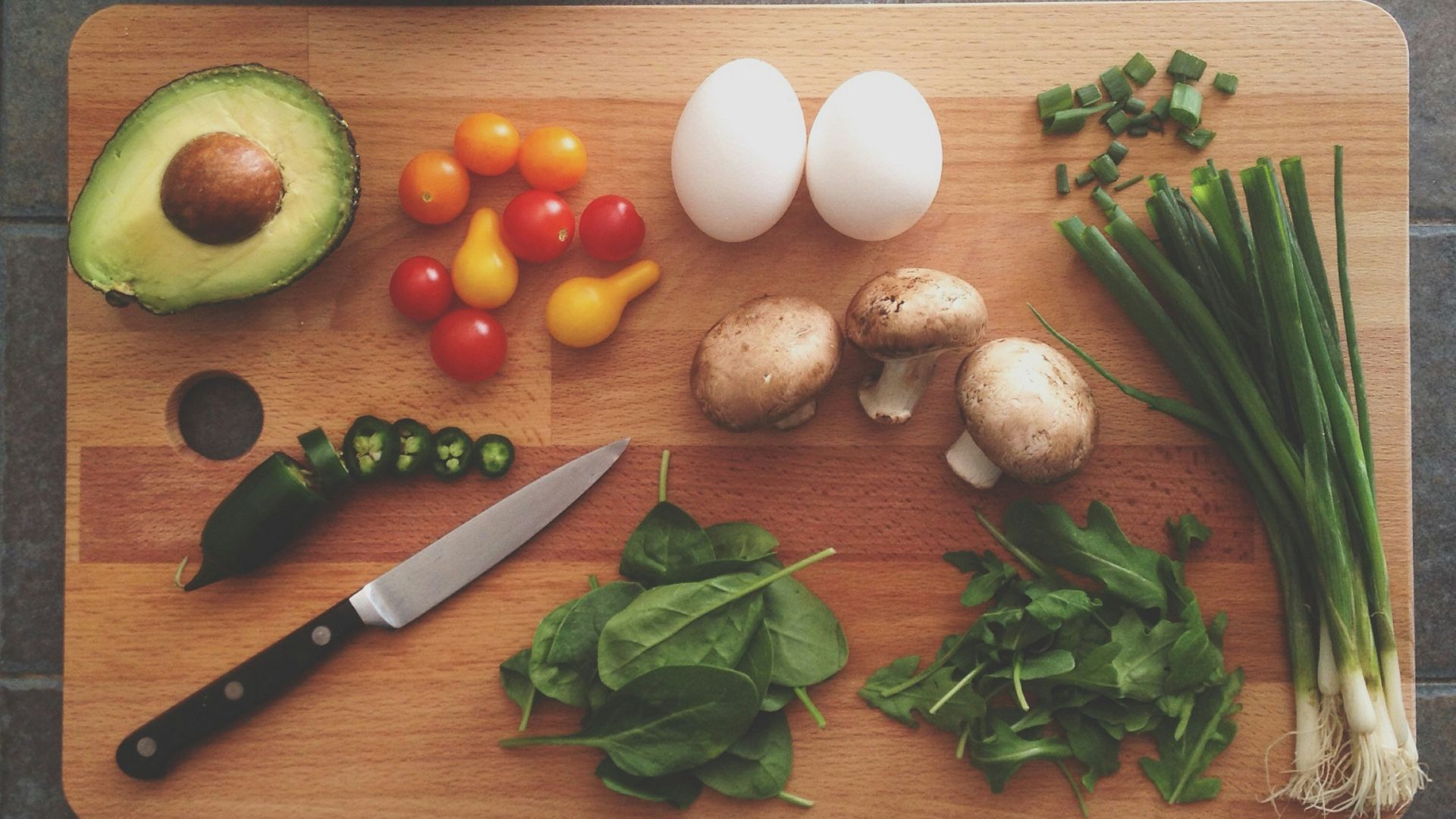
14. Choose the Right Checkout Lane
If you're on a time crunch or you're the type to dilly-dally and impulse buy when you're waiting at the checkout line, it's best to choose the right lane to go to. This way, the process will go by more quickly and smoothly, and you'll be on your way home. One tip for deciding which cashier to go to: pick the one with the fewest customers, even if there are more items per person. Transactions can take time, so lanes with fewer people will go faster. If you only have a few things in your cart, consider self-checkout.
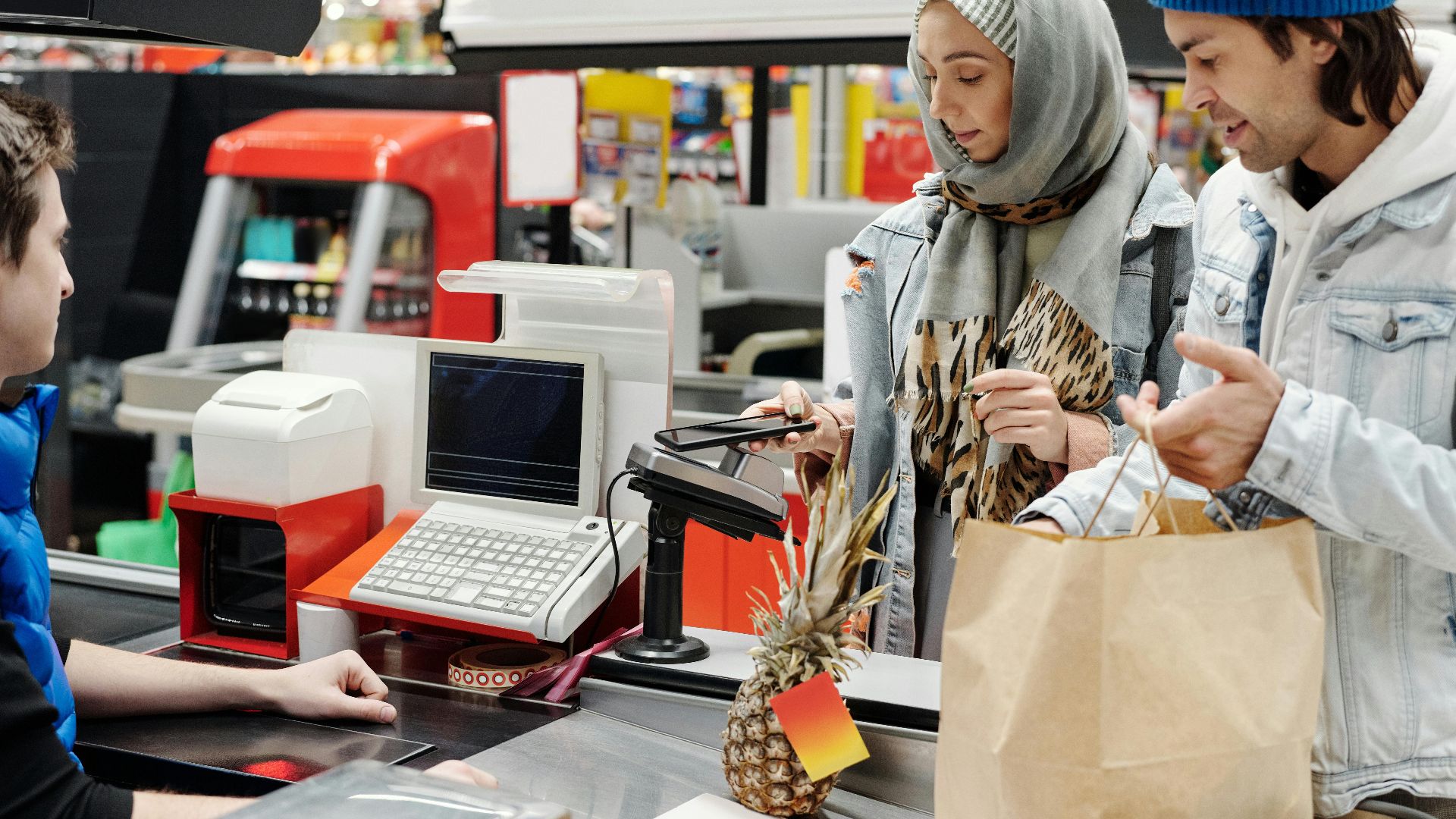
15. Familiarize Yourself with the Store Layout
Think of your current favorite grocery stores. Do you know their layouts by heart? If you don't already, it may help to start familiarizing yourself with where everything is. Knowing the layout will allow you to shop more efficiently, and you won't be stuck roaming around or shopping in aisles you don't need to go to.
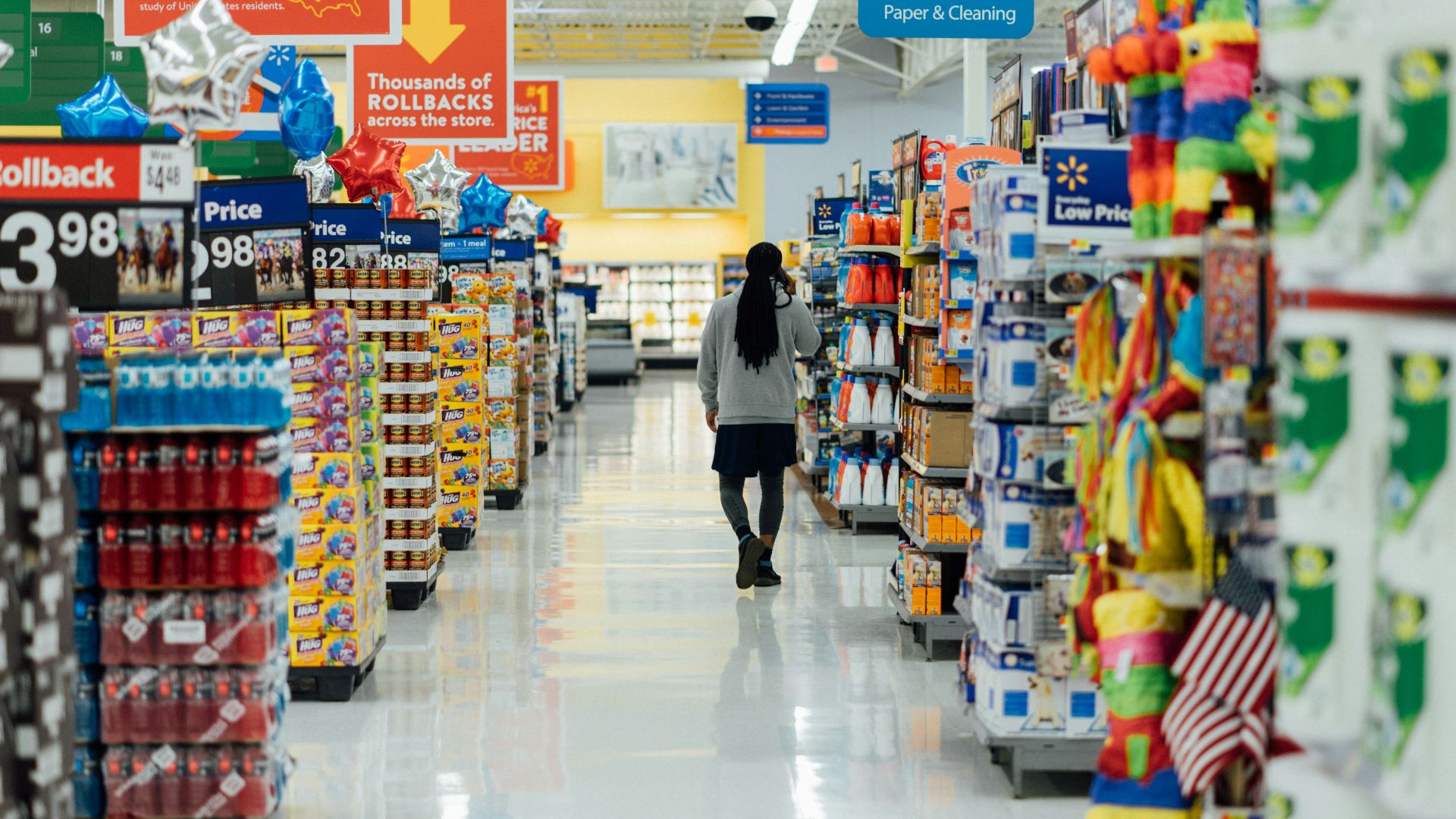
16. Choose Frozen or Canned When Needed
If you need certain ingredients but know you won't be able to use them all before they expire, consider buying frozen or canned versions. These will keep longer, meaning you won't need to go out and restock every time the fresh kinds go bad.

17. Bring Enough Bags for Your Trip
Remember to bring your reusable bags before heading out! Not only that, but remember to bring enough bags for your trip. You don't want to just bring one, only to realize you need to buy another two bags to carry all your items.
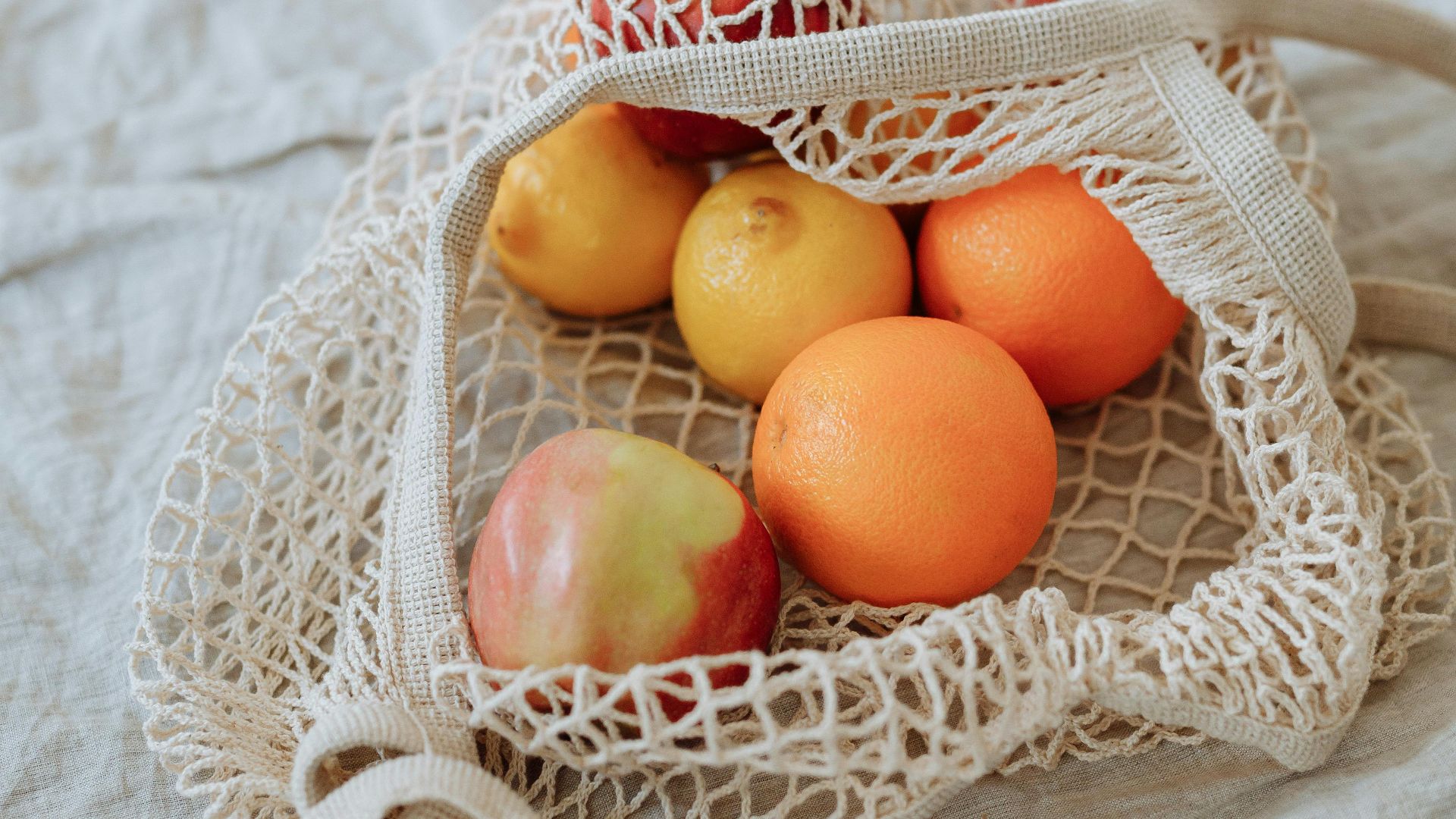
18. Go Biweekly Instead of Short, Frequent Trips
Avoid grocery trips where you're only buying one item. These small, short trips eventually add up before you know it, and you may end up spending more money than you would have if you went on bigger, biweekly trips. Stick to the latter, and keep track of items you need throughout the week by noting them down in your list.
19. Resist the Temptation
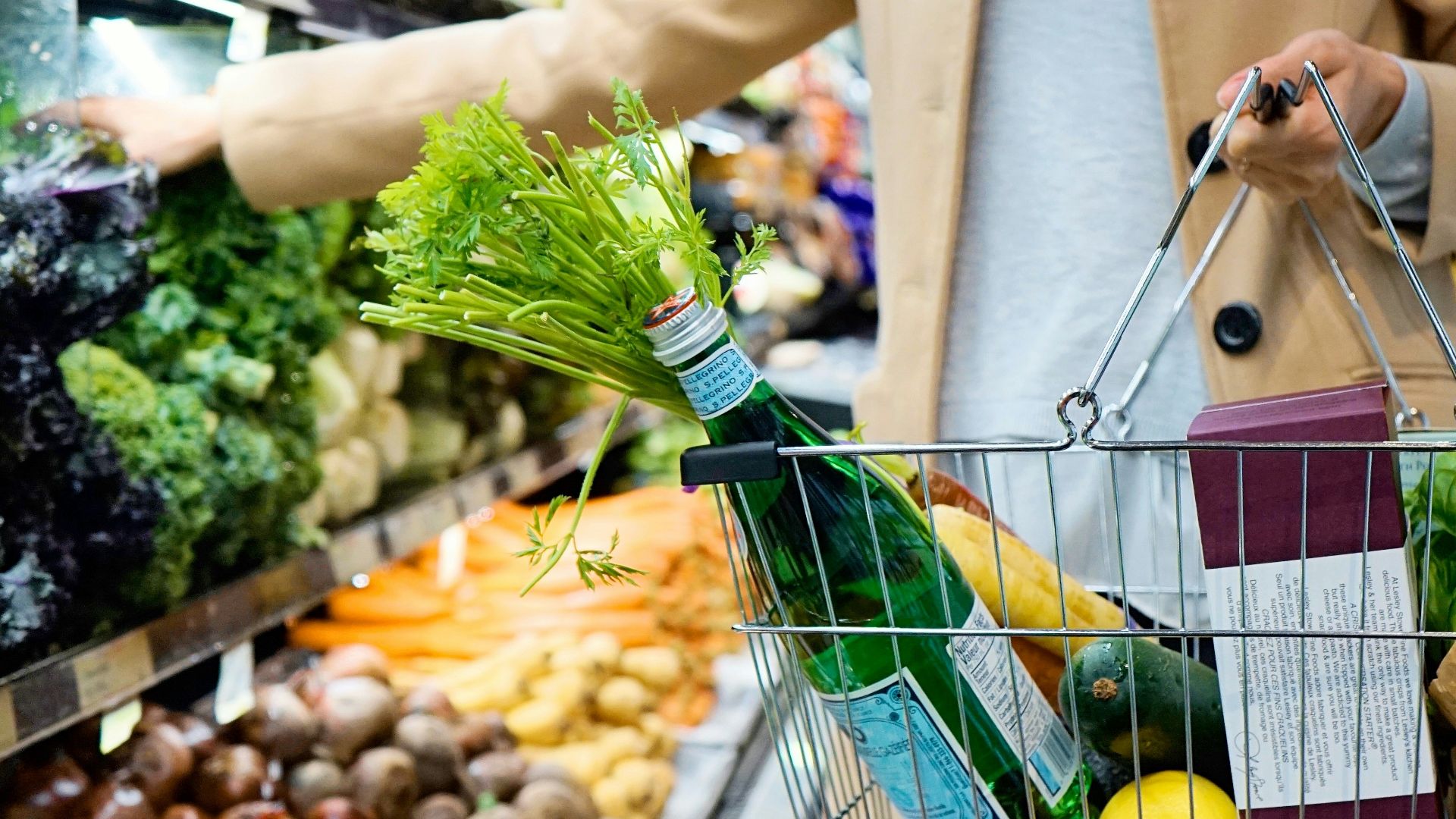
Whatever you do, resist the temptation: don't shop in aisles that don't have the items you need. If you start roaming, you'll only end up buying more than you intended, and you'll likely end up with more snacks and miscellaneous items by the time you're ready to check out.
20. Store Your Groceries Properly
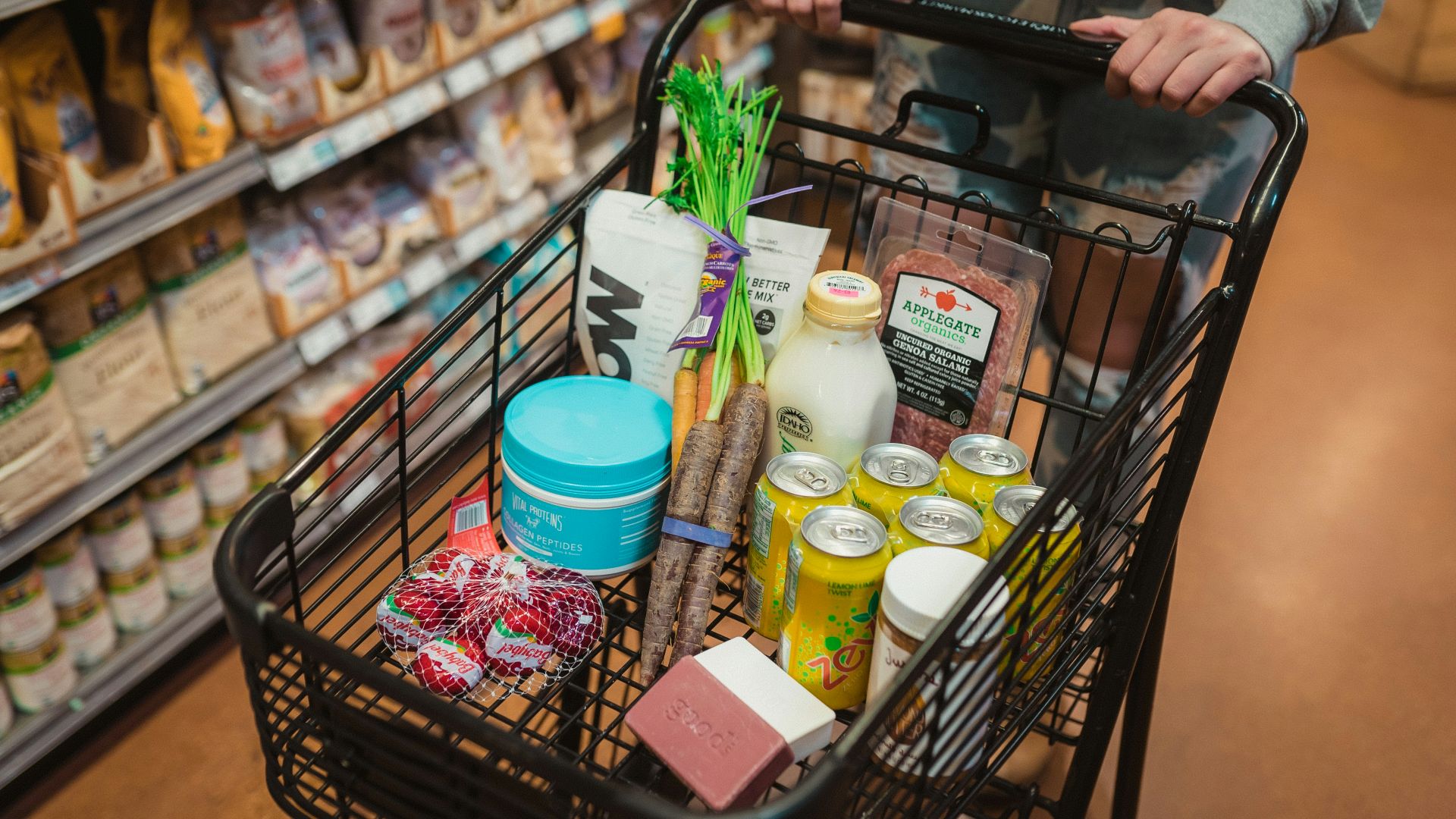
Remember to store your groceries properly once you get home. Check labels and search the web—you might find that there are smarter tips for storing certain groceries (like never storing potatoes and onions together!). Storing everything correctly will ensure you get the most use out of them, so you won't need to head back to the store for replacements.
KEEP ON READING


20 Foods Used in Fertility Rituals Around the World

20 Foods That Taste Better the Next Day


10 Worst Campbell Soup Flavors & The 10 Best Ones