What Fed The World's Greatest Warriors?
Ancient Sparta is often remembered for its famously disciplined warriors, but even the toughest hoplite had to eat. Spartan meals were generally based on the agricultural products available in Laconia and the broader Greek world, with an emphasis on grains, vegetables, legumes, meat, dairy, fruit, and wine. The famous Spartan reputation for eating simply wasn't entirely undeserved, although their diet wasn't quite the endless parade of black soup that popular stories sometimes suggest.

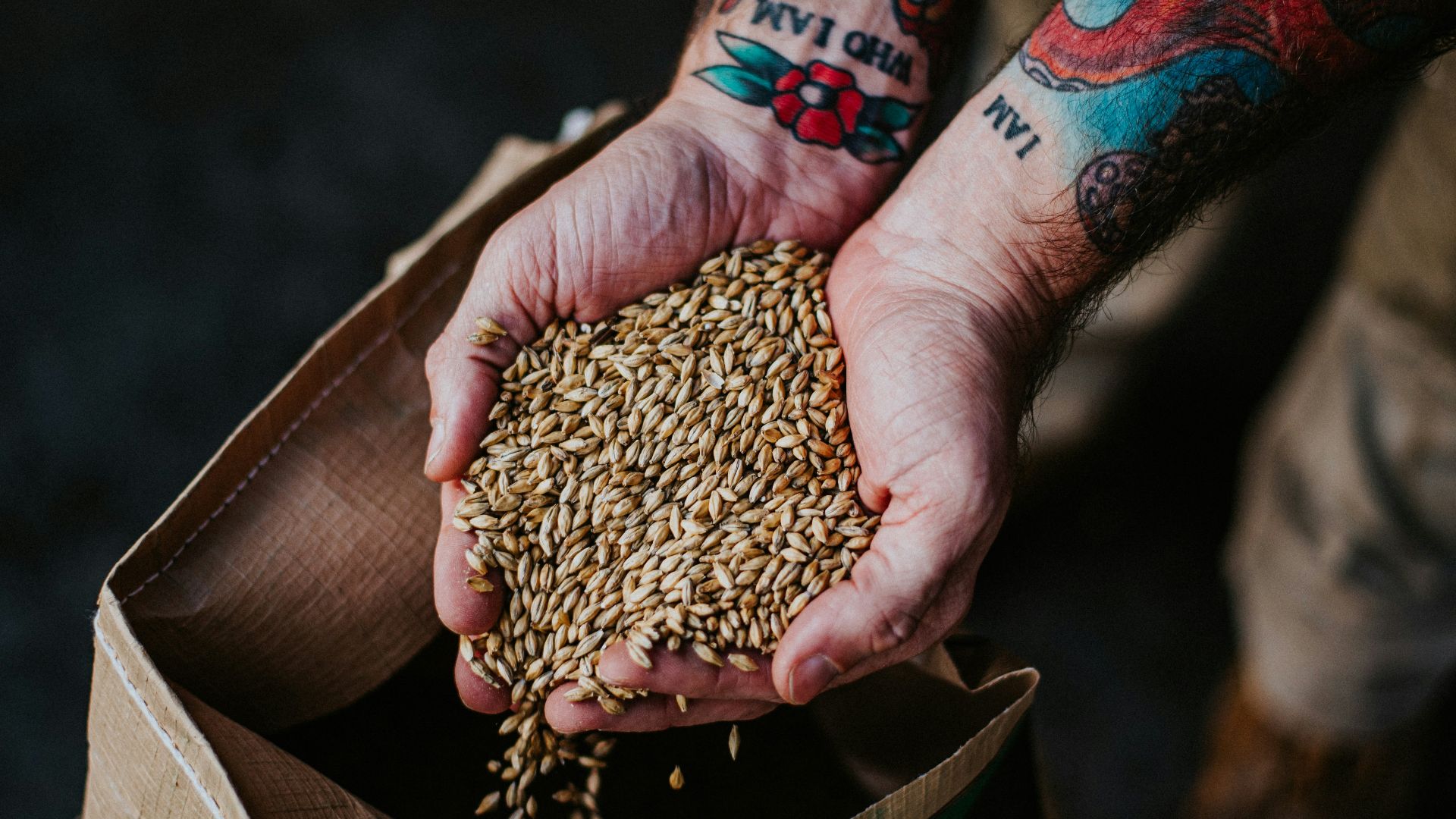
1. Barley
A lot of Greeks lived off barley as a staple food. It could be used to create bread, cake, and even porridge. It makes sense why the Spartans relied heavily on grain to live off of daily.
2. Black Broth
The black broth from Sparta was called melas zōmos. This is one of many things the Spartans are known for when people hear the name Sparta. The black broth consisted of pork blood, salt, and vinegar.

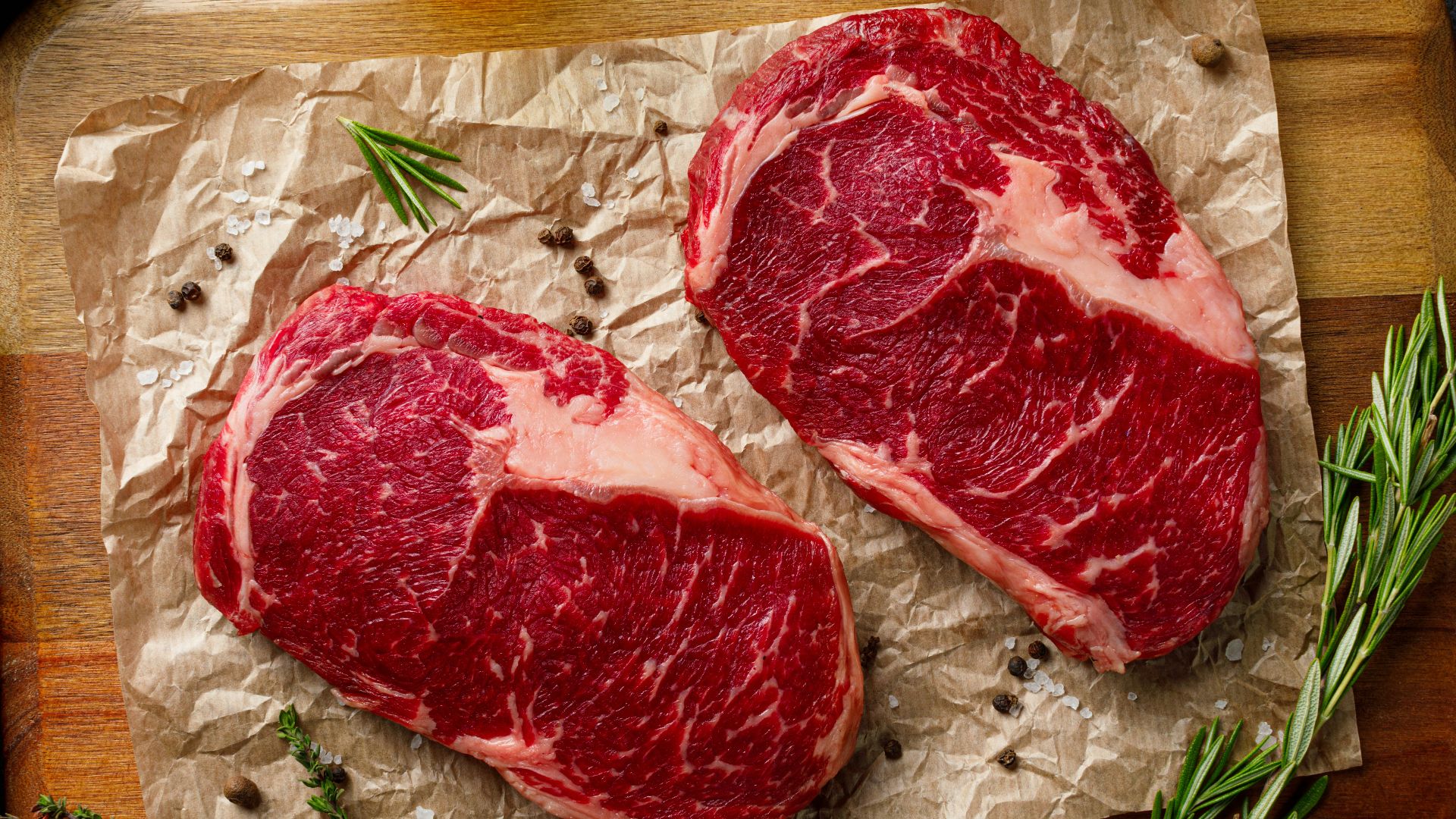
3. Pork
The black broth was created using pork, which led me to believe that pork was also an item they liked to have. Not only was pork used for the dish, but they could raise pigs to create more items that benefited their home life. Meat wasn't necessarily an everyday luxury for every Spartan, however, so how often someone ate it likely depended on circumstances and access.

4. Pork Blood
As mentioned earlier, the black broth contained pork blood, which made the broth darker. It wasn't only Sparta that had blood as an item that they ate. For modern diners, the idea may sound unusual, but it was simply another usable part of the animal.
5. Cheese
Dairy products formed part of the broader Greek diet, and cheese was available in Sparta as well. Greeks created many kinds of cheese using sheep's milk or goat's milk. Whether you enjoy cheese or not, you can bet that some Greeks had this on their dinner plate one time or another.
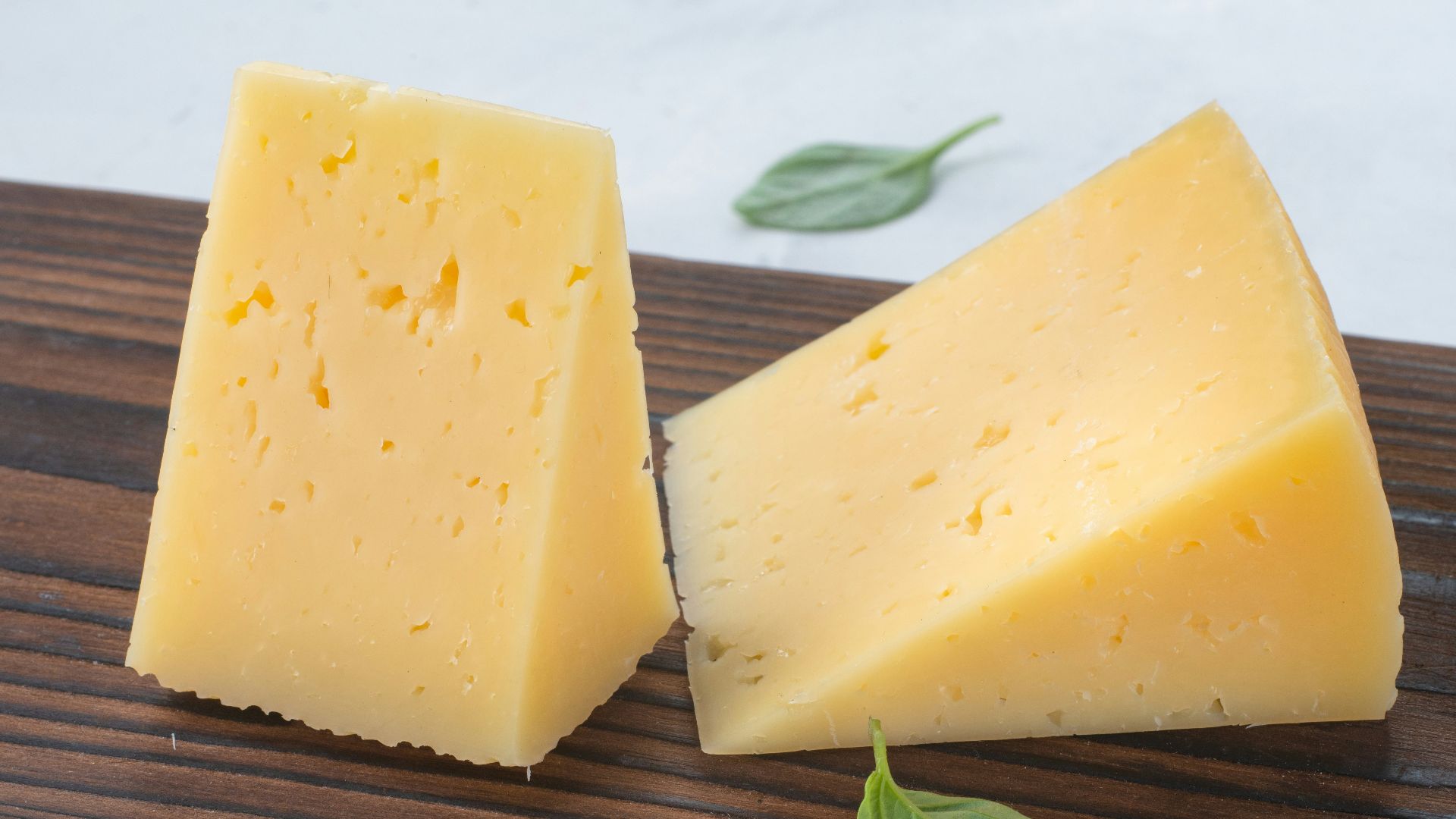 David Foodphototasty on Unsplash
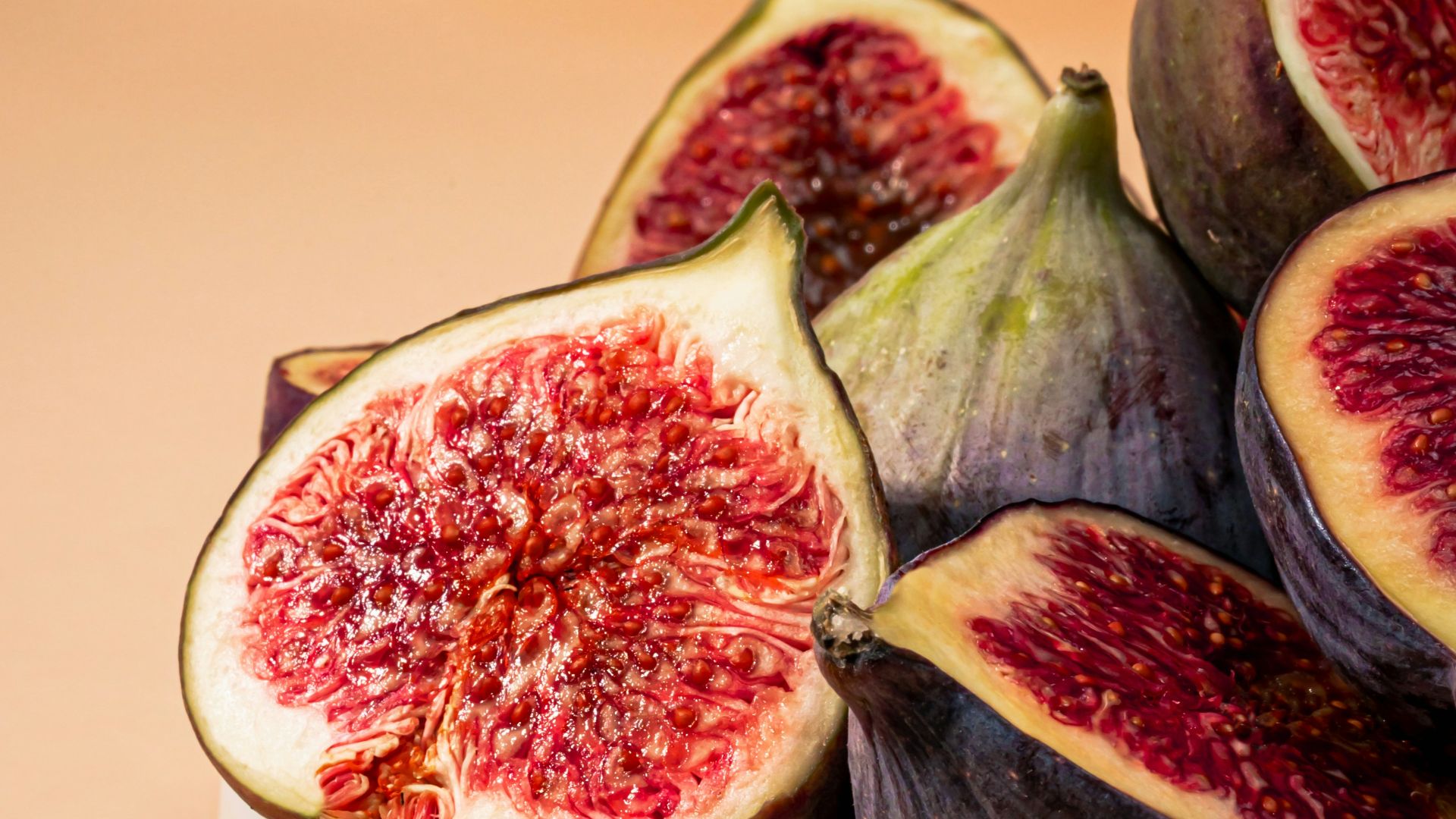
6. Figs
Figs were a popular fruit in ancient Greece and could be eaten fresh or dried. They could be eaten raw, or you could dry them out and preserve them for a later date. Dried figs were especially useful when fresh fruit wasn't available.
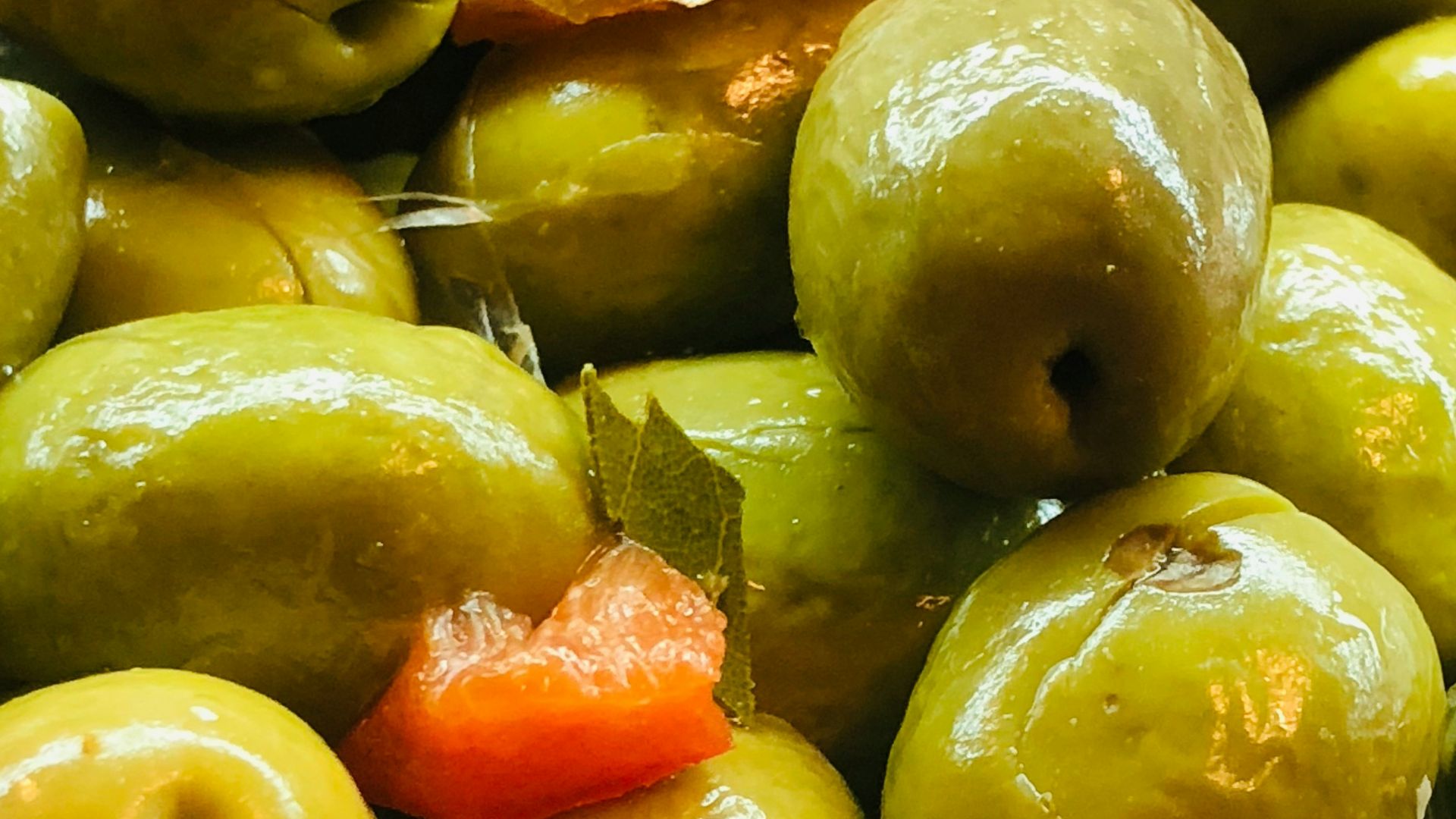
7. Olives
Olives are another food item that is commonly found around the world today but also were widely known in Laconia. They could be eaten directly or processed into olive oil, which was essential for cooking and food preparation. A Spartan diet without olives would have been rather unusual for the region.
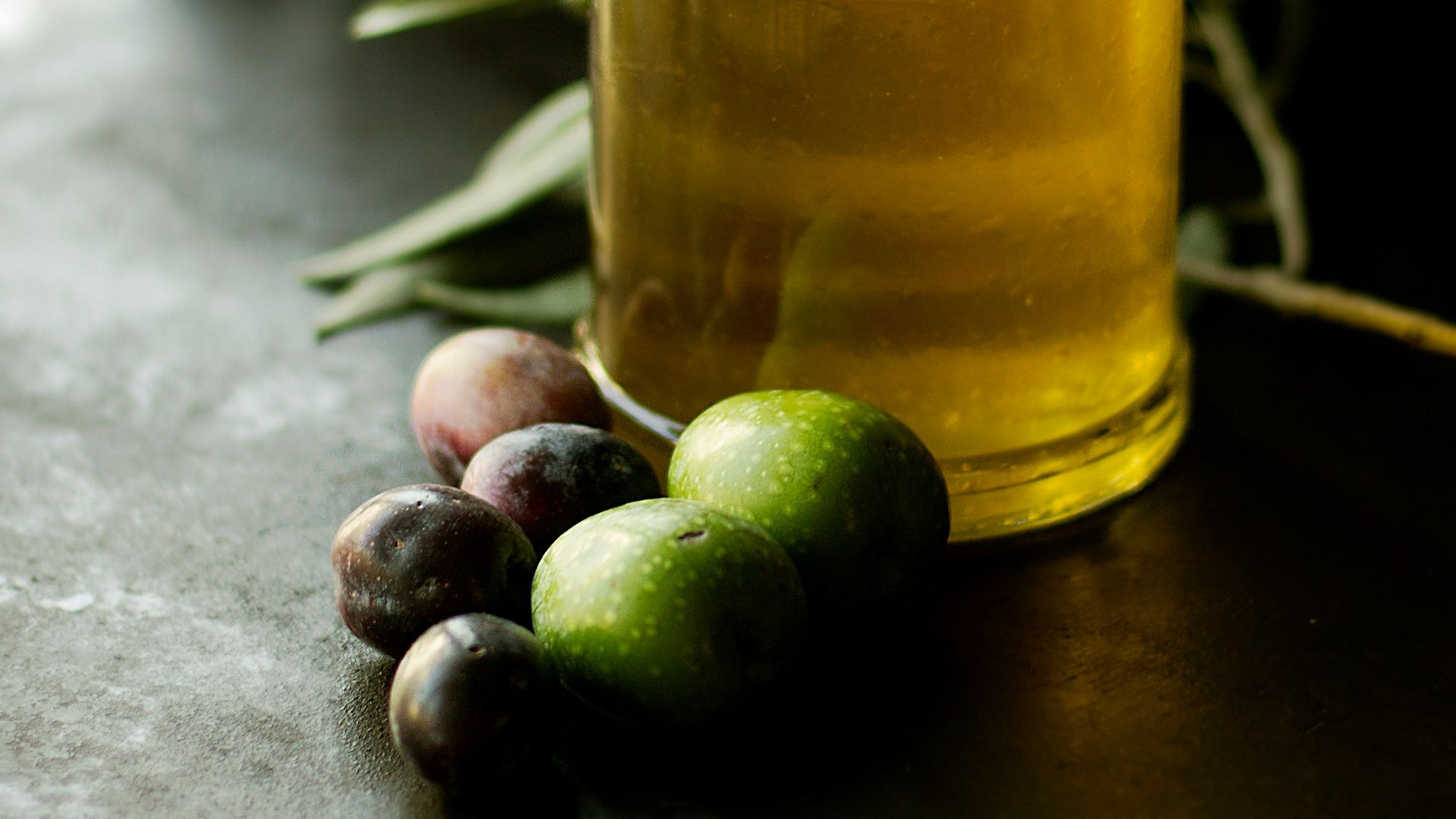
8. Olive Oil
Similar to the olives, you have oil that can come from these fruits.
Many of you would use it on your salad, but back then it was a bit different from what we know about today. Spartans would have had access to locally produced olive oil thanks to the fertile areas surrounding Sparta.
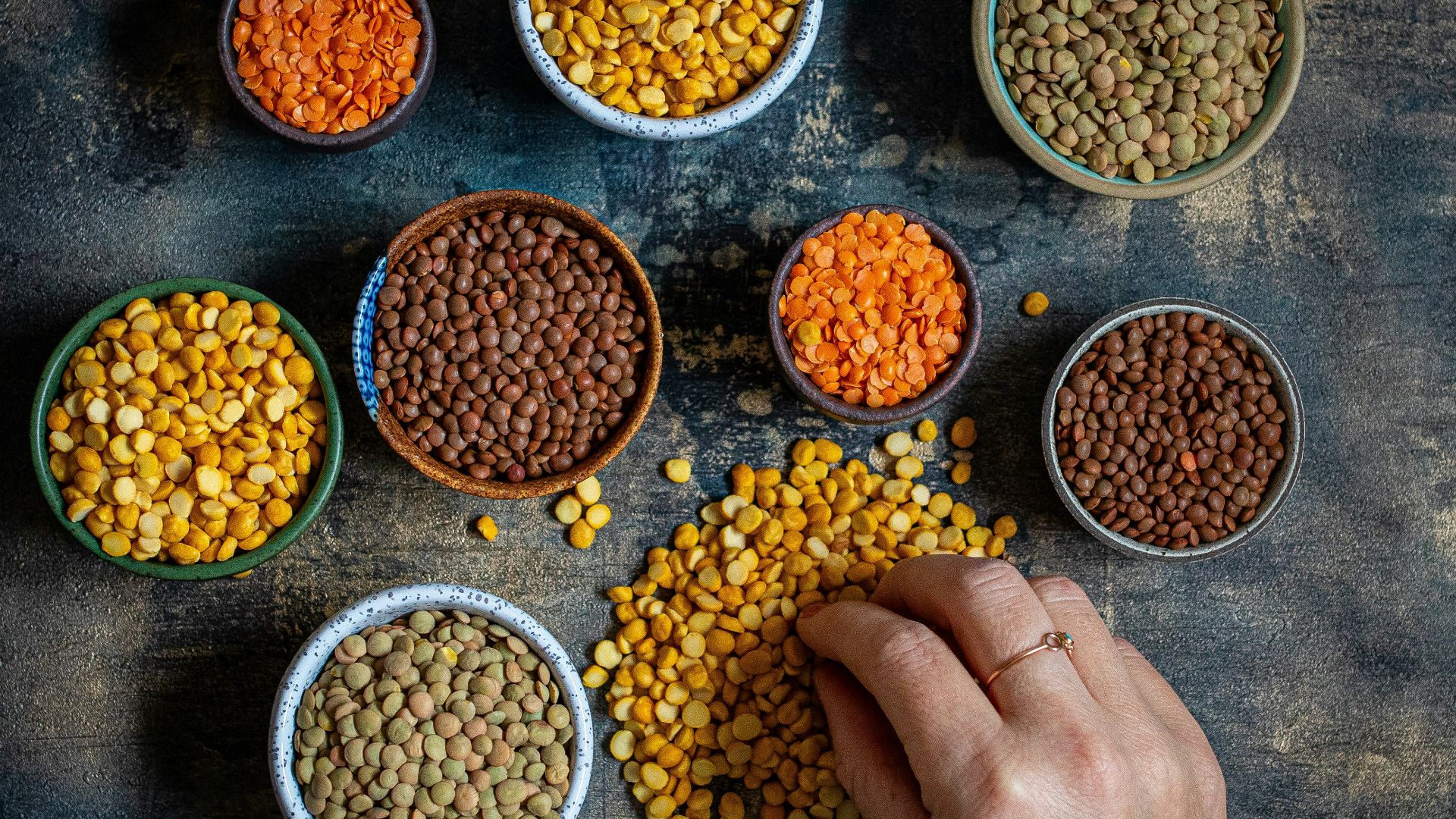
9. Lentils
Greeks had lots of bean-based dishes that they would eat. If you weren't able to eat tons of meat every day, you would want to use something to help you get through the day. They also fit rather nicely into the Spartan preference for uncomplicated meals.
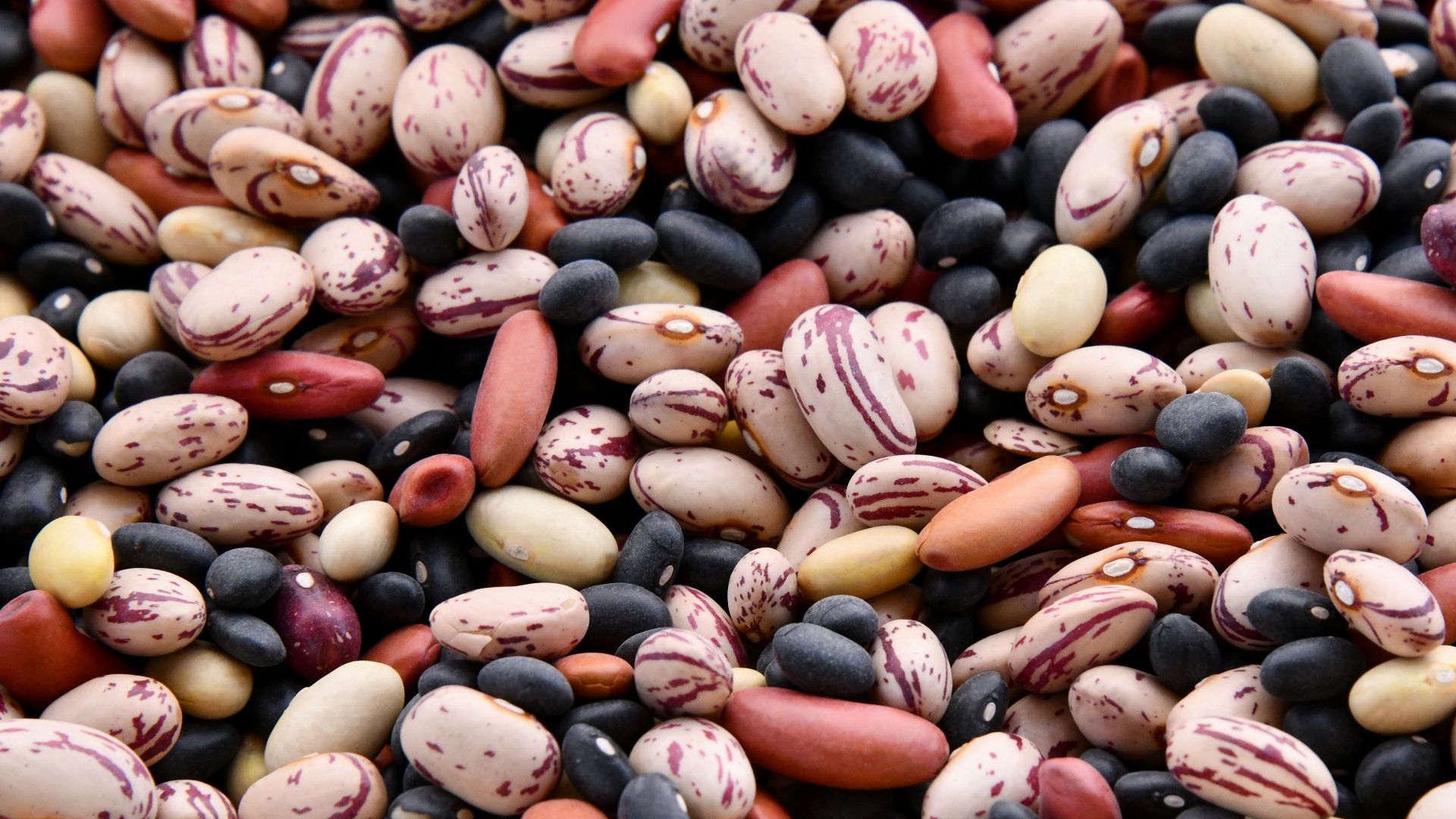
10. Beans
Beans were another useful legume in the ancient Mediterranean diet. They could be prepared in simple stews or eaten alongside grains and vegetables. You could use beans in a meal or soup, and it was yet another thing that could benefit someone in their daily life.
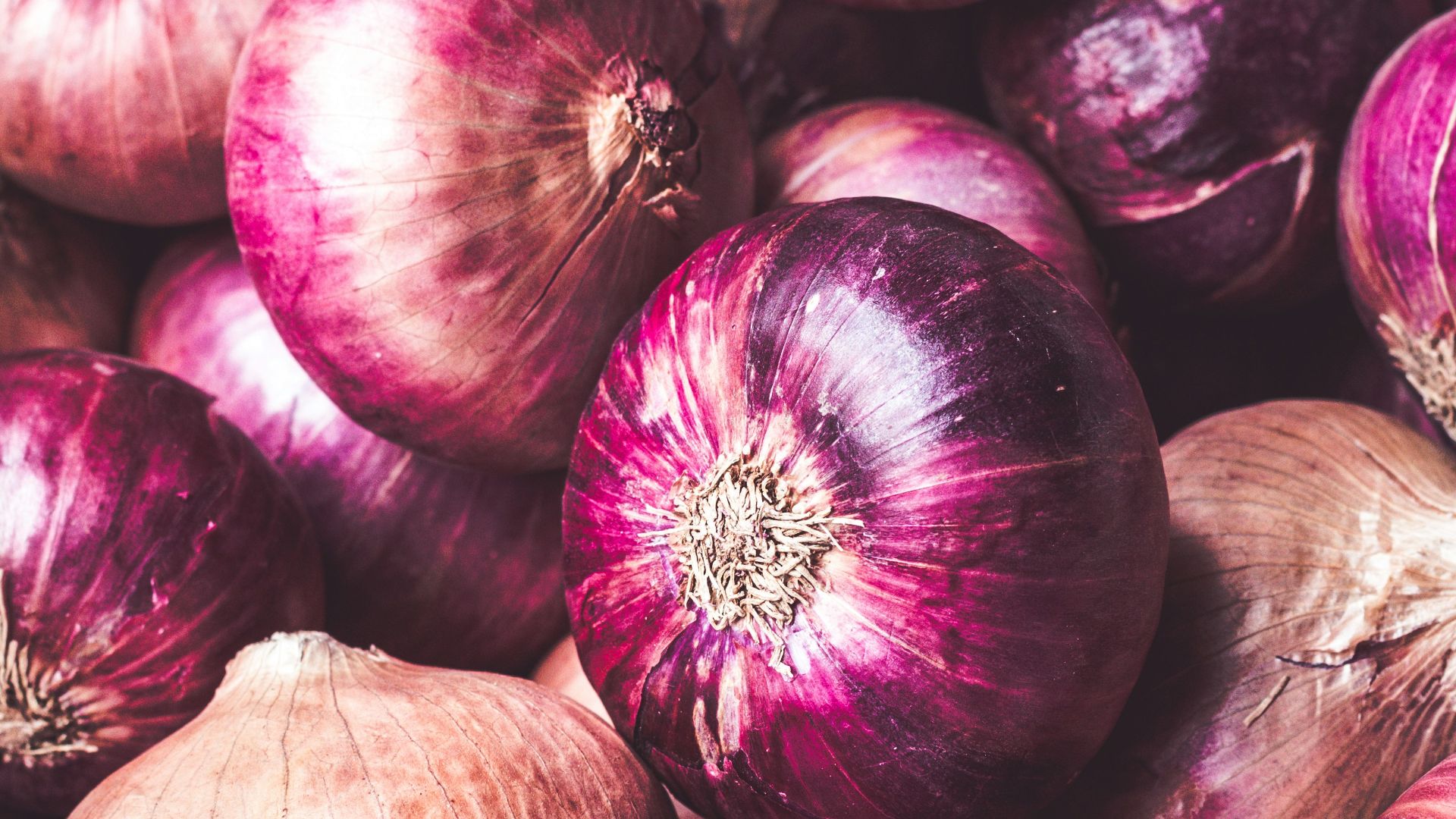
11. Onions
Just like beans, onions would help add a little more flavor to a meal. If you're a big onion lover, you would love spending time in ancient Greece. A little onion could make a fairly plain meal considerably more interesting without making it particularly luxurious.
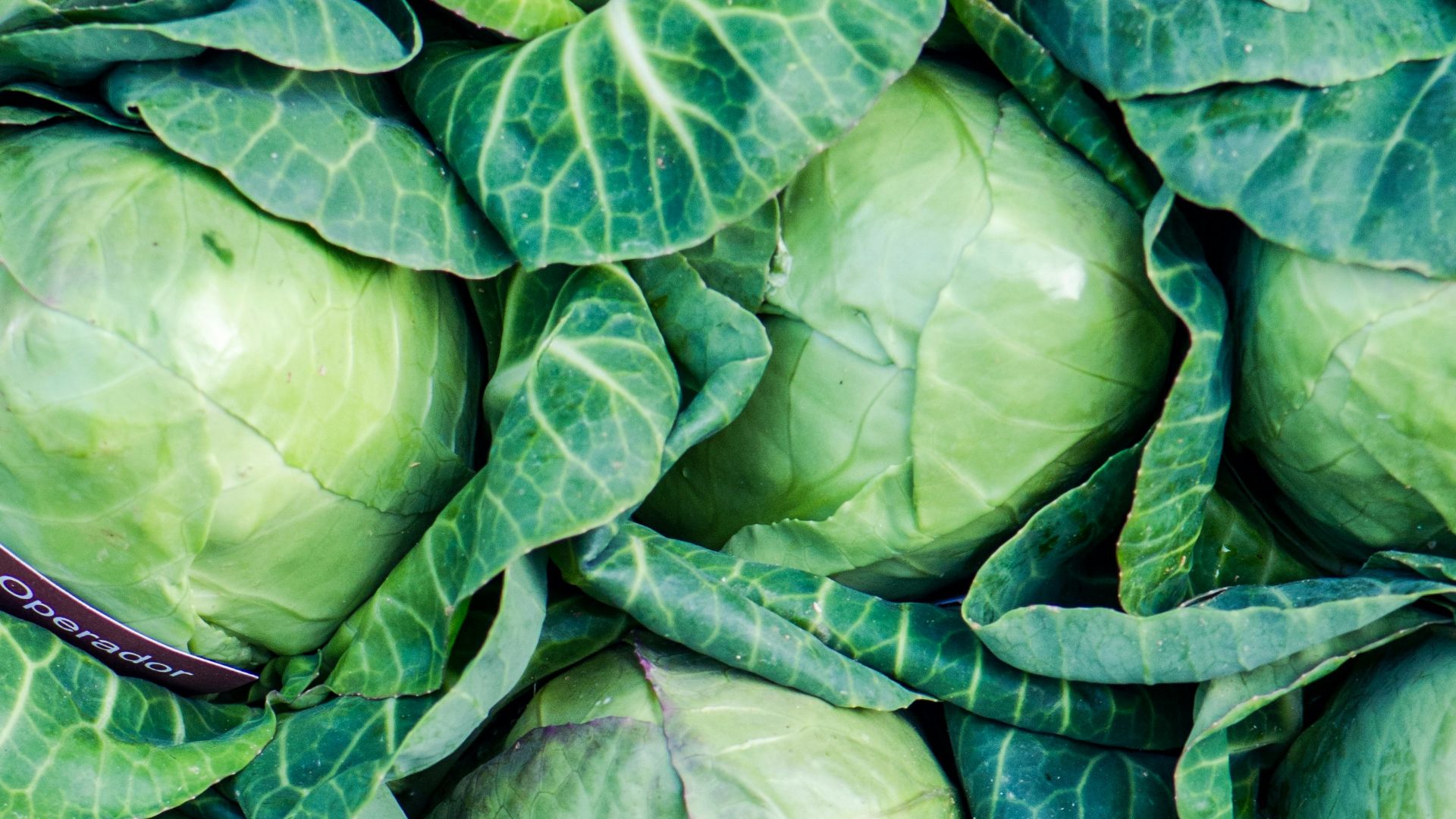
12. Cabbage
Another vegetable that would help with someone's diet. You could have cabbage with your meal and eat it as well. If you want to think of cabbage as a side dish, it would work for you too.
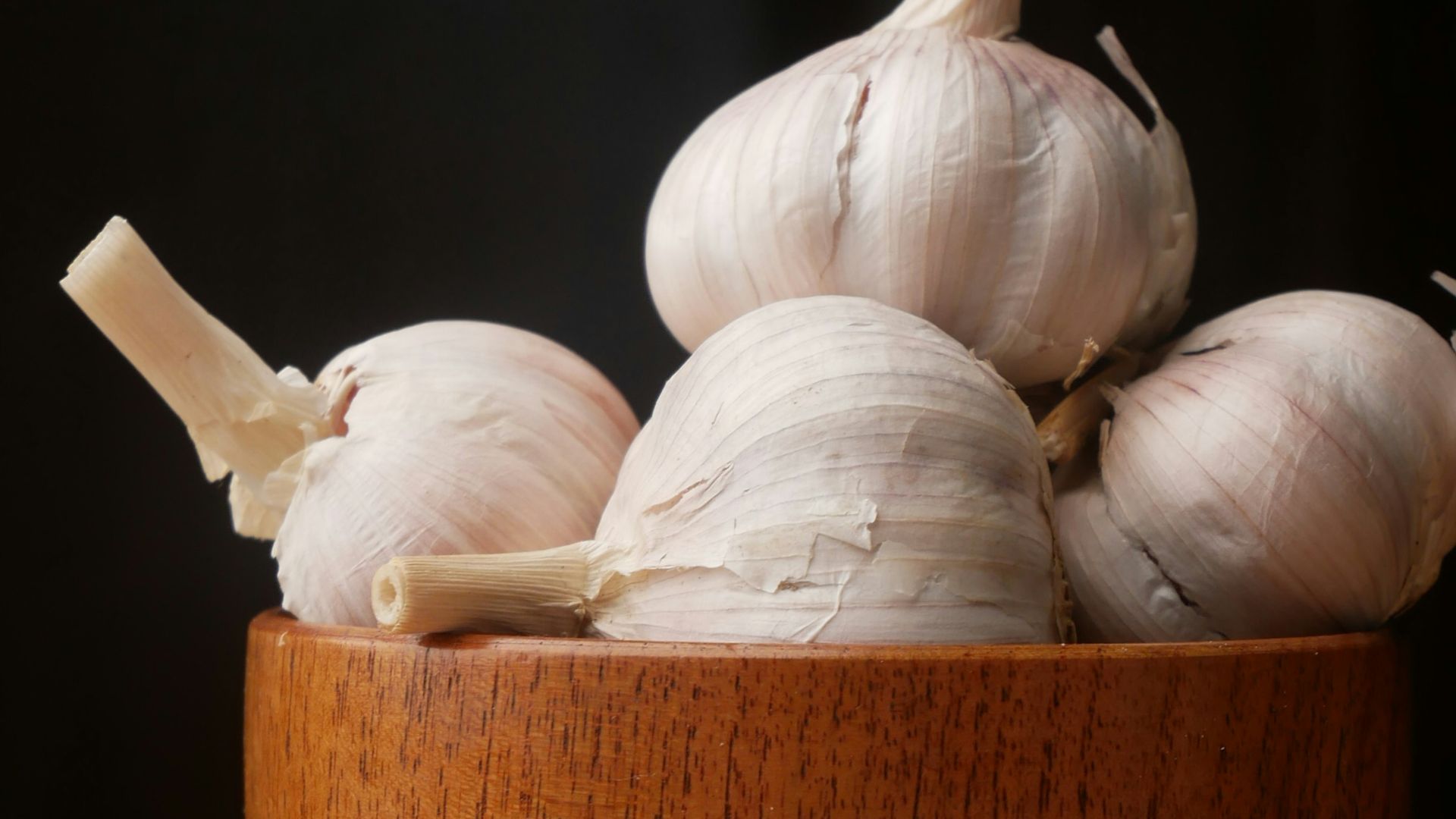
13. Garlic
If you grew up eating garlic, then this will sound familiar to you. Just like onions, garlic was used to give more flavor to food that you ate. If you don't like garlic, you probably wouldn't have appreciated some ancient Mediterranean kitchens.
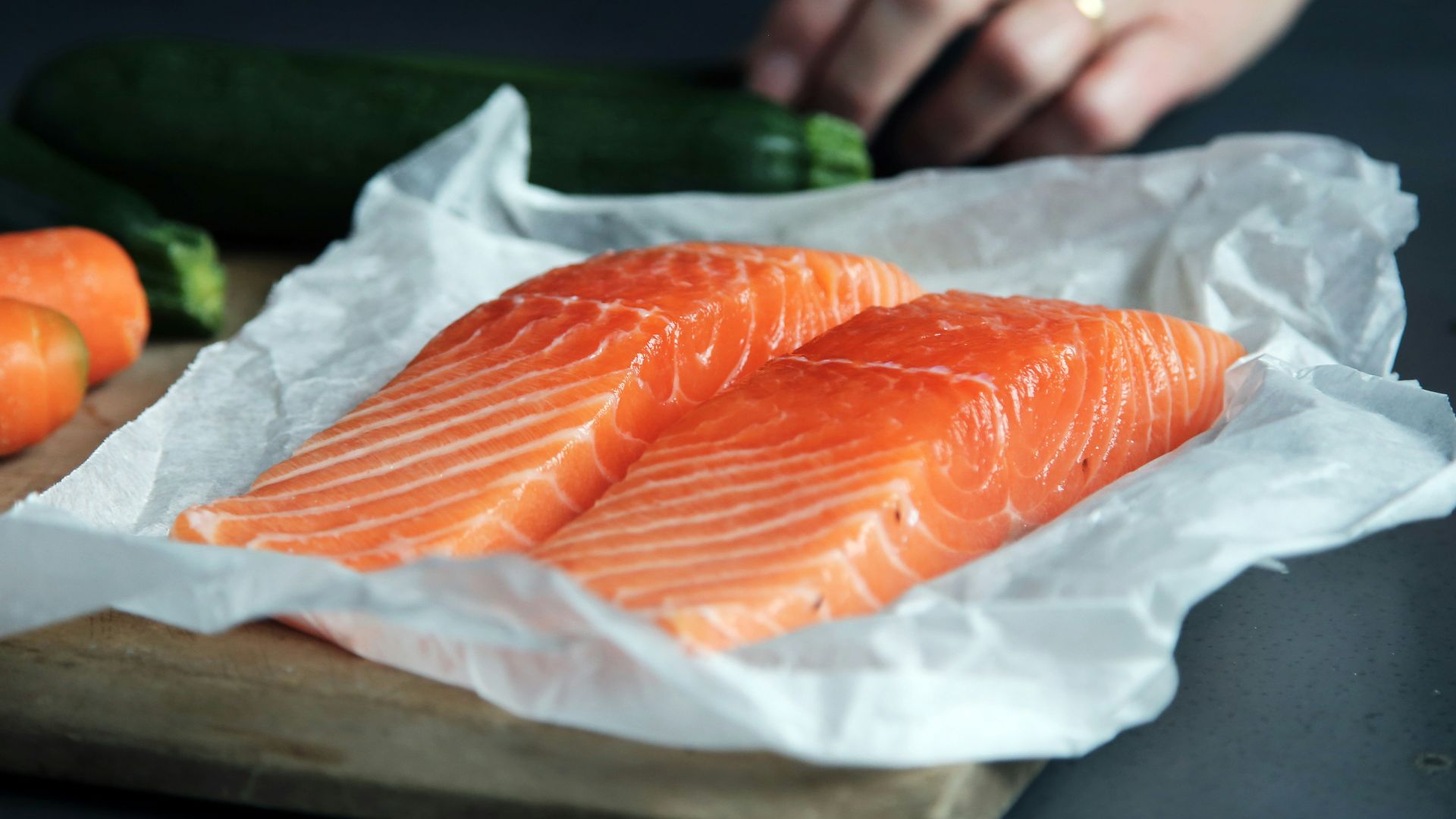
14. Fish
Sparta was inland compared with many Greek coastal communities, but fish was certainly known and consumed in the region. Freshwater fish could be obtained locally, while marine fish could reach inland communities through trade. Fish wasn't necessarily the defining feature of the Spartan diet, but it was among the foods available to people living in the broader Greek food economy.
15. Meat From Sacrificial Animals
Religious sacrifices could provide opportunities for Greeks to eat meat, including meat from animals such as sheep, goats, and cattle. You would sacrifice an animal to the gods and could eat the meat that came from it. This could have been a nice break for them from what they were eating normally.
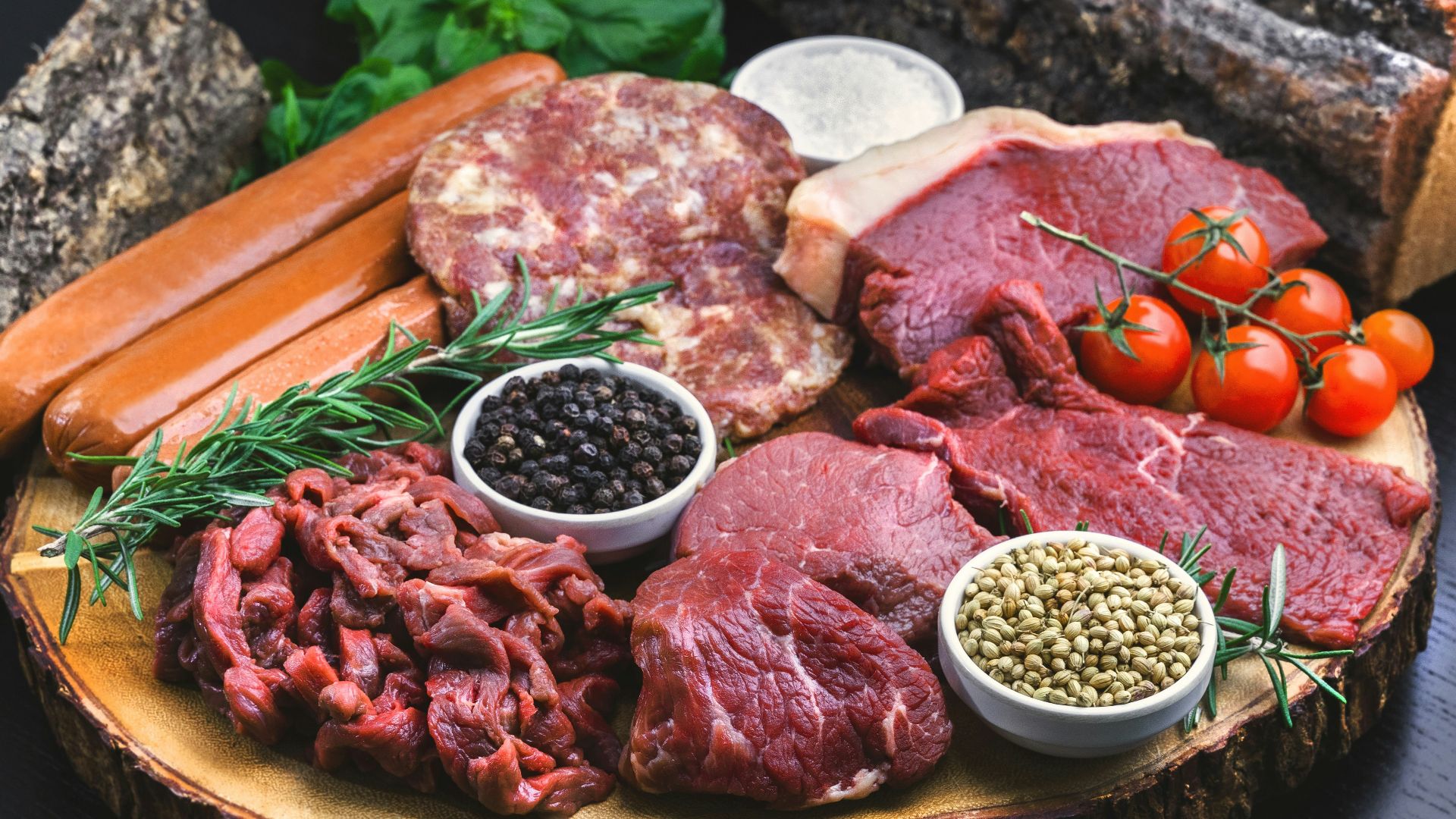
16. Goat Meat
Goats were common livestock throughout the Greek world and could provide both meat and dairy products. Like sheep meat, goat meat was able to provide you with food if sacrificed and would help keep you full for the day. Another reason why Spartans didn't eat a ton of meat was because it wasn't as available.

17. Sheep Meat
Same as above when speaking about goats. You could get meat from sheep as well and use it in your diet. A Spartan warrior might have eaten a much simpler meal on an ordinary day than he would during a major feast.

18. Honey
As humans, we enjoy sweet items to eat from time to time. Honey would have been a great sweetener to have in their lives. Spartans weren't famous for having a sweet tooth, but honey was certainly available in the ancient Greek food supply.

19. Wine
Everyone drank wine back then, and it was a staple beverage for them to drink. Spartans were no exception, and wine could accompany meals or appear during communal gatherings. Their reputation for discipline didn't mean they somehow avoided one of the most widespread beverages in the Greek world.
20. Coarse Wheat Bread
Wheat was also cultivated and consumed in ancient Greece, although barley was especially important in many Spartan and Greek diets. Bread could be made in different forms depending on the grain and preparation methods available. For someone accustomed to modern supermarkets, ancient bread would have been much simpler, but it was still an important part of putting together a filling meal.

KEEP ON READING

20 Foods That Are Buried Before You Eat Them