Your Health Inspector Would Faint
Every culture had to figure out how to keep food from spoiling long before refrigerators existed, and some of the solutions meant putting bacteria, mold, and even insects to work. Many of those methods are still used today, even if parts of the process would look alarming in a modern kitchen. What seems unsanitary to an outsider can be a carefully controlled tradition refined over generations. Here are 20 traditional foods made in ways that look completely unsanitary and taste like home to the people who make them.
 Wibowo Djatmiko (Wie146) on Wikimedia
1. Casu Marzu
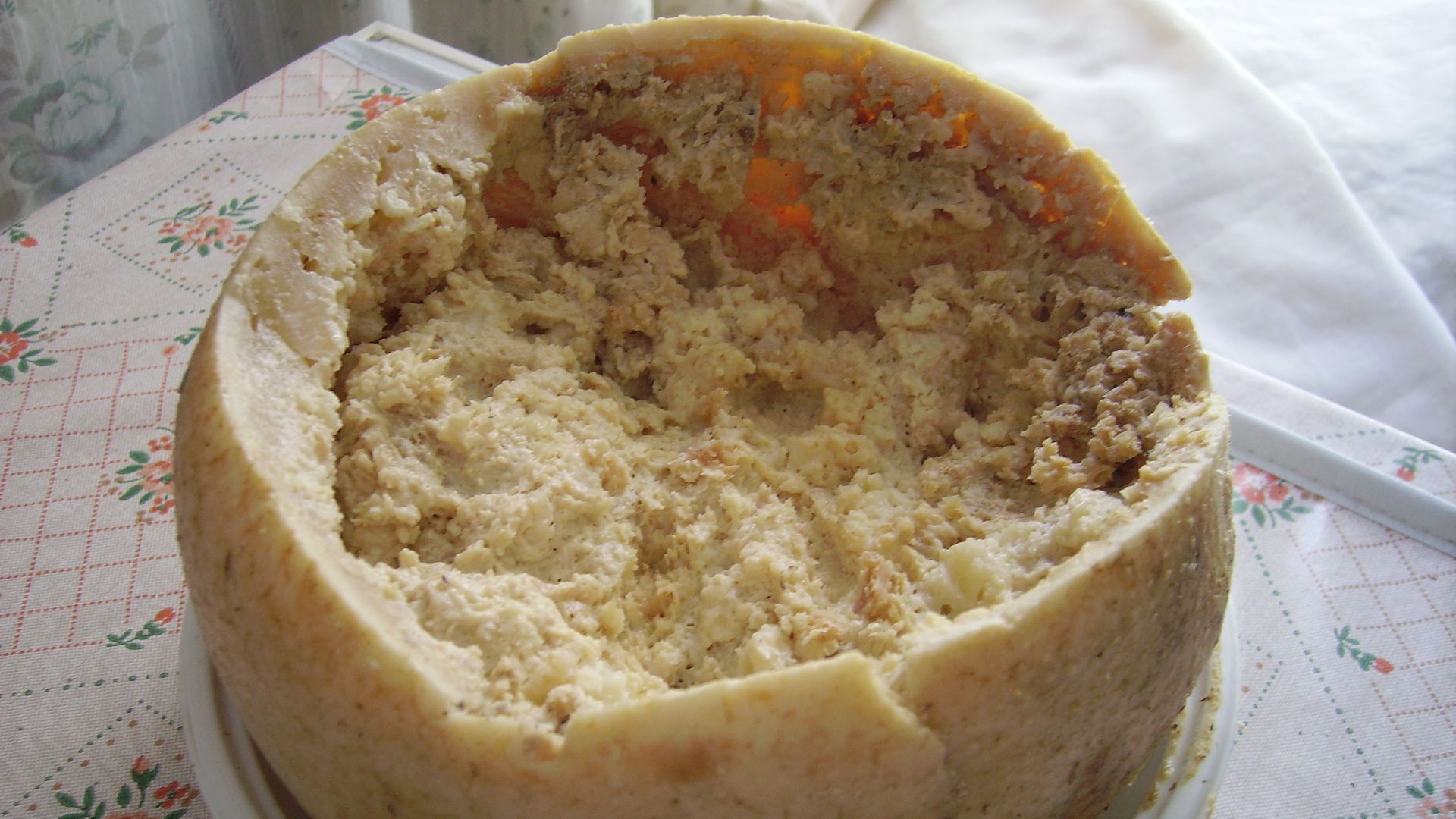
Casu marzu starts as an ordinary Sardinian pecorino until makers cut into the rind and introduce cheese fly larvae to break down the paste. The maggots have to be alive when you eat it, because a wheel full of dead larvae is considered toxic. They can leap half a foot when disturbed, so diners hold a hand over their bread.
2. Kiviak
As many as 500 whole little auks, beaks and feathers on, go into a single hollowed-out seal skin that gets sewn shut and buried under a heap of stones for three months. Greenlanders eat the auks raw, with the bones and organs included. In 2013, several people in Siorapaluk died of botulism after a batch was made with eider instead of auk.
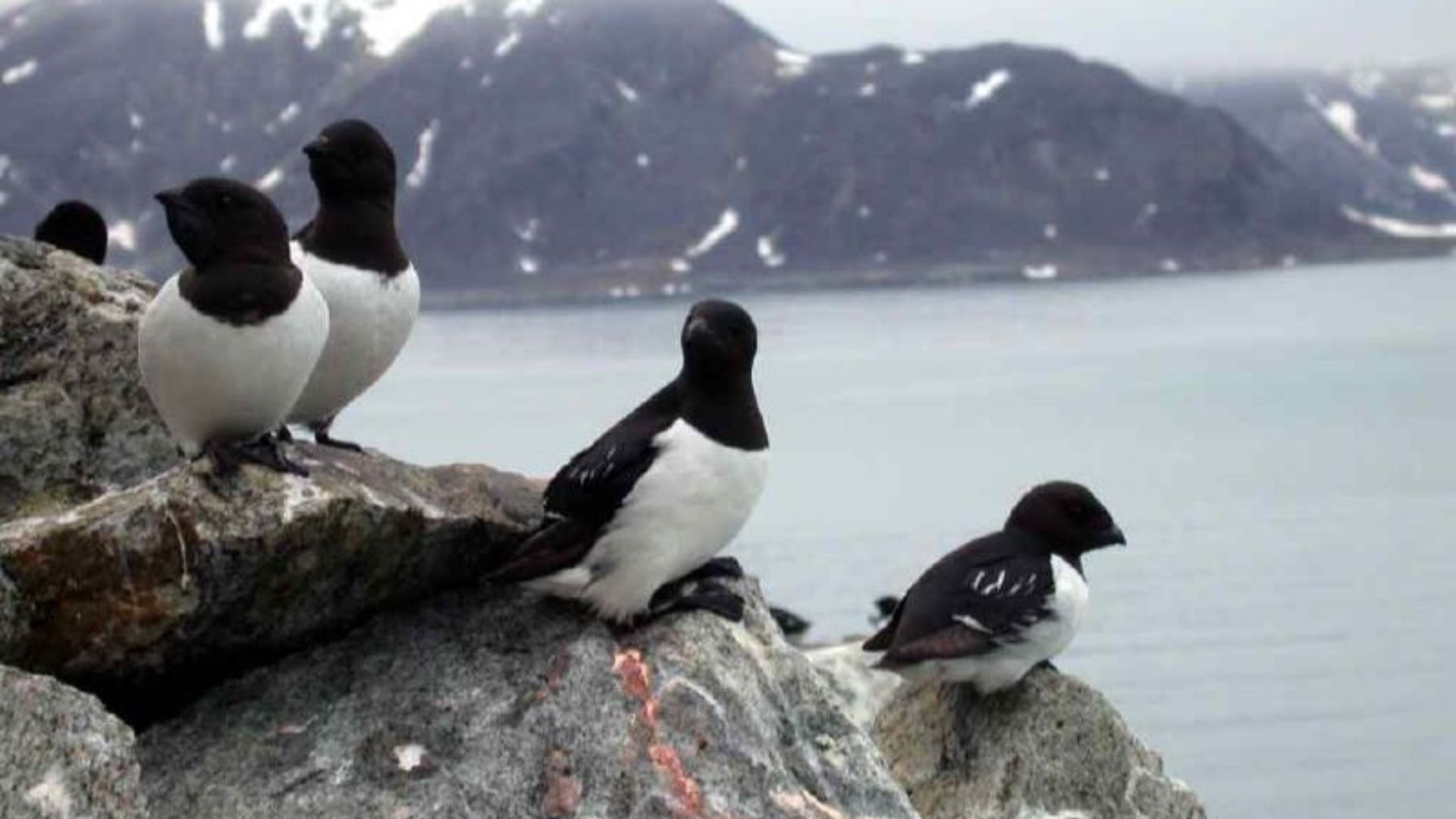 Alastair Rae from London, UK on Wikimedia
3. Hákarl
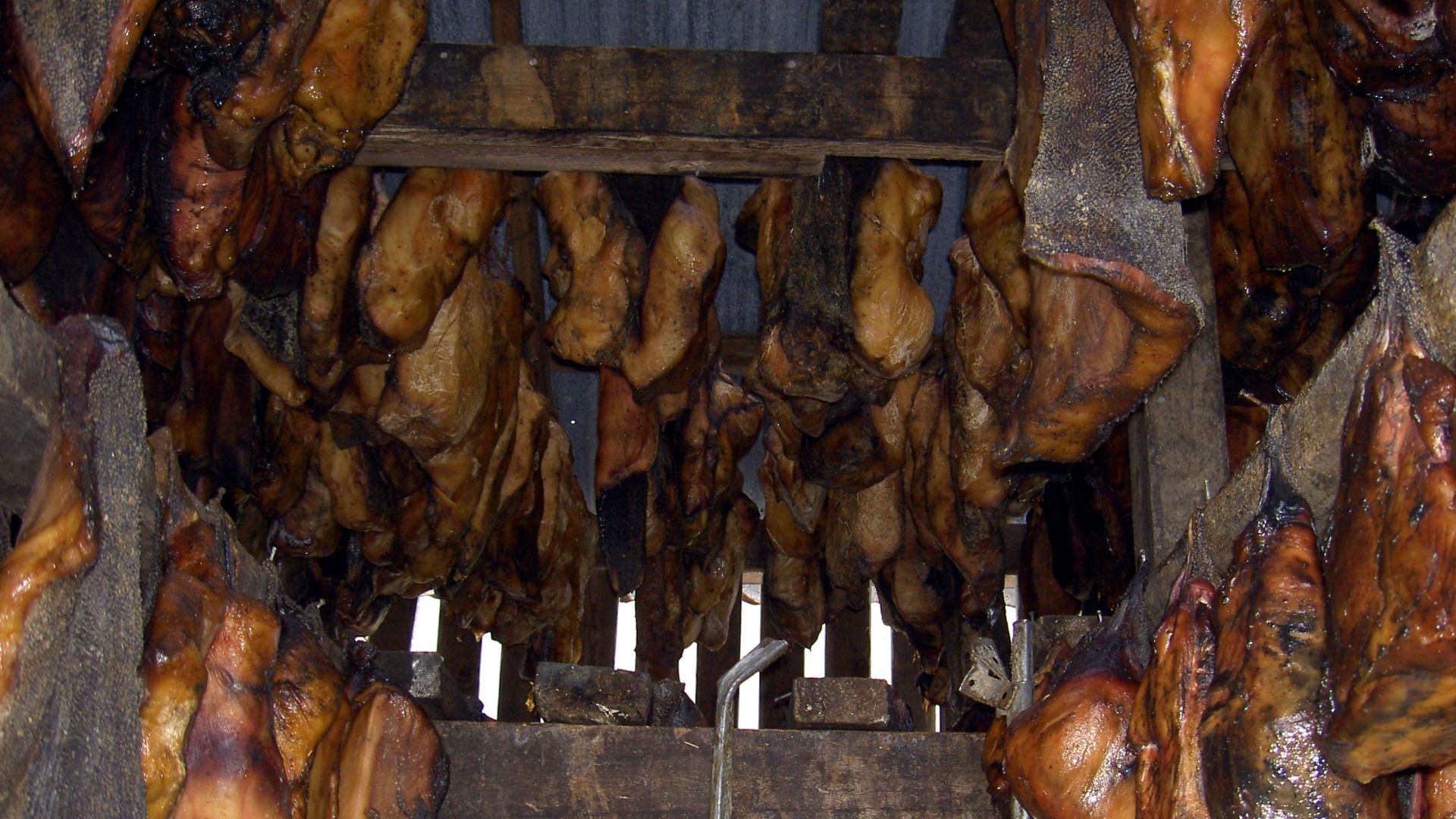
Fresh Greenland shark is poisonous because of its high urea and trimethylamine oxide content. Icelanders get around that by burying the gutted shark in gravelly sand under heavy stones, then hanging the strips to dry for four to five months. Even finished, it has a strong ammonia smell.
4. Surströmming
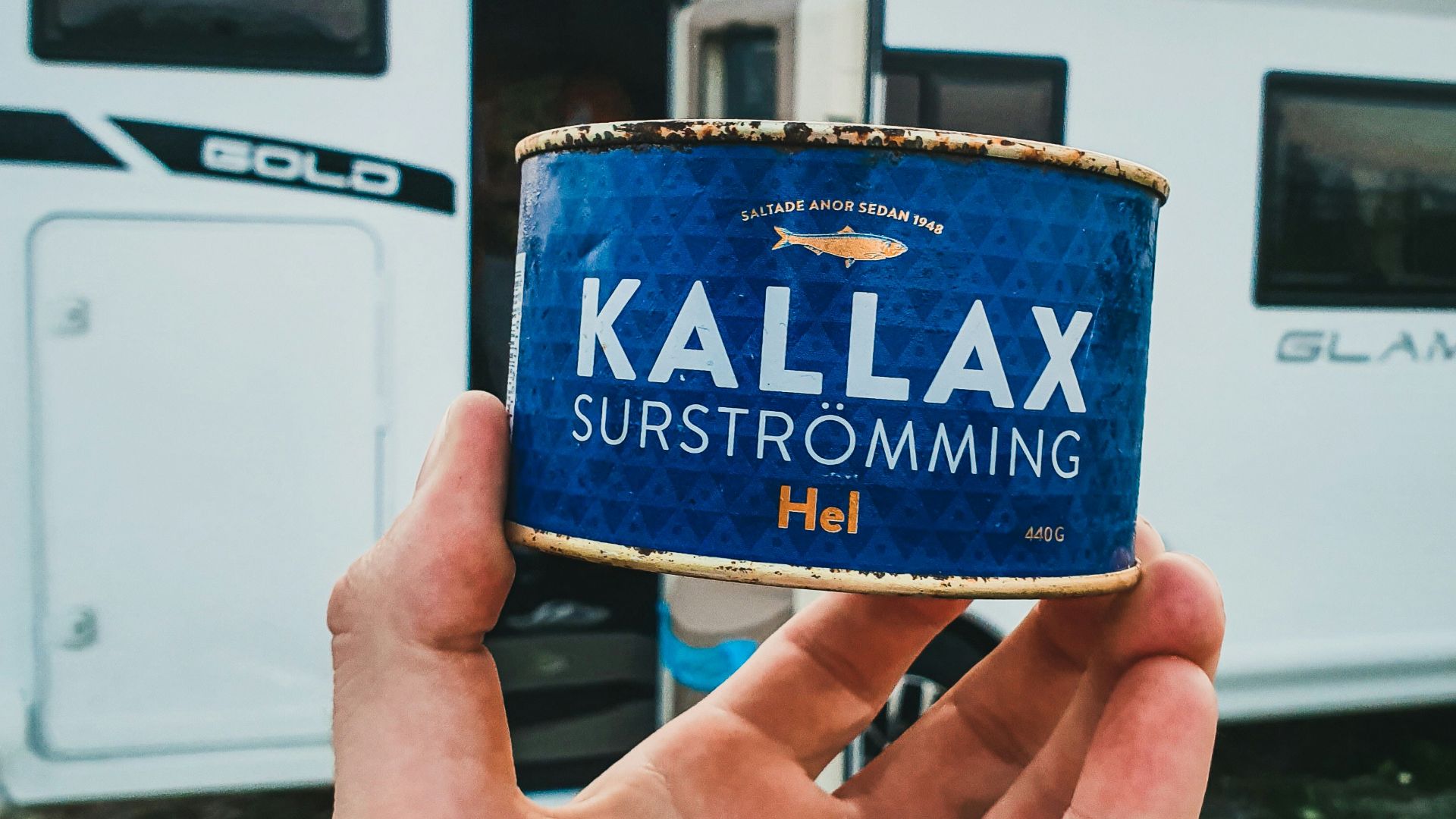
A can of Swedish fermented herring is supposed to bulge. The fish keep fermenting inside the sealed tin, and on any other canned food that swelling would be a warning sign for botulism. When a Swedish warehouse caught fire in 2014, a thousand cans exploded over six hours.
5. Bird's Nest Soup
The star ingredient of this Chinese delicacy is bird spit. Edible-nest swiftlets build their nests almost entirely from hardened saliva, and cooks double-boil them with rock sugar. Indonesia, which exports 2,000 tons a year, supplies more of them than anywhere else in Southeast Asia.
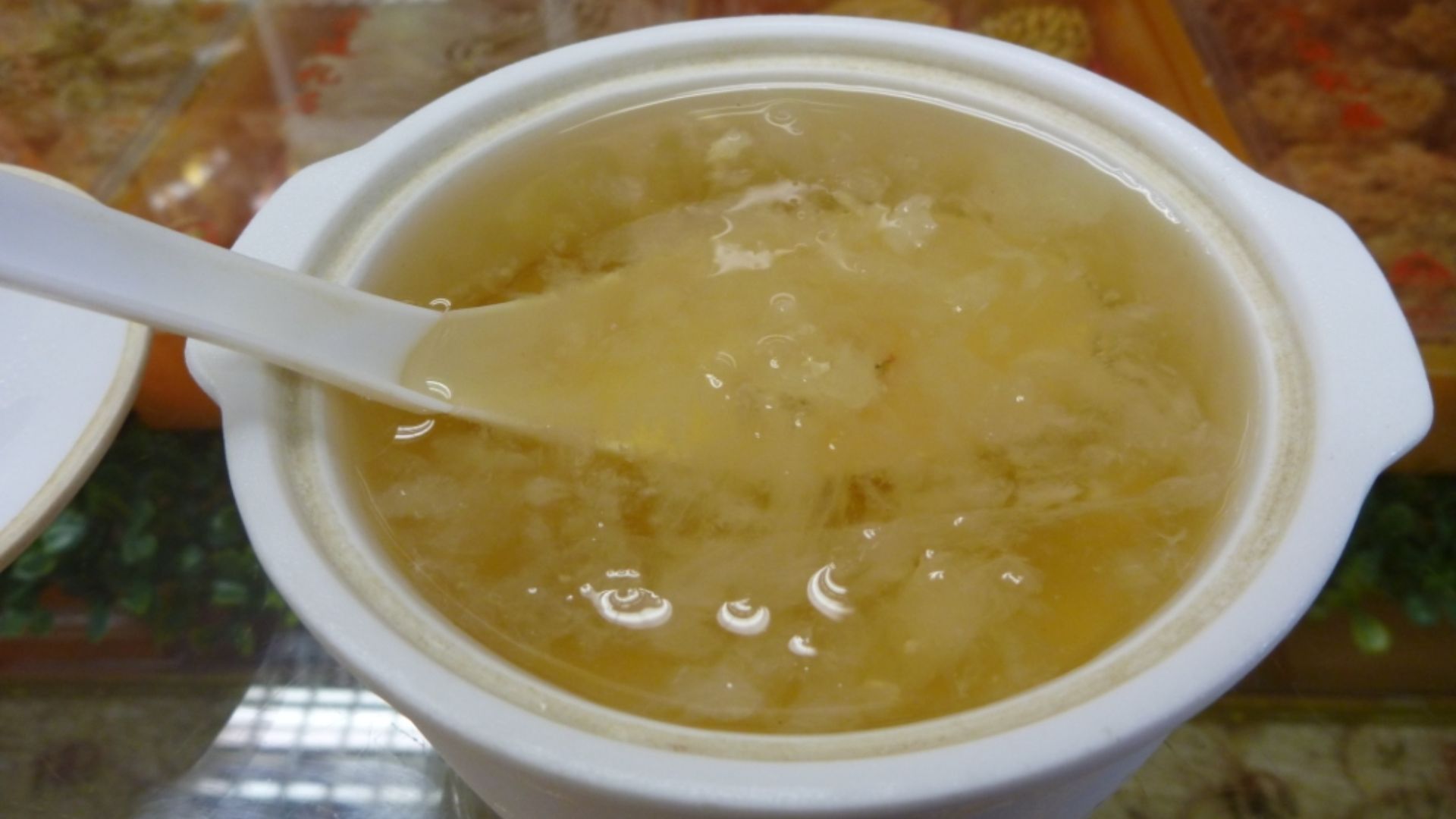 Robert Staudhammer from Earth on Wikimedia
6. Chicha de Muko
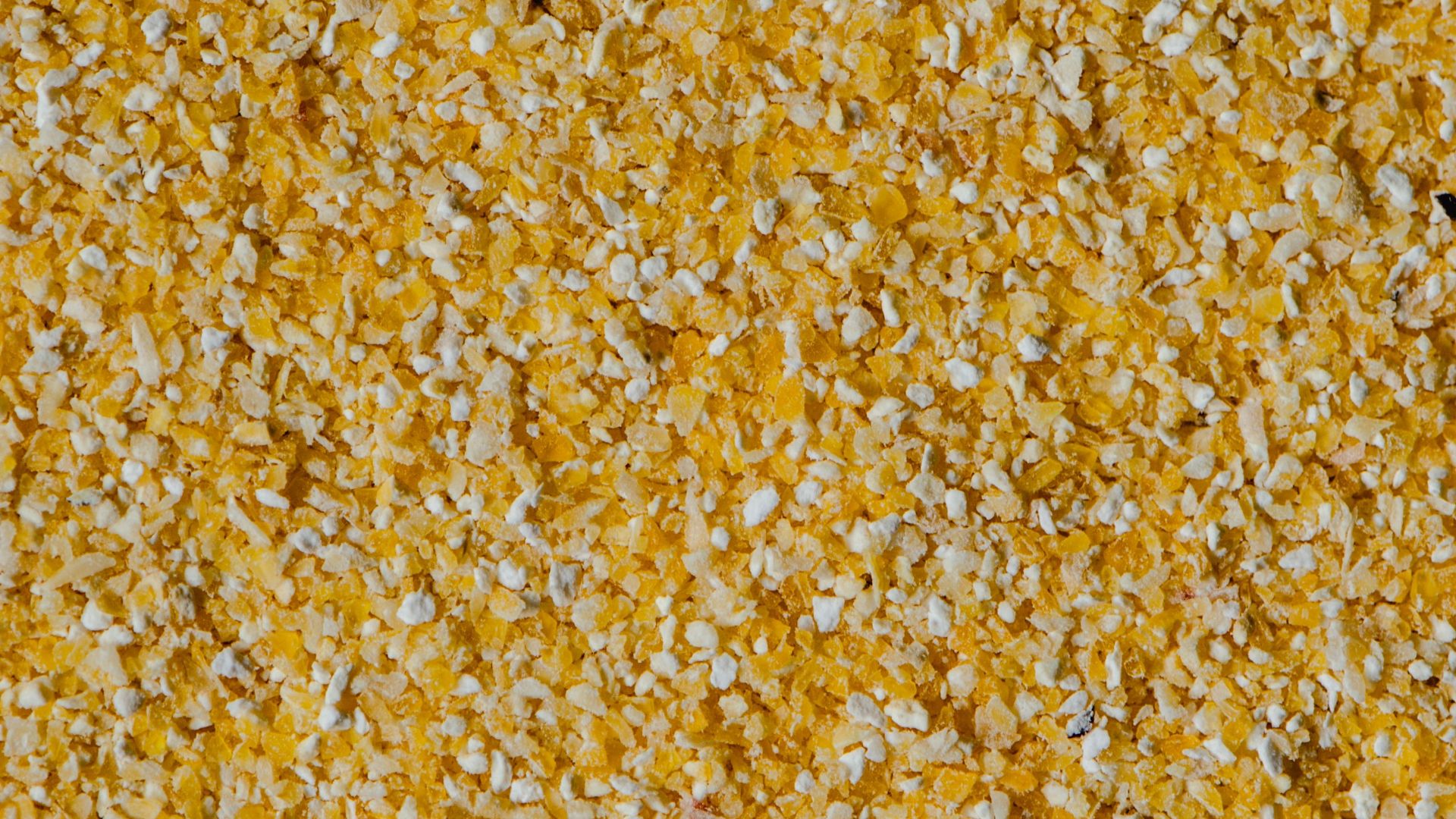
In parts of the Andes, brewers work cornmeal around their mouths until it's saturated with saliva and dry the wads into cakes called muko. Enzymes from the spit convert the corn's starch into maltose for the yeast to eat. The alcoholic fermentation afterward kills off most of the bacteria a mouth adds.
7. Masato
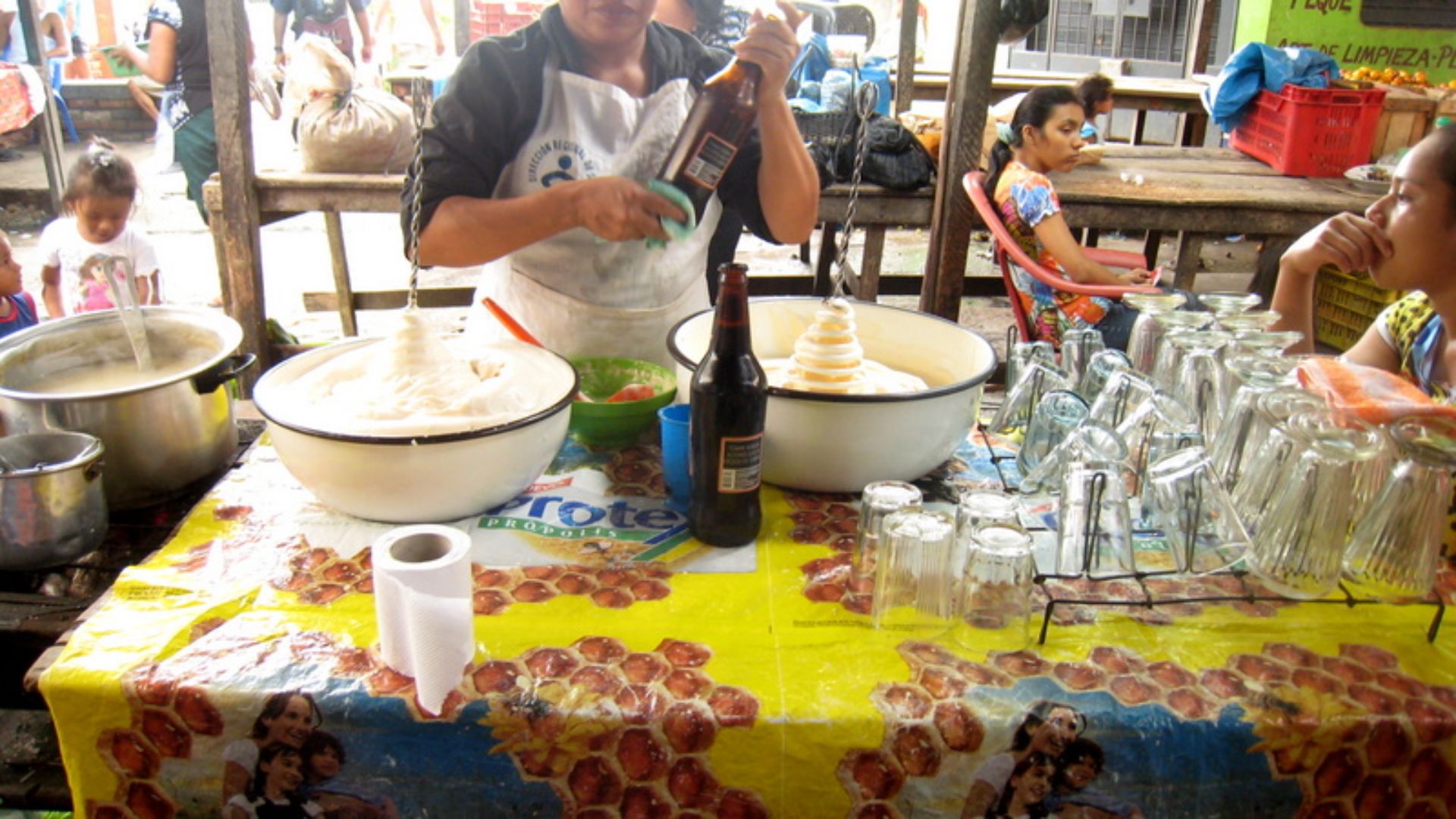
Yuca is loaded with starch and holds almost no sugar, so saliva does the conversion work. Brewers in the Peruvian Amazon chew a single mouthful for close to 30 minutes and spit it into a bucket, where it sits for four to 10 days. What comes out lands near the alcohol level of a Budweiser.
8. Kopi Luwak
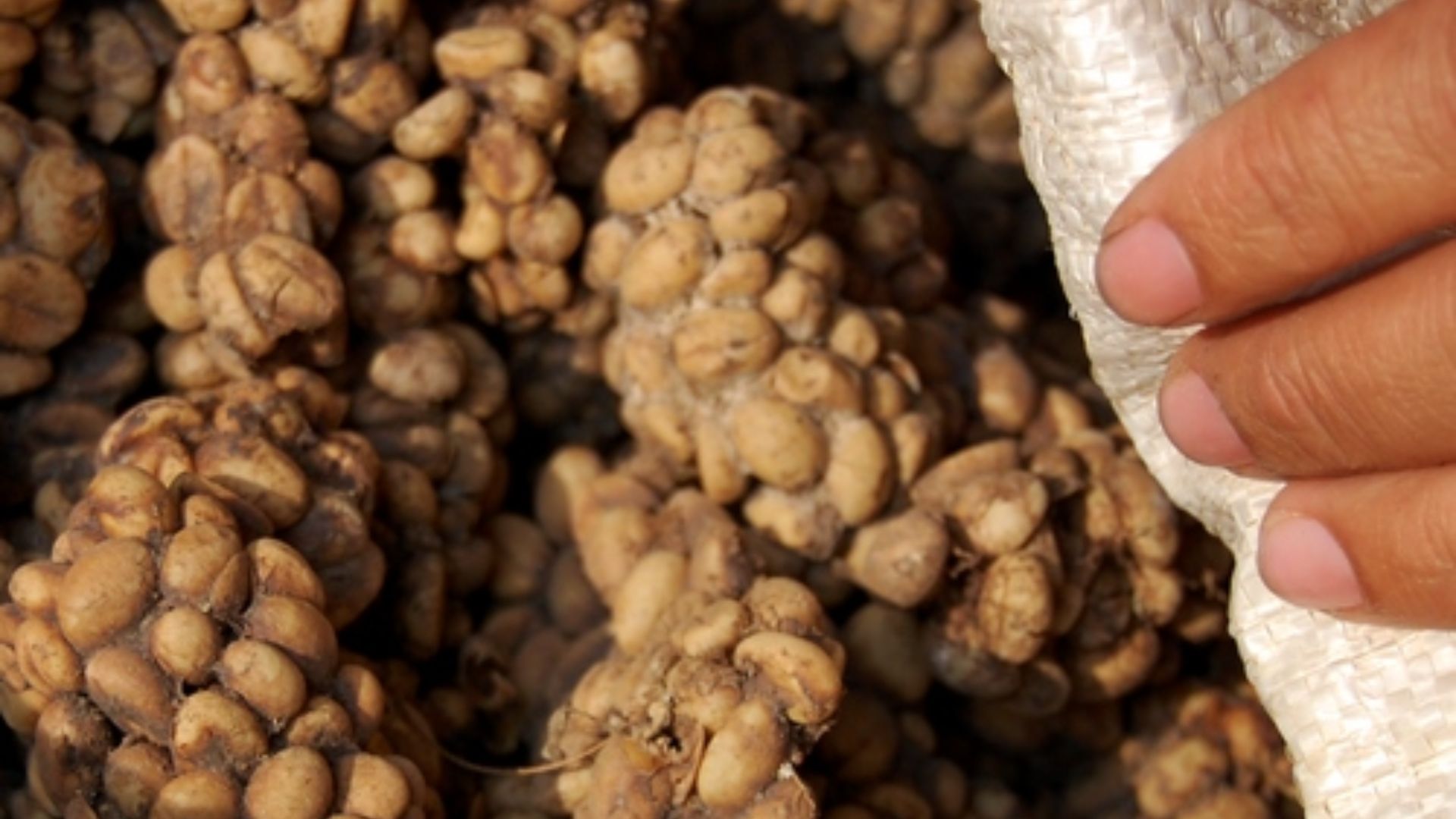
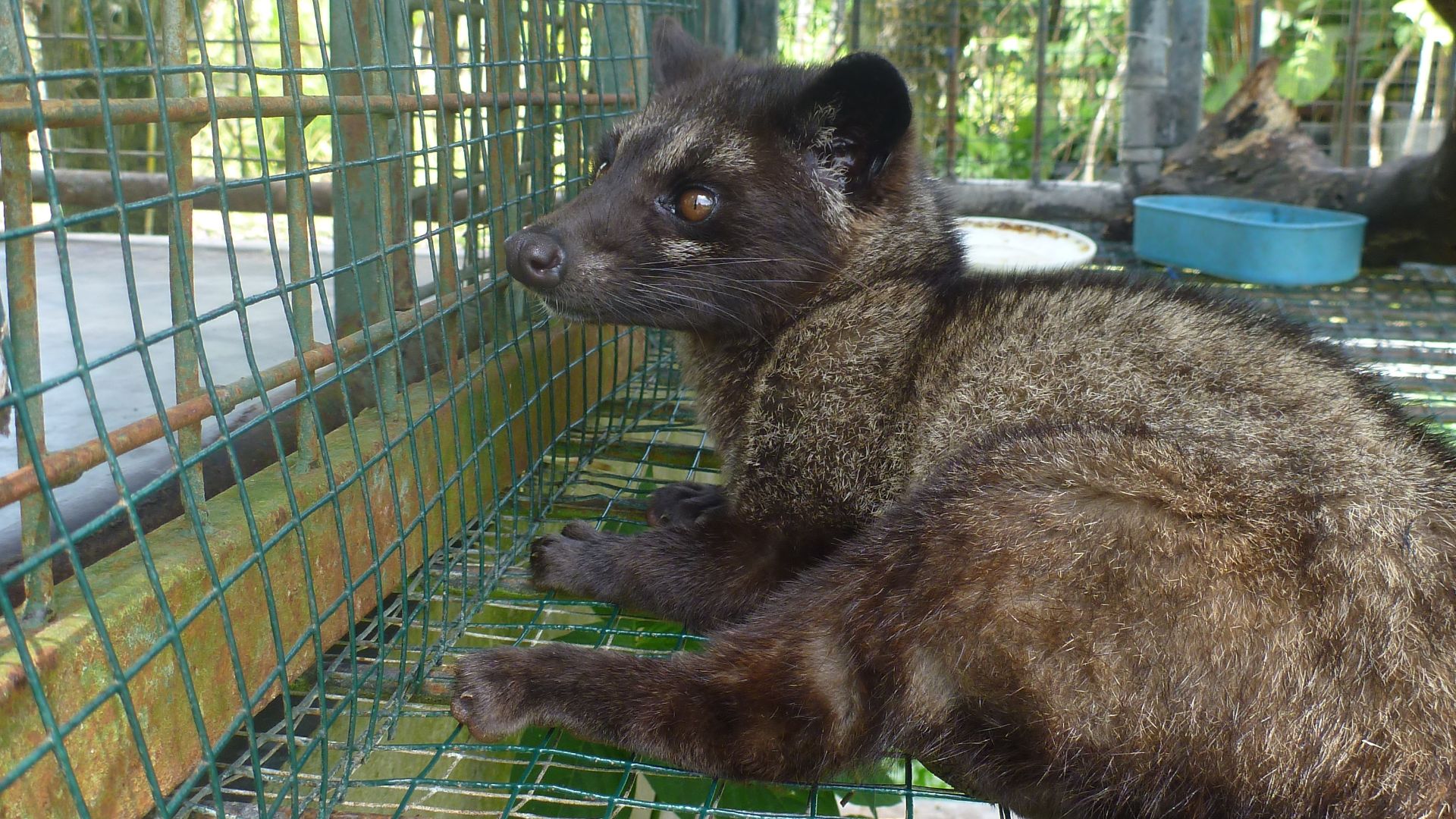
Asian palm civets eat whole coffee cherries and pass the beans in their feces. Producers wash and roast those beans, and Harrods once sold the result at £25 for 50 grams. A 2016 World Animal Protection study found caged civets on plantations living in enclosures lined with old and new droppings.
 Sofig (Sophie Grail) on Wikimedia
9. Century Eggs
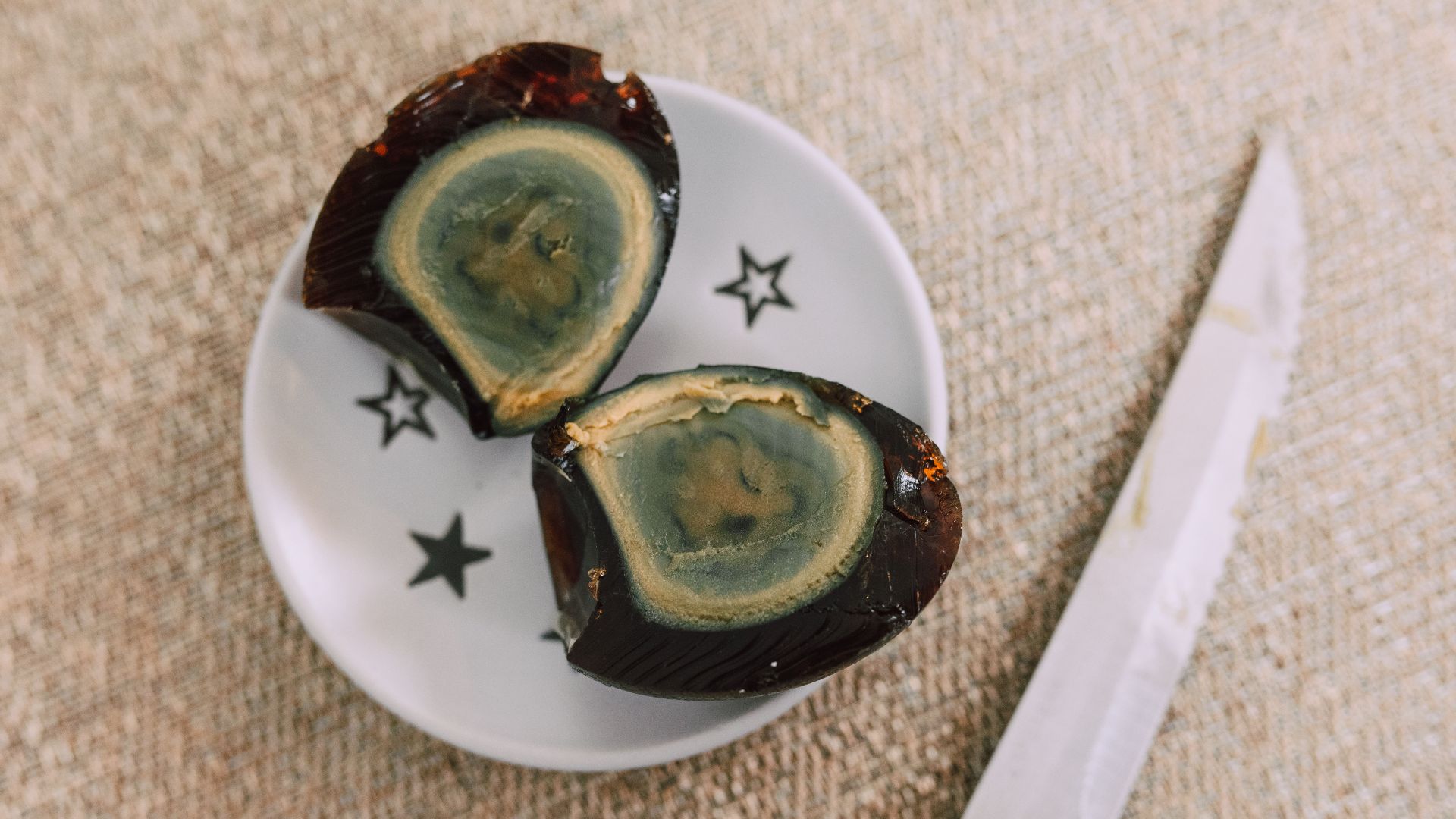
Makers pack duck eggs in a paste of clay, ash, and quicklime before rolling them in rice hulls. That cure runs anywhere from a few weeks to a few months, though commercial producers use lye to finish the job in two. Nothing about the name is literal, since no century egg is older than that.
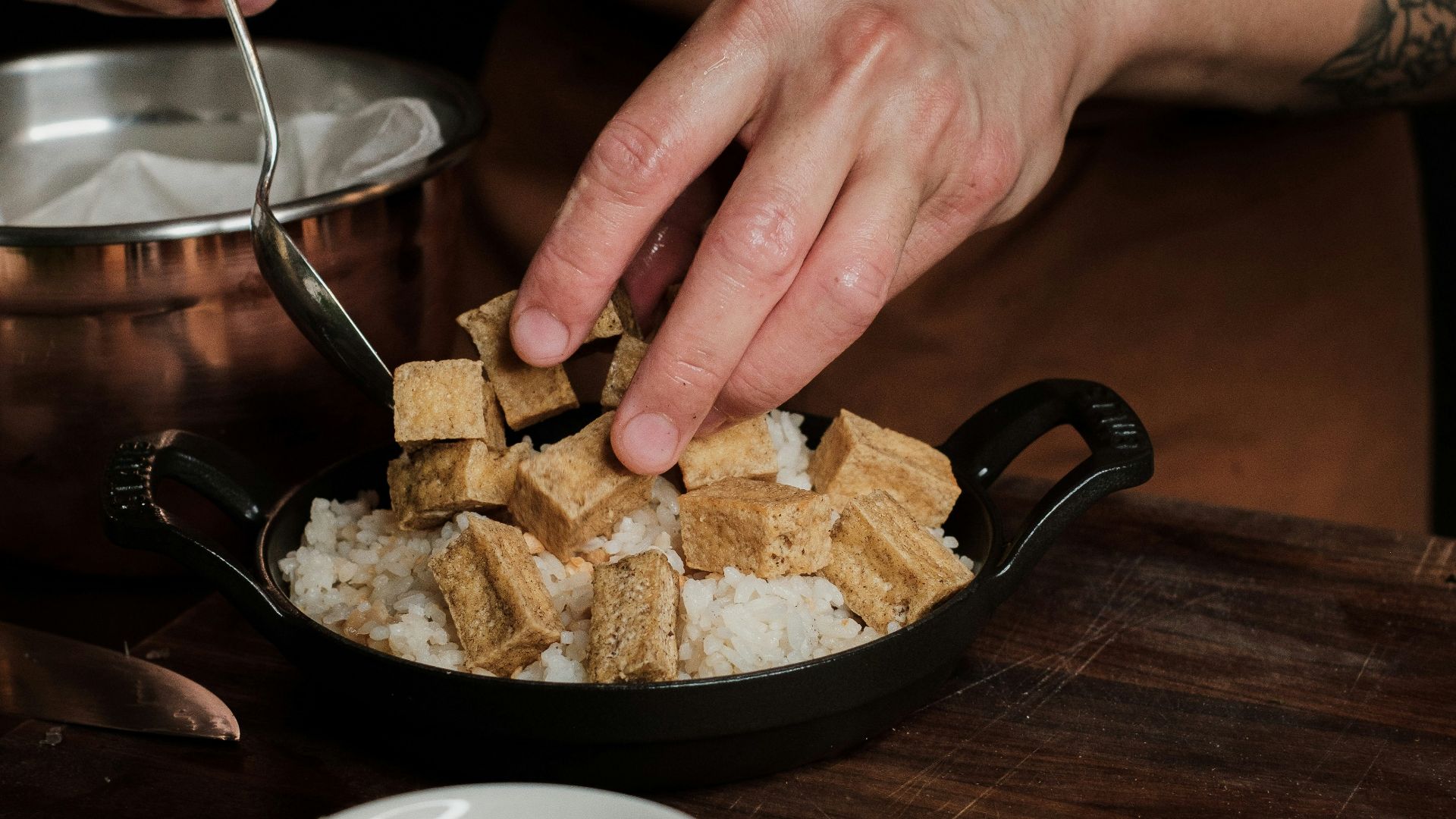
10. Stinky Tofu
The brine comes first, built from fermented milk mixed with vegetables and meat. The old method leaves it open to the air for half a year, and insects and fungal growth arrive along the way. A block of fresh tofu needs only four to six hours in that liquid to take on the smell.
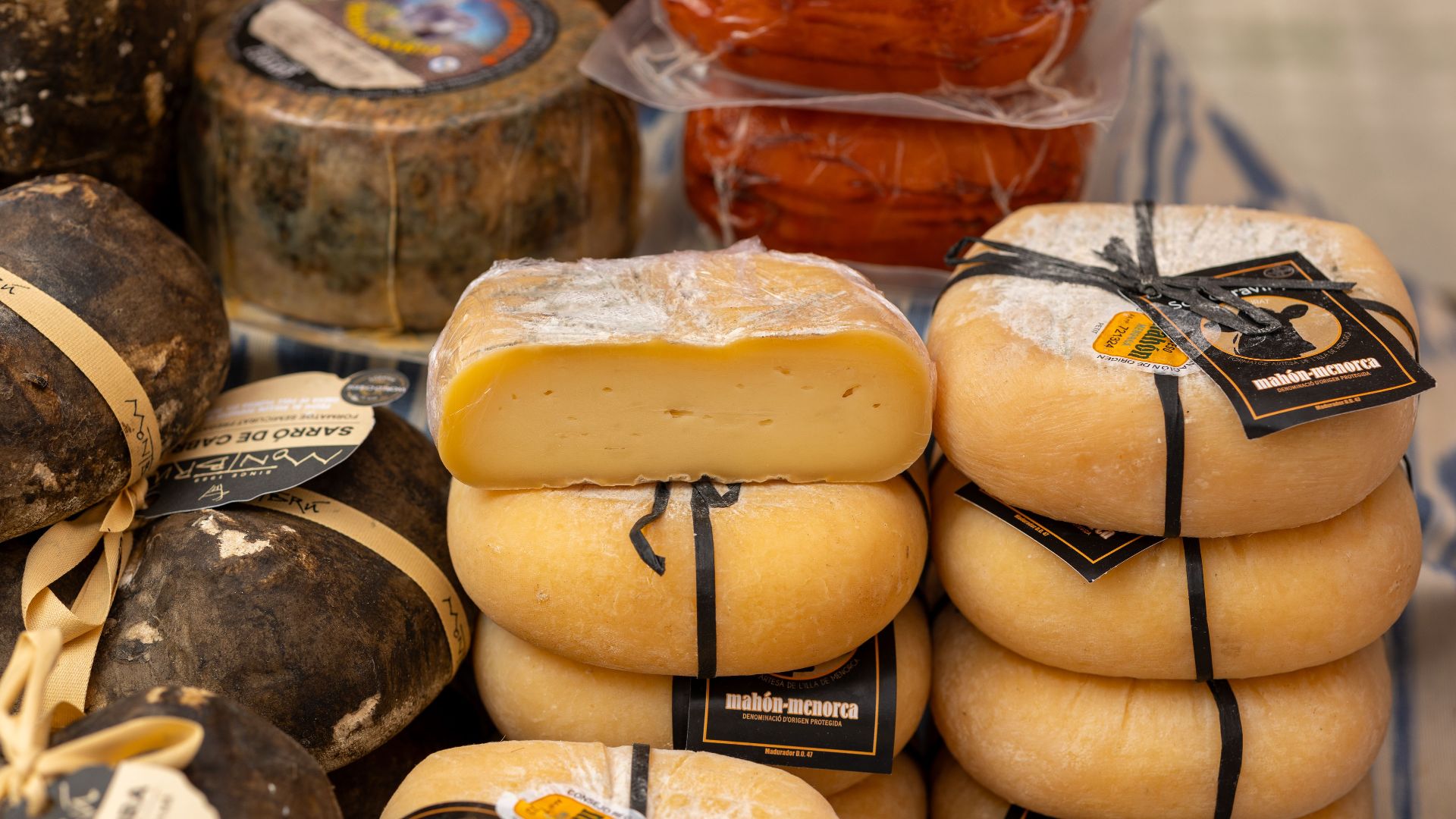
11. Mimolette
Cheese mites chew on Mimolette's orange rind for years before a blast of compressed air clears most of them off. In 2013 the FDA parked a ton of the stuff in New Jersey warehouses over a target of no more than six mites per square inch.
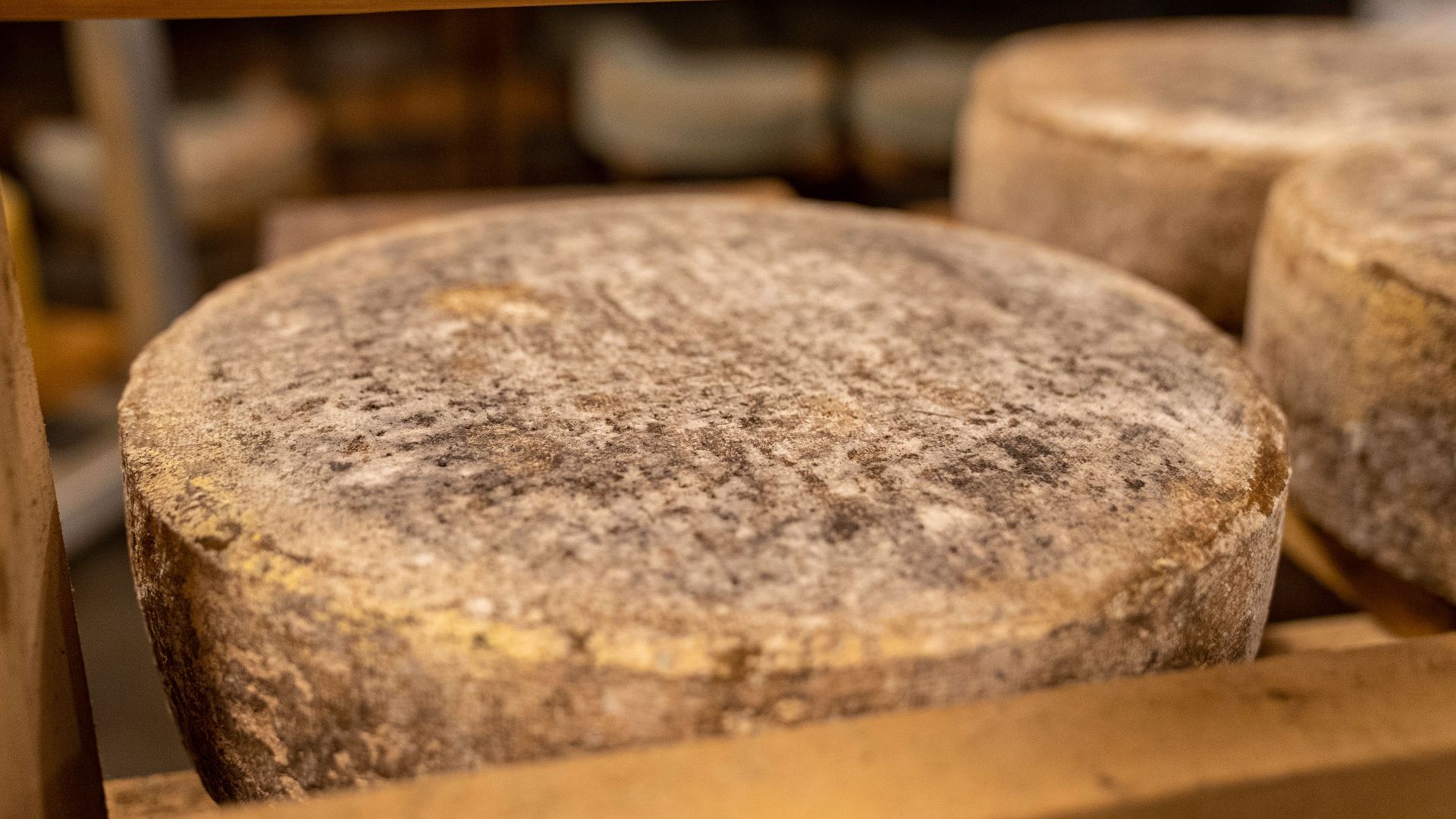
12. Milbenkäse
Würchwitz, Germany, has a memorial to the cheese mite. Balls of quark flavored with caraway and salt sit in a wooden box of rye flour and live mites, with the flour there to keep the mites from eating the cheese itself. Some let that run a full year, until the rind goes black, and nobody picks off the mites before it reaches the table.
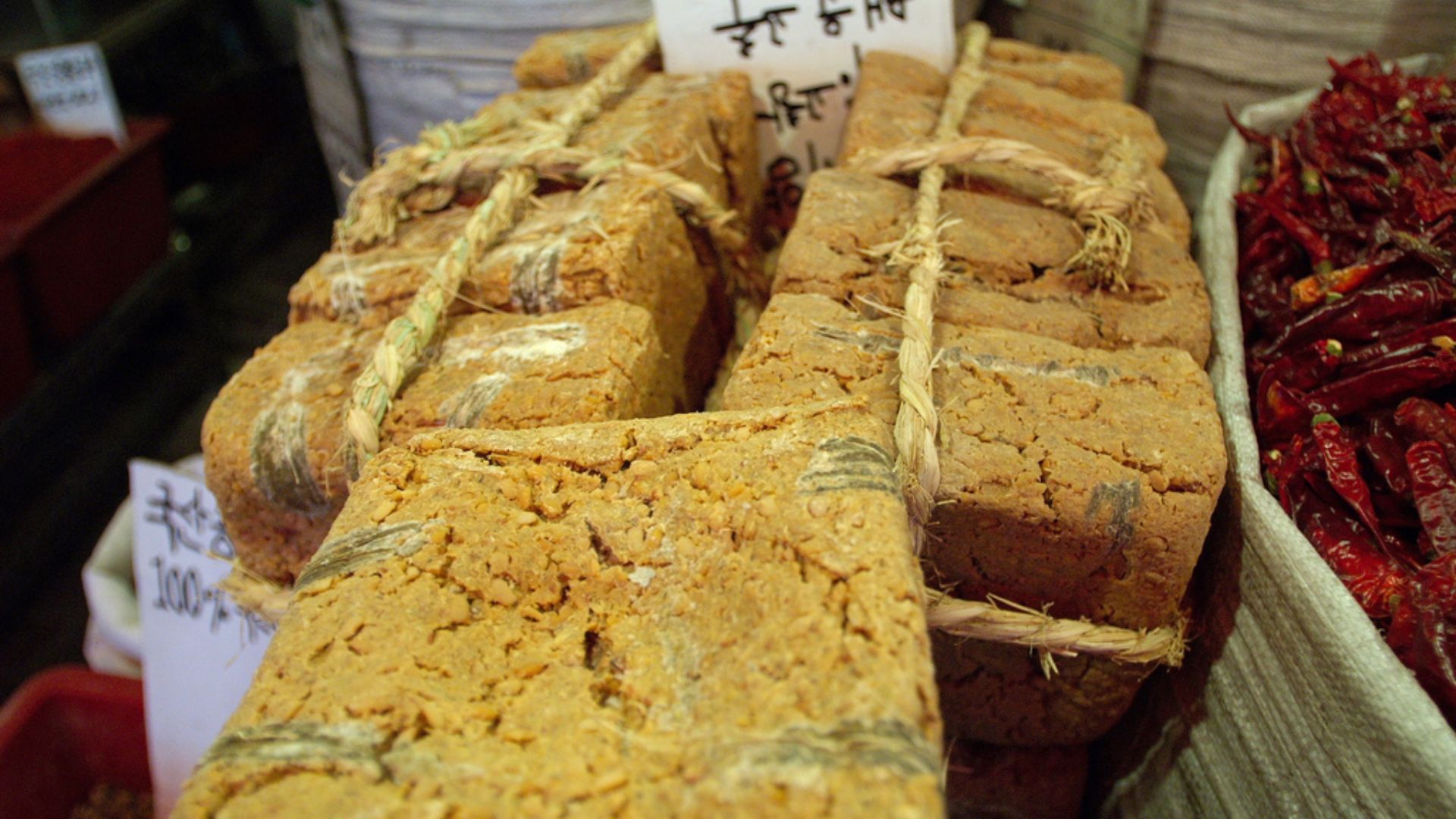
13. Meju
Korean households hang blocks of mashed soybeans from the ceiling until they're furred over with white and greenish fungus. Wrapping the blocks in rice straw passes Bacillus subtilis bacteria into the beans. The moldy bricks then soak in salt water for two to three months and turn into doenjang.
14. Katsuobushi
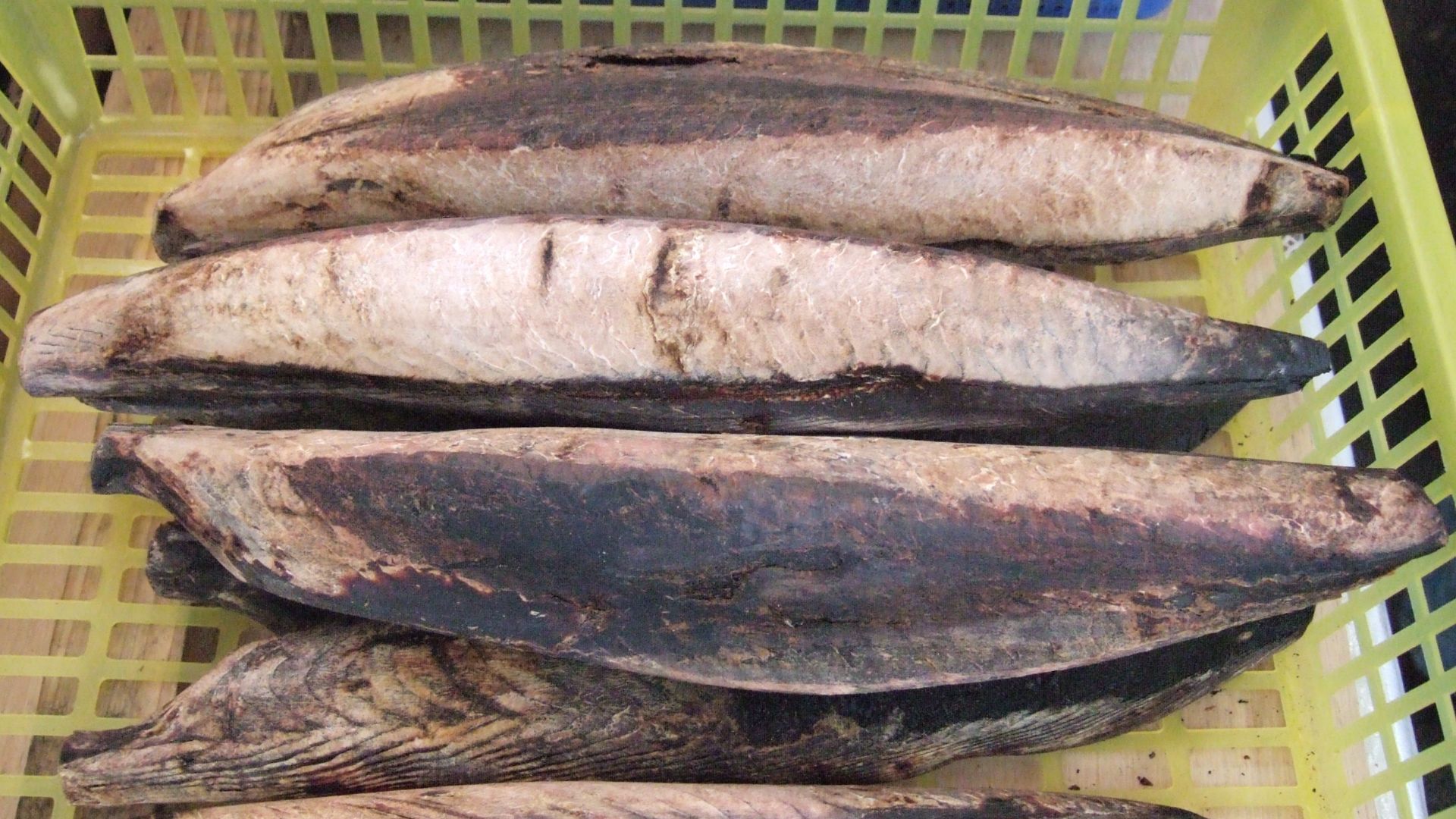
The bonito flakes on your okonomiyaki come from a tuna fillet as hard as a piece of wood. Producers smoke skipjack before spraying it with Aspergillus mold and chambering it for two weeks at a stretch. They alternate mold and sunshine for months until moisture drops to 18 or 20 percent.
15. Vintage Port
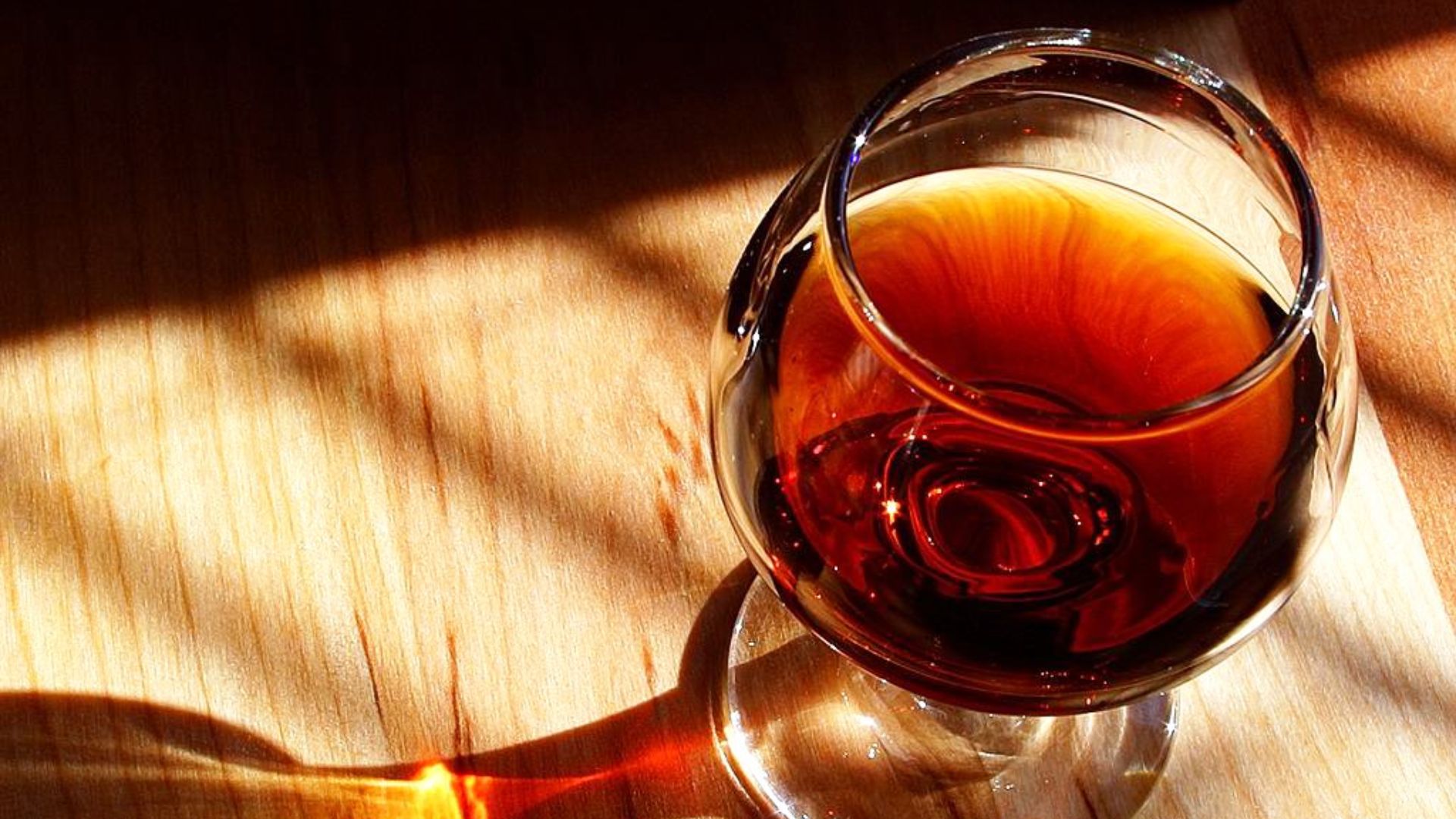
Bare feet still crush the grapes for some of Portugal's best port, in thigh-deep granite tanks called lagares. At Quinta do Crasto, a team of roughly ten treads them four hours a day across four days. The estate owns mechanical treading equipment and skips it for the port anyway.
16. Airag
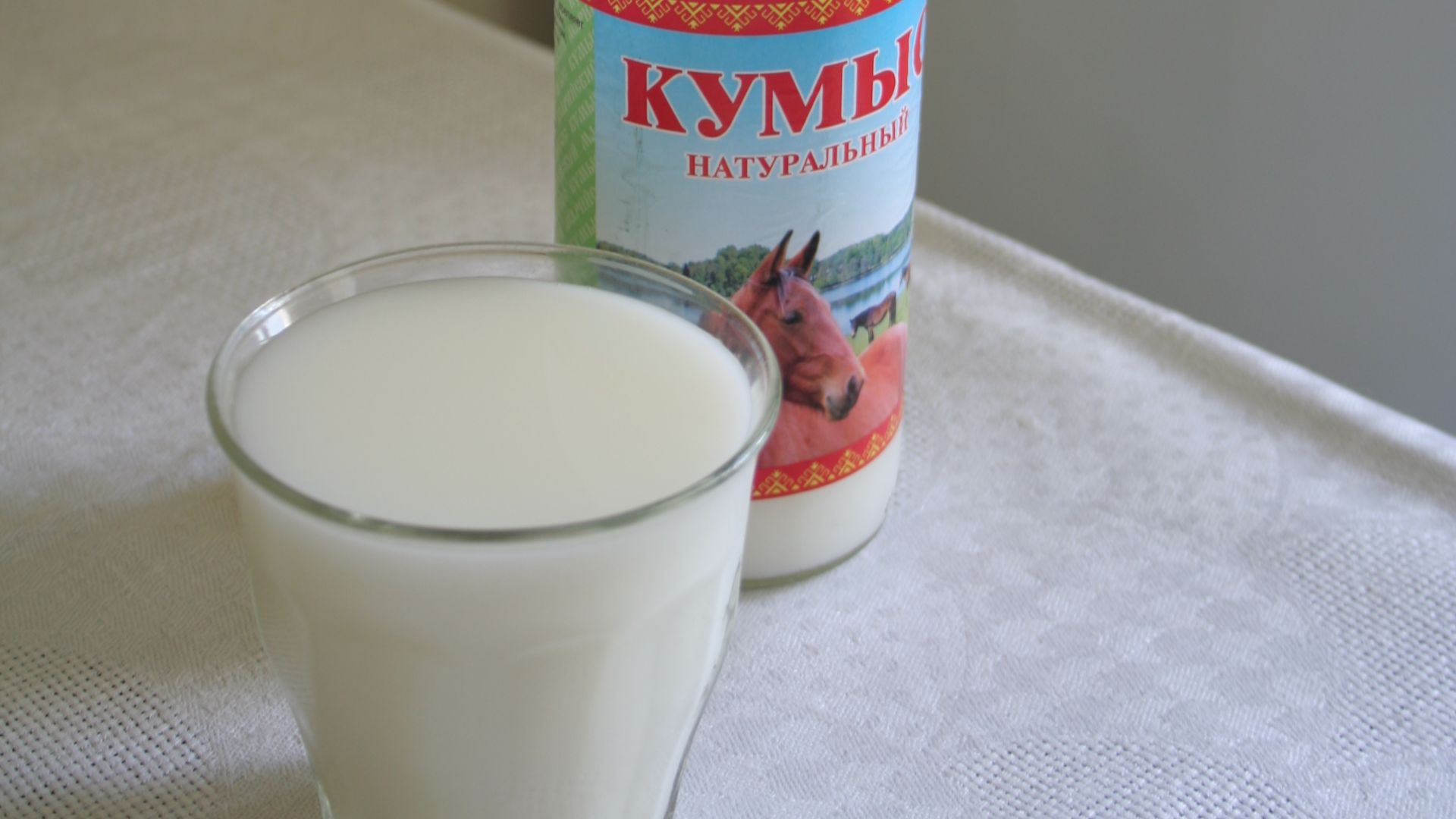
Mongolia's fermented mare's milk depends on a cowhide bag called a khokhuur. Herders churn the milk inside it more than 500 times, with a starter left in the bag to drive the fermentation. UNESCO added the technique to its intangible heritage list in 2019.
17. Mursik
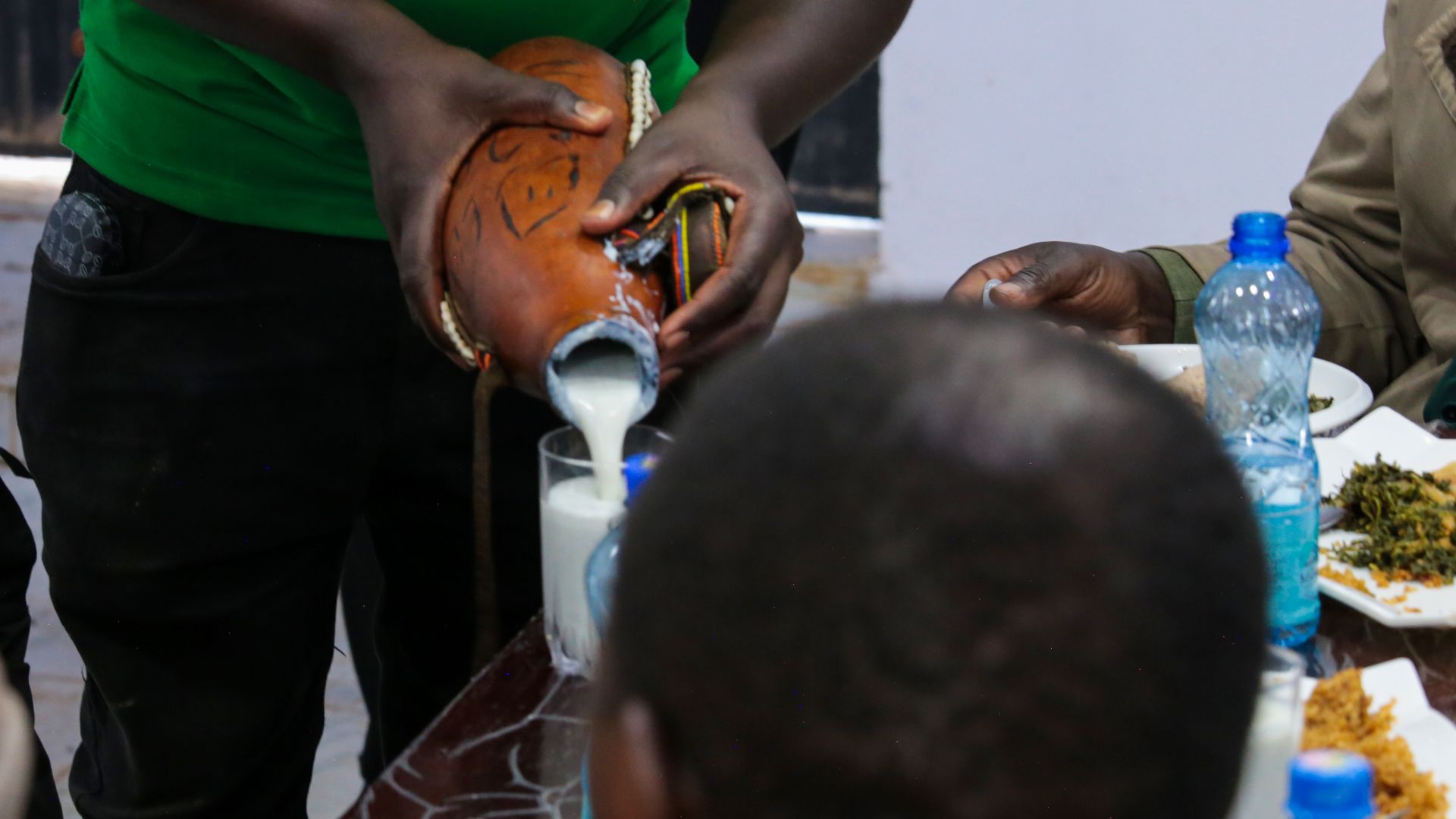
Charcoal from trees like African senna lines the inside of the gourd before any milk goes in. The milk sours there for three or four days and picks up a smoky flavor and a bluish tint. Kenyan runners back from big races often get a sip at the airport.
18. Hongeo
Skates store urea in their flesh, and after they die it breaks down into ammonia. Cooks in Jeolla Province ferment the fish and serve it as aged raw slices with boiled pork belly and kimchi. The practice dates to the 14th century, when inland buyers noticed skate could survive the trip from the coast without salt.
19. Fesikh
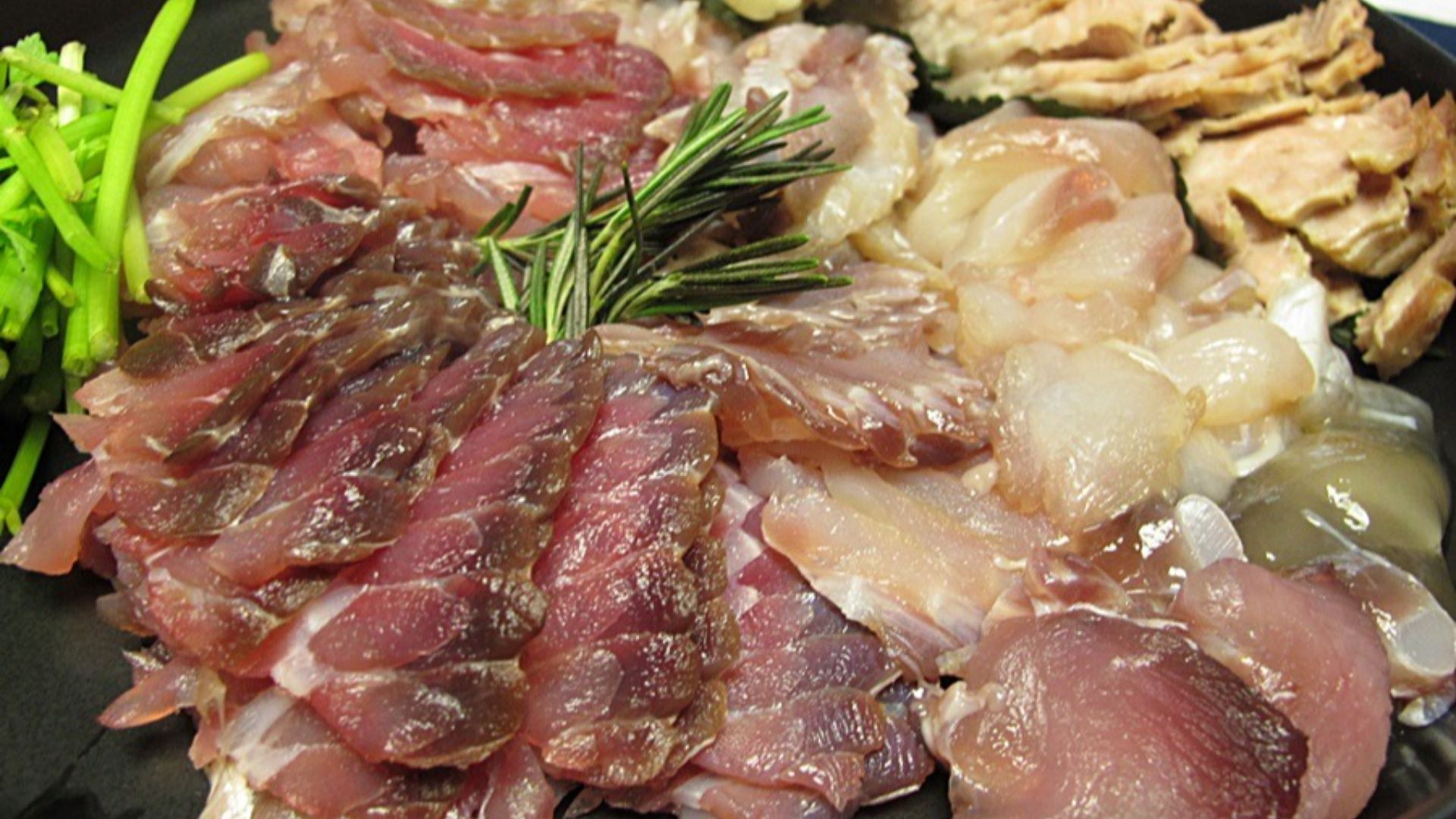
Egypt's Ministry of Health warns people off fesikh every spring before Sham el-Nessim. Producers salt-cure and ferment gray mullet with the guts left in, and that airless setup is what botulism bacteria need. The ministry opened 27 emergency rooms in 2022 to monitor the holiday.
20. Rakfisk
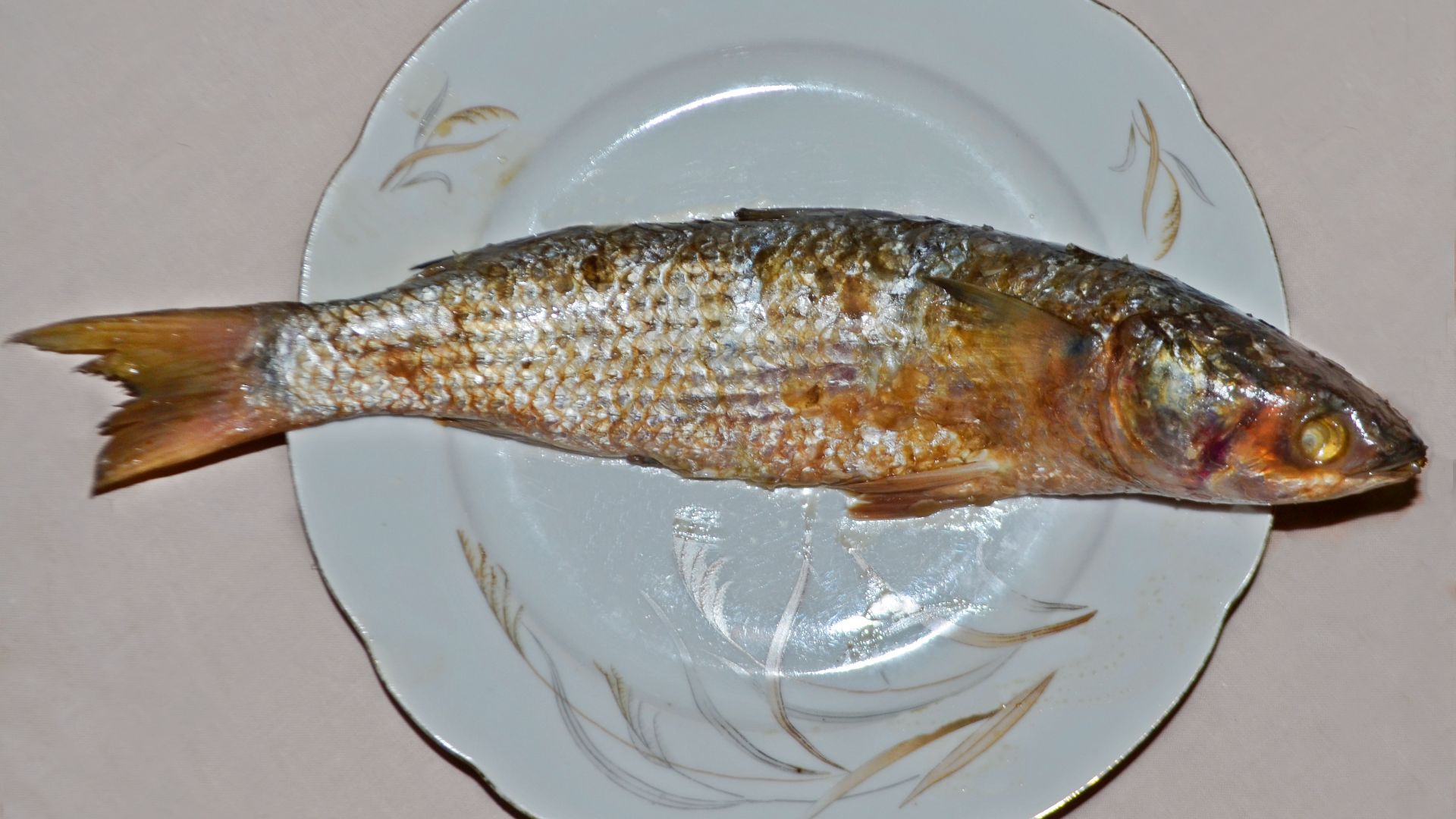
Rakfisk is trout or char that's been salted and left to ferment for up to a year, and Atlas Obscura puts the smell somewhere between old cheese and dirty socks. Norway's food safety authority treats every batch as a Listeria risk and tells pregnant people to skip it. The Valdres version carries protected geographical status.
KEEP ON READING


You’re Storing Tomatoes Wrong in This Heat
You’re Storing Potatoes Wrong in This Heat
You’re Storing Peppers Wrong in This Heat