The Cocktail Ingredient That's Illegal In Most Of The World
Ask a room of drinkers which cocktail ingredient is banned around the world and most of them will say absinthe. That answer stopped being right nearly twenty years ago. The United States lifted its ban in 2007 and set a thujone limit instead, and bottles now sit openly on back bars from Portland to Prague. The thujone scare was mostly nineteenth-century panic dressed up as medicine, and the chemistry never supported the stories about hallucinations.
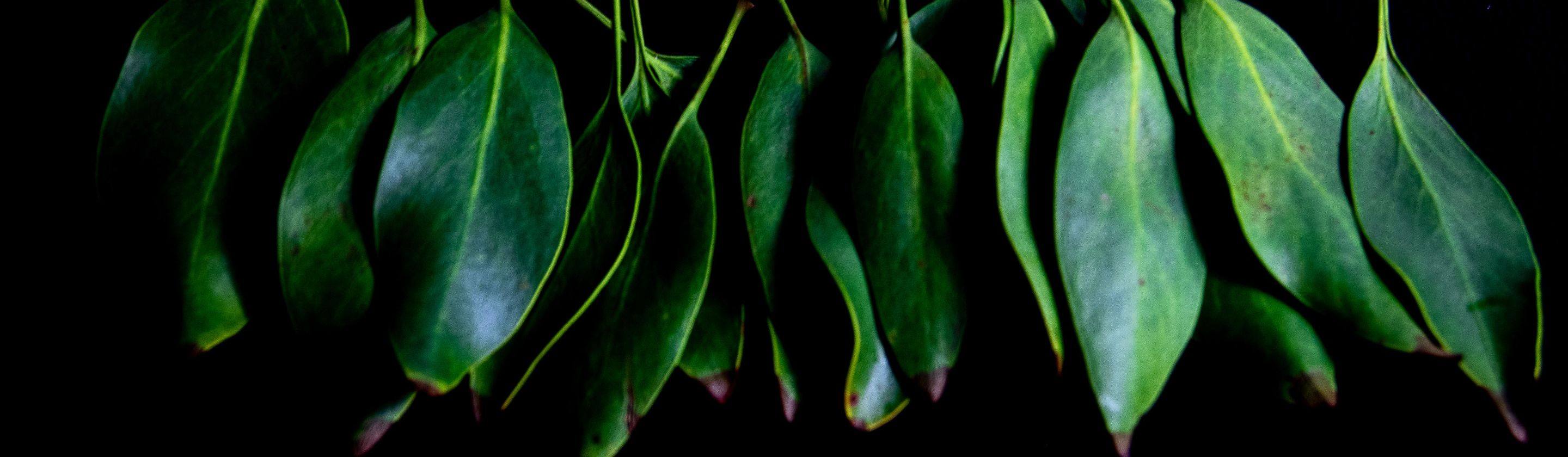
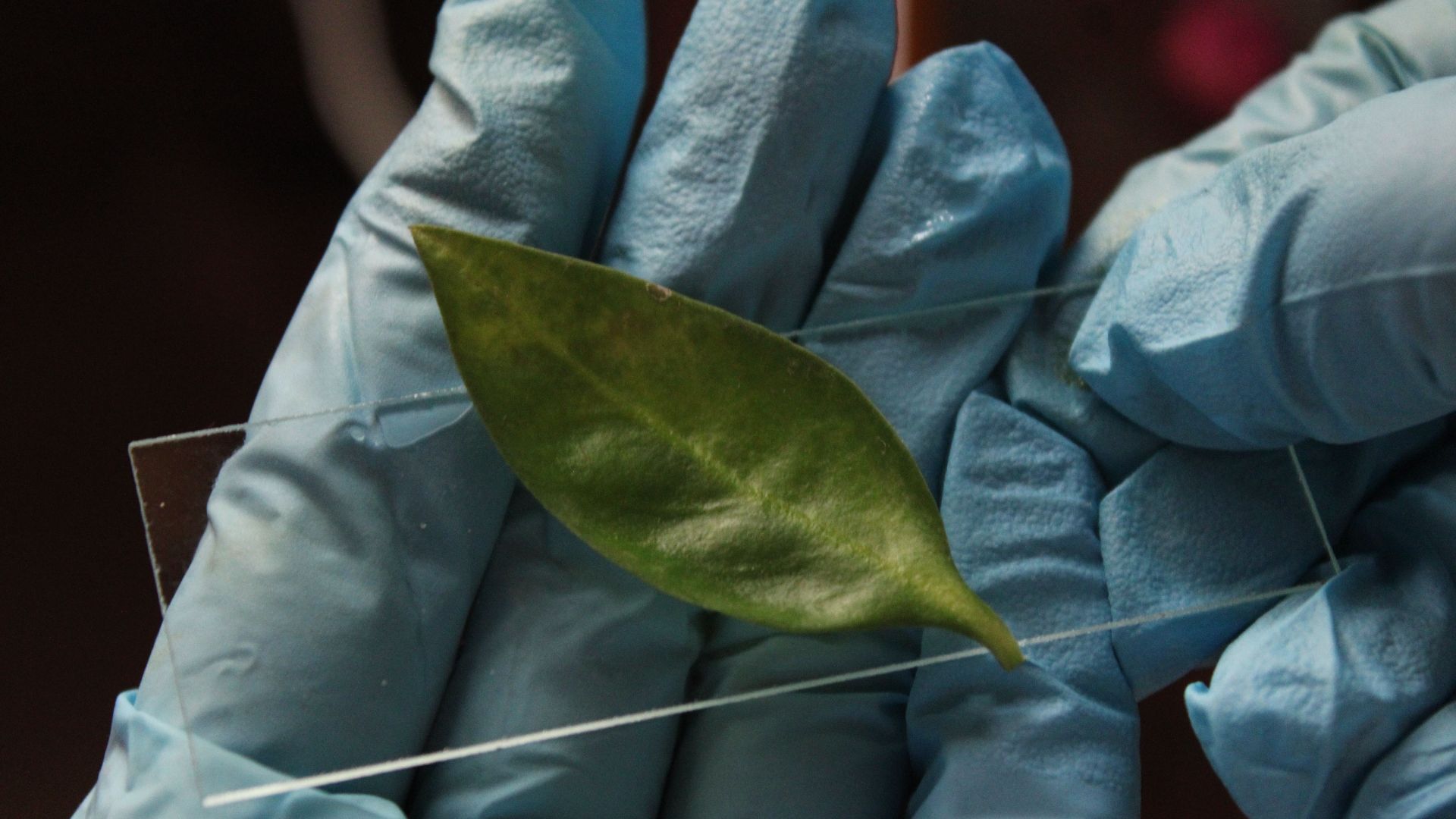
The real answer is a green leaf you can buy by the bag in a La Paz market and cannot legally carry across almost any border. Coca goes into sours and infusions across the Andes, where it's about as controversial as mint. Everywhere else it sits in the same legal category as heroin, which is a strange place for a hotel welcome drink.
The Leaf and the Treaty
The 1961 Single Convention on Narcotic Drugs put coca leaf in Schedule I, alongside the drug that gets extracted from it. The listing covers the leaf itself rather than only the alkaloid inside it, which is the detail that matters to anybody standing in customs with a box of tea bags. Most countries in the world are party to the treaty, which is how one plant ended up prohibited across four continents at once.
Bolivia spent years arguing that the listing criminalized a daily habit thousands of years older than the treaty itself. The country withdrew from the convention in 2011 and re-acceded in January 2013 with a reservation protecting coca chewing inside its own borders. Several governments filed formal objections, the United States among them. The reservation held anyway.
The leaf is legal in Bolivia and Peru, sold by weight in open-air markets and served as tea in hotel lobbies at altitude. Peru runs its legal trade through a state company called ENACO, which buys from registered growers. Cross a border into a neighboring country with the same bag in your luggage and you have committed an offense. Nothing about the plant changes at the border, and everything about its paperwork does.
What It Does in a Glass
The coca sour is a pisco sour with coca in it, built either from leaves muddled into the shaker or from pisco that has been sitting on them for a few days. It arrives pale green under a thick cap of egg-white foam. Three drops of bitters usually sit on top. The flavor runs grassy and faintly bitter, landing closer to strong green tea than to any botanical you would find in a gin.
Chewed leaves leave a mild numbness on the lip, and a well-made drink carries a trace of the same thing. The stimulant effect sits nearer coffee than anything else, because the alkaloid content of a dried leaf runs well under one percent by weight. Tourists drinking coca tea for altitude sickness in Cusco tend to notice very little beyond a warm cup and a slightly odd aftertaste.
A few producers have built commercial liqueurs around the leaf. Agwa de Bolivia is made in Amsterdam from leaves that have been stripped of their alkaloids first, and that processing is what lets the bottle onto shelves in Europe and the United States. Bars pouring it are serving the flavor with the controlled part already taken out, which is the same arrangement that keeps a famous soft drink legal.
Why You Can't Order One at Home
Carrying leaves or coca tea home from a trip is a customs offense in most countries, and airport seizures happen often enough that officers barely comment on them. Commercial packaging is no help at all, since the rules cover the plant material rather than whatever has been done to it. Travelers pack it anyway without reading anything first, and some of them learn how the seizure process works.
Exactly one American company handles the raw leaf legally. Stepan Company in Maywood, New Jersey, holds a federal registration to import coca and has renewed it for decades. The flavor extract goes to Coca-Cola and the alkaloid goes into the pharmaceutical supply, which is how a soft drink and a surgical anesthetic ended up sharing one plant in New Jersey.
Bartenders working outside the Andes have no real substitute for any of this. Green tea and matcha get close on the vegetal side and miss the bitterness completely. Nothing on a legal back bar reproduces the numbness. A coca sour stays a drink you have to travel for, and the menu in La Paz prices it at roughly what a beer costs.
KEEP ON READING
20 Food Requests Only Spoiled People Ask For

20 Hardest Foods on Earth To Eat
Do Vitamin Supplements Actually Make You Healthier?